Psoriasis
Thins plaques, best with a steroid.
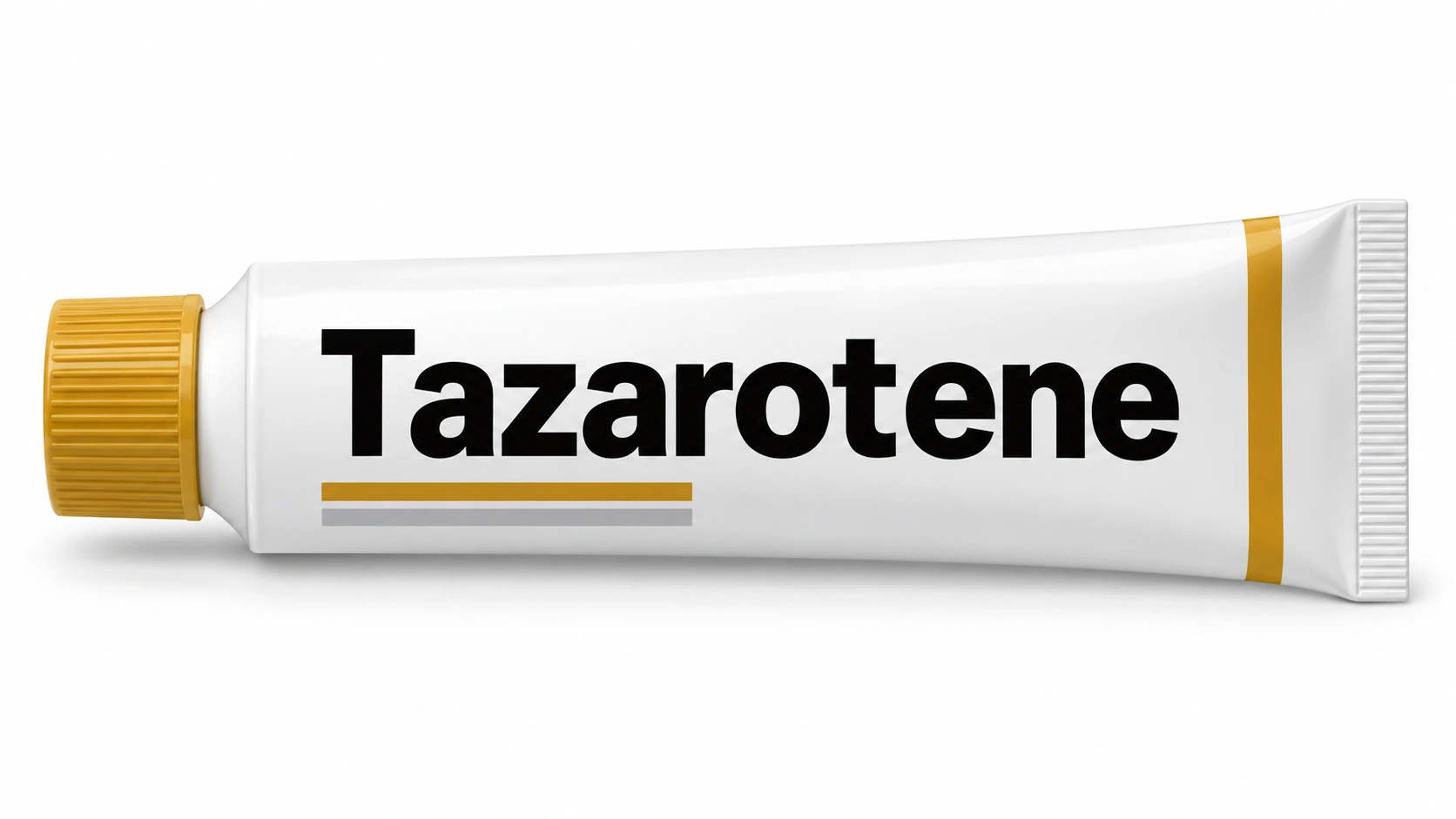
Calcipotriene: A vitamin D-like cream or ointment for plaque psoriasis. It slows the overgrowth of skin cells that makes plaques thick and scaly, and it is not a steroid. Tazarotene: A strong prescription retinoid for acne, psoriasis and sun damage. It does more than the gentler retinoids and irritates more, and it must not be used in pregnancy.
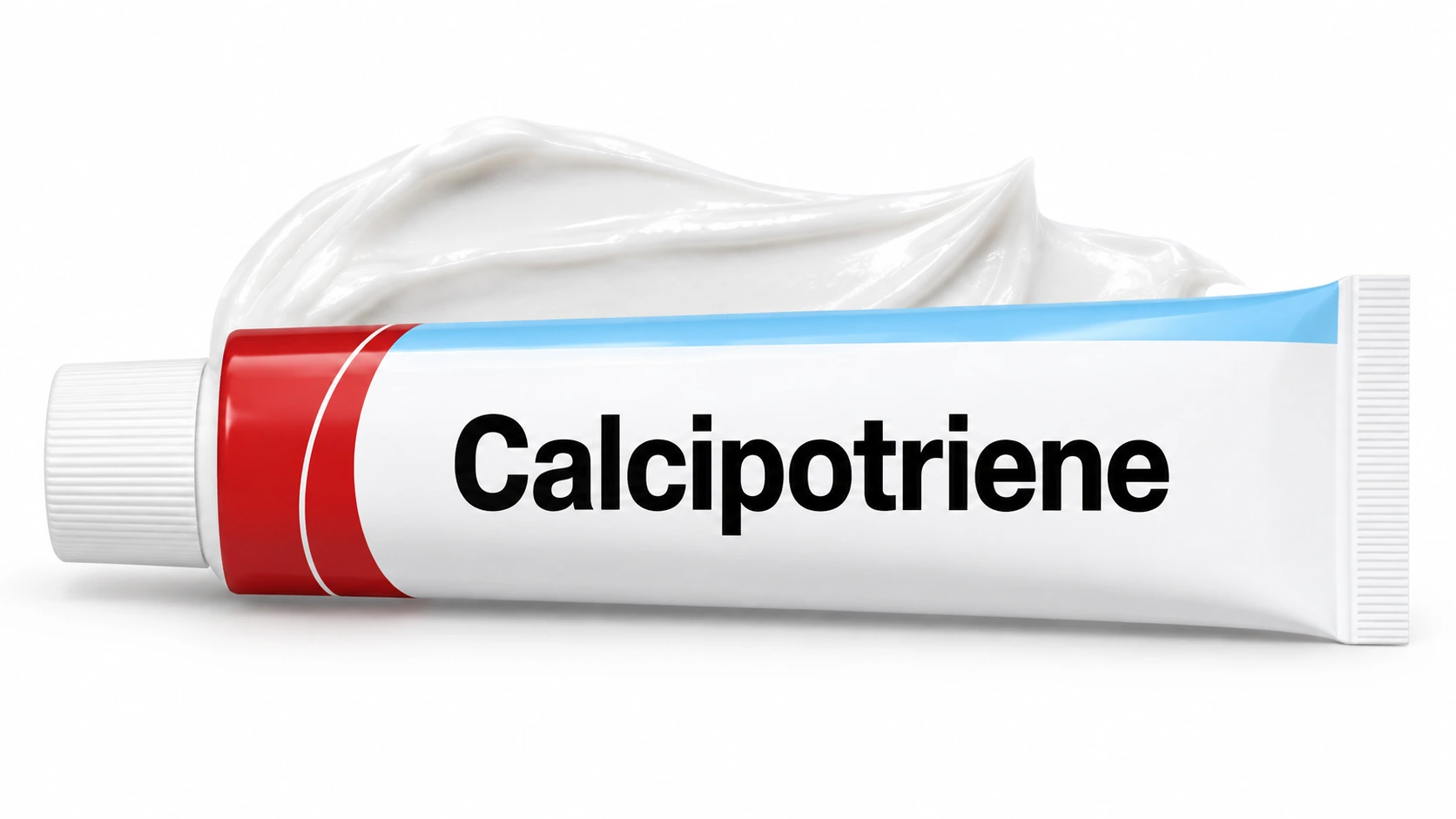
Choose for long-term psoriasis control without a steroid, often after a short combined course settles redness.
Choose for acne or psoriasis that needs a stronger retinoid than tretinoin or adapalene, and you can tolerate more irritation.
Can you take them together?
Both treat psoriasis plaques and both can irritate. If used together, apply at different times and keep them off the face and folds.
Compare uses by strength of evidence. Evidence level describes confidence in a benefit, not its size.

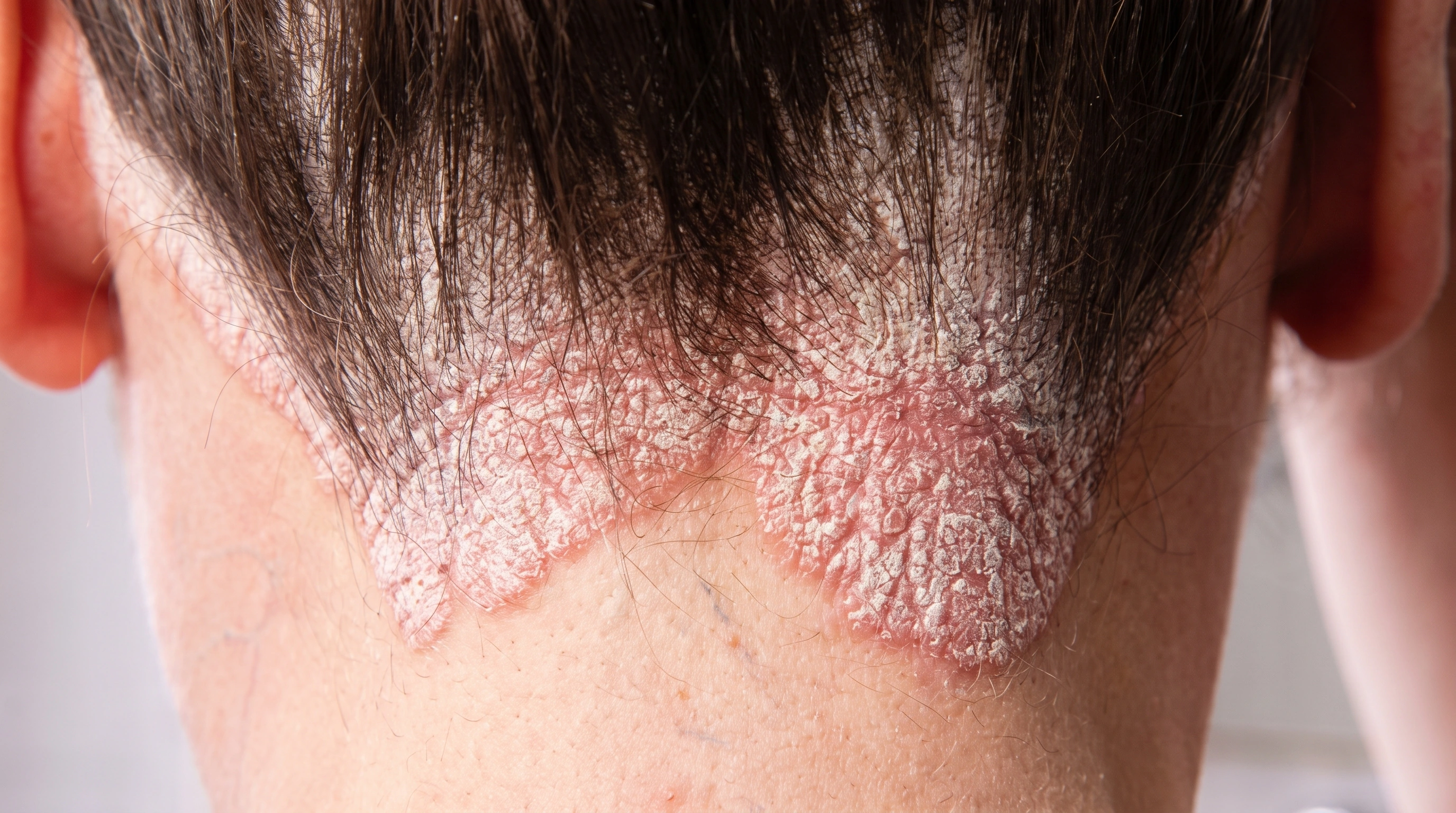
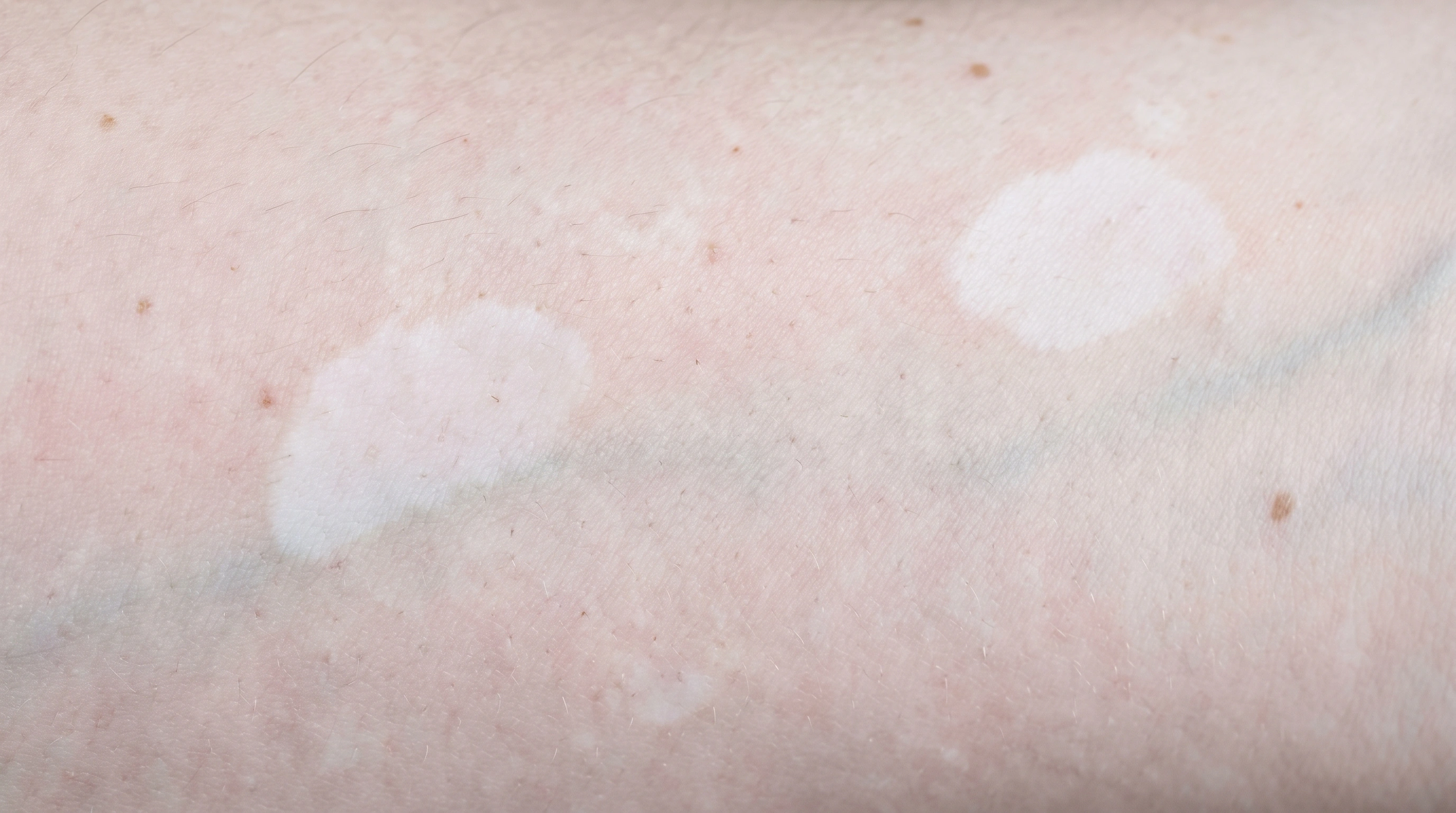
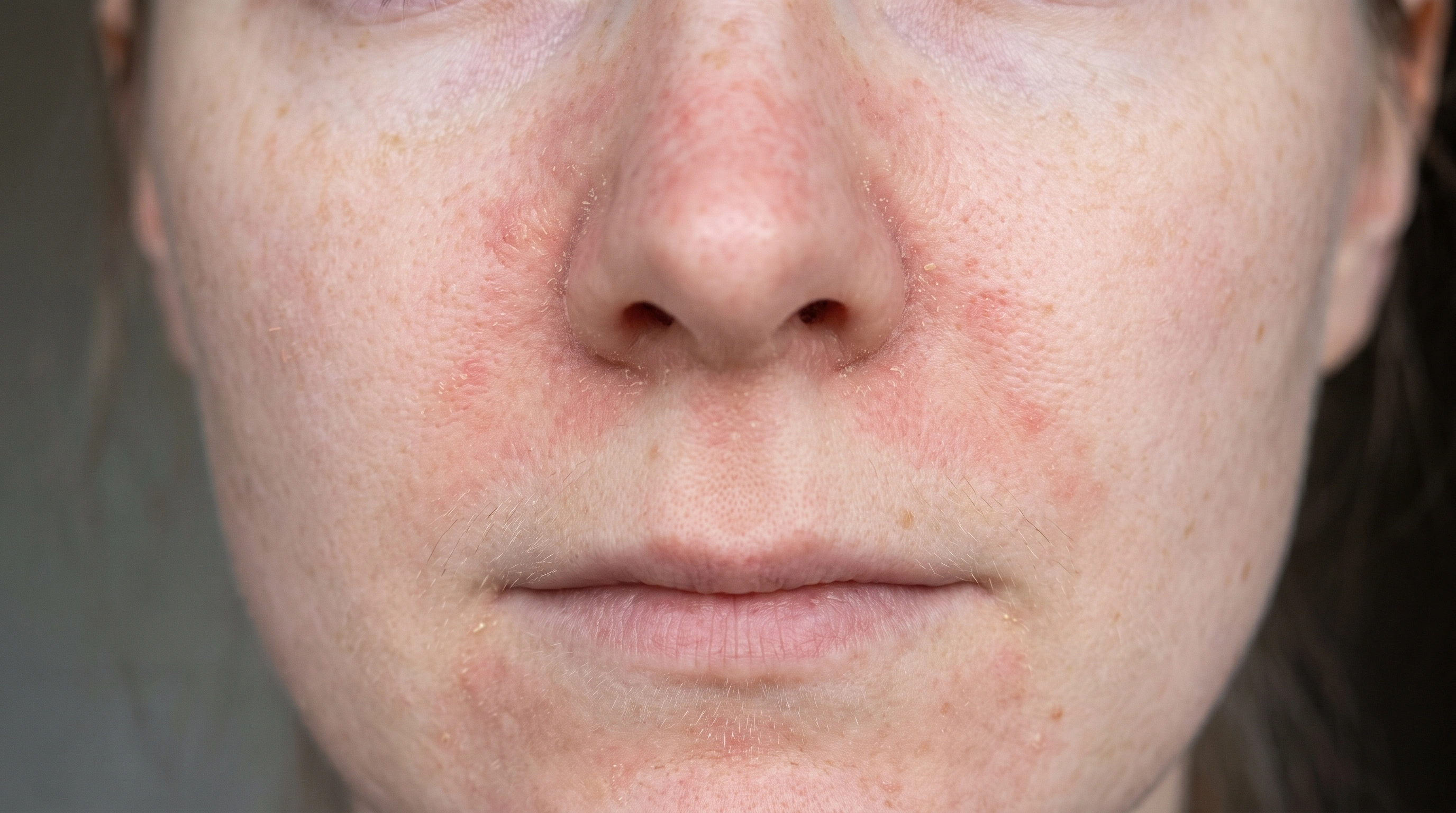



Activates vitamin D receptors: Changes signals inside skin cells. Slows excess cell growth: Helps reduce the rapid buildup seen in psoriasis. Improves cell maturation: Helps cells develop into more normal skin layers. Reduces plaque scale: Thick, scaly patches gradually become flatter.
Calcipotriene is a vitamin D analog with effects on cell proliferation and differentiation. Its complete antipsoriatic mechanism is not established; this is a simplified overview.

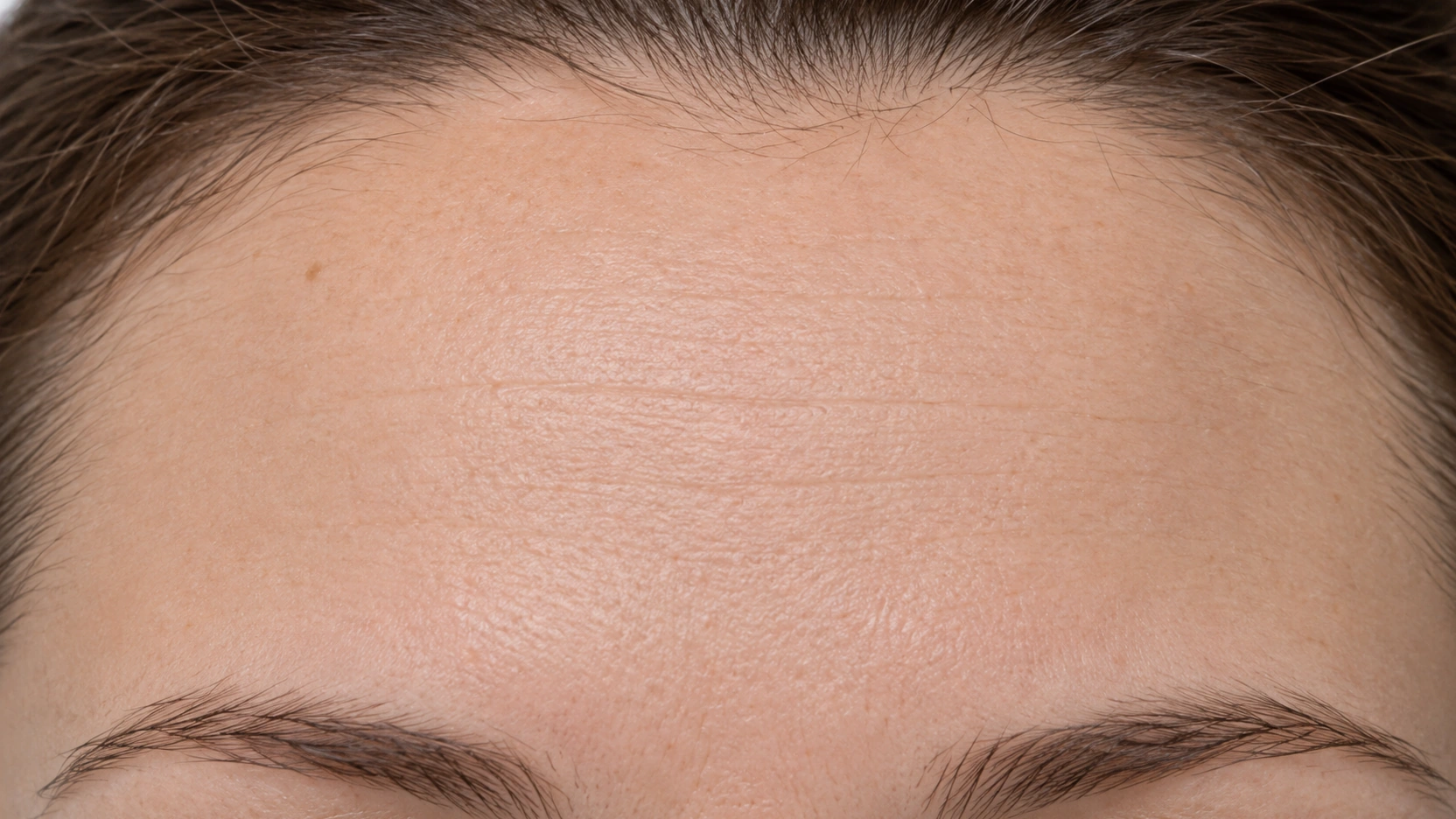
Activates retinoid receptors: Skin converts it to an active form that changes gene signals. Helps unclog pores: Normalizes cell buildup inside follicles. Reduces excess skin growth: Helps psoriasis cells grow and mature more normally. Improves sun-damaged skin: Can improve fine wrinkles and uneven pigmentation.
Tazarotene is converted to tazarotenic acid, which preferentially activates RAR-beta/gamma. Full clinical mechanisms are not defined. Acne, psoriasis and photodamage evidence comes from different formulations/strengths; clinical benefits are not guaranteed.
When to Apply: Twice a day for the plain product, thinly onto the plaques only. Once a day for the combined calcipotriene-and-steroid products. Do not use more than about 100 grams a week, and do not treat more than roughly a third of the body surface. With phototherapy, apply it after the session, not before.
How to Start: Full dose from day one, on the plaques only. Many start on a combined calcipotriene-and-steroid product for the first few weeks to settle redness, then continue on calcipotriene alone.
If It Irritates: Burning and stinging in the first days is usual and often settles. Moisturizer first, or once a day for a week, helps. Irritation on the face, eyelids, groin or under the breasts is not one to push through — thin skin, and this drug is not made for it. Sharp burning on broken skin means waiting for it to close over.
If It’s Not Working: There is only one strength, so nothing can be increased. Give it six to eight weeks. If plaques are still thick, the next steps are the combined product with a steroid, switching cream for ointment, adding phototherapy, or a tablet or injection. Also check what else is going on the skin — salicylic acid inactivates calcipotriene.
When to Apply: At night only, on completely dry skin — about twenty minutes after washing, because damp skin absorbs more and stings more. A pea-sized amount covers the whole face. Moisturizer underneath, on top, or both. Sunscreen every morning is part of the treatment.
How to Start: Two or three nights a week for the first two to four weeks, then build toward nightly as the skin allows. Most people who quit started nightly. For thick psoriasis plaques some doctors use short contact — applied, then washed off after twenty to thirty minutes — but only if you were told to.
If It Irritates: Moisturizer before and after, drop back a night or two a week, and take two or three nights off if the skin is raw. Do not scale up other actives at the same time. Cold, wind and hot showers make it worse.
If It’s Not Working: Give it a full twelve weeks. If acne is still active, step up the strength, change to the gel, or add benzoyl peroxide or an oral option. Check first that you are treating the whole area, not dabbing spots.
No routine blood tests when it is used normally: plaques only, within the weekly amount, healthy kidneys.
The one thing watched for is raised blood calcium. It is rare, and it comes from using far more than recommended, treating very large areas, or kidney disease that stops the body clearing the extra calcium. Calcium may be checked if any of those apply, or if you take high-dose vitamin D or calcium supplements. Symptoms are unusual thirst, passing more urine than usual, nausea, constipation, muscle weakness and confusion.
Monitoring is otherwise clinical — the skin at six to eight weeks, and how much of a tube is used per week. With the combined steroid product, the review also covers how long the steroid has run.
Long term, calcipotriene alone is a drug you can stay on. Nothing accumulates and it does not thin skin, which is why it is the usual maintenance between steroid courses.
No blood tests are needed. Two things get monitored: how the skin is tolerating it, and pregnancy status.
Because tazarotene is contraindicated in pregnancy, anyone who could become pregnant should expect a conversation about reliable contraception before starting, and in some settings a pregnancy test. Very little reaches the bloodstream, but the restriction is absolute.
The other checkpoint is a review at around twelve weeks: hold the strength, step up, or add something. People stay on this for years, and nothing accumulates that needs testing.
Approximate windows, not promises.
First few minutesApplying it: Stinging or burning, if it happens, is worst at the start and eases.
First few minutesApplying it: A pea-sized amount on dry skin at night. Mild stinging is normal.
Weeks 1 to 2Starting: Early flattening and less scale. Its strongest effect, and what people notice first.
Weeks 2 to 6The steady phase: Plaques thin and the silvery scale falls away. Redness fades more slowly than thickness, the main reason calcipotriene and a steroid are combined. Itch improves, slower than with a steroid.
Weeks 6 to 8Judge it here: Roughly where the effect plateaus in trials.
ScalpWhere it is used most: The scalp solution and the combined foam or gel work well here.
Long termMaintenance: Used between steroid courses, it holds the result. Stopped, plaques return over weeks to months.
Weeks 1 to 4The adjustment: Dryness, flaking around the nose and mouth, mild redness, peaking in weeks two to three. Acne can look worse first as forming clogs surface.
Weeks 4 to 8Adapting: Peeling settles and new spots get less frequent. Most quit before reaching this.
Weeks 8 to 12Judge it here for acne: Fewer new spots, fewer blackheads and whiteheads. Trials measured here, and it keeps building. Psoriasis plaques thin on the same timeline and often stay thinner after stopping.
4 to 6 monthsTexture and fine lines: Gradual smoothing. A months-to-years treatment, not a course.
6 months or moreMottled pigment and dark marks: The slowest of all. Sunscreen does as much work as the retinoid.
ThroughoutSun and flushing: Skin burns more easily, so daily sunscreen is not optional. Stinging, and a flush after alcohol or hot drinks, settle.
Sorted by what to do about them.
Generic calcipotriene is cheap and widely available; cost is rarely the barrier for the plain ointment or cream.
The branded combination products, and the foam and suspension forms, cost substantially more and often need prior authorization. Plans usually want a topical steroid, and often generic calcipotriene, tried first.
If cost decides it, generic ointment or cream plus a separate generic steroid does much the same job, at the price of two tubes.
This is the honest weak point. The lotion and the foam are brand-only and expensive, coverage is inconsistent, and prior authorization is common — plans usually want a cheaper retinoid tried first.
Generic cream and gel cost considerably less, though still more than tretinoin. Adapalene is sold without a prescription in many places and is the least expensive retinoid. If cost is the barrier, ask about generic cream or gel at 0.05%.
No. A vitamin D analog. It does not thin skin, which is why it can be used long term and is often the maintenance treatment after a steroid course.
No. The face, eyelids, groin and under the breasts all sting badly — thin skin. Ask about a different product for those areas.
About 100 grams a week, and about a third of the body surface. That limit keeps blood calcium from rising.
Irritation is the most common side effect, worst in the first days. Moisturizer first, or once a day for a week or two, settles it.
Not at the same time. Salicylic acid inactivates calcipotriene. Keep them well apart in the day or ask about an alternative.
Not for normal use with healthy kidneys. Calcium may be checked with kidney disease, very large amounts, or high-dose vitamin D.
Little for the first month, real change between weeks eight and twelve. Texture and pigment take longer.
Clogs already forming are being pushed to the surface sooner. It settles by weeks six to eight.
No. Tazarotene is contraindicated in pregnancy and should be stopped before trying to conceive. Ask your doctor what to use instead.
Generally yes, and more irritating for the same reason. Whether it works better depends on whether you can use it consistently.
Yes — about a week beforehand, and tell whoever is treating you that you use a prescription retinoid.
Yes. Unlike tretinoin, it is not broken down by benzoyl peroxide. The pair can be drying, so use one in the morning and one at night.