Acne
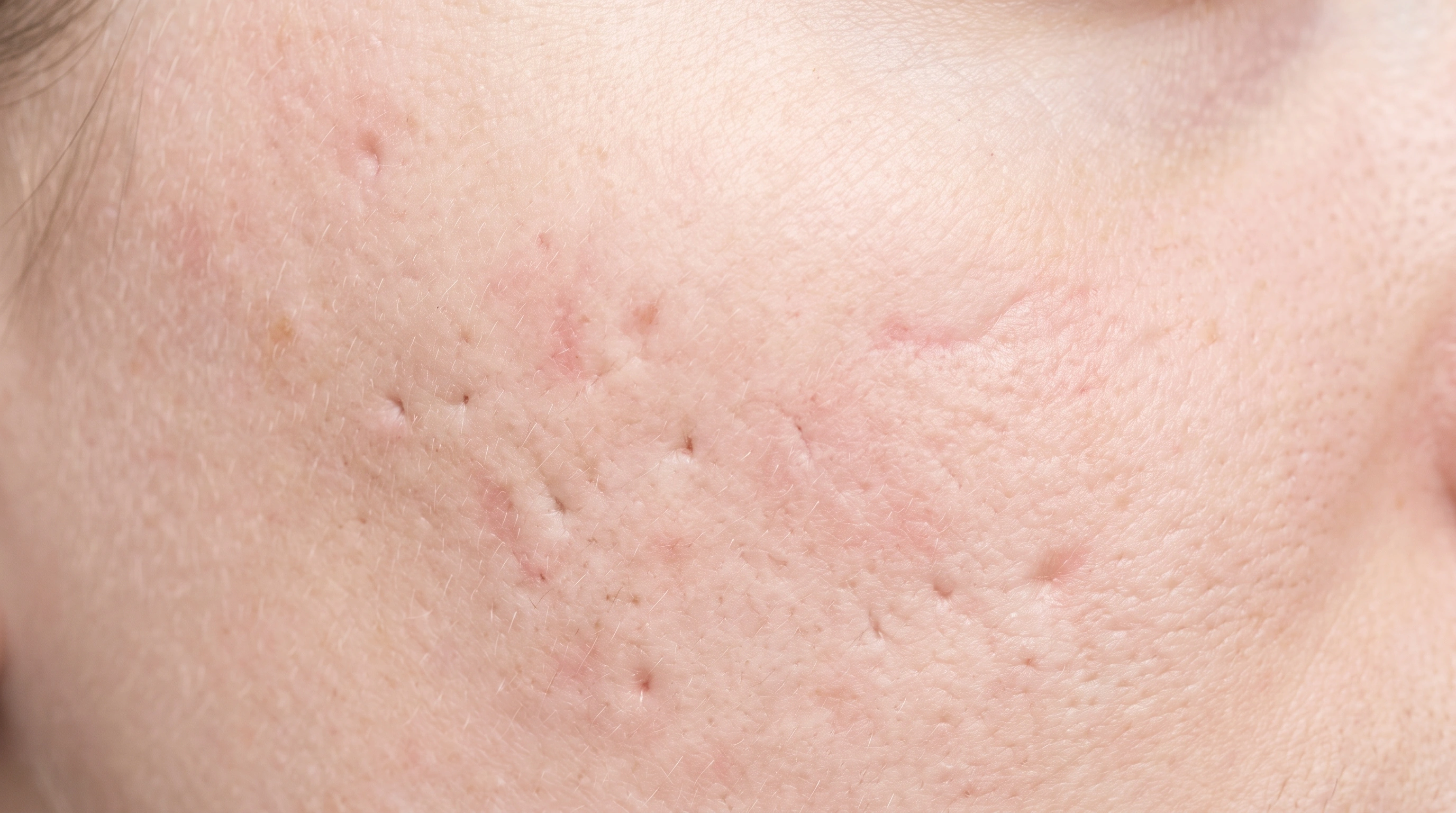
Controlled trials and current acne guidelines support treatment of inflammatory acne.
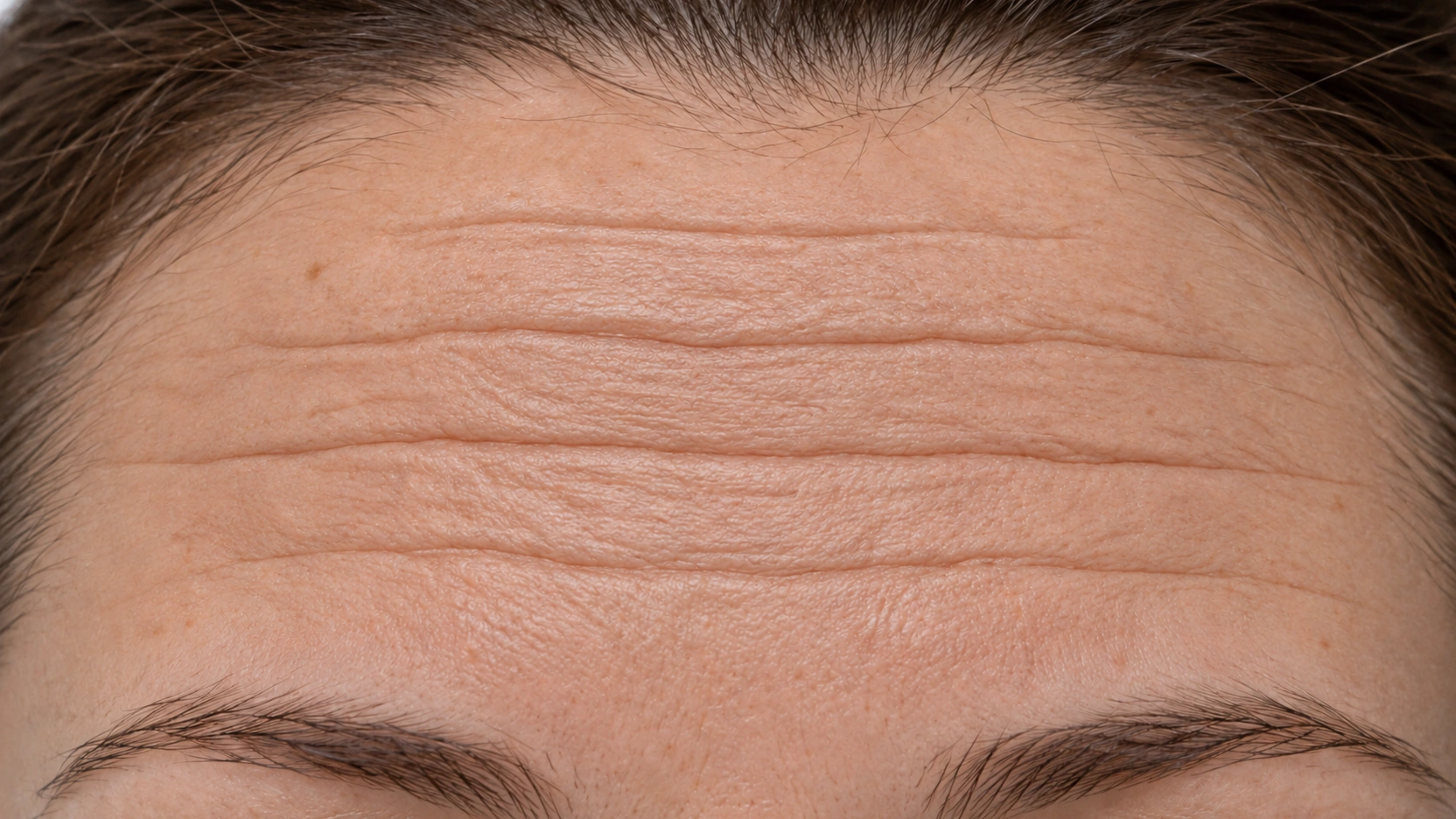
Benzoyl Peroxide: Reduces inflammatory acne and helps limit antibiotic resistance in acne regimens. Retinaldehyde: Some formulas improve photoaged texture and pigmentation over months.
Choose for inflamed acne; a lower strength is often a practical starting point.
Consider for photoaged texture; introduce slowly and judge the complete formula.
Can you use both?
Benzoyl peroxide can break down some retinoids. Use benzoyl peroxide in the morning and retinaldehyde at night.
Compare uses by strength of evidence. Evidence level describes confidence in a benefit, not its size.



Releases reactive oxygen: The active ingredient forms antibacterial oxidizing species. Reduces acne-associated bacteria: Targets Cutibacterium acnes in follicles.
Schematic illustration; not a measurement of skin penetration. Effects vary with ingredient identity and formulation.

Converts to retinoic acid: Skin enzymes can activate retinaldehyde. Changes cell activity: Retinoic acid acts through nuclear receptors.
Schematic illustration; not a measurement of skin penetration. Effects vary with ingredient identity and formulation.
Built from where each one usually sits in a routine. Introduce one at a time.
Acne products use 2.5–10% benzoyl peroxide. Trials do not support assuming that the highest percentage is always the best choice.
2.5%
5%
10%
Lower acne strength
A controlled comparison found benefit at this strength; it can be a useful option when irritation limits higher-strength products.
Middle acne strength
Used in washes and leave-on treatments. Contact time and the base formula affect the experience.
Higher acne strength
A labeled higher concentration, but not automatically more effective or more suitable for facial skin.
Choosing a strength: Choose a wash or leave-on product that fits the area and your tolerance. Follow its specific instructions.
Higher strengths: Dryness and irritation can increase with stronger products. Benzoyl peroxide may bleach hair and fabrics at any strength.
Formula matters: A wash and a leave-on gel are not identical doses. Combination acne medicines have their own directions.
0.05% and 0.1% retinaldehyde creams have been compared in a controlled photoaging trial. These percentages cannot be directly compared with retinol or tretinoin.
0.05%
0.1%
Lower studied retinal strength
A cream studied for skin texture and hydration. The result applies to that finished formula.
Higher studied retinal strength
Also studied for photoaging; not better for every measured outcome. Tolerance still determines whether a product suits you.
Choosing a strength: Choose retinaldehyde for its own formula and instructions, not a retinol-to-retinal conversion chart.
Higher strengths: A higher percentage may be harder to tolerate. Stronger products sold commercially do not automatically have stronger comparative clinical evidence.
Formula matters: Encapsulation, stability and the cream or serum base affect delivery. A percentage alone is not a measure of how much reaches skin cells.
Approximate windows, not promises.
First few weeksDryness or irritation may occur; worsening is not required for benefit.
First few weeksAssess tolerance and texture; immediate softness can come from the base formula.
4–8 weeksFewer new lesions may become noticeable.
4–8 weeksSubtle changes may appear in some tested products; evidence varies.
8–12 weeksReassess acne control after a consistent course.
8–12 weeksCompare photographs in the same lighting and reassess benefit.
3–6 monthsMaintenance may help if the treatment works and remains comfortable.
3–6 monthsPhotoaging trials often need several months; expect modest rather than dramatic change.
6–12 monthsContinue only if appropriate; scarring or persistent acne warrants reassessment.
6–12 monthsLong-term evidence is limited for many cosmetic actives; continue only if useful.
Dryness, peeling and irritation are common; it can bleach hair and fabrics.
Dryness, stinging and peeling can occur; avoid irritated areas.
Stop for persistent burning, swelling, blistering or a new rash. Seek urgent care for breathing difficulty or a severe allergic reaction.
Stop for persistent burning, swelling, blistering or a new rash. Seek urgent care for breathing difficulty or a severe allergic reaction.
Choose a simple formula and test a small area first. Avoid actively inflamed or broken skin unless the product is specifically directed for it.
Choose a simple formula and test a small area first. Avoid actively inflamed or broken skin unless the product is specifically directed for it.
Seek urgent help for facial swelling, trouble breathing or a severe allergic reaction.
Do not use a cosmetic product as a substitute for diagnosis of an unexplained, changing or persistent skin problem.
Little is absorbed through skin, and it is generally considered acceptable in pregnancy. Ask the clinician managing your pregnancy.
Retinoids are conventionally stopped in pregnancy and while trying to conceive. Ask the doctor managing your pregnancy. Azelaic acid is the usual alternative.
On the skin. The finished product delivers benzoyl peroxide in a particular vehicle.
Entering skin. Below the 500 Da guideline; delivery still depends on the formula, solubility, stability and skin condition. Size does not prove effectiveness or penetration depth.
Conversion. No activation step is established as necessary for its intended topical role.
Skin response. Releases reactive oxygen that reduces acne-associated bacteria and has mild comedolytic effects.
Additional effects. Proposed pathways do not establish a measured depth of delivery or clinical benefit beyond the studies cited.
On the skin. The finished product delivers retinaldehyde in a particular vehicle.
Entering skin. Below the 500 Da guideline; delivery still depends on the formula, solubility, stability and skin condition. Size does not prove effectiveness or penetration depth.
Conversion. Skin can convert retinaldehyde into retinoic acid.
Skin response. Skin can convert retinaldehyde into retinoic acid, which influences cell activity through retinoid receptors.
Additional effects. Proposed pathways do not establish a measured depth of delivery or clinical benefit beyond the studies cited.
Choose for inflamed acne; a lower strength is often a practical starting point.
Acne guideline support is strong. Older concentration trials found good results with 2.5%; this does not establish benefit for yeast folliculitis or for ordinary acne products used on rosacea.
Consider for photoaged texture; introduce slowly and judge the complete formula.
A 40-woman trial compared two active strengths without a retinoid-free vehicle group. It supports cautious formula-specific claims, not guaranteed superiority to retinol or acne medicines.
Sources