Acne
A guideline-supported treatment for comedones and inflammatory lesions.
Adapalene: Prevents clogged pores and treats inflammatory and non-inflammatory acne. Alpha Arbutin: Targets melanin production; clinical data mainly involve combination creams.
Choose for clogged pores and ongoing acne prevention; introduce gradually.
Consider for uneven tone; do not assume it matches prescription pigment treatments.
Can you use both?
A useful pairing for acne with dark marks: adapalene speeds skin turnover while alpha arbutin calms pigment. Use arbutin in the morning and adapalene at night.
Compare uses by strength of evidence. Evidence level describes confidence in a benefit, not its size.
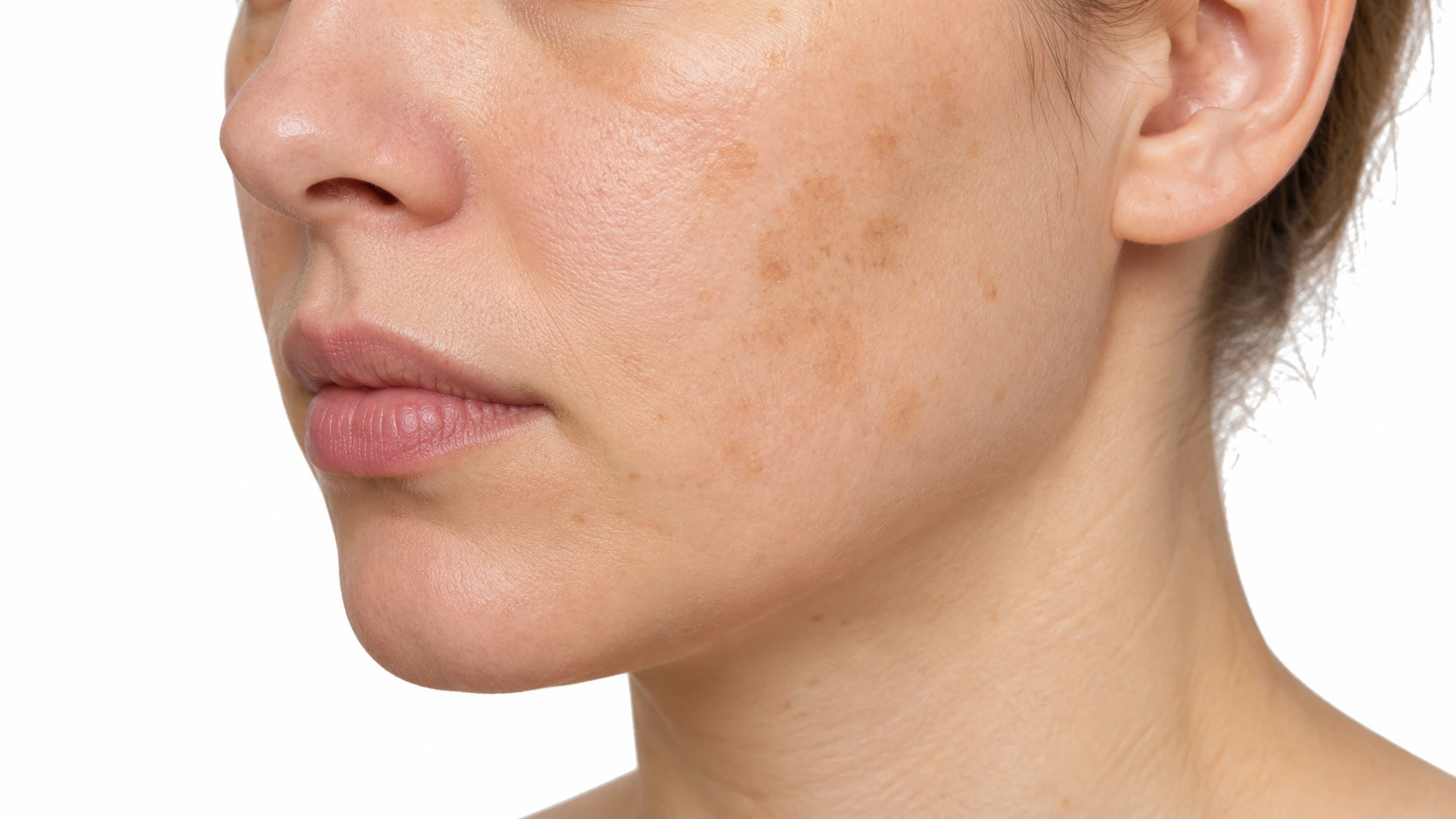
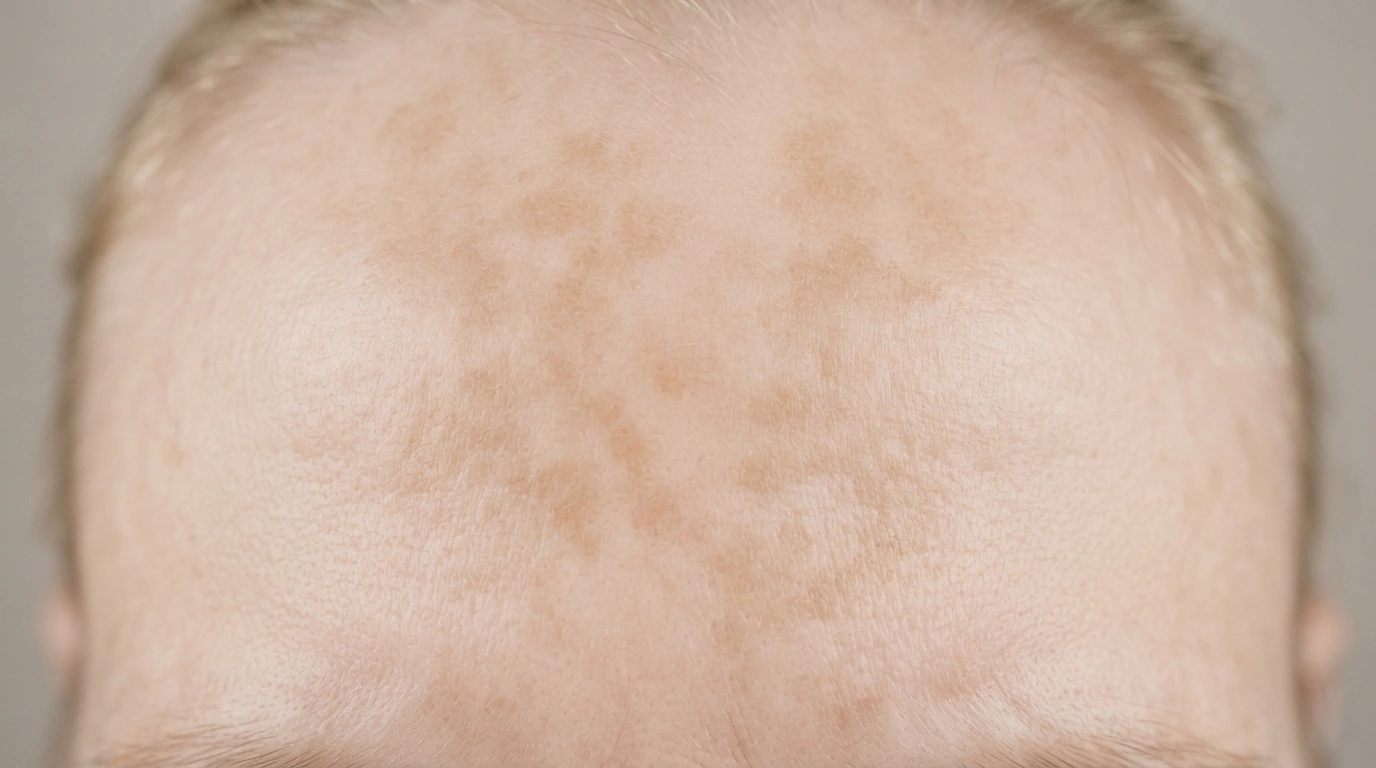
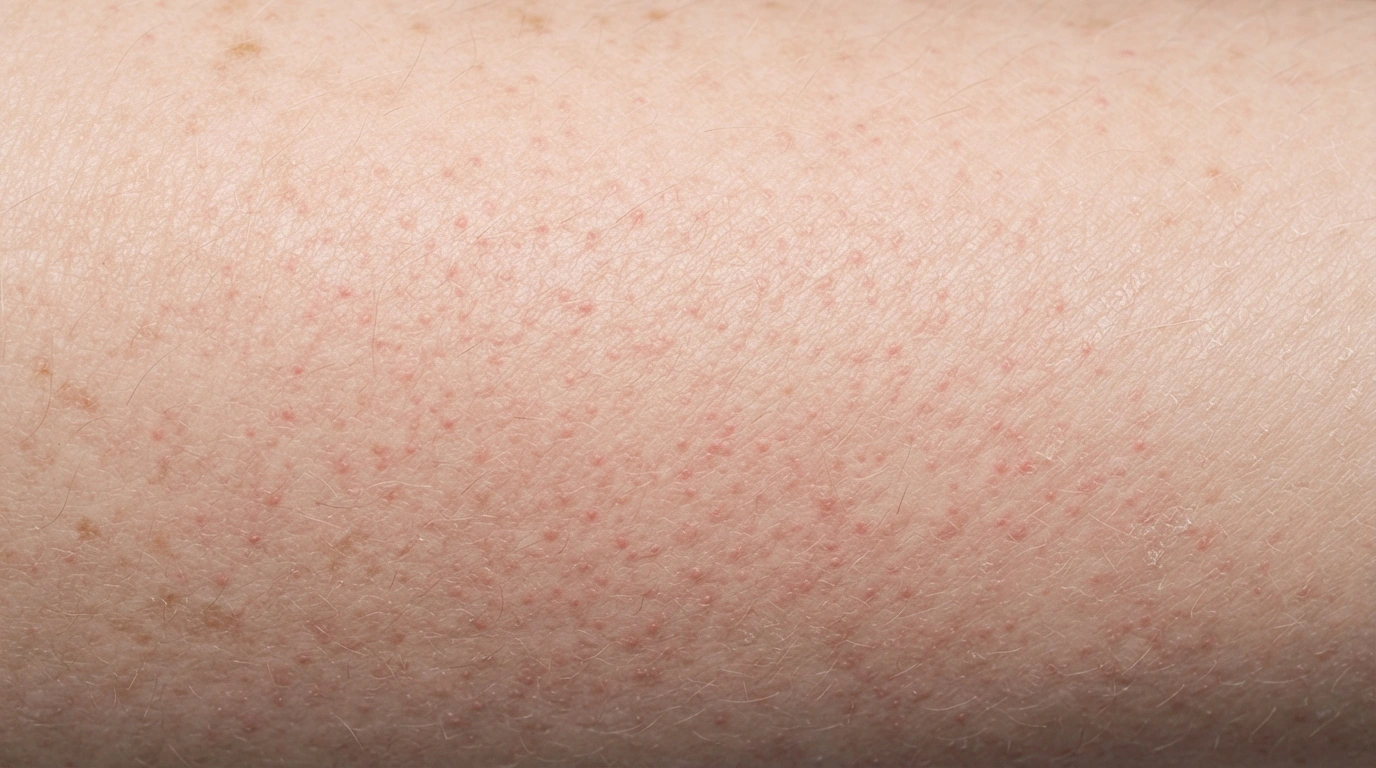


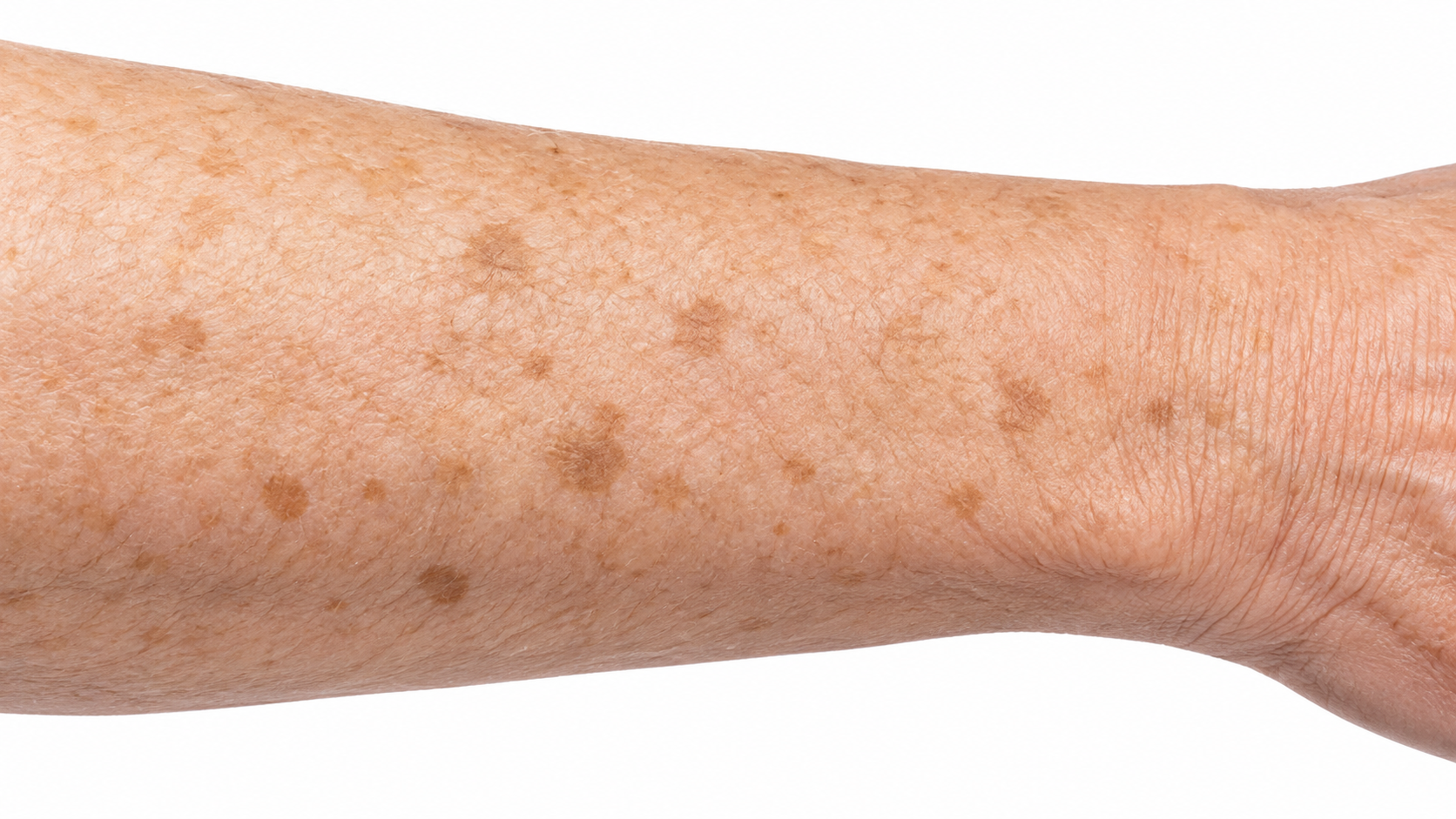
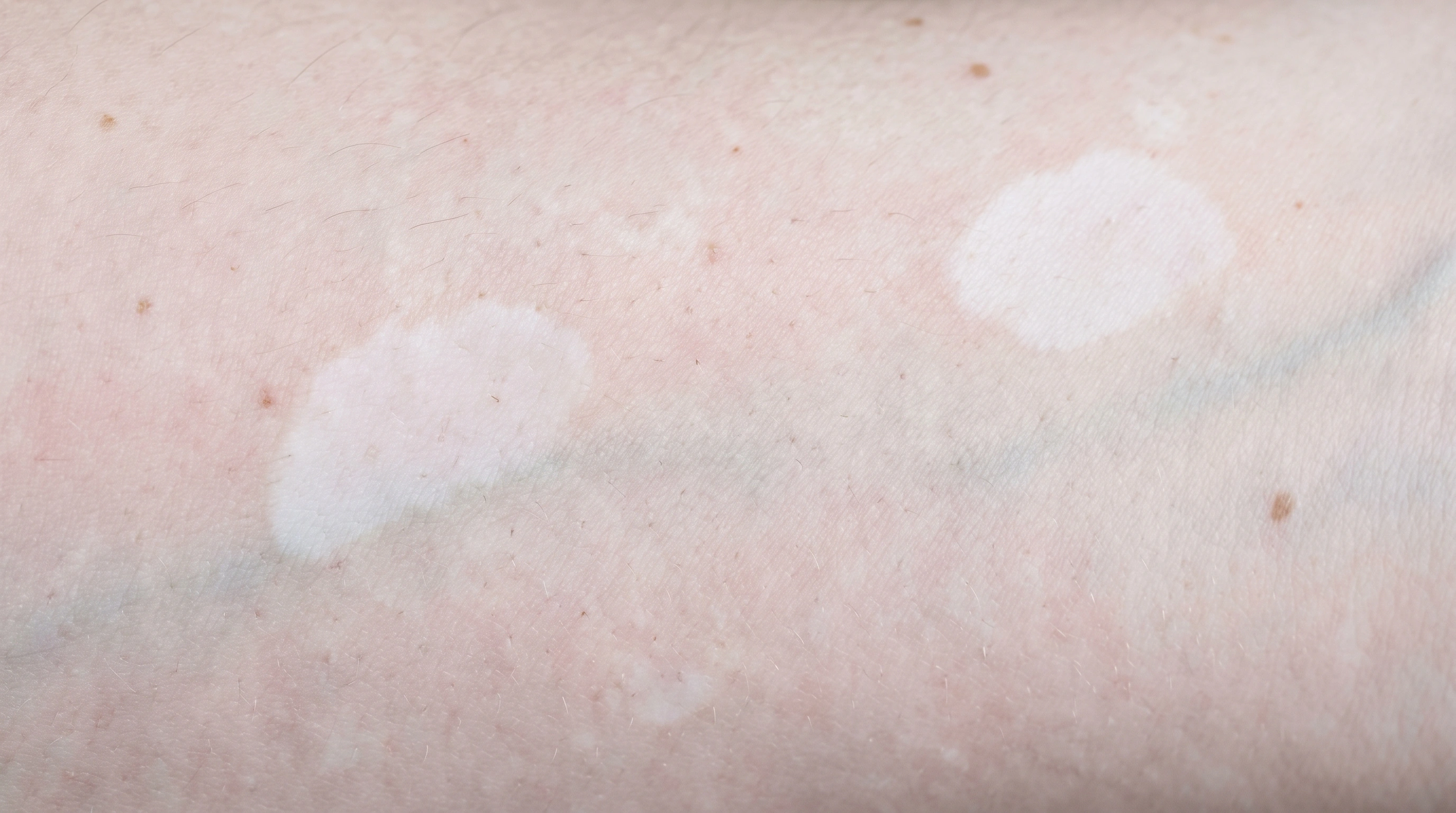

Binds retinoid receptors: Adapalene works without conversion to retinoic acid. Helps keep follicles clear: Regulates cell shedding and inflammatory pathways.
Schematic illustration; not a measurement of skin penetration. Effects vary with ingredient identity and formulation.
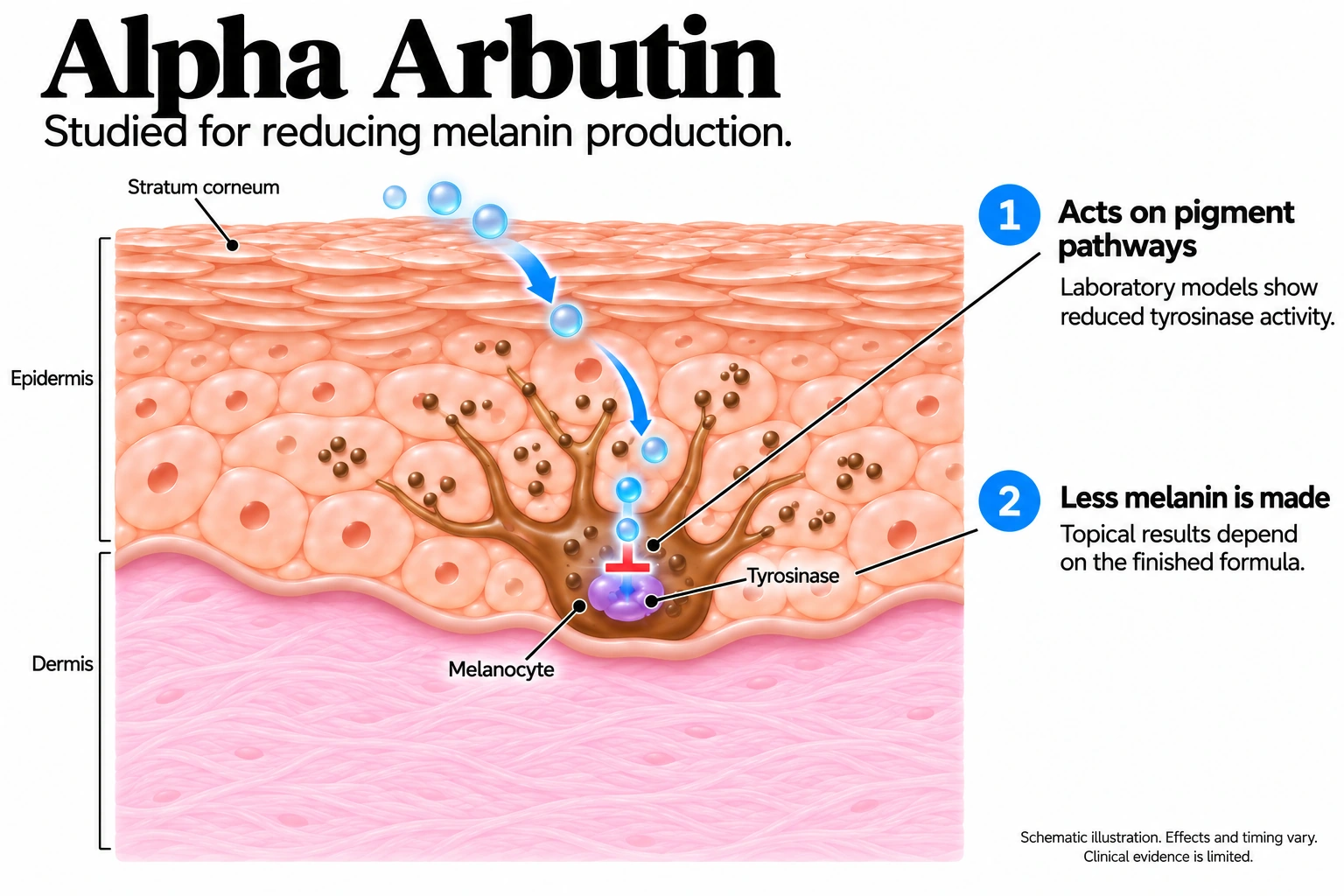
Acts on pigment pathways: Laboratory models show reduced tyrosinase activity. Less melanin is made: Topical results depend on the finished formula.
Schematic illustration; not a measurement of skin penetration. Effects vary with ingredient identity and formulation.
Built from where each one usually sits in a routine. Introduce one at a time.
Adapalene is a medicine, not a cosmetic retinol. U.S. acne formulations include 0.1% and 0.3%; the higher strength is prescription.
0.1%
0.3%
OTC acne gel
A labeled acne treatment in the U.S. Improvement takes time; using extra product does not speed the result.
Prescription acne gel
A higher-strength formulation with comparative trial evidence. A clinician can weigh benefit against irritation.
Choosing a strength: Choose the medicine and vehicle for acne severity and tolerance. Adapalene percentages are not equivalent to retinol or retinaldehyde percentages.
Higher strengths: Dryness, peeling and irritation can occur. Do not step up strength or combine several retinoids just because improvement is slow.
Formula matters: Products combining adapalene with benzoyl peroxide have additional active ingredients and different labeling; read the whole product name.
Alpha-arbutin percentages need a regional and product-type context. EU cosmetic limits are 2% in face creams and 0.5% in body lotions; these are safety limits, not proven optimal treatment doses.
0.5%
2%
EU body-lotion ceiling
A maximum for the specified EU product category, not a minimum effective concentration.
EU face-cream ceiling
A maximum for the specified EU product category. It does not establish that 2% will work better than every lower-strength formula.
Choosing a strength: Check that the ingredient is alpha-arbutin. Beta-arbutin has different specifications and should not share the same strength scale.
Higher strengths: A higher concentration in a clinical combination study does not override current cosmetic restrictions or establish safe home use.
Formula matters: The extract or ingredient identity, purity and the finished formula matter. Hydroquinone impurities must be controlled.
Approximate windows, not promises.
First few weeksDryness or irritation may occur; worsening is not required for benefit.
First few weeksAssess tolerance first; pigment change is usually slower.
4–8 weeksFewer new lesions may become noticeable.
4–8 weeksSome studied regimens begin showing pigment improvement.
8–12 weeksReassess acne control after a consistent course.
8–12 weeksA useful review point for benefit and irritation.
3–6 monthsMaintenance may help if the treatment works and remains comfortable.
3–6 monthsMany melasma trials assess results over three to four months; recurrence is common.
6–12 monthsContinue only if appropriate; scarring or persistent acne warrants reassessment.
6–12 monthsLong-term use depends on the active; follow a monitored plan rather than extending treatment automatically.
Dryness, stinging and peeling can occur, especially early in use.
May cause irritation or a rash; choose a compliant commercial formula.
Stop for persistent burning, swelling, blistering or a new rash. Seek urgent care for breathing difficulty or a severe allergic reaction.
Stop for persistent burning, swelling, blistering or a new rash. Seek urgent care for breathing difficulty or a severe allergic reaction.
Choose a simple formula and test a small area first. Avoid actively inflamed or broken skin unless the product is specifically directed for it.
Choose a simple formula and test a small area first. Avoid actively inflamed or broken skin unless the product is specifically directed for it.
Follow the age and use restrictions on the label; OTC adapalene 0.1% is labelled for ages 12 and older in the US.
Do not use a cosmetic product as a substitute for diagnosis of an unexplained, changing or persistent skin problem.
Retinoids are avoided in pregnancy and while trying to conceive.
Because it releases small amounts of hydroquinone, ask rather than assume; pregnancy-specific data are limited. Ask the doctor managing your pregnancy. Azelaic acid and strict sun protection are the usual suggestions meanwhile.
On the skin. The finished product delivers adapalene in a particular vehicle.
Entering skin. Below the 500 Da guideline; delivery still depends on the formula, solubility, stability and skin condition. Size does not prove effectiveness or penetration depth.
Conversion. Binds retinoid receptors directly; it does not need conversion into retinoic acid.
Skin response. Binds retinoid receptors directly, regulating follicular cell shedding and inflammatory pathways.
Additional effects. Proposed pathways do not establish a measured depth of delivery or clinical benefit beyond the studies cited.
On the skin. The finished product delivers alpha arbutin in a particular vehicle.
Entering skin. Below the 500 Da guideline; delivery still depends on the formula, solubility, stability and skin condition. Size does not prove effectiveness or penetration depth.
Conversion. No activation step is established as necessary for its intended topical role.
Skin response. Laboratory models show reduced tyrosinase activity and melanin production; clinical delivery and formula matter.
Additional effects. Proposed pathways do not establish a measured depth of delivery or clinical benefit beyond the studies cited.
Choose for clogged pores and ongoing acne prevention; introduce gradually.
Guidelines and controlled acne trials support adapalene. Evidence for acne medicines should not be transferred automatically to retinol, and irritation does not indicate greater benefit.
Consider for uneven tone; do not assume it matches prescription pigment treatments.
A 30-person split-face trial tested alpha-arbutin together with kojic acid. Laboratory results cannot establish clinical efficacy alone, and nonsignificant differences do not prove equivalence.
Sources