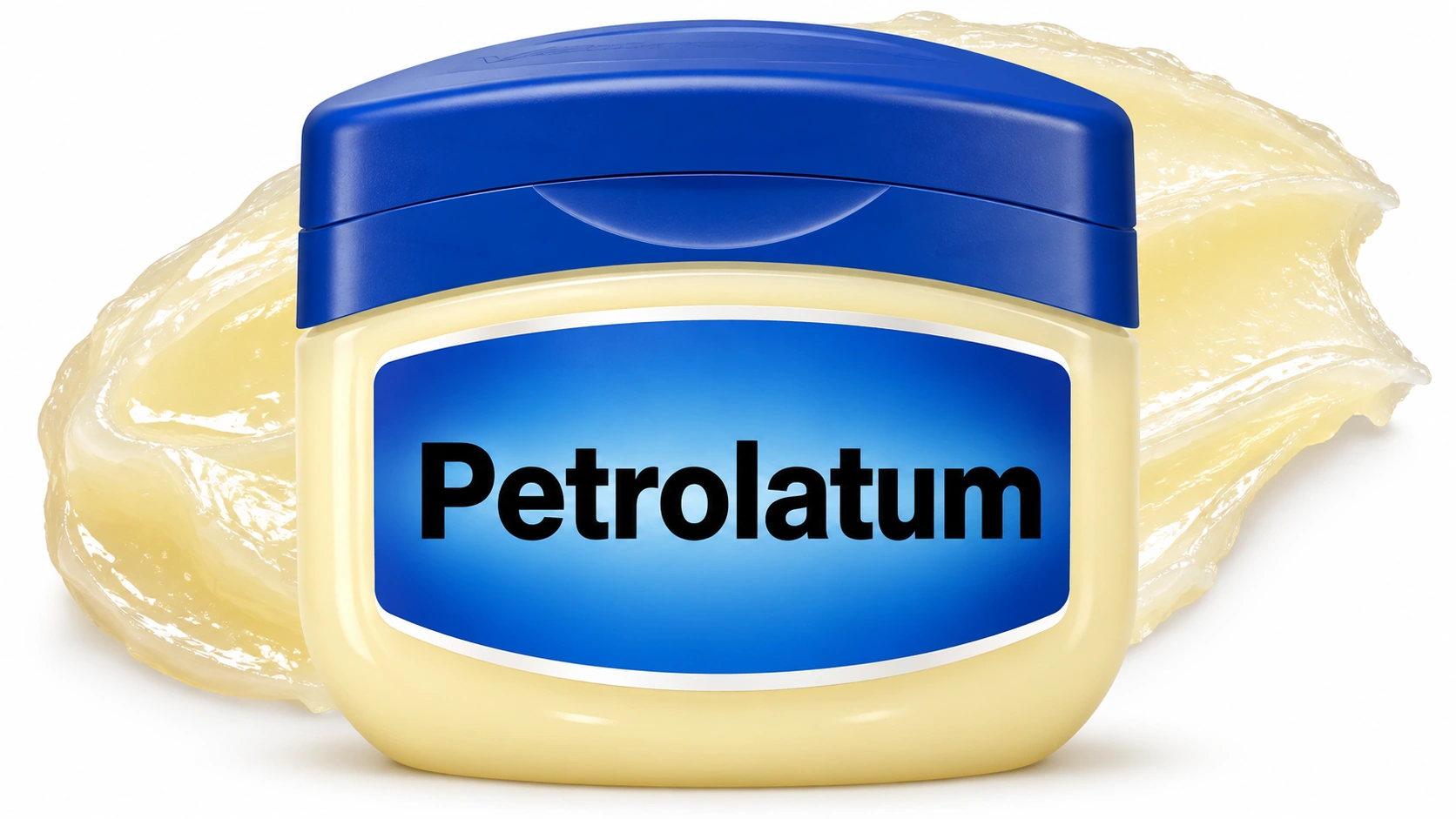
Vaseline
The most effective occlusive there is, with essentially no allergens, for a few dollars. When everything else stings, this still works.
Reviewed by Dr. Schwarz, MD · Dermatologist

A dermatologist’s take
Recommend.
Vaseline is 100% petrolatum and the most effective way to stop water escaping from dry, cracked skin. Nothing in it is a common allergen, so it is what I reach for when skin stings with everything else. It adds no water, so use it on damp skin or over a moisturizer. For less greasy, Aquaphor spreads more easily.
Pros
- No added fragrance
- Good fit for dry skin
- Good fit for sensitive skin
Cons
- Greasy, shiny finish
- Can transfer onto clothing and bedding
Skin fit
Who is it best for?
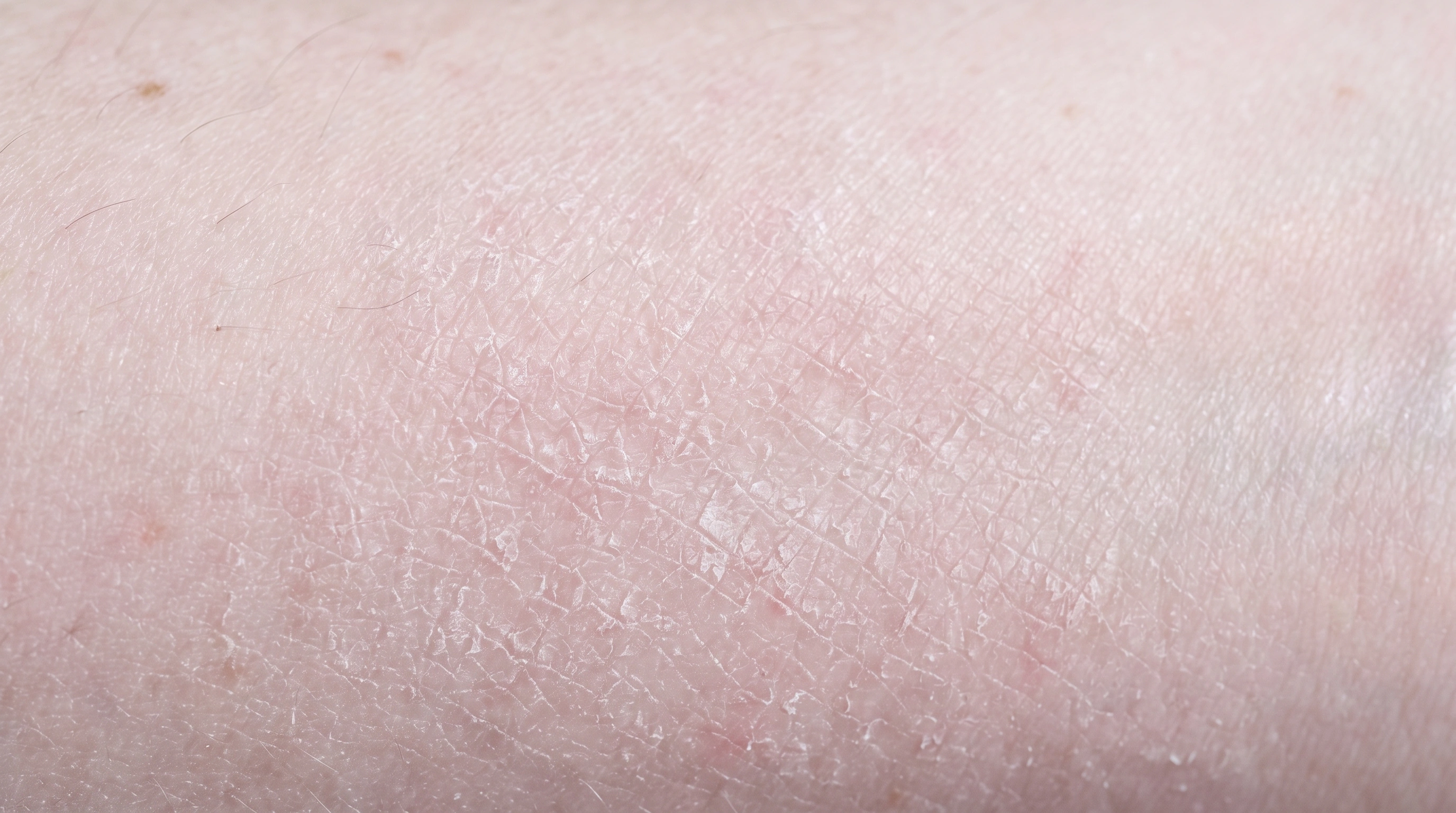
Dry Skin
Good fitDry skin loses water faster than it replaces it. Vaseline seals the surface but adds no water of its own, so put it on damp skin or over a moisturizer.
On dry skin alone it just sits there.
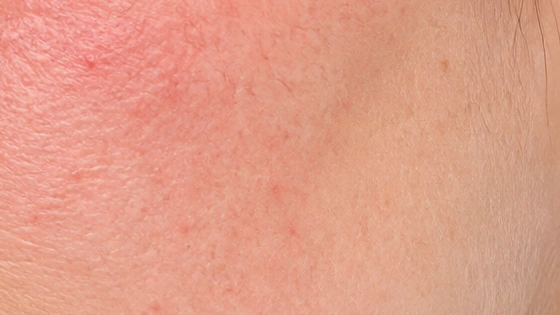
Sensitive Skin
Good fitAlmost every reaction to a skincare product traces back to fragrance, preservatives, lanolin or plant extracts. Vaseline has none of them.
When everything stings, this is where to stop.
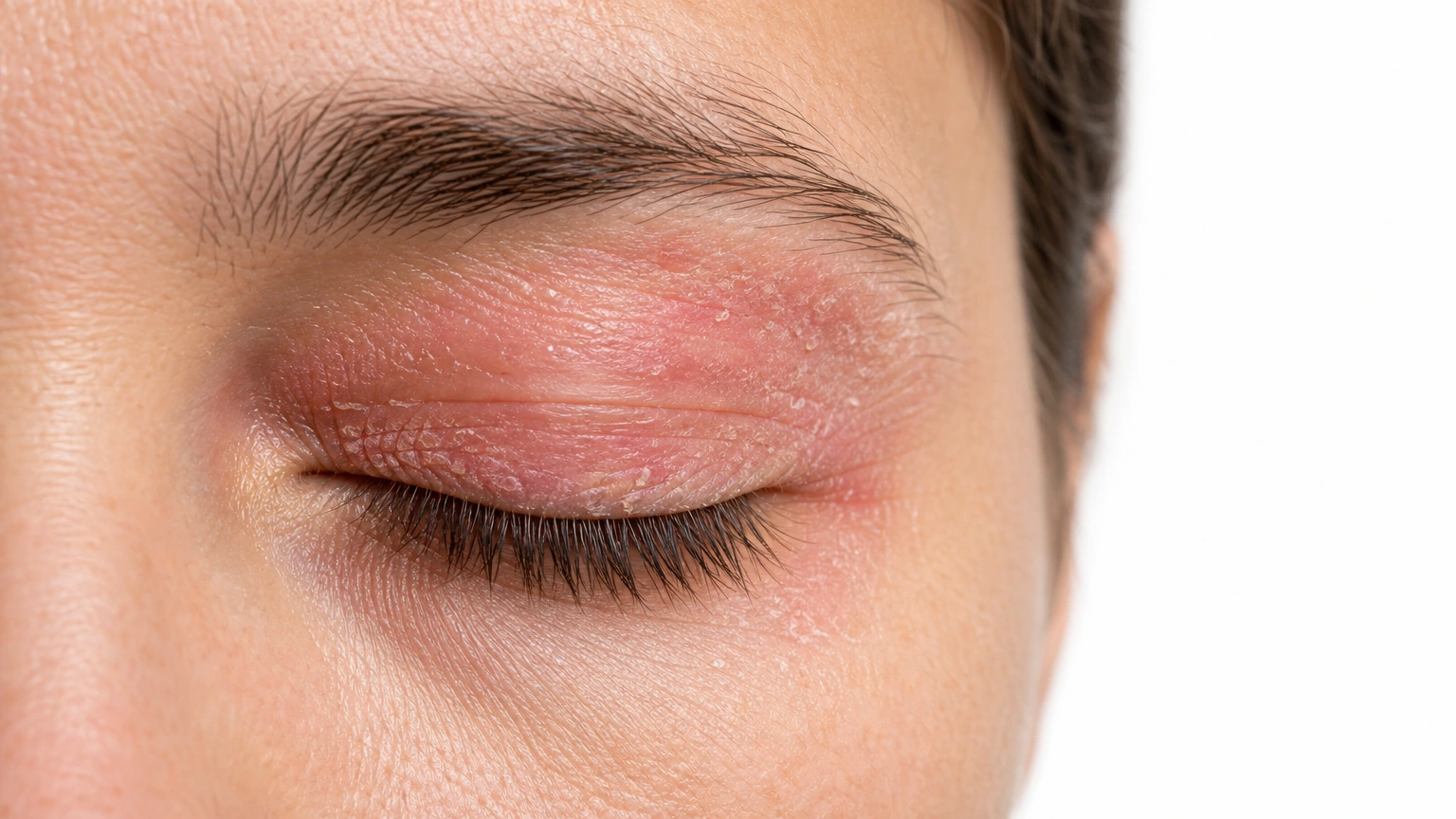
Eyelid Dermatitis
Okay fitEyelid skin is the thinnest on the body, so whatever you put there reaches living cells fast and reacts easily. Vaseline is one ingredient with no preservative — nothing for the eyelid to react to.
Antibiotic ointments and Aquaphor contain common allergens and often make an eyelid rash worse.
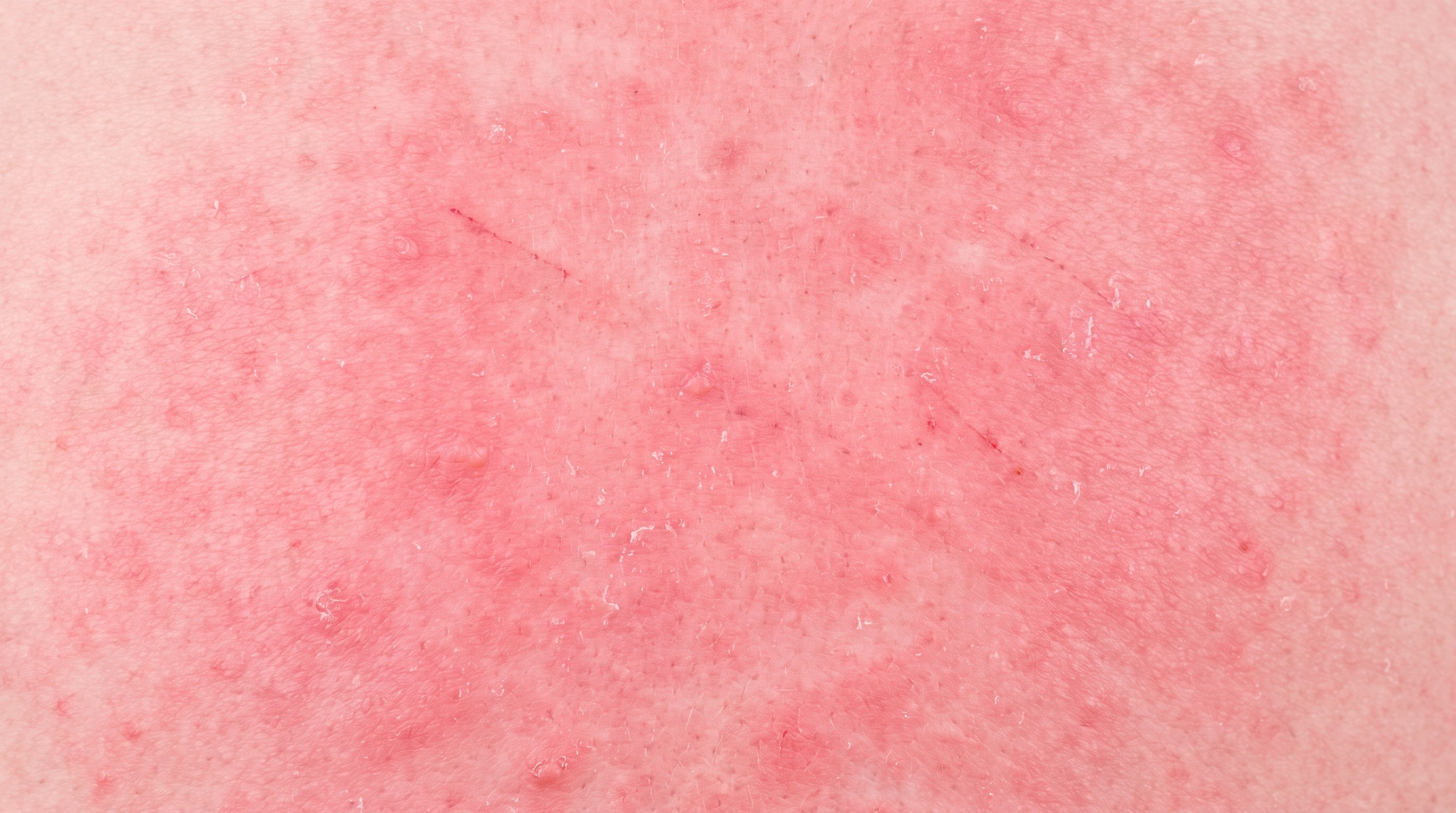
Eczema
Okay fitEczema-prone skin does not make enough filaggrin, the protein that becomes the skin's own natural moisturizer, so what is missing has to be replaced daily.
Vaseline is cheap enough to use in the quantity that actually takes.

Acne
Poor fitPetrolatum on oily, breakout-prone skin traps oil and sweat under it. It is excellent on cracked hands and lips; the acne-prone face is where slugging backfires.
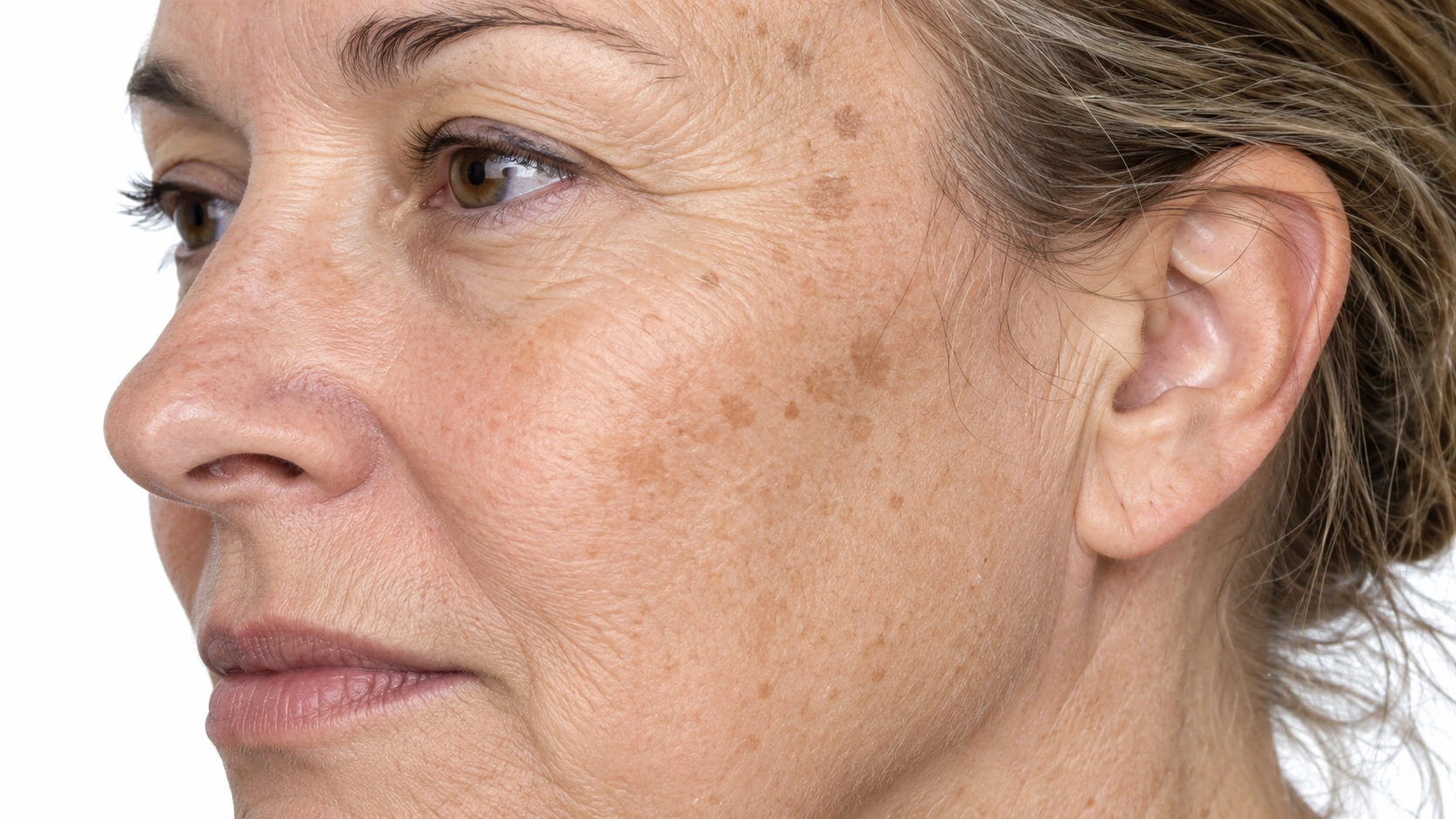
Sun Damage
Poor fitSlugging gets called an anti-aging step, but there is no active here. Skin looks plumper the next morning because it is holding water, and that fades by afternoon.
Feel & smell
What does it feel like?
Ointment
A thick, greasy jelly. The grease is the point — it holds the seal in place.
It does not sink in. It sits on top and stays shiny for hours, so it marks pillowcases and transfers to clothes. Under makeup it is genuinely unpleasant. No smell, no sting. The tub suits large areas; the small tube goes in a bag.
Inside the formula
What do the main ingredients do?

How this formula works.
A moisturizer has three moves: pull water into the bricks, replace the glue between them, or seal the wall. Vaseline does only the third, and better than anything else — petrolatum cuts water loss through the skin surface by over 90 percent. No cream at any price beats that.
Full clinical explanation
A moisturizer has three moves: pull water into the bricks, replace the glue between them, or seal the wall. Vaseline does only the third, and better than anything else — petrolatum cuts water loss through the skin surface by over 90 percent. No cream at any price beats that.
The second advantage is what it lacks. Almost every reaction to skincare traces back to fragrance, preservatives, lanolin or plant extracts, and Vaseline has none of them. That is why it is right for eyelid dermatitis, cracked hands and skin healing after a procedure, where more complicated products sting or make things worse.
The limit follows from the same fact. With no water in it, Vaseline cannot hydrate; it holds on to water that is already there. Over damp skin or a moisturizer it is remarkable. On dry skin you have sealed in the dryness.
Full ingredient list · 1 ingredients
Petrolatum
All ingredient roles
Petrolatum
Forms a thin film on top of the skin that slows water loss while the barrier recovers.
Use & results
How to use it.
How much
A thin layer. It spreads much further than it looks.
Careful
Not on a fresh burn or an infected wound without medical advice.
What to expect
Tightness and stinging ease the same day. Cracks take one to two weeks of nightly use. It will not fade a mark or change texture.
Price spectrum
Where does the price fall?
Paying more doesn’t guarantee better results. A good buy is a formula with the right ingredients, strength and texture for your skin. Use price per ounce to compare cost, then weigh it against the pros and cons above.
The product line
Which Vaseline product should you choose?
Vaseline’s lineup includes plain petroleum jelly, lip products and body lotions. The jelly provides a much heavier seal than a lotion, and the formulas are not interchangeable. Choose the format for the area, dryness and finish you want.
Petroleum Jelly
Petrolatum 100%, nothing added. The most sealing thing on the shelf, and what to reach for when the point is to avoid ingredients.
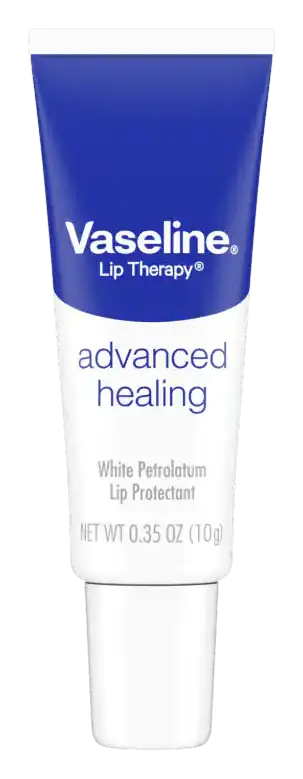
Lip Therapy Advanced Healing
The jelly in a pocket tube. Convenience, not a different idea.
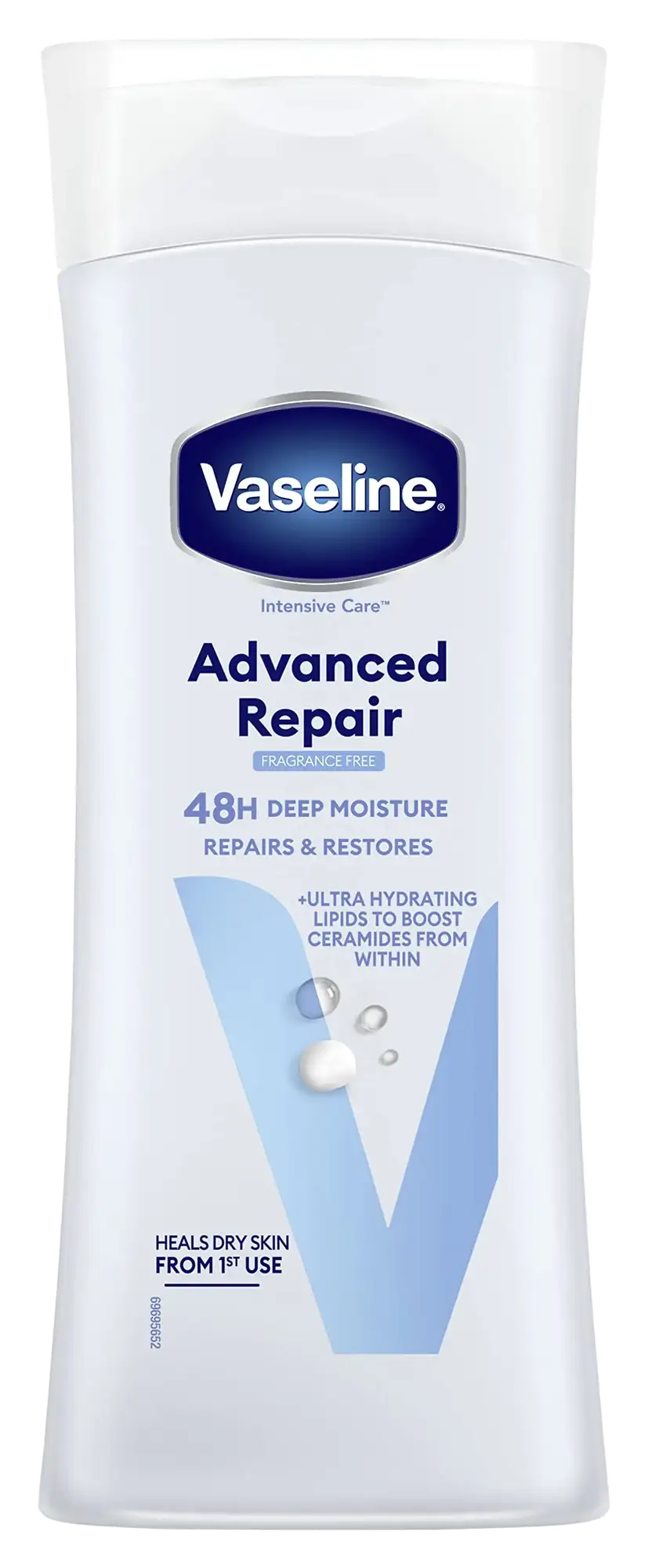
Advanced Repair Unscented Lotion
A lotion, not a jelly. Much lighter, and the one sold without a scent.
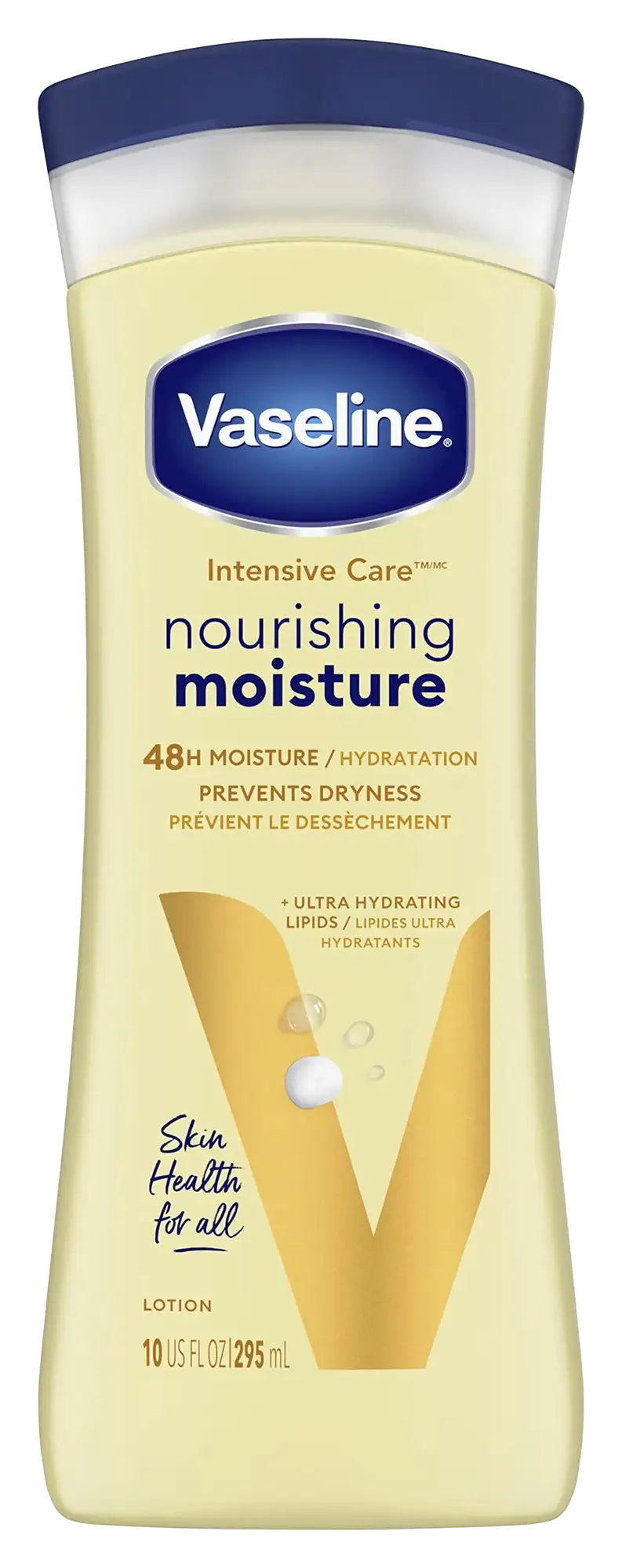
Nourishing Moisture Lotion
The everyday body lotion. Scented, and far less sealing than the jar.
More about the lineup
Vaseline sells one jelly and a shelf of lotions that borrow its name. Only the jelly is pure petrolatum; the lotions are ordinary moisturizers with a little petrolatum in them.
Alternatives
If it didn’t work for you
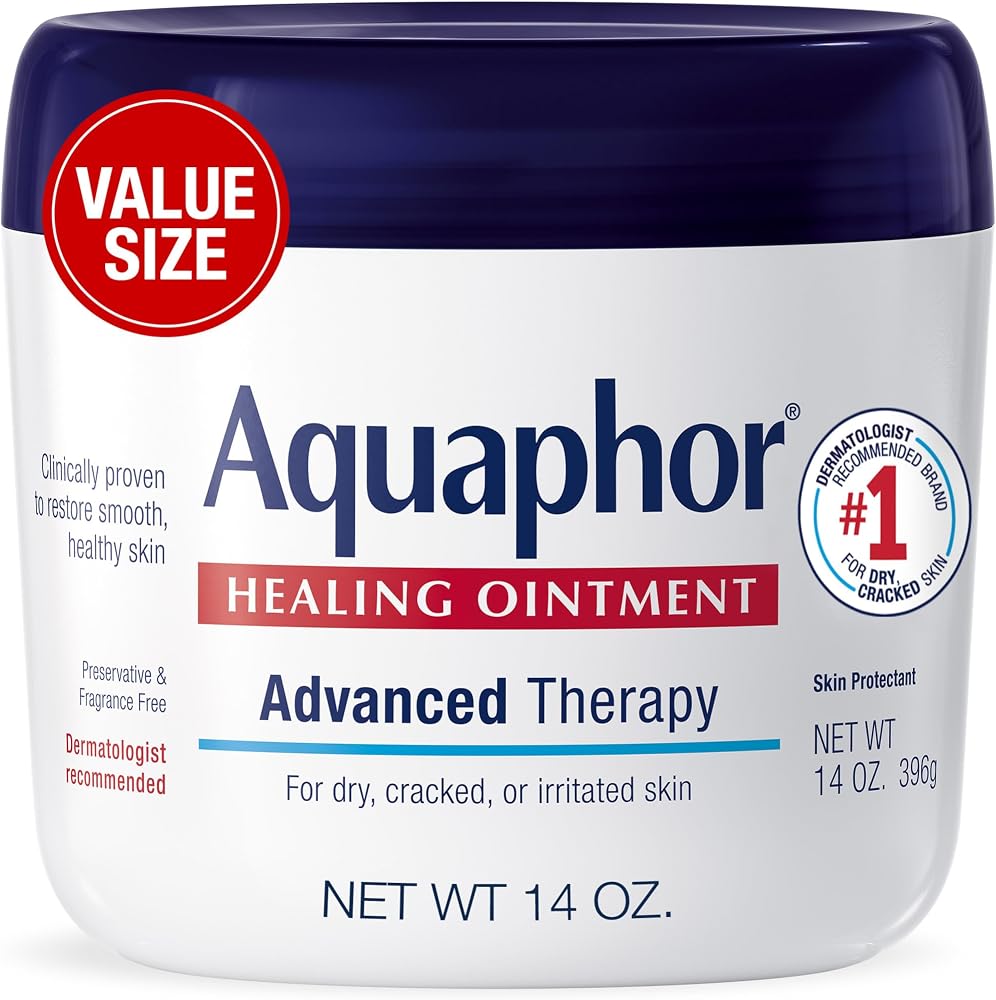
Aquaphor
41% petrolatum plus humectants, so it sinks in rather than sitting on top. It contains lanolin alcohol — the American Contact Dermatitis Society named lanolin its 2023 Allergen of the Year.
Read the review →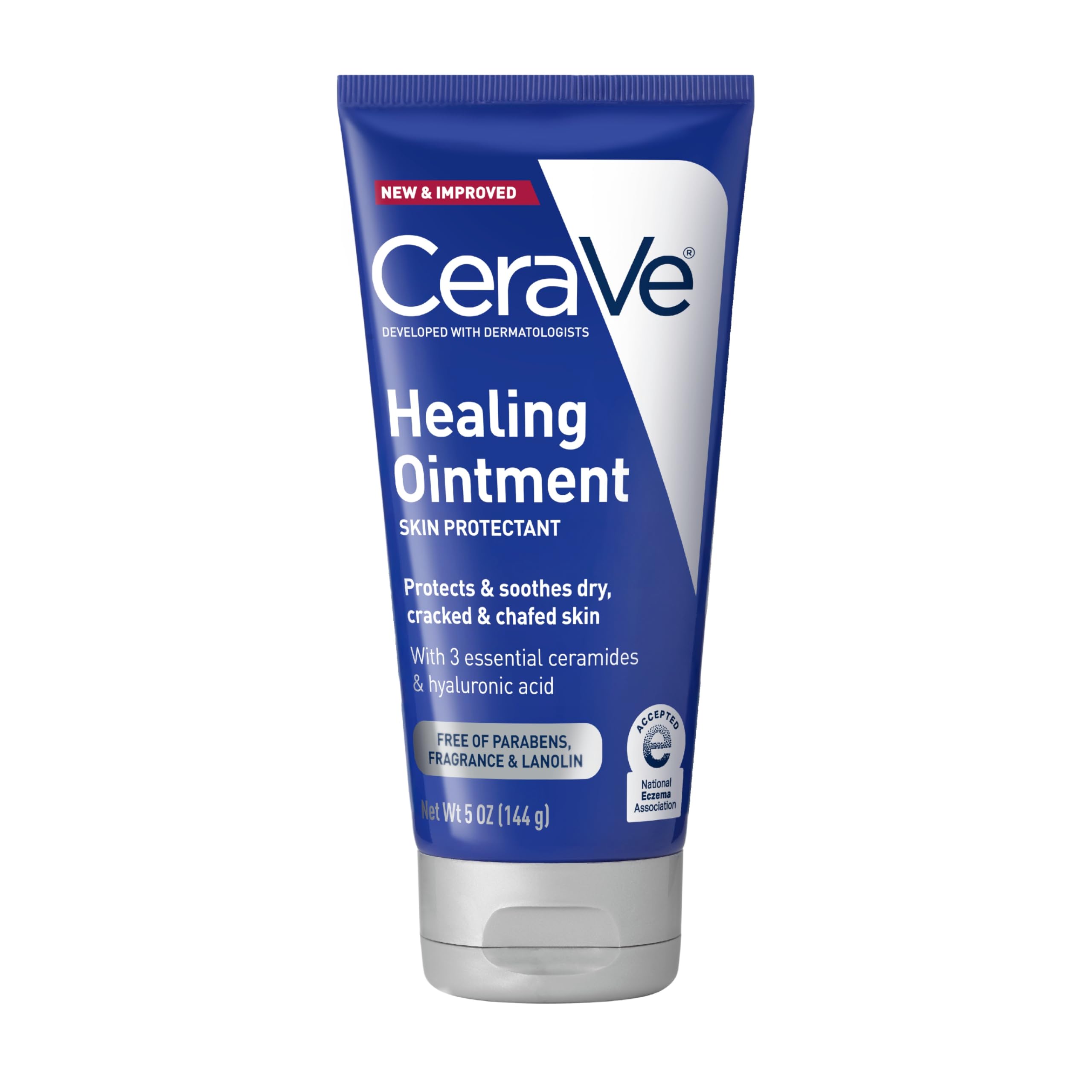
CeraVe Healing Ointment
46.5% petrolatum with ceramides, and CeraVe states it is lanolin-free. It costs more per ounce.
Read the review →Questions
Before you buy
Does Vaseline hydrate skin?
Not on its own. It has no water — it seals, so use it over damp skin or a moisturizer.
Is Vaseline safe for reactive skin?
Yes. One ingredient, no common allergens, nothing to react to.
Can I use Vaseline on my face?
Yes, but it is greasy. Most people use it at night or on dry patches.
Is Vaseline good for eyelid dermatitis?
Often the right choice, since the common alternatives can themselves be allergens.
Should I use Vaseline on a fresh burn or wound?
Not without medical advice.
Sources
Sources and further reading
- Effects of petrolatum on stratum corneum structure and function 70060-s)
- In vivo investigations on the penetration of various oils and their influence on the skin barrier
- Stratum corneum occlusion induces water transformation towards lower bonding state: a molecular level in vivo study by confocal Raman microspectroscopy
- Petrolatum: Barrier repair and antimicrobial responses underlying this "inert" moisturizer
- Periorbital dermatitis - a recalcitrant disease: causes and differential diagnoses
Keep exploring
Keep exploring.
Aquaphor
CeraVe Healing Ointment
Dry Skin
Acne
Eczema

Coconut Oil
Aquaphor Lip Repair

La Roche-Posay Cicaplast Baume B5
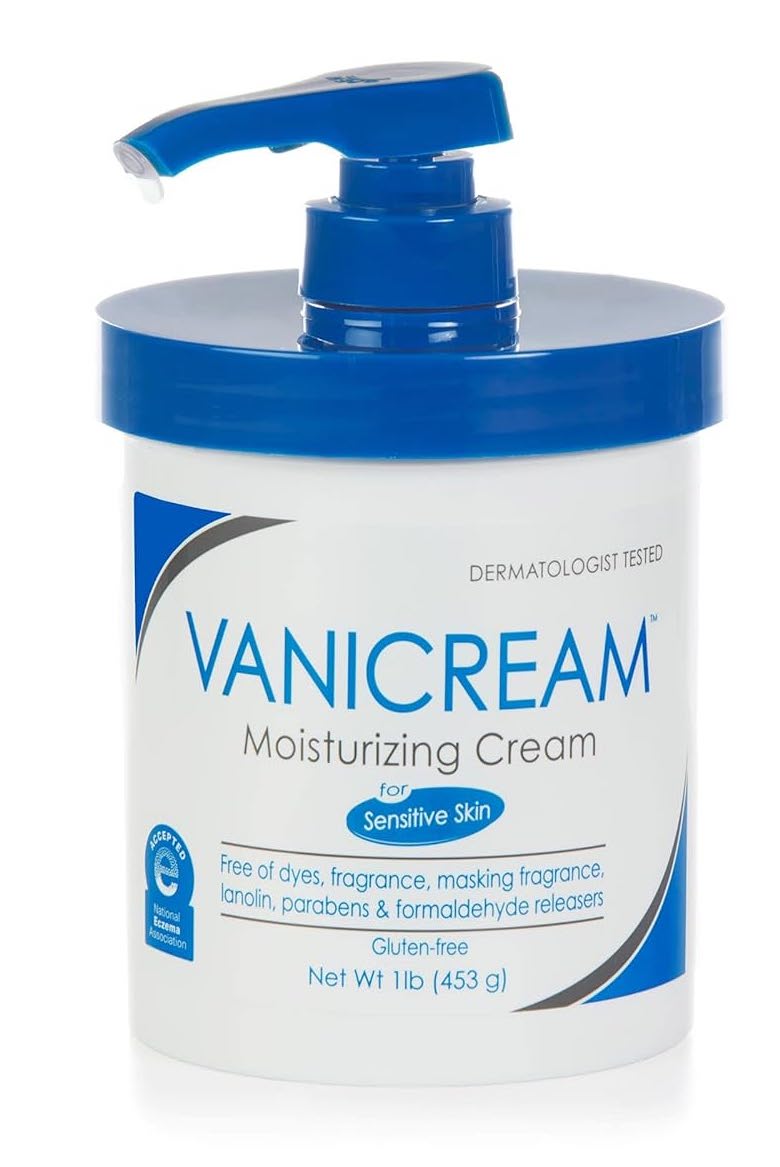
Vanicream Moisturizing Cream

Cortizone-10 Maximum Strength Anti-Itch Creme

Avène Tolerance Control Soothing Skin Recovery Cream