Paula's Choice 10% Niacinamide Booster
Niacinamide 10% with a stable vitamin C derivative and a real soothing complex — at seven times the price of the cheap ones.
Reviewed by Dr. Schwarz, MD · Dermatologist

A dermatologist’s take
Recommend.
A well-built version of a dose higher than the evidence asks for — the pigment studies used 5%, the oil studies 2%. The soothing extras reduce the downside rather than adding an upside. Stir it into your moisturizer. If it flushes you, a 5% serum does the same work.
Pros
- No added fragrance
- Good fit for oily skin
Cons
- 10% niacinamide can tingle or irritate
- Small bottle
Skin fit
Who is it best for?
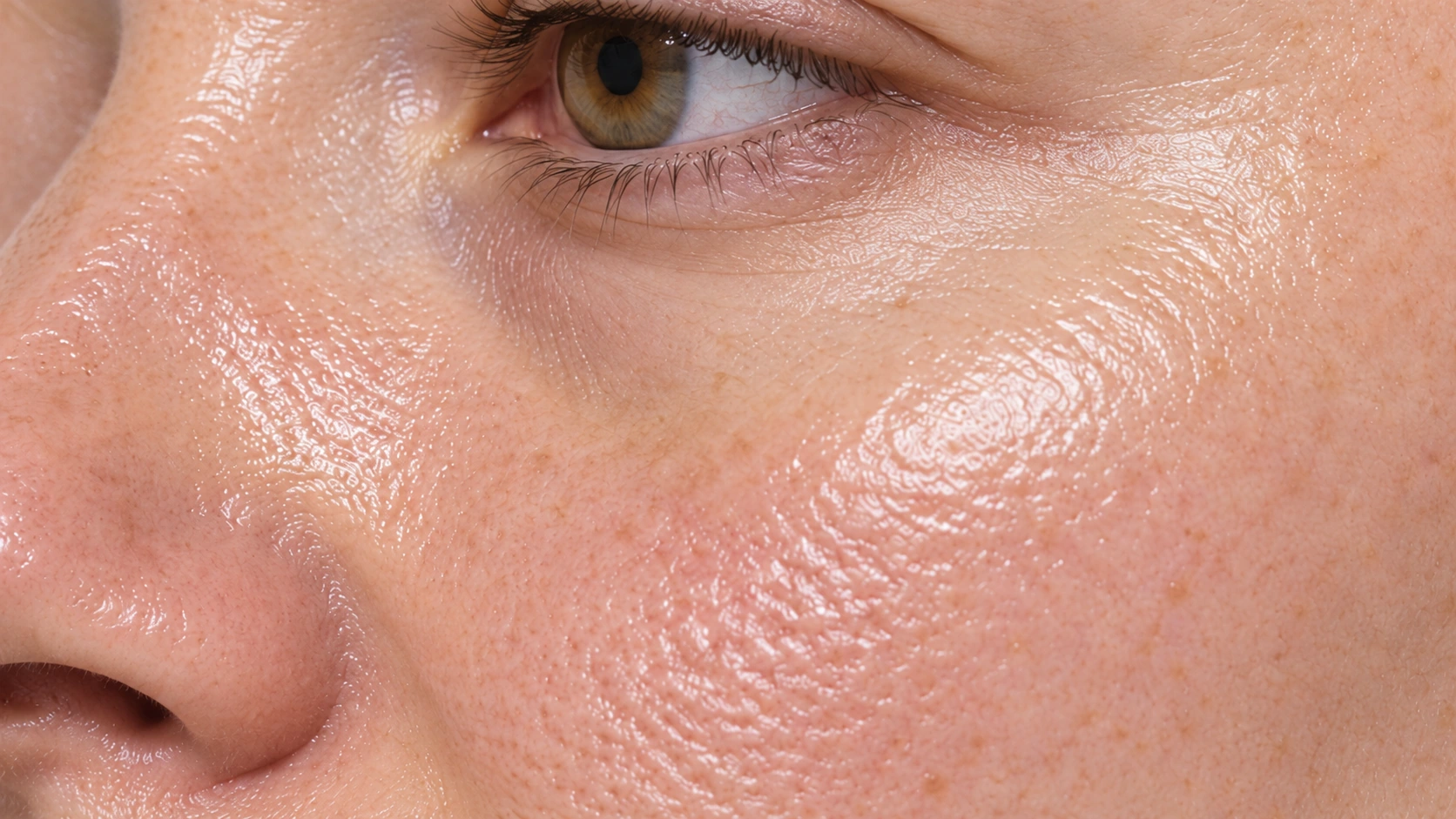
Oily Skin
Good fitOil glands respond to niacinamide by making less sebum, and sebum is the part of a wide-looking pore you can do something about.
The dose here is well past the 2 percent used in the oil-control research. Give it several weeks.
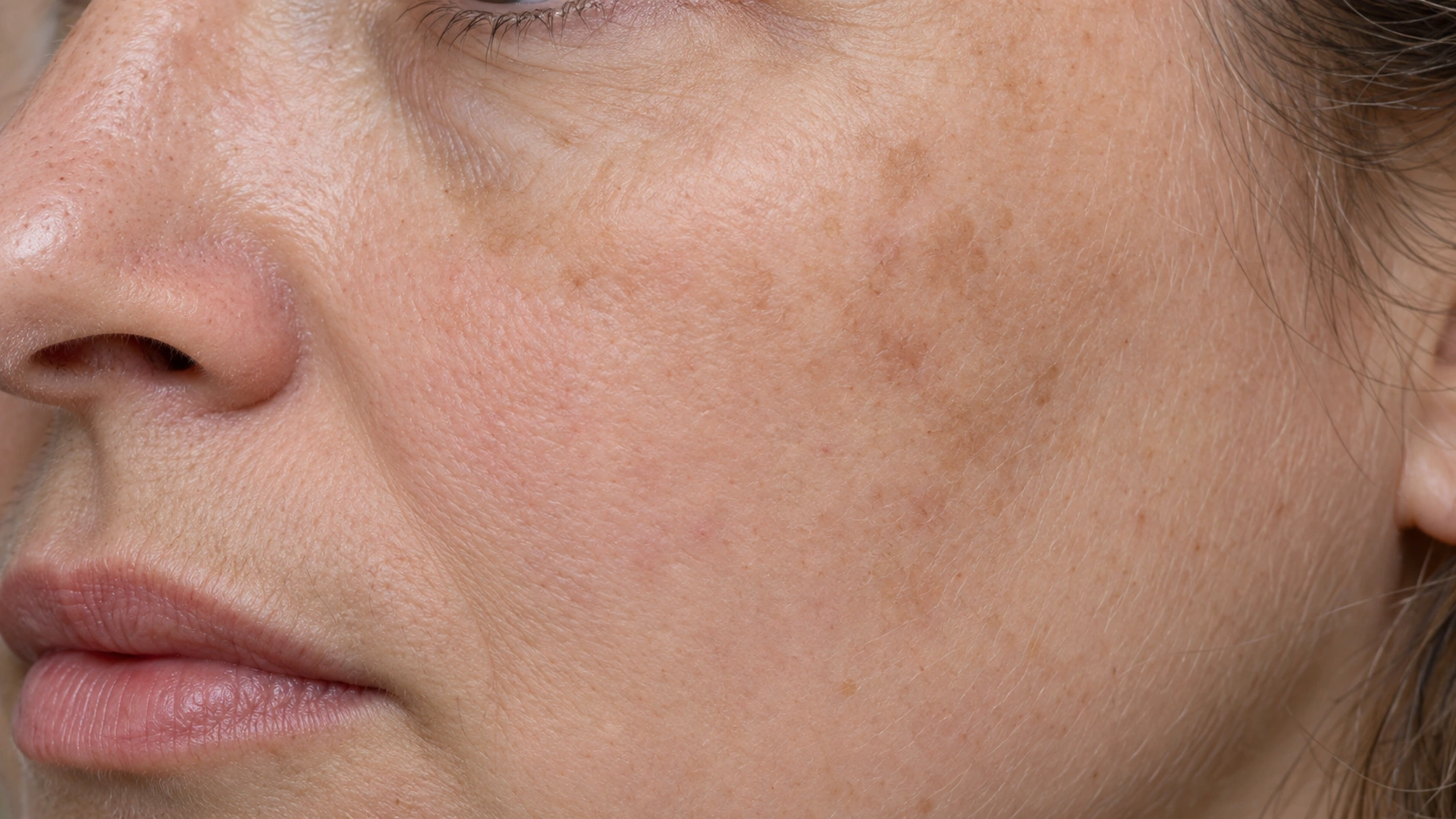
Hyperpigmentation
Okay fitA dark mark forms when pigment cells hand finished pigment to the cells above them. Niacinamide slows that handover, so the mark fades as the stained cells shed.
The pigment studies used about 5 percent, so the extra strength buys nothing on tone.
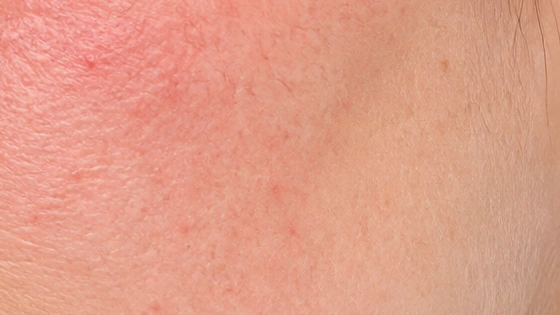
Sensitive Skin
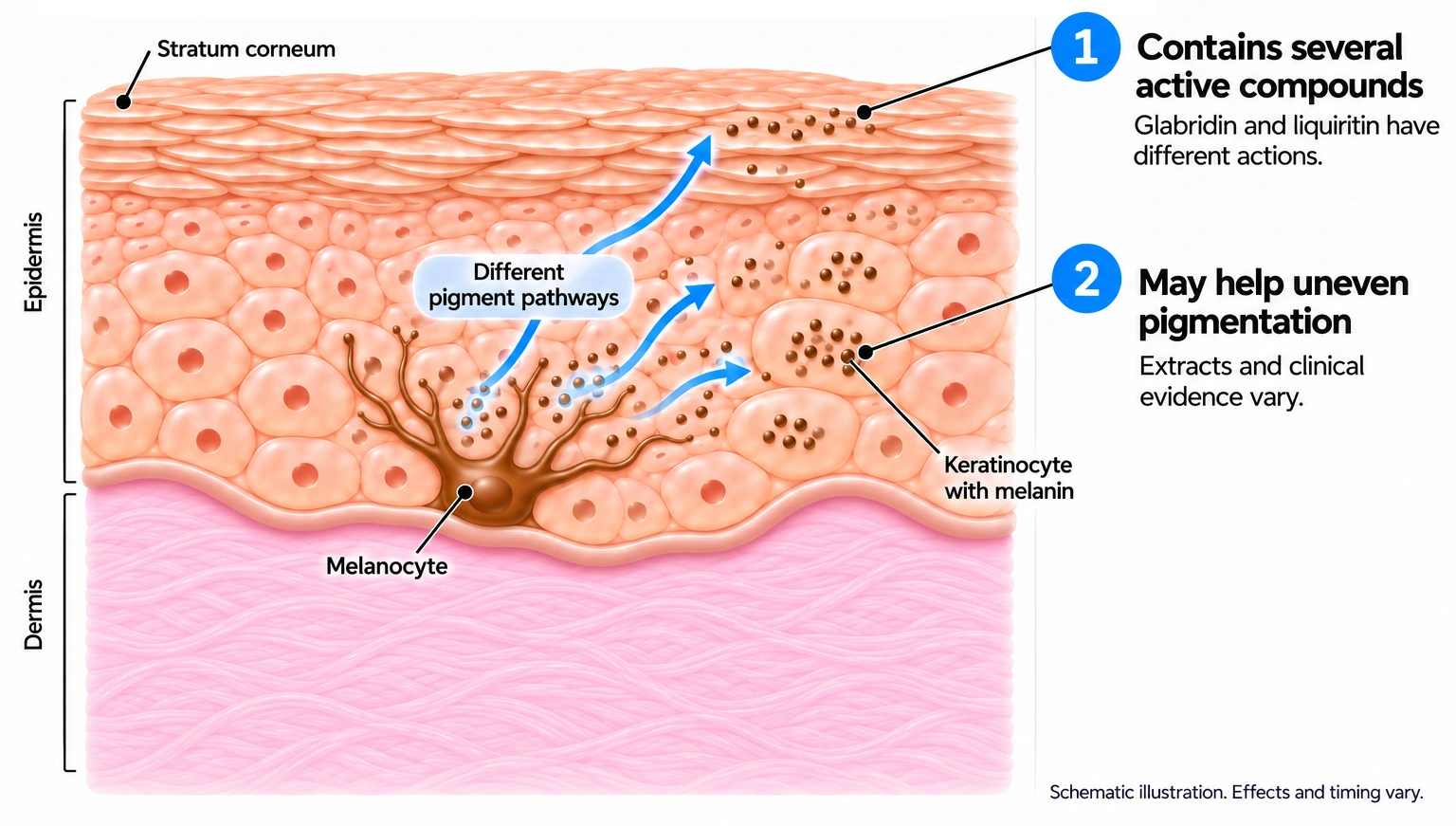
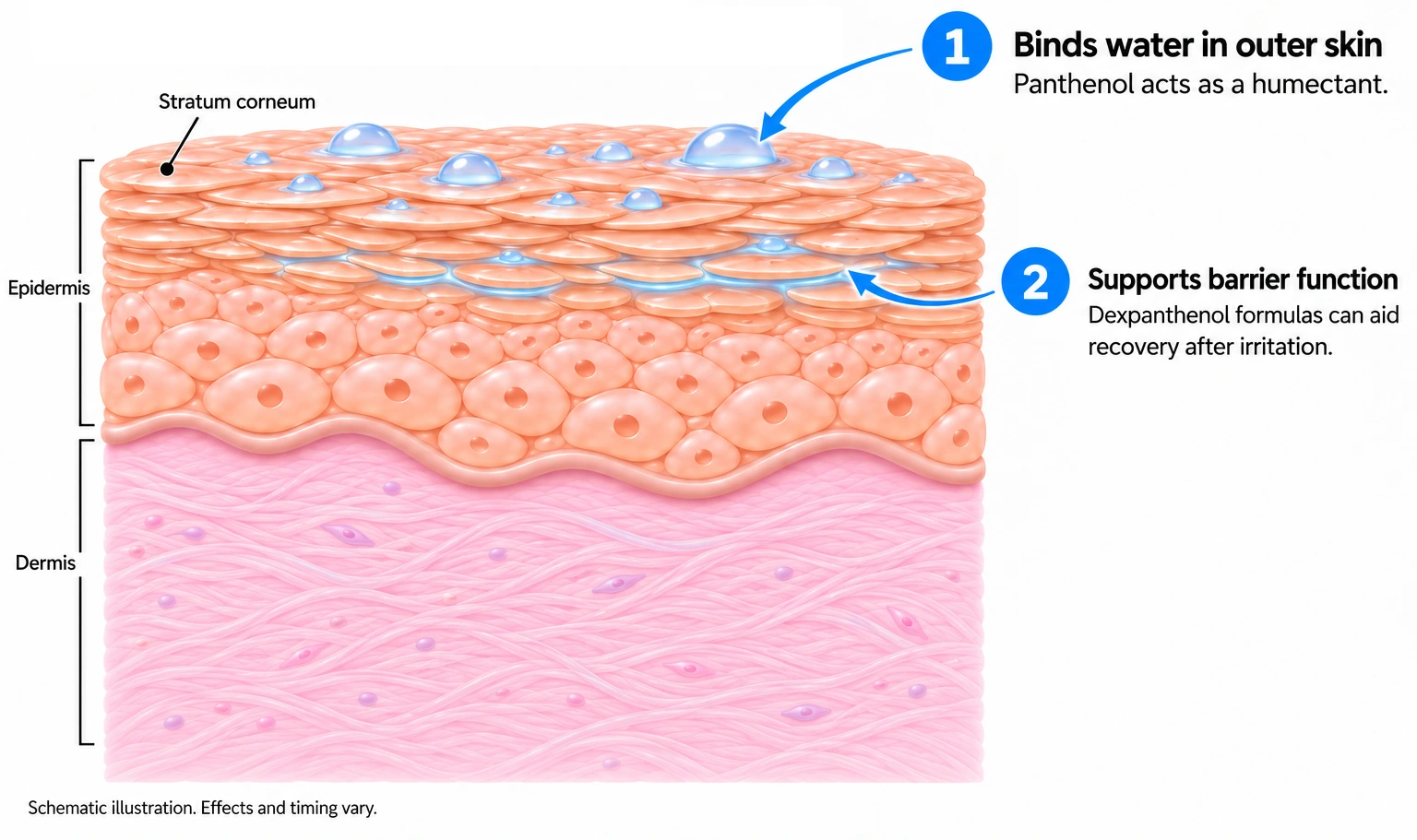
Okay fitHigh-dose niacinamide can tingle or flush; the licorice root, beta-glucan, panthenol and green tea are there to soften that.
If your skin flushes easily anyway, a 5 percent serum is closer to what the research used.

Melasma
Poor fitNiacinamide gets recommended for melasma. It will not hold the patches back on its own; tranexamic acid and daily sunscreen do more.

Acne
Poor fitNiacinamide calms the redness around a spot and helps with oil. It does not clear the pore, so pair it with an acne active.
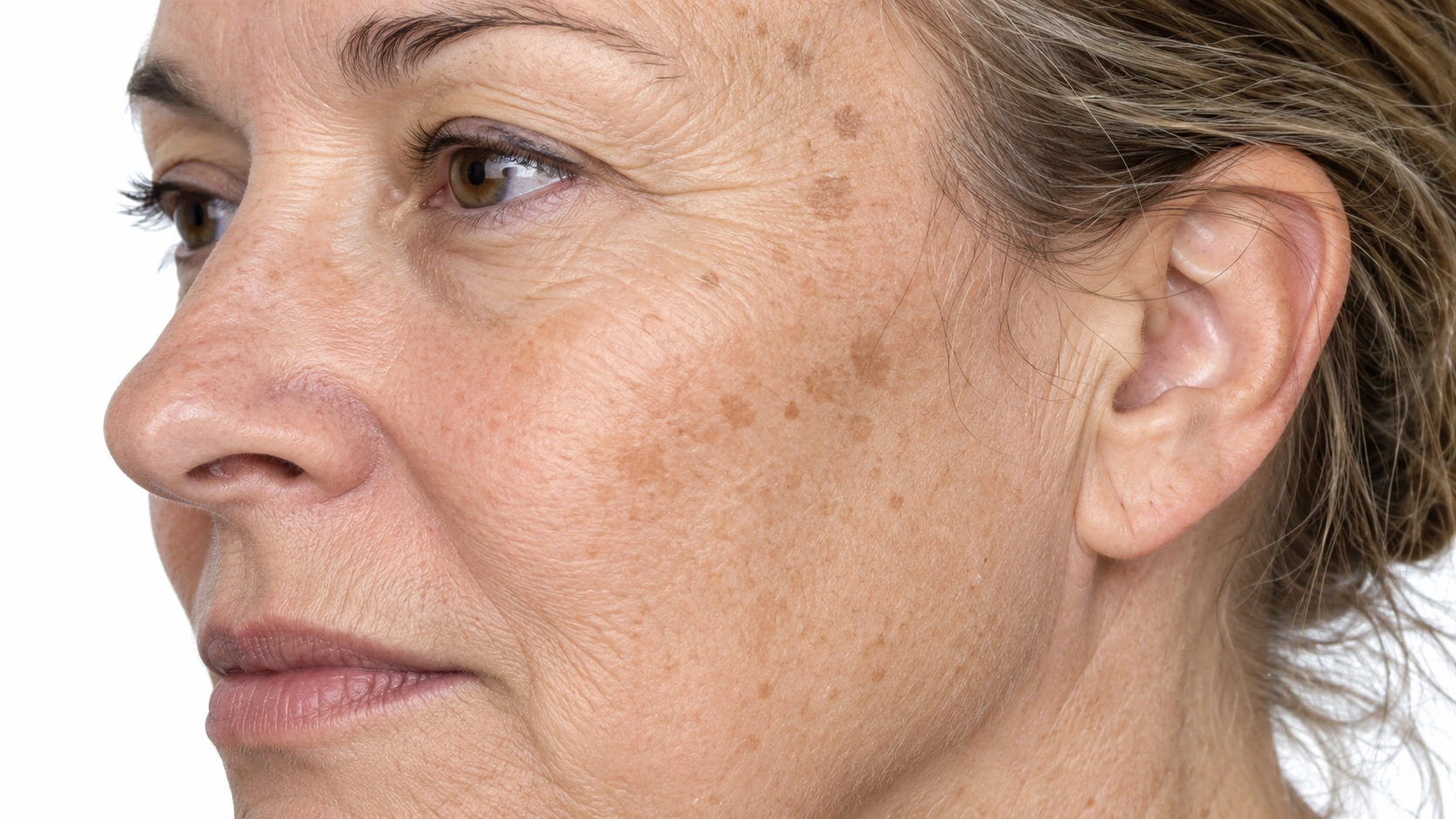
Sun Damage
Poor fitNiacinamide supports the barrier and there is a little vitamin C here. Neither rebuilds collagen the way a retinoid does.
Feel & smell
What does it feel like?
Serum
It is a thin, clear serum that spreads further than it looks. Two or three drops cover the face.
It absorbs in under a minute and leaves no film, so it sits under sunscreen and makeup. It is fragrance free. Some people tingle on the first few uses, which fits the concentration. The bottle is 20 ml, so cost per use is high.
Inside the formula
What do the main ingredients do?


More ingredient roles
How this formula works.
Niacinamide is vitamin B3, and it works on several fronts. It tells oil glands to make less sebum. It slows the handover of finished pigment to the cells above. It pushes skin to build more of its own ceramides, which is why it calms rather than stings.
Full clinical explanation
Niacinamide is vitamin B3, and it works on several fronts. It tells oil glands to make less sebum. It slows the handover of finished pigment to the cells above. It pushes skin to build more of its own ceramides, which is why it calms rather than stings.
The dose is where this product argues with itself. The strongest studies used about 5 percent for pigment and about 2 percent for oil, and no trial shows 10 percent does more. This one goes to 10 percent and then spends the rest of the formula softening it. Those ingredients reduce the downside of a high dose. They do not create an upside.
It also carries ascorbyl glucoside, a stable vitamin C — a quiet answer to the old claim that niacinamide and vitamin C cancel each other out.
Full ingredient list · 25 ingredients
Water, Niacinamide, Acetyl Glucosamine, Ascorbyl Glucoside, Butylene Glycol, Phospholipids, Sodium Hyaluronate, Allantoin, Boerhavia Diffusa Root Extract, Glycerin, Dipotassium Glycyrrhizate, Glycyrrhiza Glabra Root Extract, Ubiquinone, Epigallocatechin Gallate, Beta-Glucan, Panthenol, Carnosine, Genistein, Citric Acid, Sodium Citrate, Sodium Hydroxide, Xanthan Gum, Disodium EDTA, Ethylhexylglycerin, Phenoxyethanol
All ingredient roles
Sodium Hyaluronate
A form of hyaluronic acid. Its molecule is large, so it stays on the surface and holds water there.
Glycerin
A small humectant. It moves into the outer layer of skin and holds water there.
Water
The base the other ingredients are dissolved in. Most of it evaporates soon after the product goes on.
Xanthan Gum
A thickener that keeps the texture even.
Disodium EDTA
Binds minerals in the water so the preservative works better and the formula stays stable.
Ethylhexylglycerin
Helps the preservative work and softens the feel of the product.
Phenoxyethanol
The preservative. It stops bacteria and mold from growing in the product.
Use & results
How to use it.
How much
Two or three drops on clean skin, before anything heavier.
Layering
Thin products cannot get through thick ones, so this goes before creams and oils. Stir a drop into your moisturizer if it feels strong.
What to expect
Oiliness and redness ease within four to six weeks. Dark marks take eight to twelve, as stained cells shed. No purge phase.
If it tingles — Try this
Drop to every other day for a week or two. The 10 percent dose is the usual cause.
Price spectrum
Where does the price fall?
Paying more doesn’t guarantee better results. A good buy is a formula with the right ingredients, strength and texture for your skin. Use price per ounce to compare cost, then weigh it against the pros and cons above.
The product line
Which Paula's Choice product should you choose?
Paula’s Choice offers several ingredient-focused serums, exfoliants and moisturizers. The useful comparison is the specific active, concentration and finish. More actives or a higher percentage can add irritation as well as changing what the formula is intended to do.
10% Niacinamide Booster
Niacinamide 10% with a stable vitamin C derivative and a real soothing complex. Rarely causes trouble.

BOOST 10% Azelaic Acid Booster
Azelaic acid in a cream texture. Redness, bumps and dark marks at the same time.

CLINICAL Niacinamide 20% Treatment
Double the niacinamide. Enough to make some faces flush.
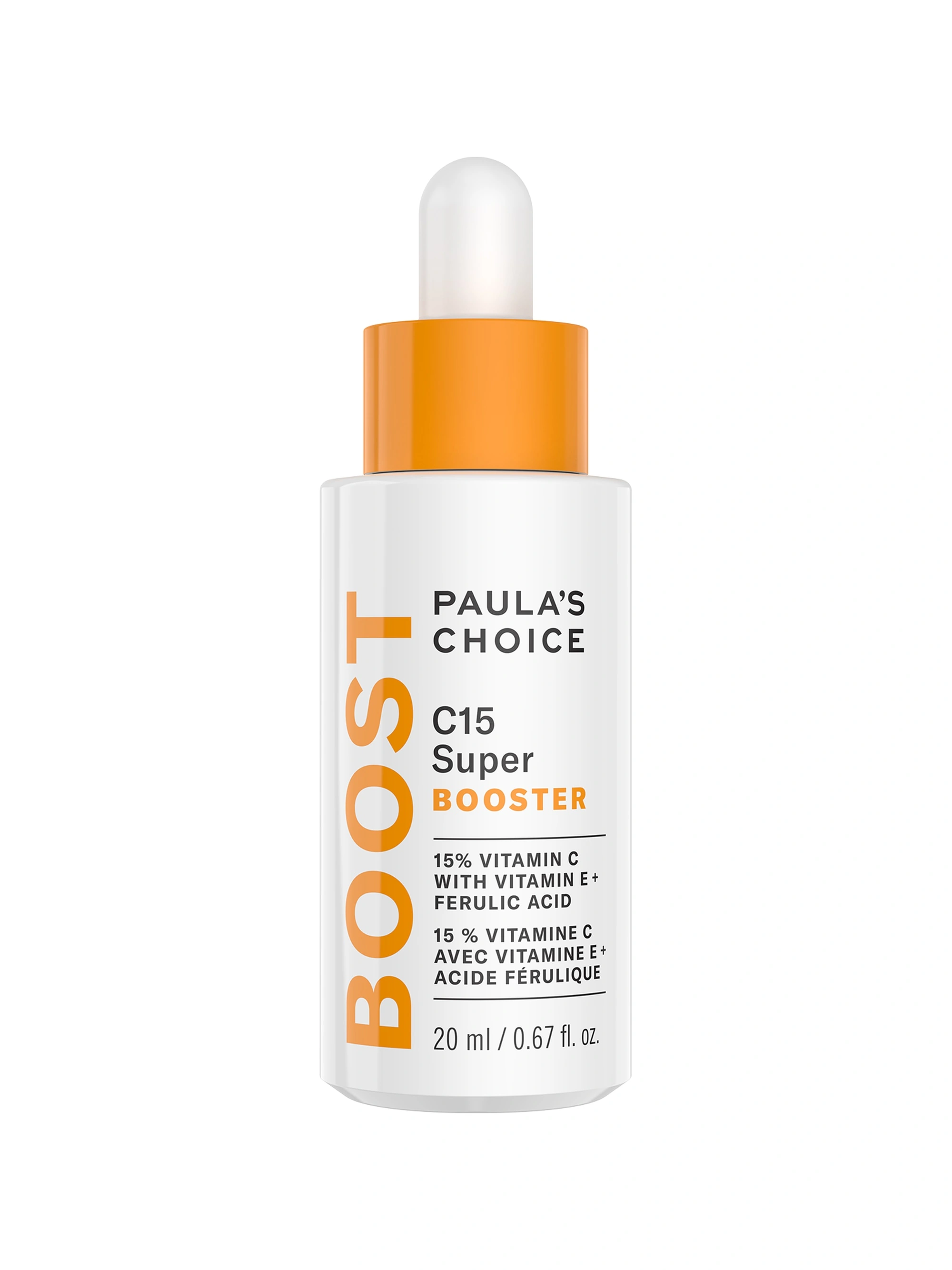
BOOST C15 Super Booster
Pure vitamin C. The most likely to tingle.
More about the lineup
Paula's Choice sells single actives as small bottles you layer under a moisturizer. Not a routine, a menu — and this is the mildest thing on it.
Alternatives
If it didn’t work for you
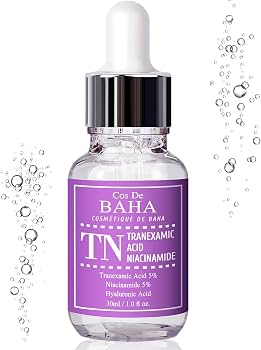
Tranexamic Acid 5% Serum with Niacinamide 5%
Niacinamide at 5%, the dose the landmark pigment study used, with 5% tranexamic acid, under $20. Closer to the evidence than any 10%.
Read the review →
Good Molecules Niacinamide 10% Serum
The same 10% for $6, in a nine-ingredient formula. Nothing buffers the dose.
Read the review →
The Ordinary Niacinamide 10% + Zinc 1%
The same 10% for $6, plus zinc PCA for oil. It pills, and nothing softens the dose.
Read the review →Questions
Before you buy
Is Paula's Choice 10% Niacinamide Booster better than a 5% niacinamide product?
No trial shows that. Higher doses tingle without a clear benefit.
Can I use Paula's Choice 10% Niacinamide Booster with vitamin C?
Yes. This booster deliberately combines them.
Why does Paula's Choice 10% Niacinamide Booster cost more than cheap niacinamides?
The soothing and supporting formula around the active.
Is Paula's Choice 10% Niacinamide Booster fragrance-free?
Yes.
How do I use Paula's Choice 10% Niacinamide Booster?
Alone on clean skin, or mixed into your moisturizer.
Sources
Sources and further reading
- Niacinamide: A B vitamin that improves aging facial skin appearance
- Influence of niacinamide containing formulations on the molecular and biophysical properties of the stratum corneum
- Ultrasound enhanced skin-lightening effect of vitamin C and niacinamide
- Topical vitamins
- Topical Formulation with Niacinamide Combined with 5 MHz Ultrasound for Improving Skin Ageing: A Double-blind, Randomised, Placebo-controlled Clinical Study
Keep exploring
Keep exploring.
Good Molecules Niacinamide 10% Serum
The Ordinary Niacinamide 10% + Zinc 1%
Acne
Melasma
Cos de BAHA Tranexamic Acid 5% Serum with Niacinamide 5%
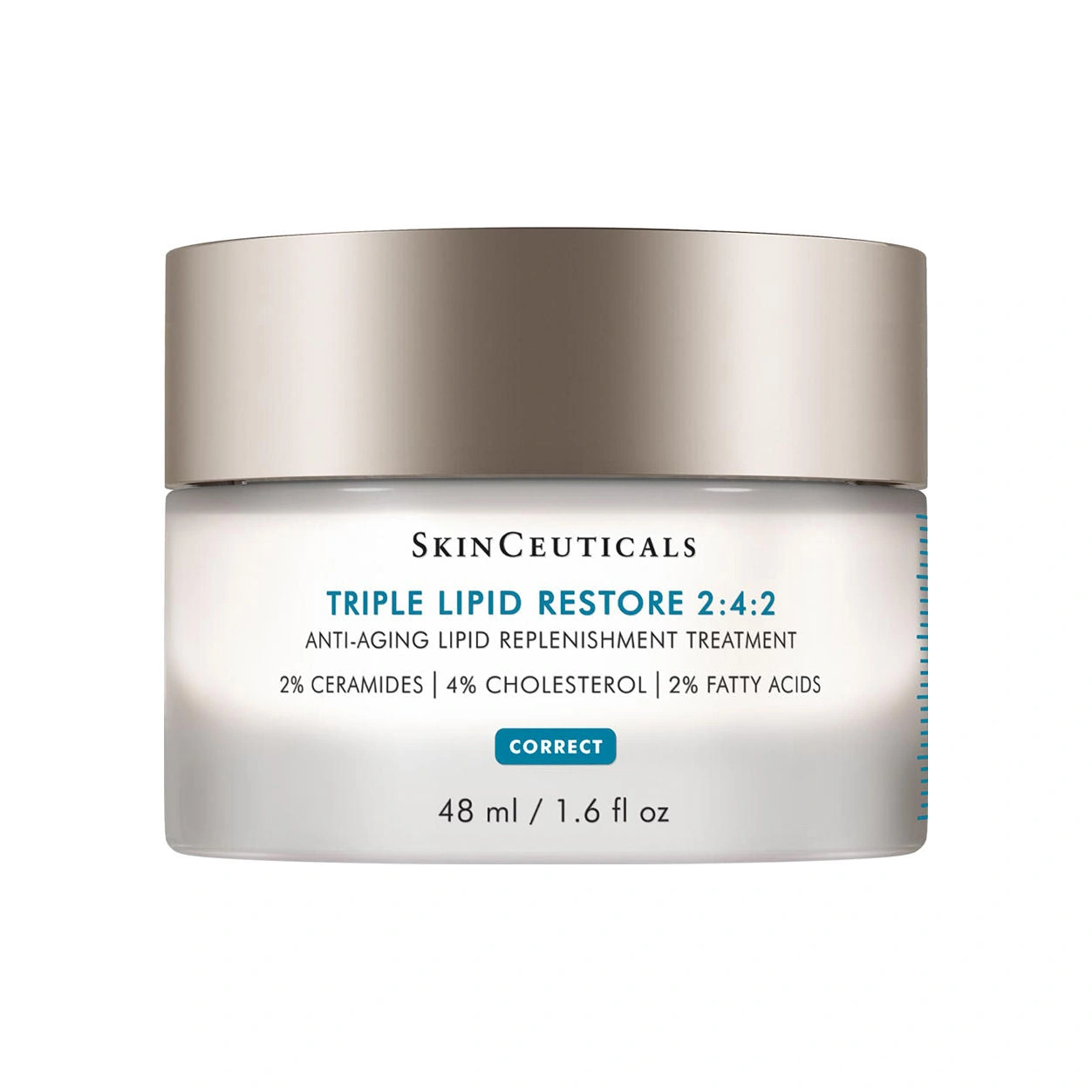
SkinCeuticals Triple Lipid Restore 2:4:2
Licorice Root Extract
Azelaic Acid

Niacinamide
Panthenol
Tranexamic Acid