Isdin Eryfotona Actinica
A zinc-only mineral sunscreen sold on a DNA-repair claim. Excellent sunscreen. The DNA-repair evidence is thinner than the marketing.

A dermatologist’s take
Eh.
An excellent zinc SPF 50+ sold on a claim I would not pay extra for. Photolyase repairs ultraviolet DNA damage in the lab, but the one large independent trial found no difference against plain sunscreen. Buy it because you will actually wear it daily. It contains fragrance, so skip it if you react.
Pros
- Zinc-based SPF 50+ protection
Cons
- Contains fragrance and denatured alcohol
Skin fit
Who is it best for?

Actinic Keratosis
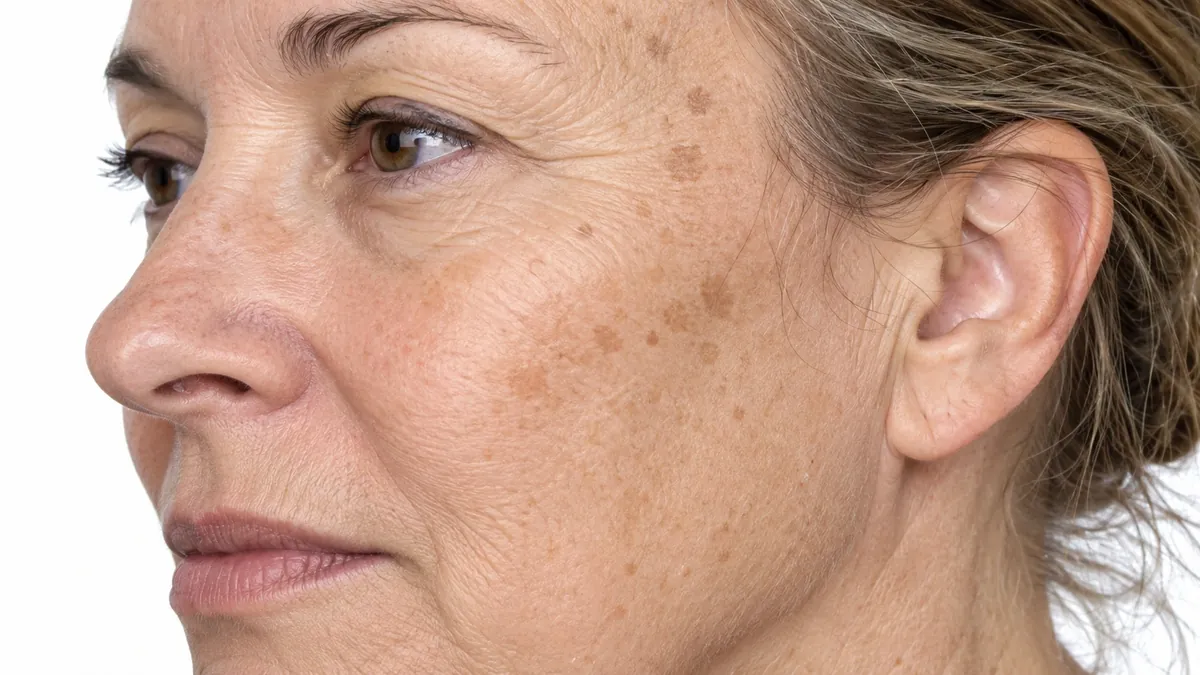
Okay fitUltraviolet light fuses two neighboring letters of a skin cell's DNA together. Most of that is repaired within a day; the rest builds up.
An actinic keratosis is a rough patch carrying that accumulated damage. Daily SPF 50+ is proven to reduce them, and sun-damaged skin will actually wear this one every morning.
Sun Damage
Okay fitZinc oxide covers UVA and UVB with one filter, and UVA is what reaches the collagen in the lower layer of skin.
Dermatology offices stock this one for the finish — light enough to wear every day without thinking about it.
Sensitive Skin
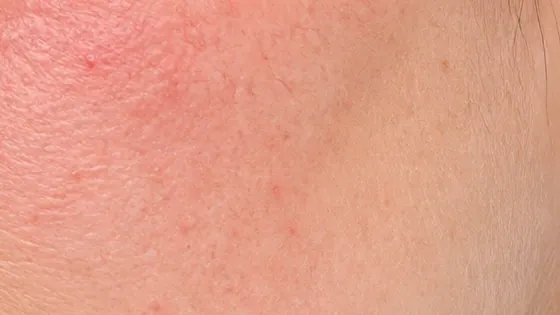
Poor fitNo chemical filters, so it suits reactive and rosacea-prone skin. But fragrance is on the list, and if you react to fragrance this is the wrong bottle.
Take a fragrance-free mineral fluid instead.
Feel & smell
What does it feel like?
Lotion
A fluid lotion that spreads easily, absorbs in seconds and sits well under makeup. Very little white cast, unusual for 11% zinc and down to the silicone base.
A slight cast is still possible on deeper skin tones. It can feel heavy on oily skin. It contains fragrance and denatured alcohol, worth knowing given the medical positioning.
UV filters
UV filter type
- Mineral
- Hybrid
- Chemical
Uses mineral UV filters: zinc oxide, titanium dioxide, or both.
Filter type describes the formula, not its protection level.
Inside the formula
What do the main ingredients do?


More ingredient roles
How this formula works.
Ultraviolet light damages a skin cell by fusing two neighboring bases of its DNA together. The cell normally repairs that within a day; what it misses accumulates into sun damage and, over decades, actinic keratoses. Photolyase reverses that specific fusion directly, and Isdin Eryfotona Actinica adds it. The biochemistry is real.
Full clinical explanation
Ultraviolet light damages a skin cell by fusing two neighboring bases of its DNA together. The cell normally repairs that within a day; what it misses accumulates into sun damage and, over decades, actinic keratoses. Photolyase reverses that specific fusion directly, and Isdin Eryfotona Actinica adds it. The biochemistry is real.
The clinical evidence is thin. The trials are small, some uncontrolled, several brand-funded, and the headline figure is a molecular marker rather than a lesion count. The one large independent trial found no difference between sunscreen with photolyase and plain sunscreen.
The sunscreen is the proven part. Daily SPF 50+ reduces sun damage and skin cancer, and sun-damaged skin will genuinely wear this one every day. That alone justifies it. The DNA-repair layer is a promising maybe — do not pay extra for it.
Full ingredient list · 30 ingredients
Active ingredients: Zinc Oxide 11% Inactive ingredients: Water, Diethylhexyl Carbonate, Dibutyl Adipate, Cyclopentasiloxane, Dicaprylyl Carbonate, Alcohol Denat, Cyclohexasiloxane, Butylene Glycol, PEG-30 Dipolyhydroxystearate, Nylon-12, PEG-10 Dimethicone, Dimethicone, Sodium Chloride, Phenoxyethanol, Disteardimonium Hectorite, Triethoxycaprylylsilane, Tocopheryl Acetate, Glyceryl Stearate, Fragrance, Bisabolol, Disodium EDTA, Ethylhexylglycerin, Panthenol, PEG-8, Tocopherol, Lecithin, Plankton Extract, Ascorbyl Palmitate, Ascorbic Acid, Citric Acid
All ingredient roles
Dimethicone
A silicone that smooths the surface and adds to the protective film.
Phenoxyethanol
The preservative. It stops bacteria and mold from growing in the product.
Disodium EDTA
Binds minerals in the water so the preservative works better and the formula stays stable.
Ethylhexylglycerin
Helps the preservative work and softens the feel of the product.
Tocopherol
Vitamin E, an antioxidant. Here it mainly keeps the oils in the product from going rancid.
Use & results
How to use it
How much
A quarter teaspoon for the face. Shake first — a fluid mineral formula separates.
Where
Face, ears, neck and hairline. Actinic keratoses favor the tops of the ears and the part line of the scalp, exactly where sunscreen gets skipped.
Reapply
Every two hours outdoors, and after sweating or swimming.
What to expect
Nothing you can see — sun protection is preventive. Photolyase will not clear patches you already have. Those need a clinic.
Price spectrum
Where does the price fall?
Paying more doesn’t guarantee better results. A good buy is a formula with the right ingredients, strength and texture for your skin. Use price per ounce to compare cost, then weigh it against the pros and cons above.
Alternatives
If it didn’t work for you

Vanicream Facial Moisturizer SPF 30
Zinc oxide only, fragrance-free, five ceramides, about $13 to $16. Visible cast on medium and deeper skin tones.
Read the review →
La Roche-Posay Anthelios Mineral Ultra-Light Face Sunscreen
Fully mineral, fragrance-free, absorbs unusually well. Better if scent or alcohol irritates your skin.
Read the review →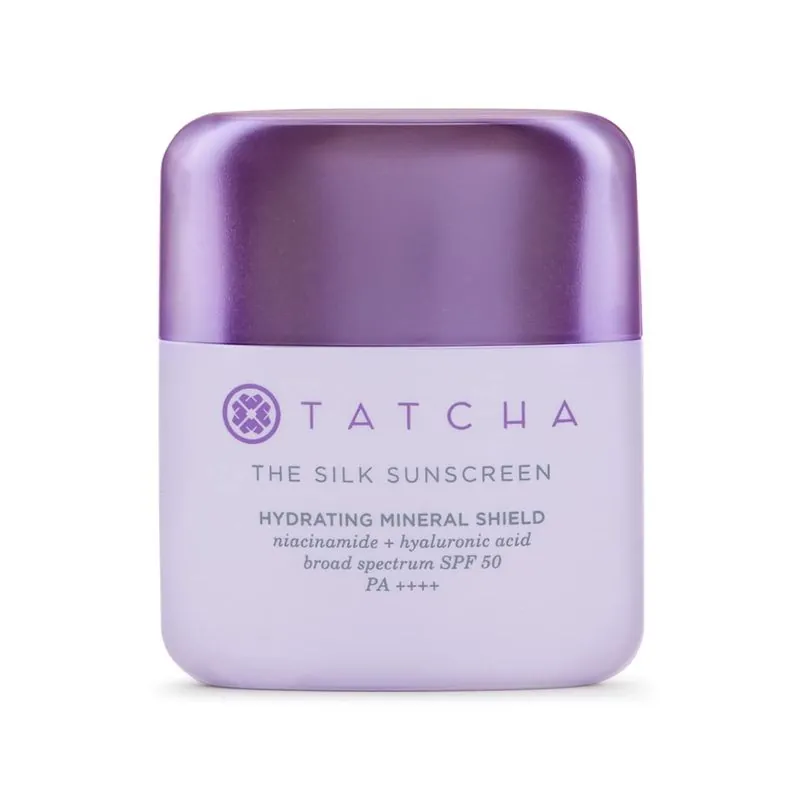
Tatcha The Silk Sunscreen
Also zinc only, with a well controlled cast and a silky feel. Contains fragrance too, at $64 for 1.7 oz.
Read the review →Questions
Before you buy
Is Isdin Eryfotona Actinica mineral or chemical?
Mineral. Zinc oxide only.
Does Isdin Eryfotona Actinica really repair DNA damage?
It repairs UV lesions in the lab, but the clinical evidence for real skin benefit is weak and mostly brand-funded.
Will Isdin Eryfotona Actinica leave a white cast?
Very little, though a slight cast is possible on deeper skin tones.
Is Isdin Eryfotona Actinica fragrance-free?
No. Fragrance is on the label.
What SPF is Isdin Eryfotona Actinica?
SPF 50+.
Sources
Sources
- UV Radiation in DNA Damage and Repair Involving DNA-Photolyases and CryptochromesVechtomova YL, Telegina TA, Buglak AA, et al. Biomedicines. 2021;9(11):1564. doi:10.3390/biomedicines9111564.
- Enzymes DNA Repair in Skin PhotoprotectionMusielak E, Krajka-Kuźniak V. Enzymes DNA Repair in Skin Photoprotection: Strategies Counteracting Skin Cancer Development and Photoaging Strategies. Cosmetics. 2025;12(4):172. doi:10.3390/cosmetics12040172.
- Review of Clinical Evidence over 10 Years on Prevention and Treatment of a Film-Forming…Puig S, Granger C, Garre A, et al. Review of Clinical Evidence over 10 Years on Prevention and Treatment of a Film-Forming Medical Device Containing Photolyase in the Management of Field Cancerization in Actinic Keratosis. Dermatol Ther (Heidelb). 2019;9(2):259-270. doi:10.1007/s13555-019-0294-1.
- Effect of a Photolyase-Based Medical Device on Actinic Keratosis in Phototypes III-IV…Bulla F, Mejía S, Gil-Quiñones S, et al. Effect of a Photolyase-Based Medical Device on Actinic Keratosis in Phototypes III-IV Patients: Real-Life Clinical Setting. Dermatol Ther (Heidelb). 2025;15(8):2131-2145. doi:10.1007/s13555-025-01455-6.
- ISDIN Eryfotona Actinica Mineral Sunscreen SPF 50+ Review
- Sunscreen filter classification
- Dermapedia on YouTube
Keep exploring
Keep exploring
Tatcha The Silk Sunscreen
Vanicream Facial Moisturizer SPF 30
La Roche-Posay Anthelios Mineral Ultra-Light Face Sunscreen
Actinic Keratosis

Ceramides

Glycerin

Dimethicone

Panthenol

Zinc Oxide

Rosacea
Titanium Dioxide
