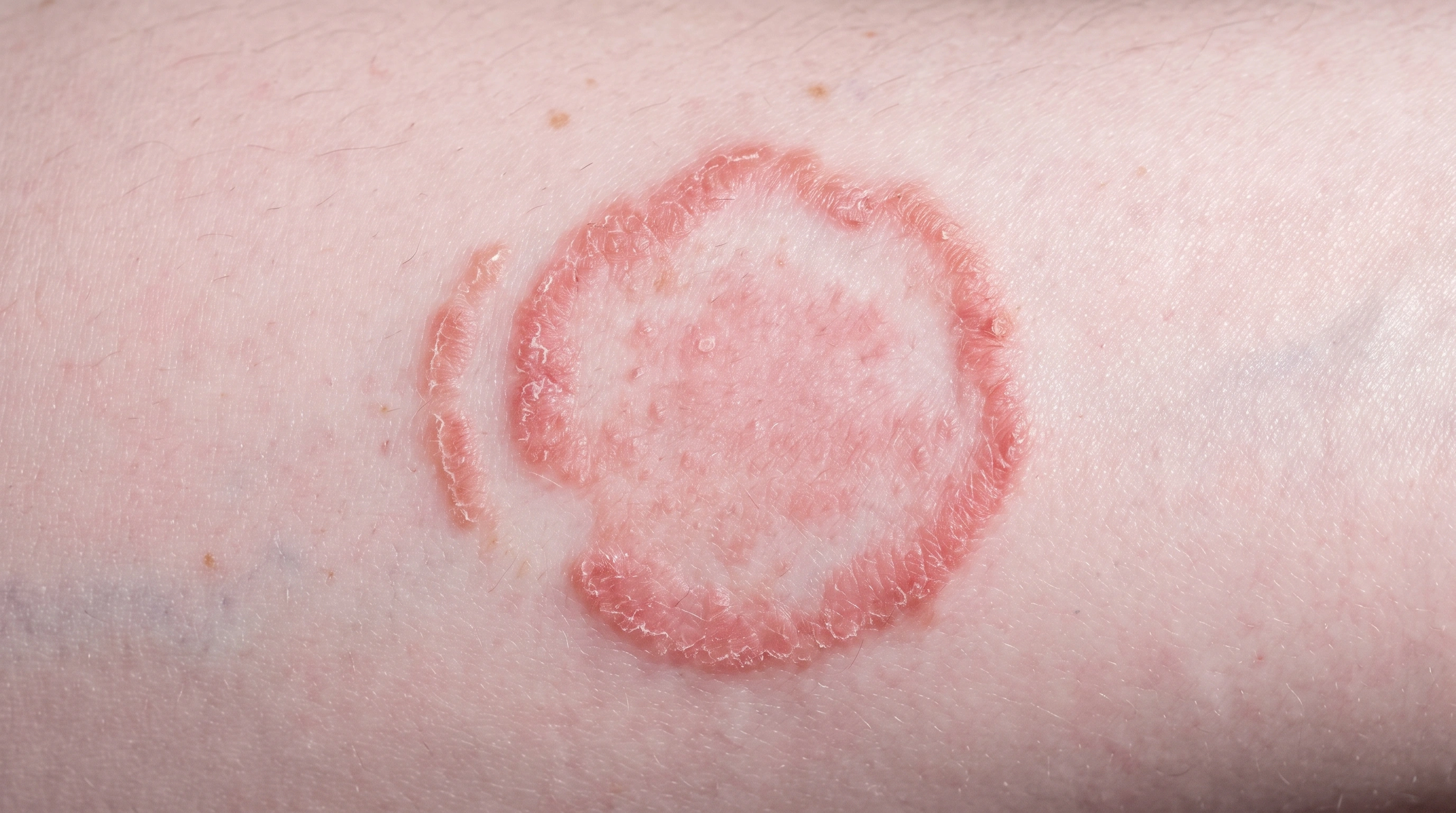
Psoriasis
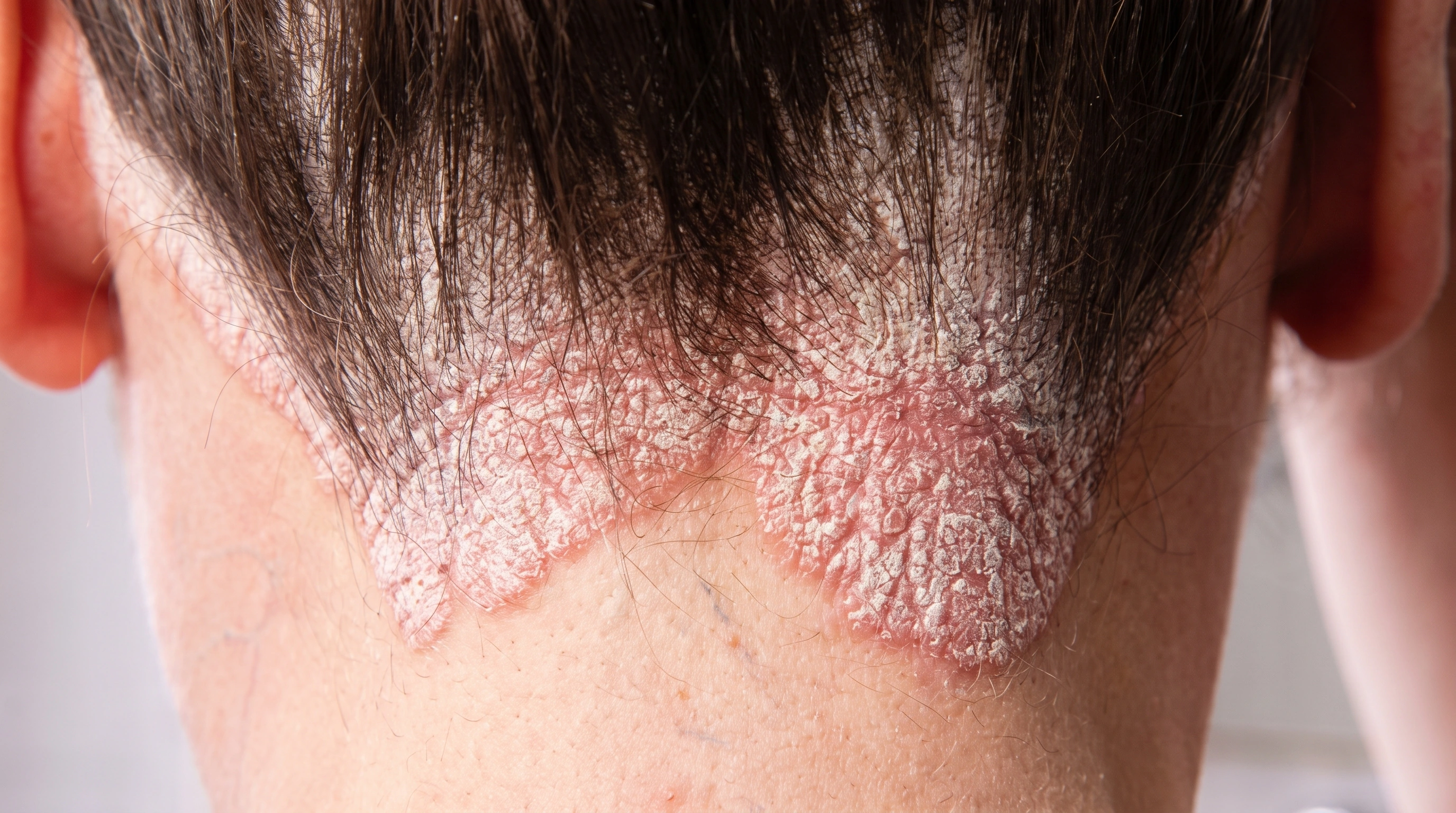
Clears or nearly clears skin in most patients.
Skyrizi: An injected biologic for moderate to severe plaque psoriasis. It blocks interleukin-23, a signal that sits high up in the psoriasis chain, and after two starting doses it is given about four times a year. Triamcinolone: The mid-strength topical steroid most rashes on the body get treated with. Cheap, effective, and not meant for the face, eyelids or skin folds.
Choose for moderate to severe psoriasis when you want high clearance with only about four injections a year.
Choose for most rashes on the body — cheap and effective, but not for the face, eyelids or folds.
Can you take them together?
Triamcinolone is often used on remaining patches while on Skyrizi. It does not interact with the biologic.
Compare uses by strength of evidence. Evidence level describes confidence in a benefit, not its size.



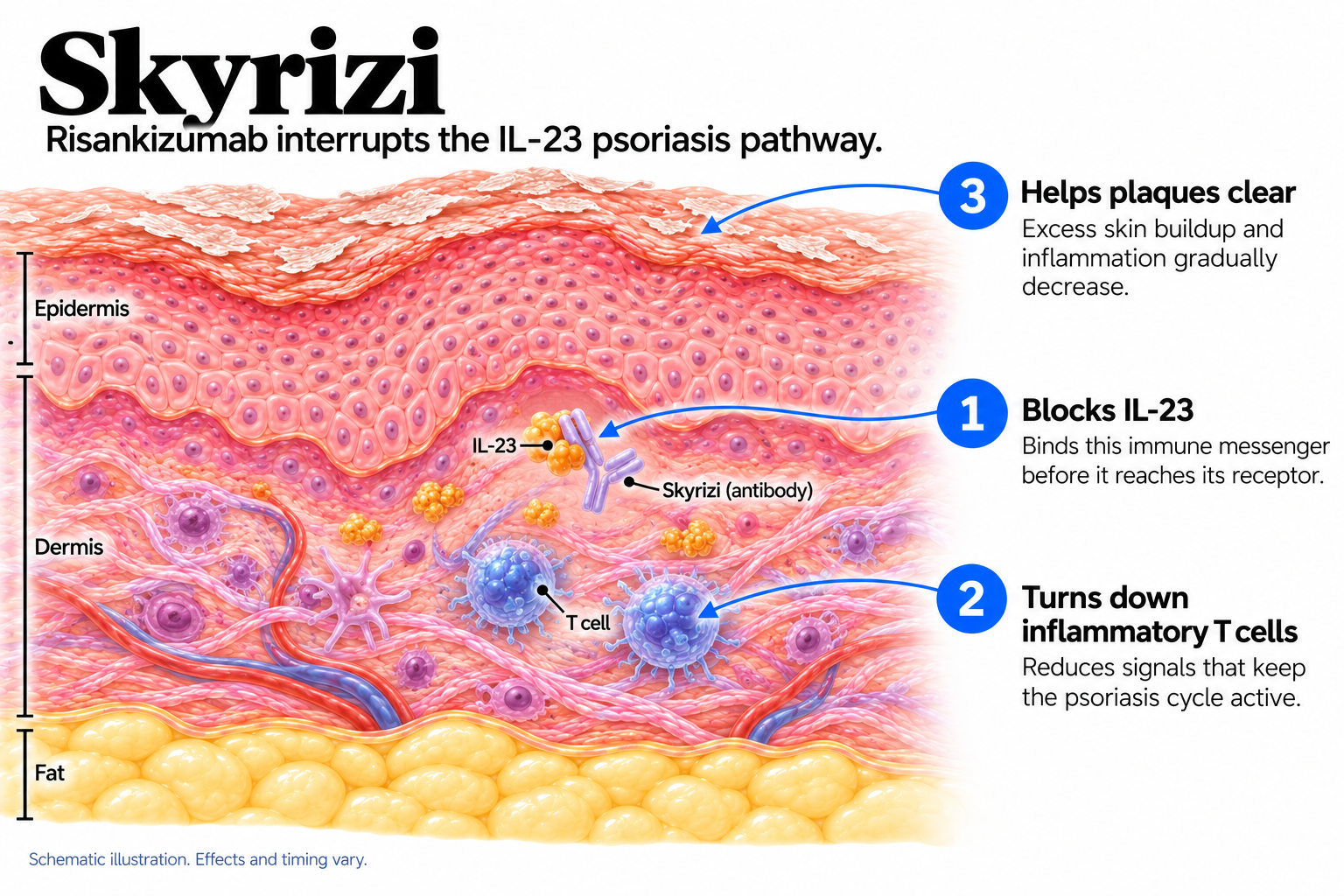
Blocks IL-23: Binds this immune messenger before it reaches its receptor. Turns down inflammatory T cells: Reduces signals that keep the psoriasis cycle active. Helps plaques clear: Excess skin buildup and inflammation gradually decrease.
Risankizumab selectively targets the p19 subunit of IL-23, not IL-12. The T-cell and skin changes are a simplified downstream interpretation.
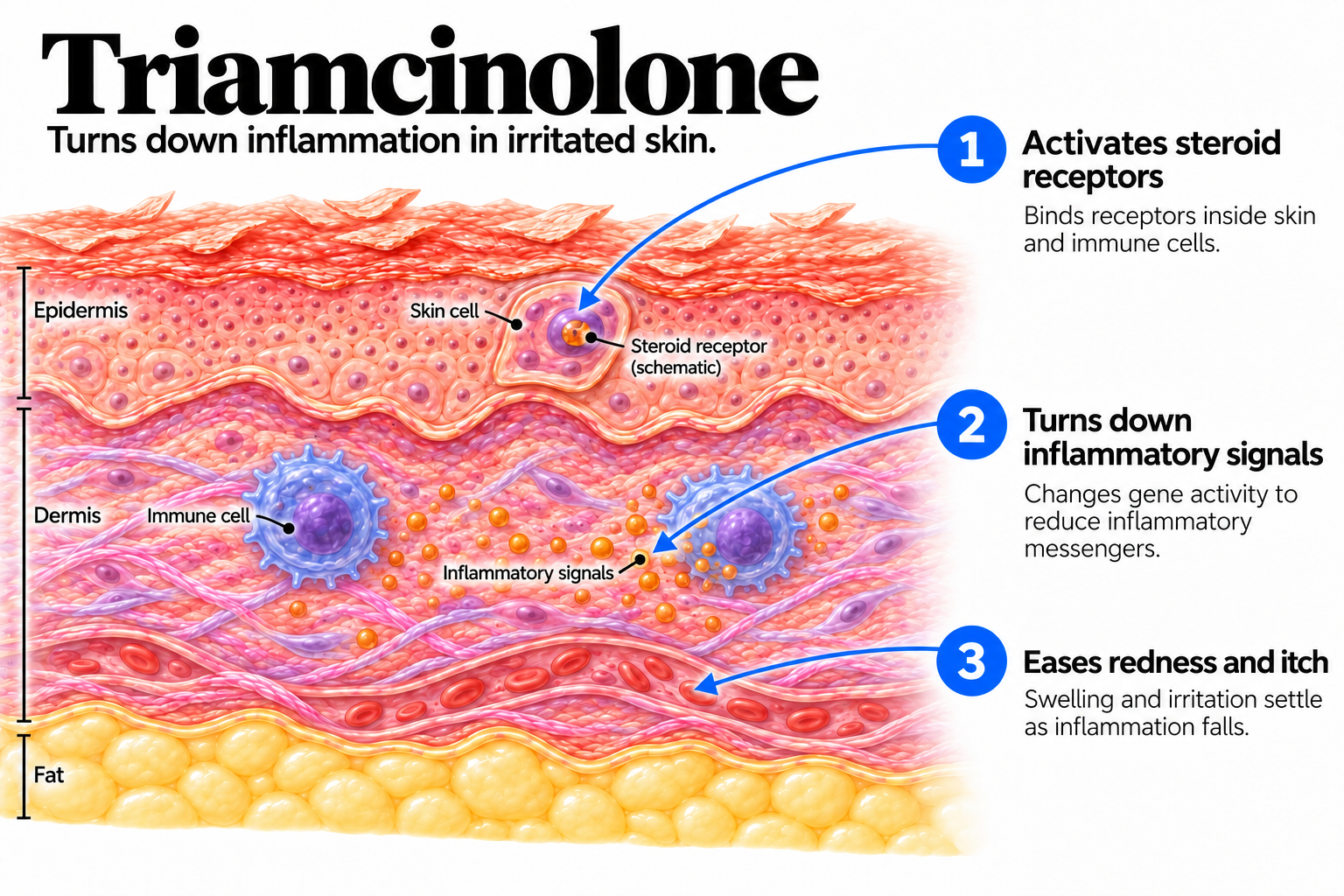
Activates steroid receptors: Binds receptors inside skin and immune cells. Turns down inflammatory signals: Changes gene activity to reduce inflammatory messengers. Eases redness and itch: Swelling and irritation settle as inflammation falls.
Simplified glucocorticoid receptor-mediated effects in steroid-responsive skin inflammation. Full effects also involve other pathways. No claim of antimicrobial action or cure; formulation and potency affect clinical use.
Two starting doses close together, then a long steady interval. Not adjusted for body weight.
Starting dose: 150 mg as one injection.
Second dose: 150 mg, four weeks after the first.
Usual dose: 150 mg every 12 weeks — about four injections a year after the first year.
If it stops working: There is no approved higher dose or shorter interval for psoriasis. Losing response means reviewing the diagnosis, not injecting more often.
How long: Long term, with no set end point, while it works and is tolerated.
When to Apply: Twice a day, on affected skin only, on trunk and limbs. A thin film is enough — one fingertip unit, the amount along the last joint of an index finger, covers about two adult palms. Moisturizer goes on separately, and continues after the steroid stops.
How to Start: Twice daily from day one, until the rash is flat rather than merely calmer — usually one to two weeks. Two to four weeks is the outer limit before review. Not on the face, eyelids, armpits or groin unless a clinician has told you to and for how long.
If It Irritates: Stinging usually comes from the base on cracked skin or the alcohol in a spray, and an ointment settles it. Itch and redness that worsen over a week can mean an allergy to the steroid or a preservative — a different product, not more of this one.
If It Is Not Working: Two weeks of proper twice-daily use is a fair test; more weeks rarely help. The usual reasons are a wrong diagnosis, a fungal rash the steroid is feeding, an untreated infection, or skin thick enough to need a stronger steroid or an ointment.
Any time of day. The calendar matters more here than with a weekly drug. Twelve weeks is long enough that people lose track, so put every dose date in your phone and book the next reminder the day you inject.
Take it out of the fridge 15 to 30 minutes before and let it warm on the counter. Cold liquid stings. No hot water, no microwave.
Inject into the front of the thigh or the belly, at least two inches from the navel. The back of the upper arm works if someone else is doing it. Rotate the site, avoid skin that is bruised, tender, hard or scarred, and never inject through a plaque. Ask for training before the first dose. Used devices go in a sharps container.
Inject as soon as you remember, then count twelve weeks from that day. If it has been much longer than twelve weeks, call the prescriber first so the schedule can be reset.
Everyone is screened for tuberculosis before the first dose — a skin test or TB blood test, plus a chest X-ray if that is positive. Dormant TB is treated first. This class probably carries less TB risk than the TNF blockers, but screening is not optional.
Hepatitis B and C are usually checked at the same time.
After that there is no fixed blood test schedule. Risankizumab does not need the regular liver and blood count testing methotrexate does. Monitoring is clinical: the skin, whether infections are more frequent, whether the dose dates are kept. TB testing is repeated yearly or by exposure risk.
There is no boxed warning. The most common side effects reported are upper respiratory infections, headache, tiredness, fungal skin infections and injection site reactions. Serious allergic reactions are rare but are why the first dose is often given with someone trained nearby.
No blood tests for a standard course in a healthy adult. Monitoring is a skin check — did the rash clear, has the skin thinned or gone shiny, have stretch marks or small blood vessels appeared, and how much of the tube is going each week.
Children and anyone treating large areas need closer attention. Enough steroid absorbed over enough time can suppress the body's own cortisol, and children reach that point on smaller amounts because they have more skin for their size.
This is not a drug to stay on continuously. For a recurring condition, use short courses for flares with emollients doing the daily work, or an agreed schedule such as two set days a week for a stubborn area. That should be a deliberate decision, not a prescription that keeps refilling.
Approximate windows, not promises.
First few minutesThe injection: A sharp sting for a few seconds, then redness or a small welt. Settles within a day or two.
First few minutesApplying it: A thin layer on affected skin. Mid-strength — stronger than hydrocortisone, milder than clobetasol.
Weeks 1 to 4Starting: Itch settles first. Scale lifts and plaques thin.
Weeks 4 to 16Working: Most of the change happens here, from the second dose on. Plaques flatten and redness fades from the middle out, often leaving a paler or darker mark.
Week 16Judge it here: Most people reached 90 percent clearer skin, and many were clear or nearly clear. Joints improve on the same timeline.
3 to 6 monthsScalp, palms and soles: Slower than the trunk and limbs.
6 to 12 monthsNails: Last to change, because a nail takes months to grow out.
Between dosesSteady state: Most people notice no dip. If plaques reliably return in the last few weeks, say so.
Days 1 to 3Itch first: Itching and soreness ease before the rash changes appearance.
Days 3 to 10Clearing: Redness fades, weeping stops and thickened areas soften. Most simple eczema flares are largely settled here; contact dermatitis clears once the trigger is gone.
Weeks 2 to 4Judge it here: Psoriasis plaques flatten and scale lifts here. Lichen planus and other stubborn itchy rashes are slower, often needing an ointment or the 0.5% strength. Leathery skin from long scratching takes longest.
After stoppingMarks stay behind: Brown or gray patches where the rash was are pigment change from the inflammation, not scars. They fade over weeks to months.
Sorted by what to do about them.
The list price runs to tens of thousands of dollars a year. Almost nobody pays that; what you pay depends on your plan.
It is brand only — no generic, no biosimilar — so there is no cheaper equivalent to switch to. That is a real difference from adalimumab.
Prior authorization is close to universal. Most plans require documented failure of something cheaper first — phototherapy, methotrexate, sometimes another biologic. Denials are usually about missing records rather than the drug, and appeals succeed reasonably often when the history is documented.
Manufacturer copay cards can cut the cost to very little with commercial insurance. By law they cannot be used with Medicare or Medicaid. For those plans, or no insurance, the manufacturer's patient assistance program and independent foundations are the usual routes. Terms change often.
One practical note: because doses are twelve weeks apart, a change of insurance or a formulary switch in January can land in the middle of a dosing gap. Check coverage before the next dose is due, not the week it is.
Triamcinolone is generic and among the least expensive prescription steroids. Large jars of cream or ointment are the cheapest way to treat widespread rashes, and most plans cover them.
Sprays, aerosols and branded versions cost noticeably more. The dental paste for mouth ulcers is a separate product, priced separately. When cost is a problem, ask for a larger jar rather than several small tubes.
A large protein grown in living cells rather than a chemical made in a factory. That is why it is injected, and why it lives in the fridge.
After the first two doses, four weeks apart, yes. The drug stays in the body long enough that the gap can be twelve weeks.
A few seconds of stinging. Letting it warm to room temperature first makes a noticeable difference.
Tuberculosis and hepatitis before you start, and TB testing often repeated yearly. Beyond that, no routine schedule.
Inject when you remember and count twelve weeks from that day. If you are weeks or months late, call first.
Yes, apart from live ones. The flu shot, COVID vaccines and Shingrix are not live. Have any live ones before starting.
Mid-strength. Several steps above hydrocortisone, several below clobetasol. Usually the right level to start at for body skin, and too much for the face.
Generally no, unless a clinician has said so and for how long. Facial skin is thin and absorbs well — weeks of it there cause thinning, visible vessels and bumps around the mouth.
Two to four weeks at a stretch for most body rashes, then a review. Longer should be a deliberate plan, such as fixed days each week.
It can, with continuous use, especially on thin skin and in folds. A two-week course on an arm or leg is not what causes it. Early thinning usually recovers over months. Stretch marks do not.
Effectively yes, at the same percentage. It holds moisture in and drives more drug in, which is why it suits dry, thickened rashes.
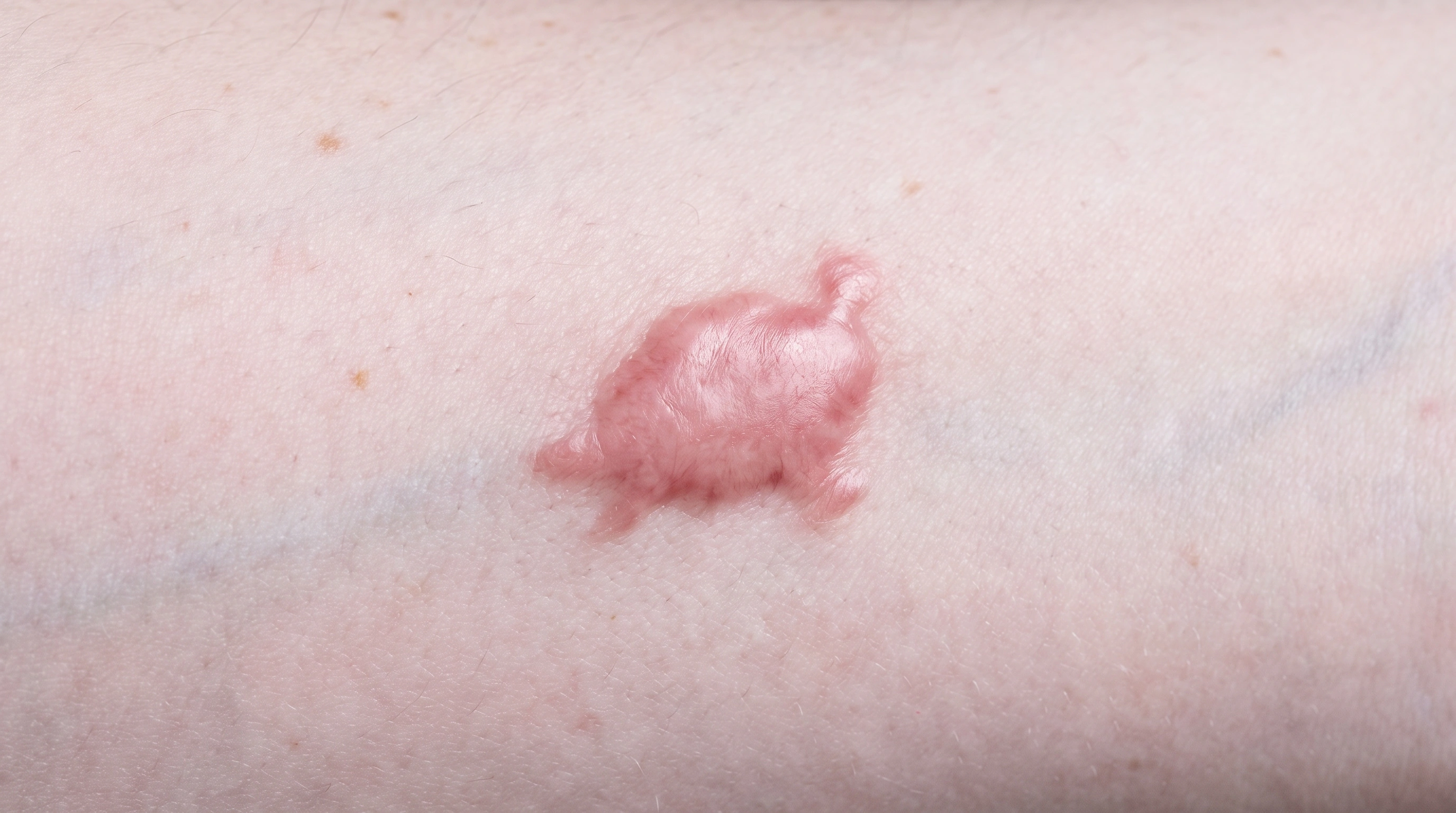
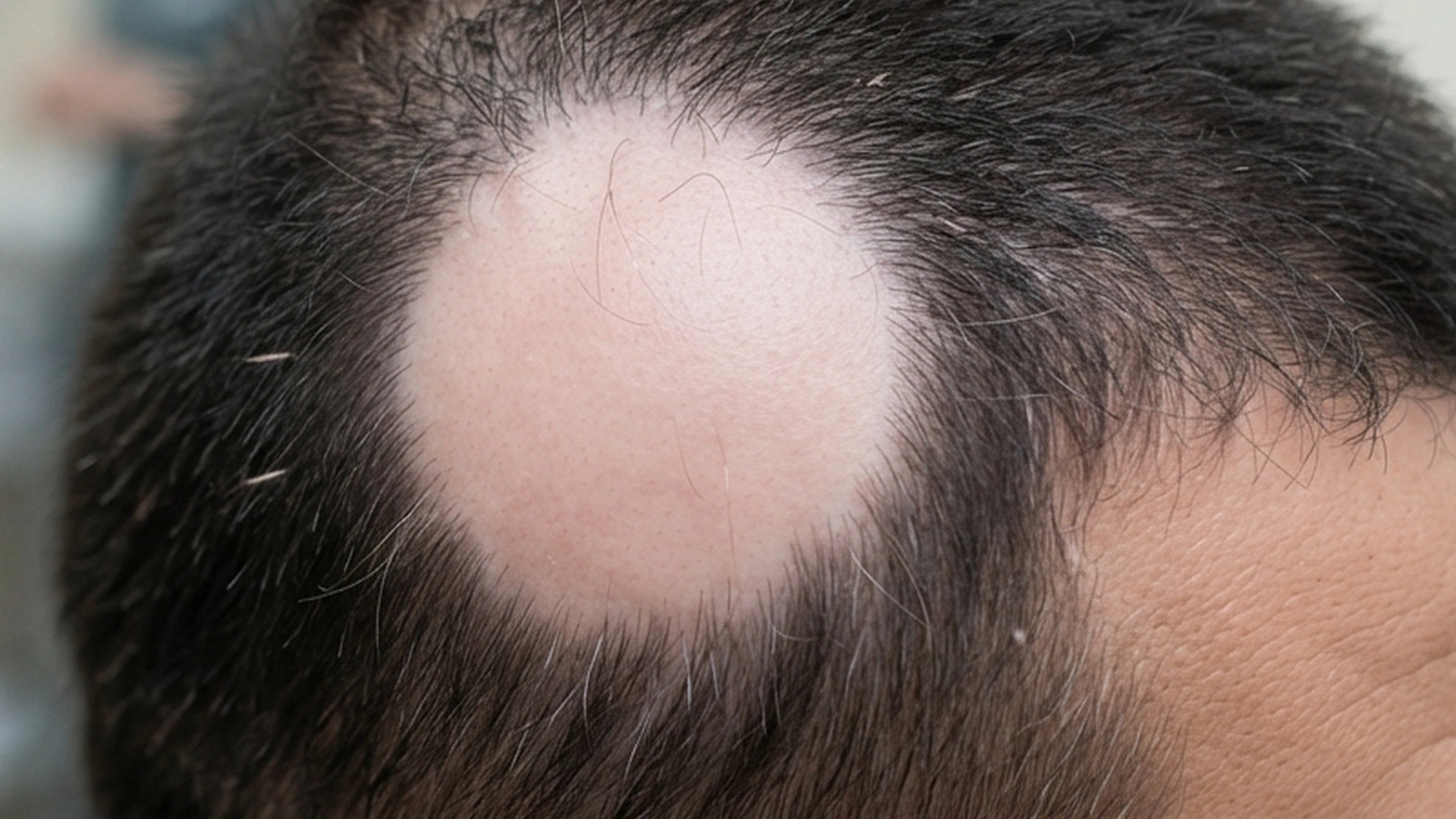
Same drug, different route and dose. An injection into a joint, keloid or bald patch is a separate treatment.