Common questions
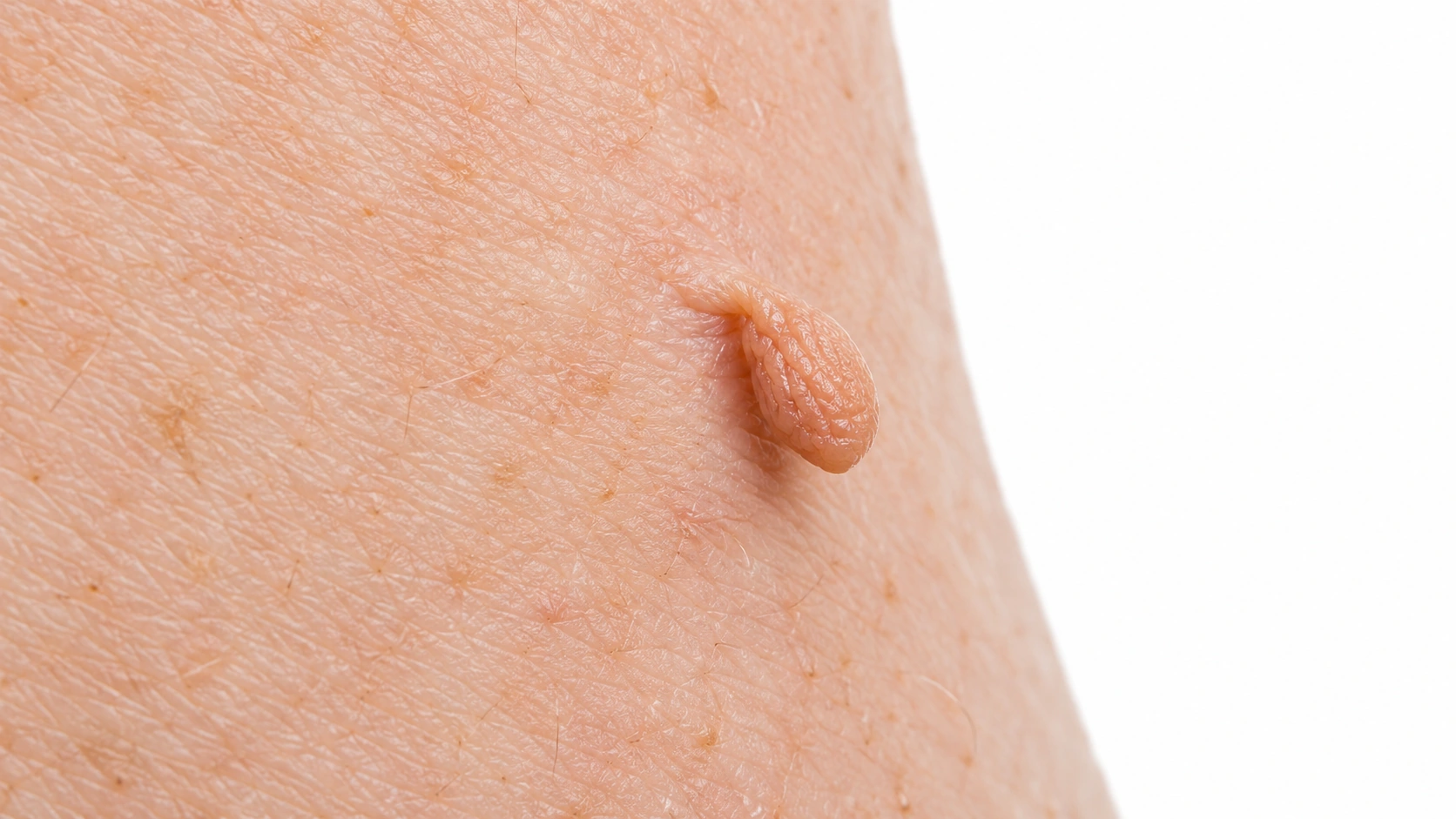
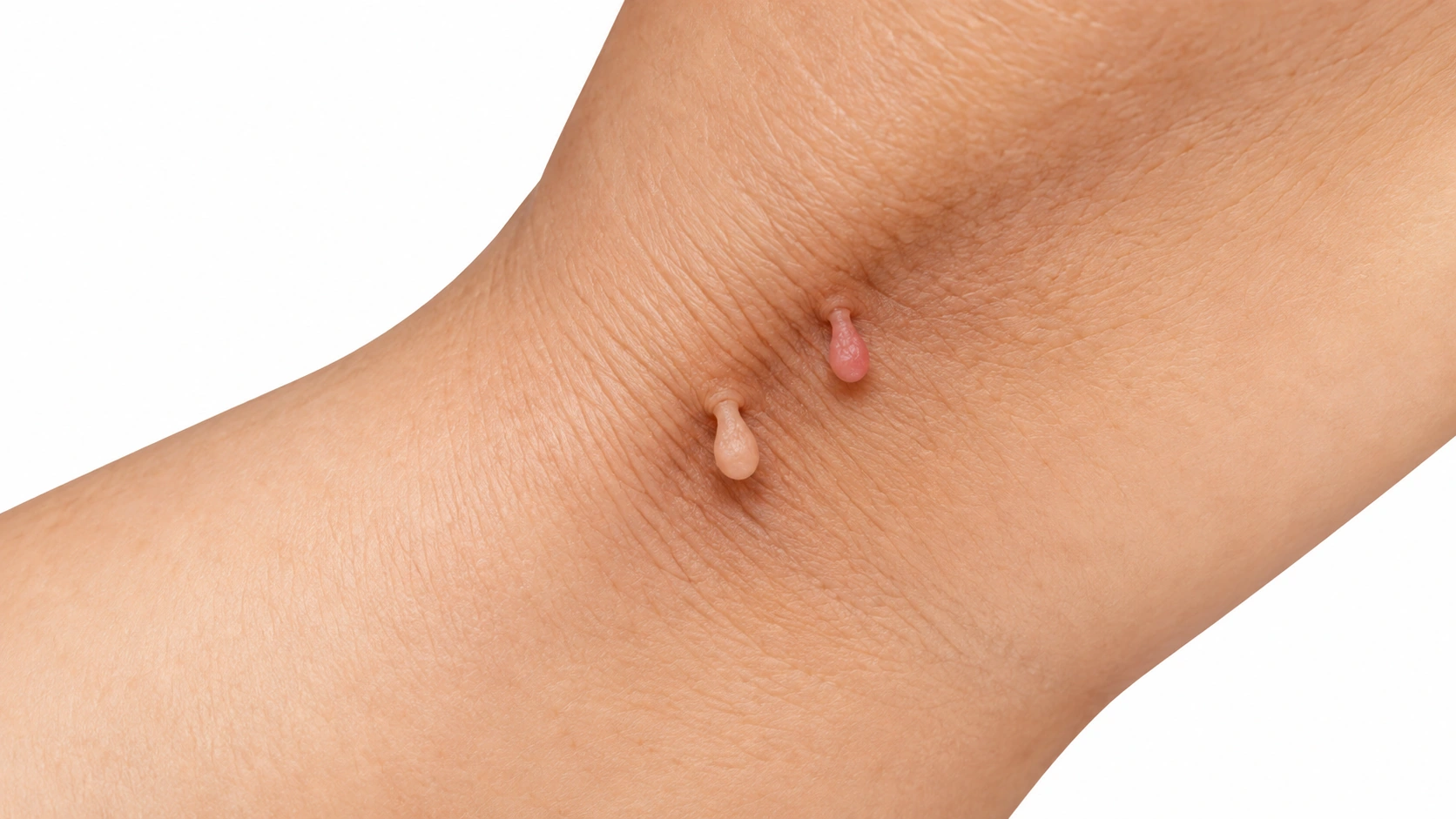
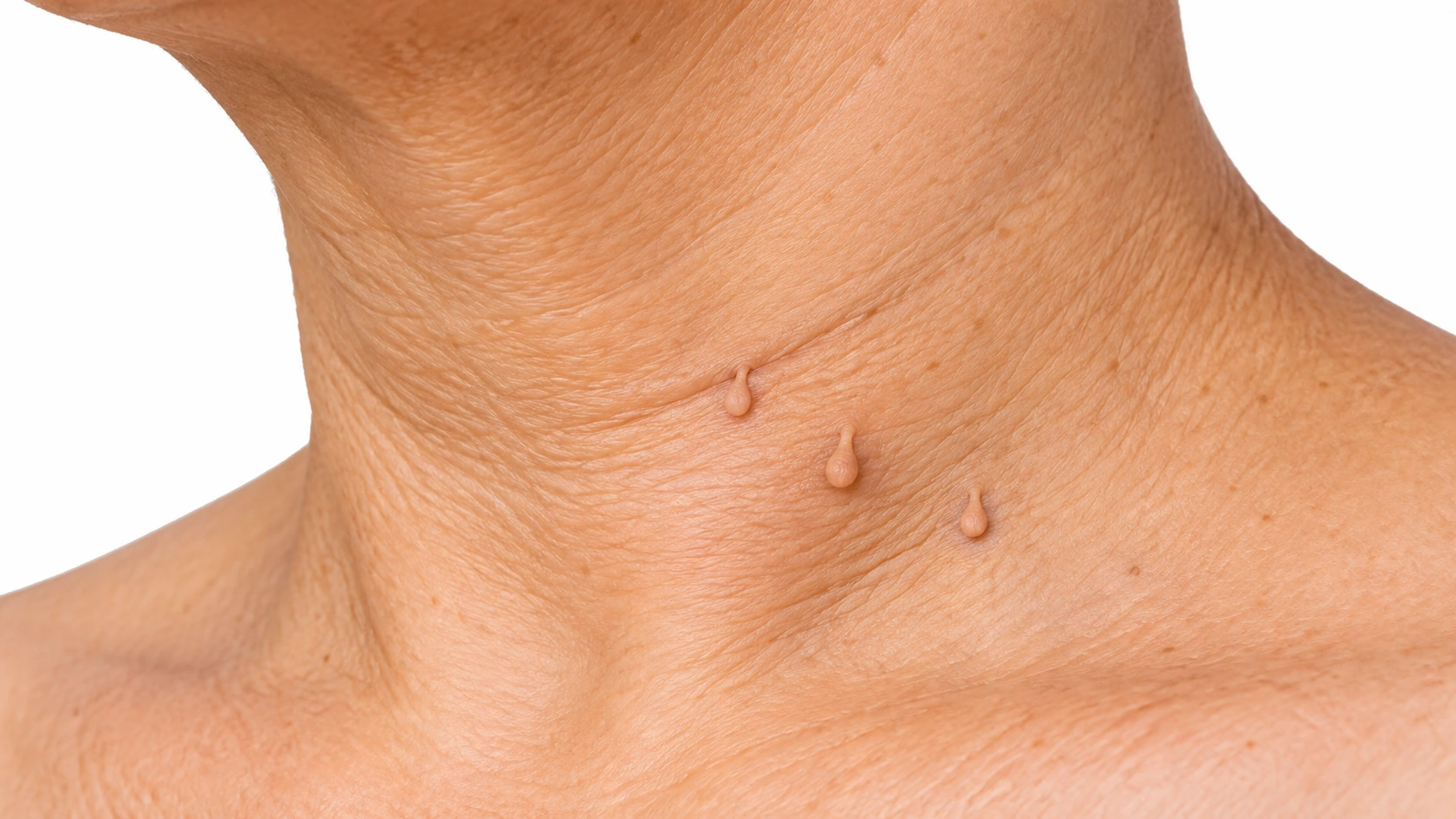
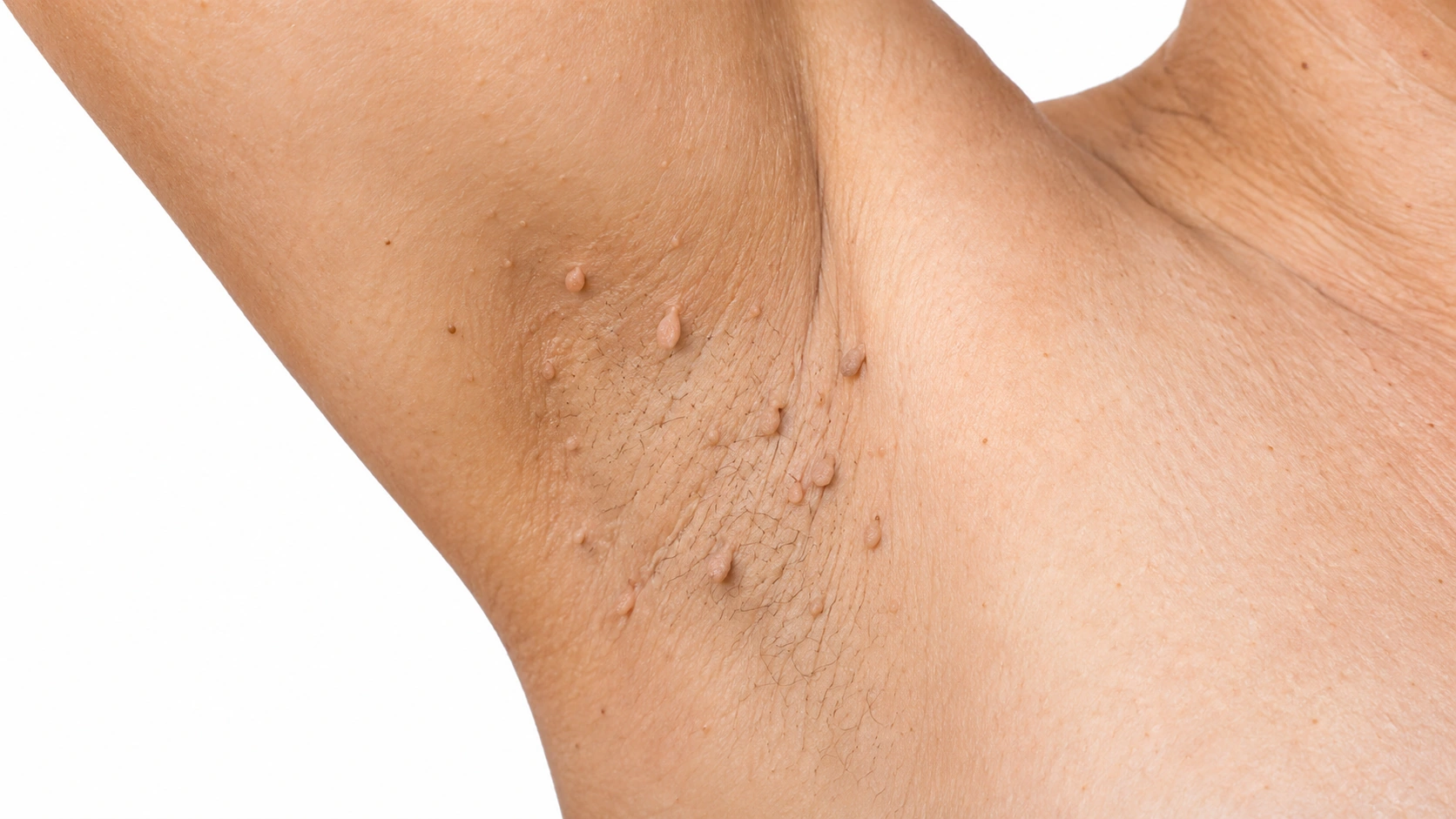
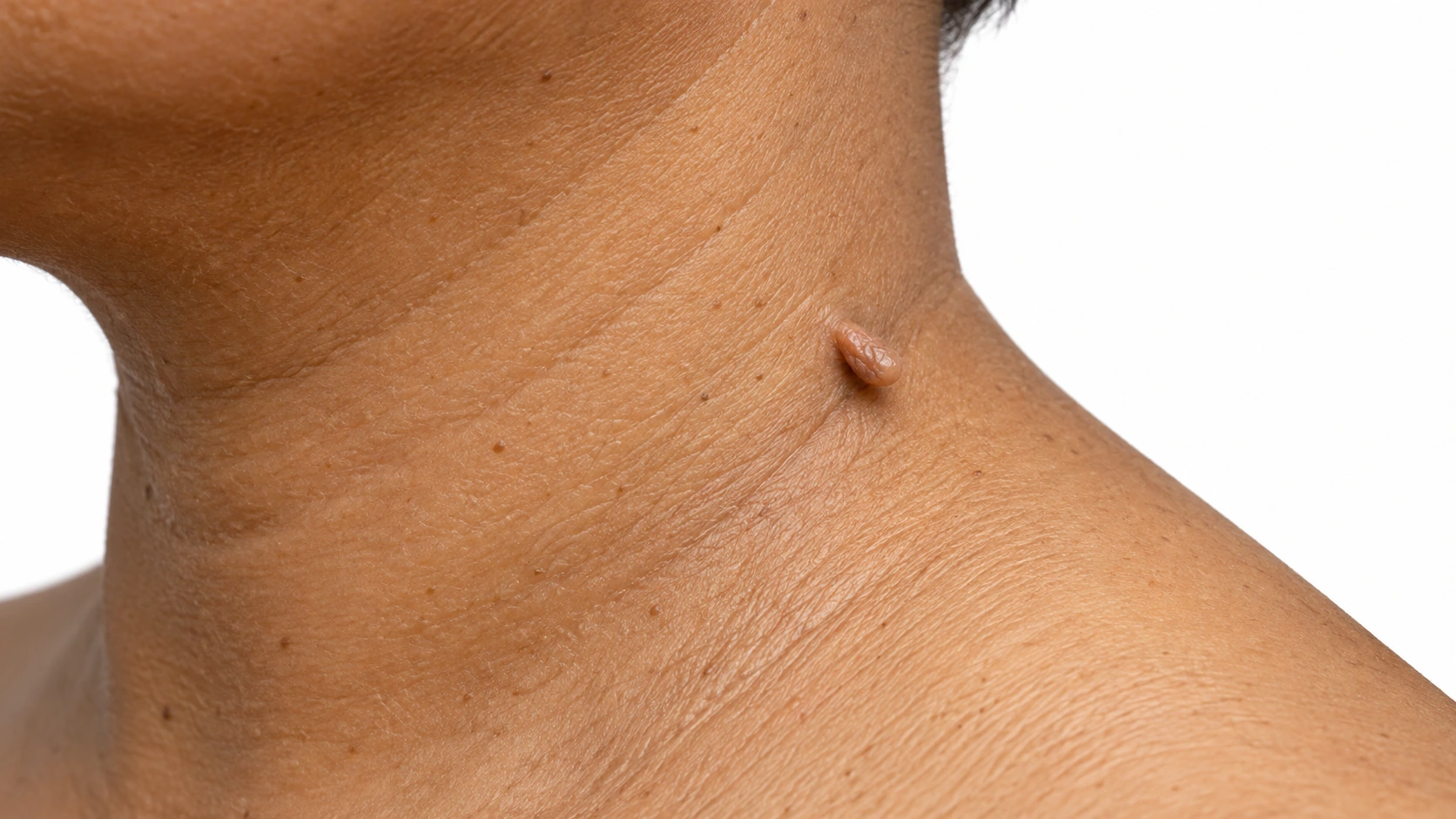
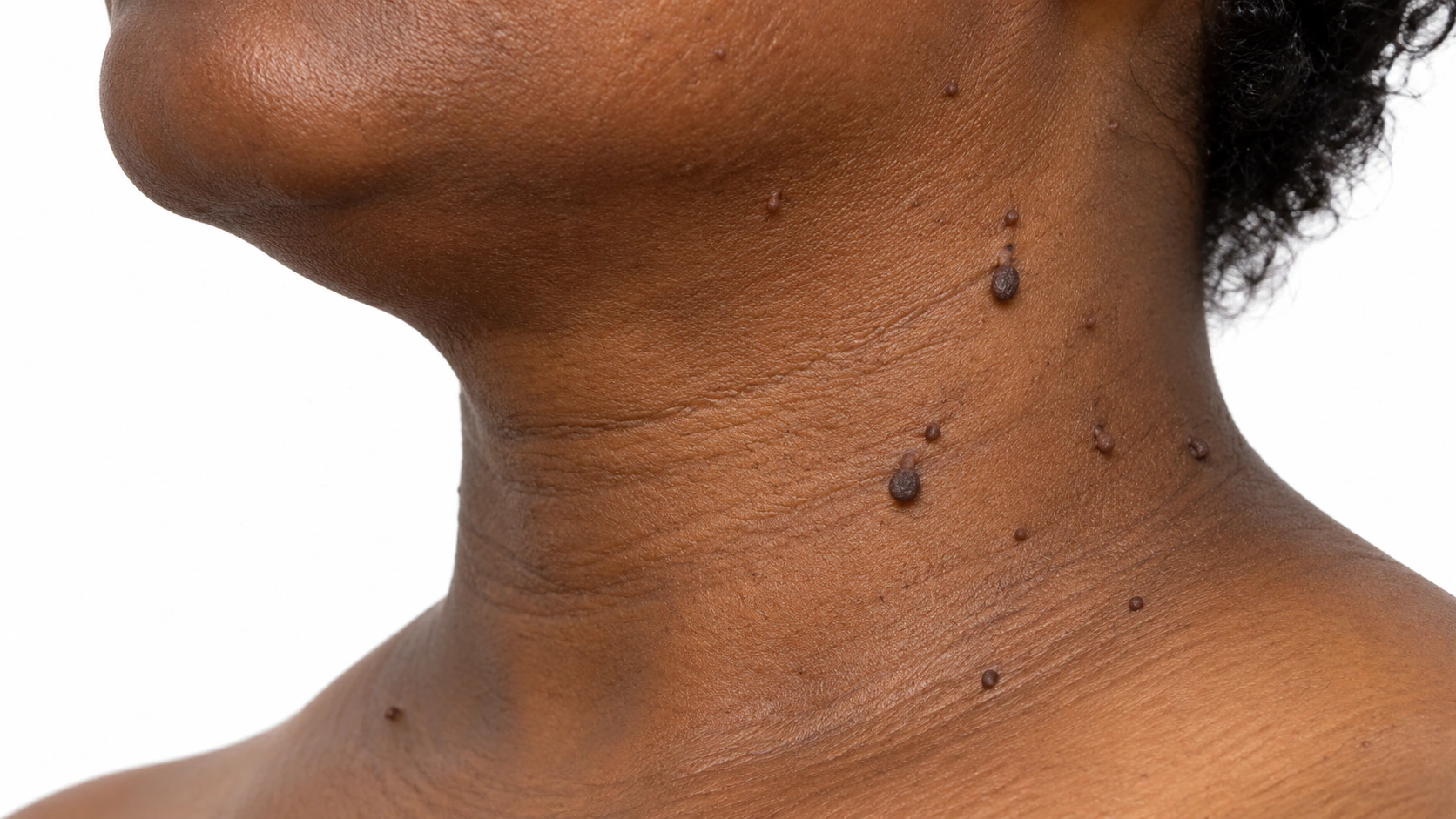
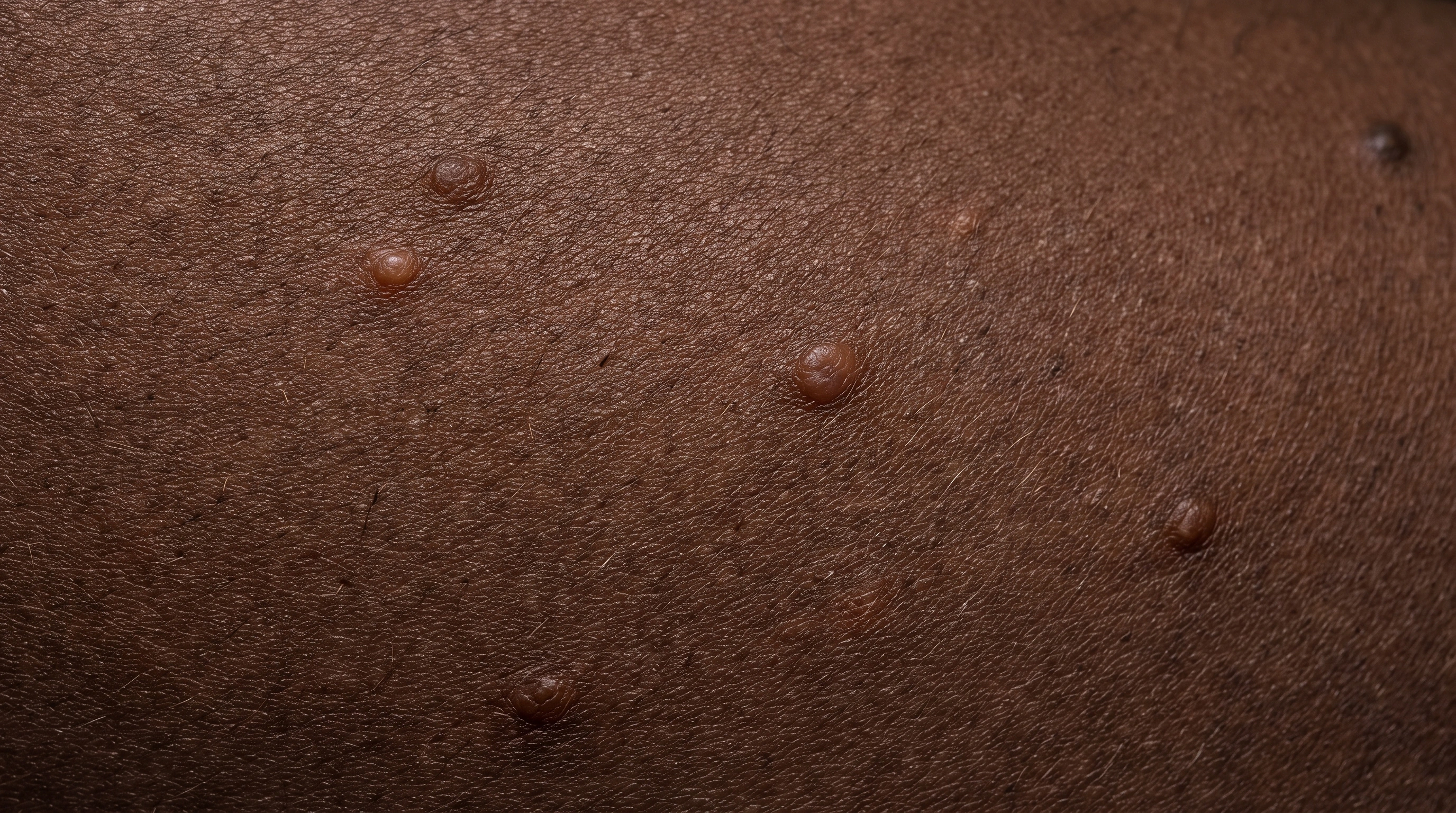
Skin Tags:Can I just cut it off myself?
Please do not. It bleeds more than you expect, it hurts more than you expect, the tools at home are not sterile, and you lose the chance to have it examined if it turns out not to be a skin tag. Removal in clinic takes seconds.
Skin Tags:Will more grow back if I have them removed?
Not the same one. New tags can appear in the same area over time, because removal does not change the friction, genetics or hormones that produced the first one. Not the tag growing back.
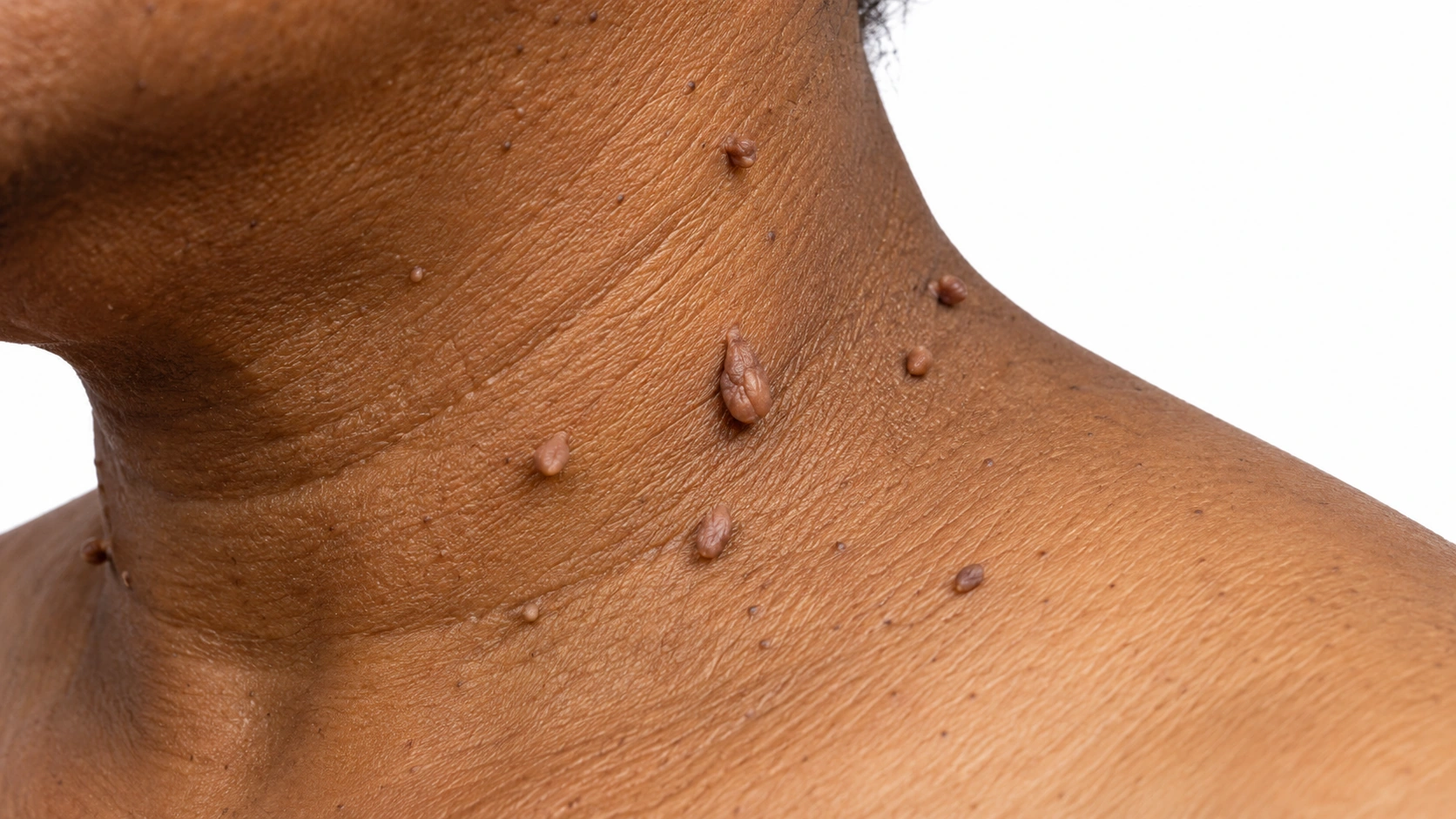
Skin Tags:Does having skin tags mean something is wrong with my health?
Usually not. They are extremely common and most people who have them are healthy. A lot of them is associated with insulin resistance and type 2 diabetes across large groups, so developing many new ones, especially with darkened velvety skin in the folds, is a fair reason to check blood sugar. A prompt, not a diagnosis.
Skin Tags:One of mine has turned black. Is that dangerous?
Most often the tag has twisted on its stalk and lost its blood supply. It is tender for a few days, then dries up and falls off, leaving nothing. Still get it looked at, because a growth turning dark is also how other things present.
Skin Tags:Will insurance pay for removal?
Usually not, because it is normally considered cosmetic. The exception tends to be a tag that repeatedly catches, bleeds or becomes inflamed. Ask the clinic before you book so the cost is not a surprise.
Skin Tags:Are the ones I got during pregnancy permanent?
Some shrink or disappear in the months after delivery and some stay. Wait several months before deciding on removal, and ask the doctor managing your pregnancy before having anything done meanwhile.
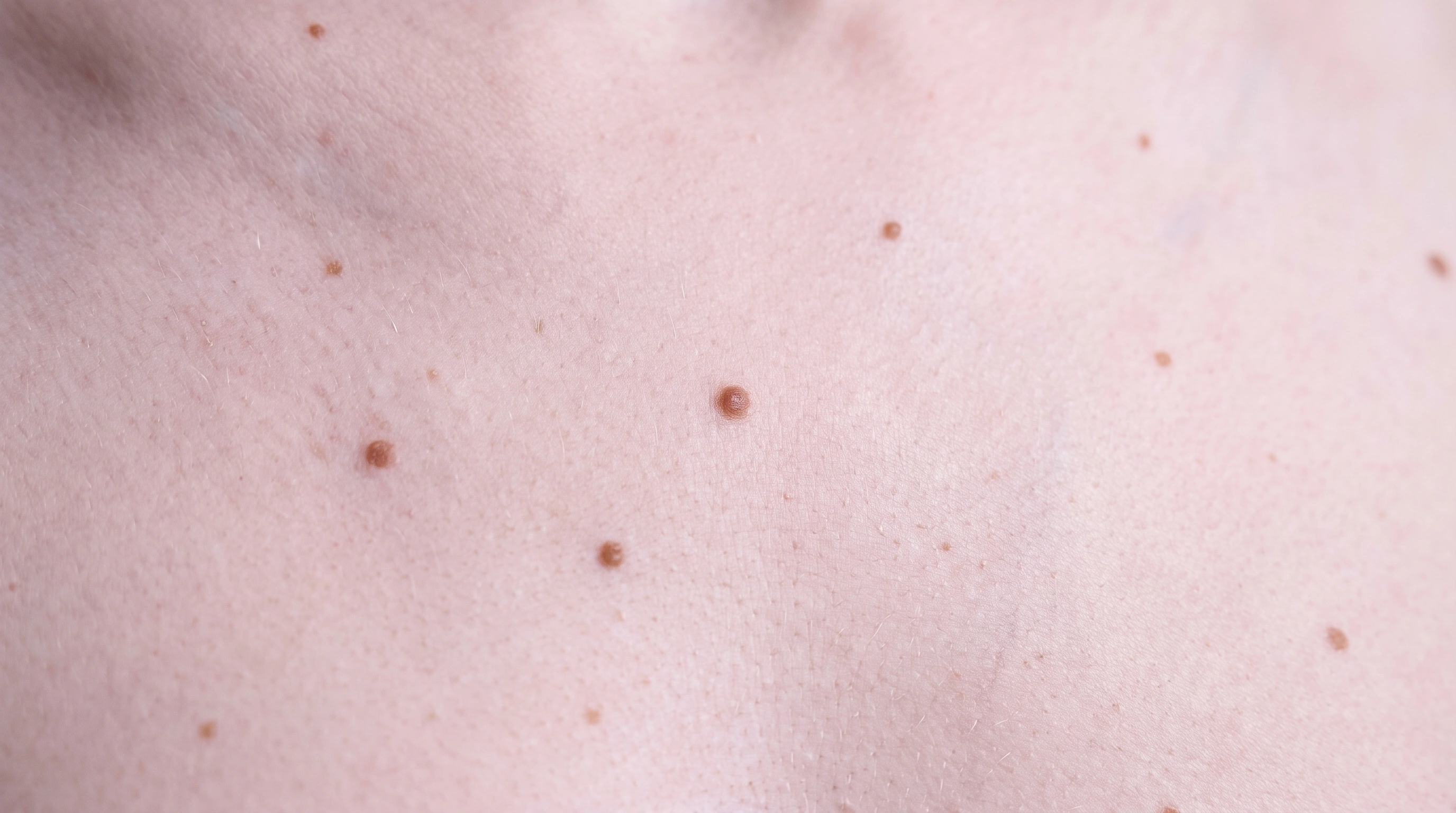
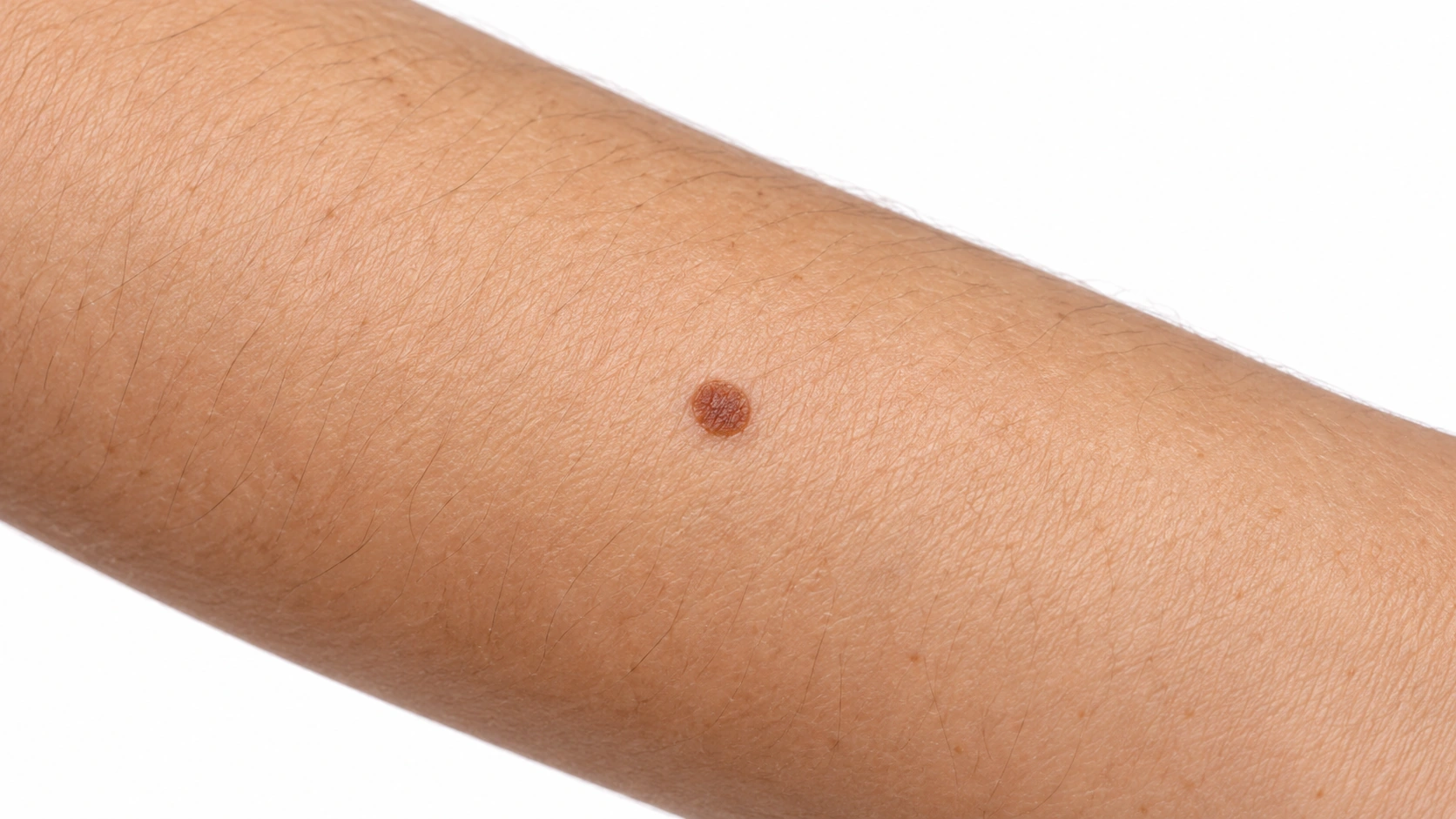
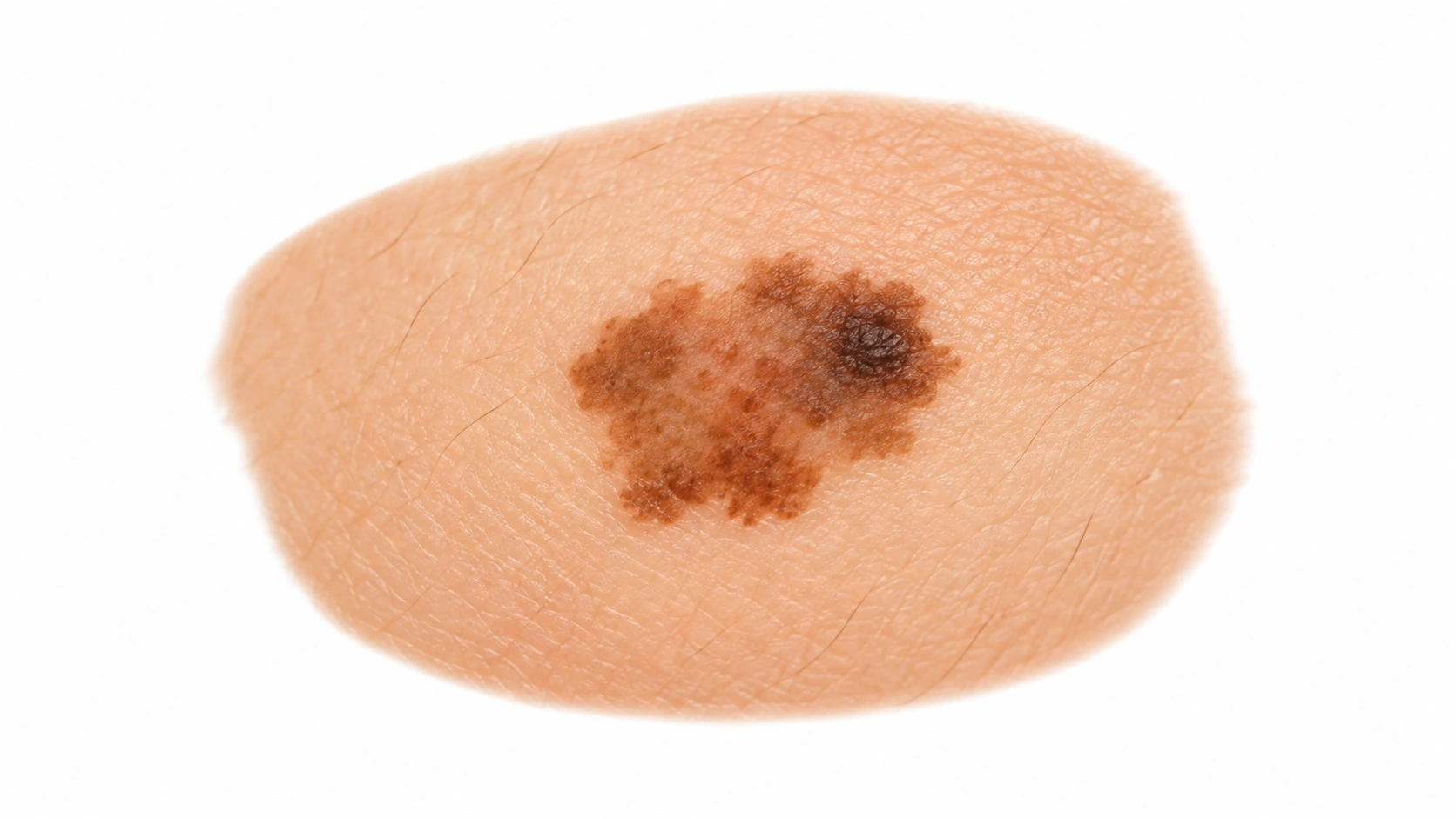
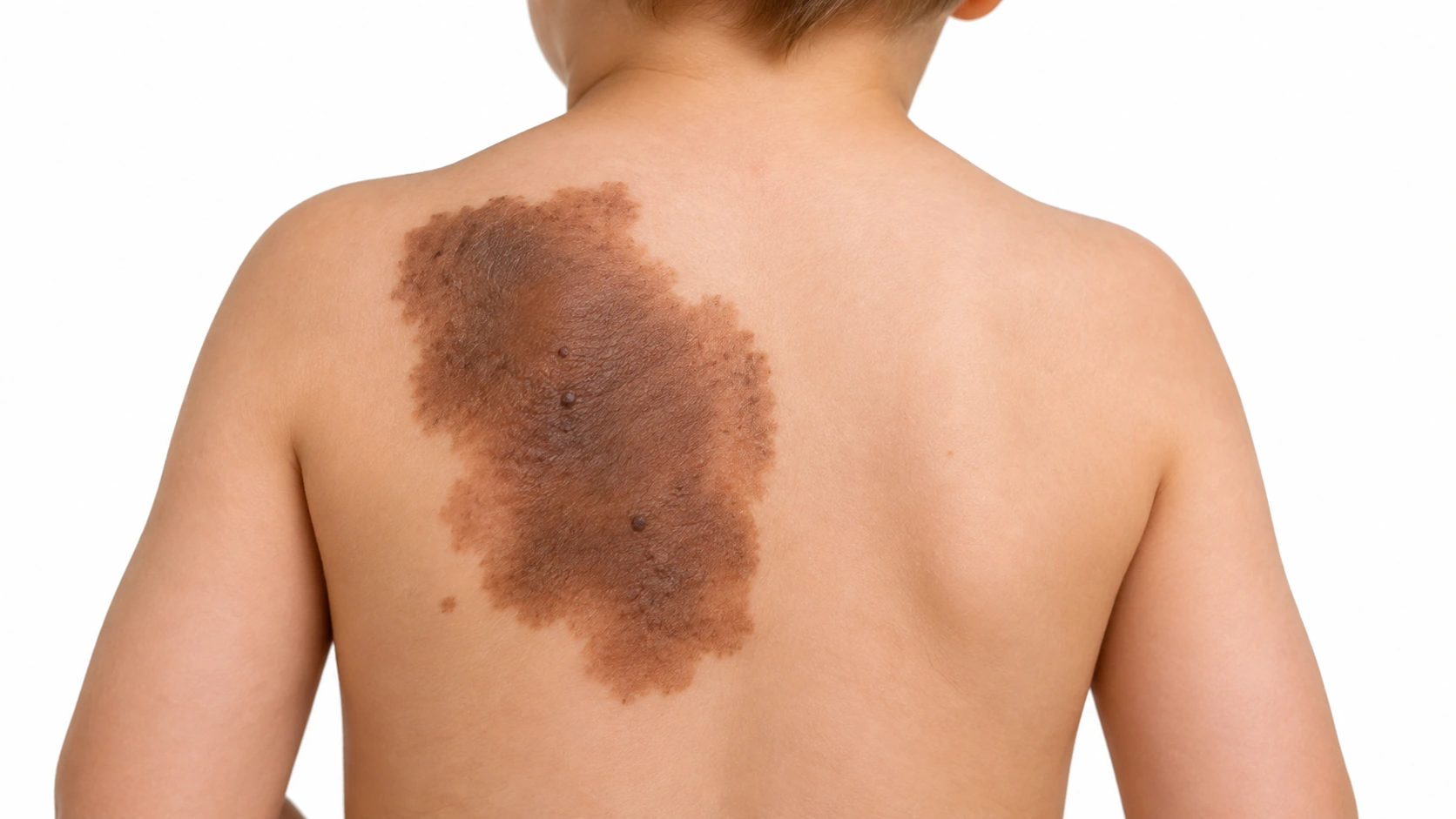
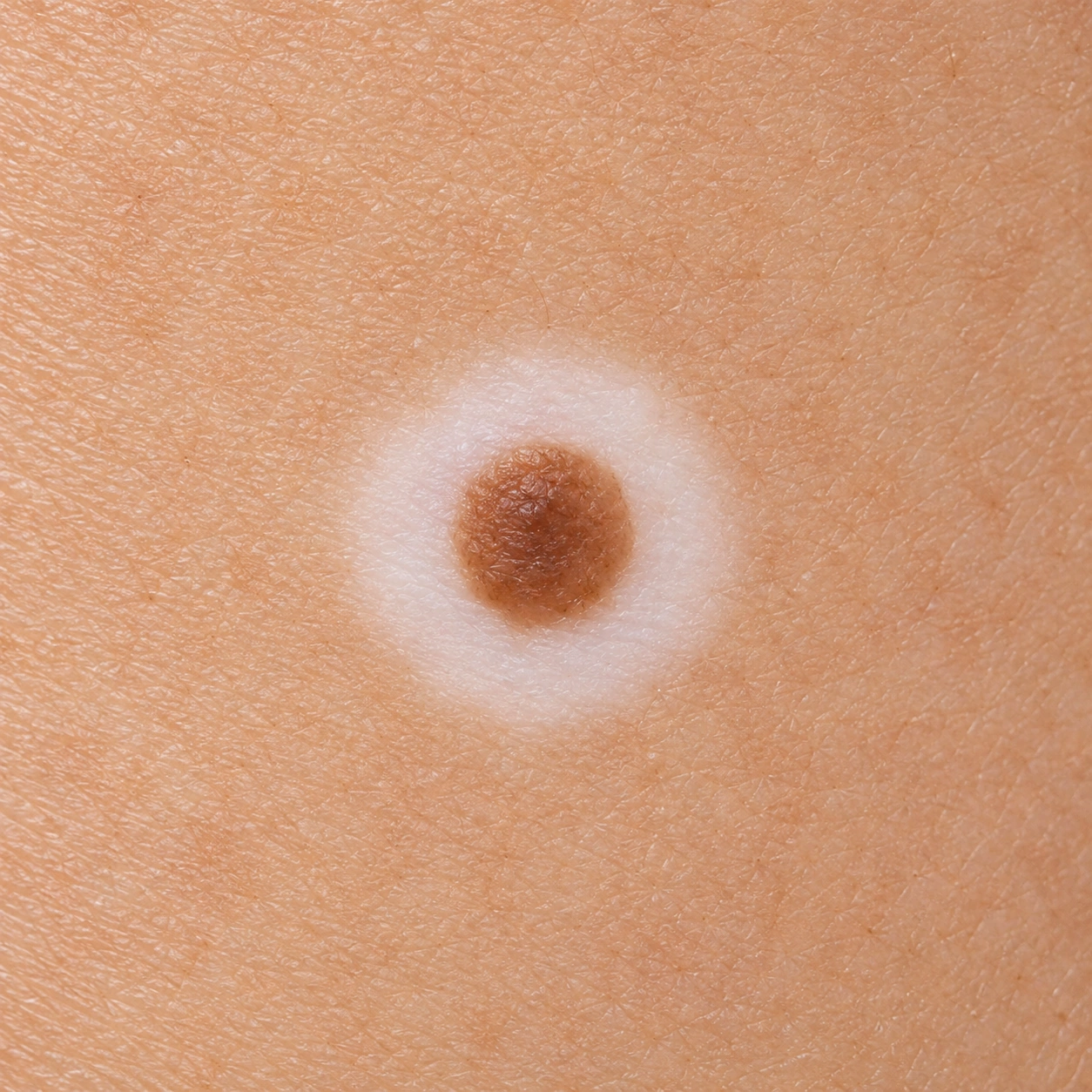
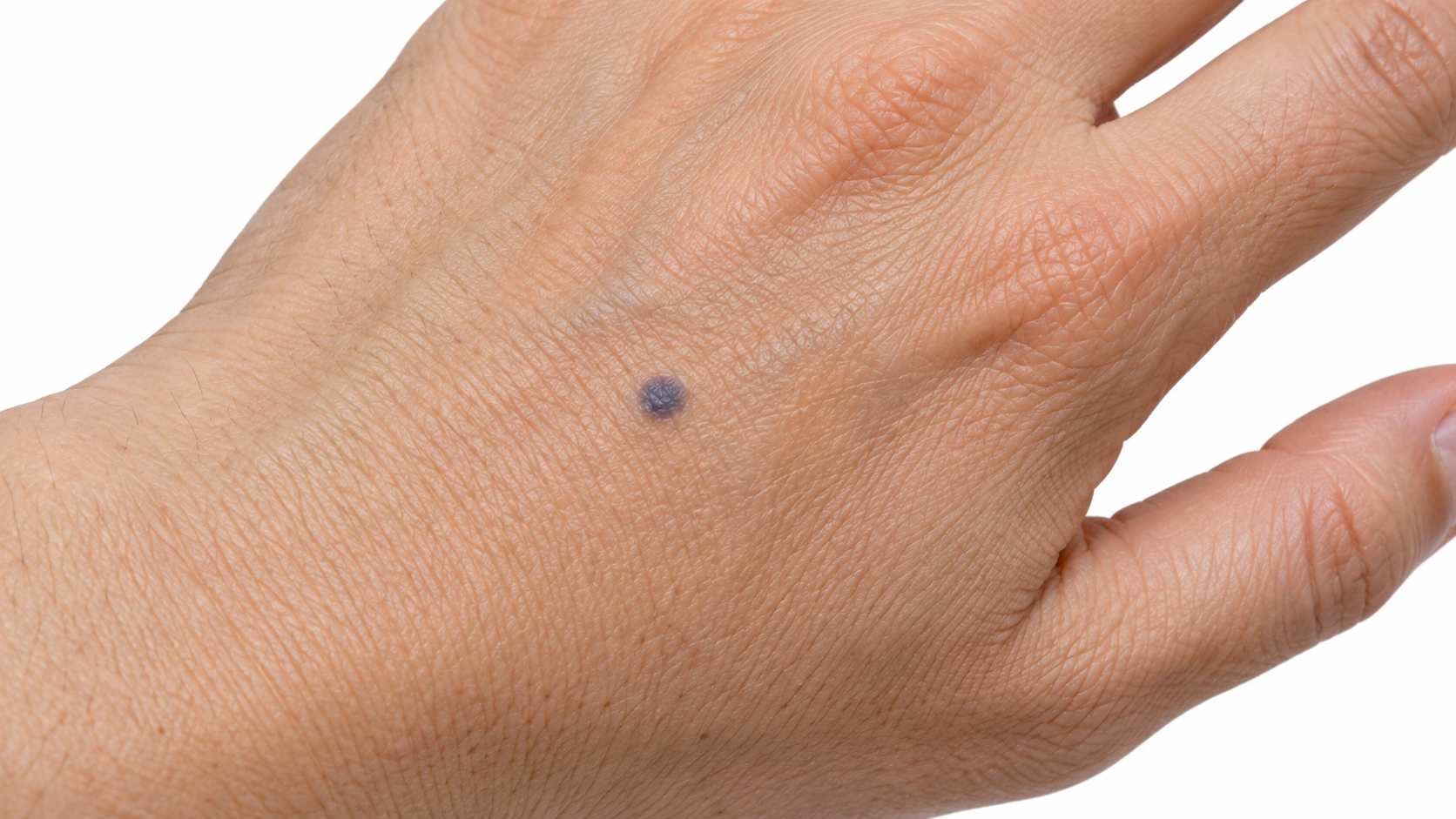
Moles:How do I tell a normal mole from a dangerous one?
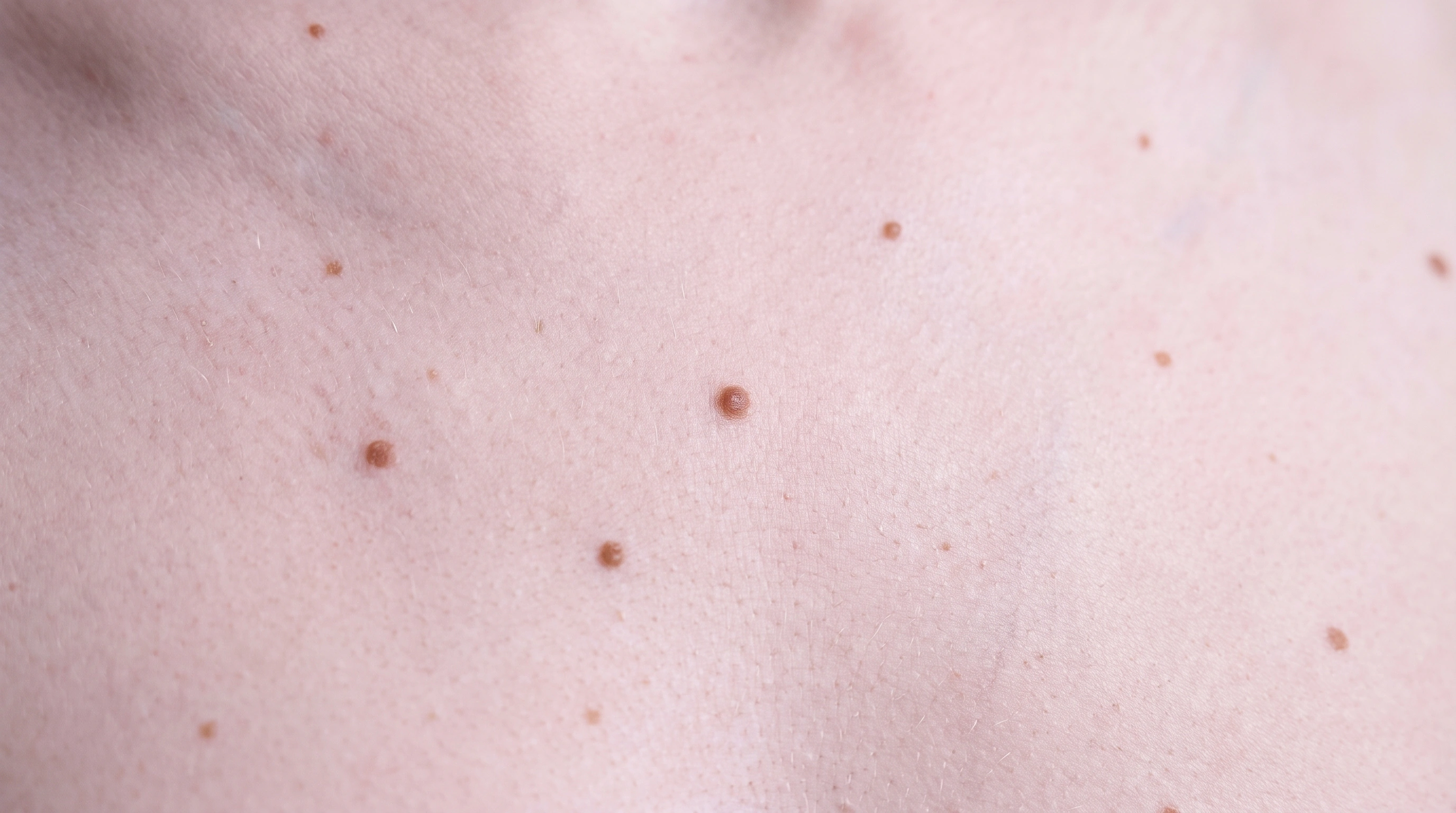
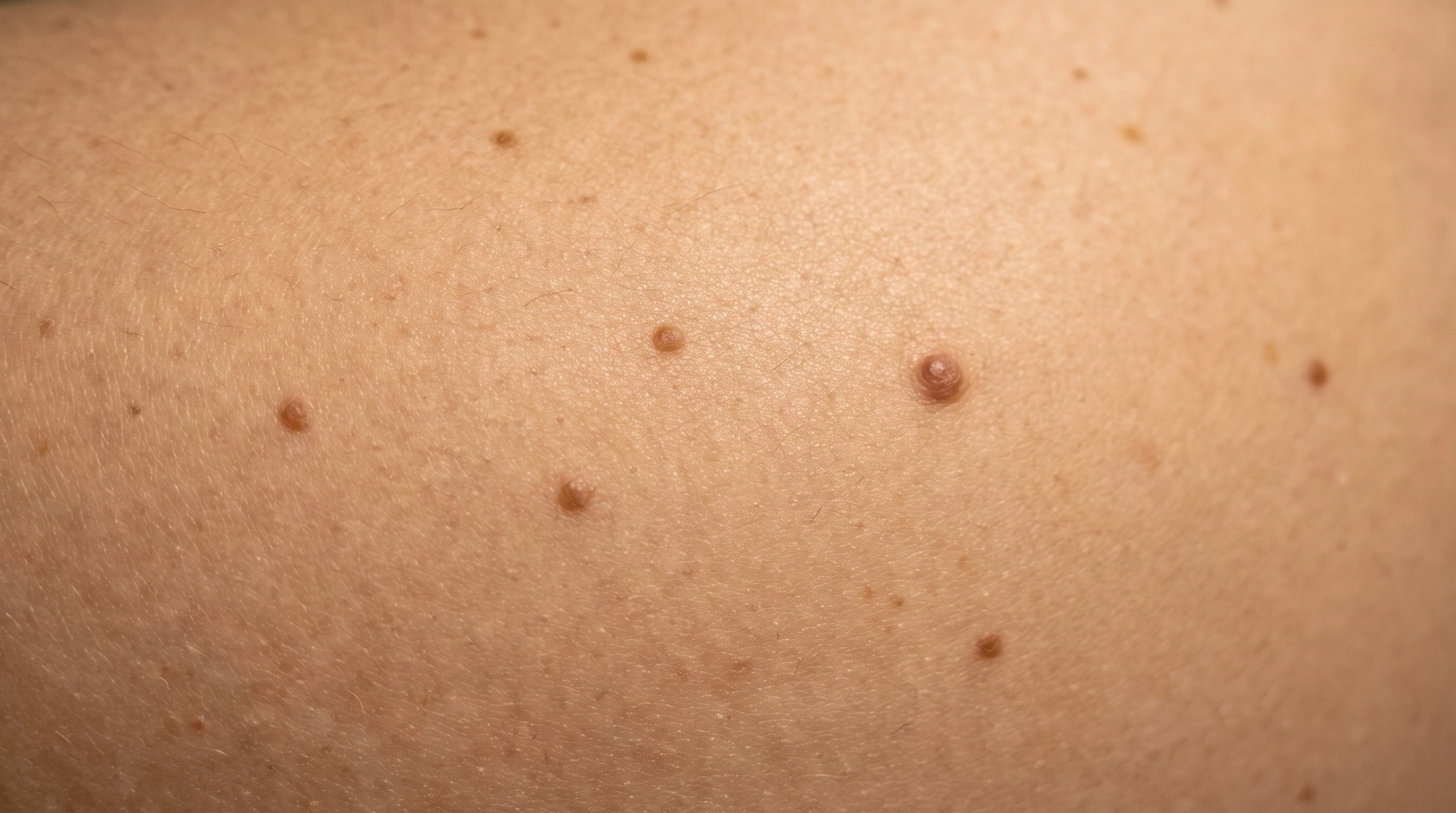
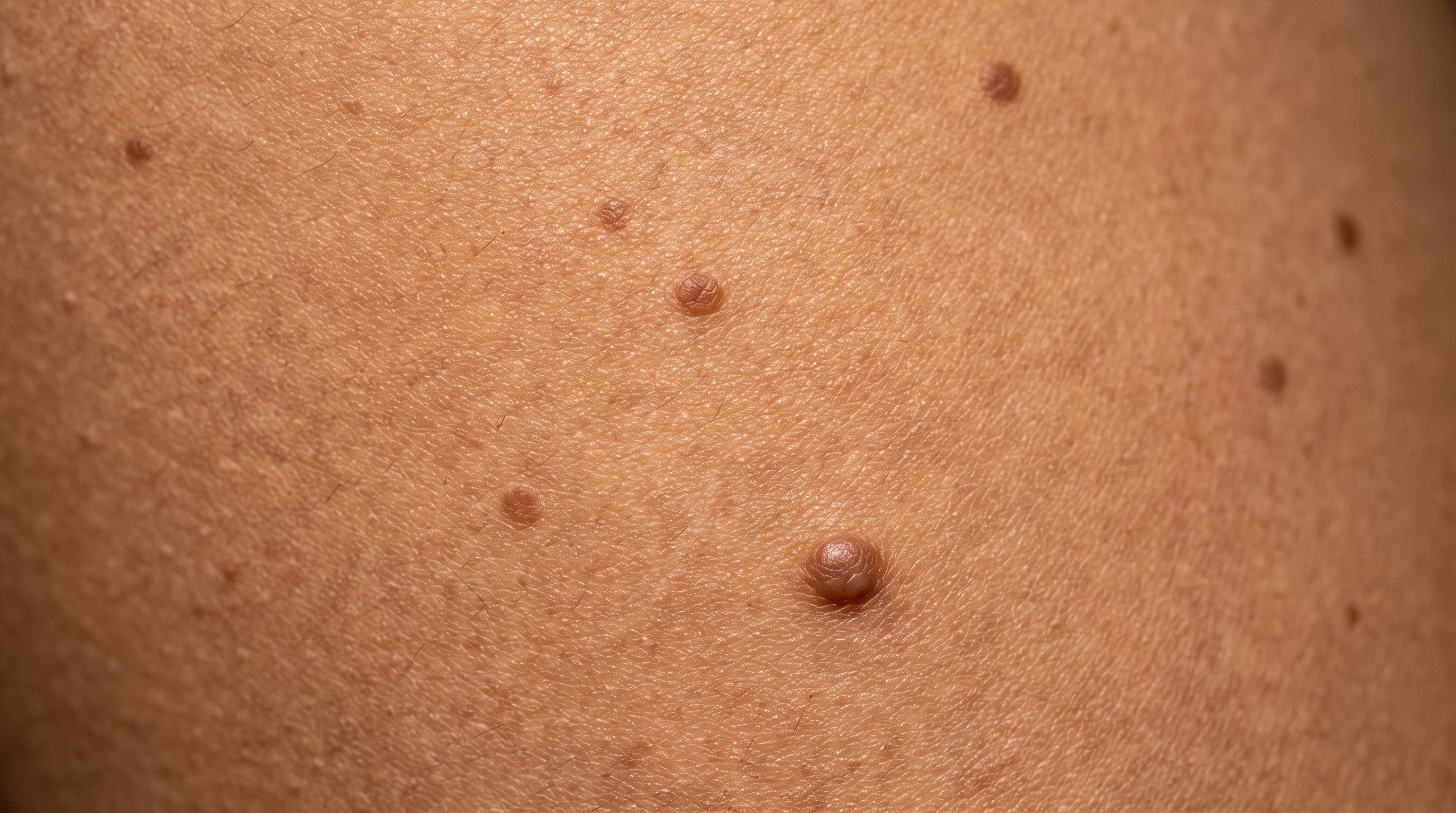
Use two checks together. ABCDE covers asymmetry, an uneven border, more than one color, a diameter above about 6 millimeters, and - most important - evolving, meaning changing. The ugly duckling check asks whether the mole looks like your others. A spot that fails either, or passes both but keeps changing, should be examined in person.
Moles:Is it normal to get new moles as an adult?
New moles keep appearing through the teens and twenties and become uncommon after about 40. Many new pigmented spots in older adults turn out to be seborrheic keratoses or sun spots. That is a reason to have a new spot identified, not to assume it is one of those.
Moles:Can I have a mole removed just because I do not like it?
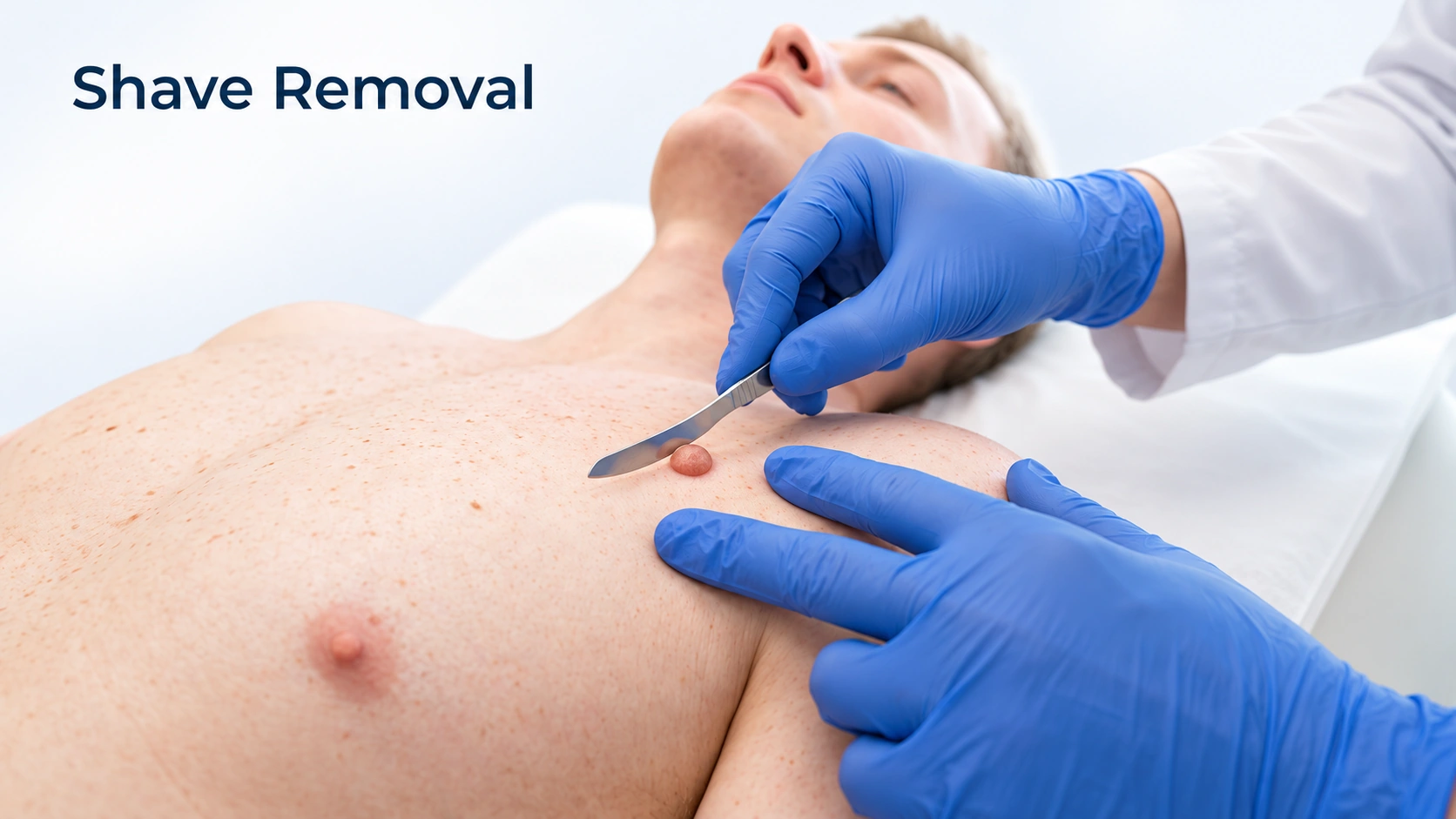
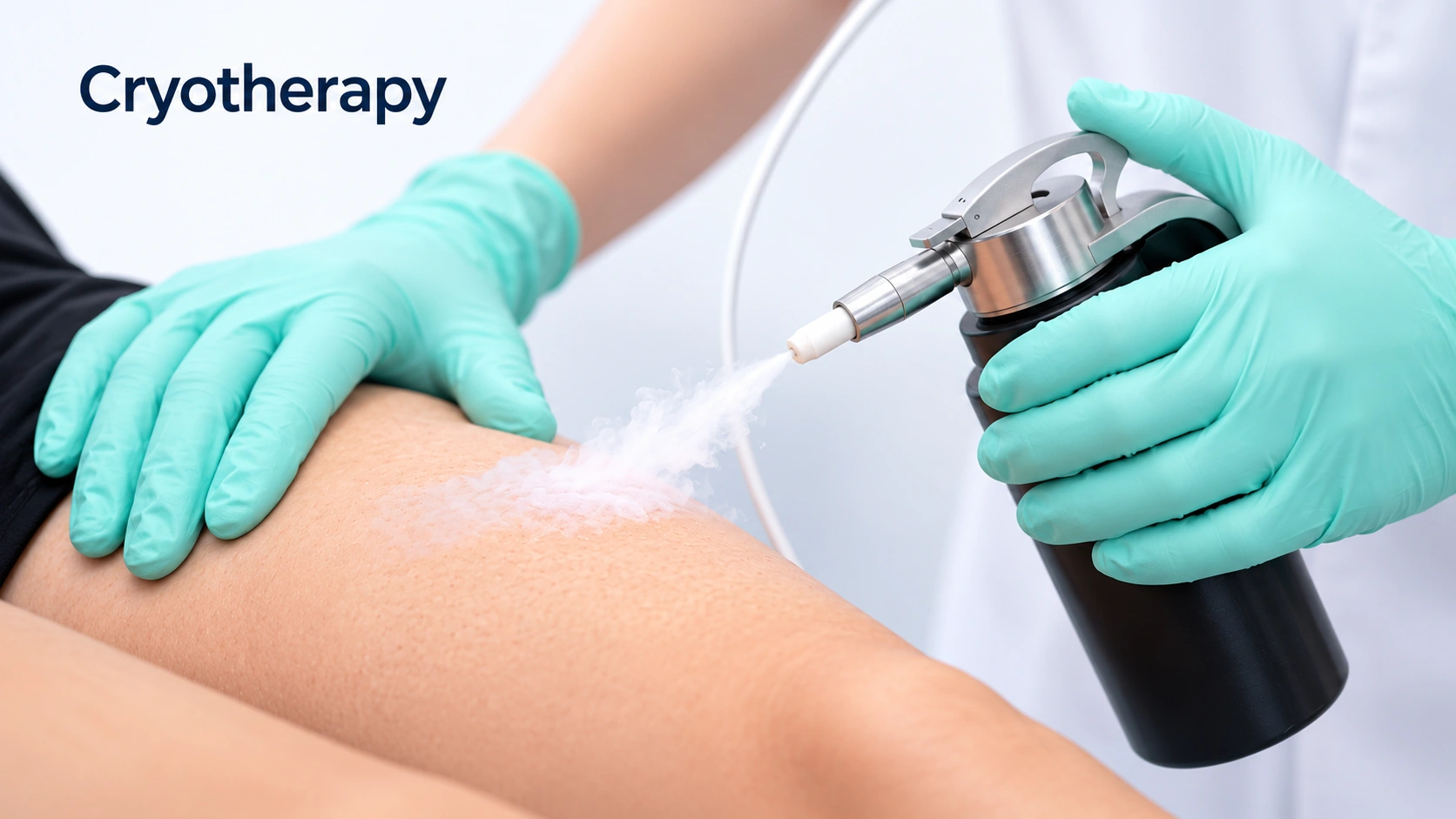
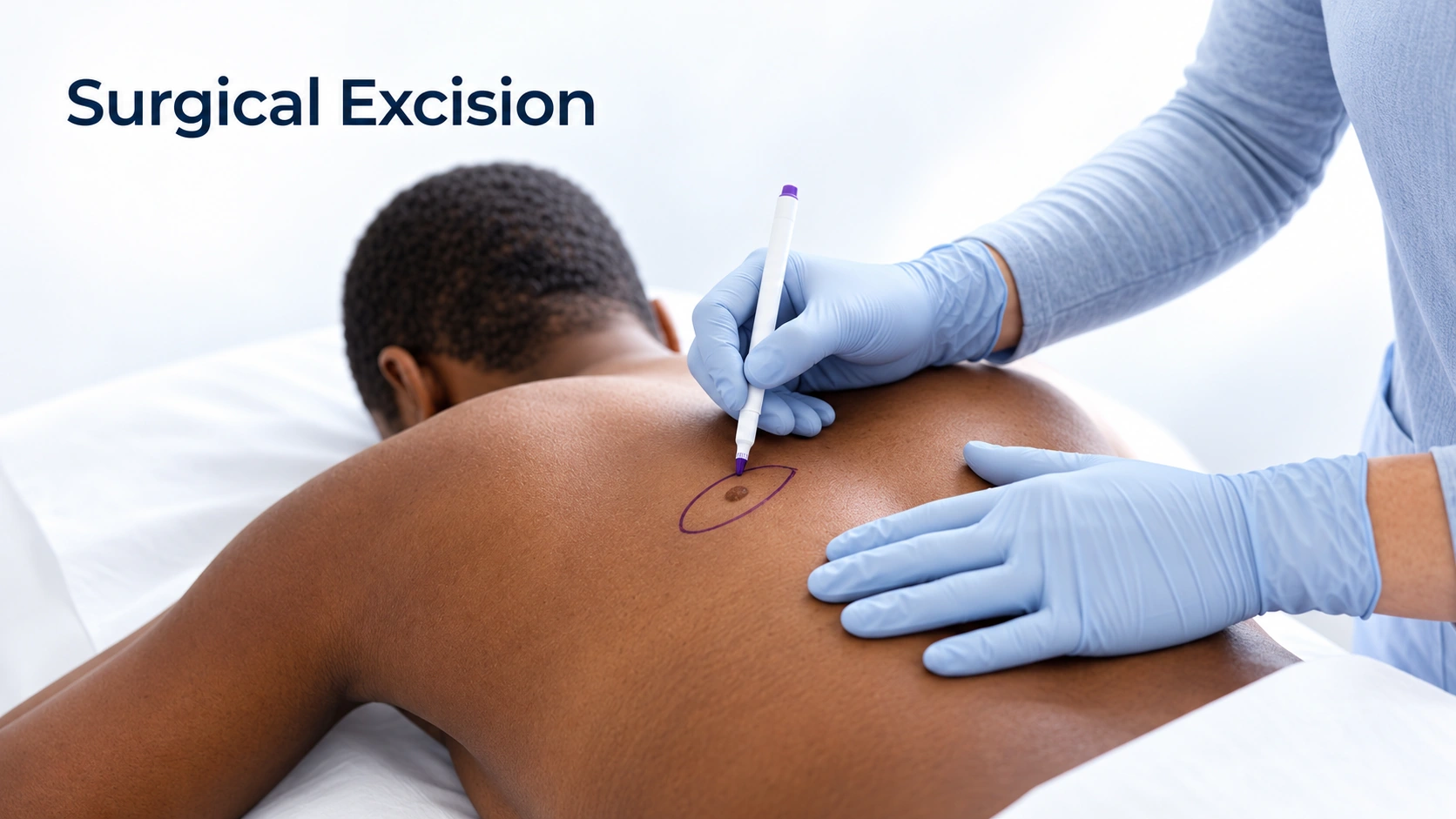
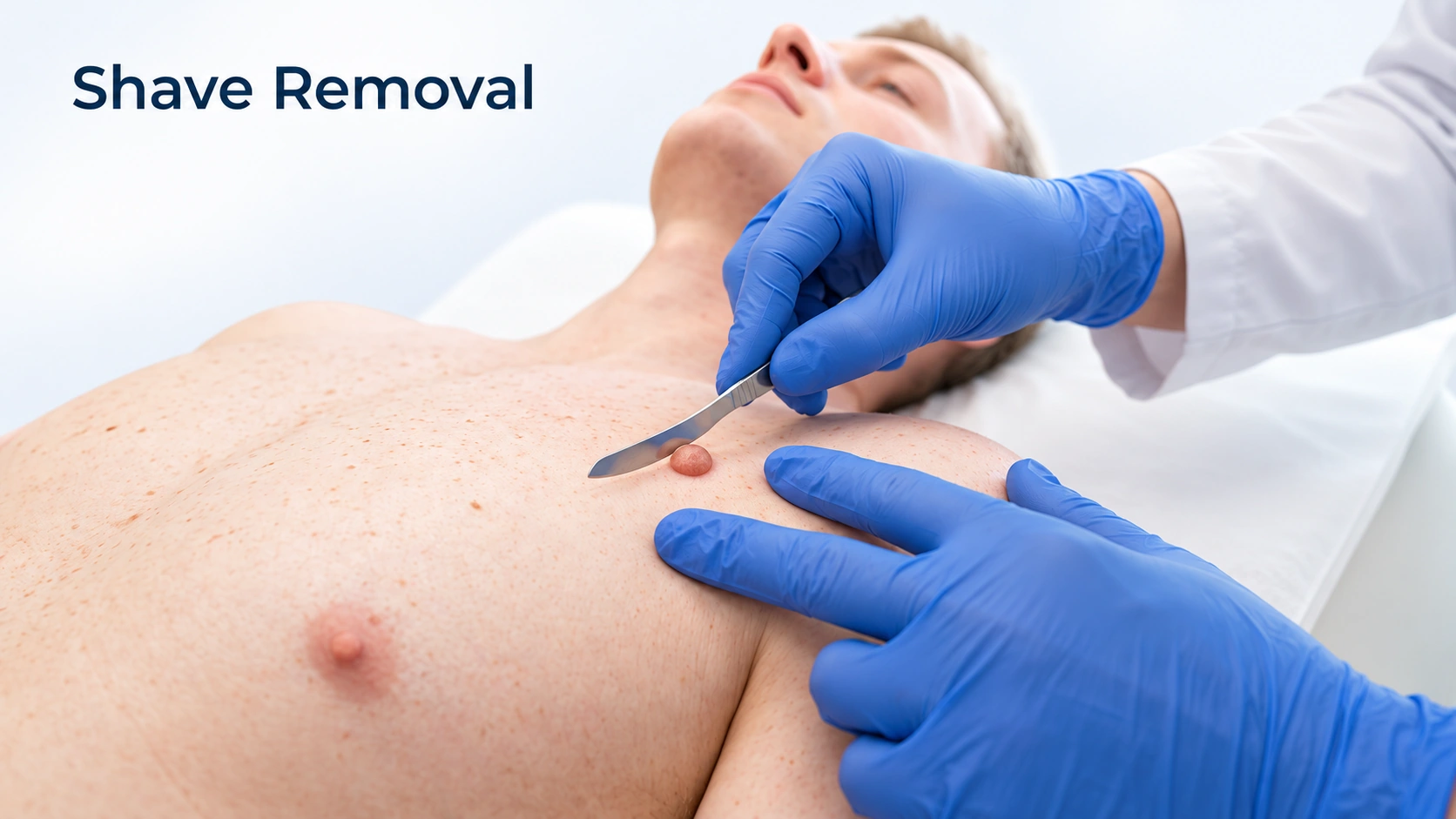
Yes, and it is a reasonable request. What matters is how it is done — cut out under local anesthetic and sent to a laboratory. Lasering, freezing or burning leaves nothing to examine, so ask for the version that gets checked.
Moles:Does having a lot of moles mean I will get melanoma?
No. Your risk is higher than average and regular checks are worth doing, but most people with a high mole count never develop melanoma. The response is a schedule of skin exams, not worry.
Moles:Can melanoma appear where there was no mole?
Yes — most melanomas arise on skin that had no mole before. That is why a new spot that grows, or a sore that will not heal, deserves the same attention as a changing mole.
Moles:My mole changed during pregnancy. Is that expected?
Moles commonly darken slightly in pregnancy, and skin stretching over a growing abdomen or breasts can change a mole's shape. Melanoma does occur in pregnancy, though. A mole that changes in shape, border or color should be looked at while you are pregnant, not after.