Acne
A guideline-supported option, especially for clogged pores.
Polyhydroxy Acids: Offers exfoliation through ingredients such as gluconolactone and lactobionic acid. Salicylic Acid: Helps unclog acne-prone skin; stronger products treat selected thickened skin lesions.
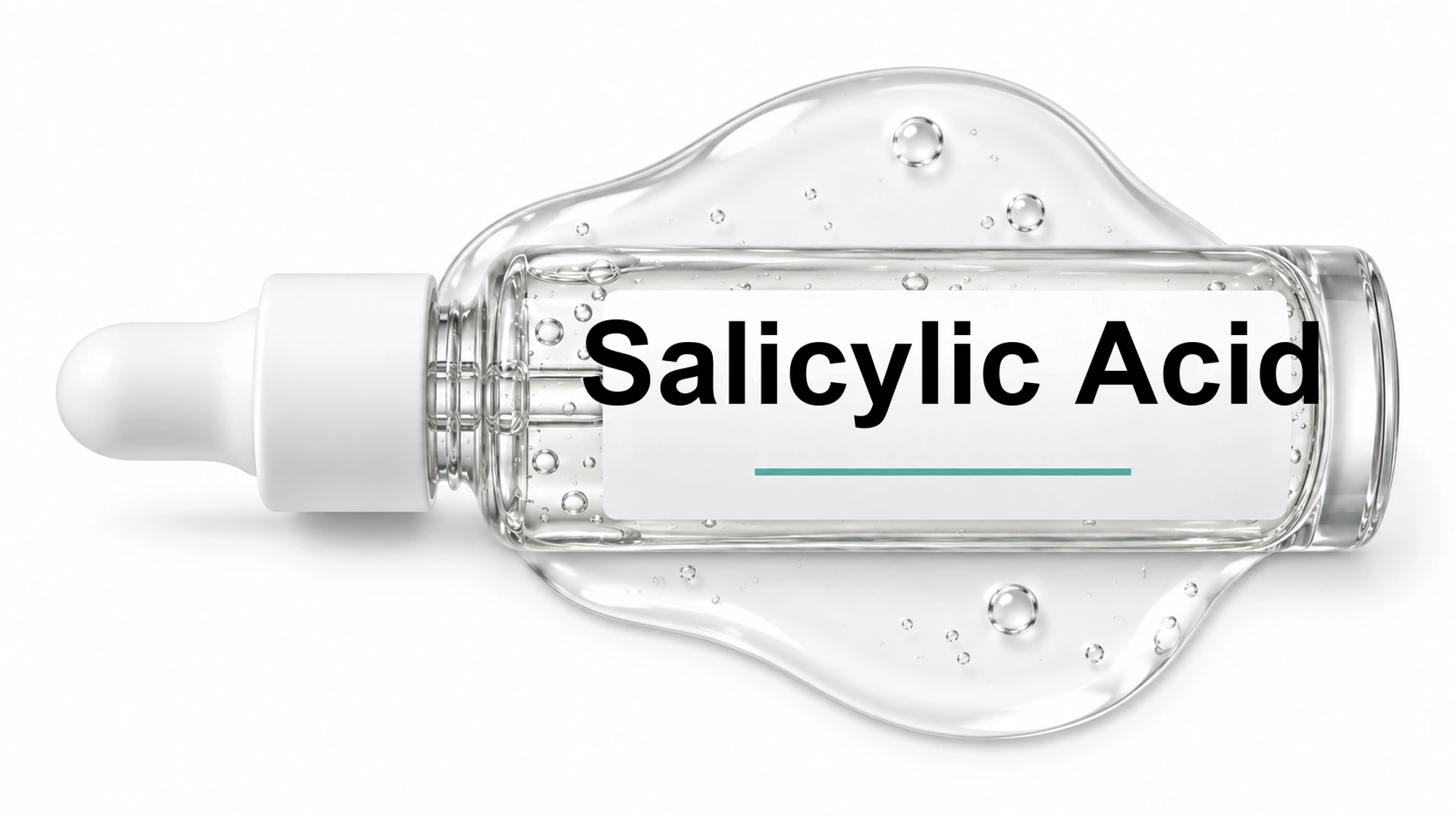
Choose for mild exfoliation when stronger acids are uncomfortable; tolerance still varies.
Choose for blackheads and clogged pores; use the strength labelled for that area.
Can you use both?
Stacking exfoliants can irritate. Choose one, or alternate.
Compare uses by strength of evidence. Evidence level describes confidence in a benefit, not its size.
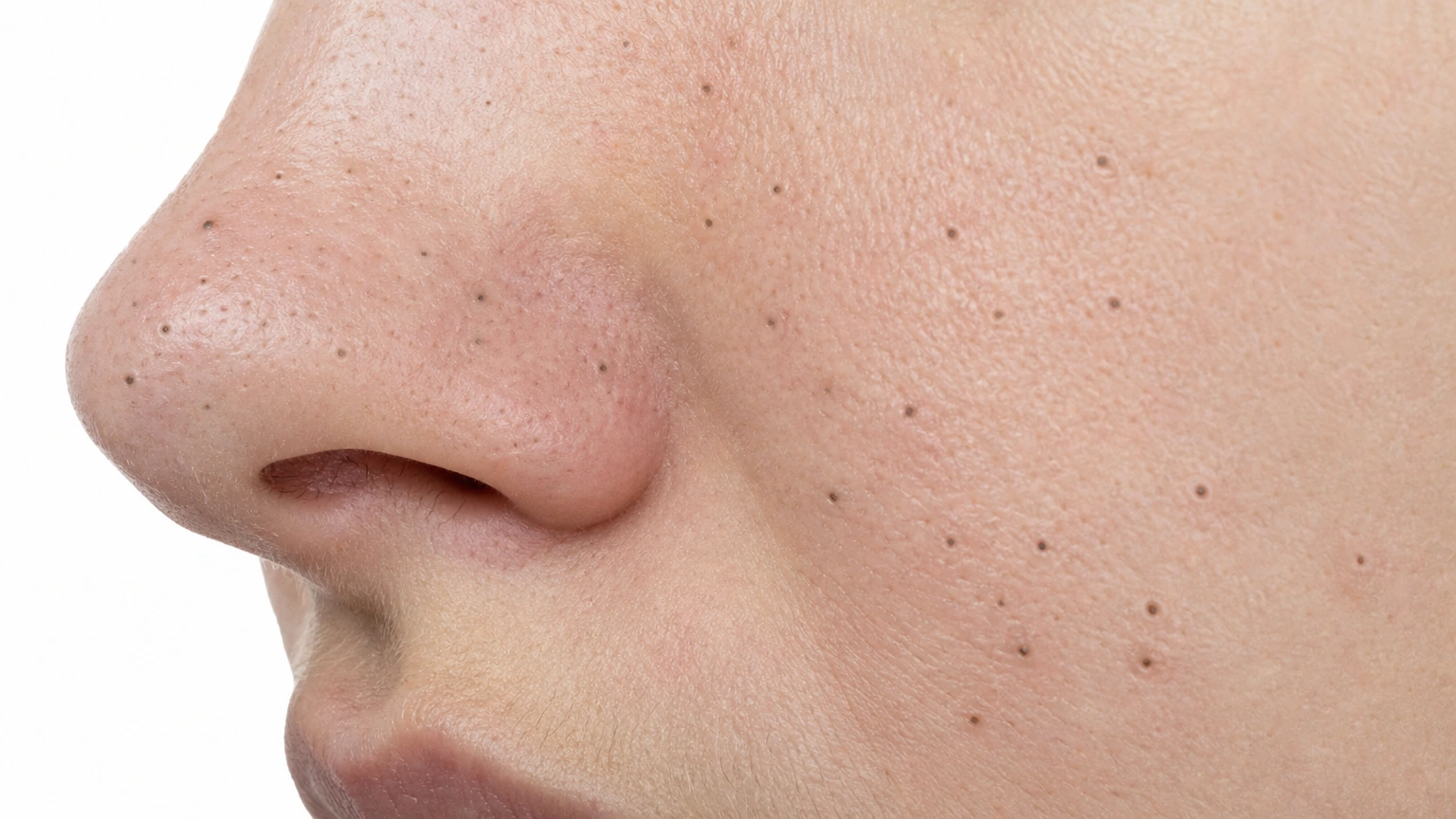




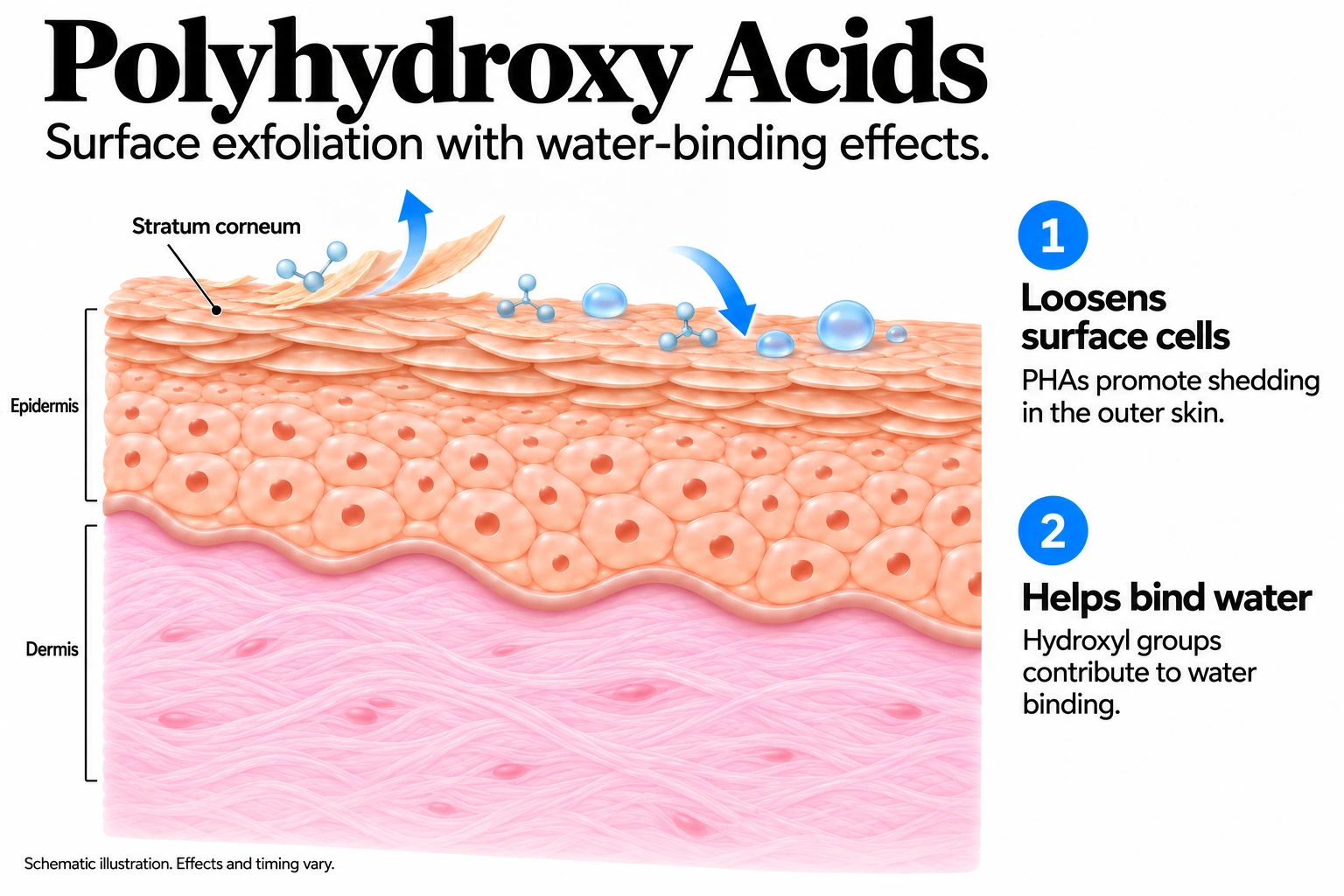
Loosens surface cells: PHAs promote shedding in the outer skin. Helps bind water: Hydroxyl groups contribute to water binding.
Schematic illustration; not a measurement of skin penetration. Effects vary with ingredient identity and formulation.

Loosens outer skin cells: Salicylic acid promotes keratin shedding. Helps clear follicular plugs: Its acne role depends on strength and vehicle.
Schematic illustration; not a measurement of skin penetration. Effects vary with ingredient identity and formulation.
Built from where each one usually sits in a routine. Introduce one at a time.
PHA is a family name, not one ingredient or one standard strength. A clinical acne trial used 14% gluconolactone; that result cannot be transferred directly to lactobionic acid or mixed-PHA products.
14%
Studied gluconolactone lotion
An older controlled acne trial tested this specific formula. It does not establish the best percentage for all PHA skincare.
Choosing a strength: Check which PHA is listed, whether the product stays on or washes off, and whether it also contains other exfoliating acids.
Higher strengths: A PHA product can still irritate, particularly when combined with other acids. A high total-acid percentage is not a validated benefit rating.
Formula matters: The individual acid, acidity and base formula matter. A blended-acid percentage does not reveal the amount of each PHA.
The percentage depends on the job: 0.5–2% for OTC acne care, 20–30% in studied office peels, and up to 40% in labeled wart patches. These are different treatments, not steps to work through.
0.5–2%
1.8–3%
5–17%
20–30%
12–40%
Everyday acne care
For blackheads, whiteheads and acne in washes or leave-on products. Follow the product label; dryness or stinging can limit use.
Scalp scale
In labeled treatments for dandruff, seborrheic dermatitis or psoriasis. Helps loosen scale; follow the scalp product’s directions.
Liquid wart removers
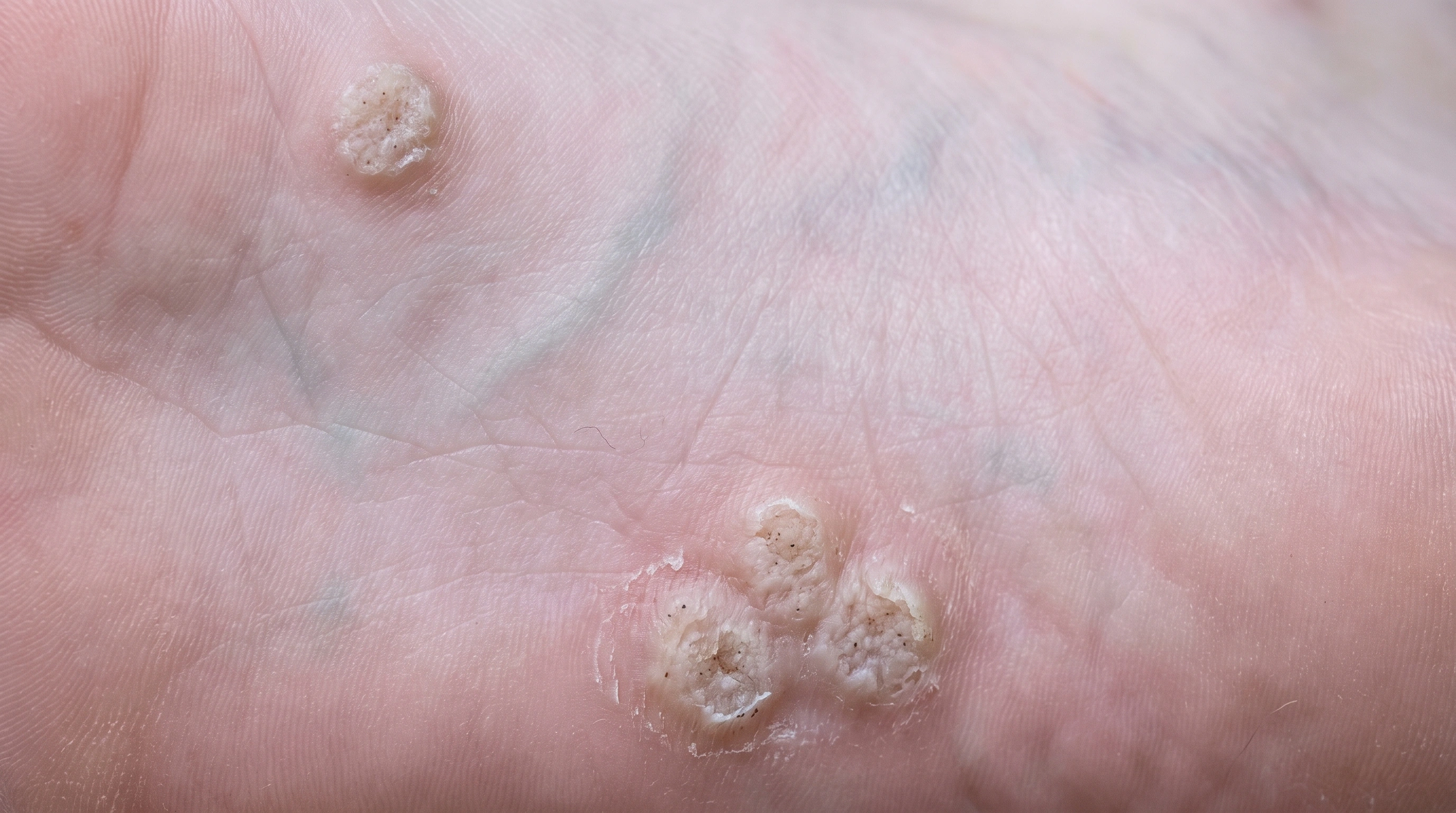
For common or plantar warts; 17% is one labeled option. Apply only to the wart, avoiding surrounding healthy skin. Not for facial acne.
Professional office peels
A studied range for clinician-applied peels, including acne treatments. Not for routine home use. Formula, layers and contact time affect the burn risk.
Wart patches and plasters
For common or plantar warts, depending on the label; 40% is a labeled option. Treat the wart only. These are not facial skincare products.
Choosing a strength: Choose for the diagnosis, body area and product type. Facial acne care, scalp products, wart treatments and office peels are not interchangeable.
Higher strengths: High-strength peels can cause burns, scarring and lasting skin-color changes. Wart removers are not for facial or genital warts, irritated or infected skin. Do not self-treat warts with these products if you have diabetes or poor circulation.
Formula matters: The percentage alone does not show how deeply a treatment acts. The base formula, contact time, number of peel layers and whether the product is washed off all matter. Follow the specific label or clinician’s directions.
Approximate windows, not promises.
First few weeksAssess tolerance and texture; immediate softness can come from the base formula.
First few weeksAssess tolerance and texture; immediate softness can come from the base formula.
4–8 weeksSubtle changes may appear in some tested products; evidence varies.
4–8 weeksSubtle changes may appear in some tested products; evidence varies.
8–12 weeksCompare photographs in the same lighting and reassess benefit.
8–12 weeksCompare photographs in the same lighting and reassess benefit.
3–6 monthsPhotoaging trials often need several months; expect modest rather than dramatic change.
3–6 monthsPhotoaging trials often need several months; expect modest rather than dramatic change.
6–12 monthsLong-term evidence is limited for many cosmetic actives; continue only if useful.
6–12 monthsLong-term evidence is limited for many cosmetic actives; continue only if useful.
Can still sting or cause a rash; sensitive skin does not guarantee tolerance.
May sting, peel or dry skin; avoid large areas, broken skin and known salicylate allergy without advice.
Stop for persistent burning, swelling, blistering or a new rash. Seek urgent care for breathing difficulty or a severe allergic reaction.
Stop for persistent burning, swelling, blistering or a new rash. Seek urgent care for breathing difficulty or a severe allergic reaction.
Choose a simple formula and test a small area first. Avoid actively inflamed or broken skin unless the product is specifically directed for it.
Choose a simple formula and test a small area first. Avoid actively inflamed or broken skin unless the product is specifically directed for it.
Do not use a cosmetic product as a substitute for diagnosis of an unexplained, changing or persistent skin problem.
Do not use a cosmetic product as a substitute for diagnosis of an unexplained, changing or persistent skin problem.
Low-strength leave-on acids are generally considered acceptable; ask the clinician managing your pregnancy.
Over-the-counter strengths on the face are generally considered acceptable, but confirm with the doctor managing your pregnancy. High-strength peels and large body areas are avoided.
On the skin. The finished product delivers polyhydroxy acids in a particular vehicle.
Entering skin. No single molecular mass. The 500 Da guideline cannot be applied to this whole ingredient family or mixture.
Conversion. No activation step is established as necessary for its intended topical role.
Skin response. PHA ingredients promote surface exfoliation and may also bind water; individual acids and formulas differ.
Additional effects. Proposed pathways do not establish a measured depth of delivery or clinical benefit beyond the studies cited.
On the skin. The finished product delivers salicylic acid in a particular vehicle.
Entering skin. Below the 500 Da guideline; delivery still depends on the formula, solubility, stability and skin condition. Size does not prove effectiveness or penetration depth.
Conversion. No activation step is established as necessary for its intended topical role.
Skin response. Promotes shedding of outer cells and helps clear follicular plugs; concentration and vehicle set its use.
Additional effects. Proposed pathways do not establish a measured depth of delivery or clinical benefit beyond the studies cited.
Choose for mild exfoliation when stronger acids are uncomfortable; tolerance still varies.
A 150-person trial tested 14% gluconolactone for acne. Evidence from that molecule or a mixed-acid serum does not establish identical effects for all PHAs.
Choose for blackheads and clogged pores; use the strength labelled for that area.
Acne guidelines give a conditional recommendation. High-strength wart treatments and 30% peels are distinct interventions; their evidence cannot justify high-strength facial home use.
Sources