Dry Skin
Controlled testing supports reduced moisture loss.
Petrolatum: Reduces water loss and protects dry or chapped skin. Polyhydroxy Acids: Offers exfoliation through ingredients such as gluconolactone and lactobionic acid.
Choose for sealing in moisture on dry areas when a greasy texture is acceptable.
Choose for mild exfoliation when stronger acids are uncomfortable; tolerance still varies.
Can you use both?
Petrolatum can seal in moisture after gentle PHA exfoliation.
Compare uses by strength of evidence. Evidence level describes confidence in a benefit, not its size.
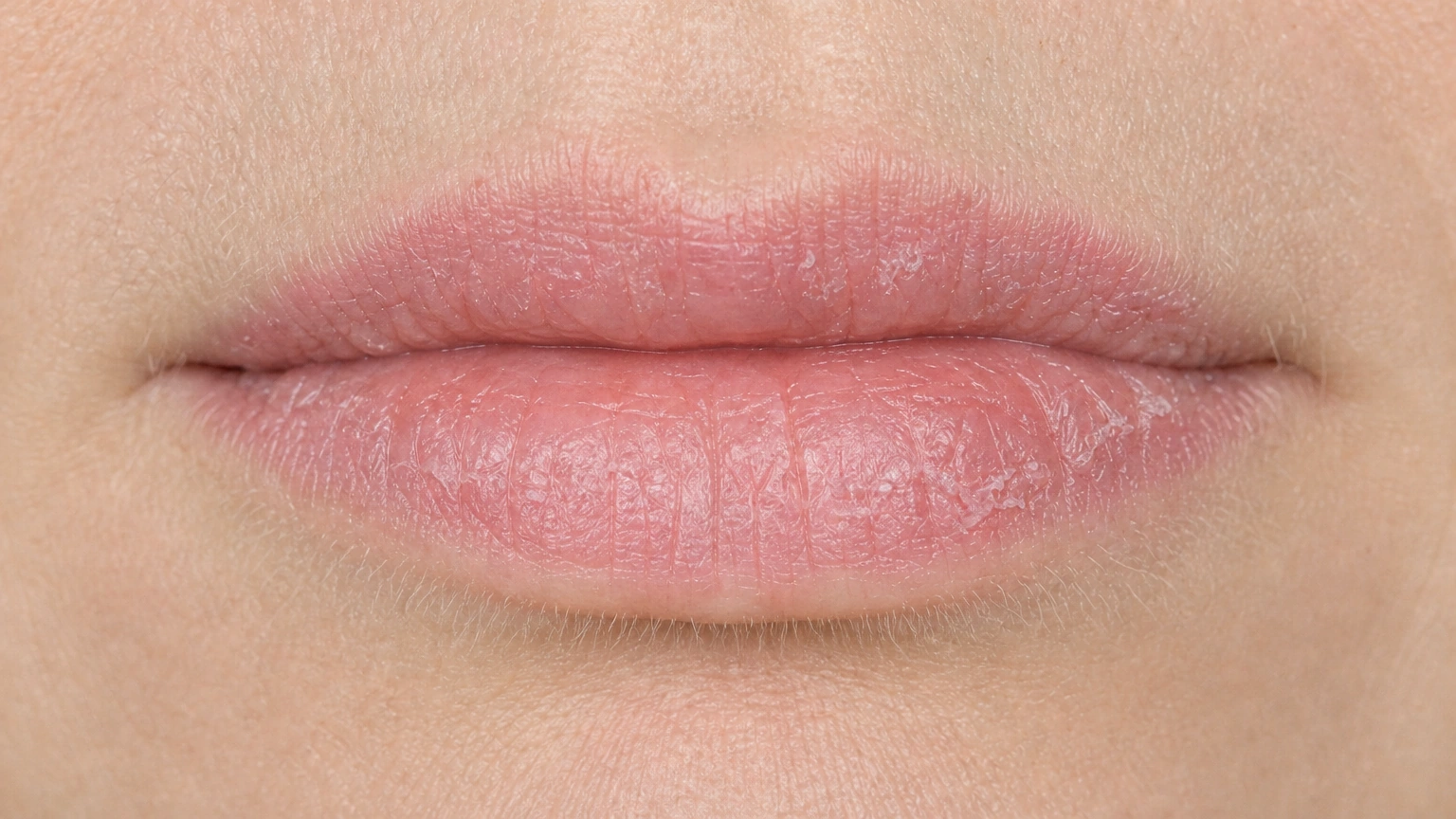
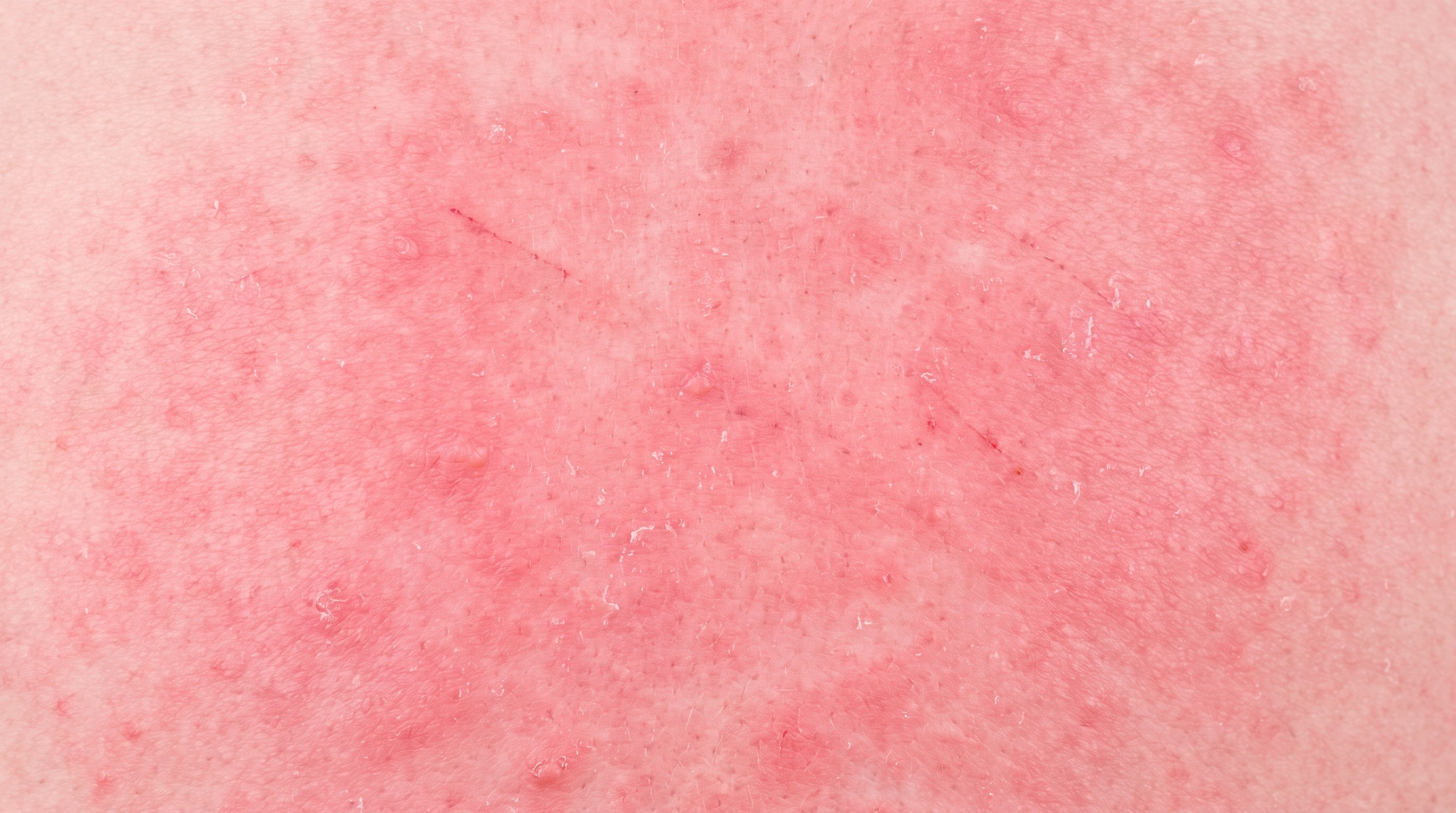
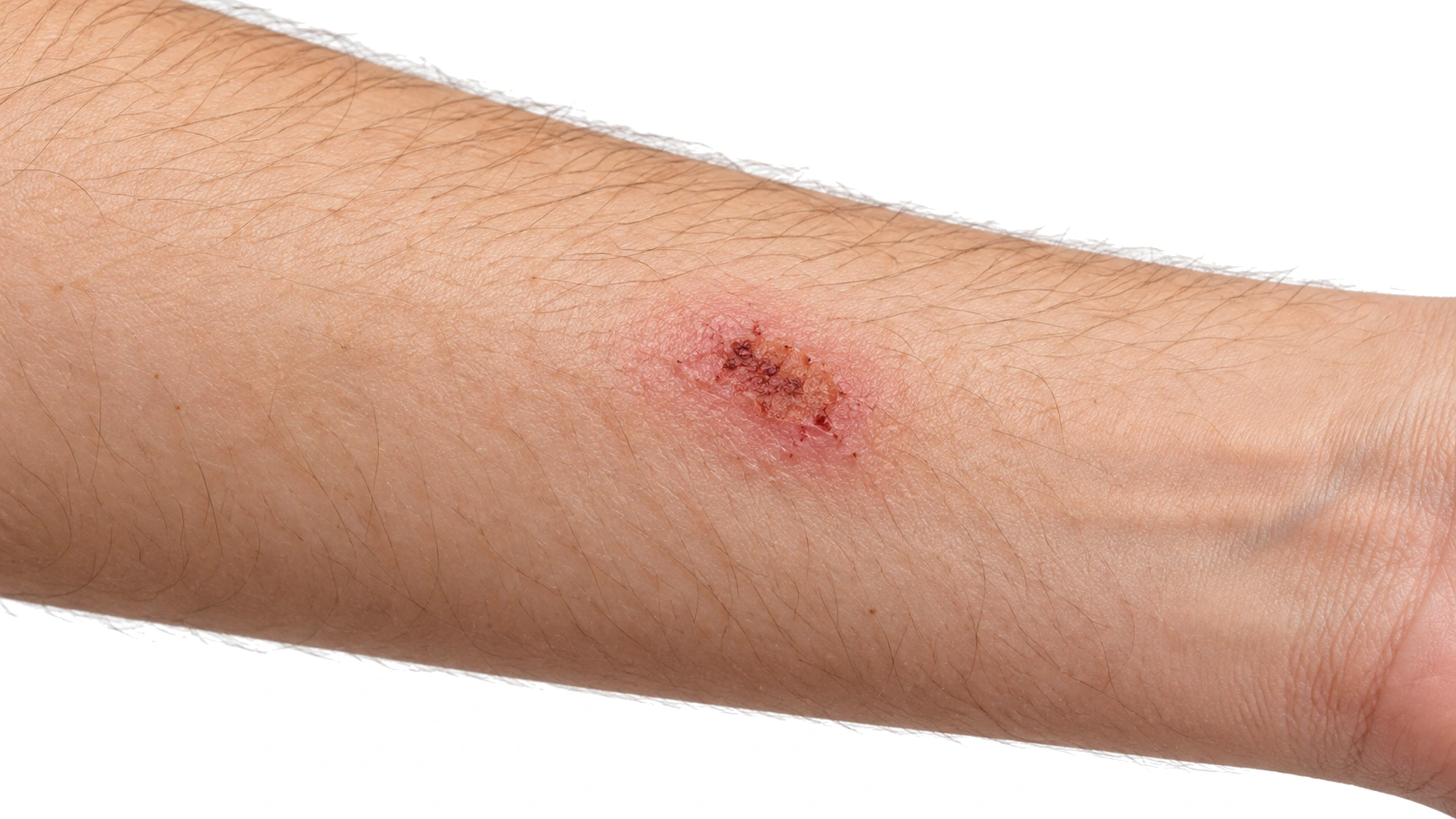

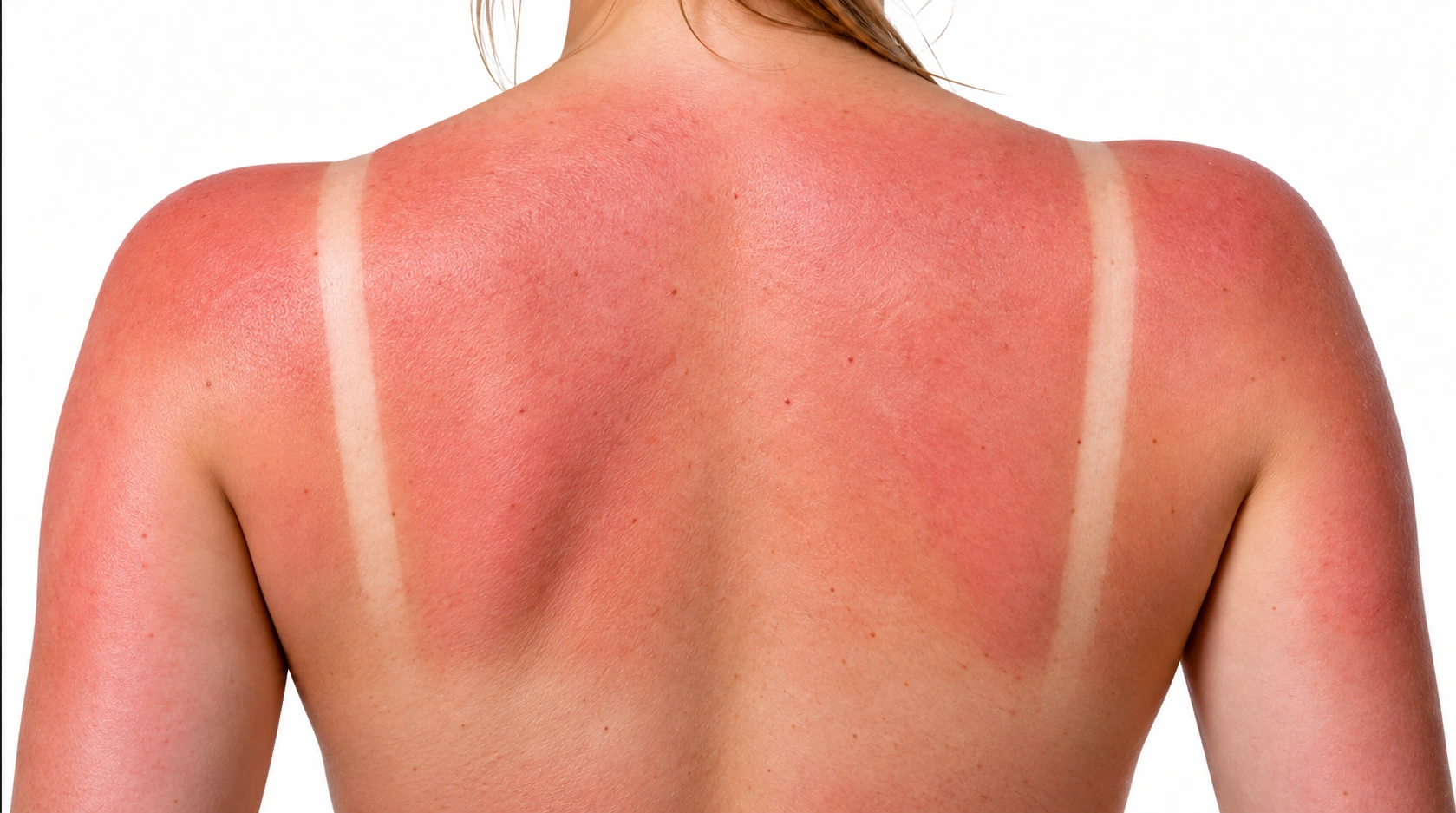



Forms a surface barrier: Petrolatum creates an occlusive film. Helps hold moisture in: Less water evaporates from the outer skin.
Schematic illustration; not a measurement of skin penetration. Effects vary with ingredient identity and formulation.
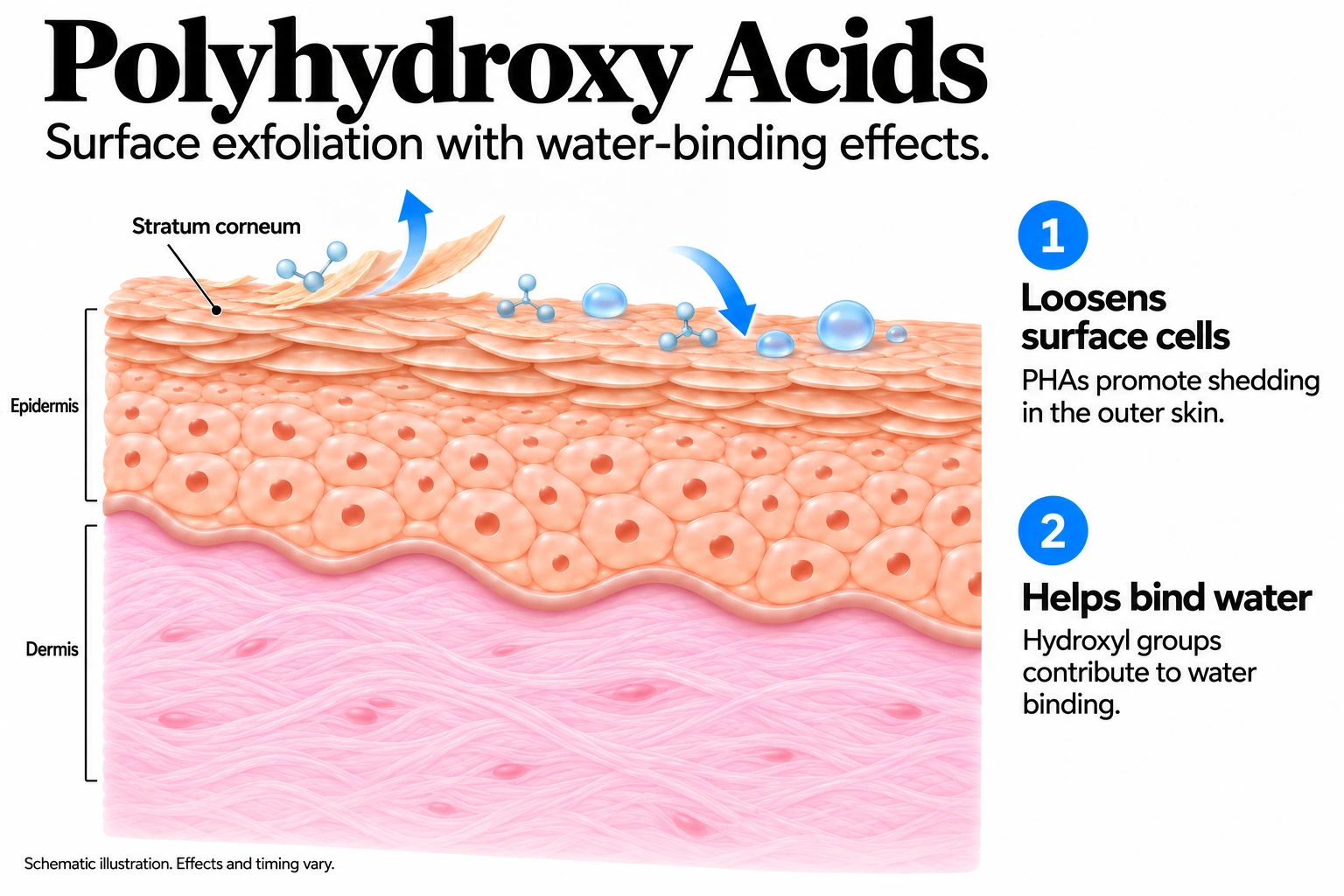
Loosens surface cells: PHAs promote shedding in the outer skin. Helps bind water: Hydroxyl groups contribute to water binding.
Schematic illustration; not a measurement of skin penetration. Effects vary with ingredient identity and formulation.
Built from where each one usually sits in a routine. Introduce one at a time.
U.S. skin-protectant products use 30–100% petrolatum. Plain petrolatum is an occlusive barrier; a blended cream may offer a different balance of hydration, protection and feel.
30–100%
U.S. skin-protectant range
Includes petrolatum-based protective ointments. The upper end describes a plain ingredient, not a stronger treatment for every condition.
Choosing a strength: Choose plain petrolatum when a simple protective ointment suits the job, or a cream when you also want water-binding ingredients and easier spreading.
Higher strengths: More petrolatum usually changes richness and occlusion rather than creating a new medicinal dose.
Formula matters: Ointments, creams and lip products have different textures and intended uses. A product with other ingredients is not identical to plain petrolatum.
PHA is a family name, not one ingredient or one standard strength. A clinical acne trial used 14% gluconolactone; that result cannot be transferred directly to lactobionic acid or mixed-PHA products.
14%
Studied gluconolactone lotion
An older controlled acne trial tested this specific formula. It does not establish the best percentage for all PHA skincare.
Choosing a strength: Check which PHA is listed, whether the product stays on or washes off, and whether it also contains other exfoliating acids.
Higher strengths: A PHA product can still irritate, particularly when combined with other acids. A high total-acid percentage is not a validated benefit rating.
Formula matters: The individual acid, acidity and base formula matter. A blended-acid percentage does not reveal the amount of each PHA.
Approximate windows, not promises.
First few weeksSkin may feel softer soon after use; relief depends on the formula.
First few weeksAssess tolerance and texture; immediate softness can come from the base formula.
4–8 weeksJudge hydration, comfort and whether dryness is recurring.
4–8 weeksSubtle changes may appear in some tested products; evidence varies.
8–12 weeksPersistent cracking, itch or a rash needs reassessment.
8–12 weeksCompare photographs in the same lighting and reassess benefit.
3–6 monthsContinue if comfortable; hydration usually requires ongoing use.
3–6 monthsPhotoaging trials often need several months; expect modest rather than dramatic change.
6–12 monthsMoisturizing does not establish reversal of structural ageing or scars.
6–12 monthsLong-term evidence is limited for many cosmetic actives; continue only if useful.
May feel greasy or cause follicular bumps in some areas; avoid using as a substitute for infection treatment.
Can still sting or cause a rash; sensitive skin does not guarantee tolerance.
Stop for persistent burning, swelling, blistering or a new rash. Seek urgent care for breathing difficulty or a severe allergic reaction.
Stop for persistent burning, swelling, blistering or a new rash. Seek urgent care for breathing difficulty or a severe allergic reaction.
Choose a simple formula and test a small area first. Individual tolerance matters more than an ingredient’s reputation for being gentle.
Choose a simple formula and test a small area first. Avoid actively inflamed or broken skin unless the product is specifically directed for it.
Do not use a cosmetic product as a substitute for diagnosis of an unexplained, changing or persistent skin problem.
Do not use a cosmetic product as a substitute for diagnosis of an unexplained, changing or persistent skin problem.
It stays on the surface and is not absorbed in any meaningful amount. Even so, check your routine with the doctor managing your pregnancy.
Low-strength leave-on acids are generally considered acceptable; ask the clinician managing your pregnancy.
On the skin. The finished product delivers petrolatum in a particular vehicle.
Entering skin. No single molecular mass. The 500 Da guideline cannot be applied to this whole ingredient family or mixture.
Conversion. No activation step is established as necessary for its intended topical role.
Skin response. Forms a surface layer that limits water evaporation; deep penetration is unnecessary for this job.
Additional effects. Proposed pathways do not establish a measured depth of delivery or clinical benefit beyond the studies cited.
On the skin. The finished product delivers polyhydroxy acids in a particular vehicle.
Entering skin. No single molecular mass. The 500 Da guideline cannot be applied to this whole ingredient family or mixture.
Conversion. No activation step is established as necessary for its intended topical role.
Skin response. PHA ingredients promote surface exfoliation and may also bind water; individual acids and formulas differ.
Additional effects. Proposed pathways do not establish a measured depth of delivery or clinical benefit beyond the studies cited.
Choose for sealing in moisture on dry areas when a greasy texture is acceptable.
Controlled testing supports reduced water loss. A small eczema trial compared complete products and did not establish universal superiority or treatment of infection.
Choose for mild exfoliation when stronger acids are uncomfortable; tolerance still varies.
A 150-person trial tested 14% gluconolactone for acne. Evidence from that molecule or a mixed-acid serum does not establish identical effects for all PHAs.
Sources