Panthenol vs Shea Butter

Panthenol: Helps hydration and barrier comfort in tested dexpanthenol formulas. Shea Butter: Softens dry skin and adds richness to creams and balms.
Research updated 2026-10-25
Five serum bottles on white, two labeled D-Panthenol and 5% Panthenol, plus pantothenic B5 and hyaluronic acid with B5 formulasFive tubs of body cream on white, including Karité shea butter, CeraVe, Nivea, Vaseline Radiant and Palmer's

Which one is right for you?

Choose Panthenol if…

Choose for hydration and comfort, particularly in a simple moisturizer.

  • Dry or irritated skin
  • You want soothing hydration
  • A simple moisturizer

Choose Shea Butter if…

Choose for dry areas when a richer cream or balm feels comfortable.

  • Dry body skin or cracked heels
  • You like a rich balm
  • Not on acne-prone areas
Fine together

Can you use both?

Apply panthenol first, then shea butter on dry skin.

At a glance

● Panthenol
● Shea Butter
Type
Provitamin B5 humectant
Emollient plant fat
What it does
Helps hydration and barrier comfort in tested dexpanthenol formulas.
Softens dry skin and adds richness to creams and balms.
Best for
Dry Skin; Barrier Support; Sensitive Skin
Dry Skin; Cracked Heels; Eczema
Studied concentrations
2.5–5% dexpanthenol formulas are commonly studied; vehicles differ.
Used alone or in blends; there is no established best percentage.
When to use
Morning or night, as directed by the finished product.
Time to results
Comfort may improve quickly; reassess persistent dryness
Irritation
Usually comfortable; stop for a contact rash or persistent irritation.
May feel heavy; stop if a product causes a rash or worsening breakouts.
Sensitive skin
Choose a simple formula and test a small area first. Individual tolerance matters more than an ingredient’s reputation for being gentle.
Available
Cosmetic or OTC products; some high-strength procedures are separate treatments.

What it helps

Compare uses by strength of evidence. Evidence level describes confidence in a benefit, not its size.
Evidence level
Panthenol
Shea Butter
Moderate evidenceSome supportive research
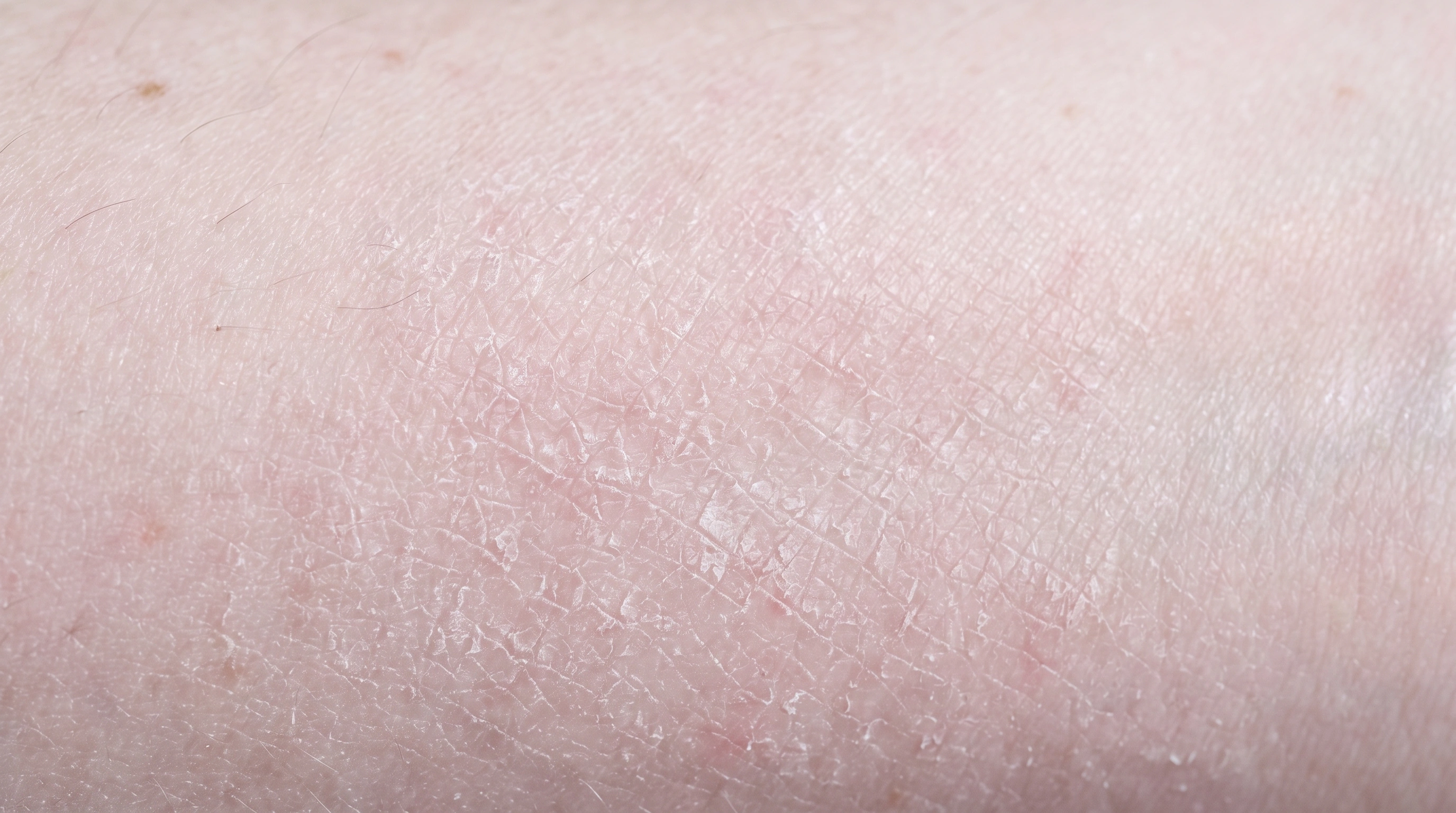
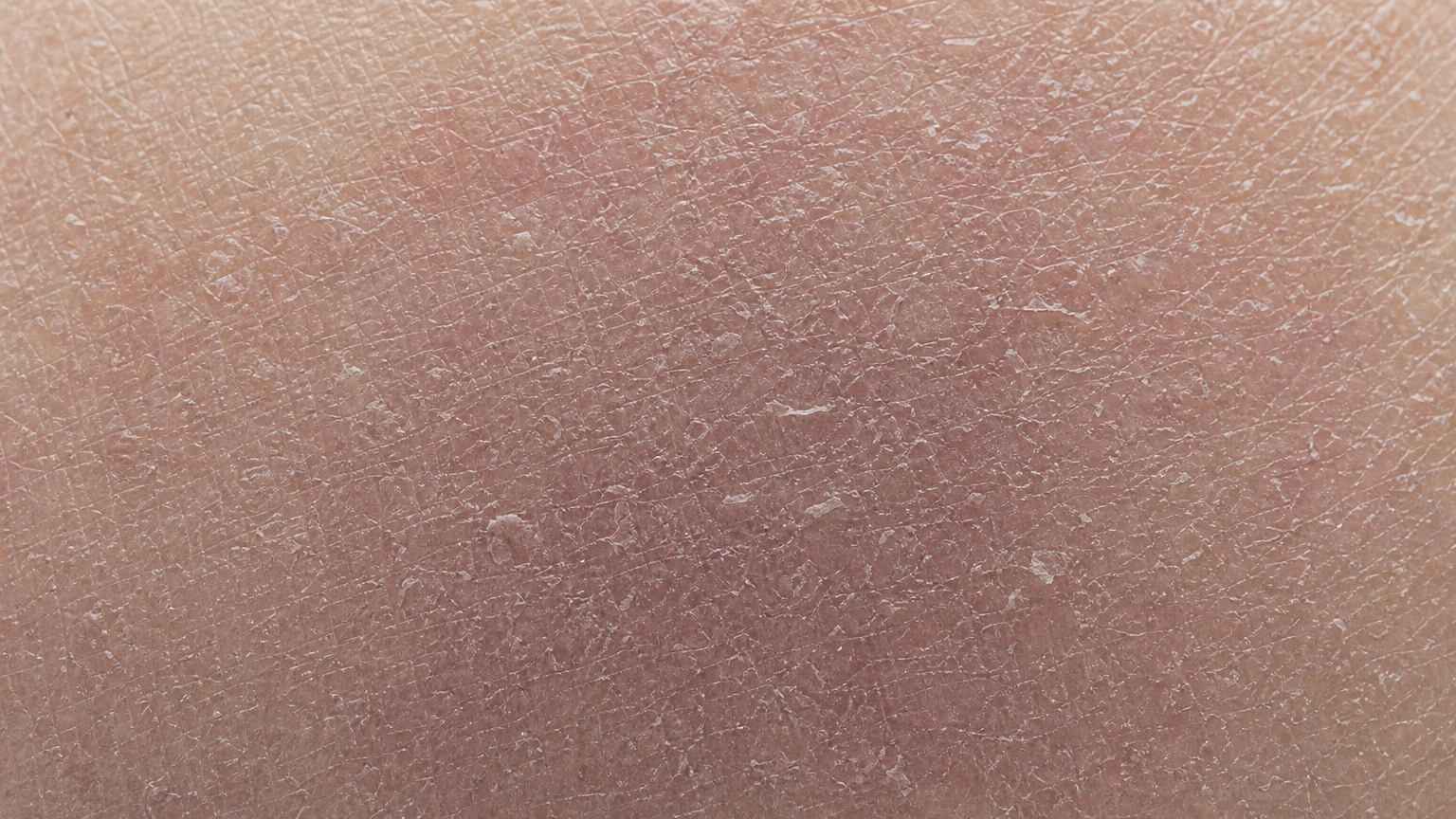
The front of one shin on pale skin. The surface is pink with fine white flaking and a few shallow cracks, and the skin around it is even in tone.

Dry Skin

Controlled testing supports increased hydration.
a very close view of irritated dry skin with fine flaking and no identifiable body part on light skin.

Barrier Support

Studies found reduced water loss and improved recovery after experimental irritation.
—
Limited evidenceEarly or small studies
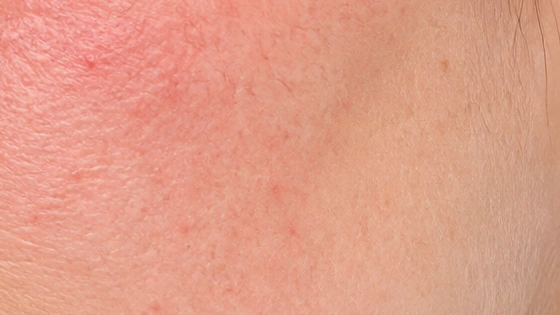
Sensitive Skin on light skin.

Sensitive Skin

May support comfort; individual sensitivity and the formula still matter.
The front of one shin on pale skin. The surface is pink with fine white flaking and a few shallow cracks, and the skin around it is even in tone.

Dry Skin

Acts as an emollient; clinical studies usually test complete moisturizer blends.
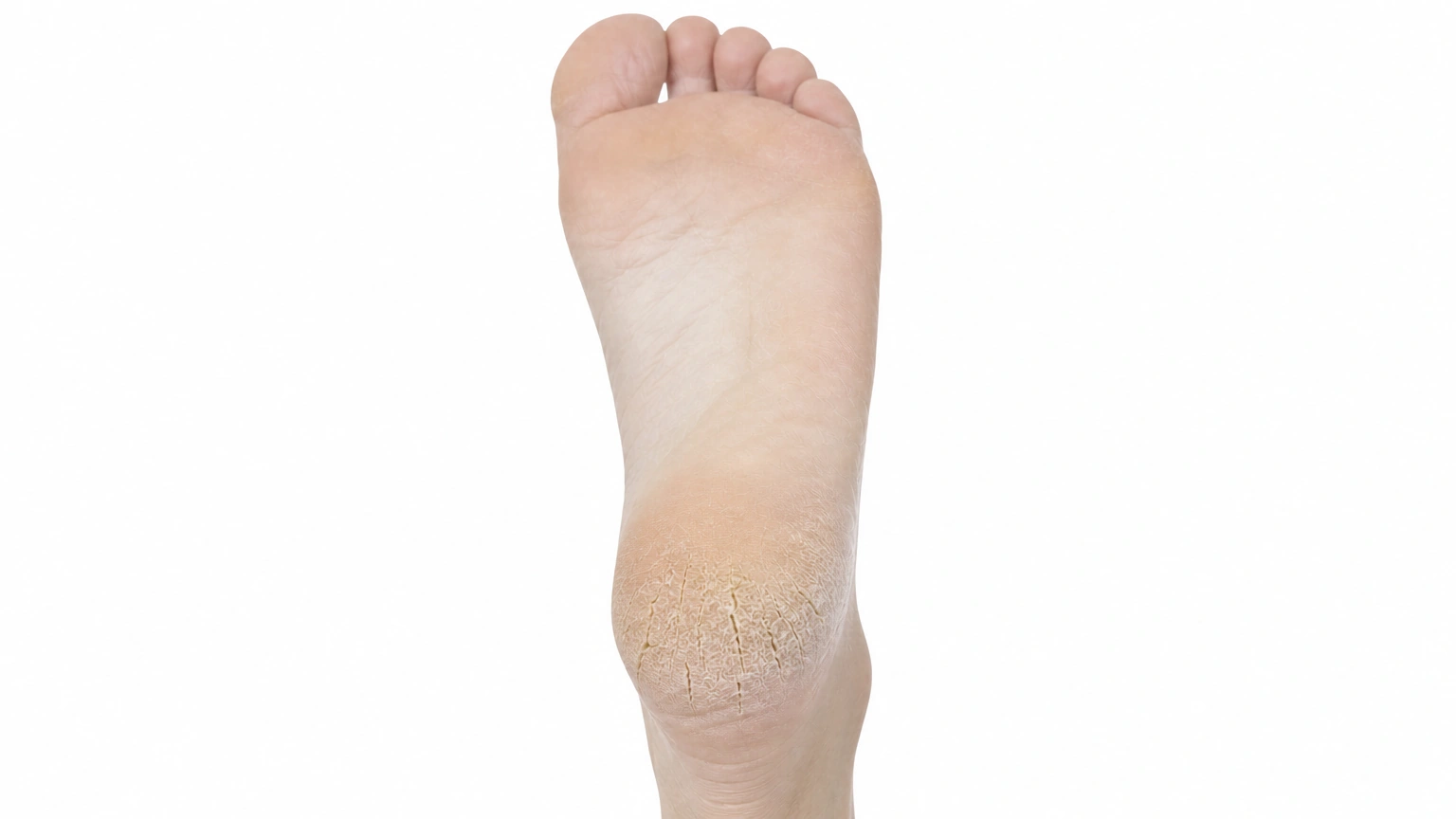
Cracked heel on light skin, viewed from the sole with toes pointing upward.

Cracked Heels

Can soften dry heel skin; deep or painful cracks need assessment.
Extreme close-up of light skin in an active eczema flare, too close to tell which part of the body it is. Blotchy pink-red inflammation covers the whole frame with no clear edge, with small raised bumps, fine dry scale and a few fresh scratch marks.

Eczema

A shea-containing moisturizer may support care, but the whole formula matters.
Insufficient evidence
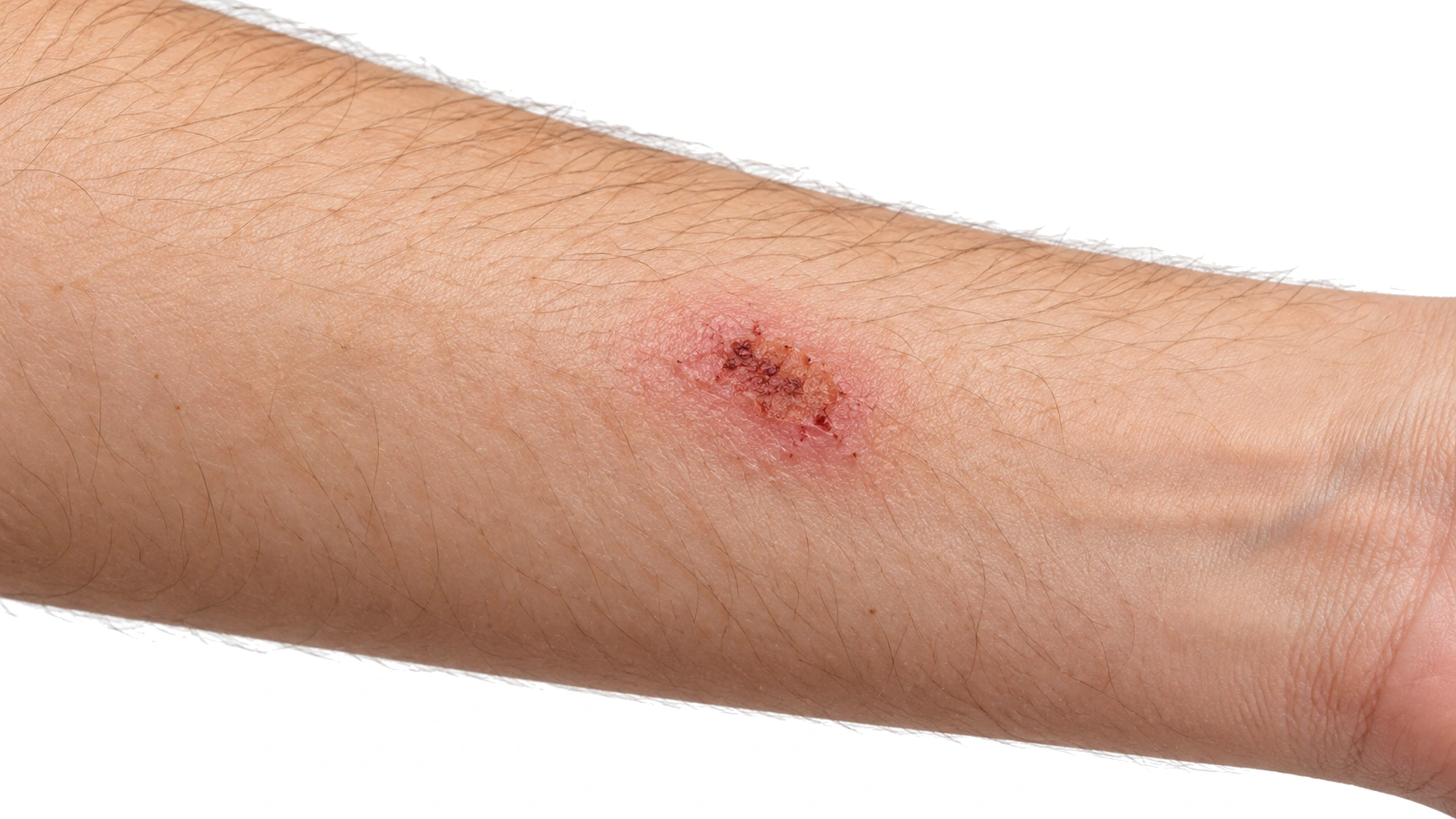
Minor Wounds.

Minor Wounds

The reviewed sources do not establish this ingredient as a treatment for this concern.
Inflamed acne on light skin. The spots sit in a patch of pink, and the ring of redness around each one is easy to see. A few have a yellow-white head, and the skin between them is dry and flaking.

Acne

The reviewed sources do not establish this ingredient as a treatment for this concern.
Flat tan patches with soft irregular edges across the forehead and upper cheek of an adult with light skin, the surface completely smooth.

Melasma

The reviewed sources do not establish this ingredient as a treatment for this concern.
Inflamed acne on light skin. The spots sit in a patch of pink, and the ring of redness around each one is easy to see. A few have a yellow-white head, and the skin between them is dry and flaking.

Acne

The reviewed sources do not establish this ingredient as a treatment for this concern.
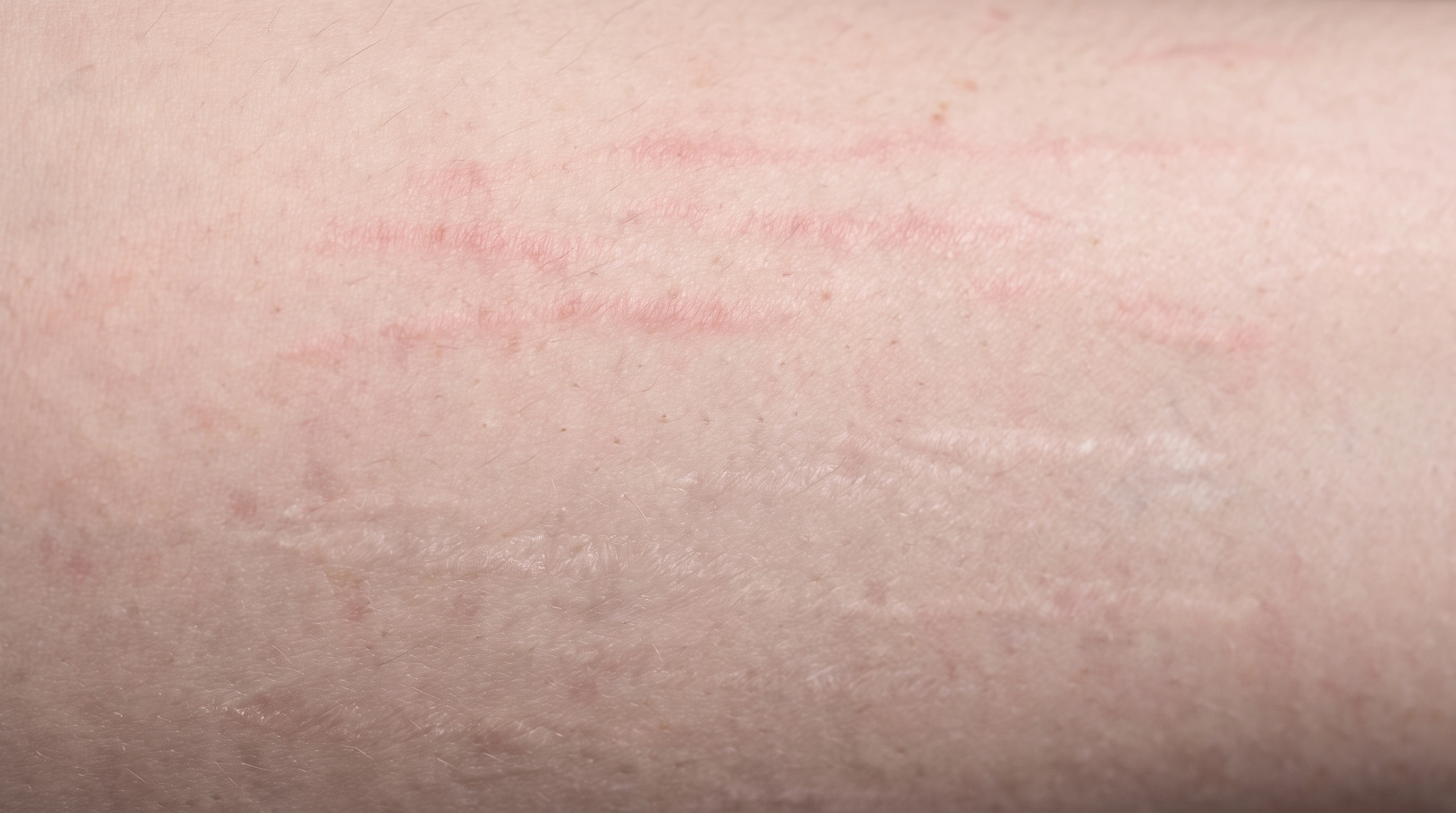
Two areas of fair skin side by side on a hip. New pink-red bands sit above, and older flat silvery-white bands below, with only a small difference in color between the pale marks and the skin around them.

Stretch Marks

The reviewed sources do not establish this ingredient as a treatment for this concern.
How it works

Panthenol

Panthenol mechanism diagram. Binds water in outer skin: Panthenol acts as a humectant. Supports barrier function: Dexpanthenol formulas can aid recovery after irritation.
Open full-size diagram
Diagram explanation and sources

Binds water in outer skin: Panthenol acts as a humectant. Supports barrier function: Dexpanthenol formulas can aid recovery after irritation.

Schematic illustration; not a measurement of skin penetration. Effects vary with ingredient identity and formulation.

Source 1 · Source 2

Shea Butter

Shea Butter mechanism diagram. Softens rough skin: Lipids spread over the surface and between flakes. Helps retain moisture: The finished moisturizer supports skin comfort.
Open full-size diagram
Diagram explanation and sources

Softens rough skin: Lipids spread over the surface and between flakes. Helps retain moisture: The finished moisturizer supports skin comfort.

Schematic illustration; not a measurement of skin penetration. Effects vary with ingredient identity and formulation.

Source 1

Using both in one routine

Built from where each one usually sits in a routine. Introduce one at a time.

Morning
Step 1
Cleanser
Step 2
PanthenolMorning or night
Step 3
Sunscreen
Night
Step 1
Cleanser
Step 2
PanthenolMorning or night
Step 3
Shea ButterNight

Strengths and forms

Concentrations

Topical dexpanthenol research includes 2.5% finished products and 5% preparations. These are formulation examples, not a proven best strength for every moisturizer.

2.5%

5%

Studied finished products

Studied in particular wash and sun-care products; the full formula contributed to their performance.

Other studied preparations

Used in topical formulations. A larger percentage does not establish better everyday hydration or faster healing.

Choosing a strength: Choose a product intended for the skin area and purpose. Ordinary moisturizer and procedural aftercare need not use the same formula.

Higher strengths: There is no established benefit from chasing the highest percentage. Stop if the complete product causes a persistent rash or discomfort.

Formula matters: Panthenol and dexpanthenol labeling may describe different ingredient specifications. The vehicle and other moisturizing ingredients matter.

There is no established best shea-butter percentage. Pure butter, balms and shea-containing creams differ in texture; studies of mixed moisturizers do not isolate a shea-butter dose.

Choosing a strength: Choose the texture and complete ingredient list for your skin. A cream can include water-binding ingredients that a plain butter does not.

Higher strengths: More butter mainly makes a product richer; it is not evidence of stronger eczema treatment.

Formula matters: A trial of a moisturizer containing shea butter plus several other ingredients supports that formula, not every shea product.

Forms
Cream · Serum
Raw butter · Body cream · Lip balm

When you’ll see results

Approximate windows, not promises.

● Panthenol
● Shea Butter
First few weeks

First few weeksSkin may feel softer soon after use; relief depends on the formula.

First few weeksSkin may feel softer soon after use; relief depends on the formula.

4–8 weeks

4–8 weeksJudge hydration, comfort and whether dryness is recurring.

4–8 weeksJudge hydration, comfort and whether dryness is recurring.

8–12 weeks

8–12 weeksPersistent cracking, itch or a rash needs reassessment.

8–12 weeksPersistent cracking, itch or a rash needs reassessment.

3–6 months

3–6 monthsContinue if comfortable; hydration usually requires ongoing use.

3–6 monthsContinue if comfortable; hydration usually requires ongoing use.

6–12 months

6–12 monthsMoisturizing does not establish reversal of structural ageing or scars.

6–12 monthsMoisturizing does not establish reversal of structural ageing or scars.

Safety and sensitive skin

Common reactions

Usually comfortable; stop for a contact rash or persistent irritation.

May feel heavy; stop if a product causes a rash or worsening breakouts.

When to stop

Stop for persistent burning, swelling, blistering or a new rash. Seek urgent care for breathing difficulty or a severe allergic reaction.

Stop for persistent burning, swelling, blistering or a new rash. Seek urgent care for breathing difficulty or a severe allergic reaction.

Sensitive or inflamed skin

Choose a simple formula and test a small area first. Individual tolerance matters more than an ingredient’s reputation for being gentle.

Choose a simple formula and test a small area first. Individual tolerance matters more than an ingredient’s reputation for being gentle.

Important limits

Do not use a cosmetic product as a substitute for diagnosis of an unexplained, changing or persistent skin problem.

Do not use a cosmetic product as a substitute for diagnosis of an unexplained, changing or persistent skin problem.

Pregnancy

Panthenol skincare is generally considered acceptable in pregnancy.

Shea butter products are generally considered acceptable in pregnancy.

How it works

In the skin

On the skin. The finished product delivers panthenol in a particular vehicle.

Entering skin. Below the 500 Da guideline; delivery still depends on the formula, solubility, stability and skin condition. Size does not prove effectiveness or penetration depth.

Conversion. Can be converted to pantothenic acid; the moisturizing formula also matters.

Skin response. Binds water and can be converted to pantothenic acid; barrier effects depend on the topical formula.

Additional effects. Proposed pathways do not establish a measured depth of delivery or clinical benefit beyond the studies cited.

On the skin. The finished product delivers shea butter in a particular vehicle.

Entering skin. No single molecular mass. The 500 Da guideline cannot be applied to this whole ingredient family or mixture.

Conversion. No activation step is established as necessary for its intended topical role.

Skin response. Its mixture of lipids coats and softens the outer skin; it does not need to reach the dermis to moisturize.

Additional effects. Proposed pathways do not establish a measured depth of delivery or clinical benefit beyond the studies cited.

Getting in
Below the 500 Da guideline; delivery still depends on the formula, solubility, stability and skin condition. Size does not prove effectiveness or penetration depth.
No single molecular mass. The 500 Da guideline cannot be applied to this whole ingredient family or mixture.

Product examples

Panthenol
  • Round Lab Soybean Panthenol Mask
  • PURITO Mighty Bamboo Panthenol Cream
  • Round Lab Soybean Panthenol Cream
Shea Butter
  • First Aid Beauty Ultra Repair Cream — A hero eczema cream that contains eucalyptus oil — by the brand's own definition, not fragrance-free.
  • First Aid Beauty Anti-Chafe Stick with Shea Butter + Colloidal Oatmeal
  • Cetaphil Advanced Relief Cream With Shea Butter

Common questions

Panthenol:What should I choose panthenol for?

Choose for hydration and comfort, particularly in a simple moisturizer.

Panthenol:How strong is the evidence?

Small controlled studies support barrier measurements after seven days and after experimental irritation. They do not establish treatment of every wound, acne or pigment disorder.

Shea Butter:What should I choose shea butter for?

Choose for dry areas when a richer cream or balm feels comfortable.

Shea Butter:How strong is the evidence?

The reviewed eczema study tested a moisturizer with shea, squalane, humectants and other actives. It cannot isolate shea butter or establish prevention of stretch marks.

Sources
Sources and further reading

  1. Effect of topically applied dexpanthenol on epidermal barrier function and stratum corneum hydration. Results of a human in vivo study. (2000)
  2. Dexpanthenol enhances skin barrier repair and reduces inflammation after sodium lauryl sulphate-induced irritation. (2002)
  3. The Role of Moisturizer Containing Anti-inflammatory on Skin Hydration in Mild-Moderate Atopic Dermatitis Patients. (2024)
  4. Clinical evaluation of 2.5% dexpanthenol wash and sun-care products
  5. Formulation study of 5% dexpanthenol
Dermapedia on YouTube