Dry Skin
Labelled skin-protectant formulas help protect mildly dry or chapped skin.
Allantoin: Used to protect and soften mildly dry or irritated skin. Shea Butter: Softens dry skin and adds richness to creams and balms.
Consider in a gentle skin-protectant formula, without expecting scar removal.
Choose for dry areas when a richer cream or balm feels comfortable.
Can you use both?
They can be used together on dry skin. Shea is rich, so use it mainly on the body or very dry areas.
Compare uses by strength of evidence. Evidence level describes confidence in a benefit, not its size.
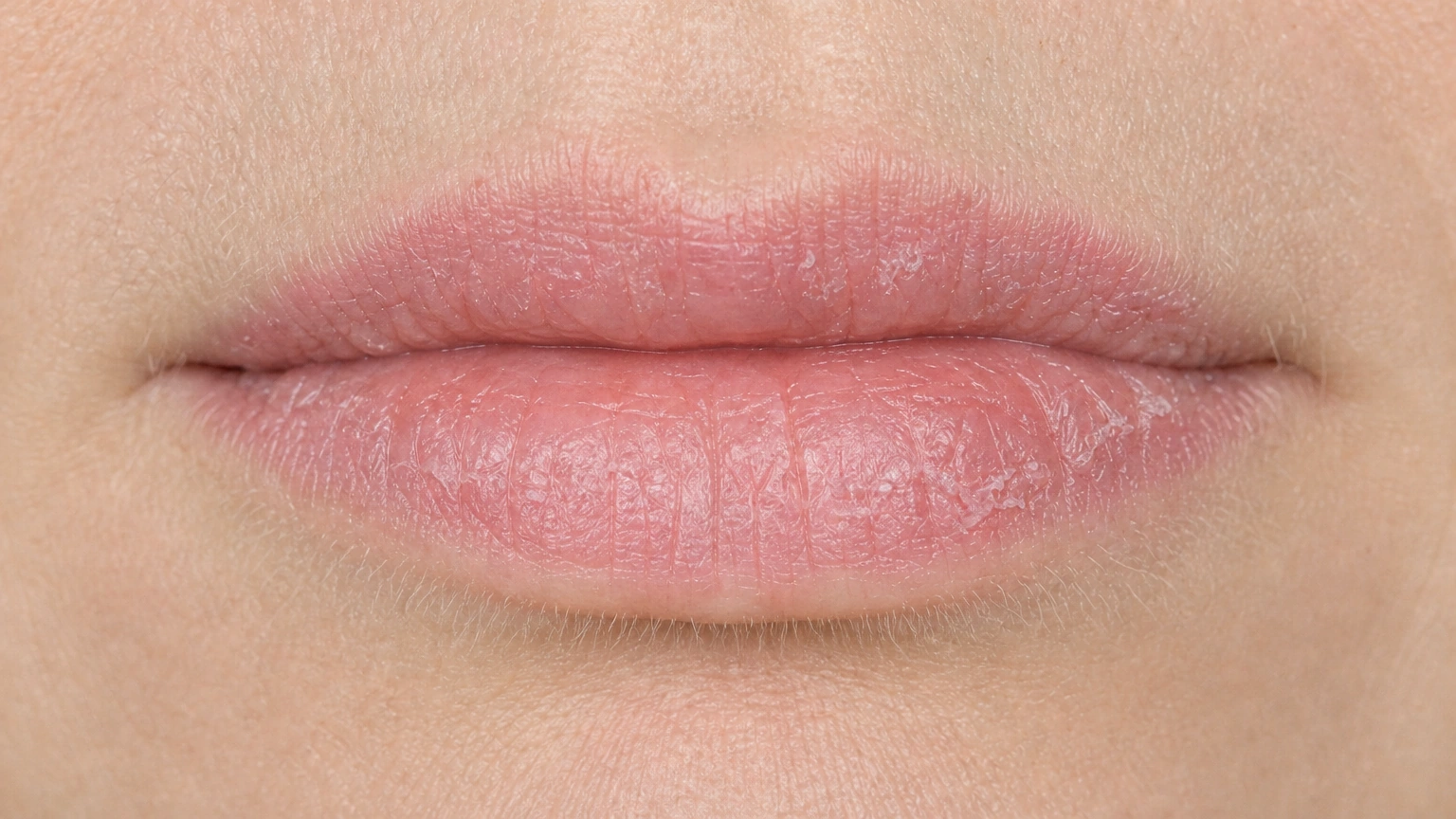
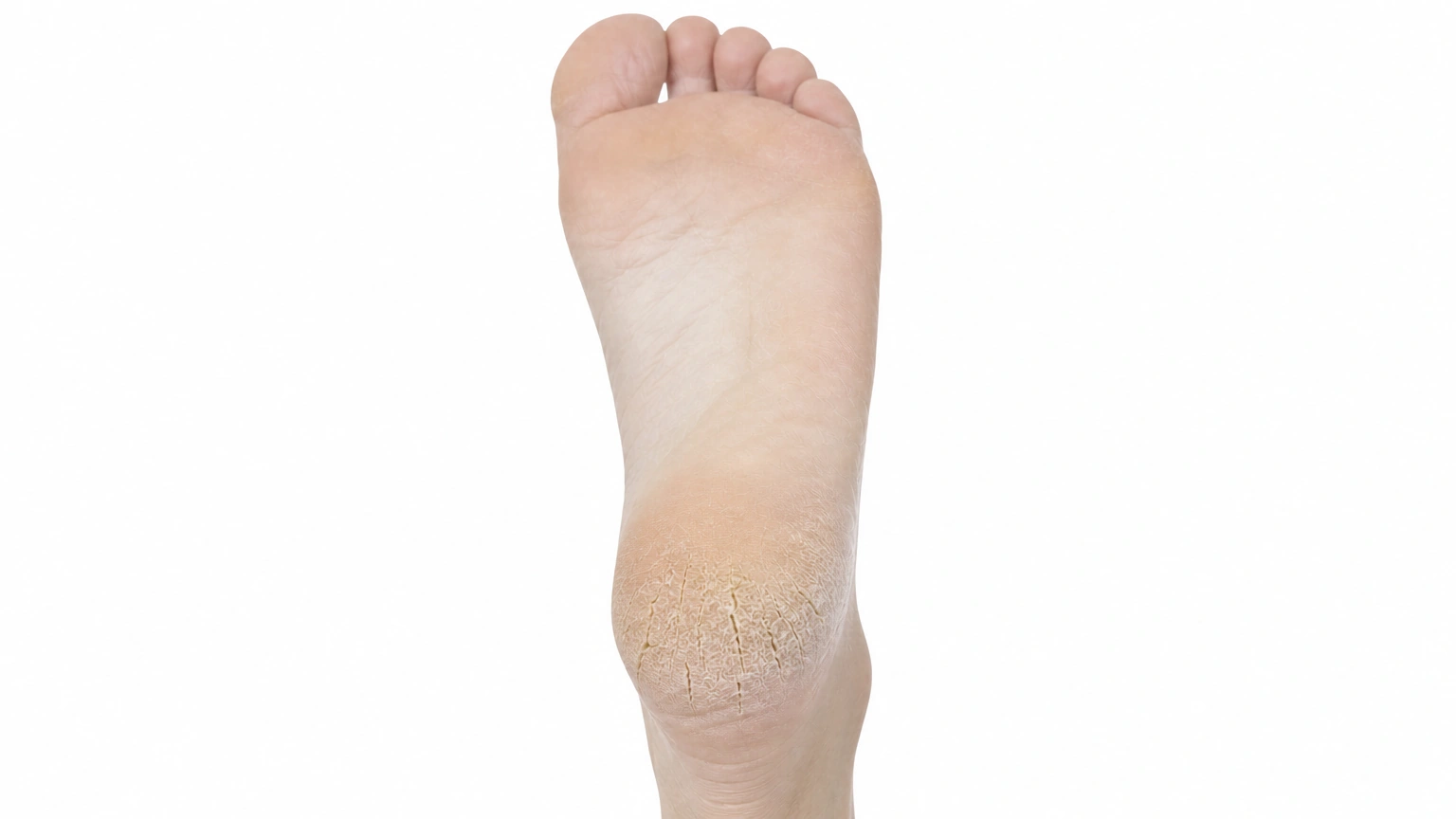
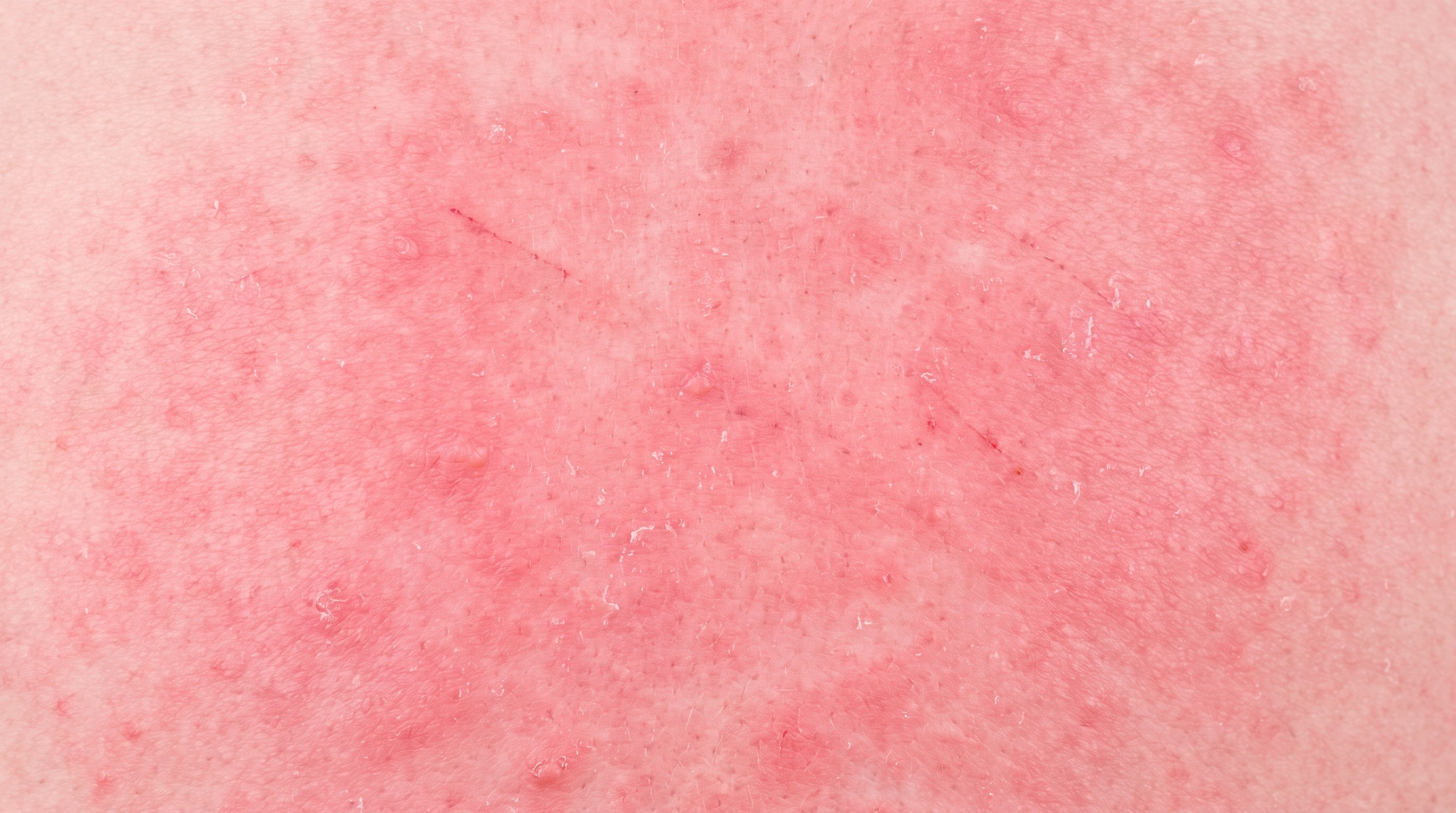
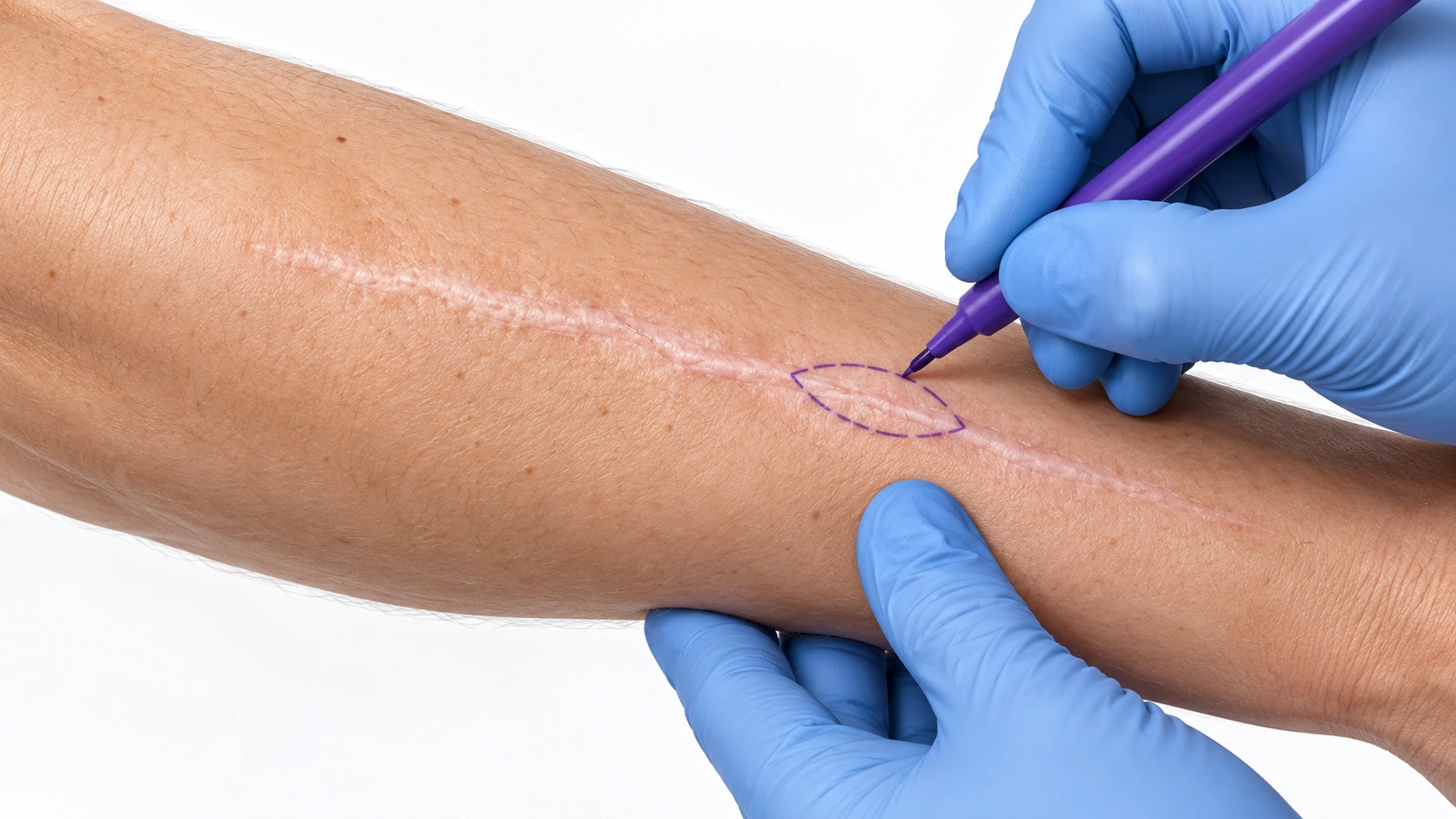

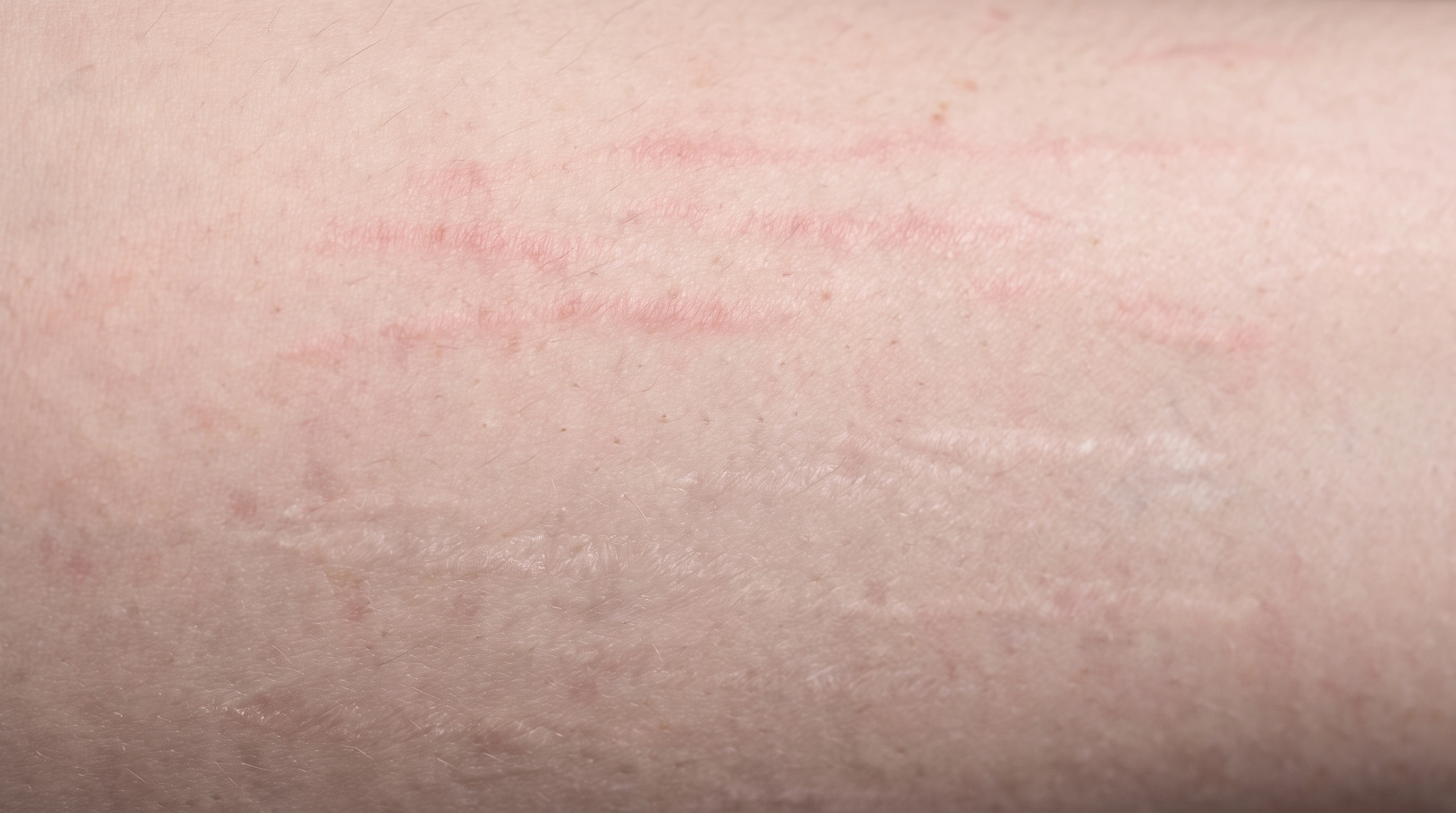

Conditions the outer skin: Allantoin supports comfort in protective formulas. The whole product matters: Repair claims need evidence for the actual formula.
Schematic illustration; not a measurement of skin penetration. Effects vary with ingredient identity and formulation.

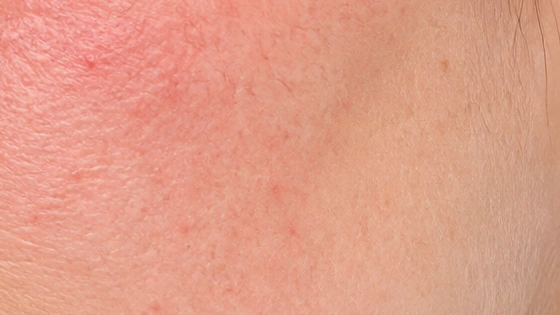
Softens rough skin: Lipids spread over the surface and between flakes. Helps retain moisture: The finished moisturizer supports skin comfort.
Schematic illustration; not a measurement of skin penetration. Effects vary with ingredient identity and formulation.
Built from where each one usually sits in a routine. Introduce one at a time.
Allantoin’s U.S. skin-protectant range is 0.5–2%. This is a labeled protective use, not a concentration proven to erase scars.
0.5–2%
U.S. skin-protectant range
Used in qualifying protective products for skin comfort. Cosmetic formulas may include allantoin without stating its percentage.
Choosing a strength: Choose a finished cream or ointment suited to the area. For scars, assess evidence for the whole treatment rather than allantoin alone.
Higher strengths: More allantoin is not established as a better scar treatment or a substitute for care of a nonhealing wound.
Formula matters: Allantoin is often one ingredient in a moisturizing blend. Benefits of a combination product cannot be assigned to allantoin alone.
There is no established best shea-butter percentage. Pure butter, balms and shea-containing creams differ in texture; studies of mixed moisturizers do not isolate a shea-butter dose.
Choosing a strength: Choose the texture and complete ingredient list for your skin. A cream can include water-binding ingredients that a plain butter does not.
Higher strengths: More butter mainly makes a product richer; it is not evidence of stronger eczema treatment.
Formula matters: A trial of a moisturizer containing shea butter plus several other ingredients supports that formula, not every shea product.
Approximate windows, not promises.
First few weeksSkin may feel softer soon after use; relief depends on the formula.
First few weeksSkin may feel softer soon after use; relief depends on the formula.
4–8 weeksJudge hydration, comfort and whether dryness is recurring.
4–8 weeksJudge hydration, comfort and whether dryness is recurring.
8–12 weeksPersistent cracking, itch or a rash needs reassessment.
8–12 weeksPersistent cracking, itch or a rash needs reassessment.
3–6 monthsContinue if comfortable; hydration usually requires ongoing use.
3–6 monthsContinue if comfortable; hydration usually requires ongoing use.
6–12 monthsMoisturizing does not establish reversal of structural ageing or scars.
6–12 monthsMoisturizing does not establish reversal of structural ageing or scars.
Usually comfortable; discontinue for a rash or persistent stinging.
May feel heavy; stop if a product causes a rash or worsening breakouts.
Stop for persistent burning, swelling, blistering or a new rash. Seek urgent care for breathing difficulty or a severe allergic reaction.
Stop for persistent burning, swelling, blistering or a new rash. Seek urgent care for breathing difficulty or a severe allergic reaction.
Choose a simple formula and test a small area first. Individual tolerance matters more than an ingredient’s reputation for being gentle.
Choose a simple formula and test a small area first. Individual tolerance matters more than an ingredient’s reputation for being gentle.
Do not use a cosmetic product as a substitute for diagnosis of an unexplained, changing or persistent skin problem.
Do not use a cosmetic product as a substitute for diagnosis of an unexplained, changing or persistent skin problem.
Very little is absorbed through the skin and it has a long record of use, but this is a question for the doctor managing your pregnancy, not for a label.
Shea butter products are generally considered acceptable in pregnancy.
On the skin. The finished product delivers allantoin in a particular vehicle.
Entering skin. Below the 500 Da guideline; delivery still depends on the formula, solubility, stability and skin condition. Size does not prove effectiveness or penetration depth.
Conversion. No activation step is established as necessary for its intended topical role.
Skin response. Contributes protective and conditioning effects in topical formulas; proposed repair pathways are mainly experimental.
Additional effects. Proposed pathways do not establish a measured depth of delivery or clinical benefit beyond the studies cited.
On the skin. The finished product delivers shea butter in a particular vehicle.
Entering skin. No single molecular mass. The 500 Da guideline cannot be applied to this whole ingredient family or mixture.
Conversion. No activation step is established as necessary for its intended topical role.
Skin response. Its mixture of lipids coats and softens the outer skin; it does not need to reach the dermis to moisturize.
Additional effects. Proposed pathways do not establish a measured depth of delivery or clinical benefit beyond the studies cited.
Consider in a gentle skin-protectant formula, without expecting scar removal.
Skin-protectant use is recognized in the FDA monograph. The cited wound-healing experiment was in rats and cannot establish faster human wound healing or acne treatment.
Choose for dry areas when a richer cream or balm feels comfortable.
The reviewed eczema study tested a moisturizer with shea, squalane, humectants and other actives. It cannot isolate shea butter or establish prevention of stretch marks.
Sources