Aloe Vera vs Panthenol

Aloe Vera: May feel cooling and moisturizing; it does not prevent sunburn. Panthenol: Helps hydration and barrier comfort in tested dexpanthenol formulas.
Research updated 2026-10-25
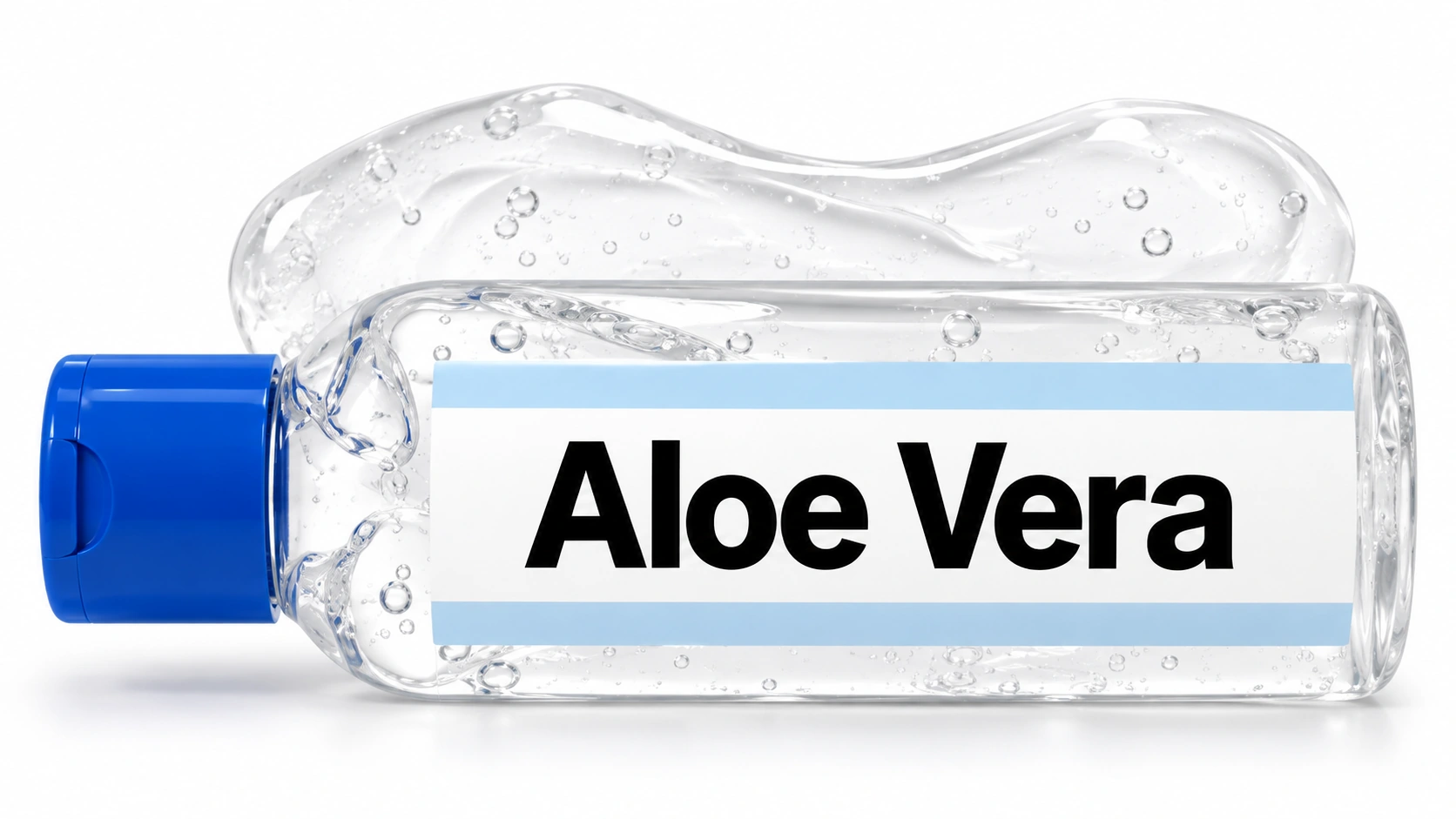
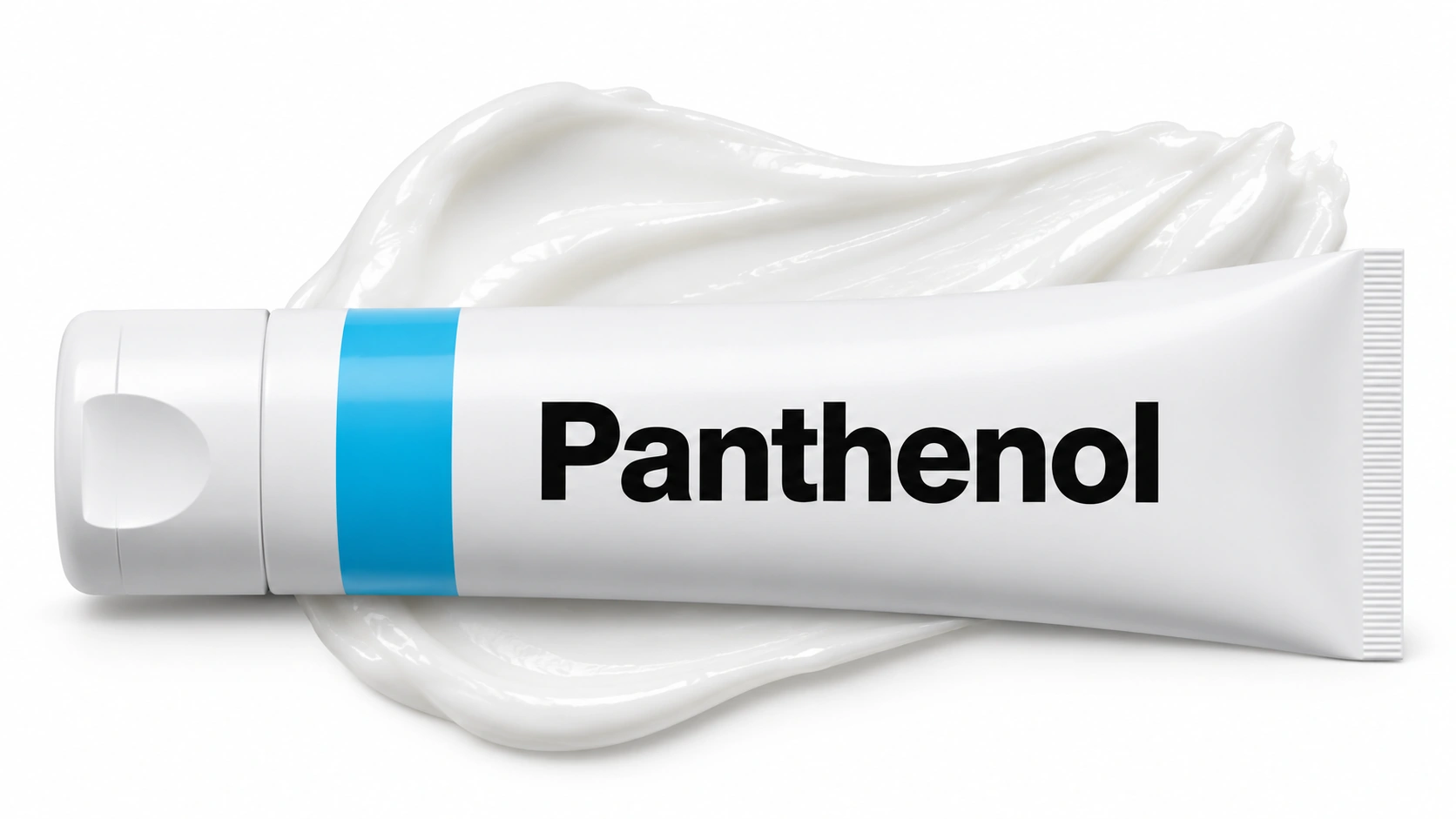
Five aloe vera gel products lined up on white: squeeze bottles, a pump bottle and a jarFive serum bottles on white, two labeled D-Panthenol and 5% Panthenol, plus pantothenic B5 and hyaluronic acid with B5 formulas

Which one is right for you?

Choose Aloe Vera if…

Choose for a comfortable cooling gel, without expecting UV protection or faster healing.

  • You want a cooling, lightweight gel
  • Mild dryness or after-sun comfort
  • No known plant allergies

Choose Panthenol if…

Choose for hydration and comfort, particularly in a simple moisturizer.

  • Dry or irritated skin
  • You want soothing hydration
  • A simple moisturizer
Often combined

Can you use both?

Both are soothing and often found together in after-sun and repair gels.

At a glance

● Aloe Vera
● Panthenol
Type
Botanical gel mixture
Provitamin B5 humectant
What it does
May feel cooling and moisturizing; it does not prevent sunburn.
Helps hydration and barrier comfort in tested dexpanthenol formulas.
Best for
Dry Skin
Dry Skin; Barrier Support; Sensitive Skin
Studied concentrations
A controlled study tested 70% aloe cream; label percentages do not establish efficacy.
2.5–5% dexpanthenol formulas are commonly studied; vehicles differ.
When to use
Morning or night, as directed by the finished product.
Time to results
Comfort may improve quickly; reassess persistent dryness
Irritation
Fragrance, alcohol or aloe itself can irritate; avoid raw plant latex on skin.
Usually comfortable; stop for a contact rash or persistent irritation.
Sensitive skin
Choose a simple formula and test a small area first. Individual tolerance matters more than an ingredient’s reputation for being gentle.
Available
Cosmetic or OTC products; some high-strength procedures are separate treatments.

What it helps

Compare uses by strength of evidence. Evidence level describes confidence in a benefit, not its size.
Evidence level
Aloe Vera
Panthenol
Moderate evidenceSome supportive research
—
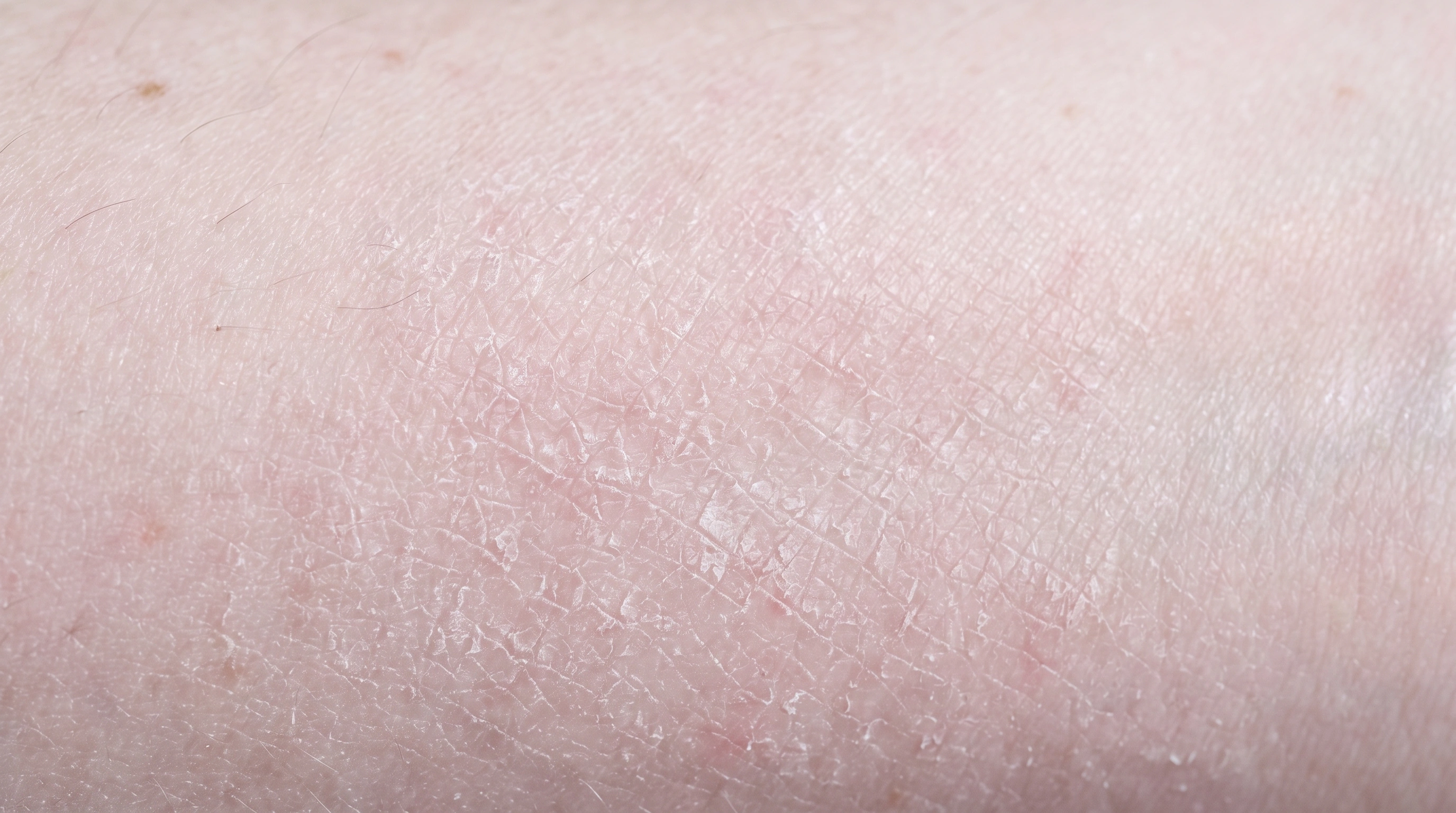
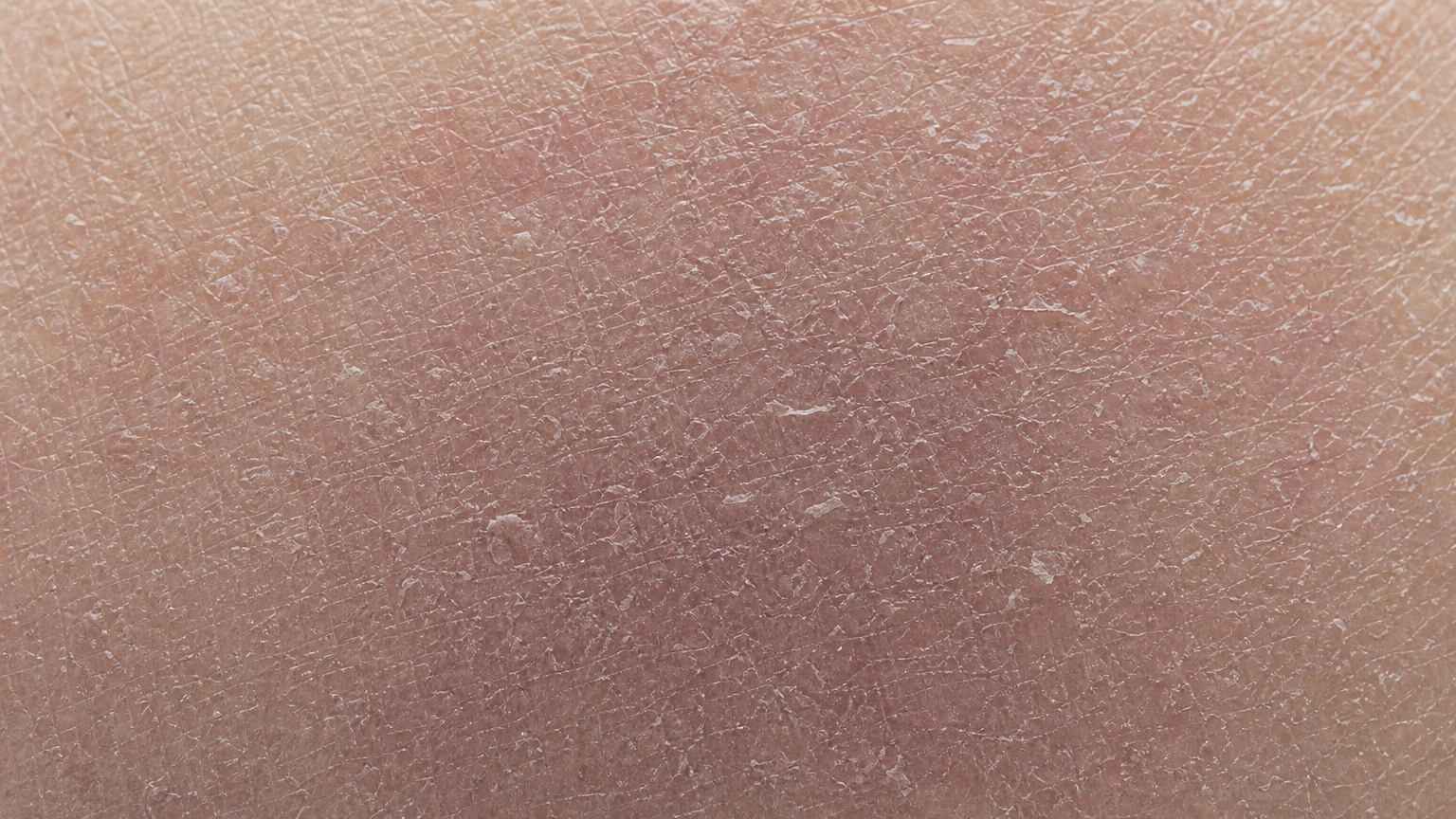
The front of one shin on pale skin. The surface is pink with fine white flaking and a few shallow cracks, and the skin around it is even in tone.

Dry Skin

Controlled testing supports increased hydration.
a very close view of irritated dry skin with fine flaking and no identifiable body part on light skin.

Barrier Support

Studies found reduced water loss and improved recovery after experimental irritation.
Limited evidenceEarly or small studies
The front of one shin on pale skin. The surface is pink with fine white flaking and a few shallow cracks, and the skin around it is even in tone.

Dry Skin

A gel may moisturize; this depends on the finished formula.
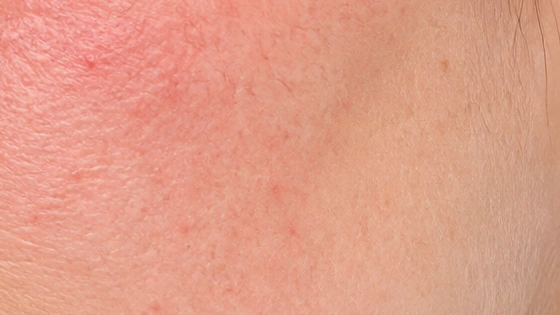
Sensitive Skin on light skin.

Sensitive Skin

May support comfort; individual sensitivity and the formula still matter.
Insufficient evidence
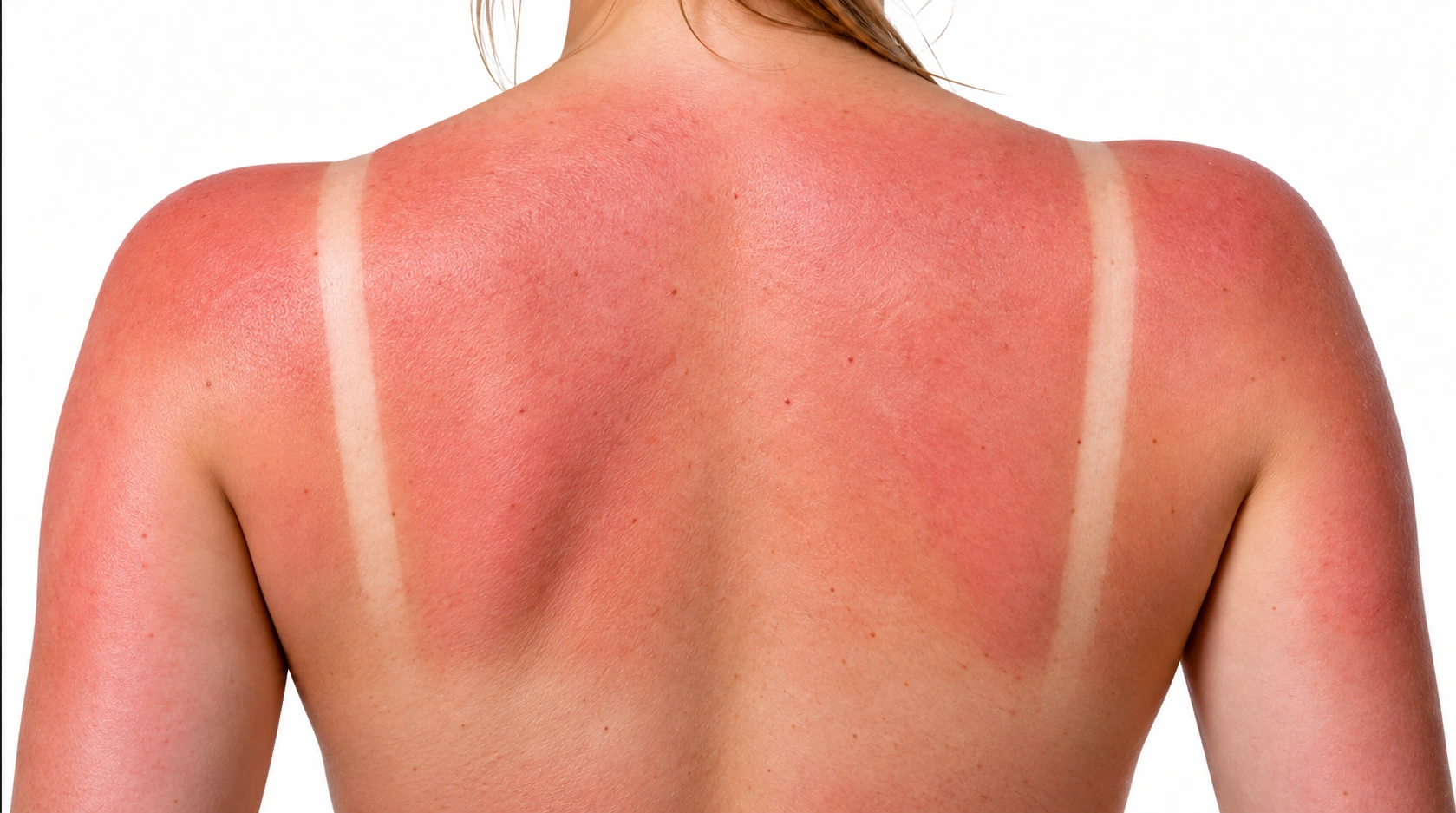
Sunburn: 1. Sunburn Header — Light Skin; Lighter skin.

Sunburn

May feel soothing, but a controlled trial did not find benefit over vehicle.
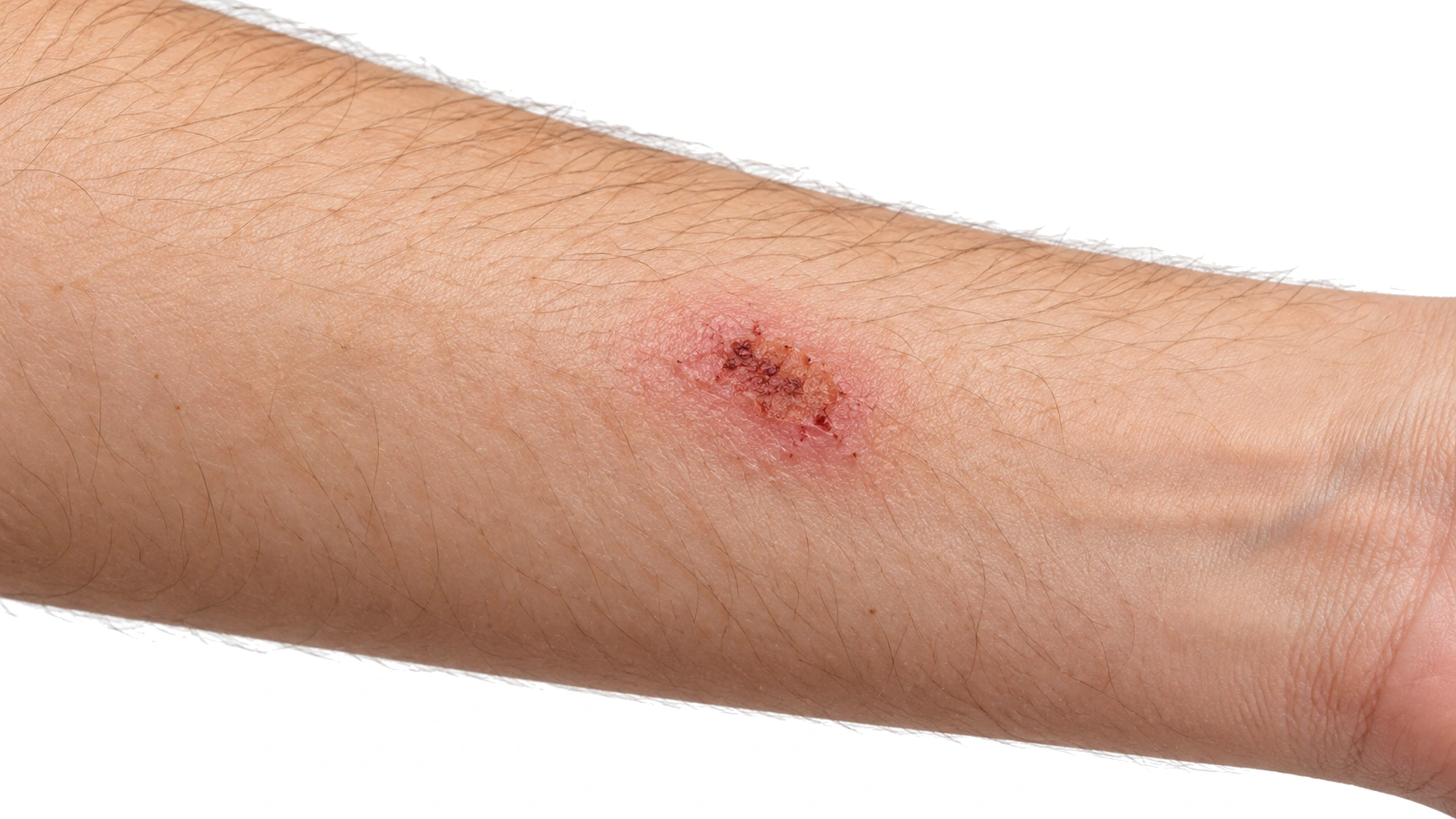
Minor Wounds.

Minor Wounds

The reviewed sunburn trial does not establish faster wound healing.
Two thick, sharply bordered plaques on a knee on fair light skin. They are salmon-pink to red with loose silvery-white scale on top.

Psoriasis

The reviewed sources do not establish this ingredient as a treatment for this concern.
Inflamed acne on light skin. The spots sit in a patch of pink, and the ring of redness around each one is easy to see. A few have a yellow-white head, and the skin between them is dry and flaking.

Acne

The reviewed sources do not establish this ingredient as a treatment for this concern.
Minor Wounds.

Minor Wounds

The reviewed sources do not establish this ingredient as a treatment for this concern.
Inflamed acne on light skin. The spots sit in a patch of pink, and the ring of redness around each one is easy to see. A few have a yellow-white head, and the skin between them is dry and flaking.

Acne

The reviewed sources do not establish this ingredient as a treatment for this concern.
Flat tan patches with soft irregular edges across the forehead and upper cheek of an adult with light skin, the surface completely smooth.

Melasma

The reviewed sources do not establish this ingredient as a treatment for this concern.
How it works

Aloe Vera

Aloe Vera mechanism diagram. Adds surface hydration: The gel supplies water and film-forming components. Depends on the whole formula: Extract quality and added ingredients affect comfort.
Open full-size diagram
Diagram explanation and sources

Adds surface hydration: The gel supplies water and film-forming components. Depends on the whole formula: Extract quality and added ingredients affect comfort.

Schematic illustration; not a measurement of skin penetration. Effects vary with ingredient identity and formulation.

Source 1

Panthenol

Panthenol mechanism diagram. Binds water in outer skin: Panthenol acts as a humectant. Supports barrier function: Dexpanthenol formulas can aid recovery after irritation.
Open full-size diagram
Diagram explanation and sources

Binds water in outer skin: Panthenol acts as a humectant. Supports barrier function: Dexpanthenol formulas can aid recovery after irritation.

Schematic illustration; not a measurement of skin penetration. Effects vary with ingredient identity and formulation.

Source 1 · Source 2

Using both in one routine

Built from where each one usually sits in a routine. Introduce one at a time.

Morning
Step 1
Cleanser
Step 2
Aloe VeraMorning or night
Step 3
PanthenolMorning or night
Step 4
Sunscreen
Night
Step 1
Cleanser
Step 2
Aloe VeraMorning or night
Step 3
PanthenolMorning or night

Strengths and forms

Concentrations

Aloe percentages usually describe an extract, gel, or juice rather than a standardized amount of active compounds. There is no established best percentage for routine skin care.

70%

70% cream studied

A small human sunburn study tested this formula and found no benefit over placebo for treating sunburn. This is a study concentration, not a recommended target.

Choosing a strength: Choose a well-tolerated finished moisturizer rather than judging aloe by its front-label percentage.

Higher strengths: More aloe has not been shown to provide better sunburn treatment or sun protection.

Formula matters: Aloe juice, powders, and concentrated extracts are not equivalent at the same percentage.

Topical dexpanthenol research includes 2.5% finished products and 5% preparations. These are formulation examples, not a proven best strength for every moisturizer.

2.5%

5%

Studied finished products

Studied in particular wash and sun-care products; the full formula contributed to their performance.

Other studied preparations

Used in topical formulations. A larger percentage does not establish better everyday hydration or faster healing.

Choosing a strength: Choose a product intended for the skin area and purpose. Ordinary moisturizer and procedural aftercare need not use the same formula.

Higher strengths: There is no established benefit from chasing the highest percentage. Stop if the complete product causes a persistent rash or discomfort.

Formula matters: Panthenol and dexpanthenol labeling may describe different ingredient specifications. The vehicle and other moisturizing ingredients matter.

Forms
Gel · Fresh leaf · Lotion
Cream · Serum

When you’ll see results

Approximate windows, not promises.

● Aloe Vera
● Panthenol
First few weeks

First few weeksSkin may feel softer soon after use; relief depends on the formula.

First few weeksSkin may feel softer soon after use; relief depends on the formula.

4–8 weeks

4–8 weeksJudge hydration, comfort and whether dryness is recurring.

4–8 weeksJudge hydration, comfort and whether dryness is recurring.

8–12 weeks

8–12 weeksPersistent cracking, itch or a rash needs reassessment.

8–12 weeksPersistent cracking, itch or a rash needs reassessment.

3–6 months

3–6 monthsContinue if comfortable; hydration usually requires ongoing use.

3–6 monthsContinue if comfortable; hydration usually requires ongoing use.

6–12 months

6–12 monthsMoisturizing does not establish reversal of structural ageing or scars.

6–12 monthsMoisturizing does not establish reversal of structural ageing or scars.

Safety and sensitive skin

Common reactions

Fragrance, alcohol or aloe itself can irritate; avoid raw plant latex on skin.

Usually comfortable; stop for a contact rash or persistent irritation.

When to stop

Stop for persistent burning, swelling, blistering or a new rash. Seek urgent care for breathing difficulty or a severe allergic reaction.

Stop for persistent burning, swelling, blistering or a new rash. Seek urgent care for breathing difficulty or a severe allergic reaction.

Sensitive or inflamed skin

Choose a simple formula and test a small area first. Individual tolerance matters more than an ingredient’s reputation for being gentle.

Choose a simple formula and test a small area first. Individual tolerance matters more than an ingredient’s reputation for being gentle.

Important limits

Do not use a cosmetic product as a substitute for diagnosis of an unexplained, changing or persistent skin problem.

Do not use a cosmetic product as a substitute for diagnosis of an unexplained, changing or persistent skin problem.

Pregnancy

On intact skin very little is expected to be absorbed, but ask the doctor managing your pregnancy rather than trusting a label, and raise oral aloe separately — that is a different question.

Panthenol skincare is generally considered acceptable in pregnancy.

How it works

In the skin

On the skin. The finished product delivers aloe vera in a particular vehicle.

Entering skin. No single molecular mass. The 500 Da guideline cannot be applied to this whole ingredient family or mixture.

Conversion. No activation step is established as necessary for its intended topical role.

Skin response. The gel contributes water and film-forming plant components; complete formulas determine comfort and hydration.

Additional effects. Proposed pathways do not establish a measured depth of delivery or clinical benefit beyond the studies cited.

On the skin. The finished product delivers panthenol in a particular vehicle.

Entering skin. Below the 500 Da guideline; delivery still depends on the formula, solubility, stability and skin condition. Size does not prove effectiveness or penetration depth.

Conversion. Can be converted to pantothenic acid; the moisturizing formula also matters.

Skin response. Binds water and can be converted to pantothenic acid; barrier effects depend on the topical formula.

Additional effects. Proposed pathways do not establish a measured depth of delivery or clinical benefit beyond the studies cited.

Getting in
No single molecular mass. The 500 Da guideline cannot be applied to this whole ingredient family or mixture.
Below the 500 Da guideline; delivery still depends on the formula, solubility, stability and skin condition. Size does not prove effectiveness or penetration depth.

Product examples

Aloe Vera
  • COSRX Aloe 54.2 Aqua Tone-up Sunscreen SPF 50+ PA++++
Panthenol
  • Round Lab Soybean Panthenol Mask
  • PURITO Mighty Bamboo Panthenol Cream
  • Round Lab Soybean Panthenol Cream

Common questions

Aloe Vera:What should I choose aloe vera for?

Choose for a comfortable cooling gel, without expecting UV protection or faster healing.

Aloe Vera:How strong is the evidence?

A small controlled UV study found no sunburn-treatment or pigment benefit versus vehicle. Comfort from a gel does not establish accelerated healing of burns or wounds.

Panthenol:What should I choose panthenol for?

Choose for hydration and comfort, particularly in a simple moisturizer.

Panthenol:How strong is the evidence?

Small controlled studies support barrier measurements after seven days and after experimental irritation. They do not establish treatment of every wound, acne or pigment disorder.

Sources
Sources and further reading

  1. Efficacy of aloe vera cream in prevention and treatment of sunburn and suntan. (2005)
  2. Effect of topically applied dexpanthenol on epidermal barrier function and stratum corneum hydration. Results of a human in vivo study. (2000)
  3. Dexpanthenol enhances skin barrier repair and reduces inflammation after sodium lauryl sulphate-induced irritation. (2002)
  4. Clinical evaluation of 2.5% dexpanthenol wash and sun-care products
  5. Formulation study of 5% dexpanthenol
Dermapedia on YouTube