Acne
Reduces inflamed breakouts.
Minocycline: An oral antibiotic for moderate to severe inflamed acne. It works about as well as doxycycline, but carries a few rarer risks, so it is usually the second choice. Rhofade: A once-daily cream that narrows facial blood vessels to reduce rosacea redness for most of a day. Like brimonidine it treats color only, and the effect ends when it wears off.
Choose as a second-choice acne antibiotic when doxycycline doesn't suit — it works about as well, with a few rarer risks.
Choose to fade rosacea redness for most of the day — it treats color only, not bumps.
Can you take them together?
They treat different parts of rosacea: minocycline for bumps, Rhofade for redness. They do not interact.
Compare uses by strength of evidence. Evidence level describes confidence in a benefit, not its size.

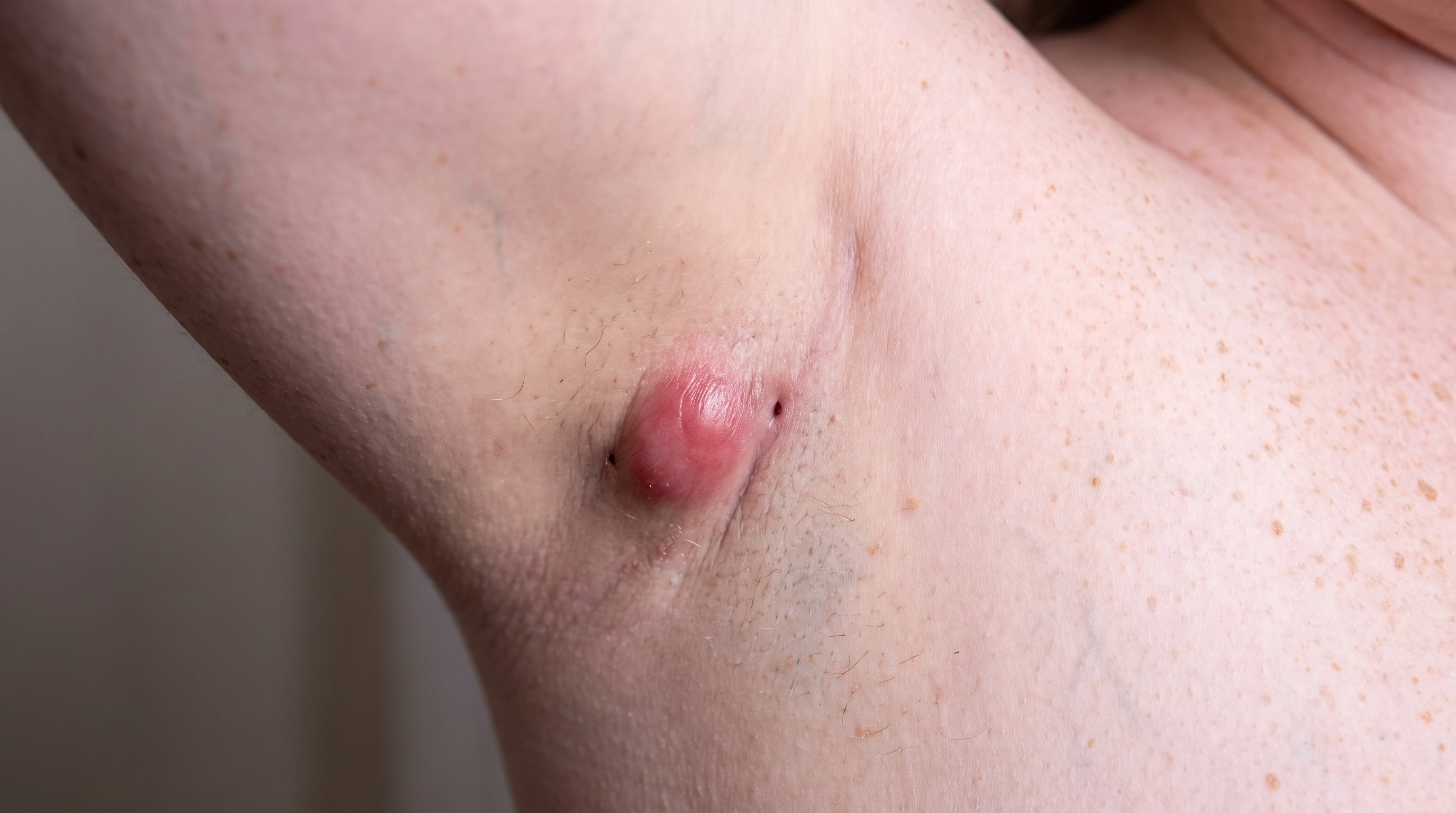
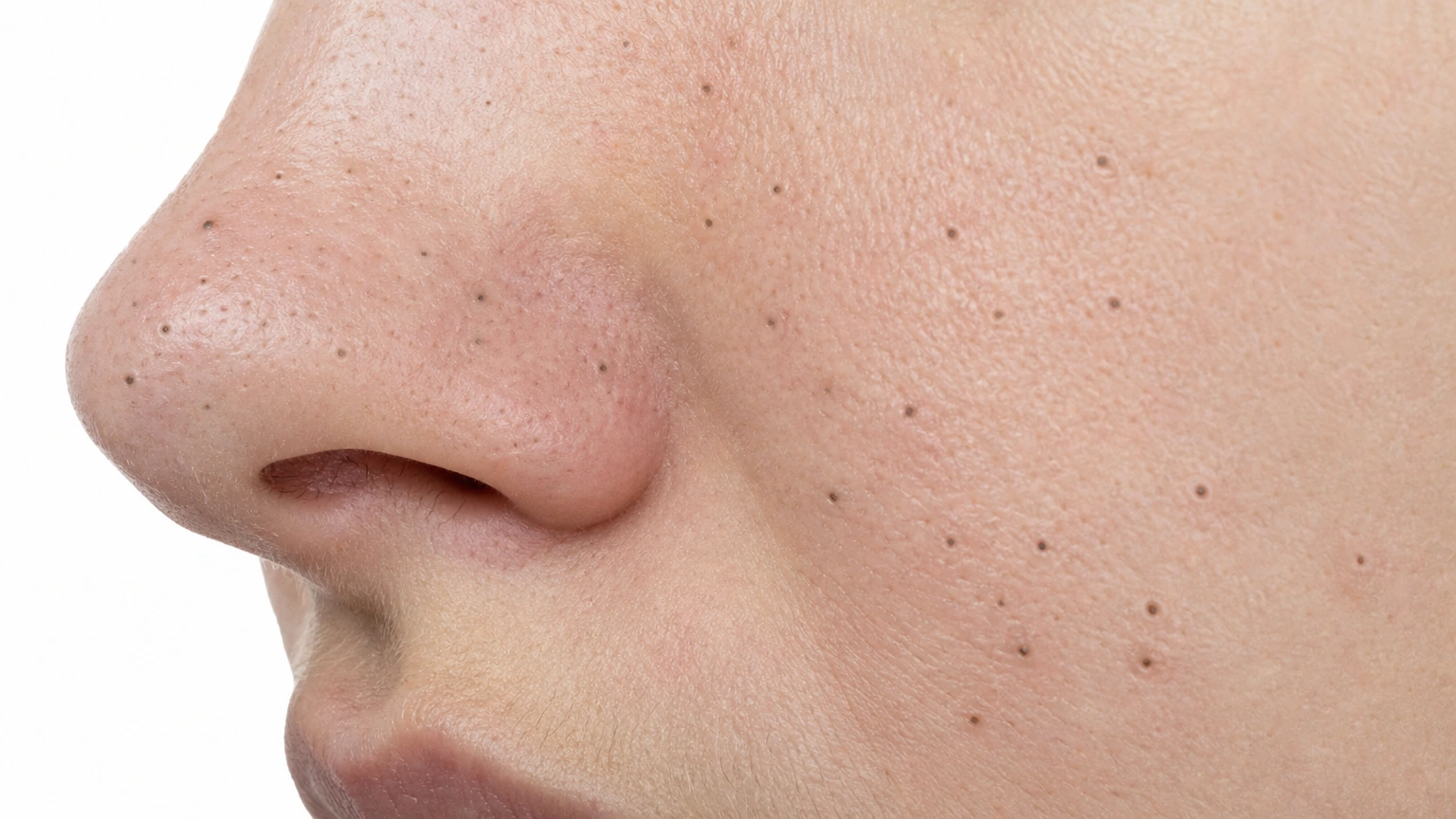
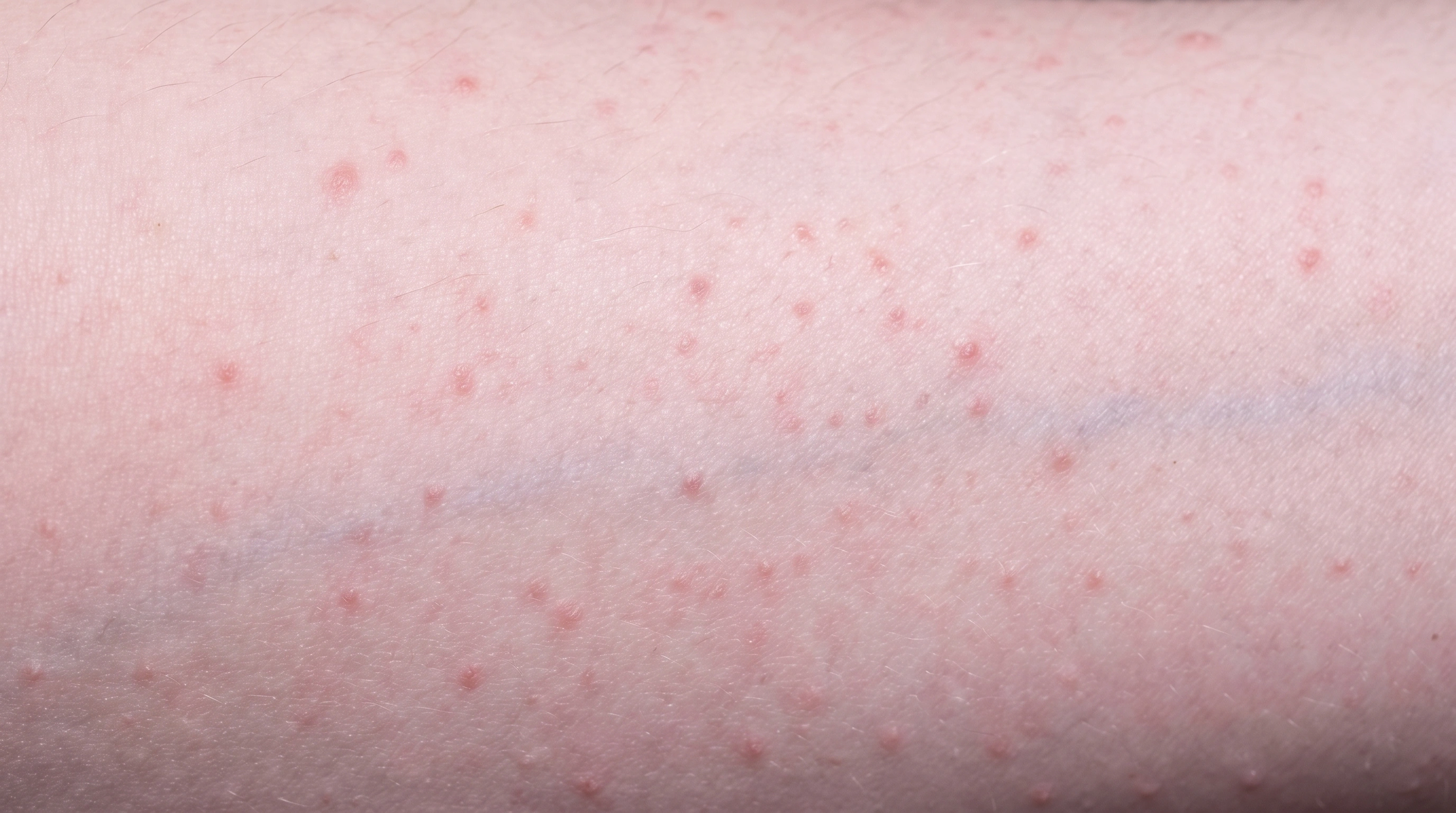

Slows acne bacteria: Blocks the 30S ribosome that bacteria use to make proteins. Calms inflammatory responses: Can also reduce some inflammation-related activity. Reduces inflamed spots: Red bumps and pimples can gradually improve.
Bacterial protein-synthesis inhibition is established. The complete acne mechanism and the contribution of individual antibacterial and anti-inflammatory effects are not fully defined. This does not imply direct exfoliation, oil-gland shrinkage, or treatment of resistant bacteria.

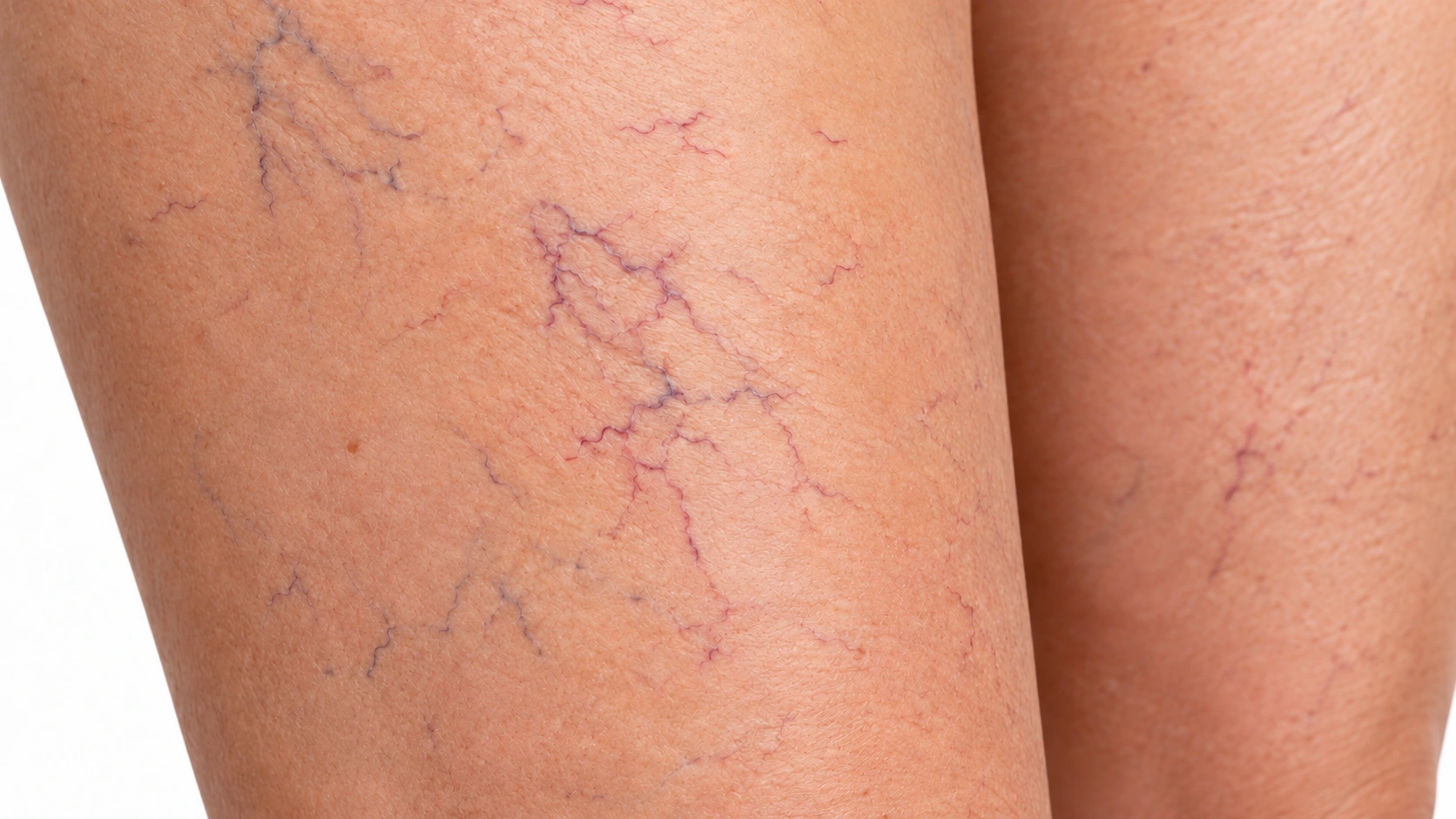
Activates vessel receptors: Stimulates alpha-1A receptors in skin blood vessels. Narrows blood vessels: Vessel walls contract and reduce local blood flow. Reduces visible redness: The effect is temporary and wears off.
Oxymetazoline is an alpha-1A agonist and vasoconstrictor. This is temporary control of persistent facial erythema, not vessel destruction or cure.
Dose is set by what you tolerate more than body weight. Dizziness is the usual limit, not the stomach. Liver problems can lower it.
Starting dose: Commonly 50 mg to 100 mg once or twice a day. Some doctors start low for a week to see how you feel.
Going up: After a week or two if it is tolerated and acne has not begun to respond.
Usual dose: Around 100 mg once or twice daily. The extended-release form is about 1 mg per kilogram of body weight, once daily.
Total course: About three to four months. Guidelines advise reassessing at three months and stopping once the topical can hold the result. Long uninterrupted use is what raises the pigment risk.
When to Apply: Once a day on clean dry skin, usually morning so the effect covers the day. A pea-sized amount spread thinly over forehead, nose, chin and both cheeks. Wash your hands afterwards. Sunscreen and makeup go on once it has dried.
How to Start: Test one small area for a few days first. A small amount, never more than once a day. There is no build-up schedule and no benefit to using more.
If It Irritates: Mild stinging, dryness or itching early on usually settles. If redness gets worse rather than better, or worsens as the cream wears off, stop and call your doctor.
If It's Not Working: Nothing to increase — there is one strength. If a few weeks of daily use has not helped, the options are brimonidine gel, which works through a different receptor, or laser and light treatment for the vessels themselves.
With a full glass of water. Food is fine and usually reduces nausea. Stay upright for at least 30 minutes afterwards, and not right before bed — a tablet that lodges in the food pipe can burn the lining.
If it makes you unsteady, taking it at night helps, since you sleep through the peak. Ask your doctor before changing the timing.
Space antacids, iron and calcium supplements by about two hours. They bind the drug and less gets in.
Take it when you remember, unless the next dose is close. Never take two at once — a doubled dose mostly produces nausea and dizziness.
No routine blood tests for a standard three to four month course in a healthy person. Monitoring is clinical: a review at about three months, and a look at skin, gums and old scars for a gray or blue tinge.
Blood tests are ordered if something appears. Joint pain, fever or unusual tiredness prompts testing for a lupus-like reaction; a rash with fever and swollen glands, for a hypersensitivity reaction that can involve the liver. Both are rare, likelier with long use, and usually settle once the drug stops.
This is not a drug to stay on for years. Two things build up: antibiotic resistance, and pigment that is dose and duration related and can be slow to fade or permanent. Guidelines say oral antibiotic courses for acne should be as short as possible, with a topical retinoid alongside to take over.
No routine blood tests. Monitoring is visual — does the redness reduce, does it worsen, does your skin tolerate the cream.
A small amount is absorbed, so the class effects — lower blood pressure, a slow heart rate, dizziness — are theoretically possible. They are rare on intact skin, but they are why heart problems, low blood pressure, circulatory disease and certain psychiatric medicines are worth raising first.
Review a few weeks in, and the only question is whether the result justifies continuing.
Approximate windows, not promises.
First doseTaking it: One tablet with plenty of water, sitting upright. Nausea or dizziness show up in the first few days if they happen.
Weeks 1 to 2Settling in: Little change in the skin yet.
Weeks 2 to 6Working: Red, sore papules and pustules become fewer and less painful. This is what minocycline is aimed at.
Weeks 8 to 12Judge it here: Most of what an antibiotic will give has arrived. Dark marks fade as fewer new spots form, over months, faster with sun protection.
First hourStarting: Redness begins to fade. Mild tingling or dryness is common.
Hours 3 to 8Peak: Least red through most of the working day.
Around 12 hoursWearing off: Color returns, usually to where it started.
Weeks 1 to 4Watching: A few people find redness or flushing gets worse instead of better, as it wears off or over the first weeks. Stop and review.
OngoingNo build-up: No accumulation. Month three looks like day one.
Sorted by what to do about them.
Generic immediate-release minocycline is inexpensive and widely stocked, usually in the same price range as generic doxycycline, and both are covered by most plans.
The extended-release brands cost far more, and prior authorization is common. You would be paying for comfort rather than clearing: the slower release was meant to reduce dizziness, not clear acne better.
If cost is the problem, say so before you leave. Doxycycline, minocycline and plain tetracycline are all generic, so the choice can follow what your plan covers.
Brand priced, and coverage is inconsistent because insurers often treat facial redness as cosmetic. Prior authorization is common.
A pump lasts a while if you stick to the pea-sized rule. Manufacturer savings offers exist and change often.
Where cost rules it out, price generic brimonidine gel where available, green-tinted makeup, and — if you want a lasting change rather than a daily one — laser or light treatment.
Usually three to four months. If a year has passed and you are still refilling, the plan needs revisiting.
No. Comparisons have not shown it clears acne better. An alternative, not an upgrade, with a few risks doxycycline does not have.
Minocycline can leave a slate or blue-gray color in skin, old scars, gums, nails and sometimes the whites of the eyes. It is uncommon, linked to long use and high total doses, and can be slow to fade or permanent.
More of the drug reaches the inner ear and brain than with doxycycline. It appears in the first few days, is dose-related, and settles after stopping.
Occasional drinking is fine. Heavy drinking clears the drug faster, which can make it work less well.
Yes. The antibiotic lowers inflammation while you take it but does nothing about the clog that starts a spot. The retinoid, usually with benzoyl peroxide, holds the result afterwards and limits resistance.
Both narrow facial vessels, through different receptors. Brimonidine works faster and wears off sooner; oxymetazoline covers more of a working day and rebound redness is reported less often. Neither treats the condition.
No. Different concentration, different base, different intended surface. It is not a cheaper version of this medicine.
No. Blood vessels only. Bumps need their own treatment, and the two are often used together.
Not reliably. It reduces fixed background redness. Flushing is a faster, different response, and some people report more of it on this cream.
A single application shows the same day. Give it a few weeks to judge whether it is worth continuing.
Yes, once it has dried. Keep the daily sunscreen either way — sun is a common rosacea trigger.