Hidradenitis Suppurativa
The first approved treatment.
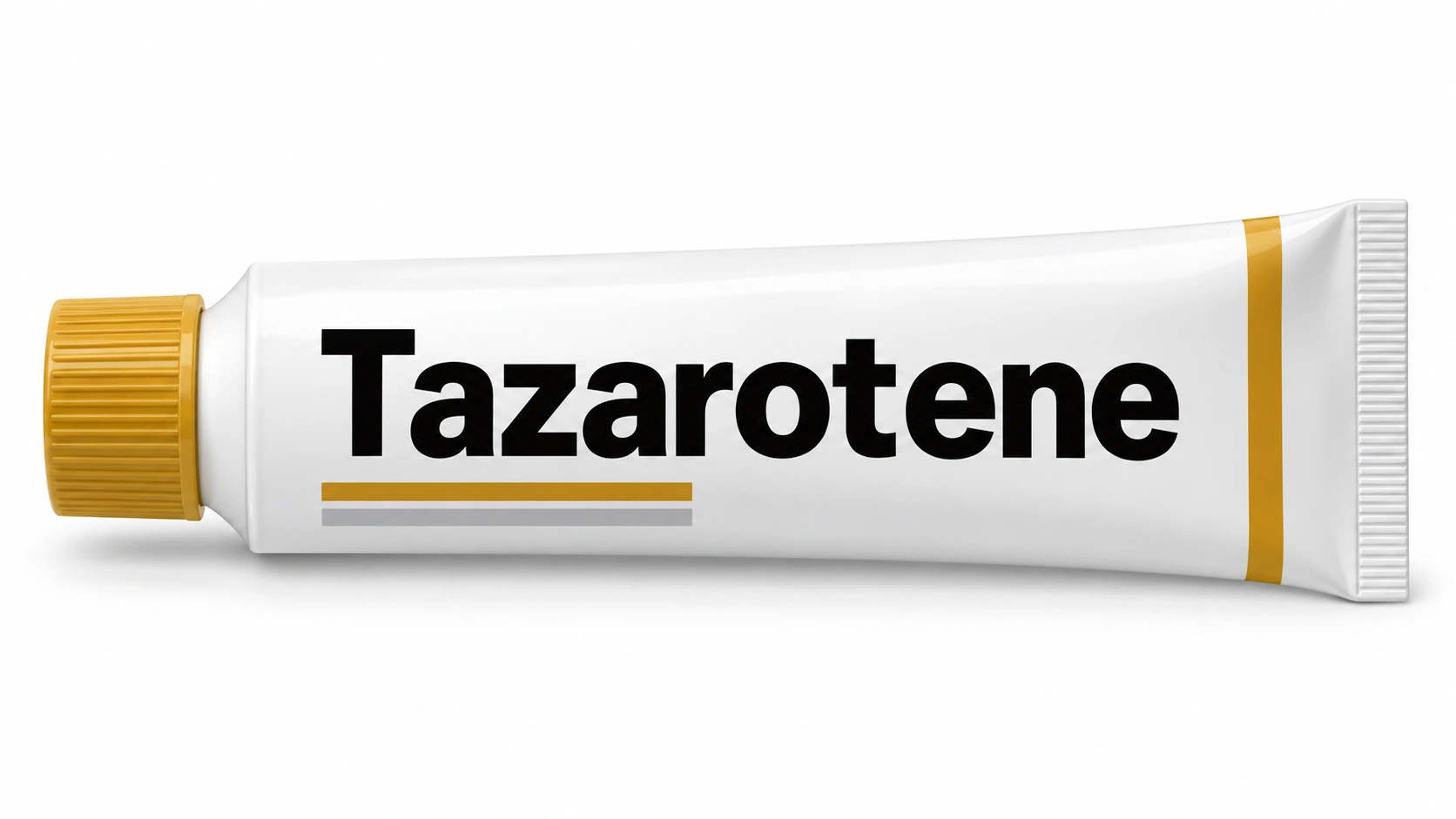
Humira: An injected biologic for moderate to severe plaque psoriasis. It blocks TNF, one of the main inflammation signals behind psoriasis, and is usually given as a shot under the skin every other week. Tazarotene: A strong prescription retinoid for acne, psoriasis and sun damage. It does more than the gentler retinoids and irritates more, and it must not be used in pregnancy.
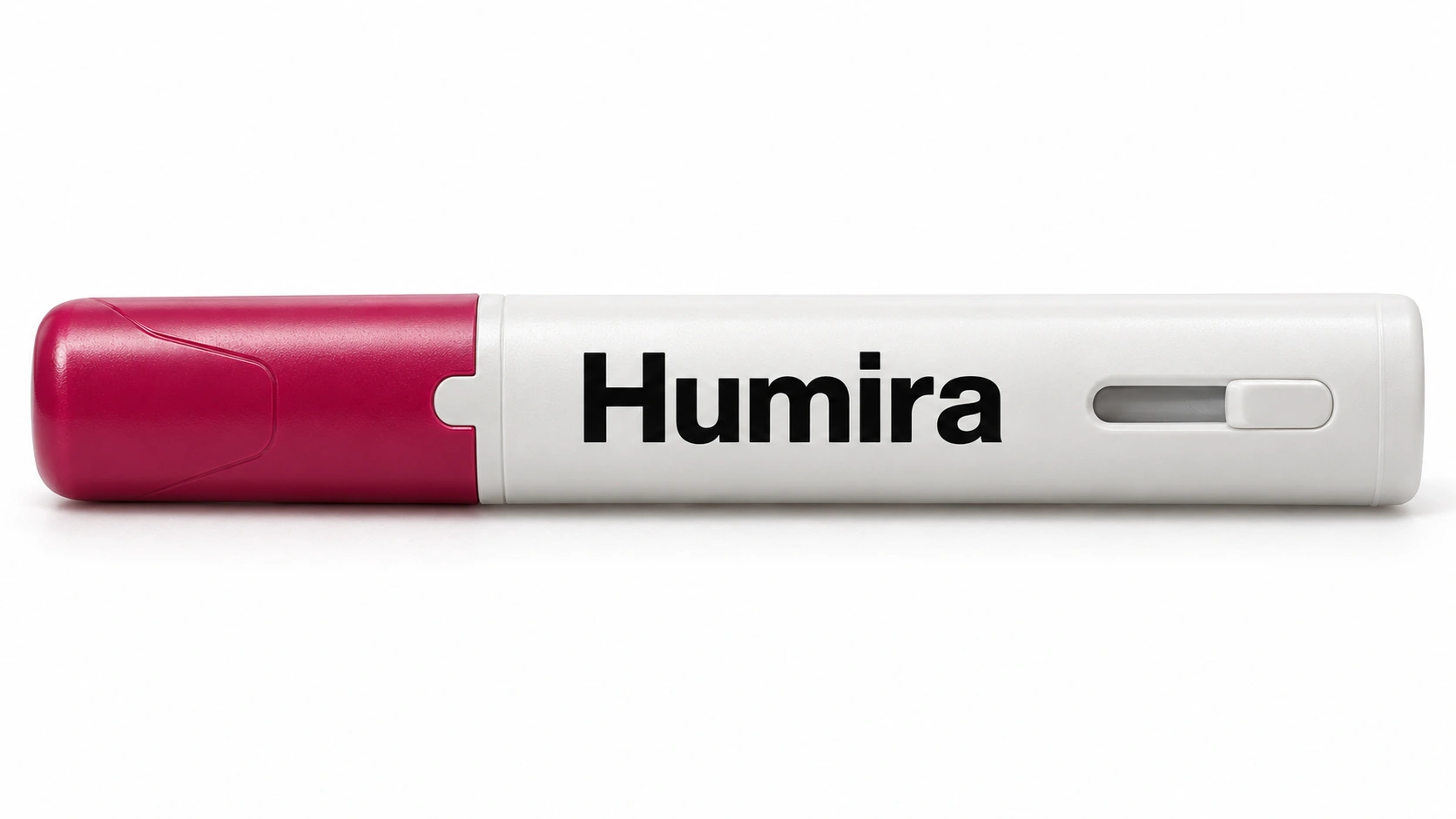
Choose for moderate to severe psoriasis or hidradenitis suppurativa — the first approved biologic for HS, now with cheaper biosimilars.
Choose for acne or psoriasis that needs a stronger retinoid than tretinoin or adapalene, and you can tolerate more irritation.
Can you take them together?
Tazarotene can be used on remaining plaques while on Humira. It does not interact with the biologic.
Compare uses by strength of evidence. Evidence level describes confidence in a benefit, not its size.




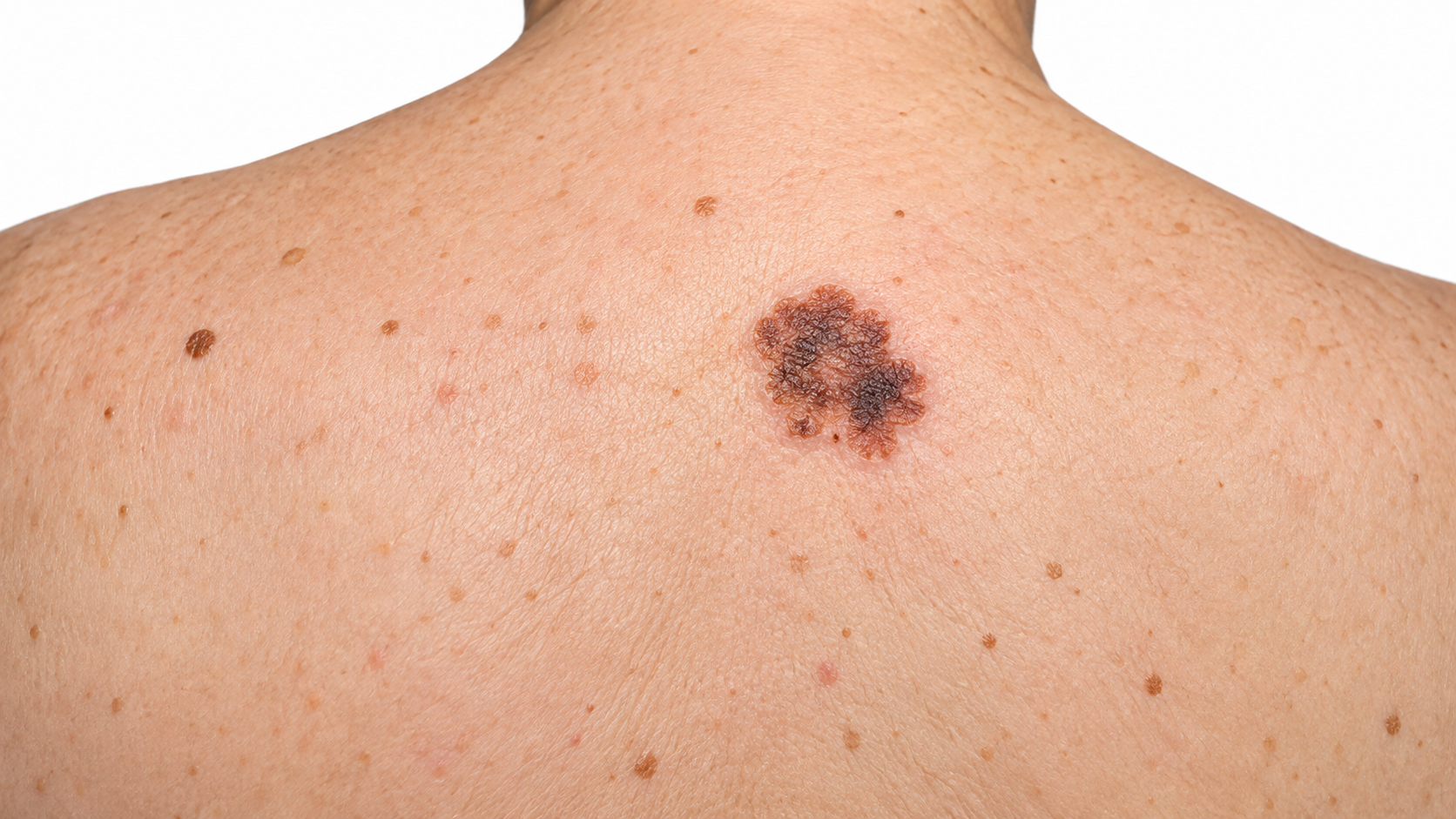


Binds TNF: Captures an immune messenger that promotes inflammation. Reduces inflammatory signaling: TNF has less ability to activate its receptors. Lets inflamed skin settle: Conditions such as psoriasis can improve over time.
Adalimumab binds TNF-alpha and inhibits its interaction with p55/p75 TNF receptors. This image focuses on skin inflammation; Humira also has other indications.

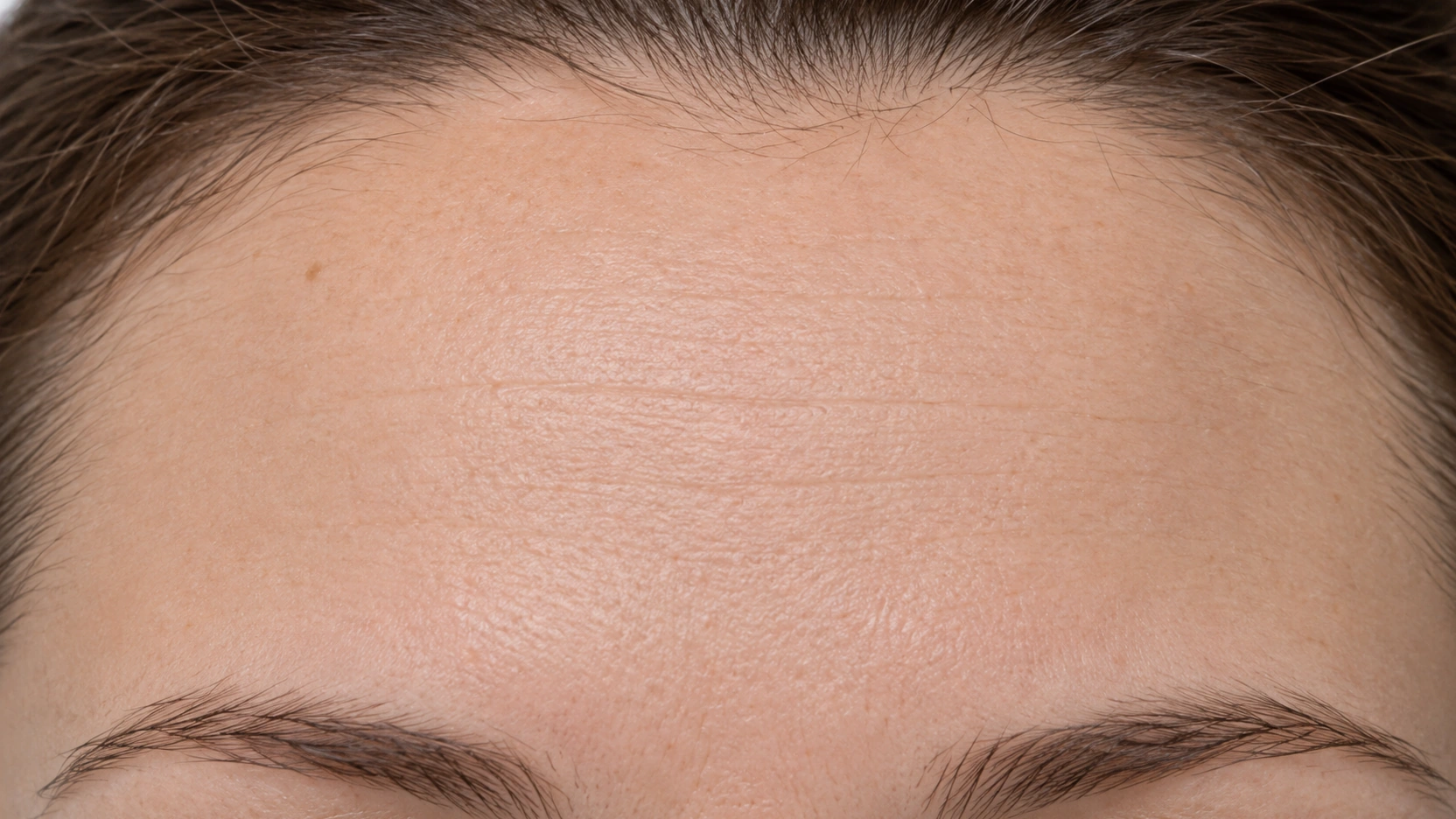
Activates retinoid receptors: Skin converts it to an active form that changes gene signals. Helps unclog pores: Normalizes cell buildup inside follicles. Reduces excess skin growth: Helps psoriasis cells grow and mature more normally. Improves sun-damaged skin: Can improve fine wrinkles and uneven pigmentation.
Tazarotene is converted to tazarotenic acid, which preferentially activates RAR-beta/gamma. Full clinical mechanisms are not defined. Acne, psoriasis and photodamage evidence comes from different formulations/strengths; clinical benefits are not guaranteed.
Adults are not dosed by body weight. You start with a larger loading dose to get levels up fast, then settle into an every-other-week rhythm.
Starting dose: 80 mg on day one, as one 80 mg injection or two 40 mg injections at different spots.
One week later: 40 mg.
Usual dose: 40 mg every other week, the same day of the week each time.
If it stops working: Some people move to weekly injections, others switch drugs. The prescriber's call.
Other conditions: Hidradenitis suppurativa uses a heavier loading dose and weekly maintenance, so do not assume a friend's schedule matches yours.
How long: Long term, with no set course length. It continues while it works and is tolerated.
When to Apply: At night only, on completely dry skin — about twenty minutes after washing, because damp skin absorbs more and stings more. A pea-sized amount covers the whole face. Moisturizer underneath, on top, or both. Sunscreen every morning is part of the treatment.
How to Start: Two or three nights a week for the first two to four weeks, then build toward nightly as the skin allows. Most people who quit started nightly. For thick psoriasis plaques some doctors use short contact — applied, then washed off after twenty to thirty minutes — but only if you were told to.
If It Irritates: Moisturizer before and after, drop back a night or two a week, and take two or three nights off if the skin is raw. Do not scale up other actives at the same time. Cold, wind and hot showers make it worse.
If It’s Not Working: Give it a full twelve weeks. If acne is still active, step up the strength, change to the gel, or add benzoyl peroxide or an oral option. Check first that you are treating the whole area, not dabbing spots.
Any time of day, but pick a set day of the week and keep to it. Every other week is easy to lose track of, so set a phone reminder on day one.
Take the pen or syringe out of the fridge 15 to 30 minutes before injecting. Cold liquid stings more. Do not warm it in the microwave or hot water.
Inject into the front of the thigh or the belly, at least two inches from the navel. Rotate the spot each time, and avoid skin that is bruised, red, hard, tender or scarred. Never inject through a plaque. A nurse or pharmacist should train you in person for the first dose. Used pens go in a sharps container, never the household bin.
Inject as soon as you remember, then return to your original schedule rather than shifting future doses. Never inject two doses to catch up. If you have missed more than one dose, call the prescriber before restarting — long gaps can blunt how well it works.
Everyone is screened for tuberculosis before the first dose — a skin test or TB blood test, often with a chest X-ray. TNF blockers can wake a dormant TB infection, so a positive screen is treated first and adalimumab waits until that treatment is under way. Testing is often repeated yearly, or sooner if you live somewhere TB is common.
Hepatitis B and C are checked too, because hepatitis B can reactivate when the immune signal is blocked.
After that there is no fixed blood test schedule like methotrexate's. Many doctors check a blood count and liver tests occasionally. Most monitoring is clinical — how the skin looks, and whether you are getting more infections than usual.
Skin should be checked periodically, because TNF blockers are linked to a small increase in skin cancer. The label also carries a boxed warning about serious infections and about lymphoma and other cancers, based mostly on rare cases in children and young adults. The absolute risk is low, but it is why this prescription gets regular review.
No blood tests are needed. Two things get monitored: how the skin is tolerating it, and pregnancy status.
Because tazarotene is contraindicated in pregnancy, anyone who could become pregnant should expect a conversation about reliable contraception before starting, and in some settings a pregnancy test. Very little reaches the bloodstream, but the restriction is absolute.
The other checkpoint is a review at around twelve weeks: hold the strength, step up, or add something. People stay on this for years, and nothing accumulates that needs testing.
Approximate windows, not promises.
First few minutesThe injection: A sting for a few seconds. Injection site reactions, if they happen, show up in the first weeks.
First few minutesApplying it: A pea-sized amount on dry skin at night. Mild stinging is normal.
Weeks 1 to 4Starting: Itching often eases before the plaques look different, and some people see the scale thin early.
Weeks 1 to 4The adjustment: Dryness, flaking around the nose and mouth, mild redness, peaking in weeks two to three. Acne can look worse first as forming clogs surface.
Weeks 4 to 12Working: Plaques flatten, scale lifts and redness fades from the middle outward. Most of the visible change happens here. Psoriatic arthritis improves on a similar timeline, and hidradenitis suppurativa settles to fewer painful lumps on its own heavier schedule.
Week 16Judge it here: The point the trials measured. Most people reached at least a 75 percent improvement in skin involvement and severity, and a smaller share cleared almost completely.
Months 6 to 12Nails: The slowest, because a nail takes months to grow out. Pitting and lifting improve well after the skin has settled.
After the first yearLong term: Most people who respond keep responding.
Weeks 4 to 8Adapting: Peeling settles and new spots get less frequent. Most quit before reaching this.
Weeks 8 to 12Judge it here for acne: Fewer new spots, fewer blackheads and whiteheads. Trials measured here, and it keeps building. Psoriasis plaques thin on the same timeline and often stay thinner after stopping.
4 to 6 monthsTexture and fine lines: Gradual smoothing. A months-to-years treatment, not a course.
6 months or moreMottled pigment and dark marks: The slowest of all. Sunscreen does as much work as the retinoid.
ThroughoutSun and flushing: Skin burns more easily, so daily sunscreen is not optional. Stinging, and a flush after alcohol or hot drinks, settle.
Sorted by what to do about them.
The list price is very high, tens of thousands of dollars a year. Almost nobody pays that. What you pay depends on your insurance, and getting there takes paperwork.
Prior authorization is close to universal. Most plans require you to have tried and failed something cheaper first — phototherapy, methotrexate or another systemic drug — and they want records to prove it.
Biosimilars changed the picture. Several have been sold in the United States since 2023, some at much lower list prices. Which one you get is usually decided by your plan's formulary, not your dermatologist, and plans switch year to year. A switch is a paperwork event, not a medical downgrade, though you may need retraining on a different pen.
Manufacturer copay cards can bring the cost down to very little with commercial insurance. By law they cannot be used with Medicare or Medicaid. For those plans, or with no insurance, manufacturer and foundation assistance programs are the usual route, and their rules change often.
This is the honest weak point. The lotion and the foam are brand-only and expensive, coverage is inconsistent, and prior authorization is common — plans usually want a cheaper retinoid tried first.
Generic cream and gel cost considerably less, though still more than tretinoin. Adapalene is sold without a prescription in many places and is the least expensive retinoid. If cost is the barrier, ask about generic cream or gel at 0.05%.
A large protein grown in living cells rather than a factory chemical. That is why it is injected, and why it lives in the fridge.
A sharp sting for a few seconds. Letting it warm to room temperature first makes a real difference, and citrate-free versions sting less than the original.
Some change by 4 weeks, and about 16 weeks before you judge it fairly. If nothing has happened by then, talk about switching.
Yes, apart from live ones. The flu shot, COVID, pneumonia vaccines and Shingrix are fine and usually recommended. Have live vaccines before you start.
A simple cold is usually not a reason to skip a dose. Anything with a fever, or needing antibiotics, should be checked with the prescriber first.
It must be shown to have no clinically meaningful difference from the original. The pen changes; what is inside does the same job.
Little for the first month, real change between weeks eight and twelve. Texture and pigment take longer.
Clogs already forming are being pushed to the surface sooner. It settles by weeks six to eight.
No. Tazarotene is contraindicated in pregnancy and should be stopped before trying to conceive. Ask your doctor what to use instead.
Generally yes, and more irritating for the same reason. Whether it works better depends on whether you can use it consistently.
Yes — about a week beforehand, and tell whoever is treating you that you use a prescription retinoid.
Yes. Unlike tretinoin, it is not broken down by benzoyl peroxide. The pair can be drying, so use one in the morning and one at night.