Adapalene
ListedHelps prevent blocked pores alongside an appropriate treatment plan. Avoid retinoids during pregnancy.
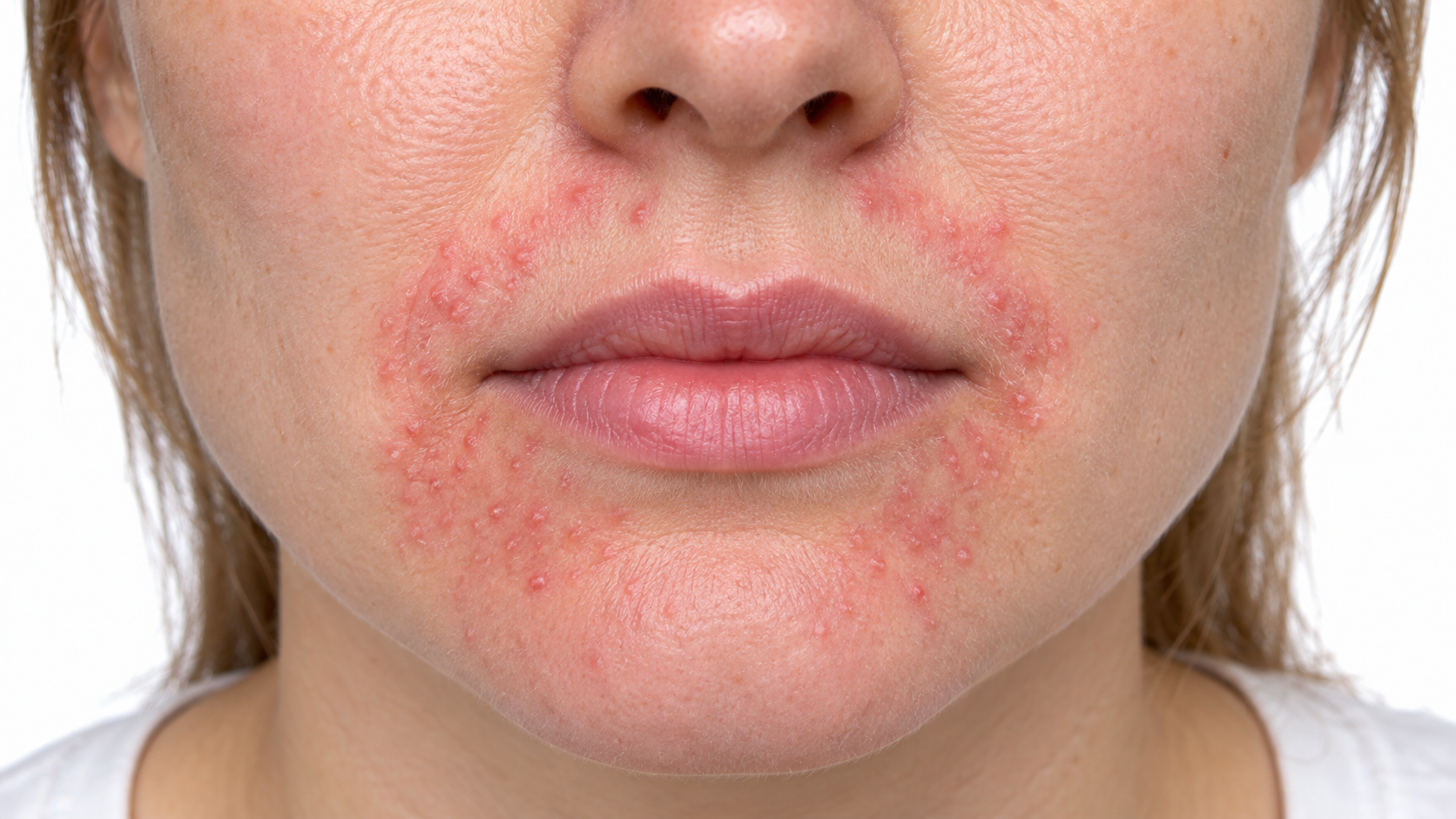
Acne influenced by hormones, often recurring in adults or around menstrual cycles. Perioral dermatitis is a rash of small bumps and fine flaking around the mouth, and sometimes around the nose and eyes. Steroid creams are the most common trigger, and they are also what makes it worse in the long run. It clears with the right treatment, but slowly.
The same eight facts on every condition comparison.
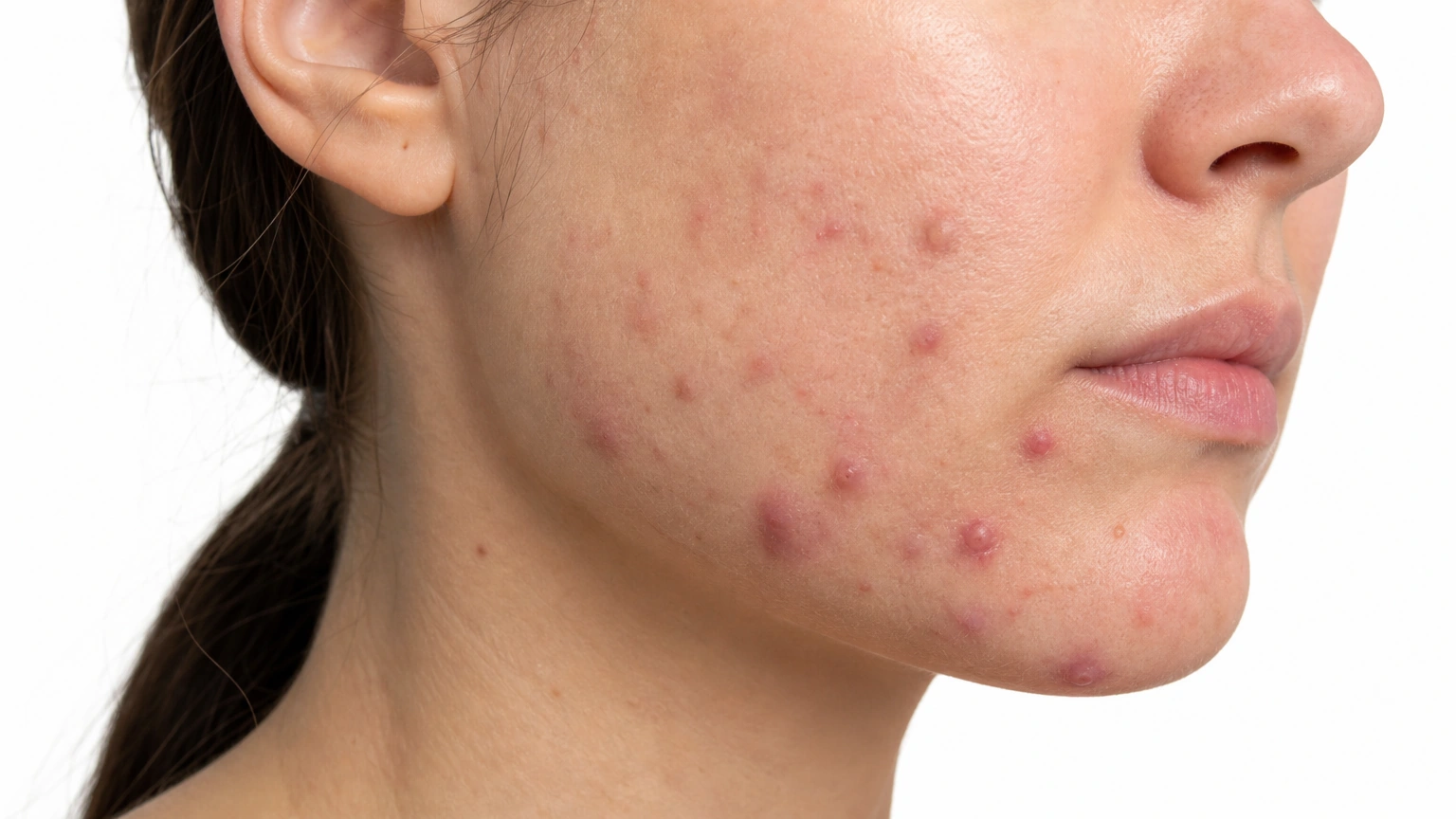
Hormonal Acne Inflamed spots cluster around the lower cheek, jawline, and chin.
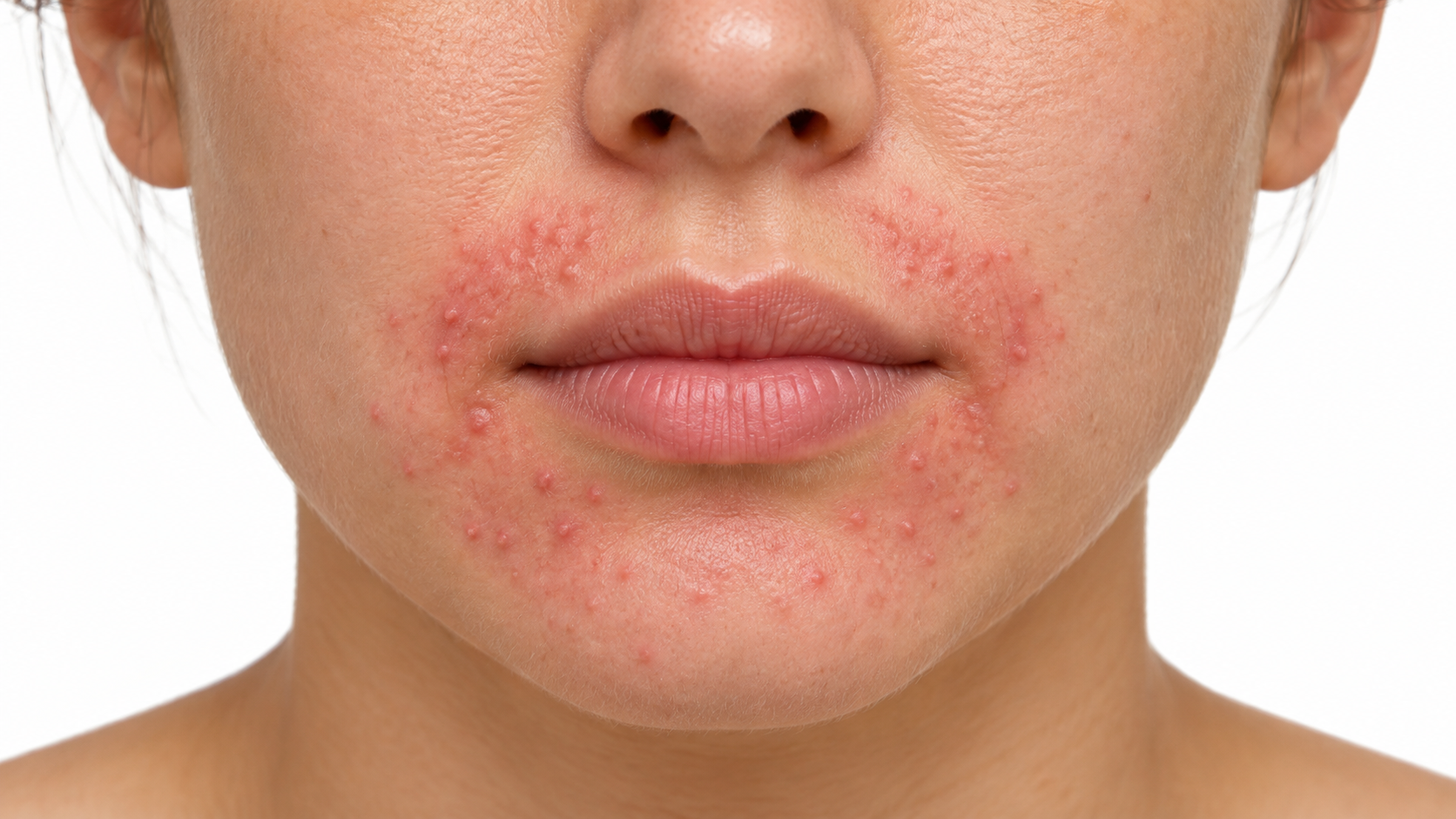
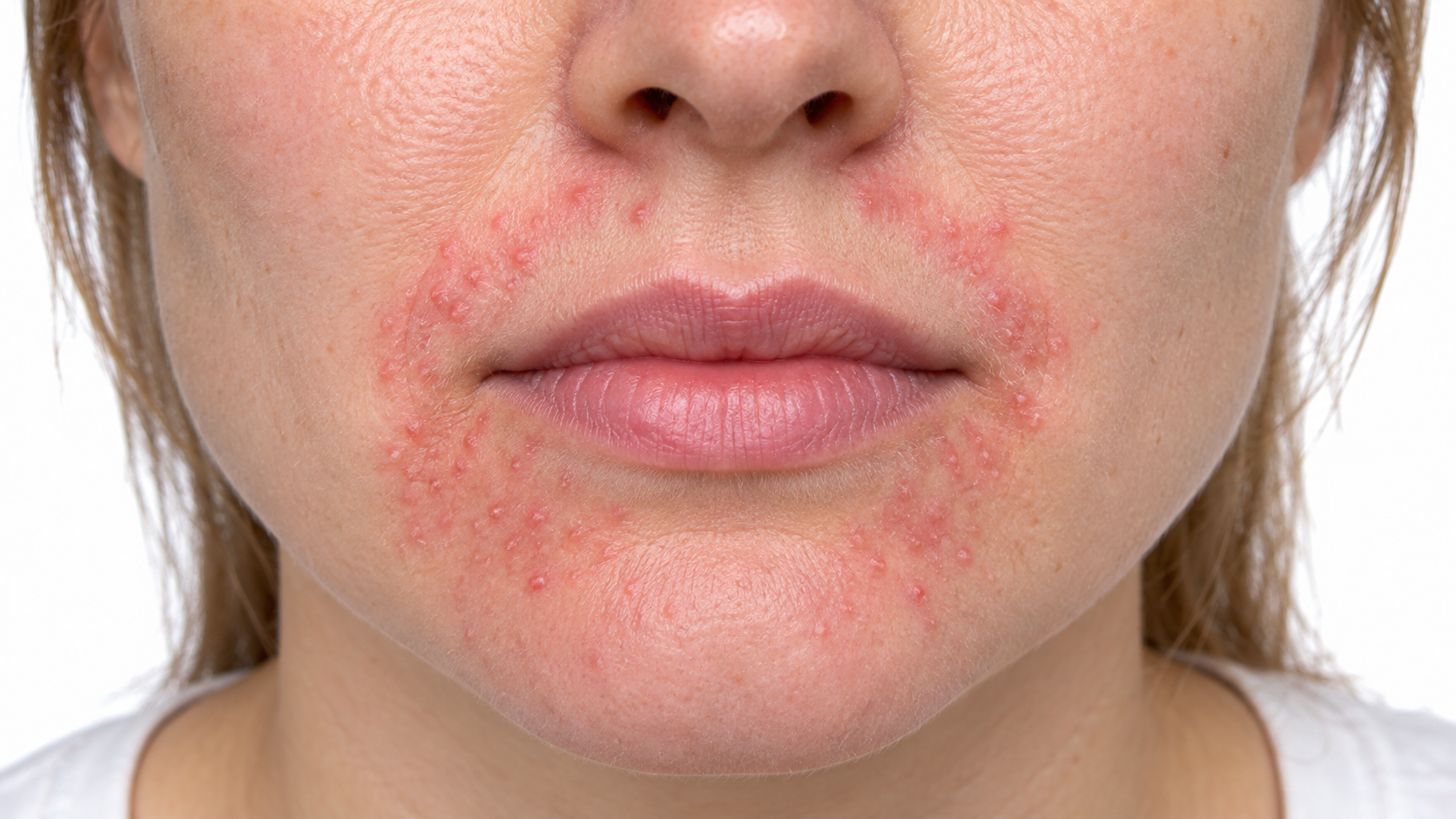
Perioral dermatitis Around the mouth.
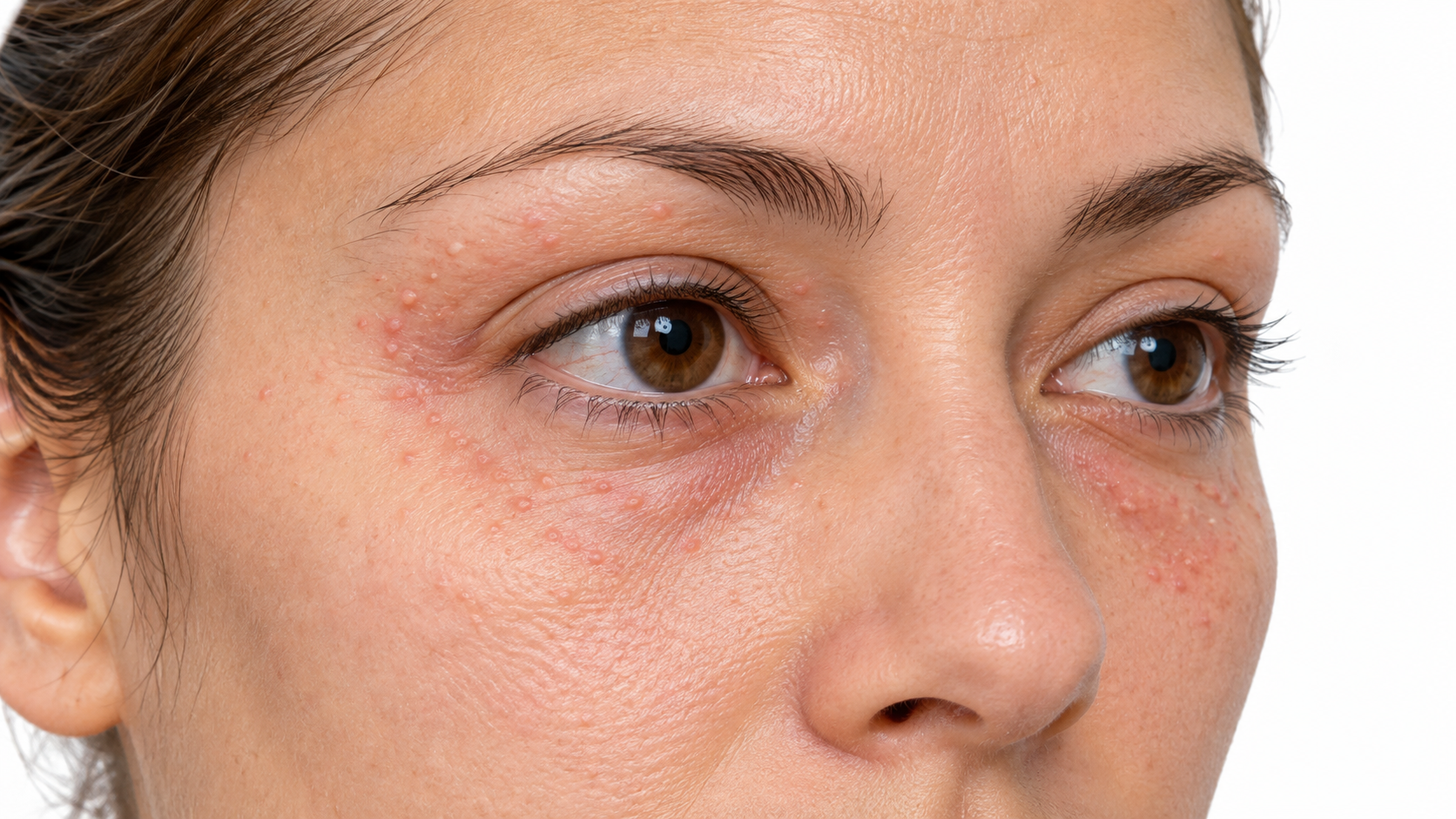
Periorbital dermatitis Around the eyes.
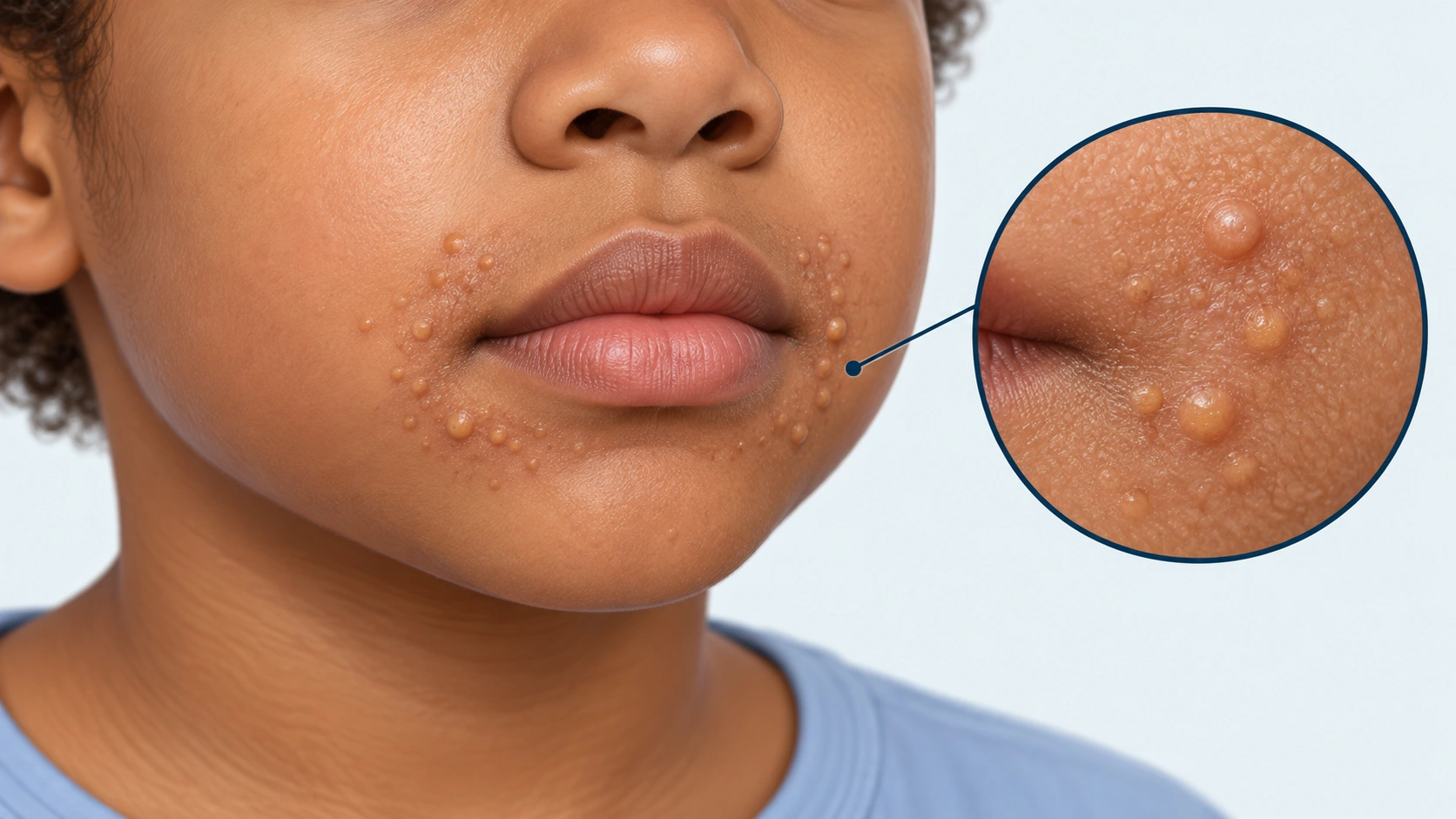
Granulomatous periorificial dermatitis Skin-colored or yellow bumps, often in children.
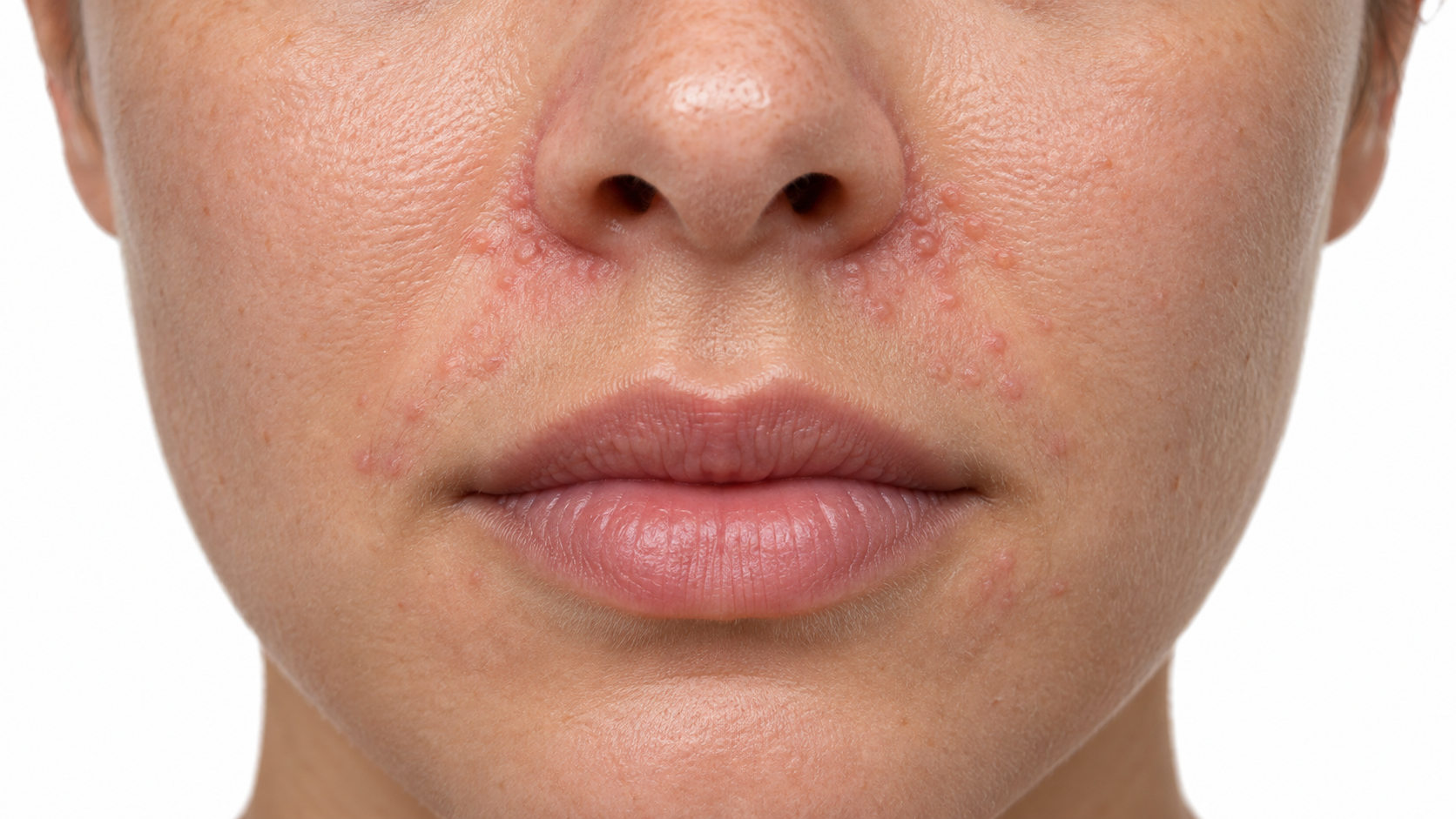
Perinasal dermatitis Can spread to the nose folds.
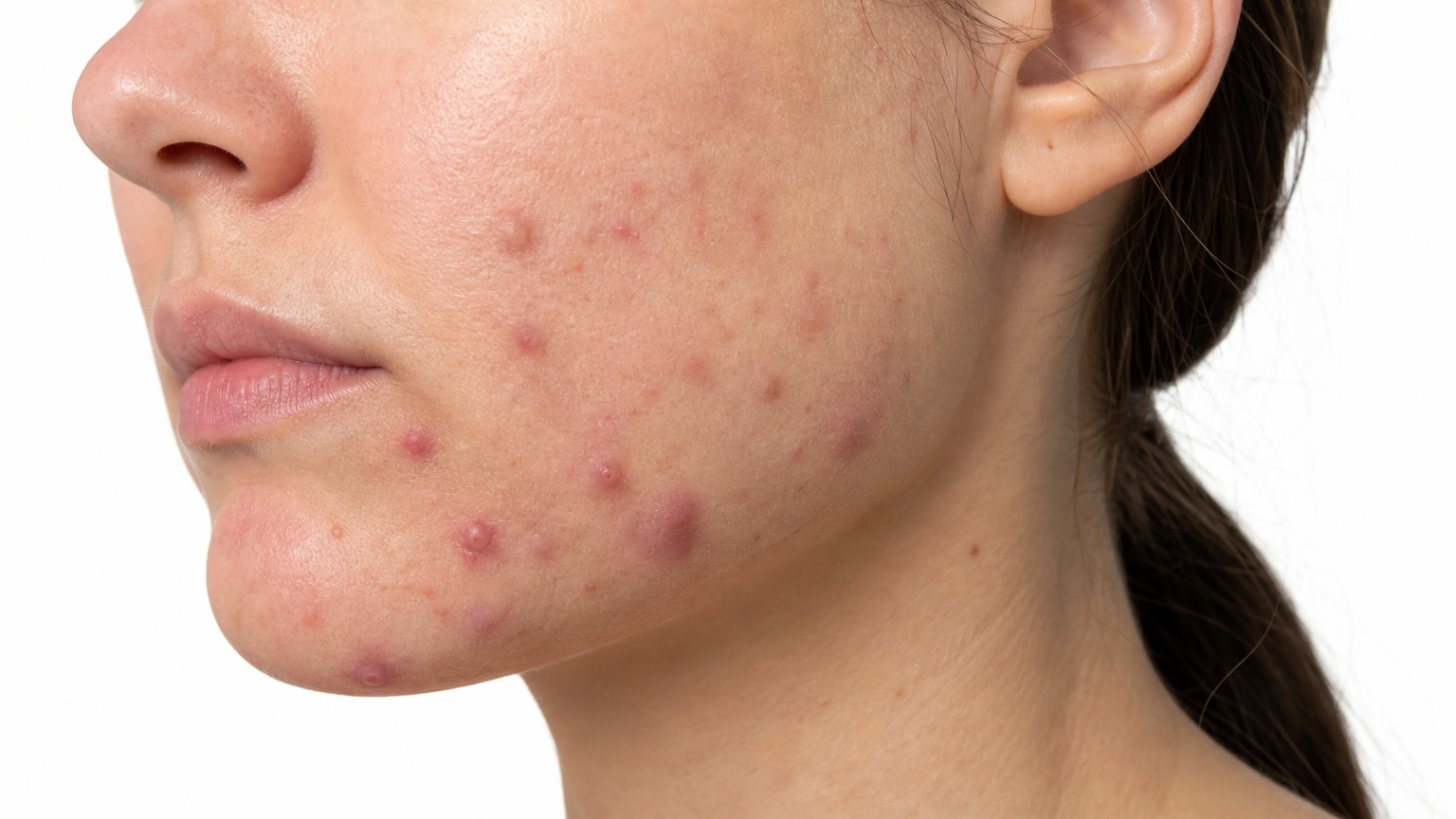
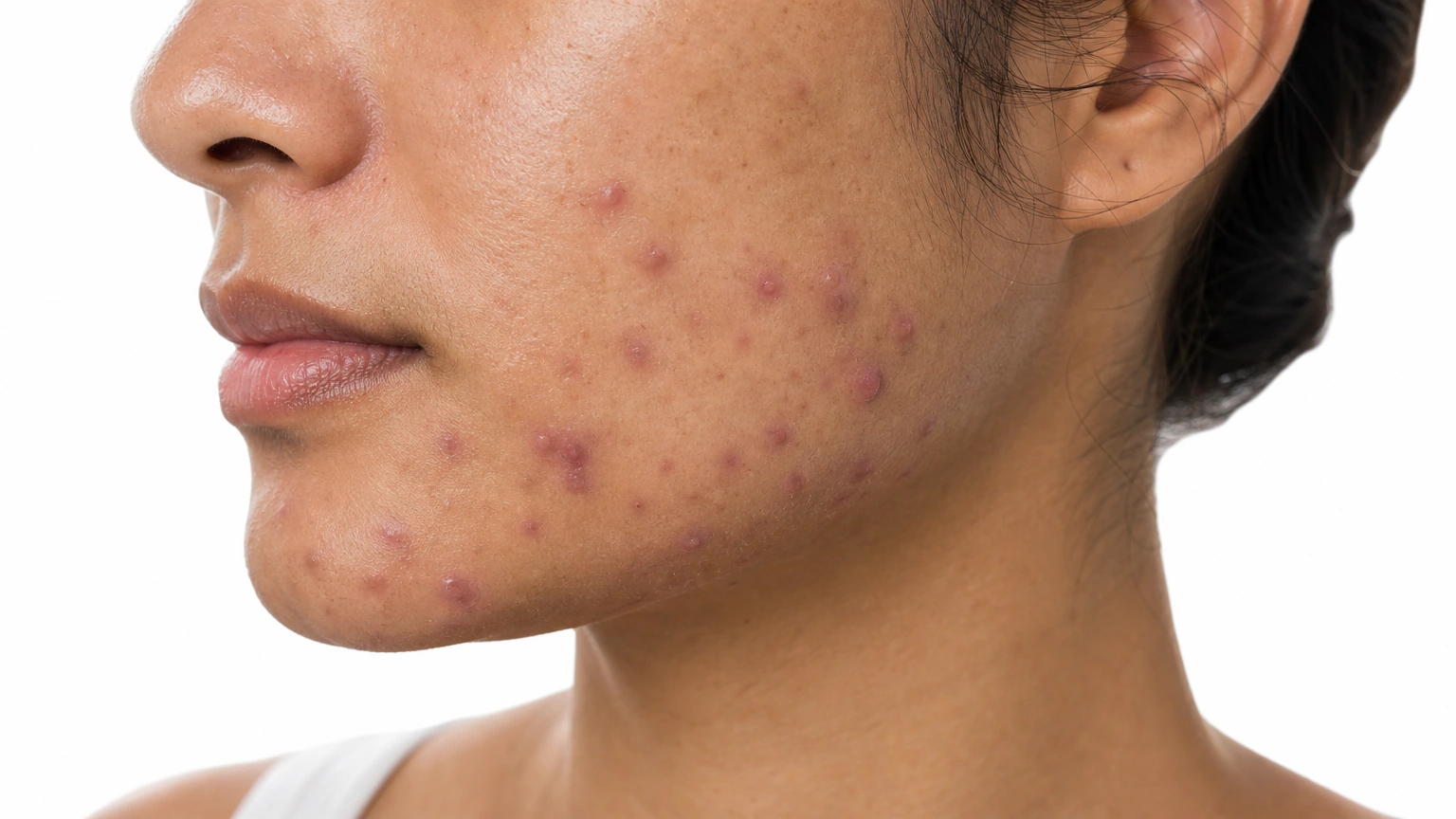
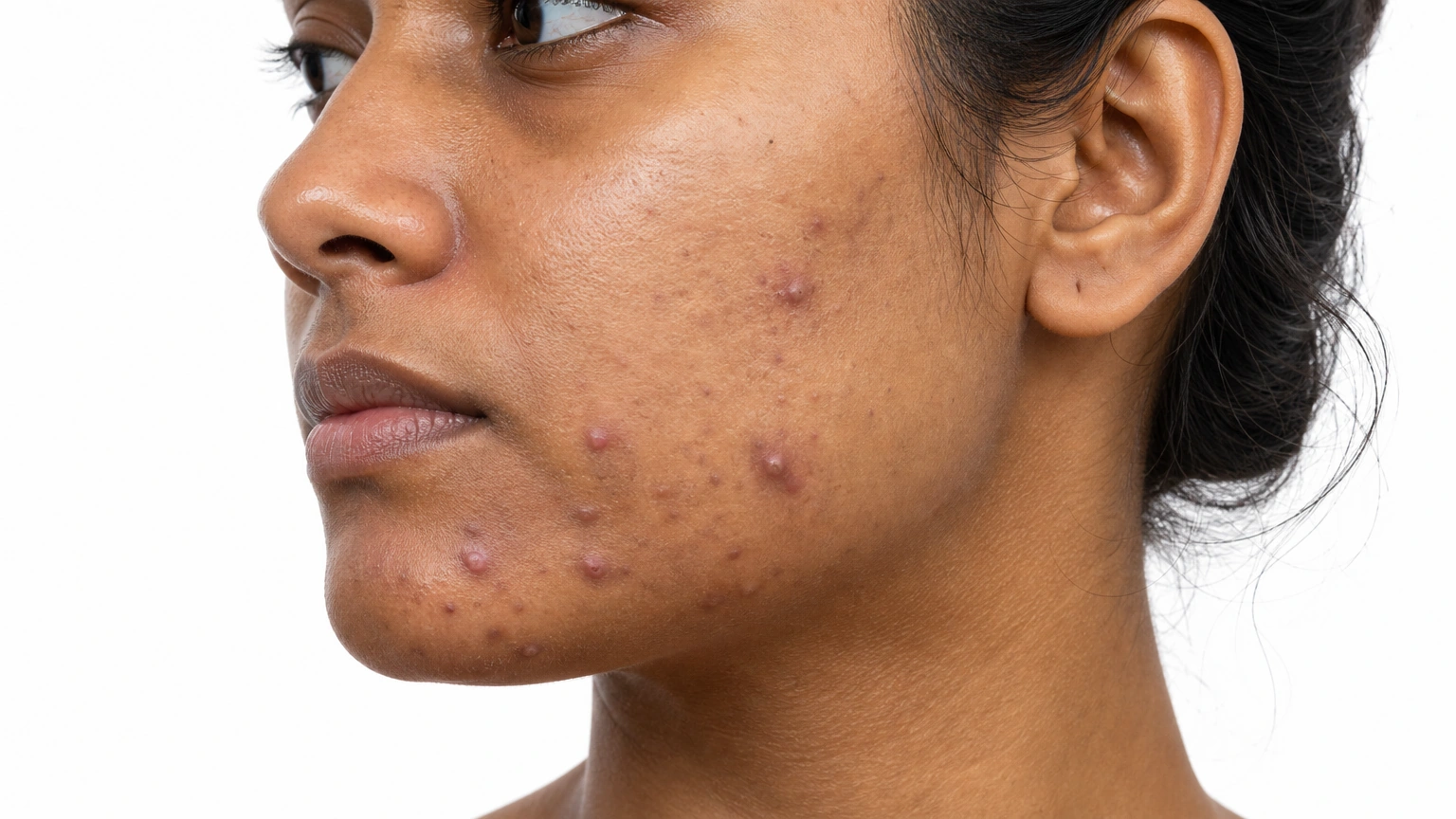
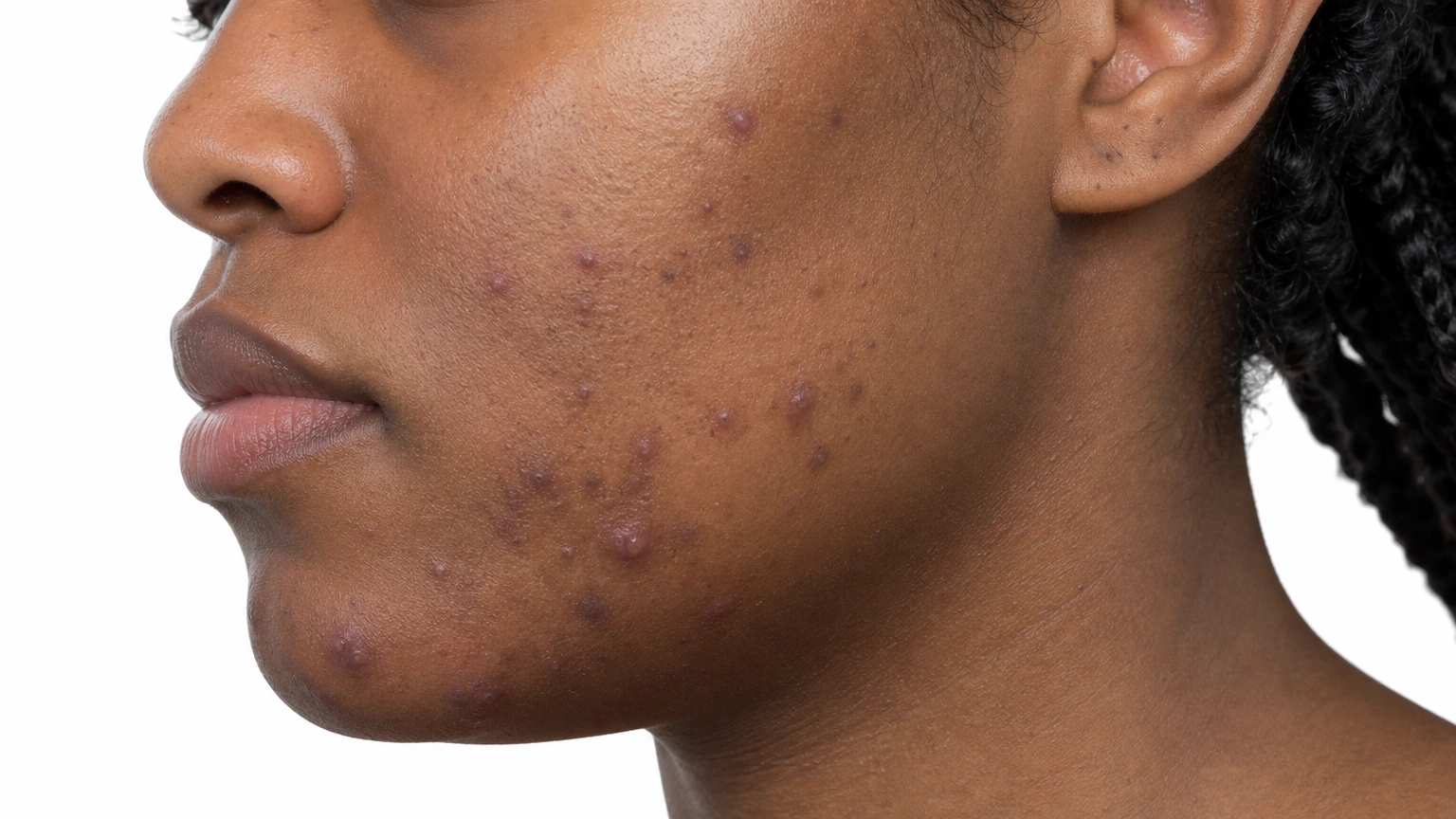
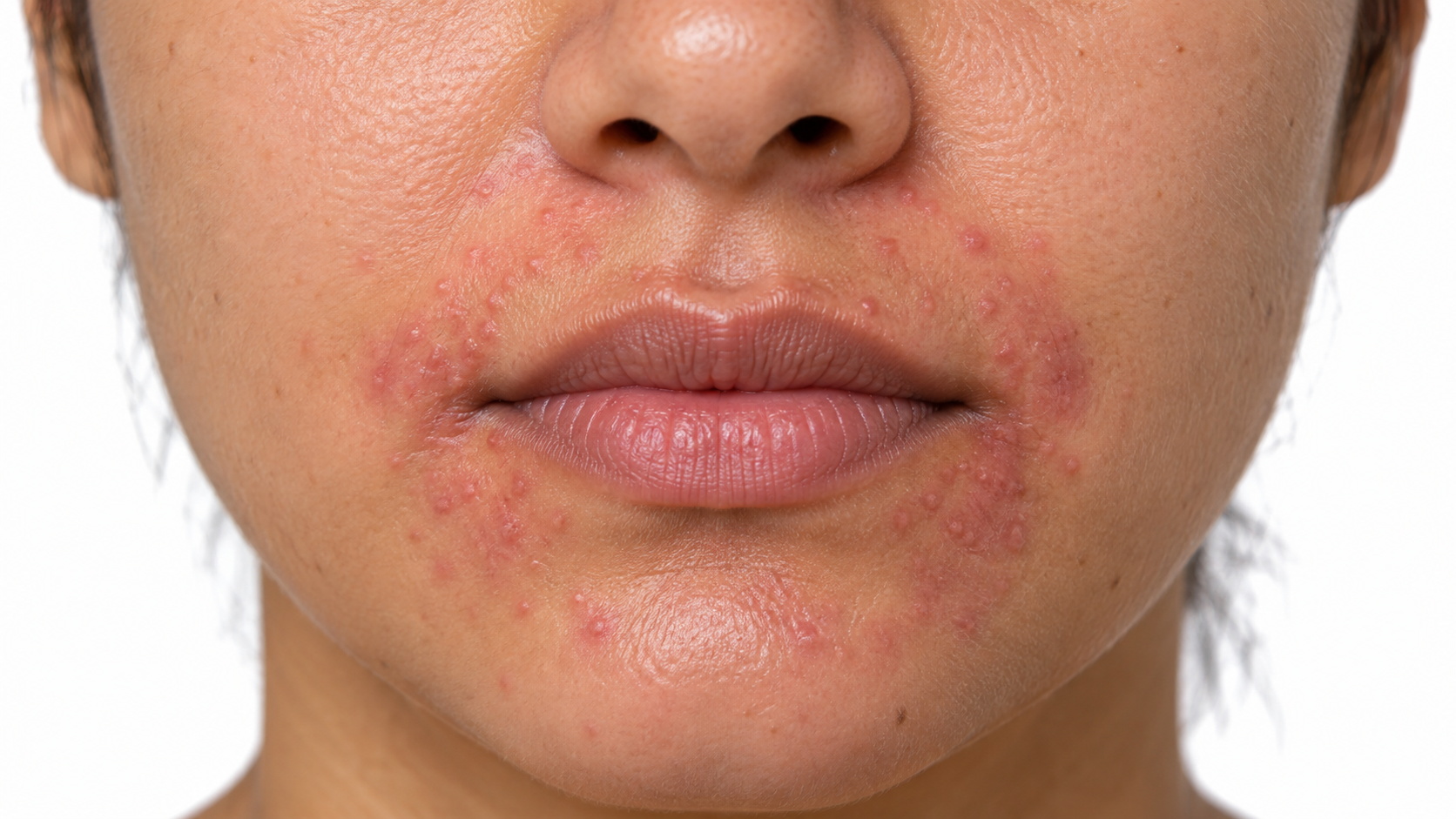
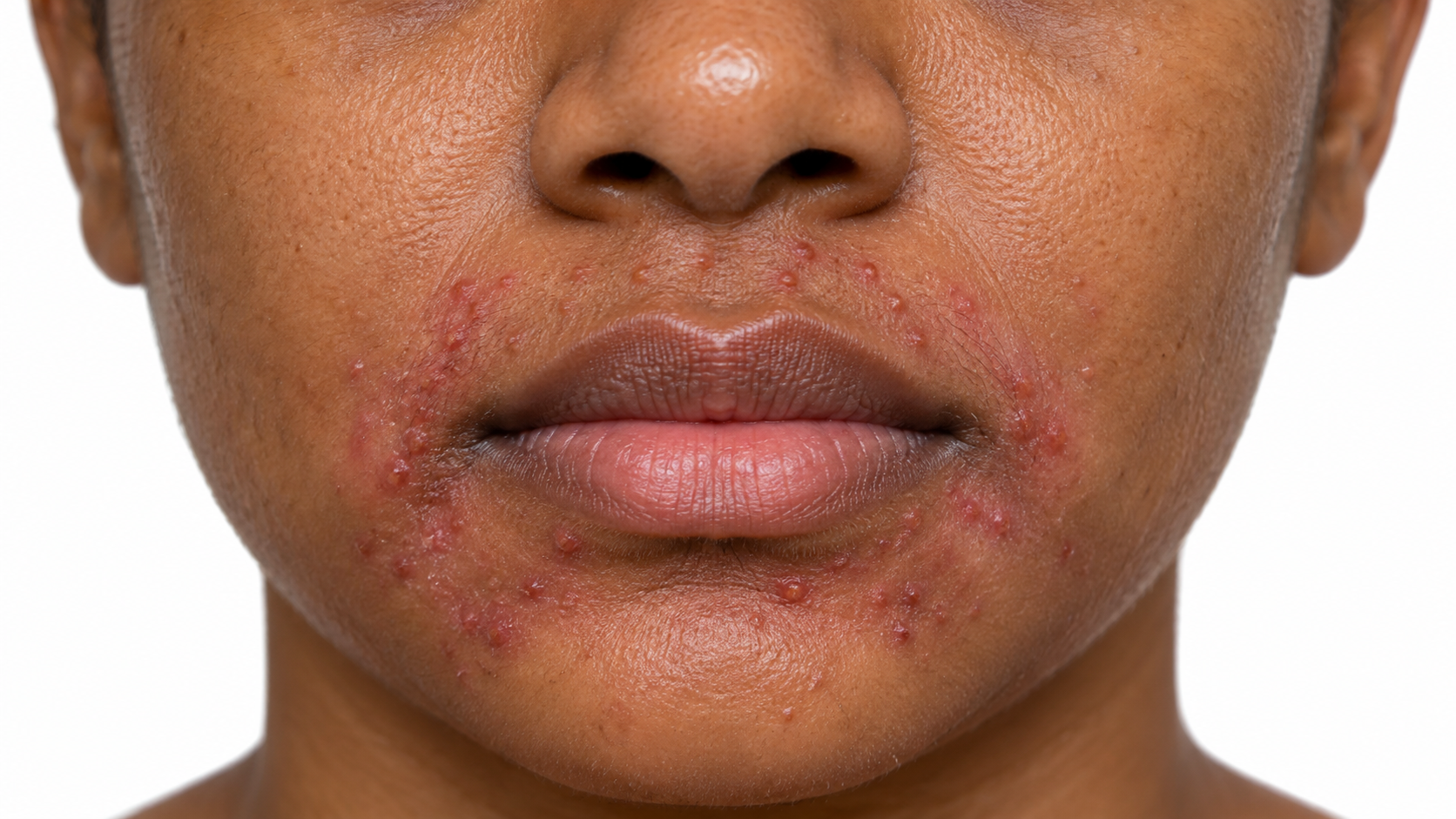
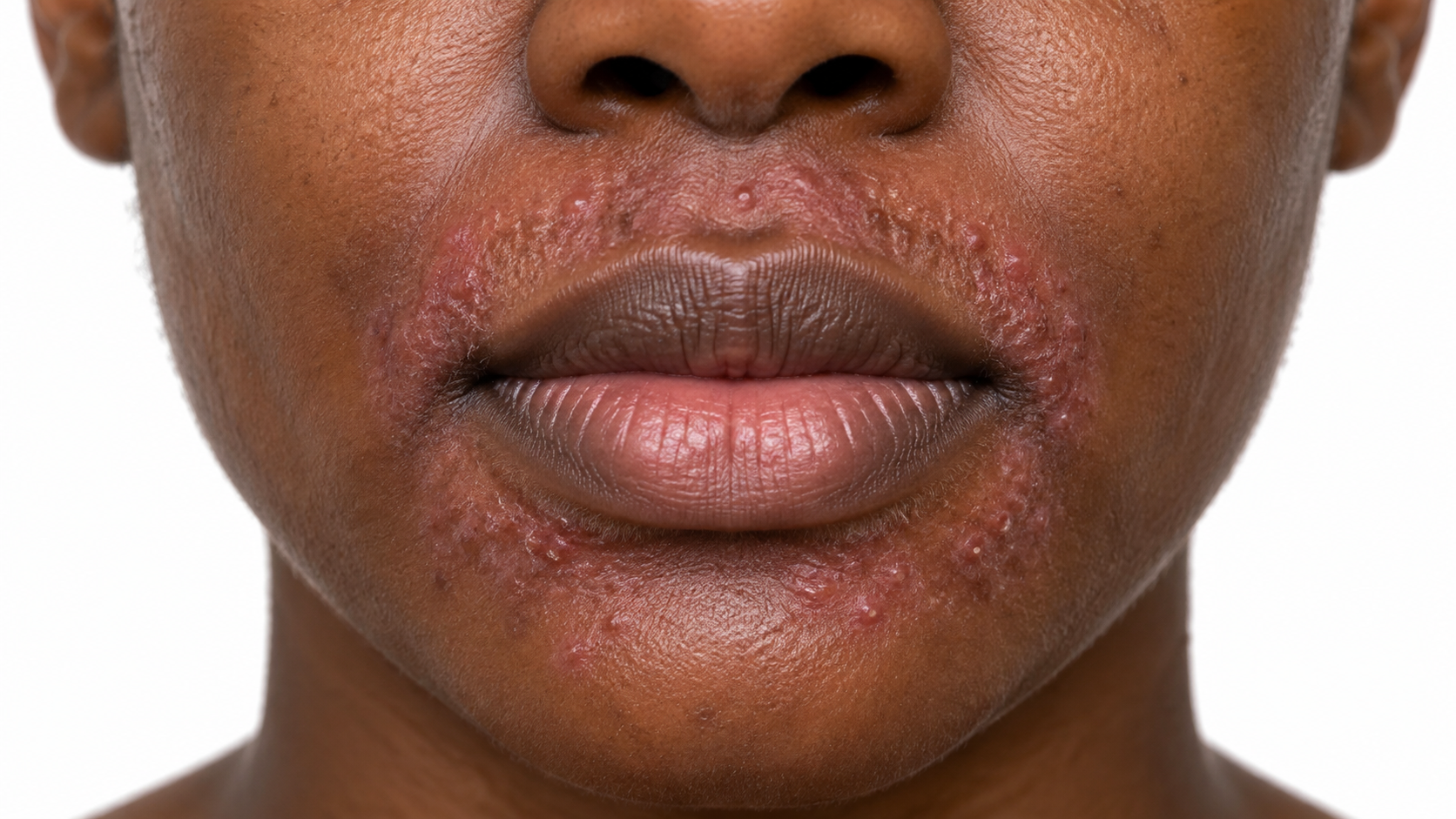
Hormonal influences can increase oil production in acne-prone follicles. Oil, shed cells and inflammation then contribute to blocked pores and breakouts.
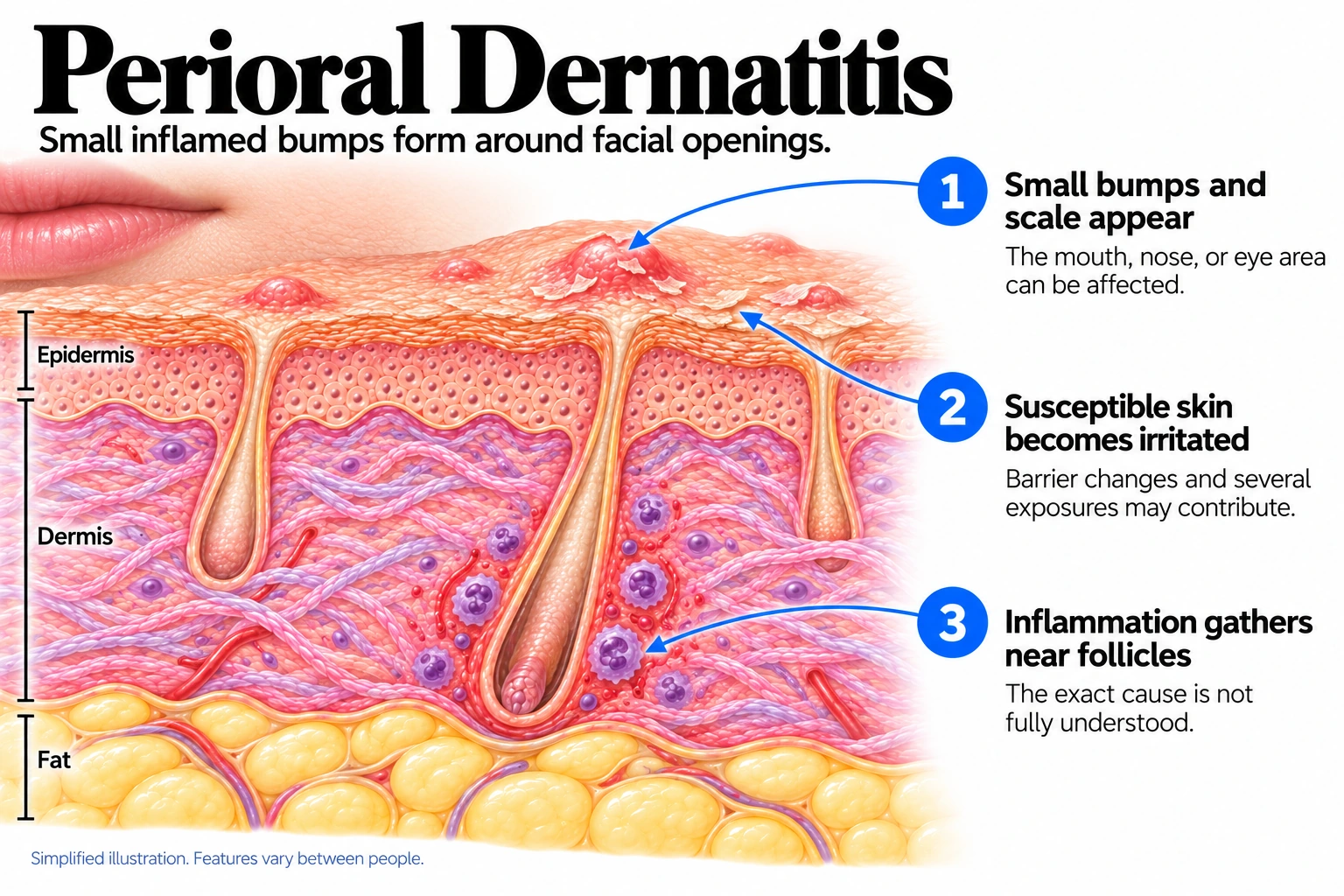
Inflammation near small facial follicles produces bumps and scale around the mouth, nose or eyes. Barrier changes and several exposures may contribute, but the exact cause is not fully understood.
Hormonal Acne. Often begins around puberty; adult acne can persist or start later.
Perioral Dermatitis. Common in younger adult women but can also affect children and other adults.
Oil and shed skin cells block hair follicles; inflammation can develop around them.
Perioral dermatitis is an inflammatory rash around the mouth. The exact cause isn't known, but it is strongly linked to steroid creams and heavy products on the face.
Evidence labels come from each condition’s own treatment list.
Helps prevent blocked pores alongside an appropriate treatment plan. Avoid retinoids during pregnancy.
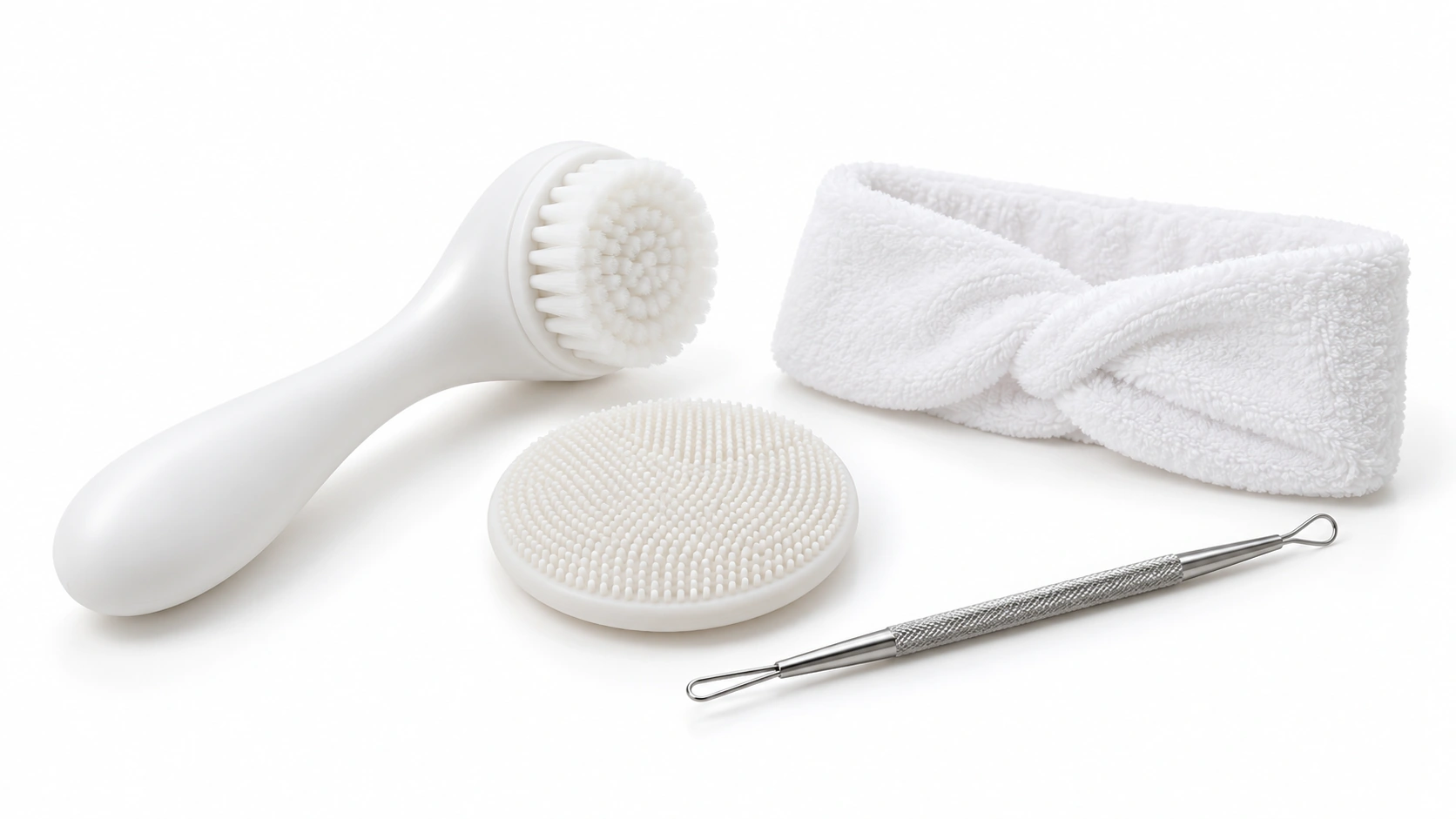
Benzoyl peroxide, strong exfoliating acids and scrubs are what most people reach for, because this looks like acne. They damage the barrier further and usually make the rash angrier. If a product is stinging more than it was on day one, that is a reason to stop it, not to push through.
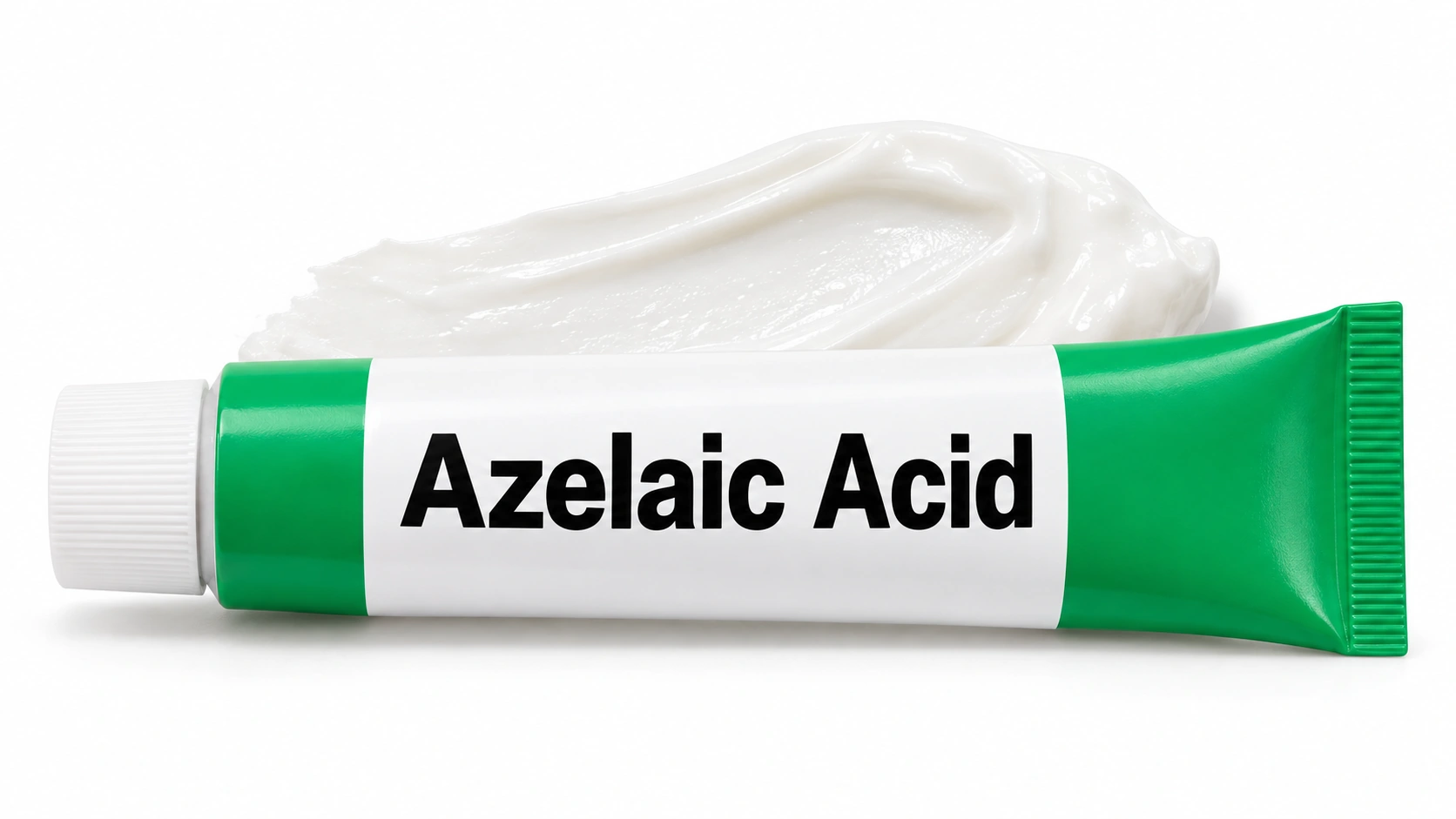
The one over-the-counter active worth using here. At 10 percent it calms the bumps and, unusually, also helps the dark marks the rash leaves behind. It is slower than the prescription version and it can sting on skin that is already burning, so start every other night.
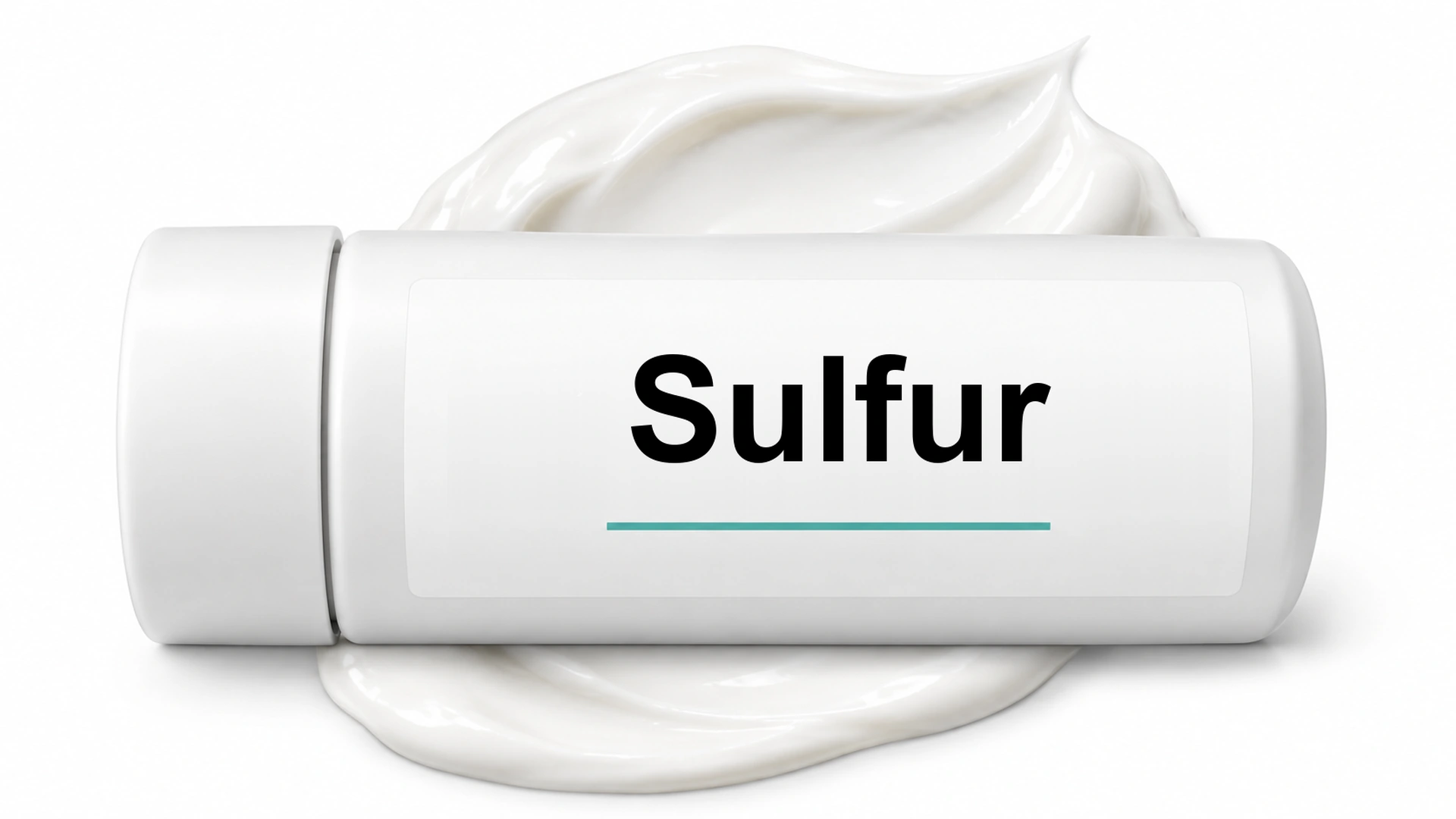
A sulfur wash or lotion is a gentler option for mild cases, and it is often chosen when someone cannot use the usual prescriptions. The evidence for it in this condition is thin, and the smell puts people off. It is worth a few weeks, not a few months.
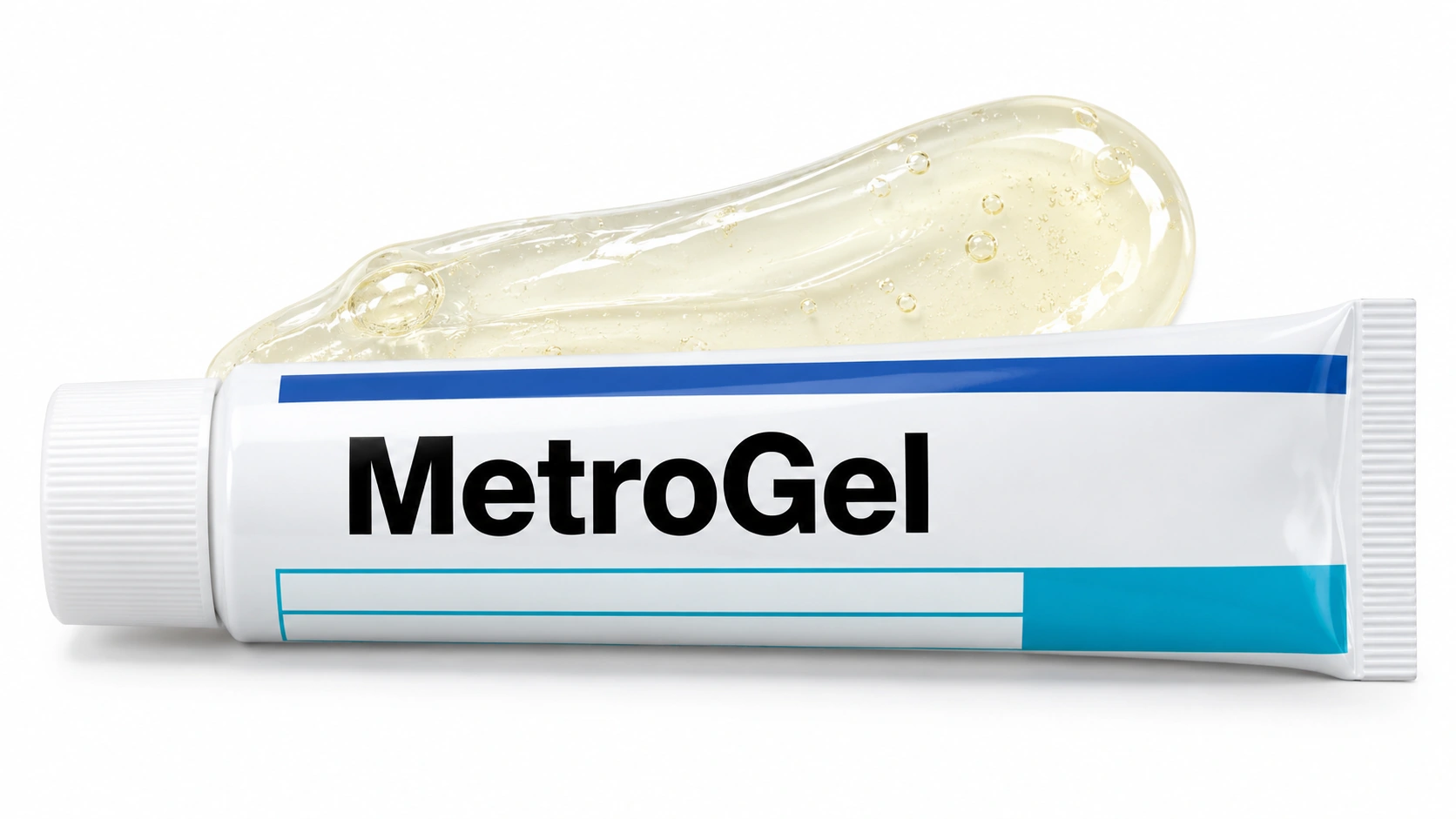
The long-standing first choice for perioral dermatitis, used once or twice a day for weeks. It is well tolerated on skin that is already sore, which matters here. Expect little in the first fortnight, clear improvement by weeks three to six, and keep going for two to four weeks after the skin looks clear.
A non-steroid anti-inflammatory cream sometimes used to get through the rebound after a steroid is stopped, and around the eyes where other options are awkward. It calms the skin without the rebound a steroid causes. Results in this condition are mixed, and it can burn for the first few days.
As effective as metronidazole here, and the better pick if the rash has left dark marks, because it works on both. It stings for the first week or two on inflamed skin. Applied twice a day, it is a reasonable alternative rather than a step up.
An antibiotic lotion or gel kept for cases that do not settle on the first choice, sometimes paired with it. It calms the bumps rather than the flaking. It is not used on its own for long stretches, to limit resistance.
Used when Demodex mites around the hair follicles are thought to be part of the picture, which is more likely in a stubborn case with a lot of small pus-filled heads. Most of its evidence comes from rosacea rather than this condition. It is a second or third choice, not a starting point.
An option for suitable patients with hormonally influenced acne; requires individual assessment and is avoided in pregnancy.
Erythromycin for children. When a child needs tablets, a macrolide is chosen instead of a tetracycline, which is avoided under about eight because of the effect on developing teeth. It clears the widespread childhood form well. Stomach upset is the usual reason people stop it.
A tetracycline tablet taken for six to twelve weeks, used when the rash is widespread, stubborn or around the eyes. It works here as an anti-inflammatory rather than by killing an infection, so a low dose is often enough. It makes the skin burn more easily in the sun, and it is not used in young children or in pregnancy.
An alternative tetracycline when doxycycline does not suit. It works about as well for this rash. It is used more cautiously because it can cause dizziness and, rarely with long use, a blue-gray discoloration of the skin.

Accutane (isotretinoin). A low dose is occasionally used for the granulomatous form or for a case that has failed everything else, and it is rare for this condition to need it. The evidence is a handful of small reports rather than trials. It requires close monitoring and strict pregnancy prevention, and it can dry the face enough to irritate the rash at first.
Hormone-related breakouts can continue into adulthood and often recur. A suitable treatment plan can improve control, but ongoing treatment may be needed.
Perioral dermatitis does not usually settle by itself. The steroid cycle defines its course - a cream calms the rash within a day or two, then it returns worse once the cream stops. Once treatment starts the arc is predictable, and the first part is worse before better.
Inflamed acne can leave dark marks or permanent scars and affect confidence.
The steroid rebound cycle
A steroid cream calms the rash within a day or two, then it returns worse when the cream stops. Each round tends to need more steroid for less benefit, and the condition gets harder to treat. It is the most common complication of perioral dermatitis and the main reason cases drag on for months. Stopping the steroid, and expecting one to two bad weeks, is what breaks it.
Spread around the eyes
The same rash can move up onto the eyelids and the skin around the eyes. It is uncomfortable there, it takes longer to settle, and treatment has to be chosen carefully because of how close it is to the eye. If the eyes themselves become red, gritty or sore, or your vision changes, that needs looking at on its own and soon.
Months of a visible facial rash
This rash sits in the middle of the face, it burns through the day, and it commonly takes two to three months to clear even when treatment is right. People cover it with heavier makeup, which feeds the problem, and many stop seeing friends or go to work uncomfortable. It is worth saying out loud at the appointment, because it changes nothing about the diagnosis and quite a lot about how the plan is set up.
Seek assessment for persistent acne, scarring, irregular periods or new excess facial hair.
Seek assessment for persistent facial bumps, especially after steroid cream use. Discuss a safe plan for stopping facial steroids rather than repeatedly restarting them.
Acne influenced by hormones, often recurring in adults or around menstrual cycles.
Use a gentle cleanser, non-comedogenic moisturizer and sunscreen. Do not squeeze or scrub spots.
Seek assessment for persistent acne, scarring, irregular periods or new excess facial hair.
Steroids suppress inflammation quickly, so the rash fades within a day or two. They do nothing about what drives it, and when the cream stops the inflammation returns stronger, needing more steroid for less benefit. That is why the first step is always to stop.
Longer than most people expect. The first one to two weeks off a steroid are usually worse, improvement becomes clear around weeks three to six, and full clearing commonly takes two to three months. Judging at two weeks means judging it at its worst.
No, though it is often treated as acne first. Acne produces blackheads and whiteheads, across the face, chest and back. Perioral dermatitis produces uniform grouped bumps around the mouth, nose or eyes, with a clear rim next to the lips, and it burns rather than itches.
For a few weeks, mostly yes. Heavy occlusive products are a main trigger, and layered actives keep the barrier damaged. A gentle cleanser, a light moisturizer if needed, and sunscreen is the whole routine while it clears. Products go back one at a time afterward.
Most people clear and stay clear. When it returns there is usually an identifiable reason - a steroid cream for something else, a new heavy moisturizer, or a long routine again. Knowing your trigger is most of the prevention.
No. Never stop a prescribed inhaler on your own. Rinsing your mouth and washing the skin around it after every dose cuts the residue reaching your face, and your dermatologist can talk to whoever manages your asthma if the inhaler is the driver.
Sources
