Acne
Reduces inflamed spots with benzoyl peroxide.
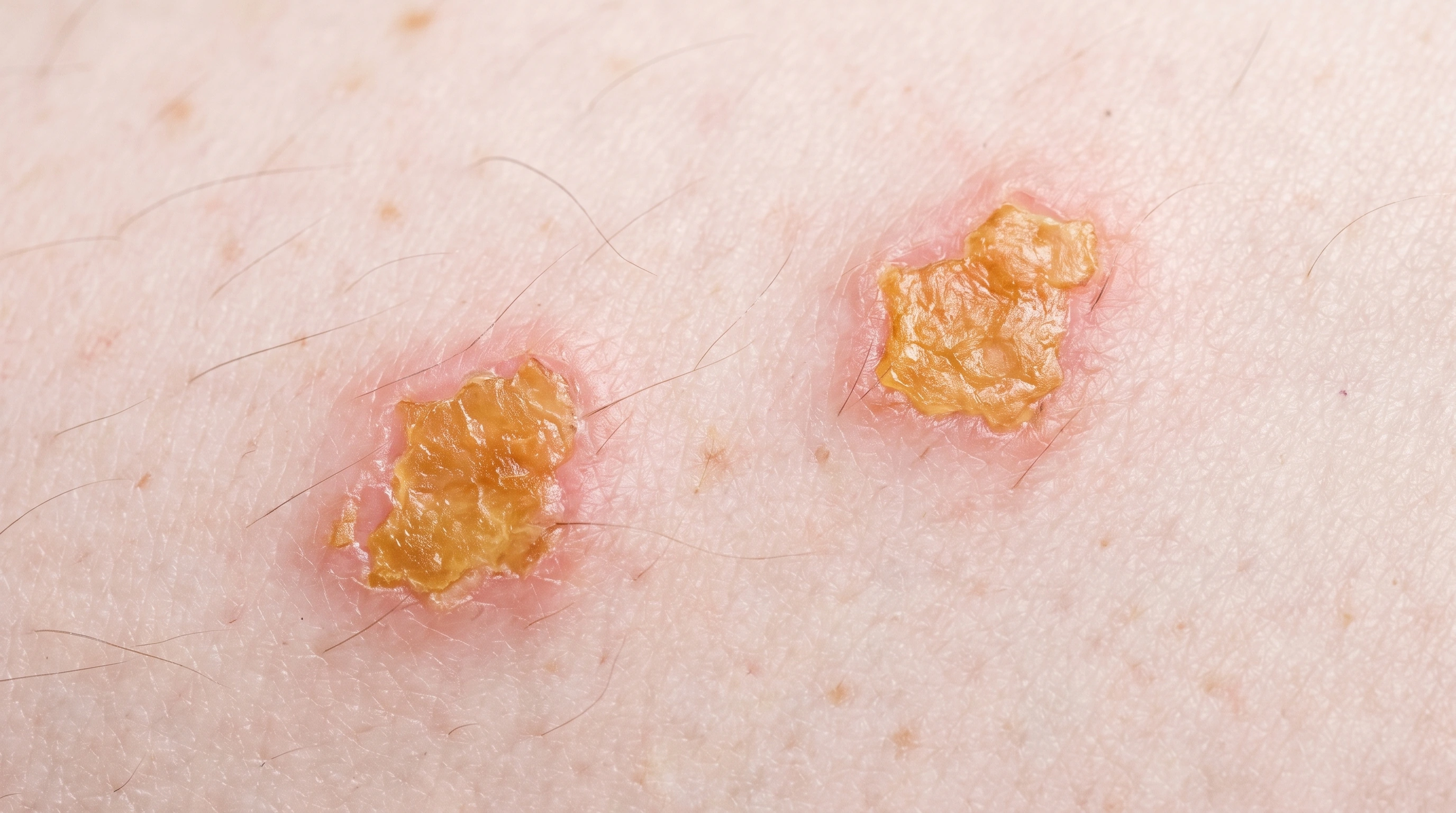
Clindamycin: A prescription antibiotic lotion, gel or foam for inflamed acne. It should never be used on its own, because bacteria become resistant to it quickly. Mupirocin: A prescription antibiotic ointment for a small patch of impetigo or an infected cut. It is deliberately kept for those jobs, because casual use is what makes it stop working.
Choose for red, inflamed acne as a short-term partner to benzoyl peroxide or a retinoid — never on its own.
Choose for a small patch of impetigo or an infected cut — kept for those jobs so it keeps working.
Can you take them together?
They treat different things: mupirocin for skin infections like impetigo, clindamycin for acne. They are not used together on the same spot.
Compare uses by strength of evidence. Evidence level describes confidence in a benefit, not its size.

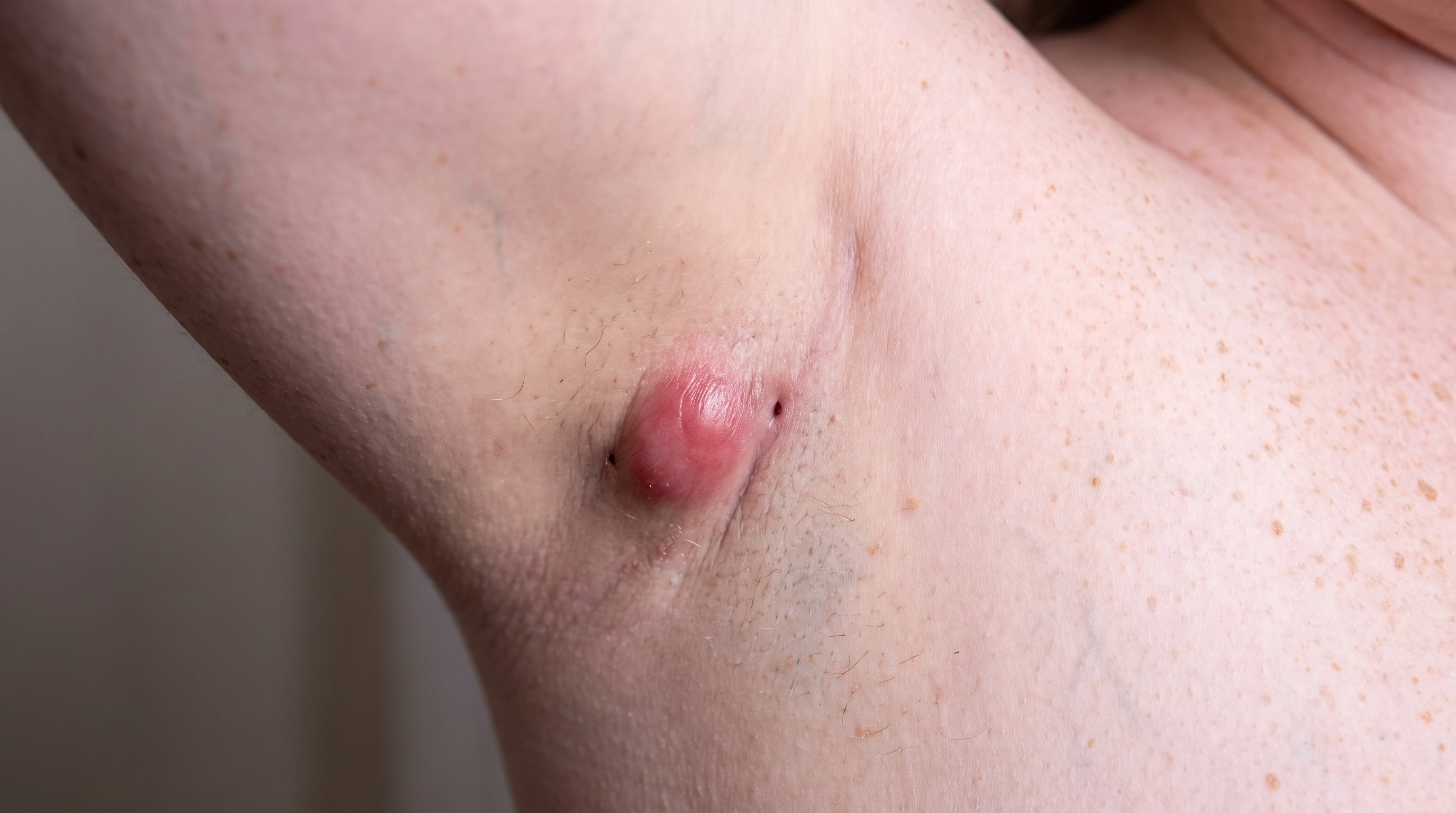
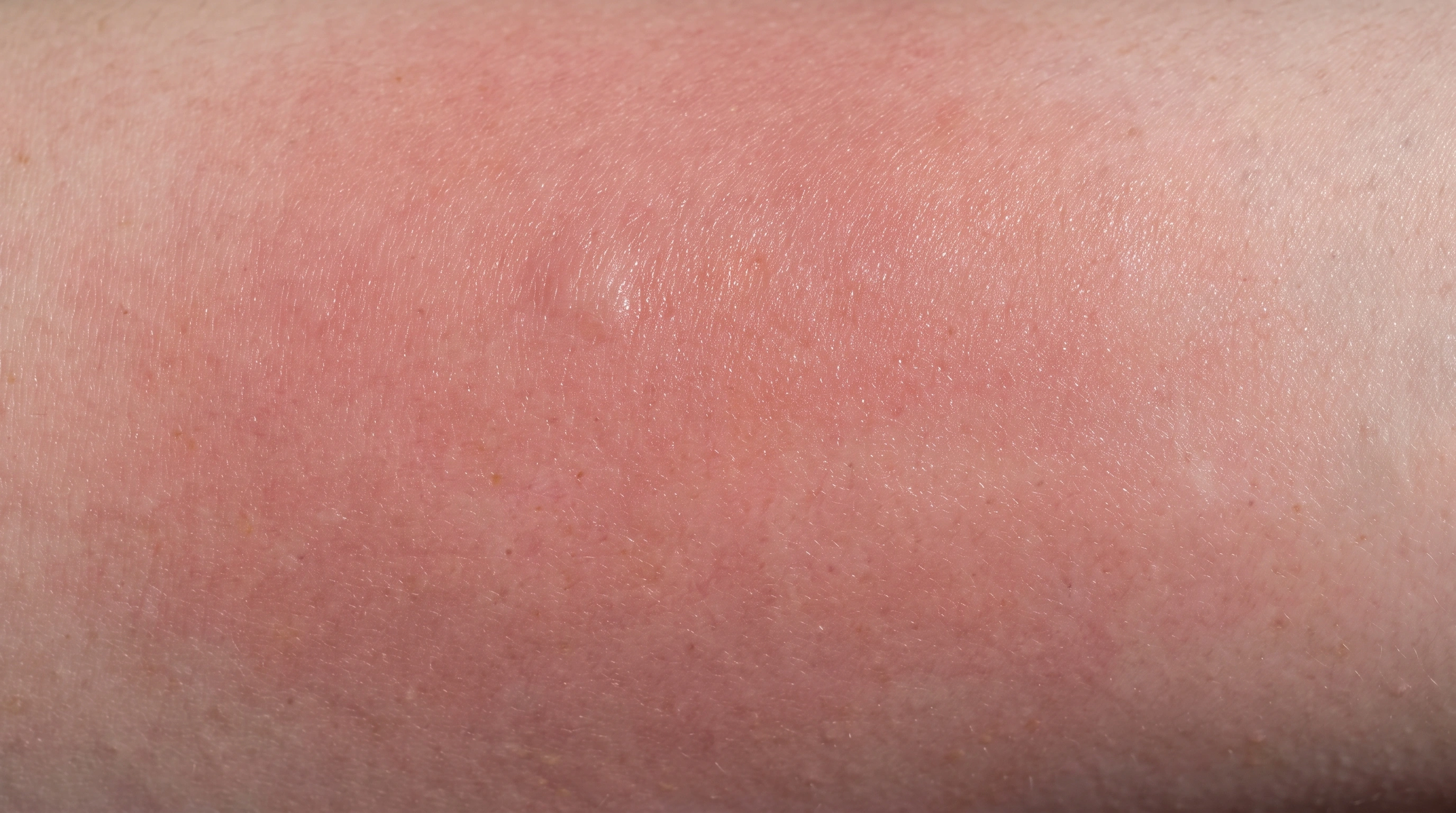
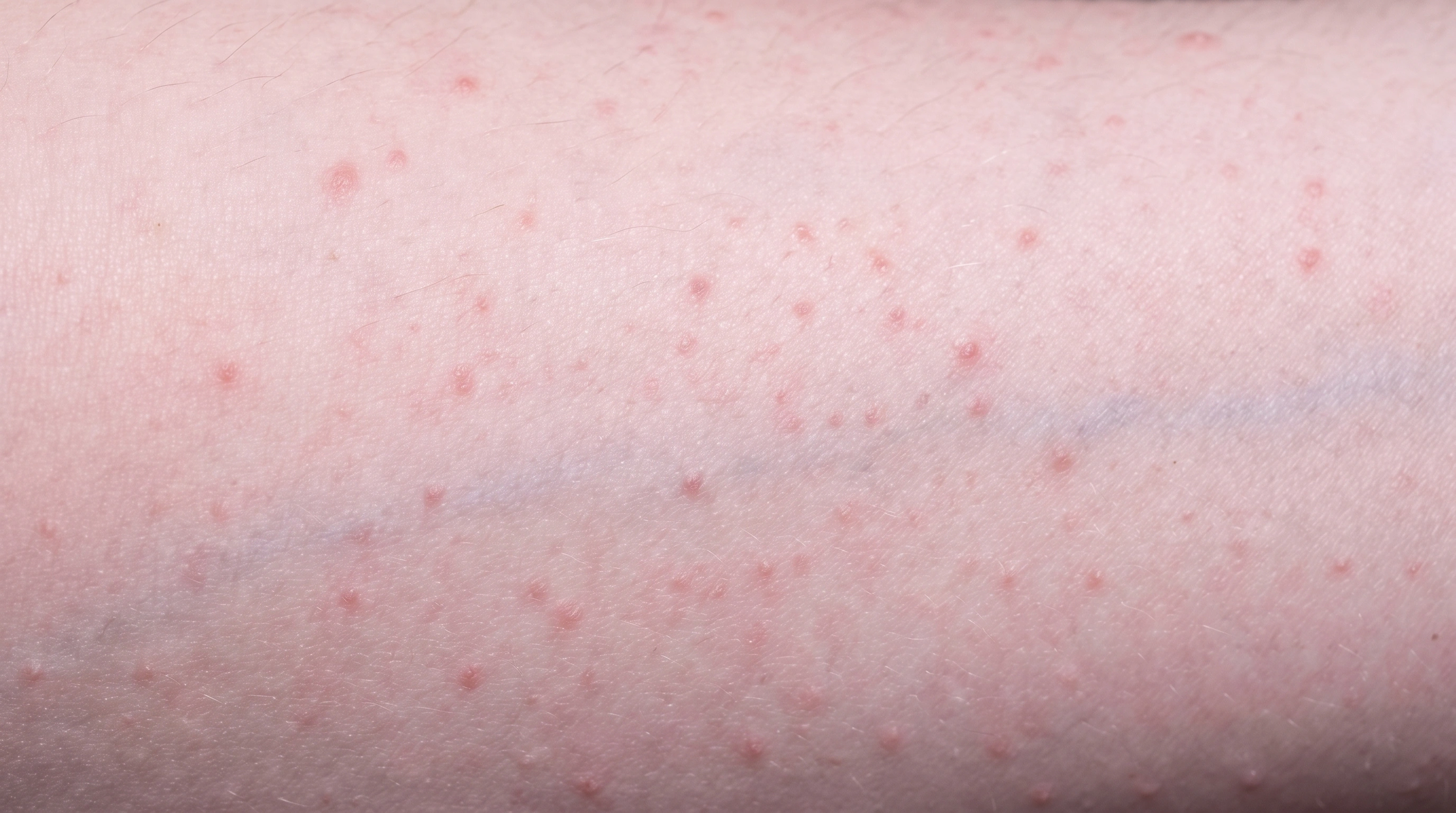

Slows acne bacteria: Blocks the 50S ribosome that bacteria use to make proteins. Limits bacterial growth: Susceptible C. acnes has less ability to multiply. Reduces inflamed spots: Red bumps and pimples can gradually improve.
Bacterial protein-synthesis inhibition is established. The complete acne mechanism and the contribution of individual antibacterial and anti-inflammatory effects are not fully defined. This does not imply direct exfoliation, oil-gland shrinkage, or treatment of resistant bacteria.
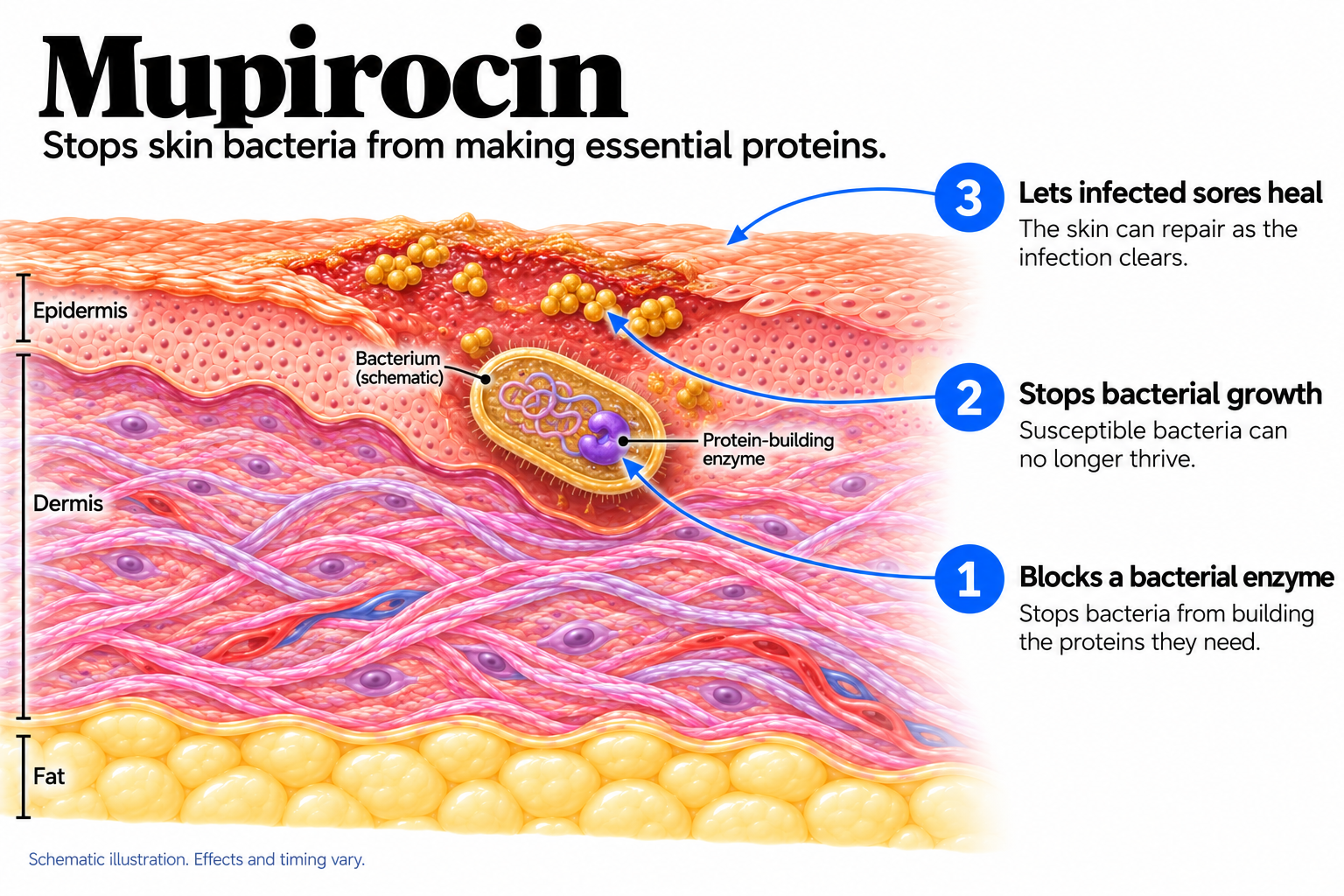
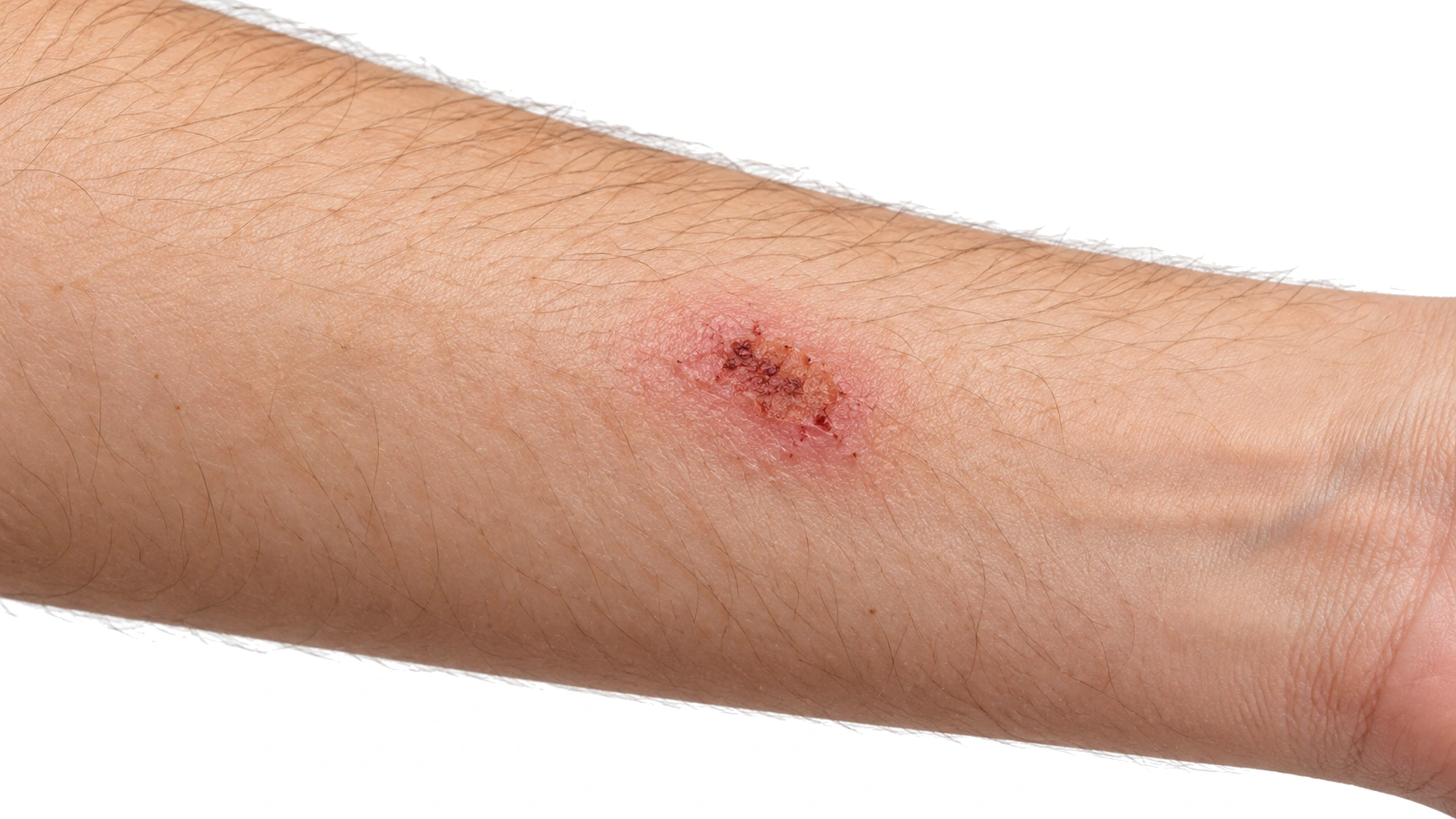
Blocks a bacterial enzyme: Stops bacteria from building the proteins they need. Stops bacterial growth: Susceptible bacteria can no longer thrive. Lets infected sores heal: The skin can repair as the infection clears.
Mupirocin targets bacterial isoleucyl-tRNA synthetase. The schematic does not imply action against fungi or viruses, or suitability for deep infections.
When to Apply: Once or twice a day depending on the product, a thin layer over the whole area, not single spots. With a retinoid at night, clindamycin goes in the morning.
How to Start: Full strength from day one. No ramp-up, because it rarely irritates.
If It Irritates: Uncommon. Mild dryness settles with a moisturizer. Redness or itch that builds over days can be a reaction to the base — stop and ask.
If It’s Not Working: No higher dose. It belongs alongside benzoyl peroxide or a retinoid, so the next move is a partner drug, not more of this one.
When to Apply: A thin layer three times a day on the patch only, after gently washing off loose crust with soap and water. A small dressing over the top is optional and limits spread to other people. Wash your hands before and after.
How to Start: Start the day it is prescribed and use it for five days; a course rarely runs past ten. The nasal ointment is a pea-sized amount in each nostril twice a day for five days, pinching the nose afterwards.
If It Irritates: Mild stinging in the first couple of days is common. Itching, redness spreading past the treated area, or new small blisters point to an allergy rather than a worsening infection — stop and ask.
If It’s Not Working: Impetigo should look clearly better by day three to five. If it is spreading, weeping more, painful, or you feel feverish, that needs an antibiotic by mouth rather than more ointment.
No blood tests. Monitoring is clinical — at eight to twelve weeks, has the inflamed acne improved.
Not a drug to stay on for years. Bacterial resistance builds with use, which is why a course that worked once may not work again. Stop once acne is controlled and hold the result with a retinoid and benzoyl peroxide.
No blood tests and no laboratory monitoring for ordinary use.
Monitoring is a look at the patch on day three to five. Clear improvement means finish the course. Spreading, pain, fever or swollen glands means review, and usually a tablet.
If infections keep coming back, a doctor may swab the skin and nostrils to check the bacterium is still sensitive to mupirocin. Repeated courses without that check produce resistant staph.
One group is watched more closely: people with significant kidney impairment treated over large open areas, because the polyethylene glycol base can be absorbed. Not an issue on a small patch.
Approximate windows, not promises.
Weeks 1 to 2Little visible change.
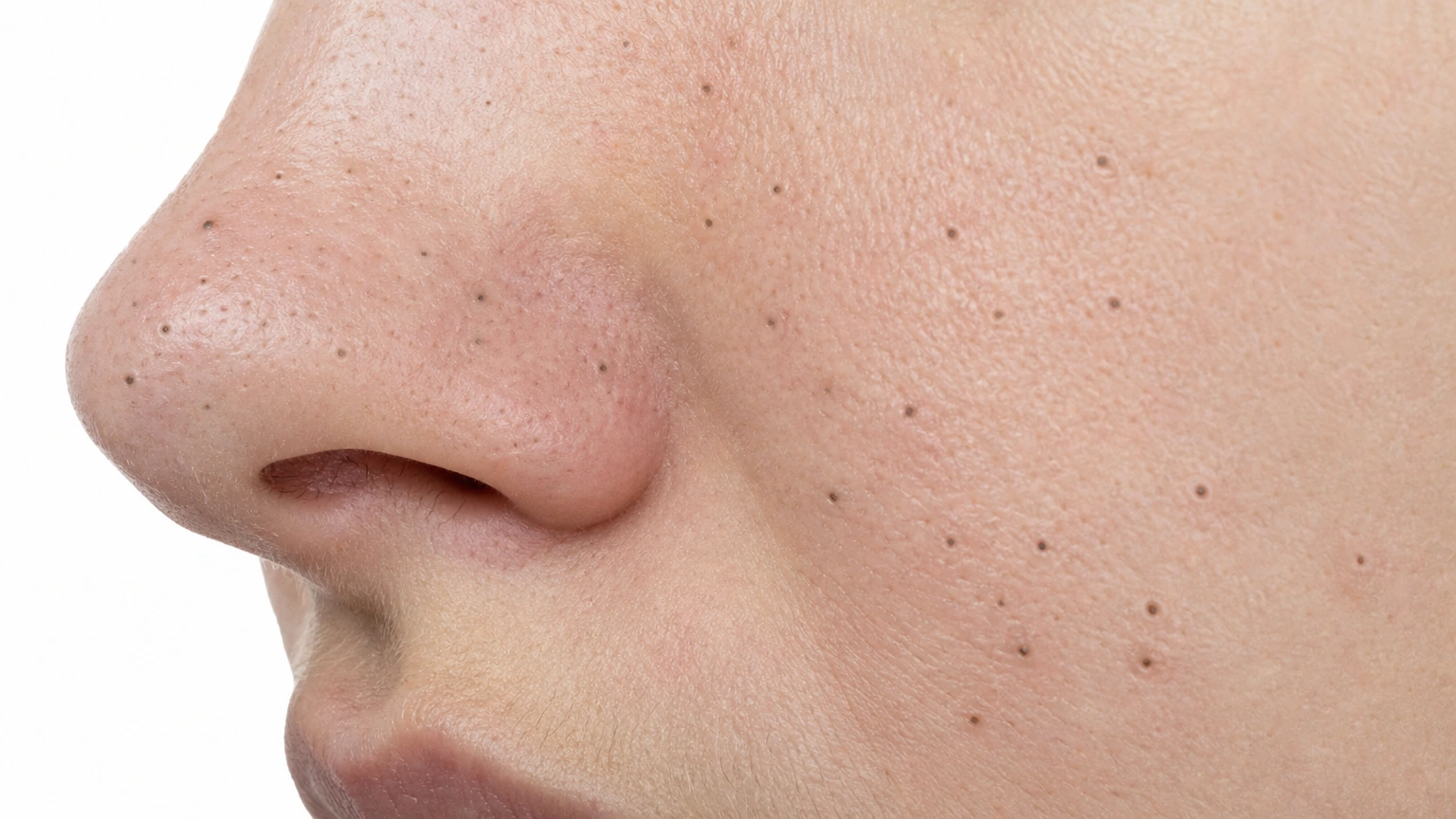
Weeks 2 to 6Red bumps get less sore and less frequent. Blackheads do not change; it does not act on them.
After 12 weeksIf inflamed spots still appear at the same rate, resistance or another diagnosis is likely.
First applicationUsing it: A thin layer on the affected skin. Some stinging is common.
Days 1 to 2Starting: Crusts soften. Little visible change yet.
Days 3 to 5Working: Redness fades, crusts lift, no new blisters. Impetigo should be clearly improving by now.
Days 5 to 10Finishing: The course ends and infected cuts and cracks are usually settled. Skin often stays slightly pink for a week or two afterwards.
5 daysStaph in the nostrils: A five-day nasal course clears carriage in most people.
Sorted by what to do about them.
Generic 1% solution and gel are cheap and widely stocked. Combinations with benzoyl peroxide are moderately priced, some generic. The triple combination with a retinoid is brand only and needs prior authorization.
Generic mupirocin 2% ointment is inexpensive in most countries and generally covered. The brand costs more and offers nothing extra.
The nasal ointment causes the most trouble. It costs more, and plans sometimes decline it when it is used to prevent an infection rather than treat one.
A small tube covers a patch of impetigo. Buying a large one to keep in the house is what leads to the leftover-tube problem.
The bacteria adapt within months, and it does nothing to the clog that starts the spot. Benzoyl peroxide alongside prevents most of the resistance.
The expected pattern after repeated solo courses. Resistant bacteria are already there when you restart.
Less reaches the body, so side effects are milder. Resistance still develops, and rare bowel effects are reported.
Yes. Antibiotic in the morning, retinoid at night.
No. Neosporin combines bacitracin, neomycin and polymyxin over the counter. Mupirocin is a single prescription drug with a different target, and rarely causes contact allergy.
Partly because the infections need looking at, and partly to slow resistance. It is one of the few things that reliably clears staph, including many MRSA strains.
Five days for most skin infections, ten at most. Nasal courses are five days.
No. It is for small superficial infections. Large raw areas need proper wound care, and the base can be absorbed from them.
No. It targets staph and strep. Cold sores are viral, athlete's foot is fungal, and an antibiotic ointment can make a fungal rash look worse.
The nostrils are where staph most often lives. A five-day course before some operations lowers the chance of it reaching the wound.