Clindamycin vs Doxycycline

Clindamycin: A prescription antibiotic lotion, gel or foam for inflamed acne. It should never be used on its own, because bacteria become resistant to it quickly. Doxycycline: An oral antibiotic for moderate to severe inflamed acne. It is meant as a short bridge alongside topical treatment, not a long-term drug.
Reviewed by Dr. Schwarz, Board-Certified Dermatologist
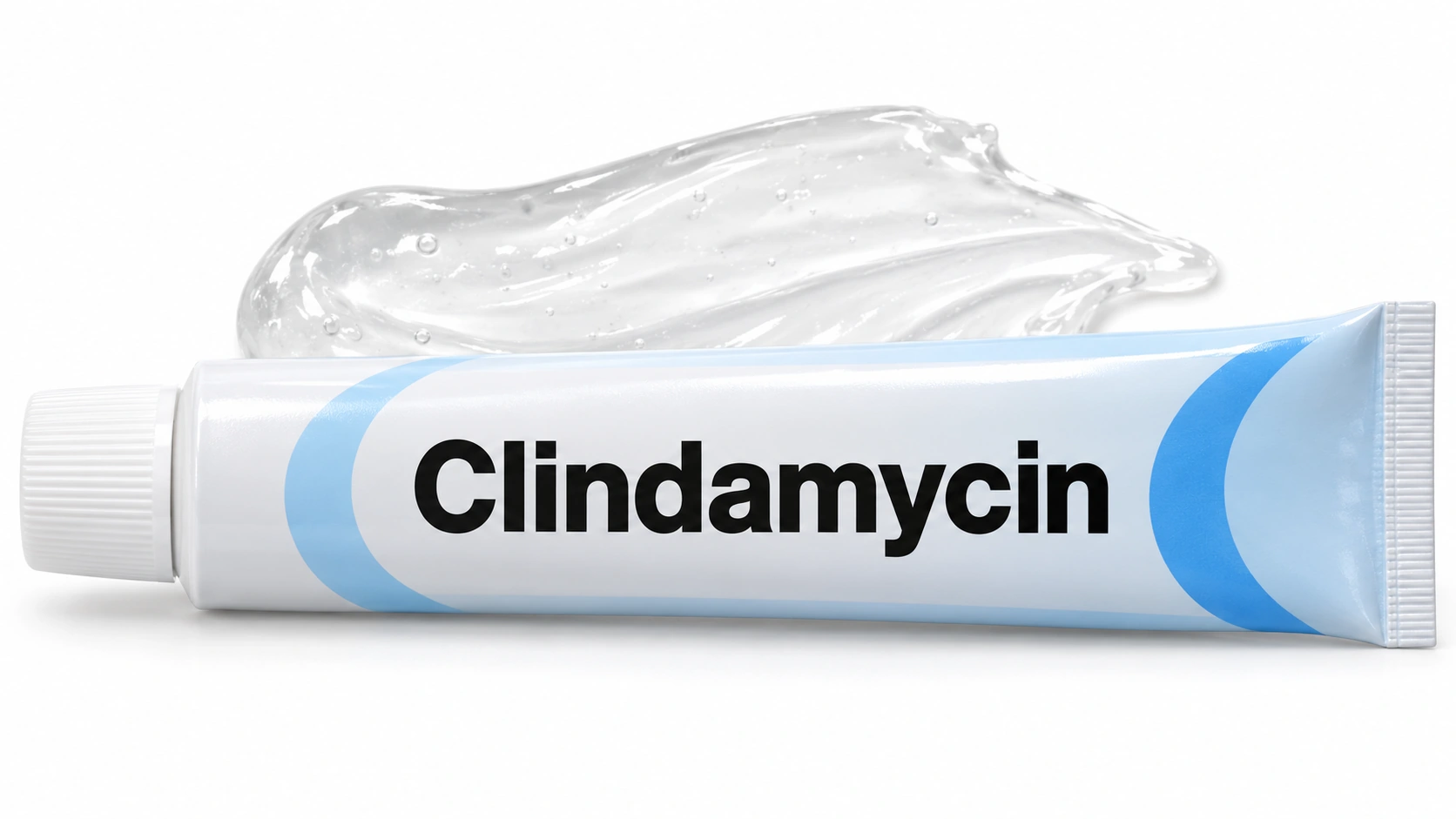
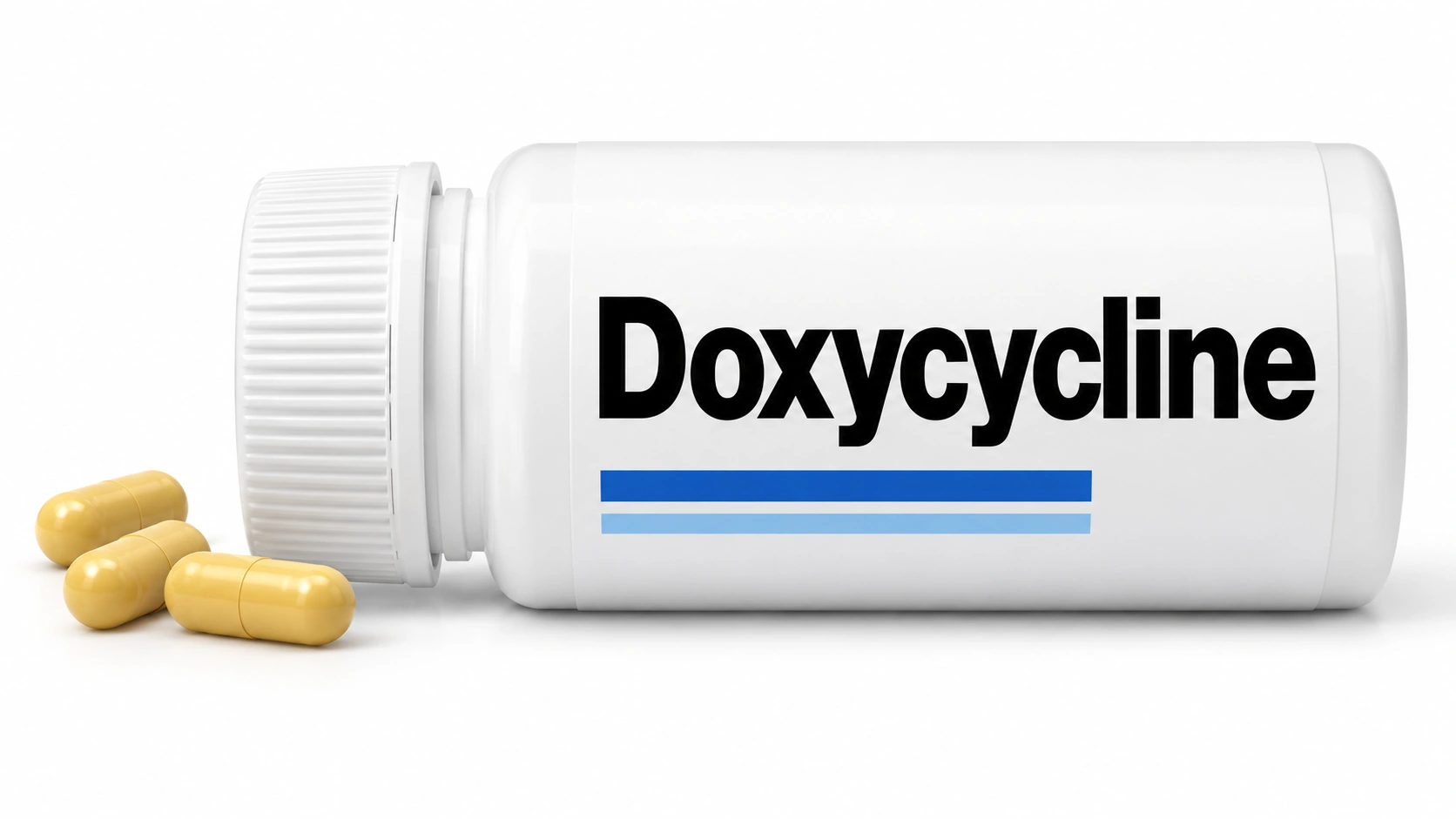
A white metal tube lying at an angle on a white background, white ribbed cap to the left, labeled Clindamycin in black lettering with a teal swoosh curving beneath the word.An amber prescription bottle lying on its side on a white background with a plain white label reading Doxycycline, and six small round white tablets spilled out in front of it.

Which one is right for you?

Choose Clindamycin if…

Choose for red, inflamed acne as a short-term partner to benzoyl peroxide or a retinoid — never on its own.

  • Inflamed spots rather than blackheads
  • You'll pair it with benzoyl peroxide
  • You want something that rarely irritates

Choose Doxycycline if…

Choose for a short 3–4 month bridge to calm moderate inflamed acne or rosacea while a retinoid and benzoyl peroxide start working.

  • Red, sore inflamed spots rather than blackheads
  • Rosacea bumps (a low 40 mg dose)
  • You want a cheaper, simpler short course
Use care together

Can you take them together?

Using a topical and an oral antibiotic at once raises resistance risk. If both are used, add benzoyl peroxide and plan to stop the antibiotics within about 3 months.

At a glance

● Clindamycin
● Doxycycline
Type
Topical antibiotic
Tetracycline antibiotic
What it does
Reduces acne bacteria and inflammation
Kills acne bacteria and calms inflammation
Best for
Inflamed acne, always with benzoyl peroxide
Inflamed acne; rosacea
Prescription
Yes
Yes
Form
Lotion, gel, solution or foam, 1%
Tablet or capsule
How often
Once or twice daily
Once or twice daily, upright, with water
Course length
Up to about 3 months
3–4 months
Time to results
2–6 weeks
4–8 weeks
Main side effect
Mild dryness
Stomach upset; sunburn
Blood tests
None
Not routinely
Pregnancy
Generally considered OK
Avoid
Cost
Low; generic available

What it treats

Compare uses by strength of evidence. Evidence level describes confidence in a benefit, not its size.

Evidence level
Clindamycin
Doxycycline
Strong evidenceMost established uses
Inflamed acne on light skin. The spots sit in a patch of pink, and the ring of redness around each one is easy to see. A few have a yellow-white head, and the skin between them is dry and flaking.

Acne

Reduces inflamed spots with benzoyl peroxide.
Inflamed acne on light skin. The spots sit in a patch of pink, and the ring of redness around each one is easy to see. A few have a yellow-white head, and the skin between them is dry and flaking.

Acne

Reduces inflamed breakouts.
Redness and fine superficial vessels across a light-skinned cheek and nose.

Rosacea

Low doses reduce bumps.
Moderate evidenceSome supportive research
The back of the neck and upper back on fair skin, covered in small red bumps of even size, each one at a hair opening, several with a pinpoint of yellow-white pus.

Folliculitis

Clears bacterial bumps.
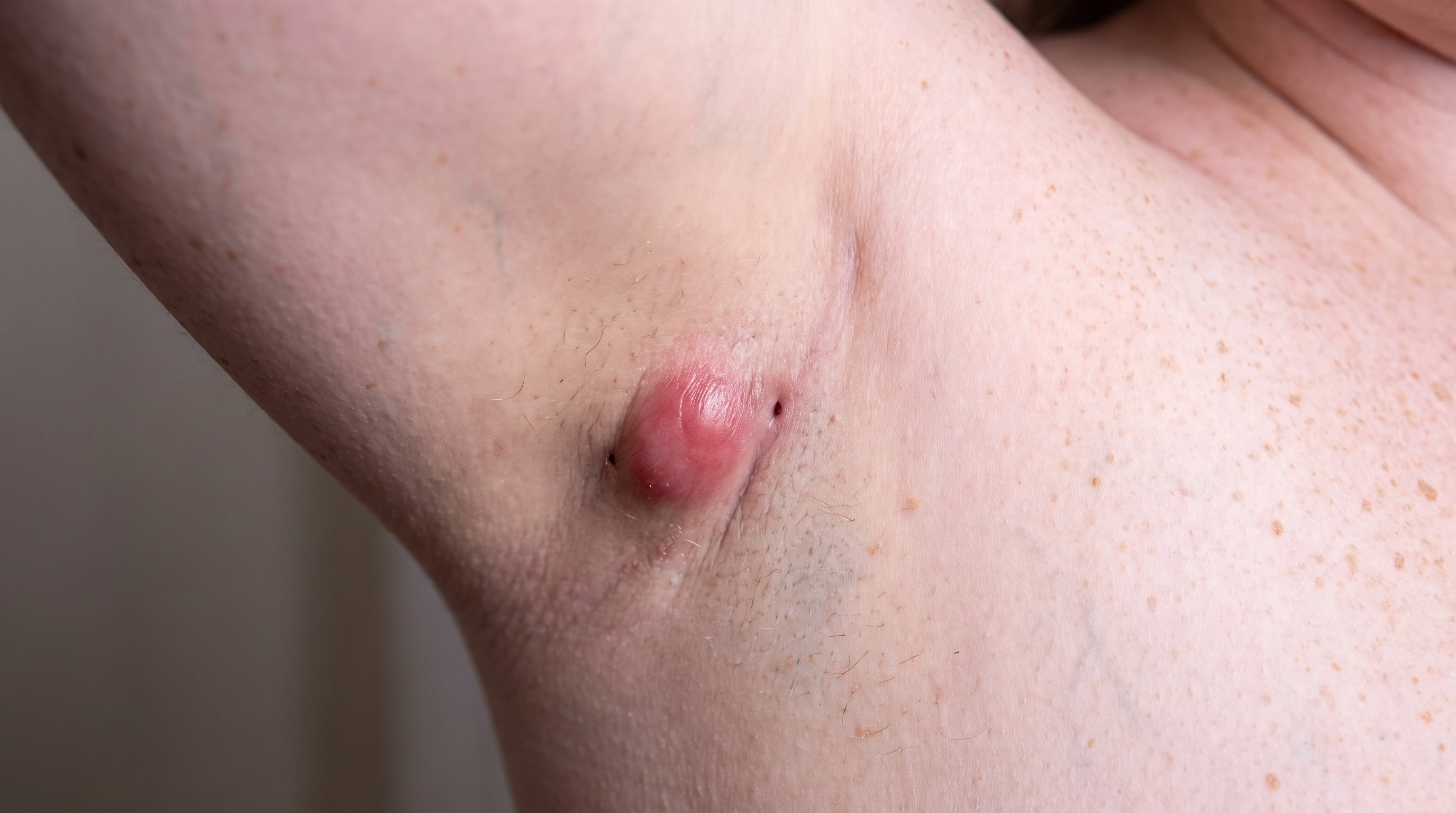
An inflamed lump in the armpit on fair skin. The skin over it is swollen, shiny and red, with a pair of small blackhead-like openings in the skin beside it.

Hidradenitis Suppurativa

Helps mild disease.
An inflamed lump in the armpit on fair skin. The skin over it is swollen, shiny and red, with a pair of small blackhead-like openings in the skin beside it.

Hidradenitis Suppurativa

Calms mild flares.
Little evidence
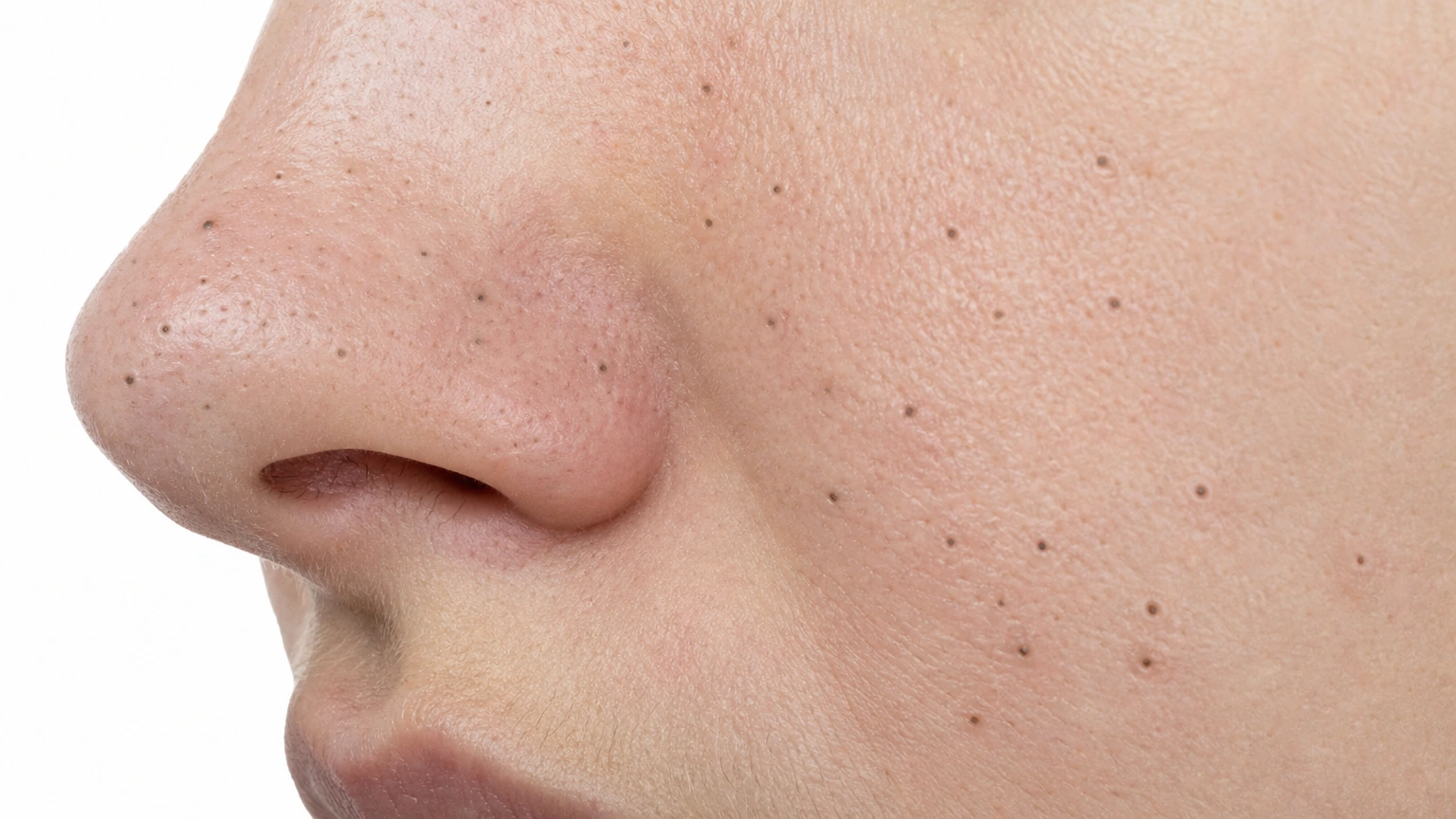
dark keratin plugs in dilated pores on the nose and adjacent left cheek, with the face turned to the person’s right on light skin.

Blackheads

Doesn't unclog pores.
dark keratin plugs in dilated pores on the nose and adjacent left cheek, with the face turned to the person’s right on light skin.

Blackheads

Doesn't unclog pores.
Can make it worse
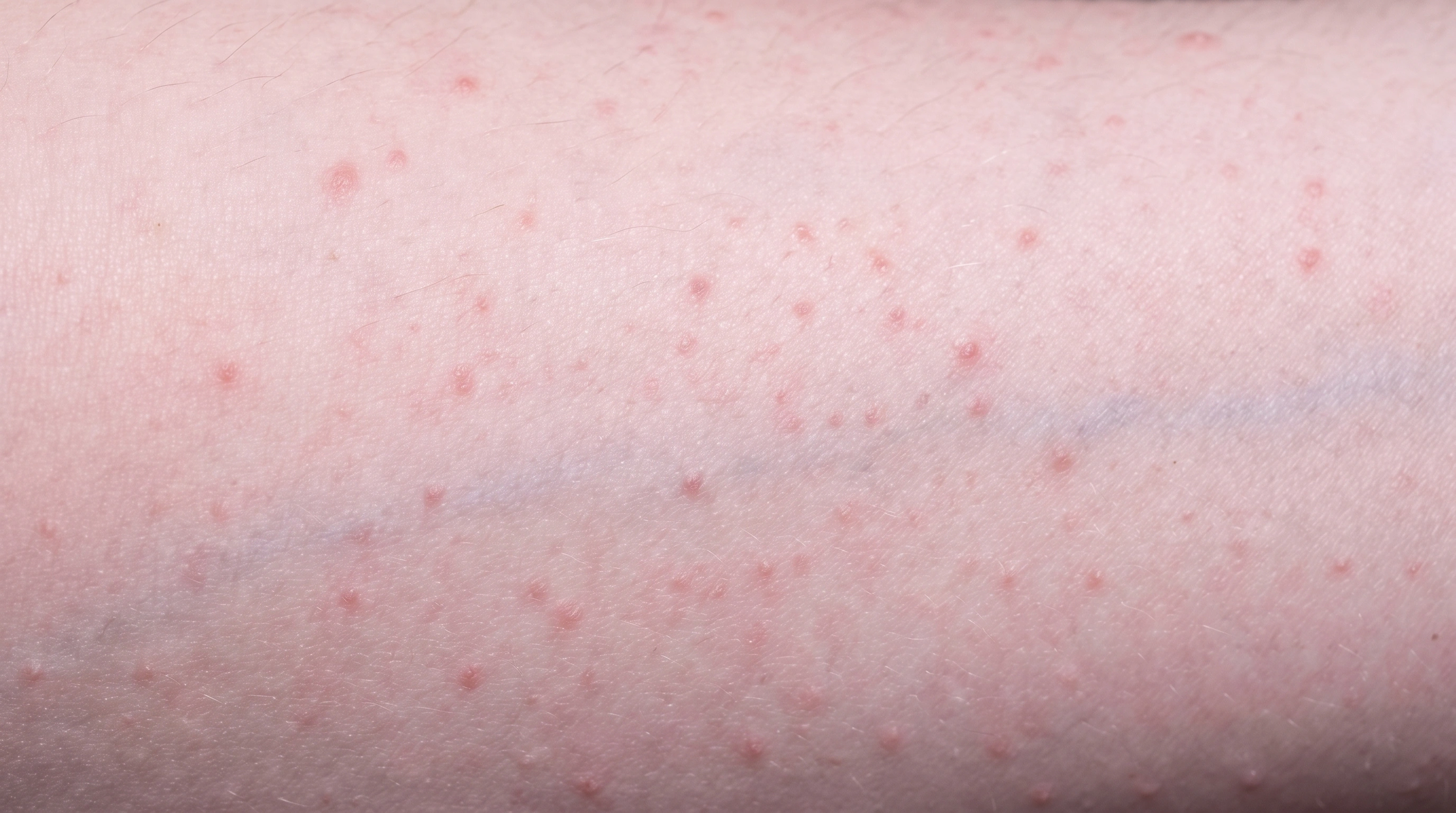
Shoulders and upper back on fair skin, covered in a sheet of many small pink-red bumps, all of them the same size and packed close together.

Fungal Acne

Antibiotics can let yeast overgrow.
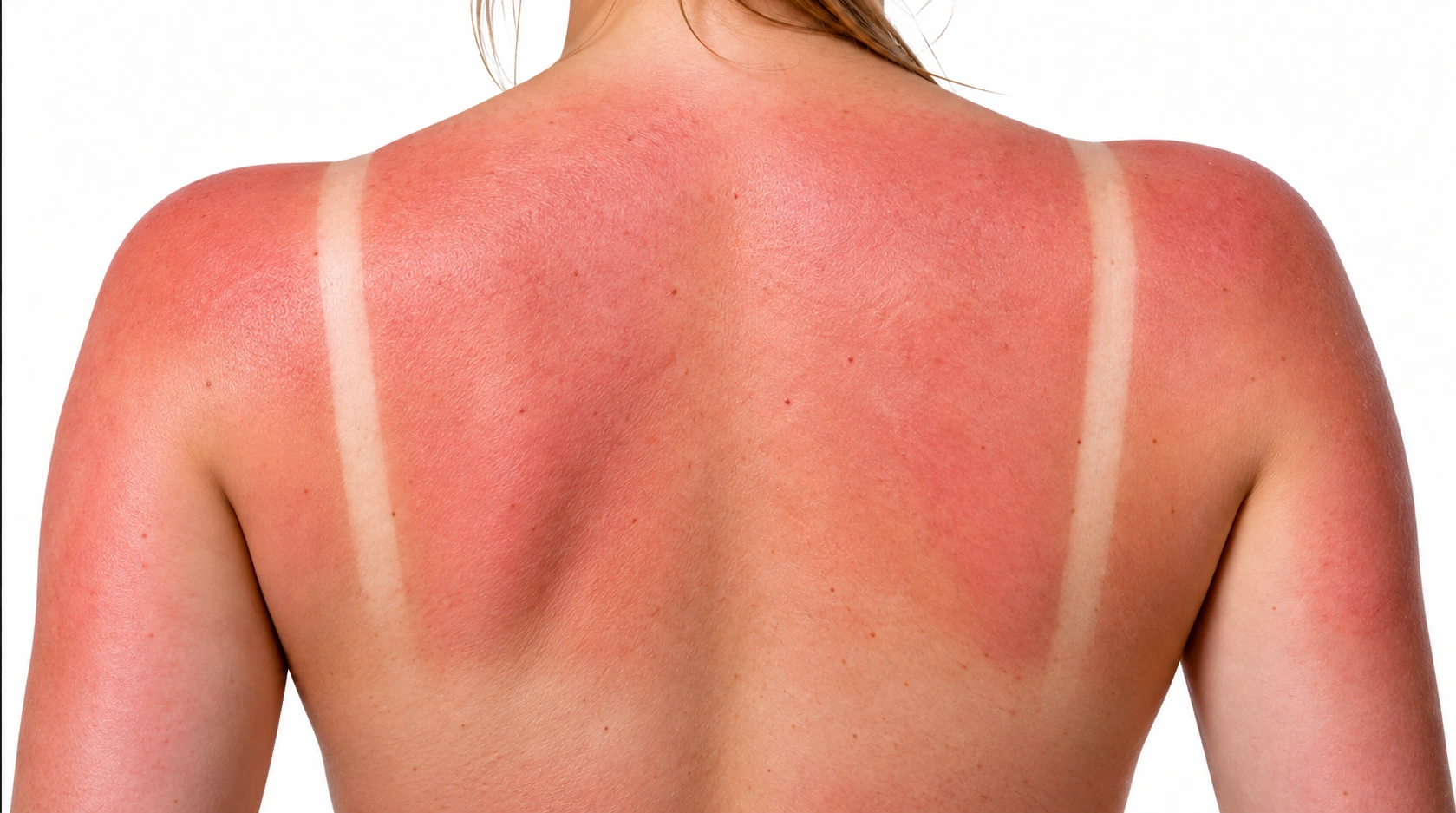
Sunburn: 1. Sunburn Header — Light Skin; Lighter skin.

Sunburn

Raises sun sensitivity.
How it works

Clindamycin

Clindamycin. Helps reduce acne bacteria and inflamed spots. 1. Slows acne bacteria: Blocks the 50S ribosome that bacteria use to make proteins. 2. Limits bacterial growth: Susceptible C. acnes has less ability to multiply. 3. Reduces inflamed spots: Red bumps and pimples can gradually improve.
Open full-size diagram
Diagram explanation and sources

Slows acne bacteria: Blocks the 50S ribosome that bacteria use to make proteins. Limits bacterial growth: Susceptible C. acnes has less ability to multiply. Reduces inflamed spots: Red bumps and pimples can gradually improve.

Bacterial protein-synthesis inhibition is established. The complete acne mechanism and the contribution of individual antibacterial and anti-inflammatory effects are not fully defined. This does not imply direct exfoliation, oil-gland shrinkage, or treatment of resistant bacteria.
Source 1

Doxycycline

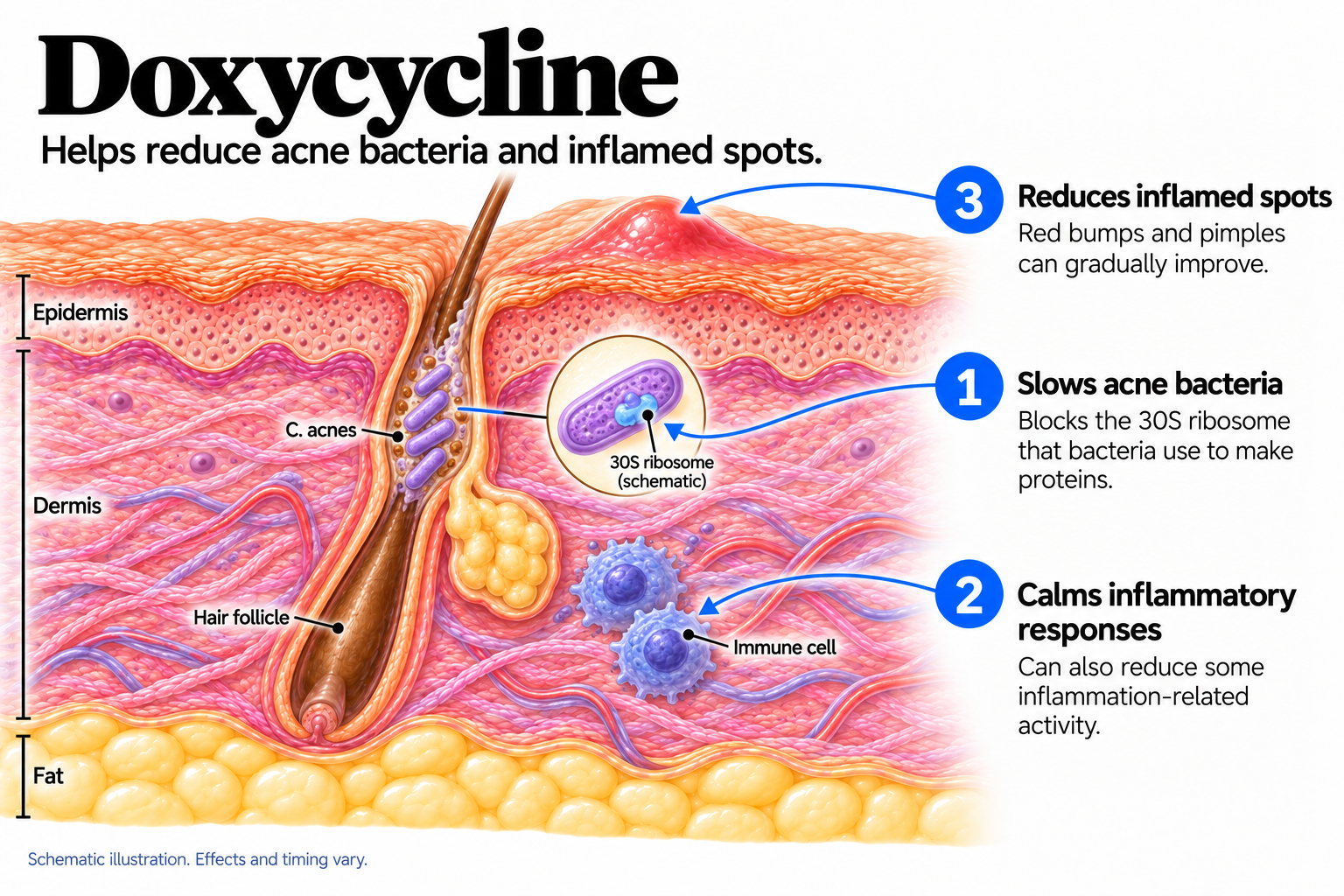
Doxycycline. Helps reduce acne bacteria and inflamed spots. 1. Slows acne bacteria: Blocks the 30S ribosome that bacteria use to make proteins. 2. Calms inflammatory responses: Can also reduce some inflammation-related activity. 3. Reduces inflamed spots: Red bumps and pimples can gradually improve.
Open full-size diagram
Diagram explanation and sources

Slows acne bacteria: Blocks the 30S ribosome that bacteria use to make proteins. Calms inflammatory responses: Can also reduce some inflammation-related activity. Reduces inflamed spots: Red bumps and pimples can gradually improve.

Bacterial protein-synthesis inhibition is established. The complete acne mechanism and the contribution of individual antibacterial and anti-inflammatory effects are not fully defined. This does not imply direct exfoliation, oil-gland shrinkage, or treatment of resistant bacteria.

Source 1 · Source 2

How you take it

Treatment plan

When to Apply: Once or twice a day depending on the product, a thin layer over the whole area, not single spots. With a retinoid at night, clindamycin goes in the morning.

How to Start: Full strength from day one. No ramp-up, because it rarely irritates.

If It Irritates: Uncommon. Mild dryness settles with a moisturizer. Redness or itch that builds over days can be a reaction to the base — stop and ask.

If It’s Not Working: No higher dose. It belongs alongside benzoyl peroxide or a retinoid, so the next move is a partner drug, not more of this one.

Dose depends on what your stomach tolerates, not body weight. Kidney or liver problems can lower it.

Starting dose: 50 mg to 100 mg once or twice a day. Some doctors start low to see how your stomach does.
Going up: Raised after a week or two if you tolerate it and the acne has not budged.
Usual dose: Around 100 mg once or twice daily. Low-dose anti-inflammatory regimens use much less.
Total course: Three to four months. Reassess at three months and stop once topical treatment can hold the result.

Monitoring

No blood tests. Monitoring is clinical — at eight to twelve weeks, has the inflamed acne improved.

Not a drug to stay on for years. Bacterial resistance builds with use, which is why a course that worked once may not work again. Stop once acne is controlled and hold the result with a retinoid and benzoyl peroxide.

No blood tests are needed for a standard acne course in a healthy person. Monitoring is clinical, with a review at about three months.

This is not a drug to stay on for years. What builds is antibiotic resistance — in your skin bacteria and in the rest of your body — along with effects on the gut. Keep oral courses for acne as short as possible, with a topical retinoid running alongside to take over.

When to take it
Not covered in this guide yet

With a full glass of water and with food. Stay upright for 30 minutes afterward, and never right before bed — a tablet stuck in the food pipe can burn the lining. Food cuts the nausea and does not block absorption.

If you miss a dose
Not covered in this guide yet

Take it when you remember, unless the next dose is close. Never double up — you will just be nauseated.

When you’ll see results

Approximate windows, not promises.

● Clindamycin
● Doxycycline
Weeks 1 to 2

Weeks 1 to 2Little visible change.

Weeks 1 to 2Little change. Any stomach upset shows up now.

Weeks 2 to 6

Weeks 2 to 6Red bumps get less sore and less frequent. Blackheads do not change; it does not act on them.

Weeks 2 to 6Fewer, less painful inflamed spots. Blackheads do not change.

After 12 weeks

After 12 weeksIf inflamed spots still appear at the same rate, resistance or another diagnosis is likely.

After 12 weeksIf inflamed acne is no better, continuing will not help. Reassess rather than extend.

Side effects

Sorted by what to do about them.

Clindamycin

Doxycycline

Common
Common
  • Mild dryness
  • Stinging from alcohol solutions
Common
  • Stomach upset, worse on an empty stomach
  • Burning easily in the sun
  • Yeast infection during a course
Tell your doctor
Tell your doctor
  • Redness or itch that builds over days
Tell your doctor
  • Painful swallowing or chest pain
  • Headache or any change in vision
  • A rash after time in the sun
Stop and get care
Stop and get care
  • Watery or bloody diarrhea, cramps or fever
Stop and get care
  • Severe headache with blurred or double vision
  • Watery or bloody diarrhea with fever
  • A spreading rash that blisters, or facial swelling with fever

Safety and who should avoid it

Pregnancy
OK
Topical clindamycin is generally considered acceptable.
Avoid
Or planning one. Ask before you start or continue.
Breastfeeding
OK
Keep it off the nipple area.
Use care
Ask your doctor before you start or continue.
Children
12 and older
Approved from age 12.
Not under 8
Tetracyclines permanently stain developing teeth.
Monitoring
None
Review at 8–12 weeks.
None routine
Reassess at 12 weeks rather than extend.
Key interactions
Check
Never use alone; avoid erythromycin at the same time.
Check
Isotretinoin (stop doxycycline first). Space antacids, iron, calcium and dairy by about two hours. High-dose vitamin A supplements.
Other cautions
Use care
History of colitis or inflammatory bowel disease; allergy to clindamycin or lincomycin.
Avoid
An allergy to any tetracycline, including minocycline.

Cost and getting it

Getting it and cost

Generic 1% solution and gel are cheap and widely stocked. Combinations with benzoyl peroxide are moderately priced, some generic. The triple combination with a retinoid is brand only and needs prior authorization.

Generic doxycycline is cheap, though prices have swung at times. Branded high-dose and modified-release versions cost far more and rarely work better. Monohydrate and hyclate are both generic — if one upsets your stomach, try the other.

When you stop

Comes back?
With a retinoid or benzoyl peroxide in place, results hold. Used alone, acne returns within weeks.
If a retinoid and benzoyl peroxide are in place, the result usually holds. If doxycycline was doing the work alone, acne returns within one to two months.
Taper needed?
No.
No. There is no withdrawal and no taper.
After the last dose
Keep the partner treatment going.
Sun sensitivity reverses after you stop.

Common questions

Clindamycin:Why can't I just use clindamycin on its own?

The bacteria adapt within months, and it does nothing to the clog that starts the spot. Benzoyl peroxide alongside prevents most of the resistance.

Clindamycin:It worked last year and does nothing now. Why?

The expected pattern after repeated solo courses. Resistant bacteria are already there when you restart.

Clindamycin:Is a topical antibiotic safer than tablets?

Less reaches the body, so side effects are milder. Resistance still develops, and rare bowel effects are reported.

Clindamycin:Can I use it with a retinoid?

Yes. Antibiotic in the morning, retinoid at night.

Doxycycline:How long will I be on it?

Three to four months. A year on it means the plan needs revisiting, not refilling.

Doxycycline:Can I drink alcohol?

Occasional drinking is fine. Heavy drinking can lower drug levels.

Doxycycline:Does it stop my birth control working?

No. There is no meaningful interaction with combined oral contraceptives. Rifampin is the one that interferes.

Doxycycline:Why do I burn so easily now?

It makes skin much more reactive to ultraviolet light, and reverses after you stop.

Doxycycline:Can I take it alongside isotretinoin?

No. That combination raises the risk of pressure around the brain.
Dermapedia on YouTube