Avobenzone vs Retinaldehyde

Avobenzone: Provides UVA coverage within tested sunscreen formulas. Retinaldehyde: Some formulas improve photoaged texture and pigmentation over months.
Research updated 2026-10-25
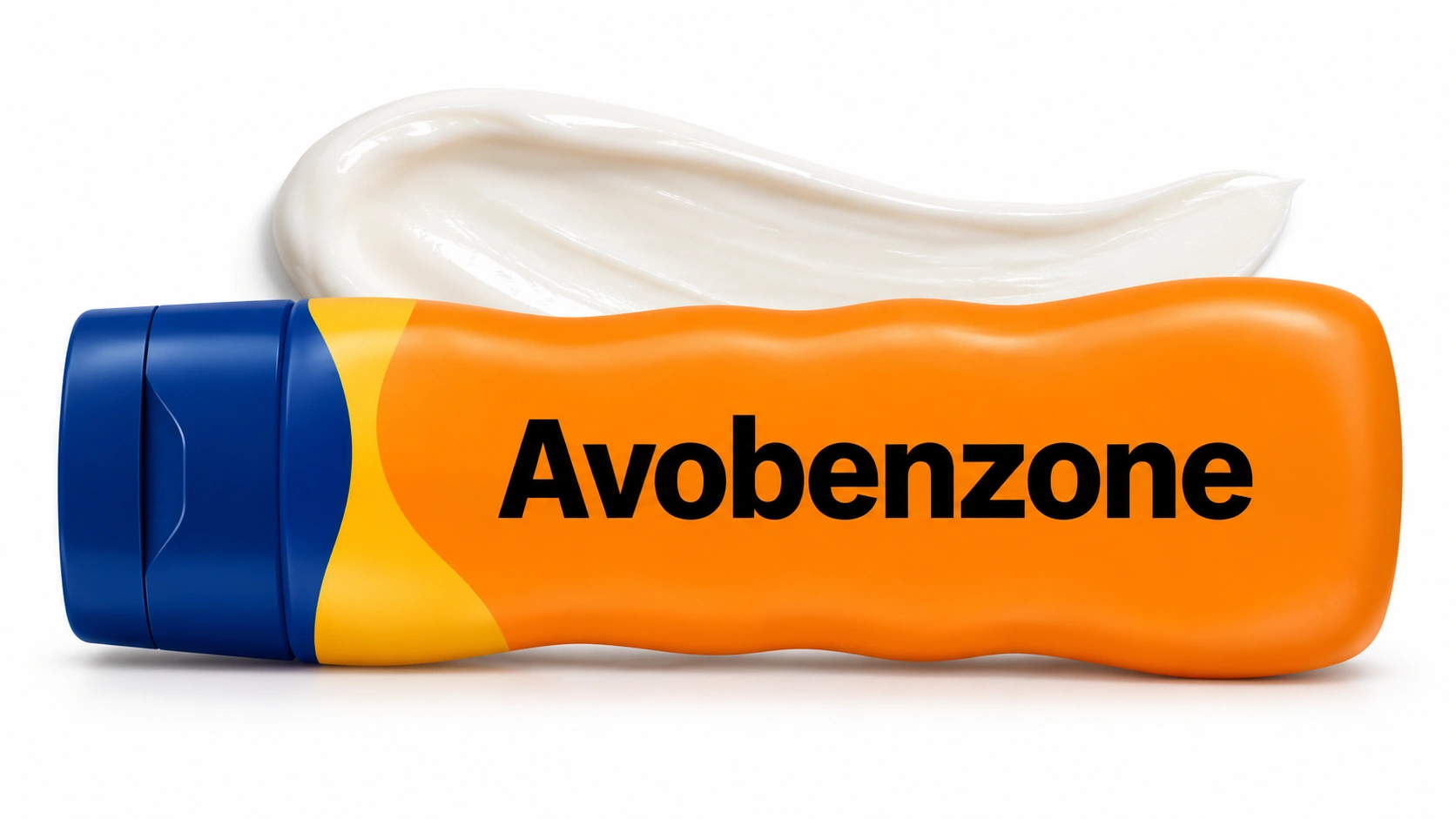
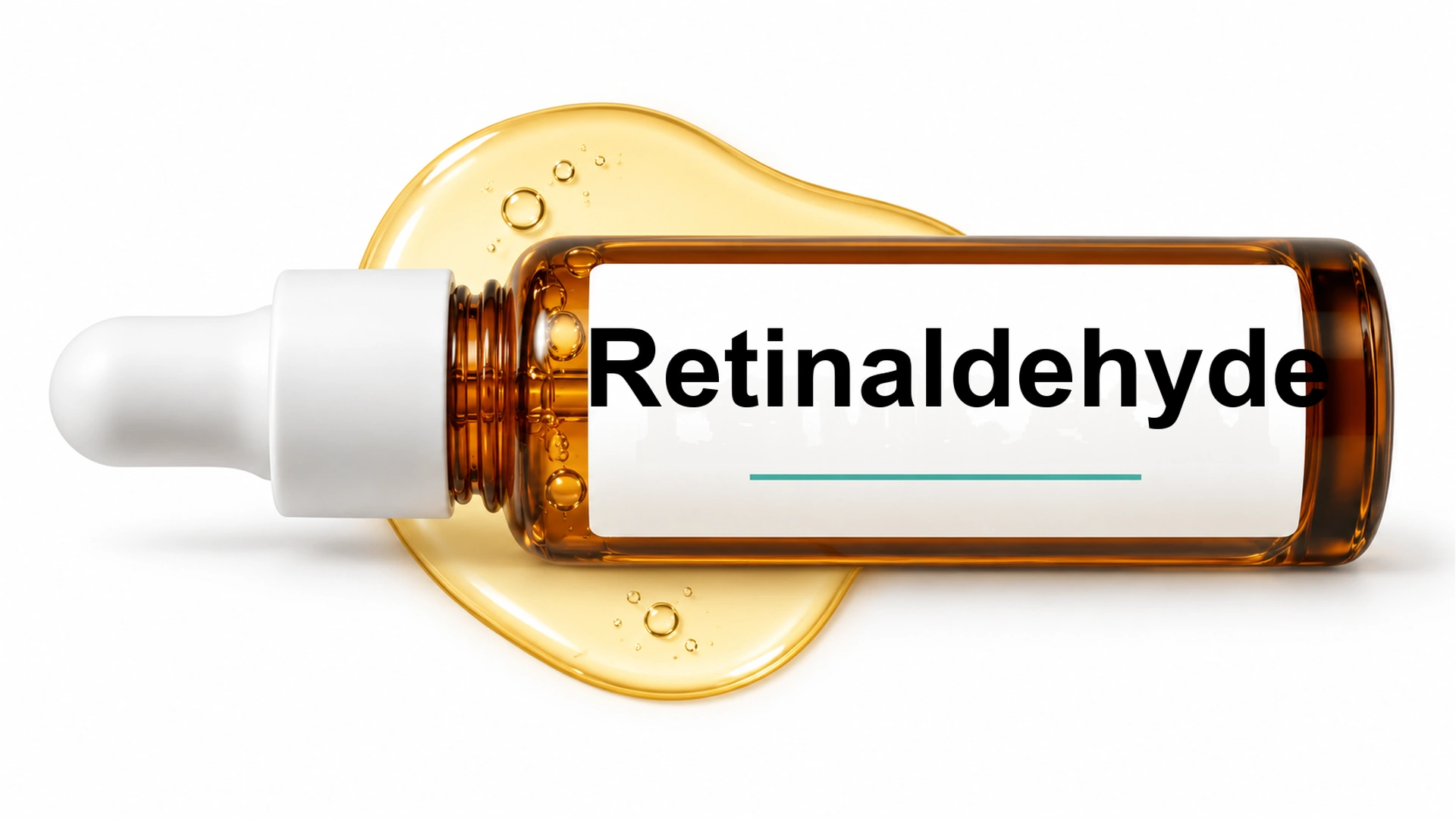
Four La Roche-Posay Anthelios sunscreens on white, SPF 60 and SPF 50, with cream swatchesFour retinaldehyde products with two boxes on white, from Paula's Choice, Medik8, Naturium and Prequel

Which one is right for you?

Choose Avobenzone if…

Choose a comfortable broad-spectrum sunscreen; avobenzone is one possible UVA filter.

  • You want a lightweight chemical sunscreen
  • UVA protection without white cast
  • Daily wear under makeup

Choose Retinaldehyde if…

Consider for photoaged texture; introduce slowly and judge the complete formula.

  • Fine lines and texture
  • Retinol isn’t enough
  • You can introduce it slowly
Often combined

Can you use both?

Use retinaldehyde at night and sunscreen every morning, as retinoids make skin more sun-sensitive.

At a glance

● Avobenzone
● Retinaldehyde
Type
Organic UVA filter
Vitamin A precursor (retinal)
What it does
Provides UVA coverage within tested sunscreen formulas.
Some formulas improve photoaged texture and pigmentation over months.
Best for
Sunburn; Melasma; Wrinkles and Fine Lines
Wrinkles and Fine Lines; Uneven Skin Tone
Studied concentrations
Choose by broad-spectrum SPF and water-resistance claims, rather than filter percentage alone.
0.05% and 0.1% creams in the cited three-month trial.
When to use
Each morning and before sun exposure.
At night; introduce gradually according to the product label.
Time to results
Protection with correct application; prevention continues over time
Assess over roughly 3 months; photoaging can take longer
Irritation
Can sting the eyes or irritate some skin; stop for a persistent rash.
Dryness, stinging and peeling can occur; avoid irritated areas.
Sensitive skin
Choose a simple formula and test a small area first. Individual tolerance matters more than an ingredient’s reputation for being gentle.
Choose a simple formula and test a small area first. Avoid actively inflamed or broken skin unless the product is specifically directed for it.
Available
Prescription or cosmetic status depends on the active, formula and country; check the label.

What it helps

Compare uses by strength of evidence. Evidence level describes confidence in a benefit, not its size.


Evidence level
Avobenzone
Retinaldehyde
Strong evidenceMost established uses
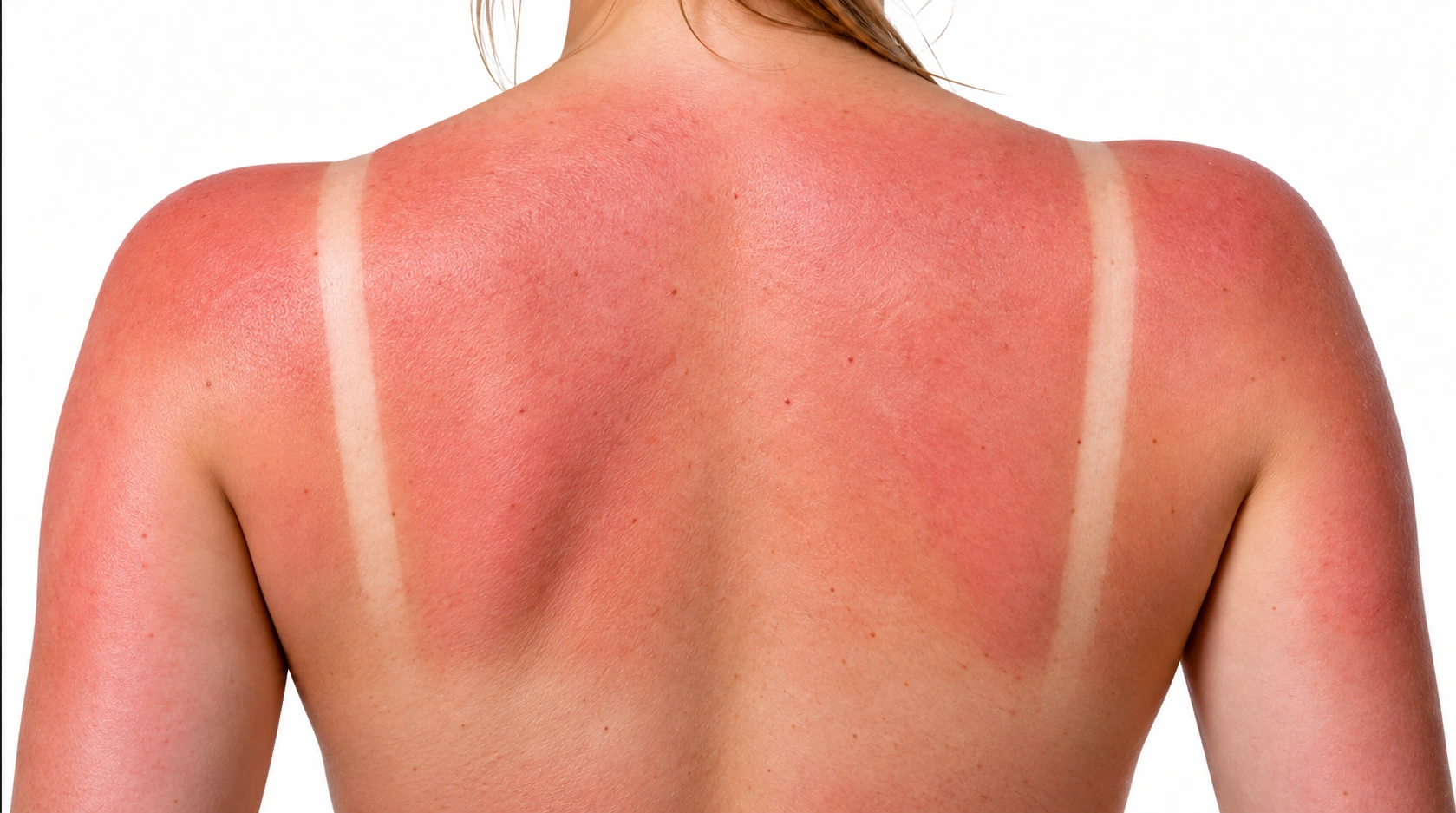
Sunburn: 1. Sunburn Header — Light Skin; Lighter skin.

Sunburn

A tested broad-spectrum sunscreen protects against UV exposure; avobenzone supplies UVA coverage.
—
Moderate evidenceSome supportive research
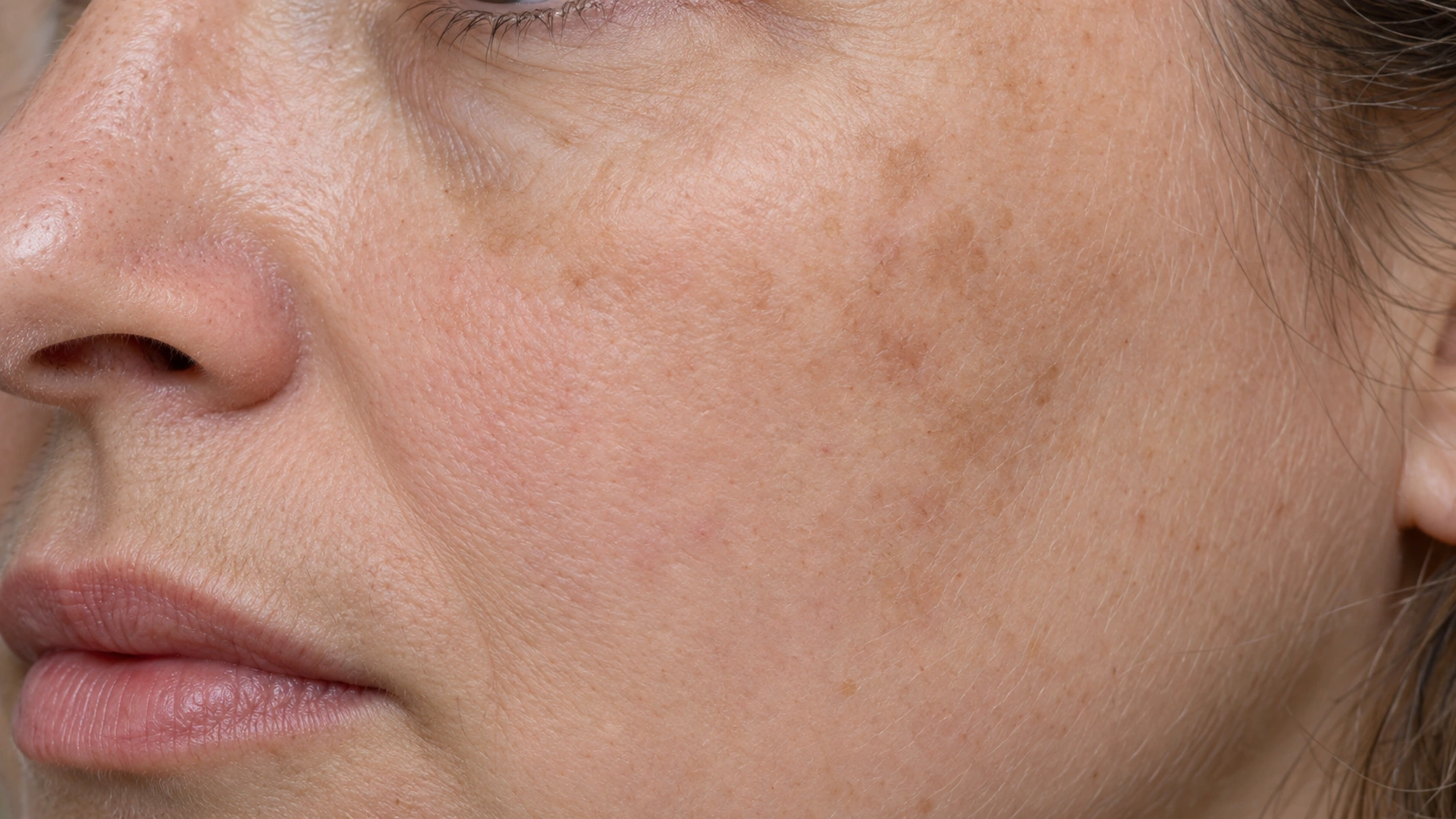
Flat tan patches with soft irregular edges across the forehead and upper cheek of an adult with light skin, the surface completely smooth.

Melasma

Broad-spectrum sun protection supports pigment care; it does not clear melasma alone.
A relaxed forehead with faint shallow horizontal fine lines.

Wrinkles and Fine Lines

Regular sunscreen helps prevent further photoaging.
—
Limited evidenceEarly or small studies
—
A relaxed forehead with faint shallow horizontal fine lines.

Wrinkles and Fine Lines

Small clinical studies suggest photoaging benefits from particular formulas.
Uneven Skin Tone.

Uneven Skin Tone

Only the 0.1% group improved the melanin index in the cited trial.
Insufficient evidence
Sensitive Skin on light skin.

Sensitive Skin

The reviewed sources do not establish this ingredient as a treatment for this concern.
Inflamed acne on light skin. The spots sit in a patch of pink, and the ring of redness around each one is easy to see. A few have a yellow-white head, and the skin between them is dry and flaking.

Acne

The reviewed sources do not establish this ingredient as a treatment for this concern.
Inflamed acne on light skin. The spots sit in a patch of pink, and the ring of redness around each one is easy to see. A few have a yellow-white head, and the skin between them is dry and flaking.

Acne

The cited photoaging study did not establish treatment of acne.
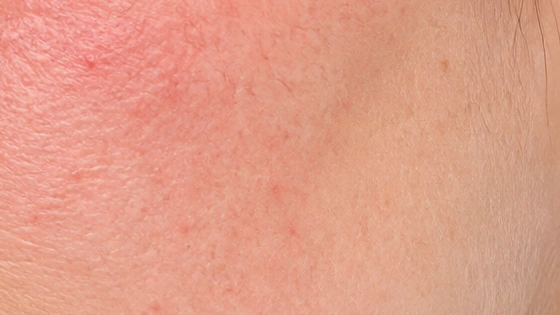
Redness and fine superficial vessels across a light-skinned cheek and nose.

Rosacea

The reviewed sources do not establish this ingredient as a treatment for this concern.
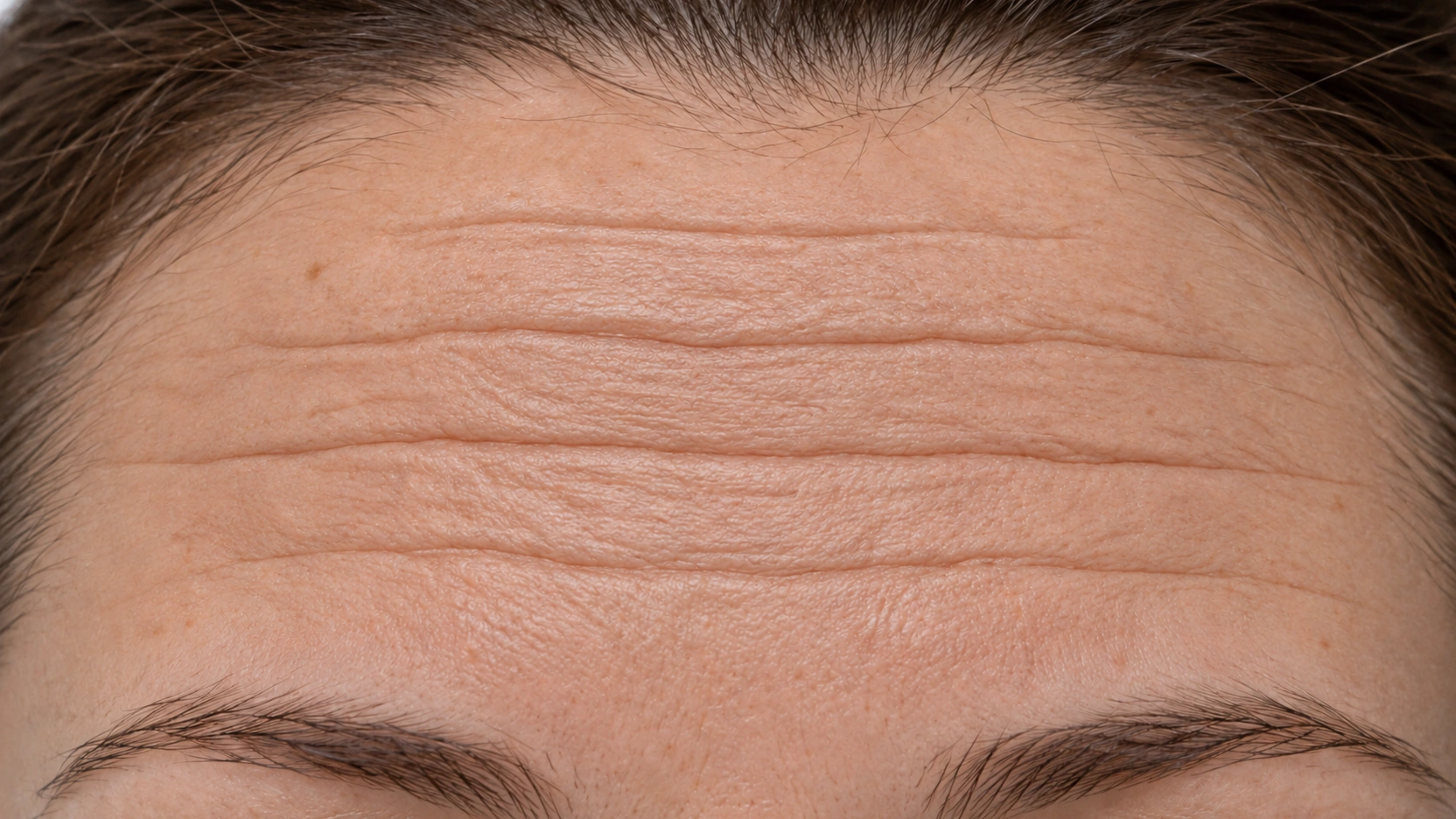
A relaxed forehead with pronounced deep horizontal furrows.

Deep Wrinkles

The reviewed sources do not establish this ingredient as a treatment for this concern.
How it works

Avobenzone

Avobenzone mechanism diagram. Takes up UVA energy: Avobenzone helps reduce UVA reaching the skin. Needs a stable filter blend: Other filters provide complementary coverage.
Open full-size diagram
Diagram explanation and sources

Takes up UVA energy: Avobenzone helps reduce UVA reaching the skin. Needs a stable filter blend: Other filters provide complementary coverage.

Schematic illustration; not a measurement of skin penetration. Effects vary with ingredient identity and formulation.

Source 1 · Source 2 · Source 3 · Source 4

Retinaldehyde

Retinaldehyde mechanism diagram. Converts to retinoic acid: Skin enzymes can activate retinaldehyde. Changes cell activity: Retinoic acid acts through nuclear receptors.
Open full-size diagram
Diagram explanation and sources

Converts to retinoic acid: Skin enzymes can activate retinaldehyde. Changes cell activity: Retinoic acid acts through nuclear receptors.

Schematic illustration; not a measurement of skin penetration. Effects vary with ingredient identity and formulation.

Source 1

Using both in one routine

Built from where each one usually sits in a routine. Introduce one at a time.

Morning
Step 1
Cleanser
Step 2
Moisturizer
Step 3
AvobenzoneMorning
Night
Step 1
Cleanser
Step 2
RetinaldehydeNight
Step 3
Moisturizer

Strengths and forms

Concentrations

Avobenzone is a UVA filter with a U.S. monograph maximum of 3%. Its performance depends on the full sunscreen formula, not the percentage alone.

3%

U.S. sunscreen ceiling

A permitted maximum. This number is not the product’s SPF or a stand-alone measure of UVA protection.

Choosing a strength: Choose a finished, tested broad-spectrum sunscreen rather than a target avobenzone percentage.

Higher strengths: More of one filter is not a substitute for tested UVA and UVB protection or correct application.

Formula matters: Avobenzone needs an appropriate stabilized formulation and complementary UVB protection. Do not add raw filters to skincare.

0.05% and 0.1% retinaldehyde creams have been compared in a controlled photoaging trial. These percentages cannot be directly compared with retinol or tretinoin.

0.05%

0.1%

Lower studied retinal strength

A cream studied for skin texture and hydration. The result applies to that finished formula.

Higher studied retinal strength

Also studied for photoaging; not better for every measured outcome. Tolerance still determines whether a product suits you.

Choosing a strength: Choose retinaldehyde for its own formula and instructions, not a retinol-to-retinal conversion chart.

Higher strengths: A higher percentage may be harder to tolerate. Stronger products sold commercially do not automatically have stronger comparative clinical evidence.

Formula matters: Encapsulation, stability and the cream or serum base affect delivery. A percentage alone is not a measure of how much reaches skin cells.

Forms
Chemical sunscreen · Spray · Stick
Serum · Cream

When you’ll see results

Approximate windows, not promises.

● Avobenzone
● Retinaldehyde
First few weeks

First few weeksProtection starts with correct application; it does not require a weeks-long course.

First few weeksAssess tolerance and texture; immediate softness can come from the base formula.

4–8 weeks

4–8 weeksConsistency matters; this is prevention, not a spot-clearing treatment.

4–8 weeksSubtle changes may appear in some tested products; evidence varies.

8–12 weeks

8–12 weeksContinue correct application and reapplication.

8–12 weeksCompare photographs in the same lighting and reassess benefit.

3–6 months

3–6 monthsMonitor tolerance and sun exposure; a changing spot needs assessment.

3–6 monthsPhotoaging trials often need several months; expect modest rather than dramatic change.

6–12 months

6–12 monthsPhotoaging prevention is a long-term benefit, not a promise of wrinkle reversal.

6–12 monthsLong-term evidence is limited for many cosmetic actives; continue only if useful.

Safety and sensitive skin

Common reactions

Can sting the eyes or irritate some skin; stop for a persistent rash.

Dryness, stinging and peeling can occur; avoid irritated areas.

When to stop

Stop for persistent burning, swelling, blistering or a new rash. Seek urgent care for breathing difficulty or a severe allergic reaction.

Stop for persistent burning, swelling, blistering or a new rash. Seek urgent care for breathing difficulty or a severe allergic reaction.

Sensitive or inflamed skin

Choose a simple formula and test a small area first. Individual tolerance matters more than an ingredient’s reputation for being gentle.

Choose a simple formula and test a small area first. Avoid actively inflamed or broken skin unless the product is specifically directed for it.

Important limits

Do not use a cosmetic product as a substitute for diagnosis of an unexplained, changing or persistent skin problem.

Do not use a cosmetic product as a substitute for diagnosis of an unexplained, changing or persistent skin problem.

Pregnancy

Sunscreen use is encouraged in pregnancy; avobenzone is generally considered acceptable. Mineral filters are an alternative if you prefer.

Retinoids are conventionally stopped in pregnancy and while trying to conceive. Ask the doctor managing your pregnancy. Azelaic acid is the usual alternative.

How it works

In the skin

On the skin. The finished product delivers avobenzone in a particular vehicle.

Entering skin. Below 500 Da, but sunscreen works in its surface film. Human studies show some absorption; size alone does not establish absorption, harm or protection.

Conversion. No activation step is established as necessary for its intended topical role.

Skin response. Absorbs UVA energy; stability and combination with UVB filters determine the finished product’s protection.

Additional effects. Proposed pathways do not establish a measured depth of delivery or clinical benefit beyond the studies cited.

On the skin. The finished product delivers retinaldehyde in a particular vehicle.

Entering skin. Below the 500 Da guideline; delivery still depends on the formula, solubility, stability and skin condition. Size does not prove effectiveness or penetration depth.

Conversion. Skin can convert retinaldehyde into retinoic acid.

Skin response. Skin can convert retinaldehyde into retinoic acid, which influences cell activity through retinoid receptors.

Additional effects. Proposed pathways do not establish a measured depth of delivery or clinical benefit beyond the studies cited.

Getting in
Below 500 Da, but sunscreen works in its surface film. Human studies show some absorption; size alone does not establish absorption, harm or protection.
Below the 500 Da guideline; delivery still depends on the formula, solubility, stability and skin condition. Size does not prove effectiveness or penetration depth.
Molecule size
Avobenzone · 310 Da
Retinaldehyde · 284 Da
Smaller than 500 Da passes the outer skin more easily. Size isn’t an effectiveness score.
500 Da guideline

Product examples

Avobenzone
  • Jack Black Intense Therapy Lip Balm SPF 25 — Avobenzone paired with octinoxate, which destroys it. Real UVA protection is likely well below the label.
  • Supergoop! PLAY Lip Balm with Acai SPF 30 — Properly photostabilized, so better UVA cover than Jack Black's — and fragranced, while selling itself as clean.
Retinaldehyde
  • Naturium Retinaldehyde Cream Serum 0.05%
  • Murad Retinal Resculpt Body Treatment

Common questions

Avobenzone:What should I choose avobenzone for?

Choose a comfortable broad-spectrum sunscreen; avobenzone is one possible UVA filter.

Avobenzone:How strong is the evidence?

A randomized trial supports regular sunscreen use for photoaging prevention, not avobenzone alone. An FDA absorption study measured systemic exposure under study conditions; absorption alone did not establish harm.

Retinaldehyde:What should I choose retinaldehyde for?

Consider for photoaged texture; introduce slowly and judge the complete formula.

Retinaldehyde:How strong is the evidence?

A 40-woman trial compared two active strengths without a retinoid-free vehicle group. It supports cautious formula-specific claims, not guaranteed superiority to retinol or acne medicines.

Sources
Sources and further reading

  1. Sunscreen and prevention of skin aging: a randomized trial. (2013)
  2. Effect of Sunscreen Application on Plasma Concentration of Sunscreen Active Ingredients: A Randomized Clinical Trial. (2020)
  3. Near-visible light and UV photoprotection in the treatment of melasma: a double-blind randomized trial. (2014)
  4. FDA sunscreen application guidance
  5. Efficacy and safety of retinaldehyde 0.1% and 0.05% creams used to treat photoaged skin: A randomized double-blind controlled trial. (2018)
  6. FDA sunscreen monograph M020: permitted concentrations
  7. FDA sunscreen regulatory updates, including 2026 orders
Dermapedia on YouTube