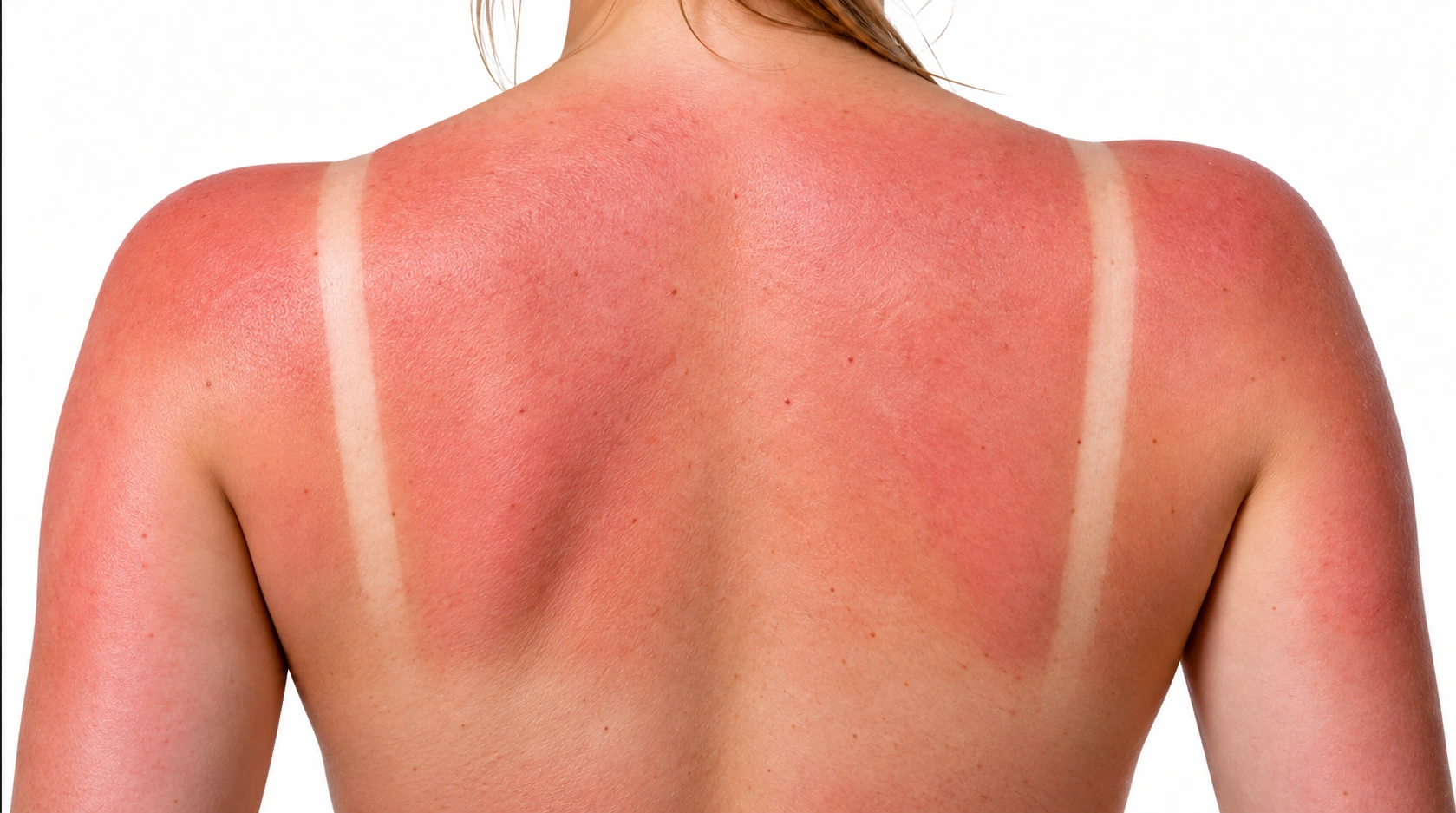
Sunburn
A tested broad-spectrum sunscreen protects against UV exposure; avobenzone supplies UVA coverage.
Aloe Vera: May feel cooling and moisturizing; it does not prevent sunburn. Avobenzone: Provides UVA coverage within tested sunscreen formulas.
Choose for a comfortable cooling gel, without expecting UV protection or faster healing.
Choose a comfortable broad-spectrum sunscreen; avobenzone is one possible UVA filter.
Can you use both?
Aloe can soothe under sunscreen; let it dry before applying sunscreen as the last step. Aloe does not protect from sun.
Compare uses by strength of evidence. Evidence level describes confidence in a benefit, not its size.



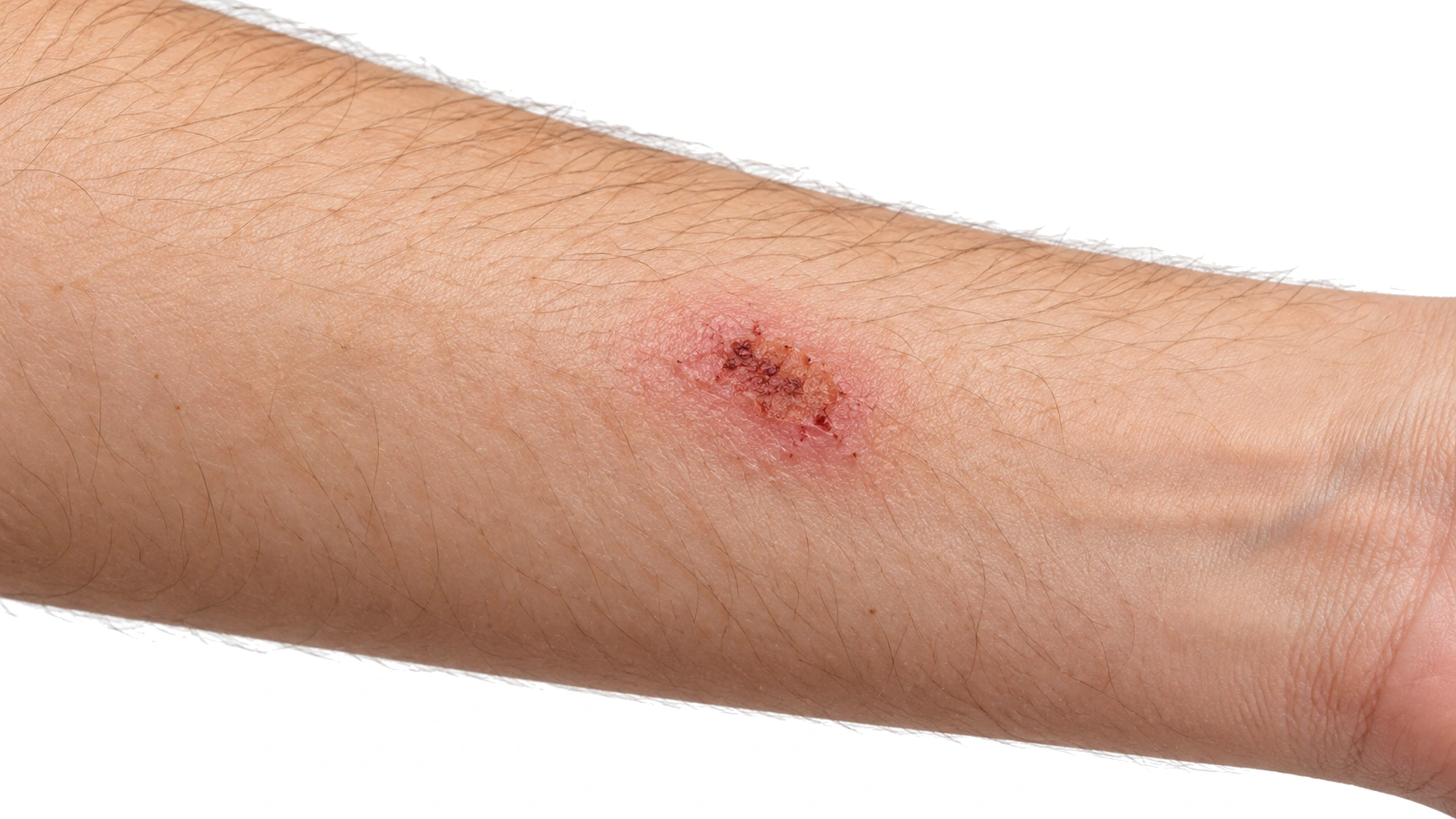



Adds surface hydration: The gel supplies water and film-forming components. Depends on the whole formula: Extract quality and added ingredients affect comfort.
Schematic illustration; not a measurement of skin penetration. Effects vary with ingredient identity and formulation.

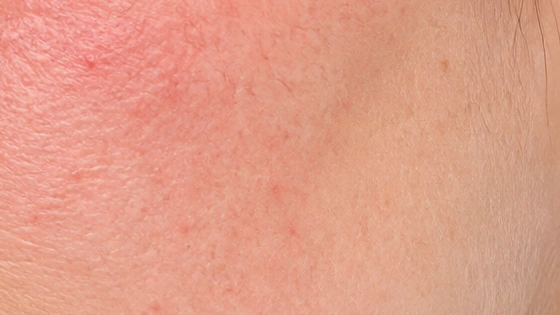
Takes up UVA energy: Avobenzone helps reduce UVA reaching the skin. Needs a stable filter blend: Other filters provide complementary coverage.
Schematic illustration; not a measurement of skin penetration. Effects vary with ingredient identity and formulation.
Built from where each one usually sits in a routine. Introduce one at a time.
Aloe percentages usually describe an extract, gel, or juice rather than a standardized amount of active compounds. There is no established best percentage for routine skin care.
70%
70% cream studied
A small human sunburn study tested this formula and found no benefit over placebo for treating sunburn. This is a study concentration, not a recommended target.
Choosing a strength: Choose a well-tolerated finished moisturizer rather than judging aloe by its front-label percentage.
Higher strengths: More aloe has not been shown to provide better sunburn treatment or sun protection.
Formula matters: Aloe juice, powders, and concentrated extracts are not equivalent at the same percentage.
Avobenzone is a UVA filter with a U.S. monograph maximum of 3%. Its performance depends on the full sunscreen formula, not the percentage alone.
3%
U.S. sunscreen ceiling
A permitted maximum. This number is not the product’s SPF or a stand-alone measure of UVA protection.
Choosing a strength: Choose a finished, tested broad-spectrum sunscreen rather than a target avobenzone percentage.
Higher strengths: More of one filter is not a substitute for tested UVA and UVB protection or correct application.
Formula matters: Avobenzone needs an appropriate stabilized formulation and complementary UVB protection. Do not add raw filters to skincare.
Approximate windows, not promises.
First few weeksSkin may feel softer soon after use; relief depends on the formula.
First few weeksProtection starts with correct application; it does not require a weeks-long course.
4–8 weeksJudge hydration, comfort and whether dryness is recurring.
4–8 weeksConsistency matters; this is prevention, not a spot-clearing treatment.
8–12 weeksPersistent cracking, itch or a rash needs reassessment.
8–12 weeksContinue correct application and reapplication.
3–6 monthsContinue if comfortable; hydration usually requires ongoing use.
3–6 monthsMonitor tolerance and sun exposure; a changing spot needs assessment.
6–12 monthsMoisturizing does not establish reversal of structural ageing or scars.
6–12 monthsPhotoaging prevention is a long-term benefit, not a promise of wrinkle reversal.
Fragrance, alcohol or aloe itself can irritate; avoid raw plant latex on skin.
Can sting the eyes or irritate some skin; stop for a persistent rash.
Stop for persistent burning, swelling, blistering or a new rash. Seek urgent care for breathing difficulty or a severe allergic reaction.
Stop for persistent burning, swelling, blistering or a new rash. Seek urgent care for breathing difficulty or a severe allergic reaction.
Choose a simple formula and test a small area first. Individual tolerance matters more than an ingredient’s reputation for being gentle.
Choose a simple formula and test a small area first. Individual tolerance matters more than an ingredient’s reputation for being gentle.
Do not use a cosmetic product as a substitute for diagnosis of an unexplained, changing or persistent skin problem.
Do not use a cosmetic product as a substitute for diagnosis of an unexplained, changing or persistent skin problem.
On intact skin very little is expected to be absorbed, but ask the doctor managing your pregnancy rather than trusting a label, and raise oral aloe separately — that is a different question.
Sunscreen use is encouraged in pregnancy; avobenzone is generally considered acceptable. Mineral filters are an alternative if you prefer.
On the skin. The finished product delivers aloe vera in a particular vehicle.
Entering skin. No single molecular mass. The 500 Da guideline cannot be applied to this whole ingredient family or mixture.
Conversion. No activation step is established as necessary for its intended topical role.
Skin response. The gel contributes water and film-forming plant components; complete formulas determine comfort and hydration.
Additional effects. Proposed pathways do not establish a measured depth of delivery or clinical benefit beyond the studies cited.
On the skin. The finished product delivers avobenzone in a particular vehicle.
Entering skin. Below 500 Da, but sunscreen works in its surface film. Human studies show some absorption; size alone does not establish absorption, harm or protection.
Conversion. No activation step is established as necessary for its intended topical role.
Skin response. Absorbs UVA energy; stability and combination with UVB filters determine the finished product’s protection.
Additional effects. Proposed pathways do not establish a measured depth of delivery or clinical benefit beyond the studies cited.
Choose for a comfortable cooling gel, without expecting UV protection or faster healing.
A small controlled UV study found no sunburn-treatment or pigment benefit versus vehicle. Comfort from a gel does not establish accelerated healing of burns or wounds.
Choose a comfortable broad-spectrum sunscreen; avobenzone is one possible UVA filter.
A randomized trial supports regular sunscreen use for photoaging prevention, not avobenzone alone. An FDA absorption study measured systemic exposure under study conditions; absorption alone did not establish harm.
Sources