EltaMD UV Daily Tinted Sunscreen
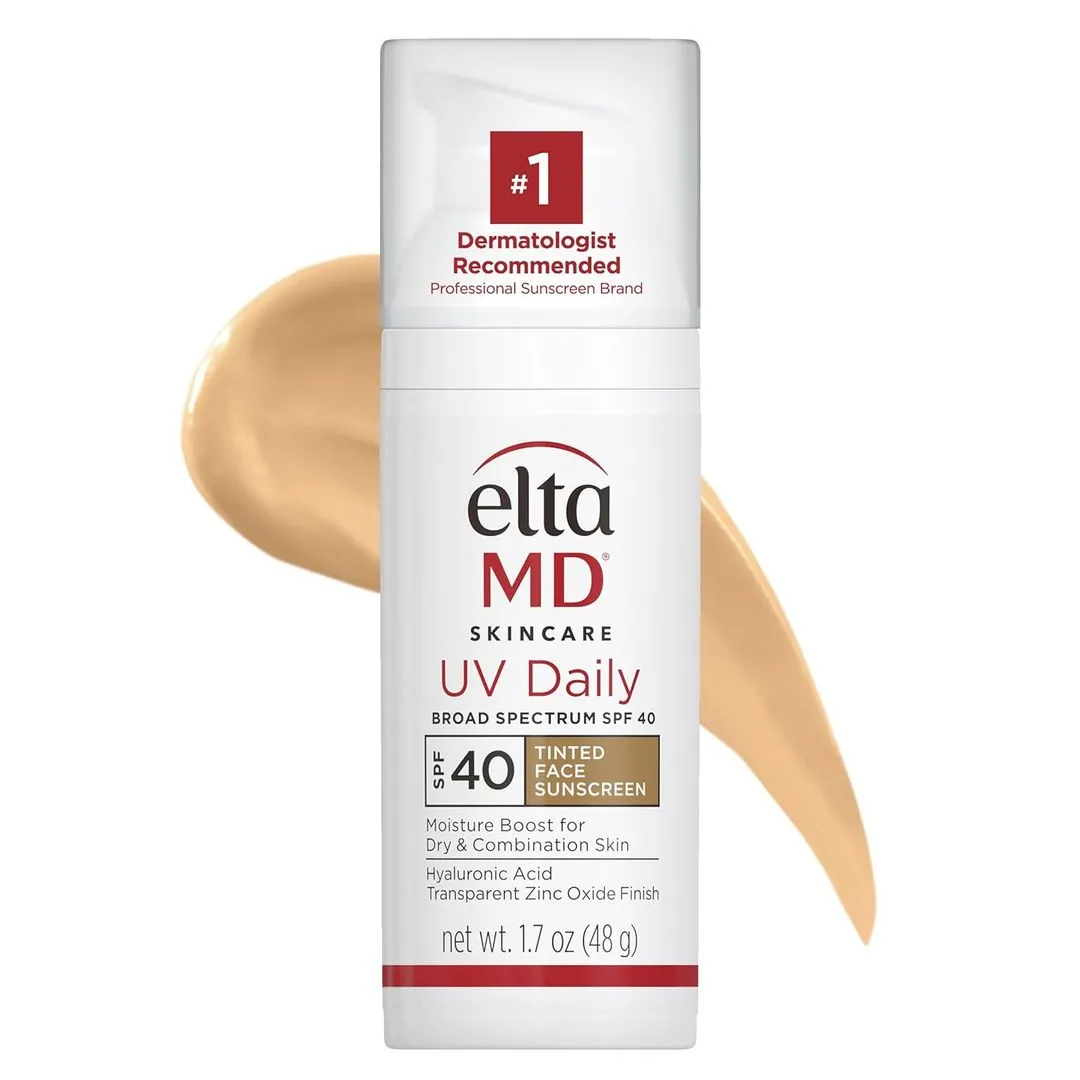
EltaMD UV Daily plus a sheer tint. Moisturizer, sunscreen and iron oxides in one step.
A dermatologist’s take
Recommend.
Moisturizer, sunscreen and a wash of color in one morning step — that is the version people keep doing. The iron oxides block visible light, which drives melasma. It evens tone but covers nothing, so keep your concealer. On deep skin tones, buy UV Daily Deep Tinted.
Pros
- Good fit for dry skin
Cons
- Tint offers sheer coverage
Skin fit
Who is it best for?

Dry Skin
Good fitSodium hyaluronate and petrolatum mean it hydrates and seals as well as it shields. On dry or mature skin it can replace your morning moisturizer, which turns three steps into one.
Melasma
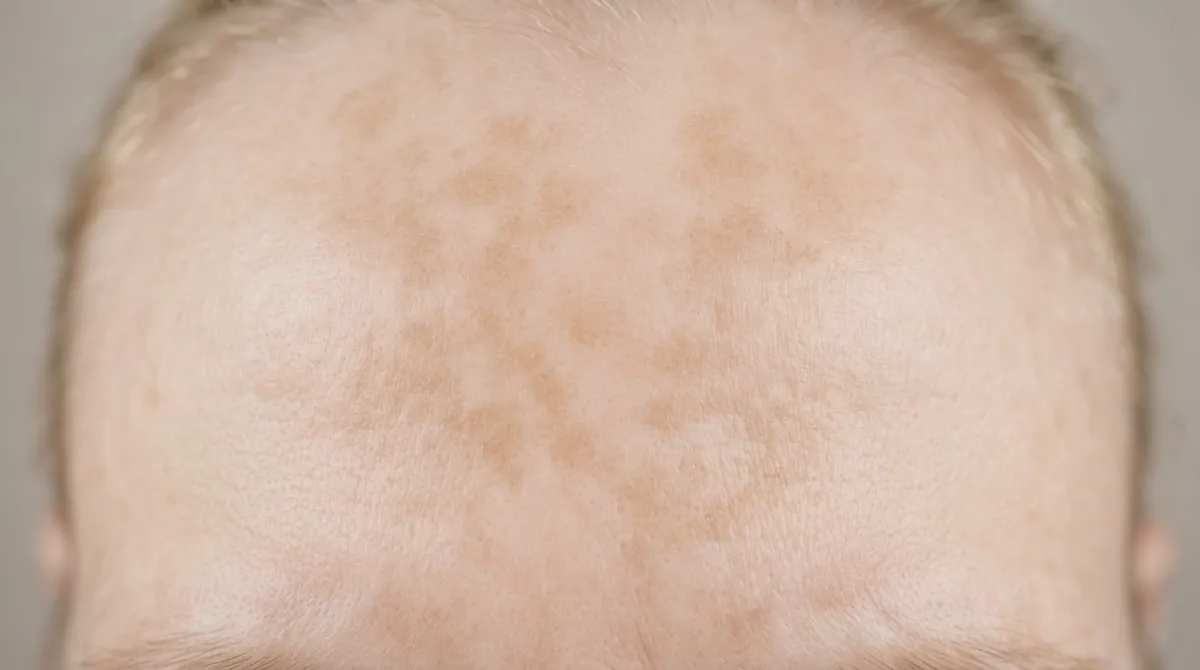
Okay fitMelasma is driven by visible light as well as UV, and clear sunscreen does nothing about visible light. The iron oxides in the tint block it, which is why a tinted sunscreen beats an untinted one.
The standard shade is scoped to medium-light through medium-deep skin.
Hyperpigmentation
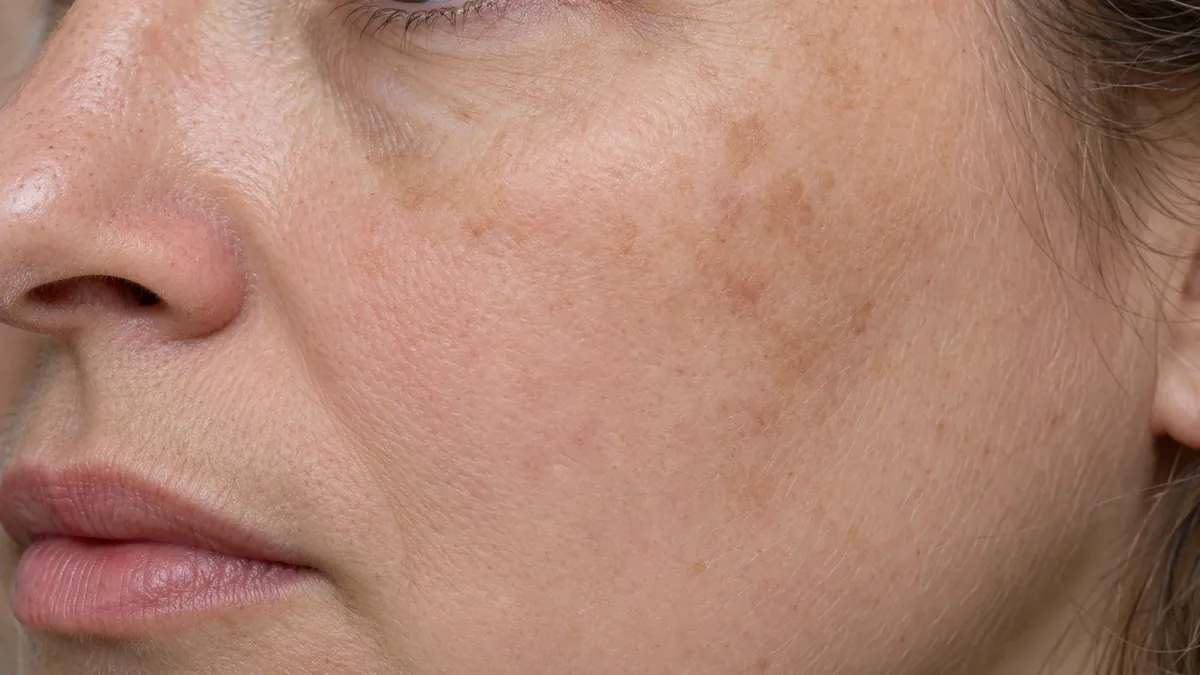
Okay fitDark marks darken with light exposure, so keeping light off them is most of the treatment.
The filters handle UV, the iron oxides handle visible light, and the tint makes the marks less obvious while they fade.
Sun Damage
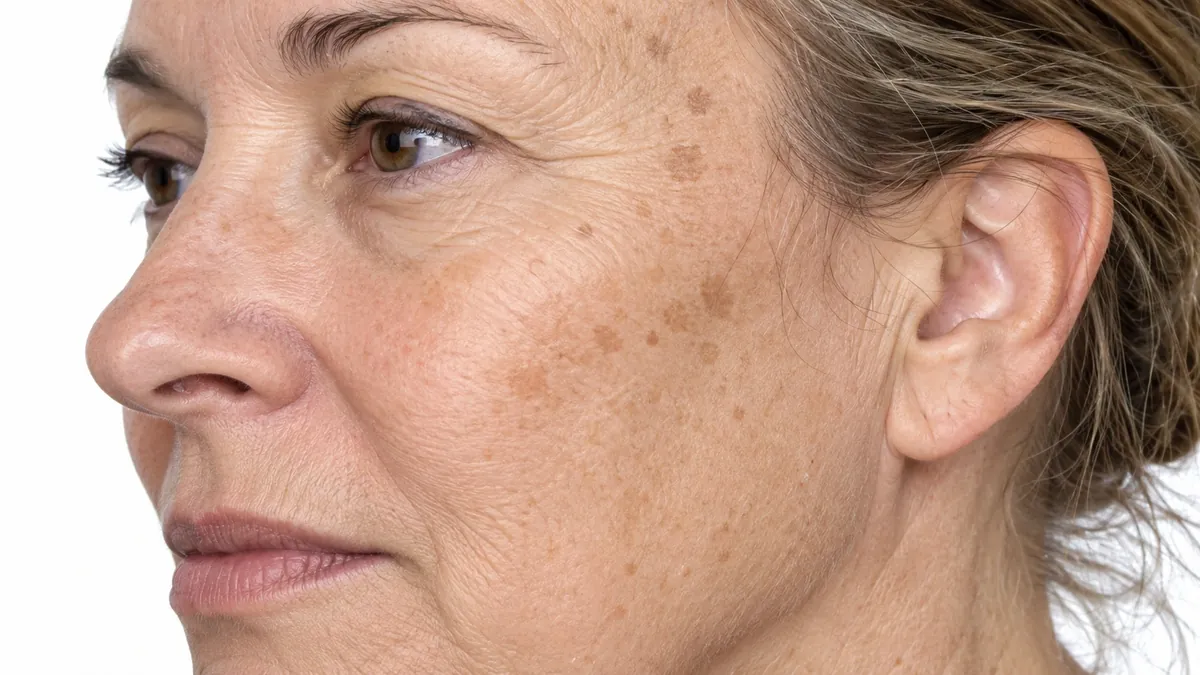
Okay fitMost of what people call aging — lines, roughness, mottling — is UV damage adding up over years, and daily sunscreen is the only thing that stops more.
Dewy and tinted is the difference between wearing it and skipping it.
Feel & smell
What does it feel like?
Lotion
A soft, slightly thick lotion that spreads into a dewy finish. It does not dry down matte.
The tint is very sheer. It takes out some red and evens tone slightly. That is all it does. On dry or mature skin it feels like a tinted moisturizer, which is the appeal. On oily skin it looks shiny by midday, and the single shade can look wrong on deep skin tones.
UV filters
UV filter type
- Mineral
- Hybrid
- Chemical
Combines mineral and chemical UV filters.
Filter type describes the formula, not its protection level.
Inside the formula
What do the main ingredients do?


More ingredient roles
How this formula works.
Sunscreen filters work one of two ways. Zinc oxide sits on the surface and scatters UV. Octinoxate soaks into the top layer and absorbs UV energy, releasing it as a little heat. Using both is how this reaches SPF 40 without feeling chalky.
Full clinical explanation
Sunscreen filters work one of two ways. Zinc oxide sits on the surface and scatters UV. Octinoxate soaks into the top layer and absorbs UV energy, releasing it as a little heat. Using both is how this reaches SPF 40 without feeling chalky.
The tint does real work. Iron oxides are pigments, and pigments block visible light — the daylight your eyes can see. UV filters do not stop visible light at all, and visible light drives melasma and dark marks. That is why a tinted sunscreen is the one to use when pigment is the problem.
The rest is moisturizer. Sodium hyaluronate pulls water in, petrolatum seals it. One step instead of three is the part most likely to mean it actually gets used.
Full ingredient list · 19 ingredients
Active ingredients: Octinoxate 7.5% Sunscreen Zinc Oxide 9.0% Sunscreen Inactive ingredients: water, petrolatum, isopropyl palmitate, dimethicone, cetearyl alcohol, oleth-3 phosphate, phenoxyethanol, hydroxyethyl acrylate/sodium acryloyldimethyl taurate copolymer, polyisobutene, cetearyl glucoside, polyether-1, butylene glycol, PEG-7 trimethylolpropane coconut ether, sodium hyaluronate, iodopropynyl butylcarbamate, citric acid, tocopheryl acetate, triethoxycaprylylsilane, iron oxides
All ingredient roles
Petrolatum
Forms a thin film on top of the skin that slows water loss while the barrier recovers.
Dimethicone
A silicone that smooths the surface and adds to the protective film.
Cetearyl Alcohol
A fatty alcohol that softens skin and thickens the product. Despite the name, it is not drying.
Sodium Hyaluronate
A form of hyaluronic acid. Its molecule is large, so it stays on the surface and holds water there.
Phenoxyethanol
The preservative. It stops bacteria and mold from growing in the product.
Use & results
How to use it
How much
About a quarter teaspoon for the face. SPF 40 is measured at a set thickness; half as much is far less than half the protection.
Where
Face, ears, neck and hairline. Ear tops and the back of the neck are where dermatologists see the damage.
Reapply
Every two hours outdoors, and after sweating or swimming. Over makeup, use a powder or stick sunscreen.
What to expect
Nothing to build up to. It works the moment it is on and stops when it rubs off. Tone looks more even straight away — that is the tint, not treatment.
Price spectrum
Where does the price fall?
Paying more doesn’t guarantee better results. A good buy is a formula with the right ingredients, strength and texture for your skin. Use price per ounce to compare cost, then weigh it against the pros and cons above.
The product line
Which EltaMD product should you choose?
EltaMD’s sunscreens differ in finish, tint, moisturizing feel and filter combination. The names are easy to confuse, so compare the exact version. The best fit is one you can apply generously and wear consistently, with a tint and texture that work for your skin.
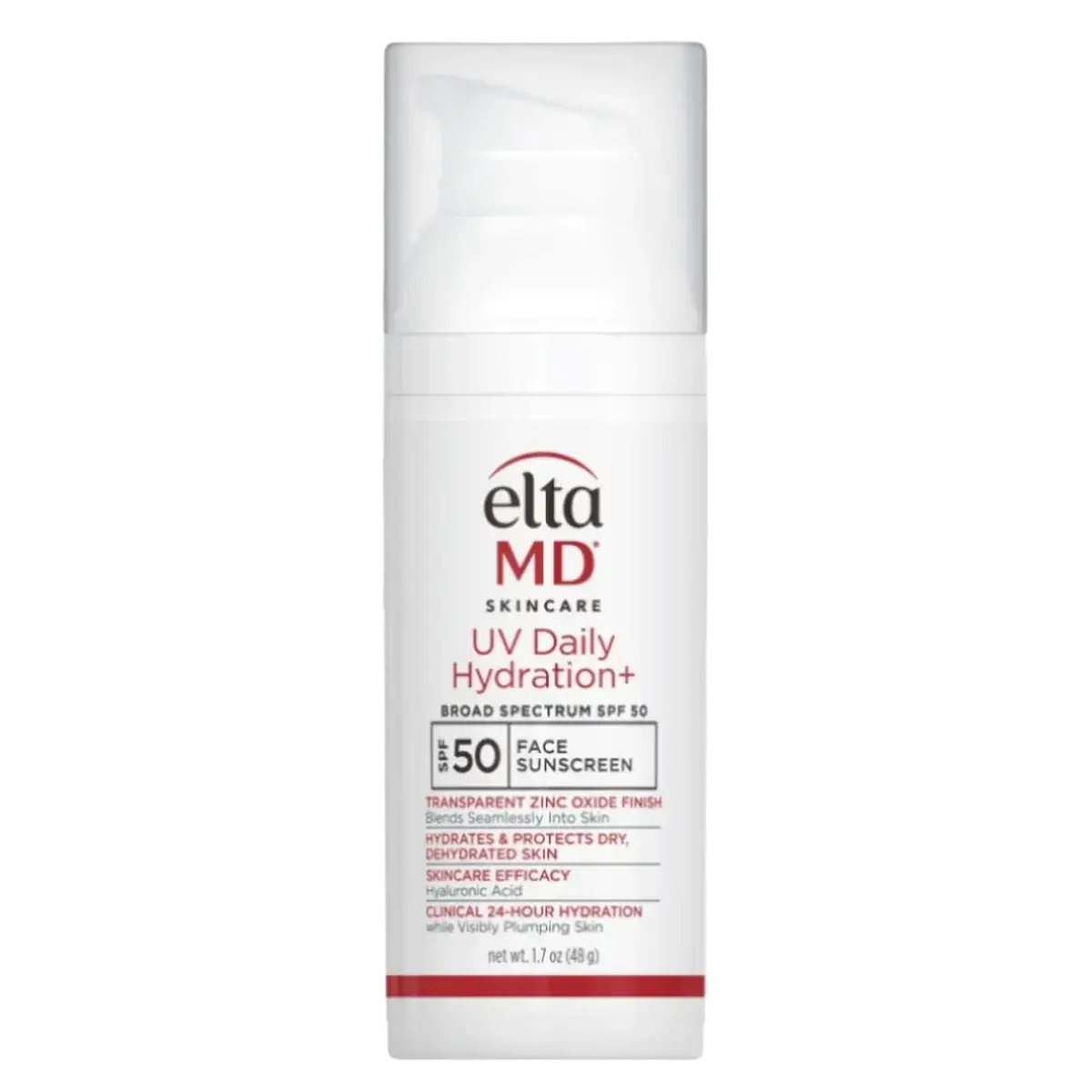
UV Daily Hydration+ SPF 50
The richest of the four: more hydration, higher SPF, no tint.
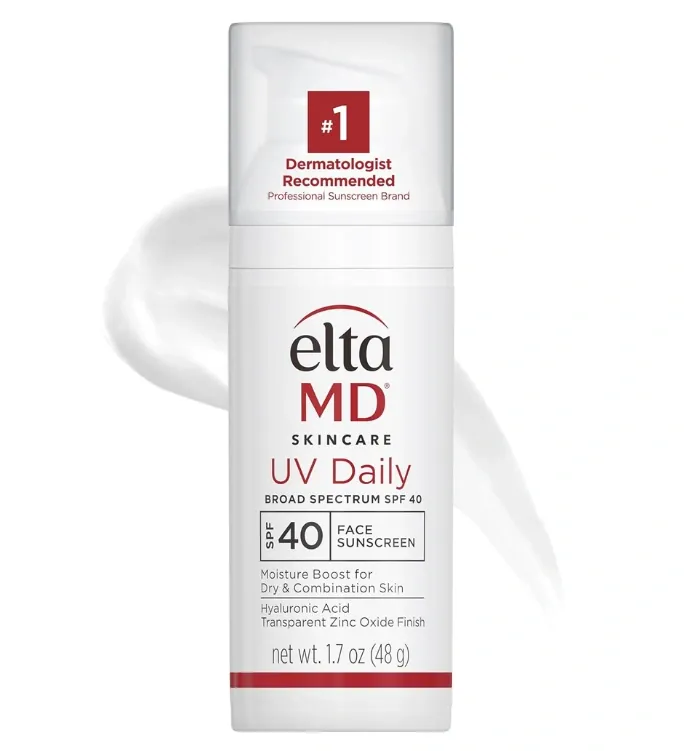
UV Daily
The same dewy base without the iron oxides.
UV Daily Tinted
The hydrating base plus a sheer tint: moisturizer, sunscreen and tint in one step.
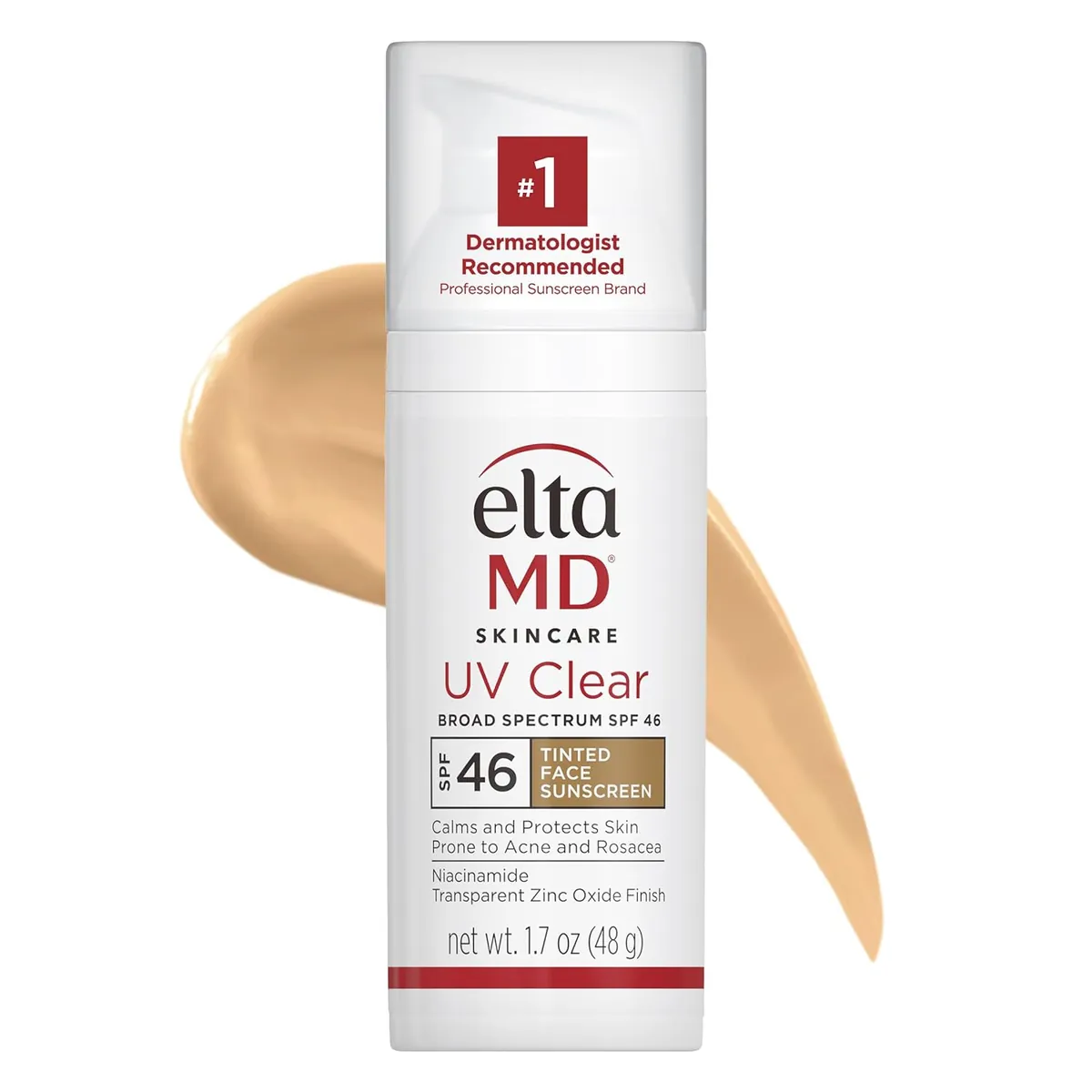
UV Clear Tinted
The oily-skin base, tinted. Lighter and less dewy, with niacinamide.
Alternatives
If it didn’t work for you
EltaMD UV Daily
The same formula without the tint. For pigment choose the tinted one — iron oxides block visible light.
Read the review →EltaMD UV Clear Tinted
The same tint in an oil-free, matte base. Better on oily skin than this dewy one.
Read the review →
La Roche-Posay Anthelios Tinted Sunscreen SPF 50
Another tinted mineral option, in four shades. Worth a look if this shade reads wrong on you.
Read the review →Questions
Before you buy
Is EltaMD UV Daily Tinted Sunscreen mineral or chemical?
Both — zinc oxide and octinoxate.
Does the EltaMD UV Daily Tinted Sunscreen tint match deep skin?
Only to medium-deep. Deeper tones need the Deep Tinted version.
Is EltaMD UV Daily Tinted Sunscreen good for oily skin?
No, it finishes dewy. UV Clear is the matte one.
Does EltaMD UV Daily Tinted Sunscreen help with melasma?
Yes. Its iron oxides block visible light.
What SPF is EltaMD UV Daily Tinted Sunscreen?
SPF 40.
Sources
Sources
- Photoprotection beyond ultraviolet radiation: A review of tinted sunscreensLyons AB, Trullas C, Kohli I, et al. J Am Acad Dermatol. 2021;84(5):1393-1397. doi:10.1016/j.jaad.2020.04.079.
- Enhancing Photoprotection: Assessing Visible Light Photoprotection in Tinted Inorganic SunscreensRuvolo E, Mortillo S, Yousefian O. Photodermatol Photoimmunol Photomed. 2026;42(4):e70104. doi:10.1111/phpp.70104.
- Sunscreens part 1: Mechanisms and efficacyAbdel Azim S, Bainvoll L, Vecerek N, et al. J Am Acad Dermatol. 2025;92(4):677-686. doi:10.1016/j.jaad.2024.02.065.
- Attitudes on, Practices, and Recommendations for Visible Light Protection Amongst…Azim SA, Whiting C, Friedman AJ. Attitudes on, Practices, and Recommendations for Visible Light Protection Amongst Dermatology Practitioners. J Drugs Dermatol. 2024;23(11):965-971. doi:10.36849/jdd.8159.
- EltaMD UV Daily Tinted Broad Spectrum SPF 40
- Sunscreen filter classification
- Dermapedia on YouTube
Keep exploring
Keep exploring
EltaMD UV Clear Tinted
EltaMD UV Daily
La Roche-Posay Anthelios Tinted Sunscreen SPF 50
Dry Skin
Melasma

Revision Skincare Intellishade Original
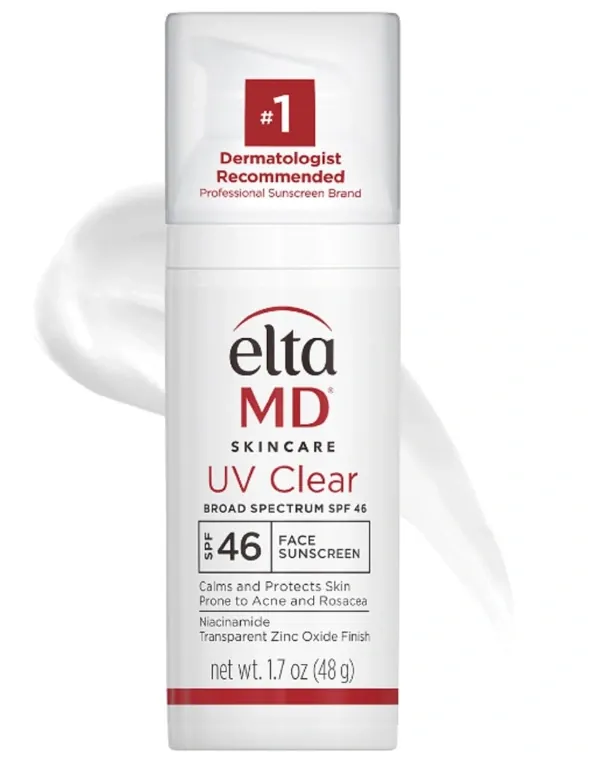
EltaMD UV Clear

Dimethicone

Hyaluronic Acid

Niacinamide

Petrolatum
