Acne
Clears and prevents breakouts.
Tretinoin: A prescription vitamin A cream or gel for acne. It works underneath the skin, on the plug that forms weeks before a pimple appears. Winlevi: The first cream that blocks hormones in the skin itself. It is the only topical treatment that works on the hormonal driver of acne, and it can be used by men and women.
Choose for acne or sun-aged skin as the classic, well-studied prescription retinoid — cheap as a generic.
Choose for acne with a hormonal driver when you want a cream rather than a pill — the only topical that targets it.
Can you take them together?
They work on different causes of acne. Apply at different times of day to limit irritation.
Compare uses by strength of evidence. Evidence level describes confidence in a benefit, not its size.
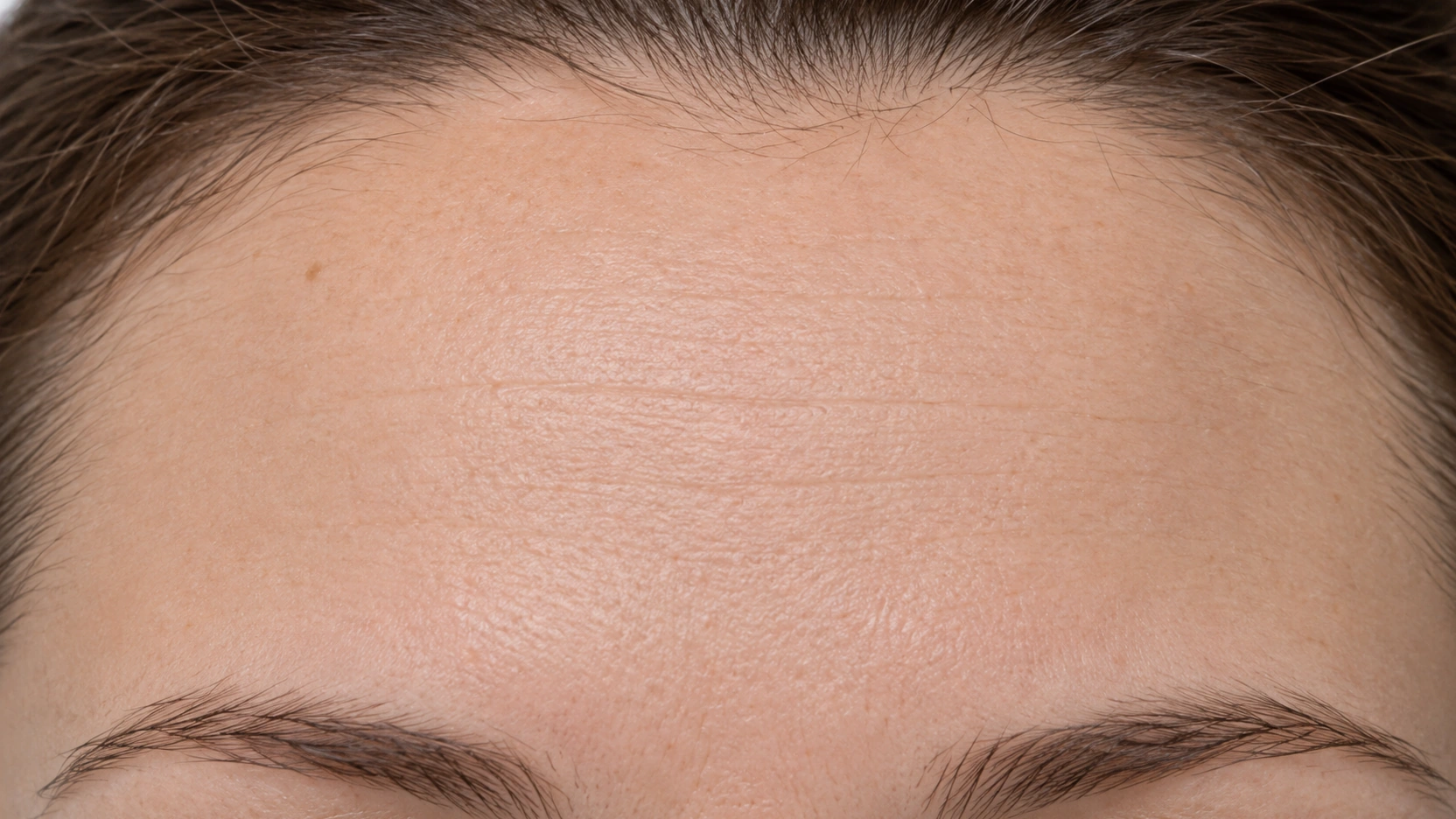
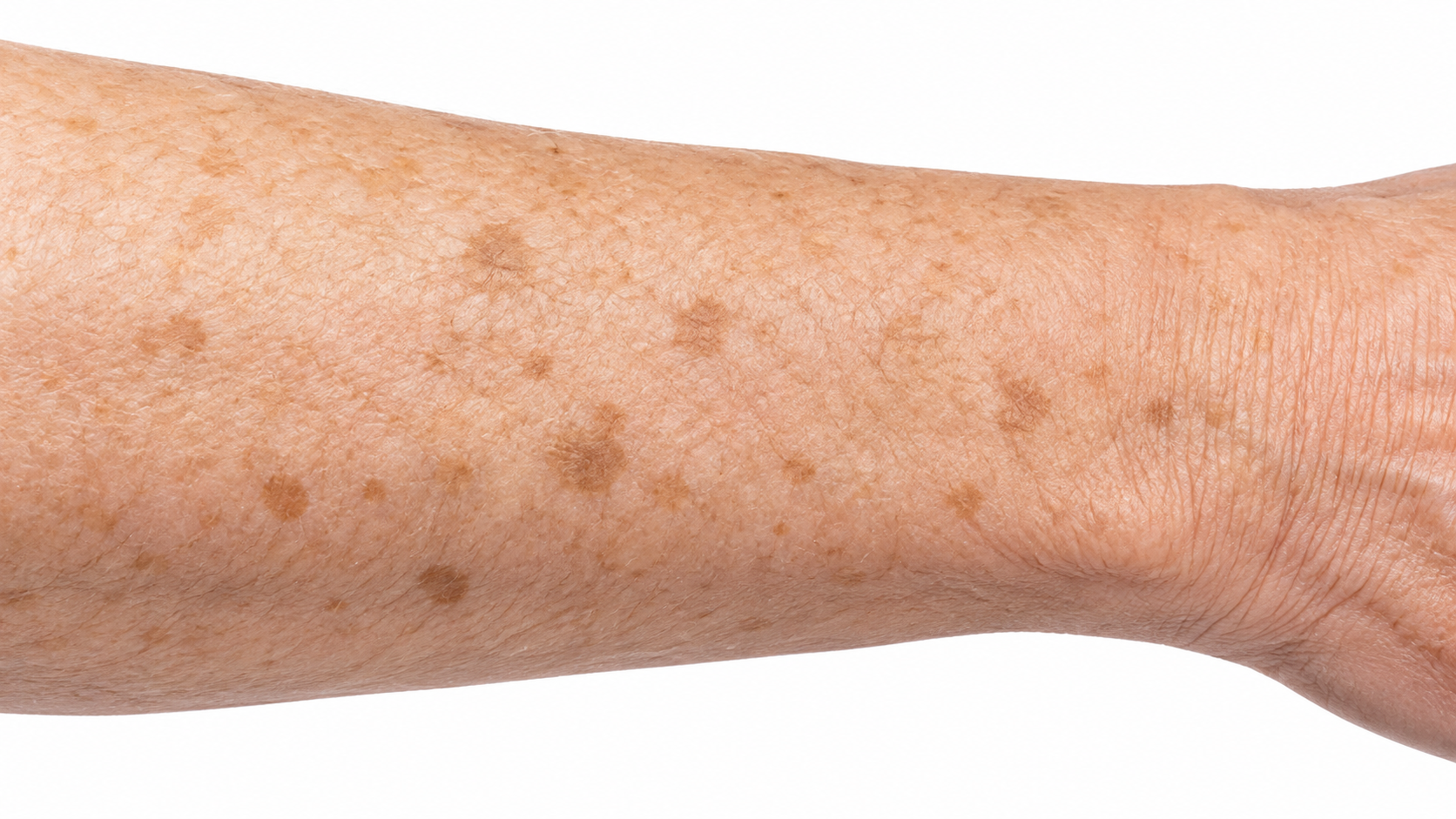
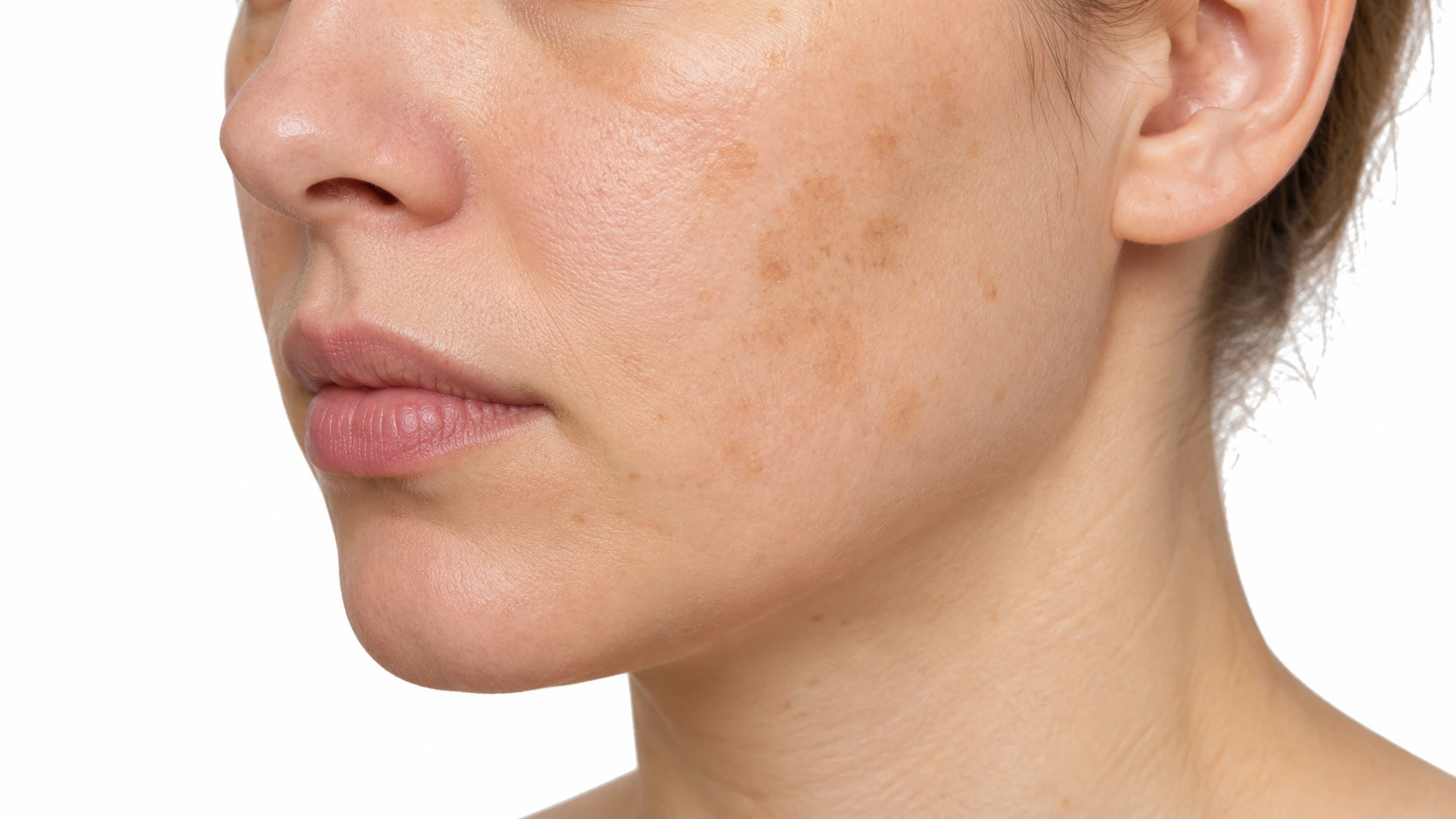
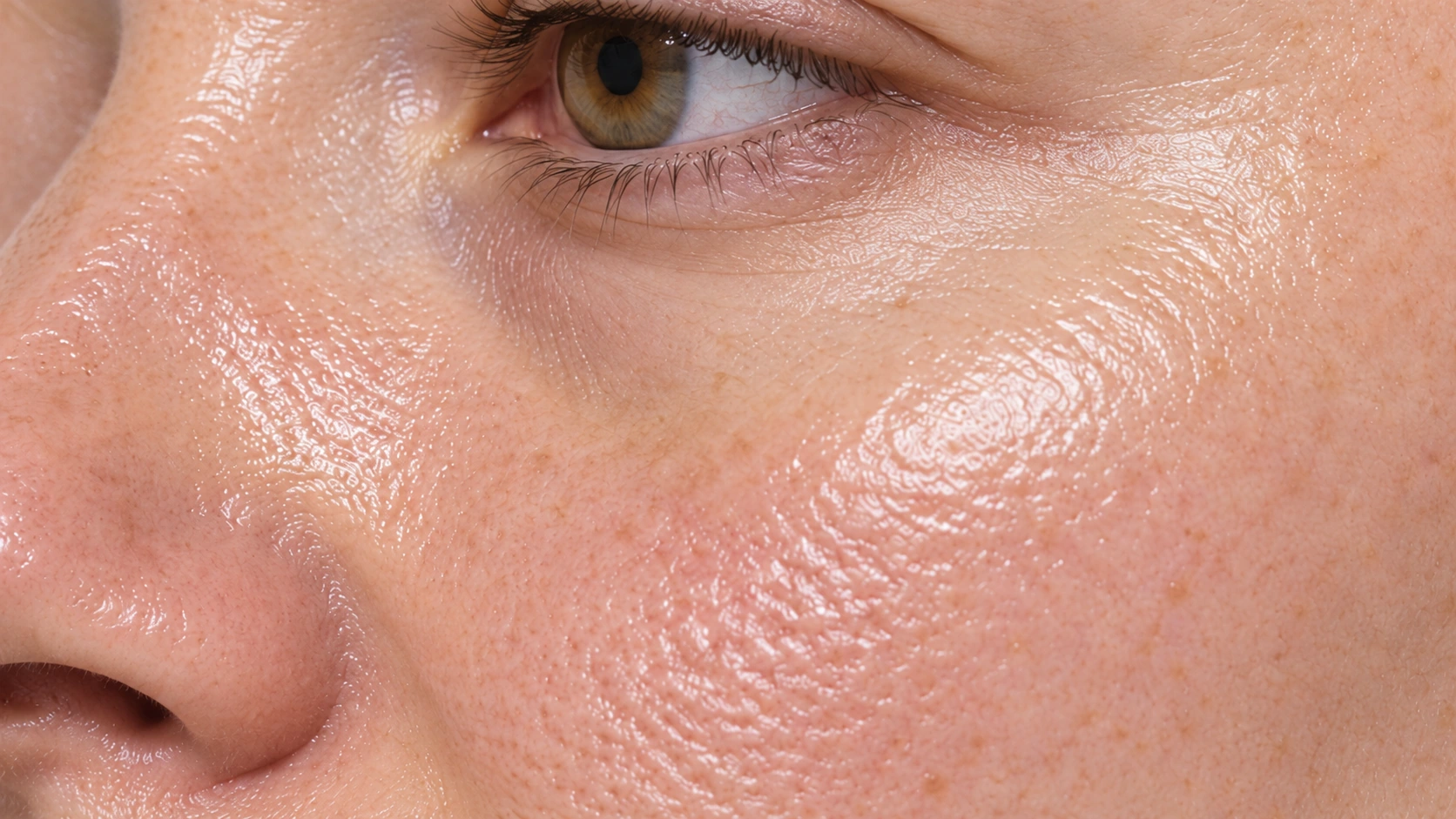
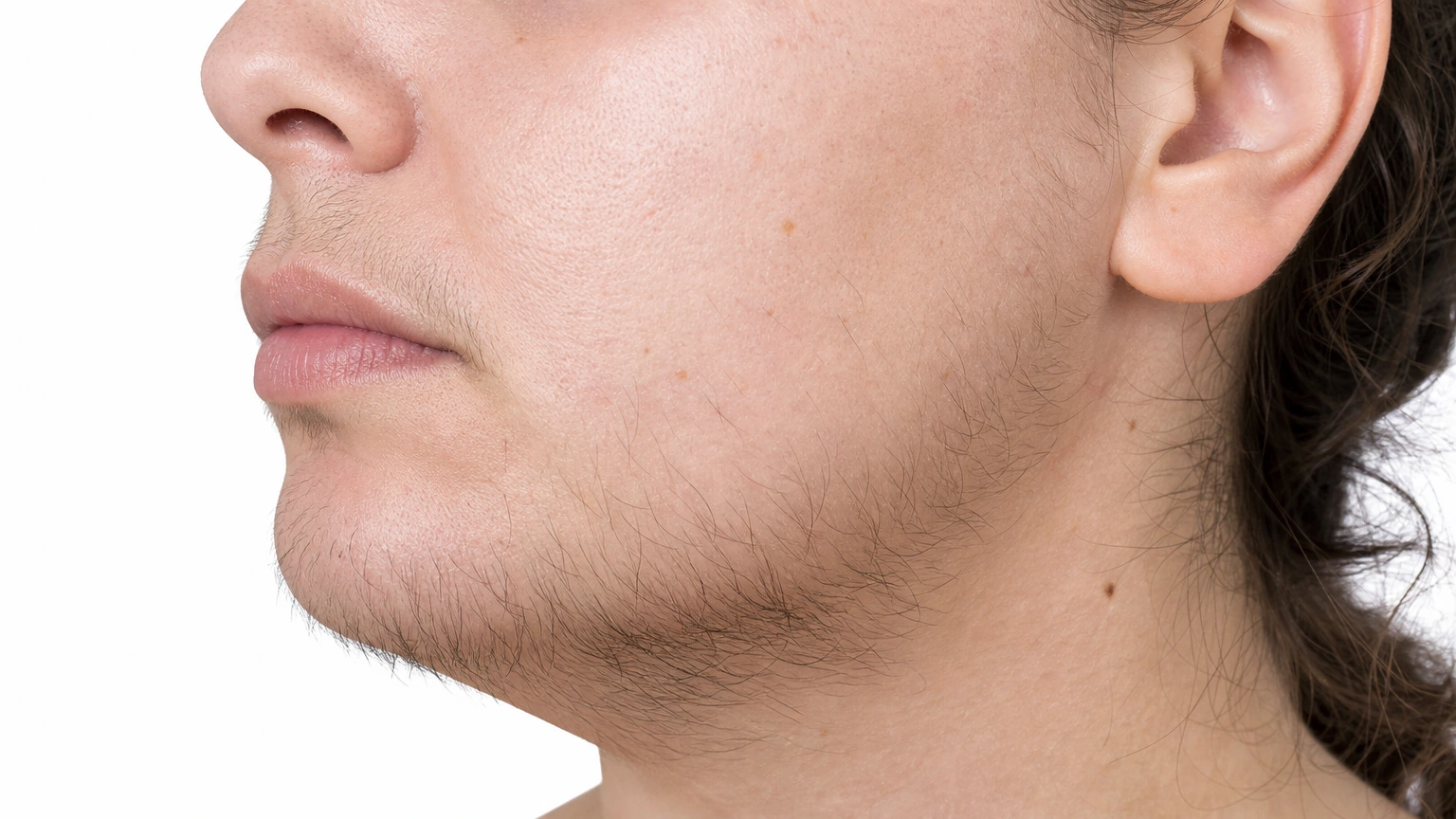
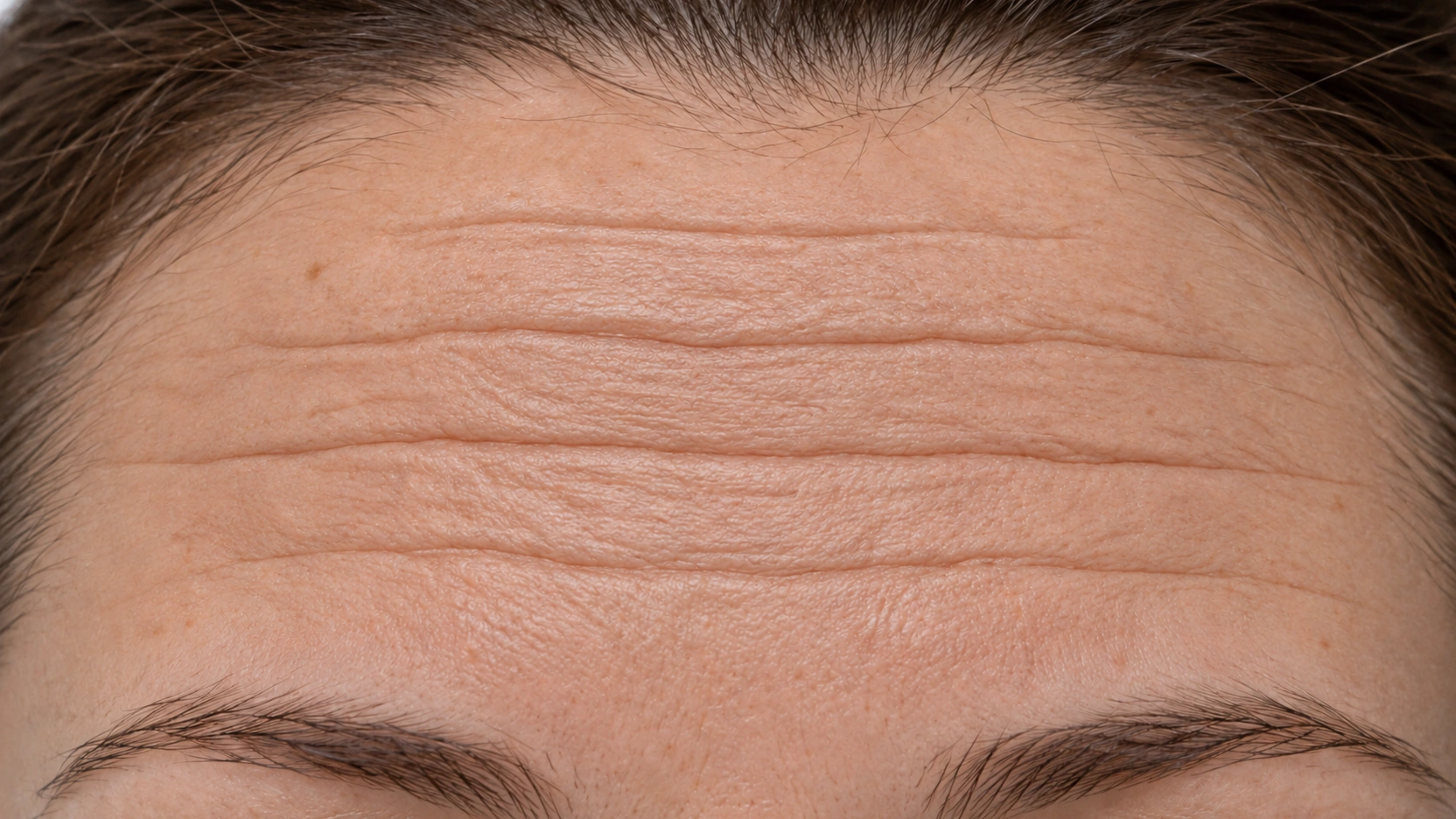
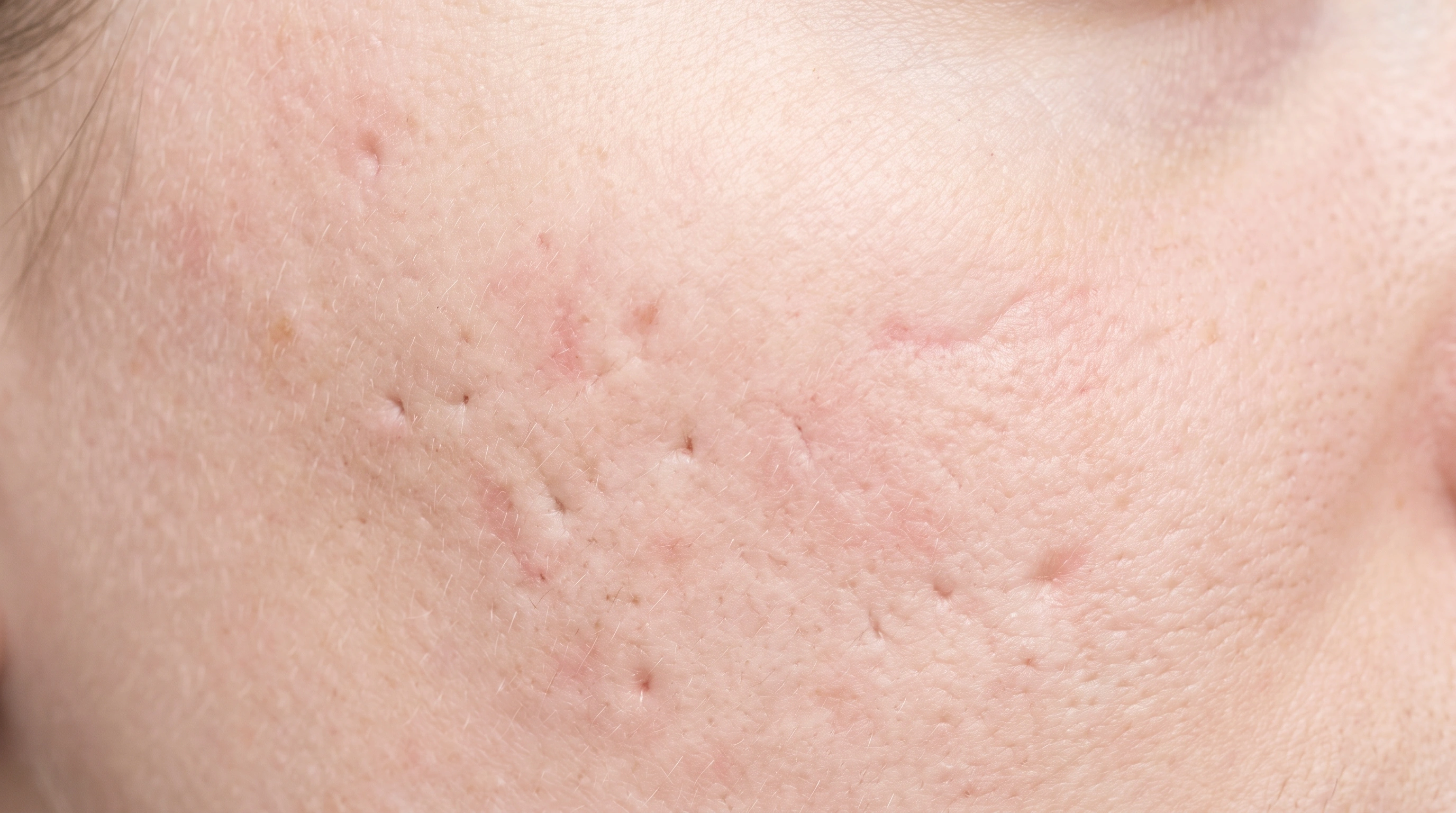


Unclogs pores: Reduces dead-cell buildup inside follicles. Helps fade dark marks: Helps clear pigment-containing cells as skin renews. Builds collagen: Helps fibroblasts produce new collagen. Reduces collagen breakdown: Reduces signals that increase collagen-cutting enzymes.
Conceptual illustration of the main skin effects, not every molecular pathway. Pigment clearance with epidermal renewal is a simplified mechanism; the exact pigment effects are not fully settled. Collagenase pathway evidence includes UV-challenge studies. Changes develop gradually with continued use.

Blocks androgen receptors: Limits hormone signaling inside skin cells. May reduce oil and inflammatory signals: These effects have been seen in laboratory sebocytes. Helps reduce acne lesions: Both clogged and inflamed spots can improve.
Androgen receptor inhibition is established. Reduced lipid and cytokine production were demonstrated in human sebocytes in vitro; their clinical contribution is not fully established. The label states the complete acne mechanism is unknown.
When to Apply: At night only, on clean dry skin. Wash, dry fully, then spread a pea-sized amount over the whole face — not just the spots. Moisturizer before or after, either way.
How to Start: Every other night for two to four weeks. Go nightly once you have had two weeks with no stinging or flaking.
If It Irritates: Drop to every second or third night, or put moisturizer on first and the tretinoin on top. Either works.
If It’s Not Working: Give it twelve weeks before judging. If acne has stalled, ask your doctor about a higher strength or a second treatment.
When to Apply: Twice a day, morning and night, on clean dry skin. A fingertip of cream over the whole area. Sunscreen or moisturizer goes on top once it dries.
How to Start: Twice daily from day one — and twice daily is the part people quietly drop.
If It Irritates: Mild dryness or redness early on is usually the base, not the drug, and moisturizer underneath settles it.
If It’s Not Working: One strength, so nothing to increase. Give it twelve weeks, then ask about adding another treatment.
No blood tests and no routine labs. Monitoring is a visit at about twelve weeks — is it working, should the strength change?
People stay on this for years, and nothing builds up. Skin usually becomes less irritated over time, not more, so a strength that was impossible at the start may be comfortable a year in. Once you are stable, a yearly review is enough.
No routine blood tests in a healthy person. Monitoring is a review at about twelve weeks.
The exception is kidney or adrenal problems, or drugs that raise potassium — then a doctor may check it. People can stay on it long term; nothing accumulates, because it breaks down quickly after absorption. The recurring issue is cost and coverage, not safety.
Approximate windows, not promises.
First few minutesApplying it: A pea-sized amount on dry skin at night. Stinging is common early.
Weeks 1 to 3Adjusting: Dryness, flaking and stinging peak around week three. This is retinization, and the acne looks much the same.
Weeks 3 to 12Settling: Irritation settles and the first real results show.
Weeks 4 to 8Sun spots: Sooner than most expect. Dark patches lighten within a month or two and keep fading; in one ten-month trial, 83 percent had lighter spots by the end.
Weeks 4 to 8Oiliness often drops before spot counts.
Weeks 8 to 12Judge it here for acne: Blackheads and whiteheads go first; red inflamed spots take longer. If nothing has changed after twelve weeks, change the strength or the plan.
Months 3 to 6Fine lines: They soften gradually with nightly use.
Weeks 1 to 4Little visible change, maybe mild dryness.
After 12 weeksJudge it here. Trials measured their main result here, and many kept improving past it.
Sorted by what to do about them.
Generic tretinoin cream and gel are widely available and usually the cheapest prescription retinoid. What costs money is the newer vehicles — branded lotions, microsphere gels and combination creams often need prior authorization and can cost many times a plain generic tube.
Adapalene is a related retinoid sold without a prescription and a reasonable substitute if cost is the barrier. It is gentler, it is stable alongside benzoyl peroxide by design, and the guidelines grade the two in the same band.
Brand only, no generic. Among the most expensive topical acne treatments, with inconsistent coverage. Prior authorization is common, and plans usually want a retinoid and benzoyl peroxide first. Savings cards exist and change often.
No, and it is the most repeated claim about the drug. A review hunting for trial data on retinoid-induced flares found none — acne improved even in the first couple of weeks. What does happen is irritation — dryness, flaking and redness peaking around week three and settling by week twelve. That can make your face look angrier without new spots. Lesions genuinely worse at week six are information, not a phase to endure.
No. It prevents the next spot rather than treating today's, so it goes on the whole area that breaks out.
No. Plenty of people stop peeling by week four and keep clearing. Chasing peeling is how people end up on a strength they cannot stay on.
The opposite, over time. It briefly thins the dead surface layer, which is why skin feels smoother and burns more easily early on. Underneath it thickens the living layer and increases collagen — measured on biopsy.
Your skin is more sun-sensitive on it, and daylight destroys the drug. After eight hours of UVA a conventional gel lost about 72% of its tretinoin and a micronized one lost about 9%.
Usually yes. The warning comes from a lab test, not from patients — tested properly, the two in one routine worked as well as spacing them apart, and there is now an approved single cream containing both. With a plain older gel, use one in the morning and the other at night.
It is not recommended in pregnancy, and it is not oral isotretinoin — the two get confused constantly. Published data on topical tretinoin do not show more birth defects, and the newest FDA labels say no drug-associated risk has been established. There is real reassurance if you used it before you knew. Stop once you know, and speak to the doctor managing your pregnancy.
Yes. It is inactivated quickly after absorption, so it skips the breast tenderness and libido changes of oral anti-androgens.
Usually not. It is milder, for people who cannot take spironolactone or want to avoid a tablet and blood tests.
Not for routine use. Potassium may be checked with kidney disease or drugs that raise it.
Yes, a common combination. Clascoterone in the morning, retinoid at night.