Adapalene
ListedHelps prevent blocked pores alongside an appropriate treatment plan. Avoid retinoids during pregnancy.
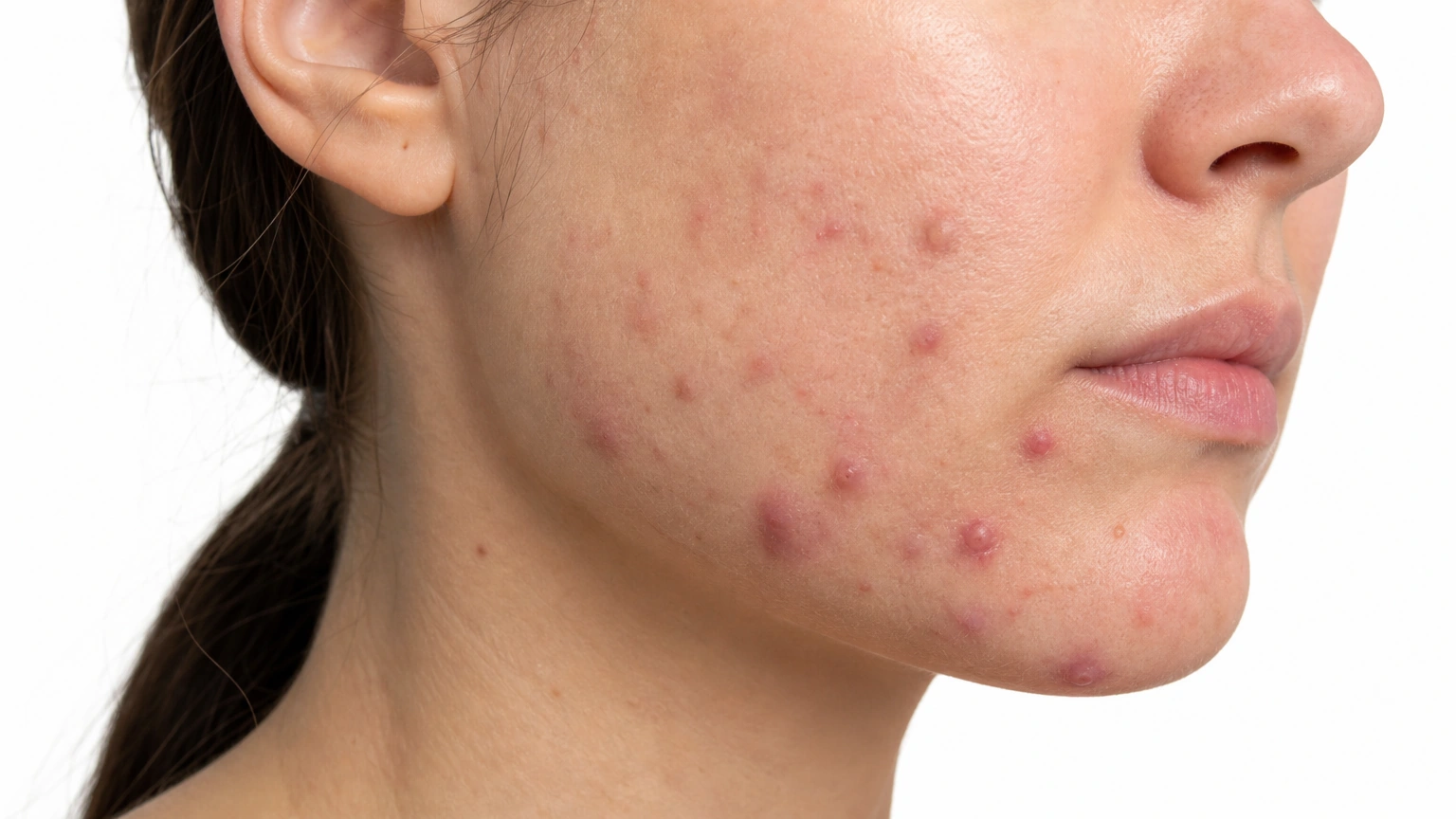
Acne influenced by hormones, often recurring in adults or around menstrual cycles.

The same eight facts on every condition comparison.
Hormonal Acne Inflamed spots cluster around the lower cheek, jawline, and chin.
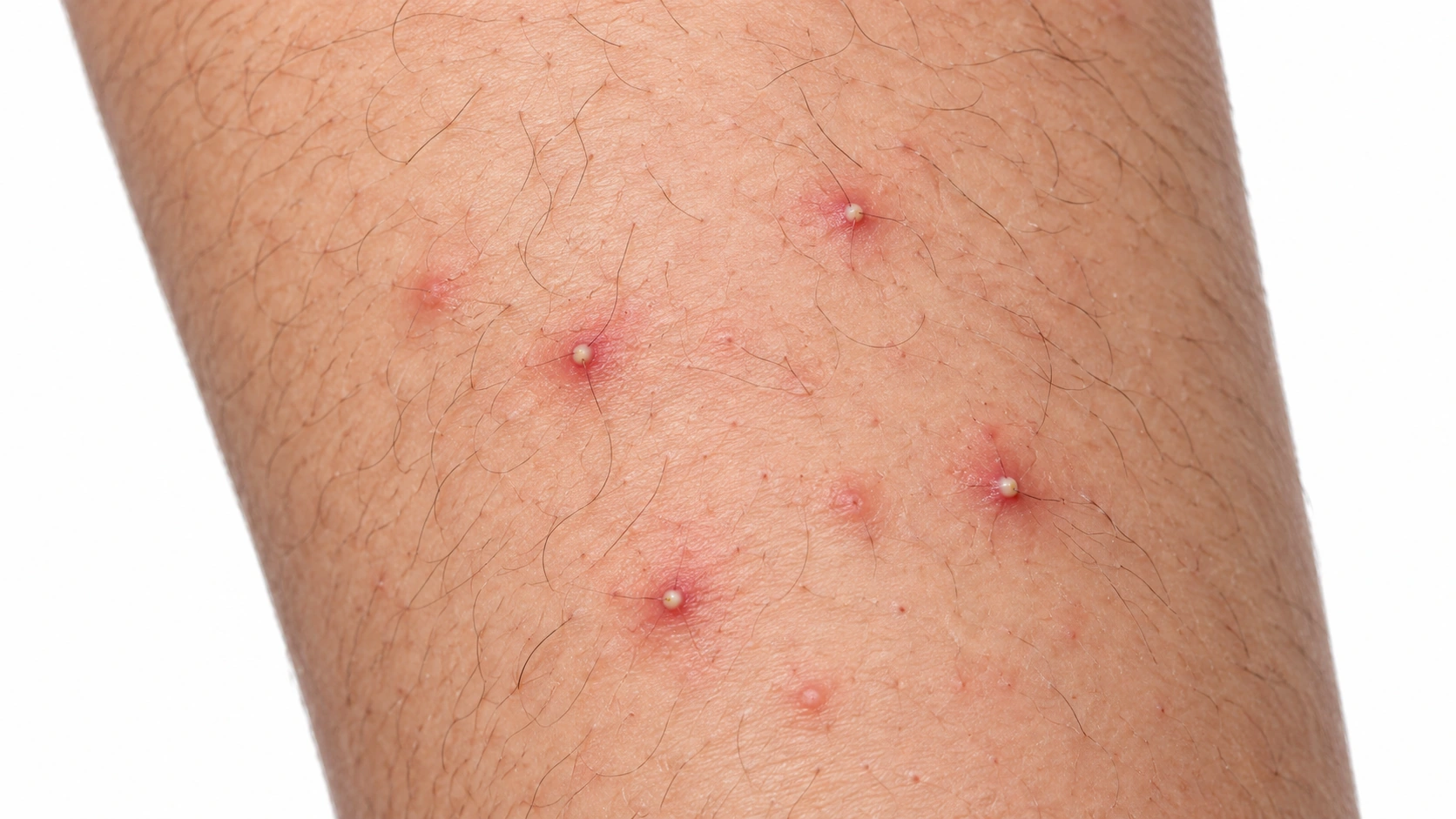
Bacterial folliculitis Staph infection, the most common.
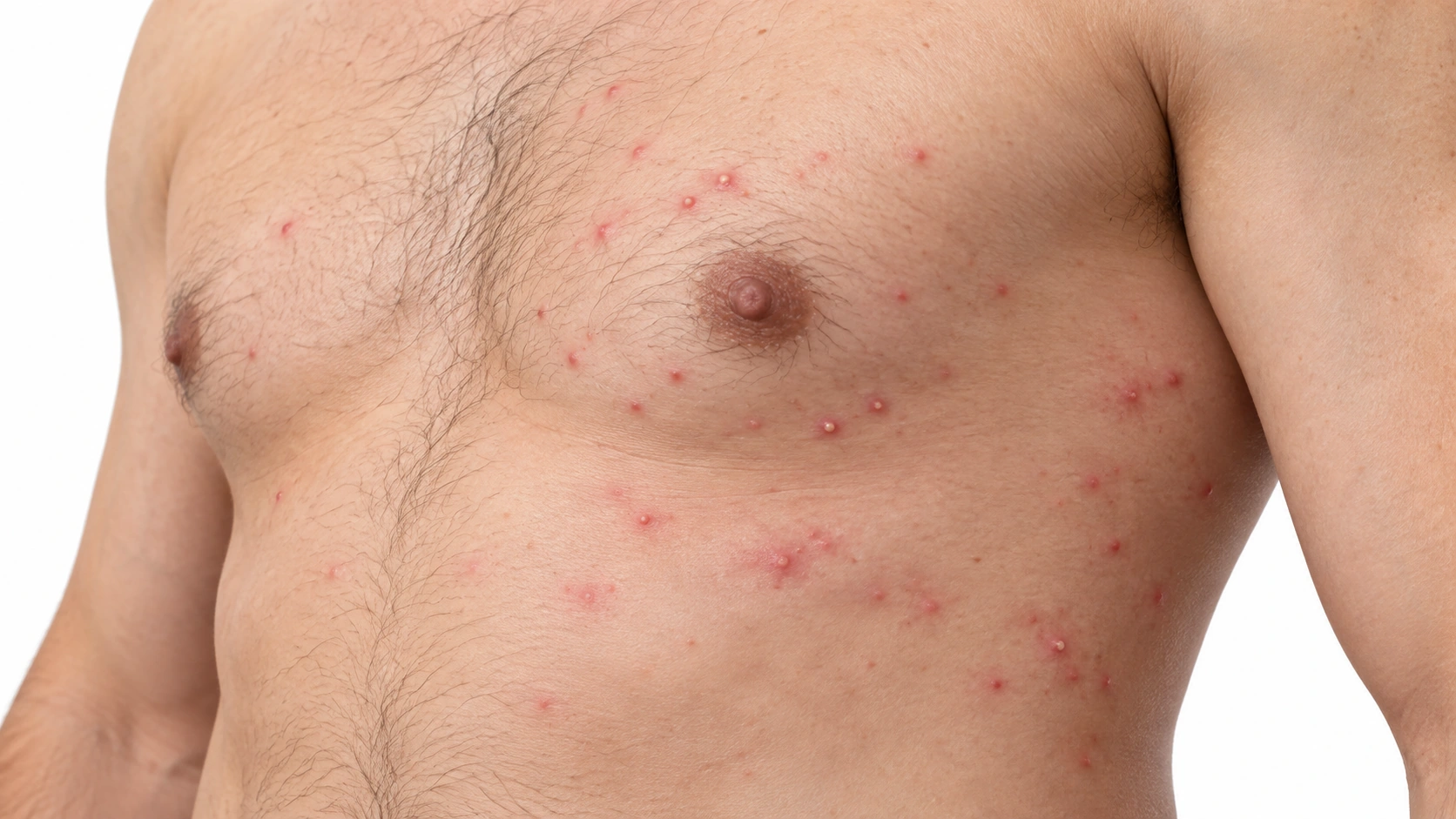
Hot-tub folliculitis From bacteria in poorly treated water.
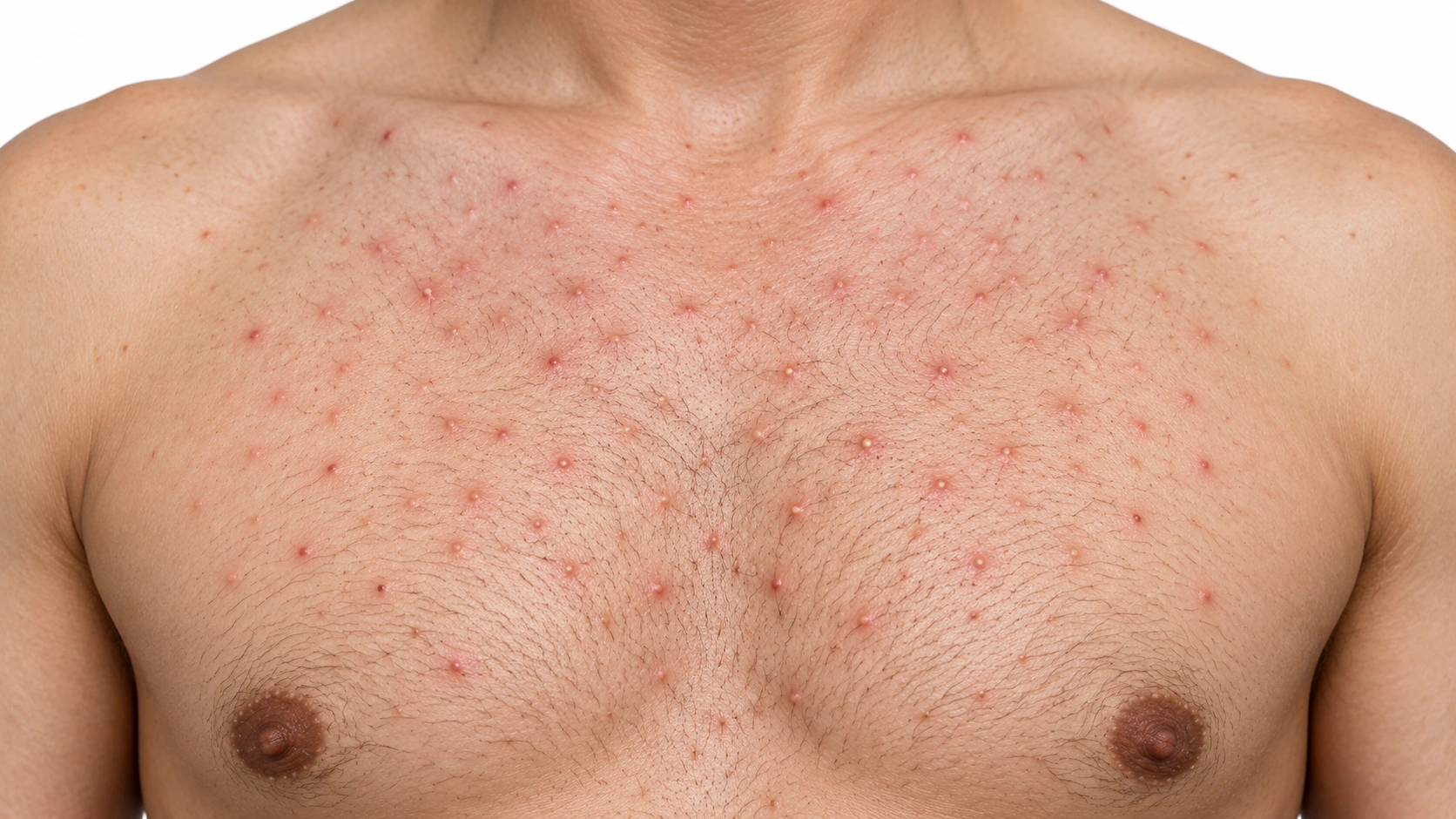
Yeast folliculitis Uniform itchy bumps on chest and back.
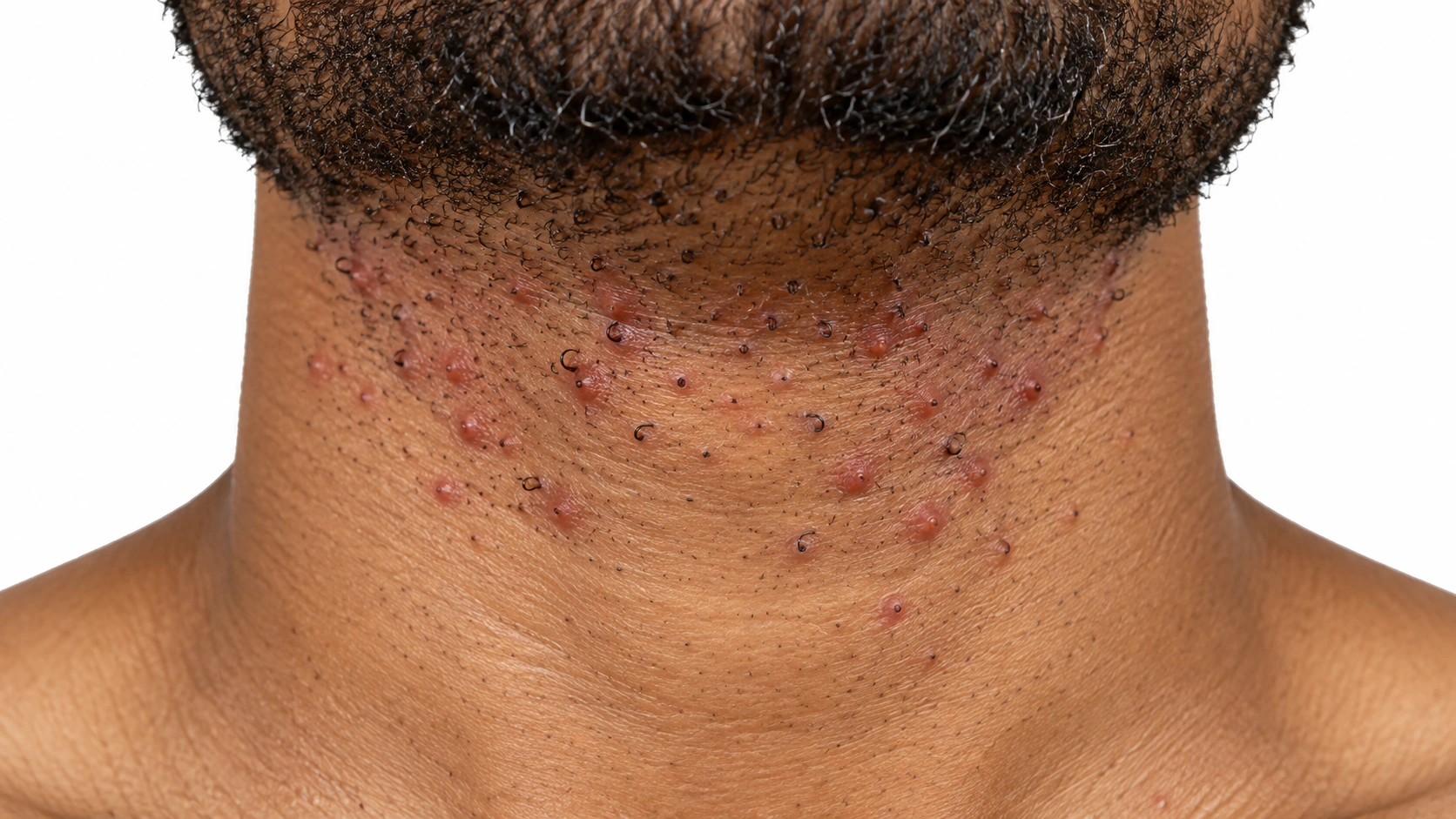
Razor bumps (pseudofolliculitis) From hairs curling into skin.
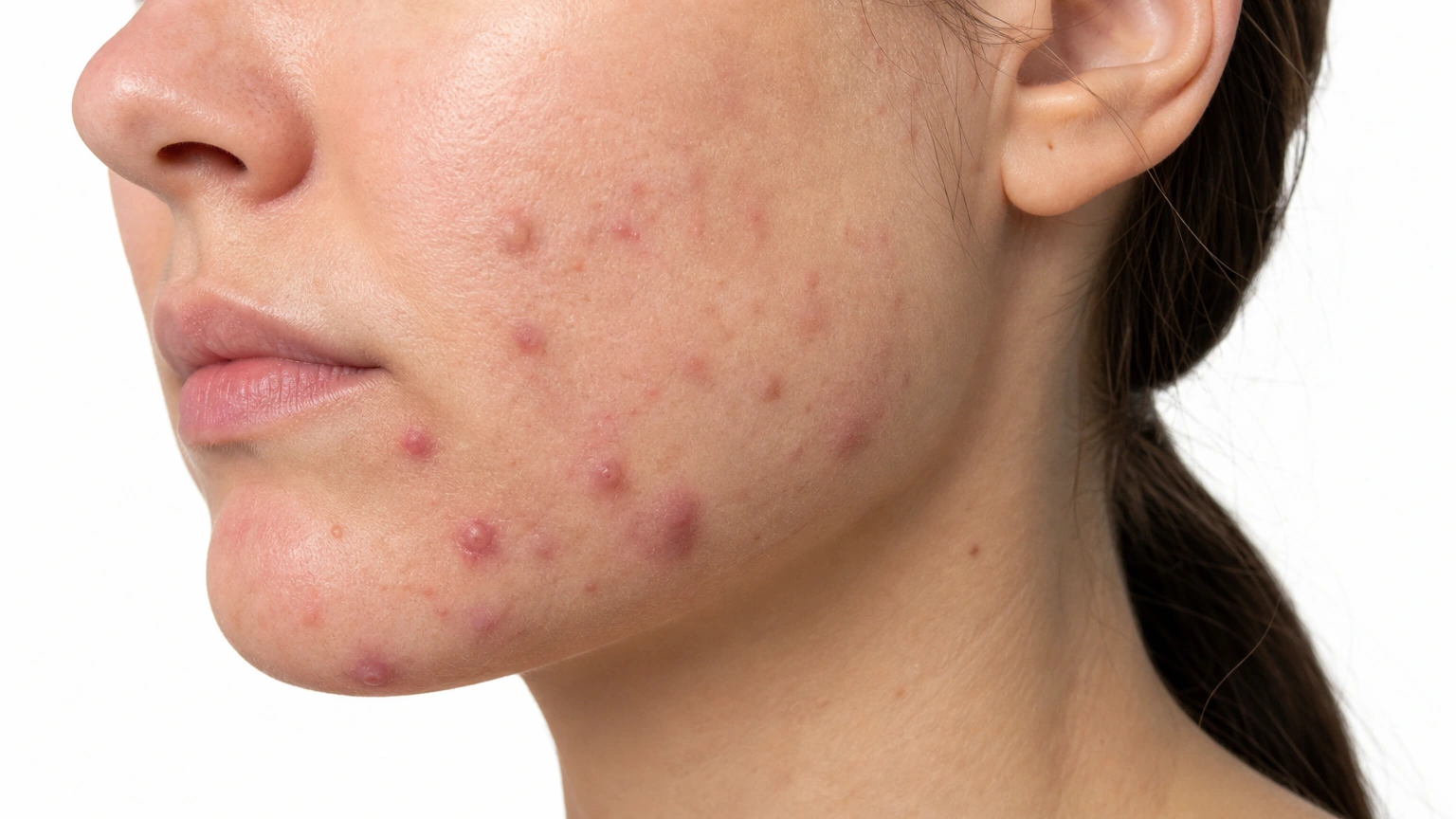
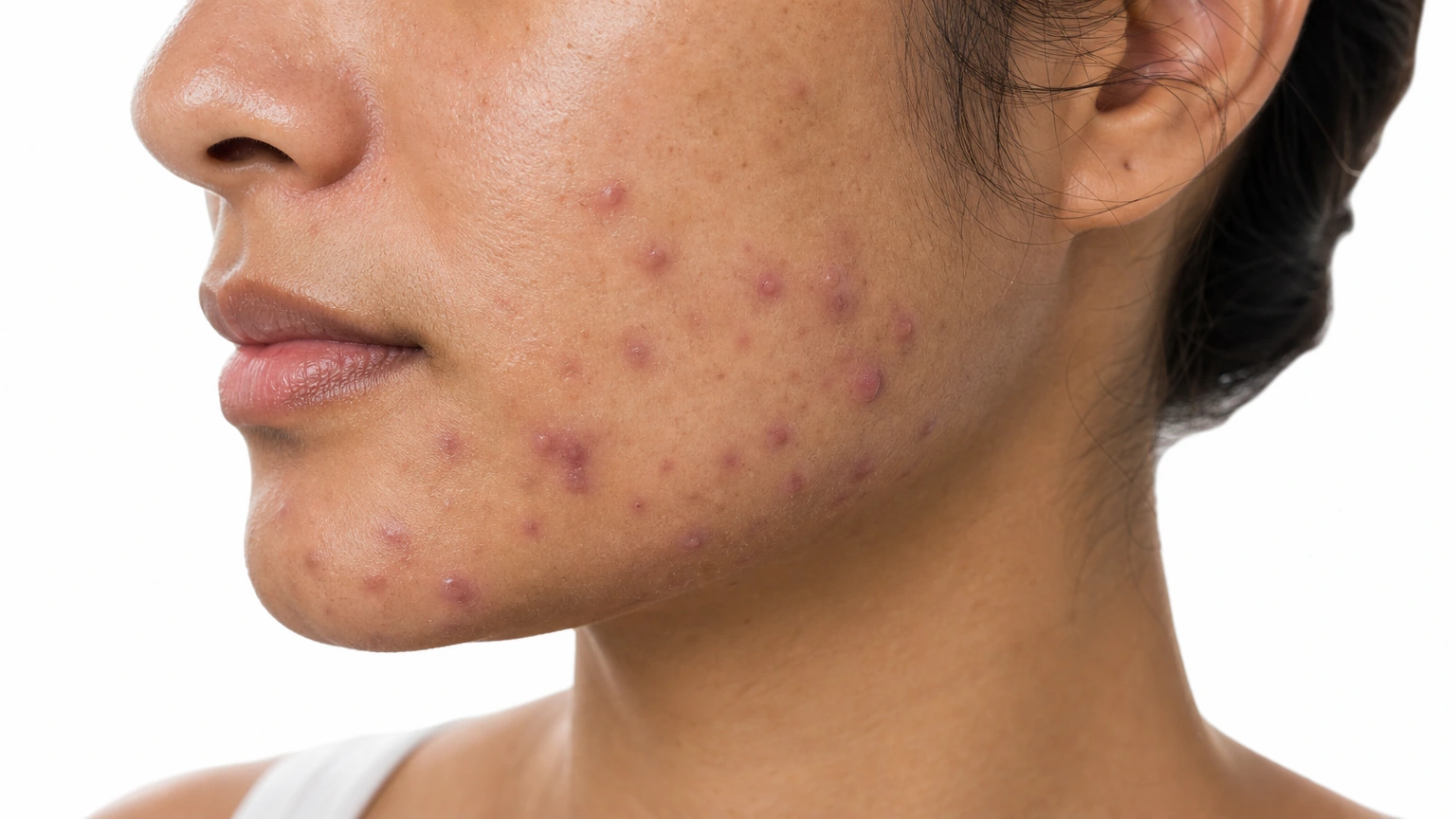
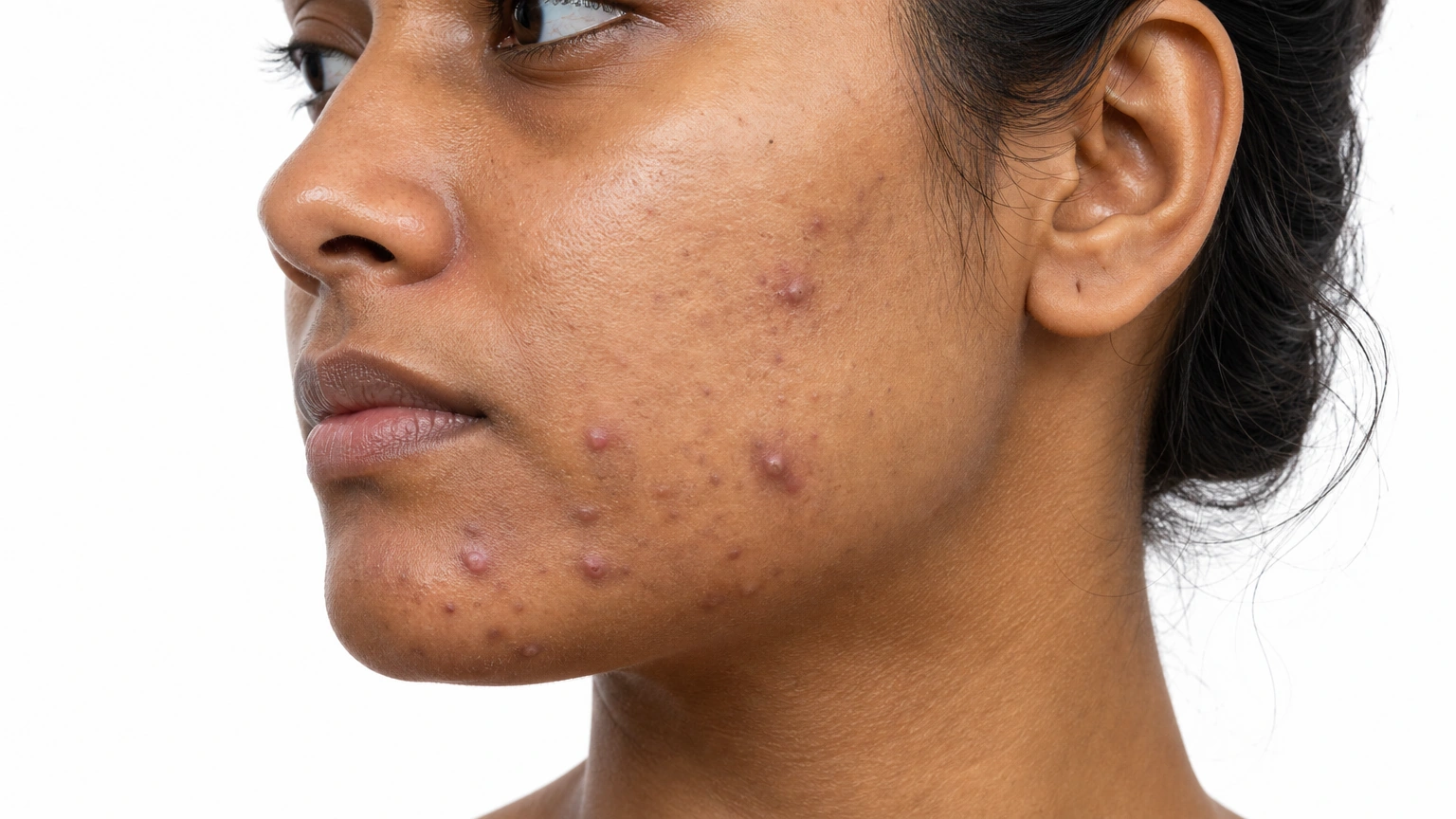
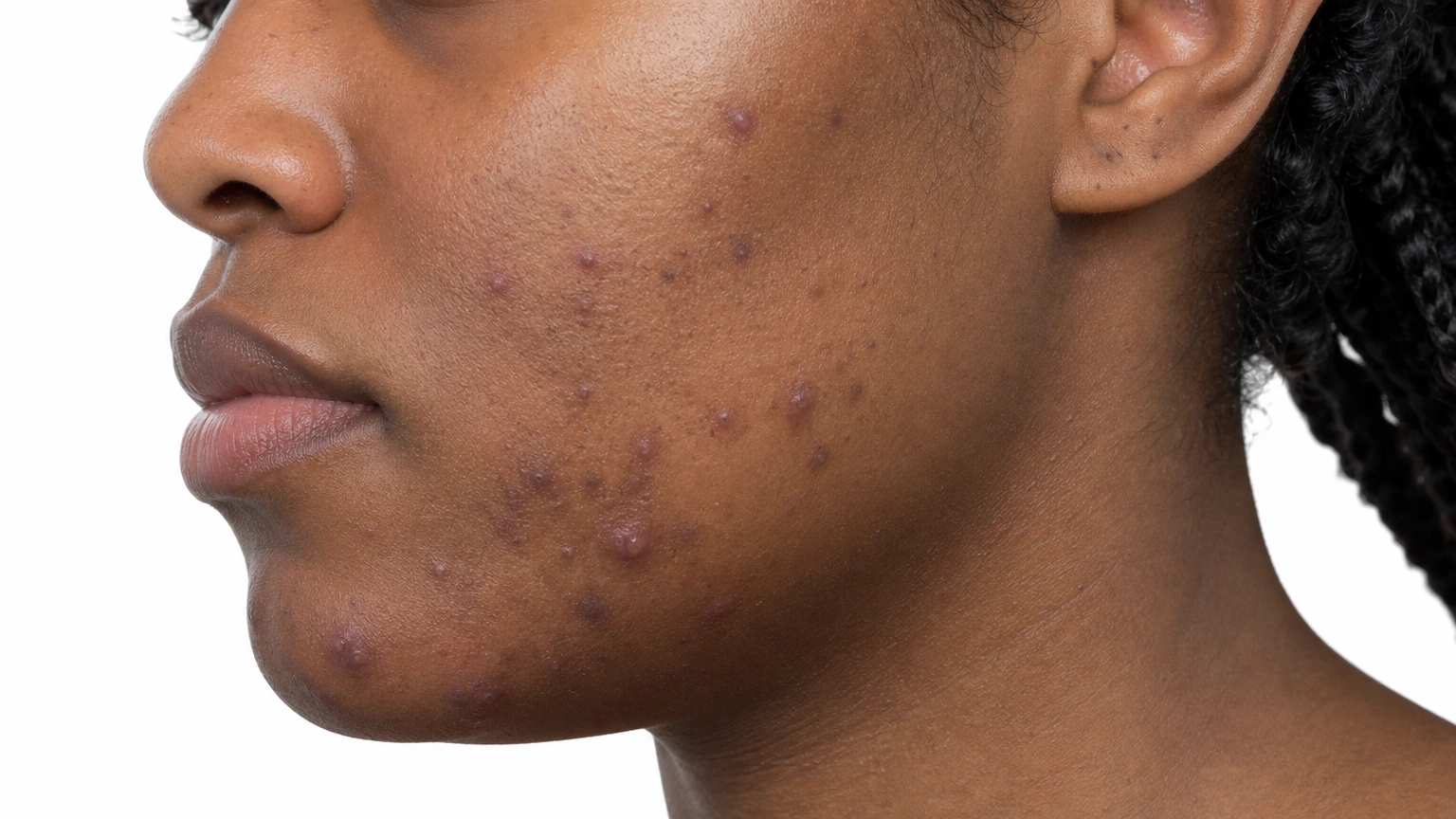
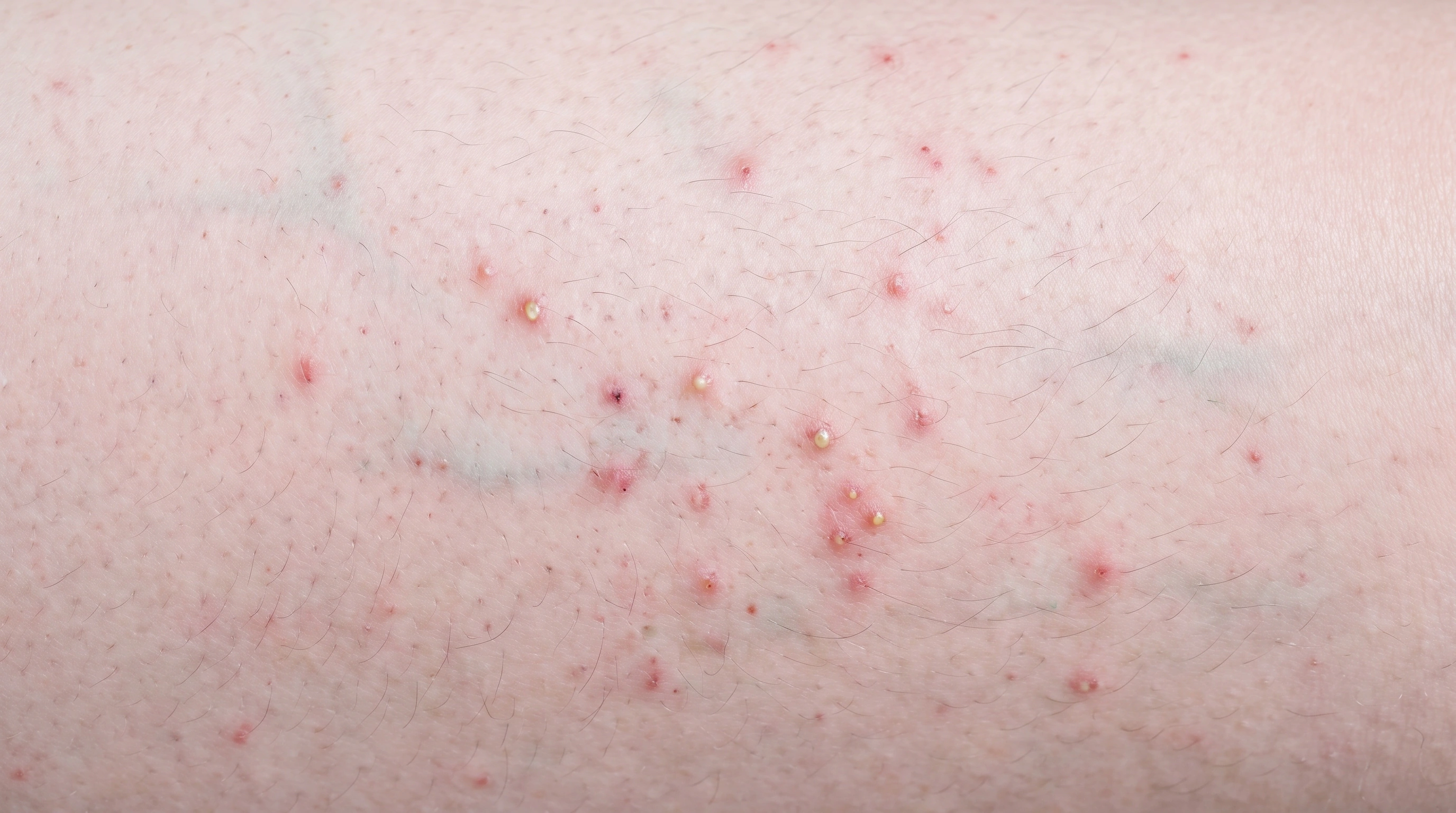
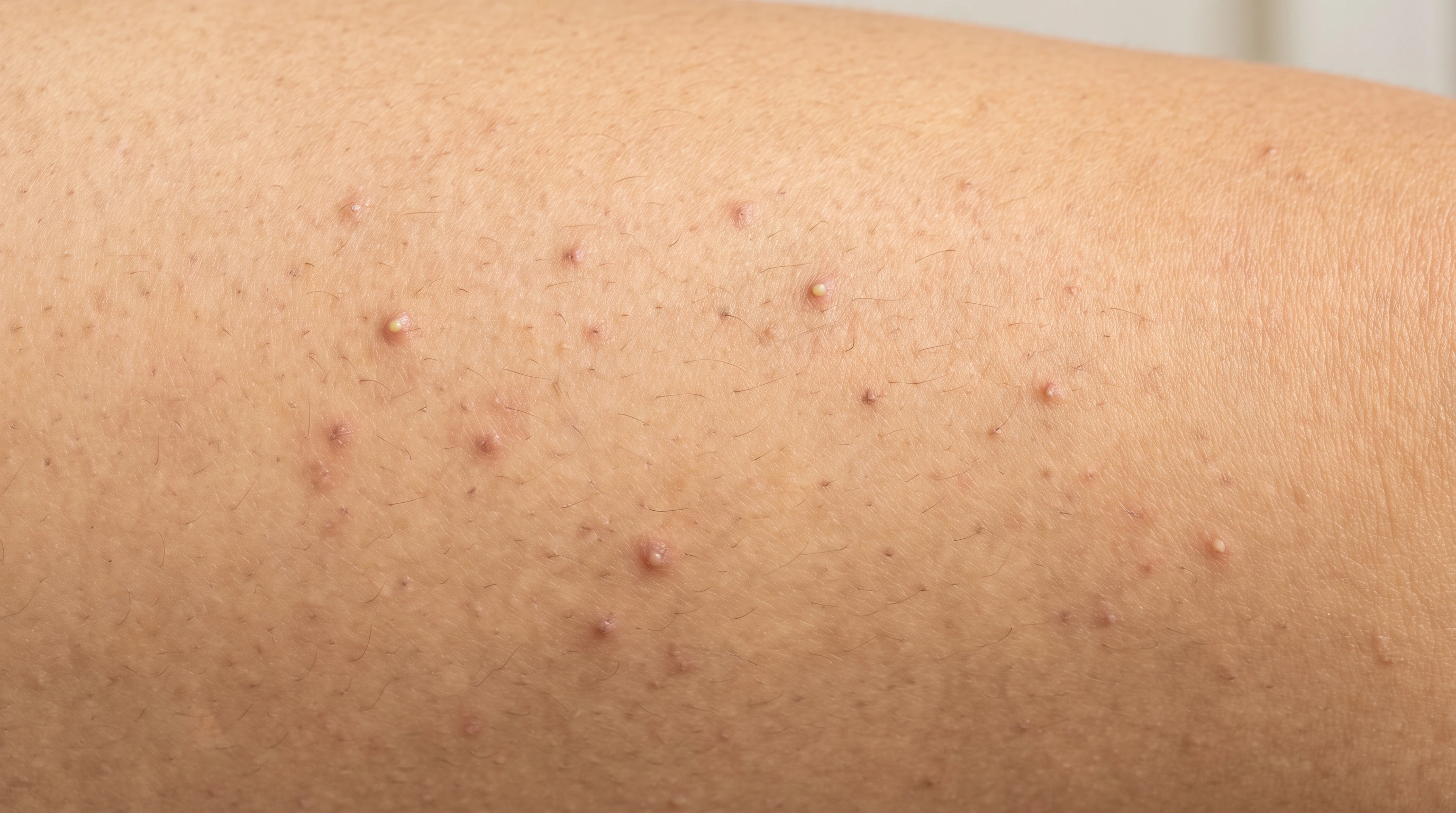
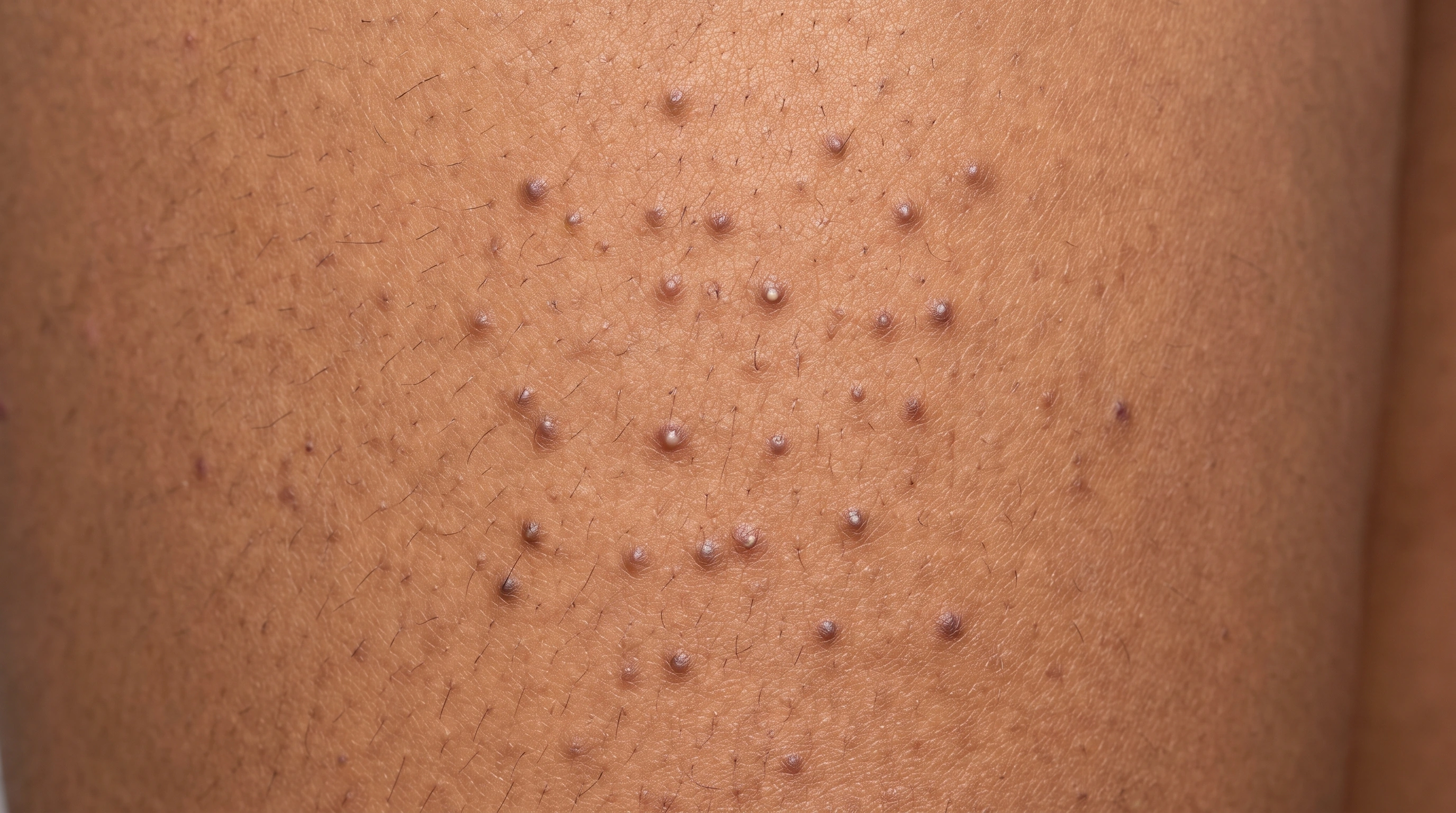
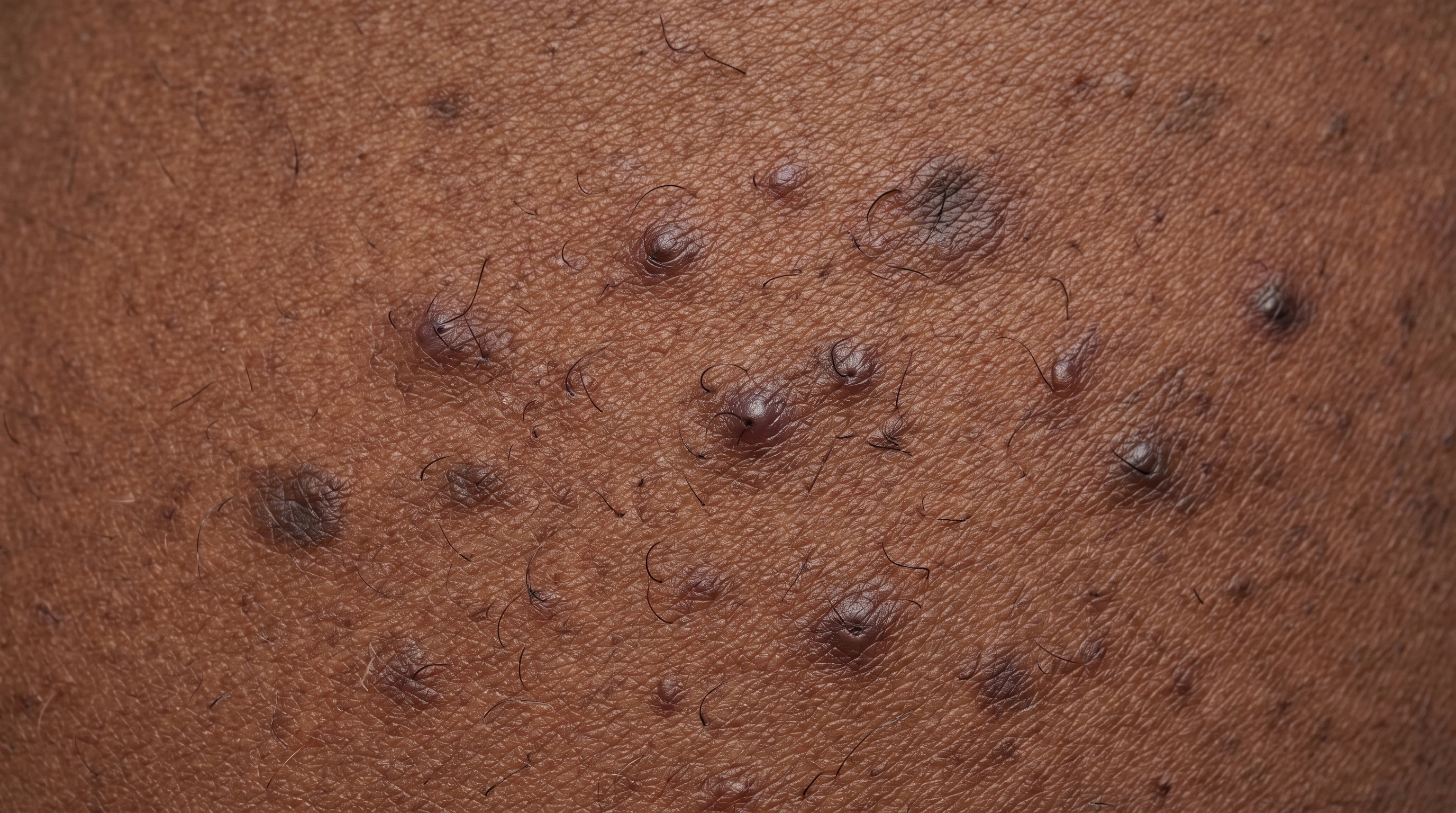

Hormonal influences can increase oil production in acne-prone follicles. Oil, shed cells and inflammation then contribute to blocked pores and breakouts.
Infection, irritation or blockage can cause inflammation around a hair follicle. The response may produce a small tender bump or pustule around the follicular opening.
Hormonal Acne. Often begins around puberty; adult acne can persist or start later.
Folliculitis. Folliculitis Any age There is no single typical starting-age range. Bumps can follow shaving, friction, sweating or hot-tub exposure. Recurrent or unexplained episodes deserve an assessment of the cause.
Oil and shed skin cells block hair follicles; inflammation can develop around them.
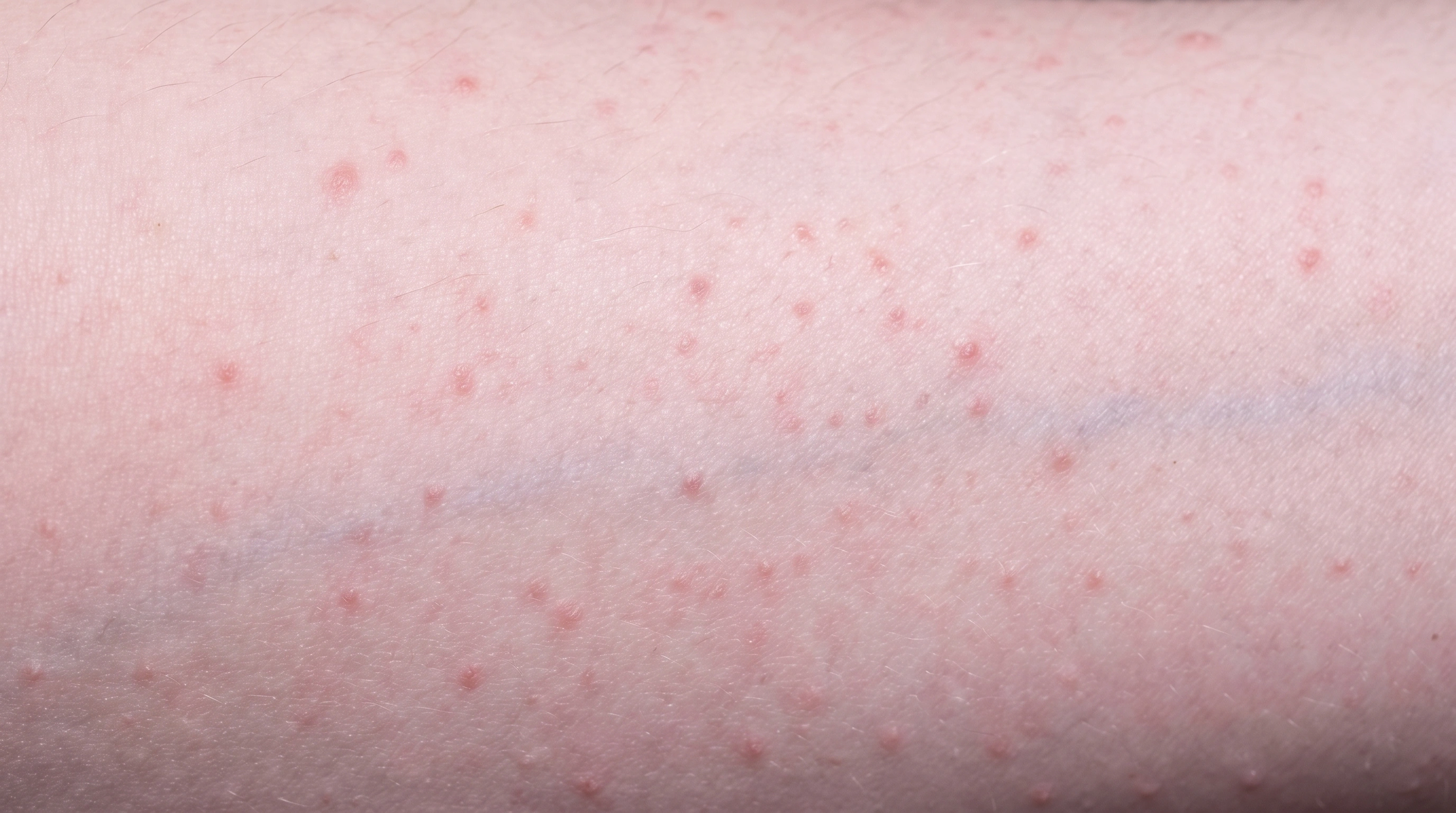
Folliculitis is inflammation of hair follicles, usually from bacteria, yeast or irritation.
Folliculitis describes a pattern of inflammation rather than one organism. Damaged or occluded follicles may become infected; shaving-related irritation can produce similar bumps without infection.
Most everyday folliculitis is not considered an inherited disorder. Skin conditions and individual susceptibility can influence risk.
Evidence labels come from each condition’s own treatment list.
Helps prevent blocked pores alongside an appropriate treatment plan. Avoid retinoids during pregnancy.
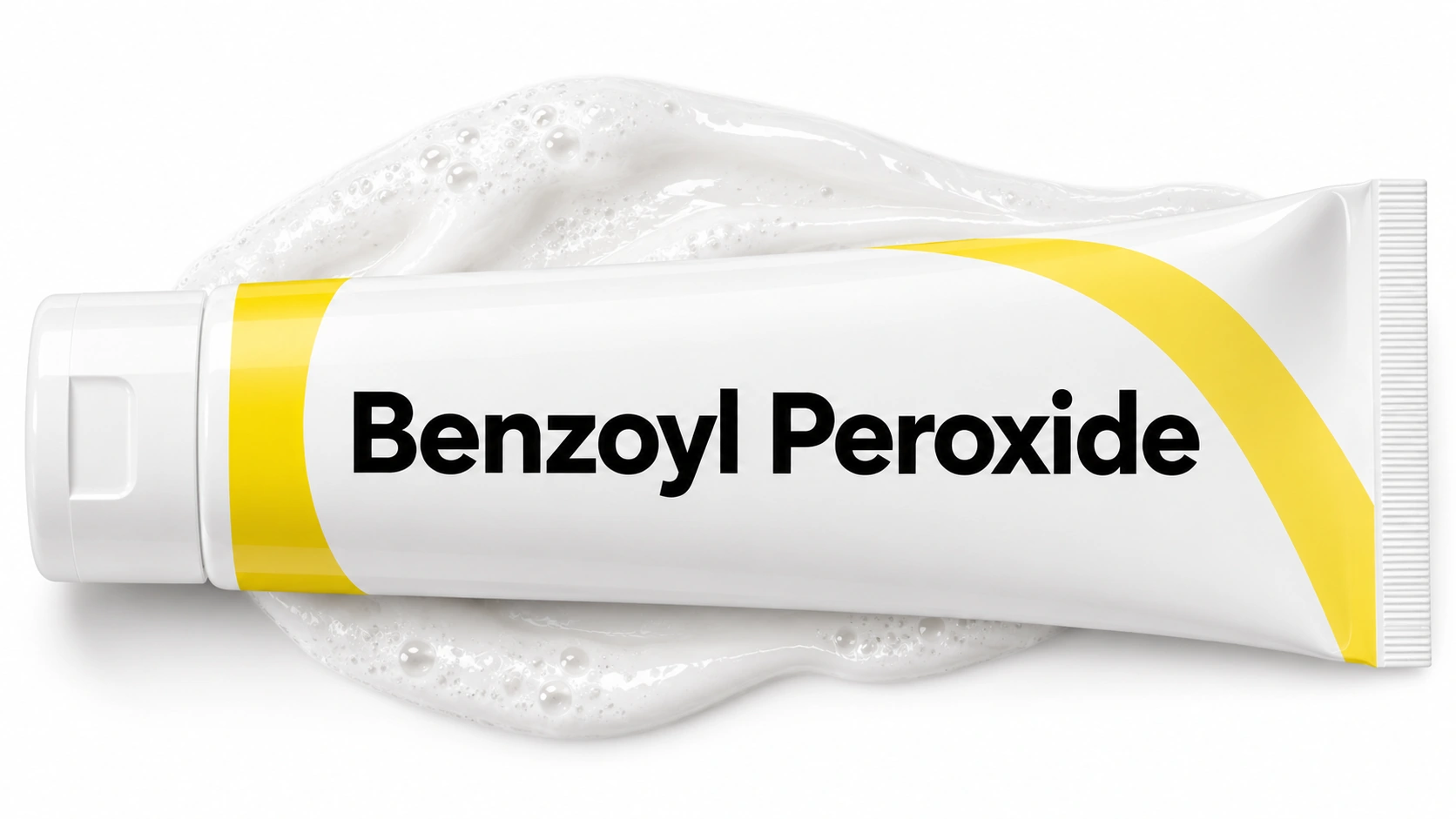
A 4 to 10 percent wash lathered on in the shower and left for a minute before rinsing, for the bacterial kind on the thighs, buttocks, chest and back. It lowers the bacteria on the skin without an antibiotic, which is why it also works as a maintenance measure for people who keep getting crops. It bleaches towels, sheets and colored clothing, so use white ones.
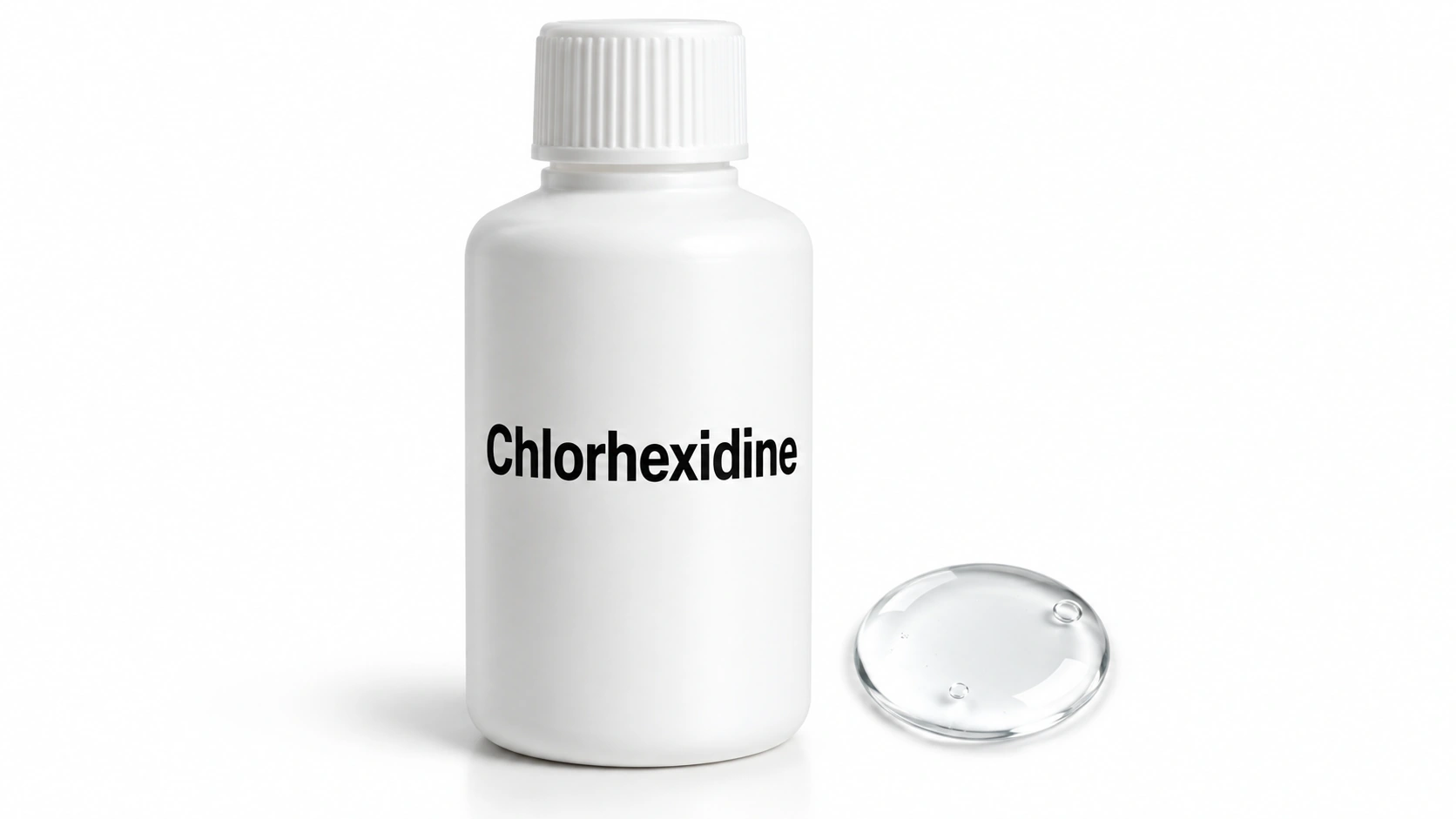
An antiseptic wash used two or three times a week over the affected area, and a good option for someone whose bumps keep coming back in the same place. It lowers the bacterial load on the skin rather than treating an established infection. Keep it away from the eyes and ears, and stop if it stings or dries the skin, since damaged skin is the problem you started with.
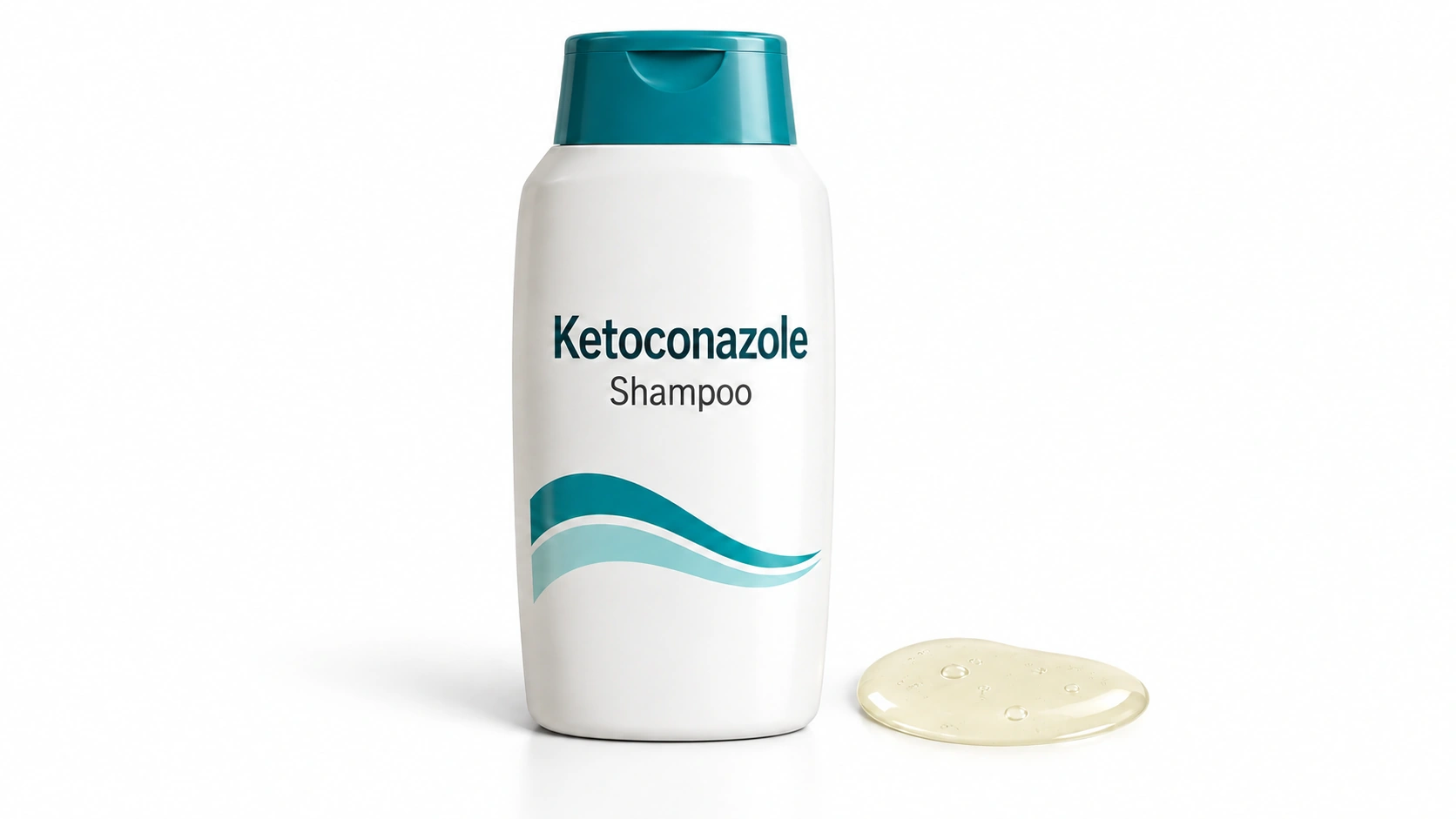
The standard first move for the yeast kind: itchy, uniform bumps on the chest, back and shoulders, often worse after a course of antibiotics. Use the shampoo as a body wash a few times a week and leave it on for several minutes before rinsing. It does nothing for bacterial folliculitis or razor bumps, and yeast folliculitis tends to come back, so many people keep using it once a week.
It is the obvious thing to reach for because the bumps itch, and it is usually the wrong one. Steroid cream quietens the itch for a few days while the infection in the follicles carries on underneath, and the rash that comes back is often more widespread. It also changes how things look, which makes the diagnosis harder afterward. Cool compresses and a medicated wash are the safer starting point.

A leave-on 2 percent lotion or pad on the beard, neck or bikini line, where the problem is hairs curling back into the skin rather than an infection. It keeps the follicle opening clear so fewer hairs get trapped, and it is used between shaves rather than on raw skin. It will not touch a bacterial or yeast folliculitis, and on already inflamed skin it stings and can make things worse.

It does have some activity against bacteria and yeast in the laboratory, which is why it appears in so many folliculitis remedies. There are almost no proper trials of it in folliculitis, and undiluted tea tree oil is a common cause of allergic contact dermatitis, which produces an itchy rash on top of the one you were treating. A benzoyl peroxide or antifungal wash is the better use of the same shower.
Clearing Staph from the nose. Some people carry Staphylococcus aureus in the nostrils or skin folds, which is one reason boils keep returning to the same person. A course of antibiotic ointment inside the nostrils, together with antiseptic washes and hot washing of towels and bedding, can reduce that. It is used for repeated boils rather than for a single episode, and it does not always hold, so household measures matter alongside it.
A lotion or solution for bacterial folliculitis spread over a wider area than an ointment can cover, such as the beard or the back. It is usually paired with a benzoyl peroxide wash, which both improves it and reduces resistance. It is not the answer if the same patch keeps returning, because that is a shaving, friction or occlusion problem rather than an antibiotic one.
An option for suitable patients with hormonally influenced acne; requires individual assessment and is avoided in pregnancy.

The usual first antibiotic tablet for bacterial folliculitis that is deep, spreading or too widespread for a cream, and for boils with surrounding redness. A course is normally about seven days. It has no effect on yeast folliculitis or razor bumps, and if the same area keeps flaring after each course, the cause is still there rather than the antibiotic being wrong.

Used when resistant Staphylococcus aureus is likely or has been grown on a swab, which is the situation in which the first antibiotic did not work. This is the main reason for swabbing a spot before starting treatment. It is avoided in pregnancy and with some other medicines, so tell the prescriber everything you take.

An antifungal tablet, usually a short weekly course, for yeast folliculitis that is widespread or has not cleared with washes alone. It works faster and more completely than topical treatment on the chest and back. The yeast lives on everyone and comes back, so it is normally followed by an antifungal wash once a week to hold it.

A longer course is sometimes used for stubborn or recurring folliculitis, partly for the bacteria and partly because it calms inflammation. It is a second choice rather than a first one, since it can allow yeast folliculitis to take hold. It also causes sunburn easily, so it needs daily sunscreen on anything the sun reaches.
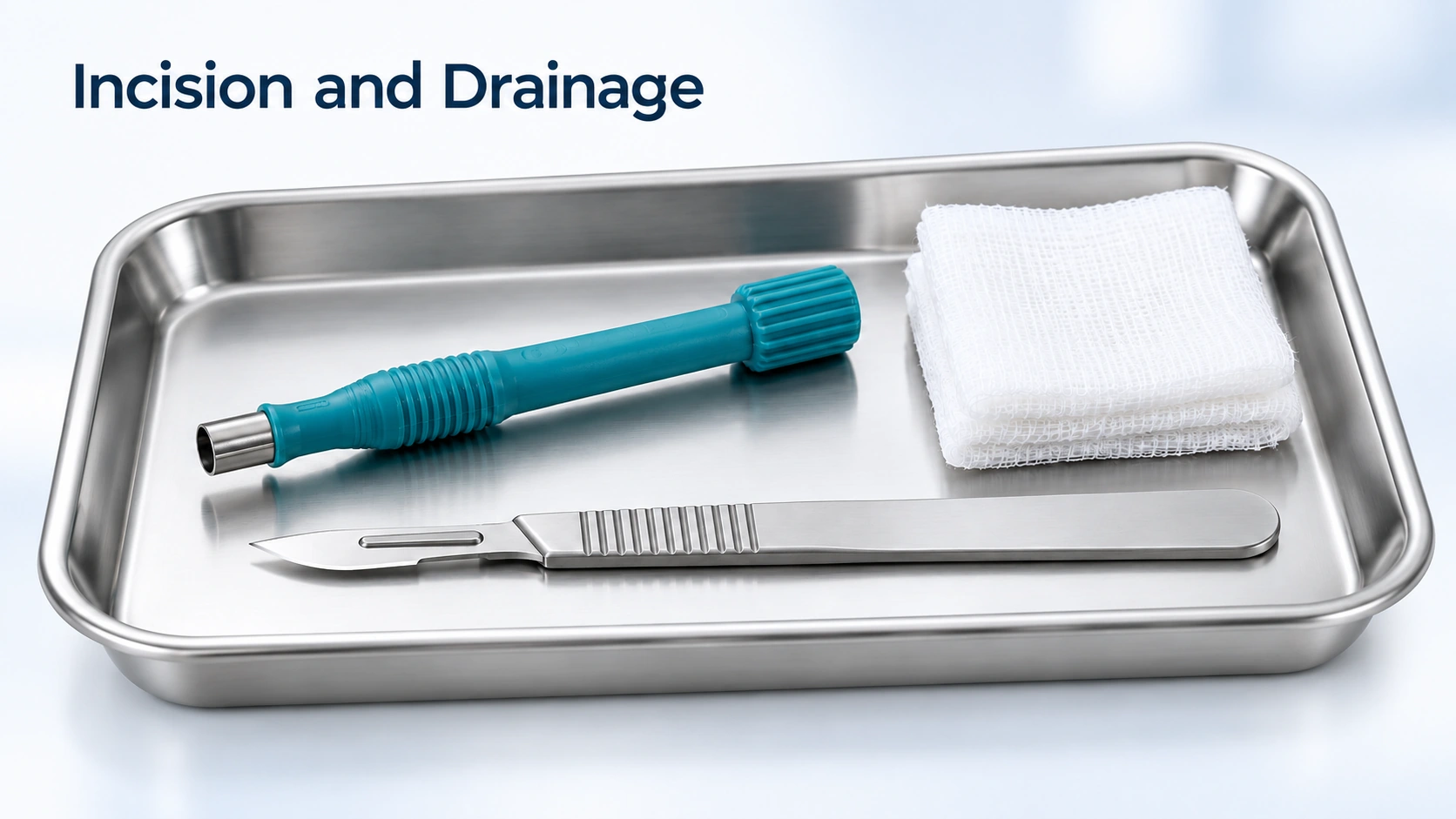
Draining a boil. A boil that has come to a head is opened with a small blade under local anesthetic and the pus is let out, which relieves the pain almost immediately. It is often the whole treatment, with antibiotics only added if the redness is spreading. Done properly it heals with a much smaller mark than a squeezed boil, which is the argument for having it done rather than attempting it at home.
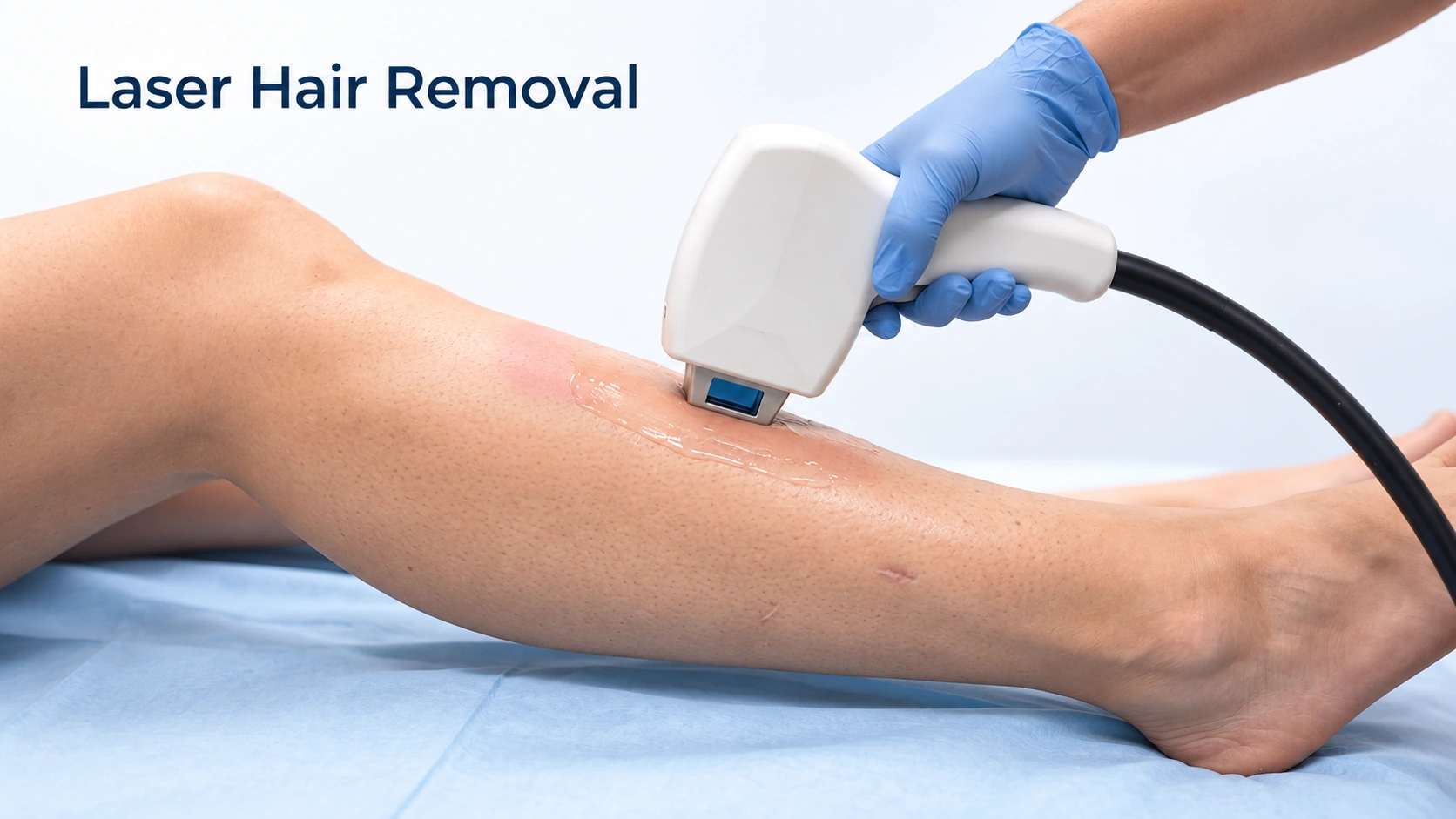
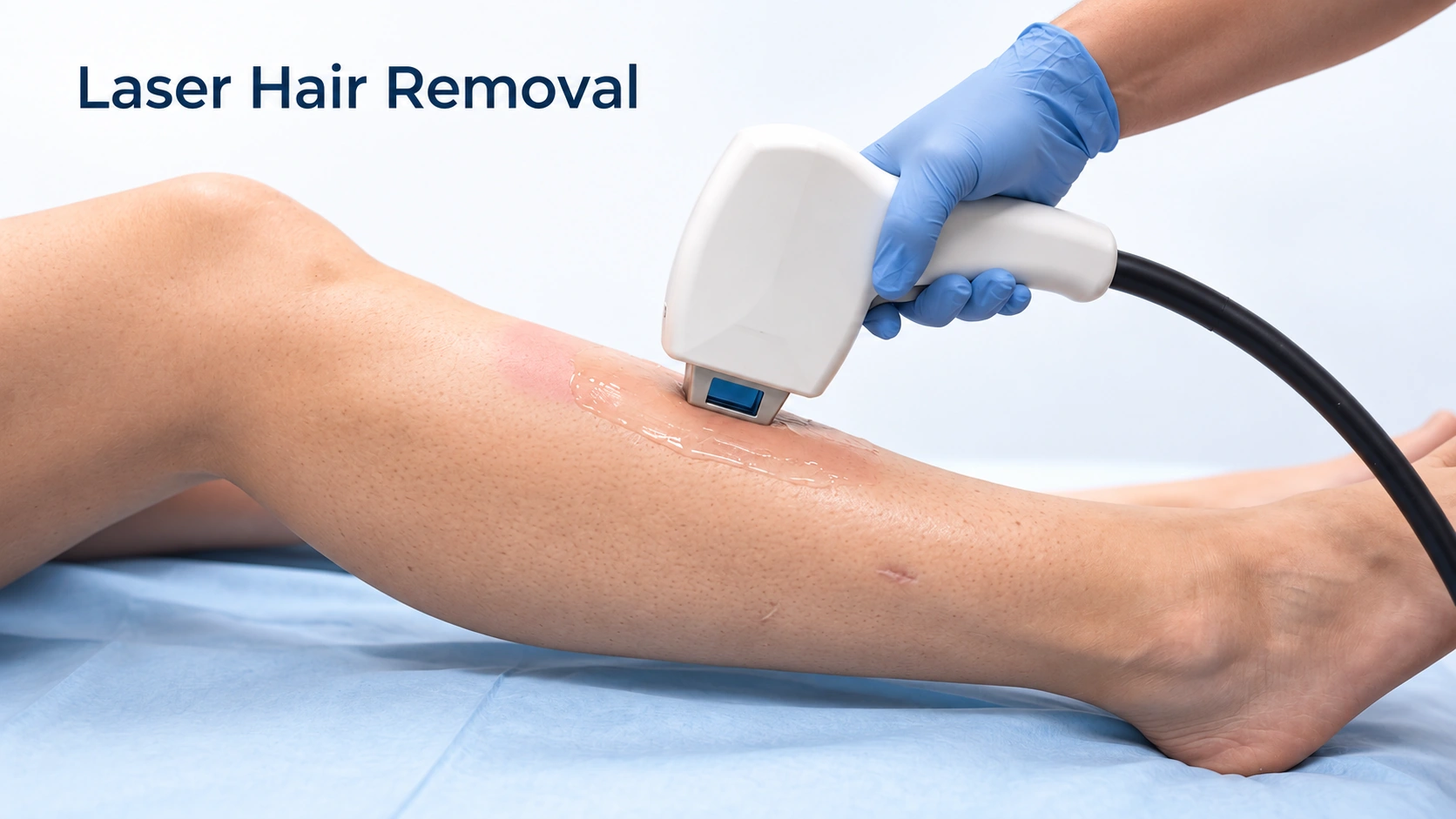
For folliculitis and razor bumps driven entirely by shaving, particularly in the beard and neck, reducing the hair removes the cause instead of treating the result. It usually takes six or more sessions and works best with a device suited to your skin tone, since the wrong one can burn or leave marks on deeper skin. It is worth considering after months of the same bumps rather than after one crop.
Hormone-related breakouts can continue into adulthood and often recur. A suitable treatment plan can improve control, but ongoing treatment may be needed.
Many superficial cases settle with appropriate care, but repeated episodes need assessment for an ongoing contributor such as shaving, friction or infection. The course depends on the type; deeper inflammation can take longer to heal and may scar.
Inflamed acne can leave dark marks or permanent scars and affect confidence.
Boils and carbuncles
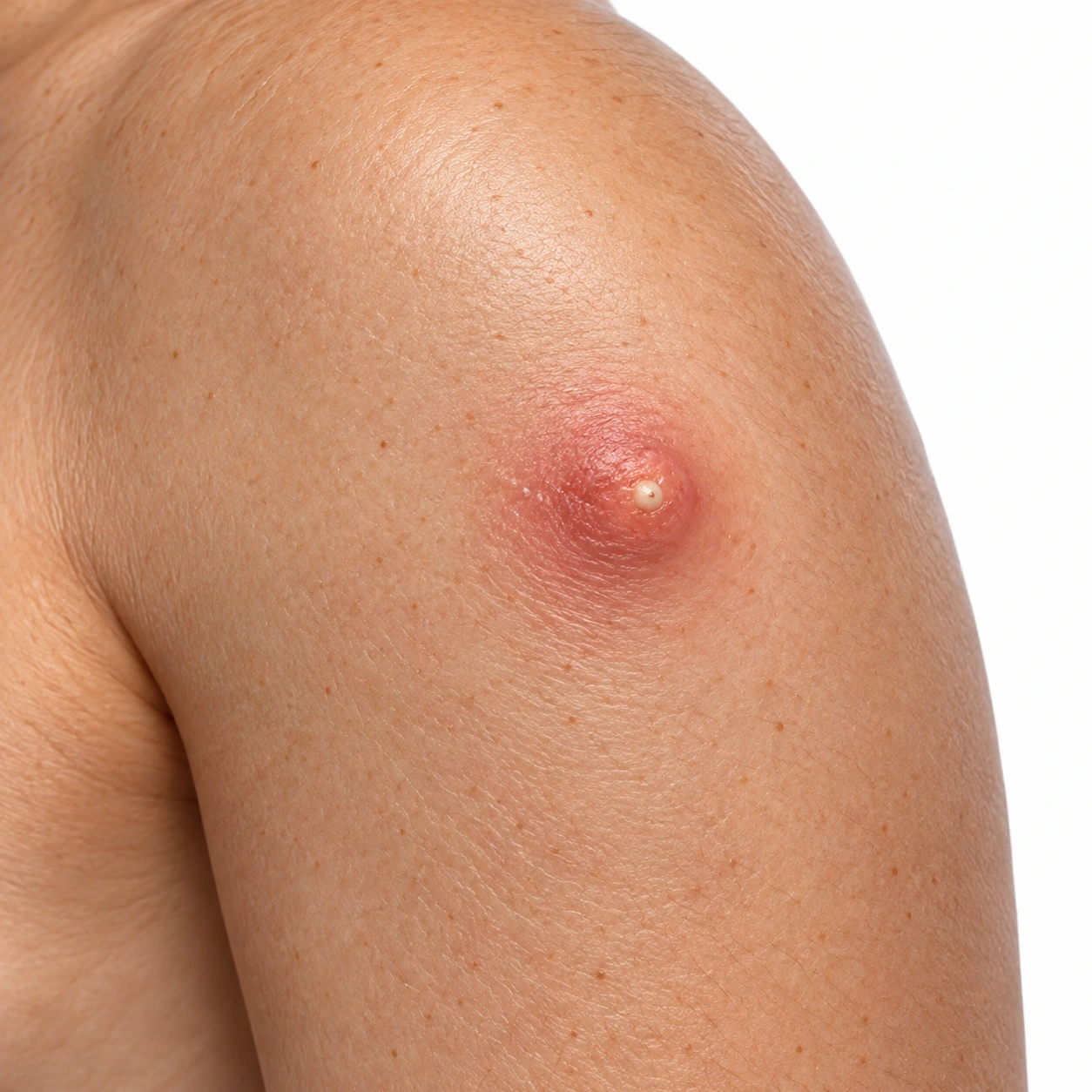
When the infection goes further down the follicle it becomes a boil: a tender, swollen lump that comes to a head over several days. Several joined together are called a carbuncle. Squeezing is what turns a surface bump into one of these, so warm compresses and leaving it alone are the right first move. Boils often need draining or oral antibiotics, and they can leave a scar.
Cellulitis
Sometimes the infection leaves the follicle and spreads into the surrounding skin. The signs are redness, swelling and warmth spreading outward from the spot rather than staying in it, sometimes red streaks running away from it, and often a fever. That is a same-day problem needing oral antibiotics, and it is more likely in people with diabetes or a weakened immune system.
Keloid scars
Deep folliculitis on the chest, shoulders, jawline and the back of the neck can heal into raised, thickened scars, and that risk is higher on deeper skin tones. At the nape there is a specific pattern, acne keloidalis nuchae, where the bumps become firm and permanent and the hair in that patch is lost. It responds far better to early treatment than to waiting, so firm bumps building at the back of the neck are a reason to be seen rather than to keep treating at home.
Seek assessment for persistent acne, scarring, irregular periods or new excess facial hair.
Arrange assessment if the rash persists, keeps returning, is extensive or has not responded to treatment. A pustule swab may help distinguish bacteria and guide treatment.
Seek prompt medical care for fever, rapidly spreading redness or warmth, worsening pain, a large deep lump, or feeling unwell. Seek care earlier if your immune system is suppressed.
Bumps around the eye with eye pain, swelling, light sensitivity or vision change need prompt assessment. Do not apply body washes or skin medicines into the eye.
Acne influenced by hormones, often recurring in adults or around menstrual cycles.
Use a gentle cleanser, non-comedogenic moisturizer and sunscreen. Do not squeeze or scrub spots.
Seek assessment for persistent acne, scarring, irregular periods or new excess facial hair.
Look for blackheads and whiteheads. Acne has them, folliculitis does not. Folliculitis bumps are all the same size, each sits at a hair, they itch more than they hurt, and they appear where you shave, sweat or rub - thighs, buttocks, beard, chest, back. Acne sits on the face, chest and upper back, has spots of different sizes, and is not itchy.
Mostly not in ordinary contact. The bacteria can pass through shared razors, towels, unwashed sports gear and close skin contact - avoid those while it is active. Yeast folliculitis and razor bumps are not caught.
Because the cause is still there - the shaving method, friction, damp clothes, or a yeast cause treated as bacterial. Some people also carry Staphylococcus aureus long term, which can be tested and treated.
Yes, but change how. A fresh single-blade or safety razor, with the grain, with gel, and no stretching the skin. Take days off while the skin is inflamed. For persistent razor bumps, laser hair reduction is a longer-term option.
Not on undiagnosed bumps. Steroid creams calm the itch for days while the infection carries on underneath, and the rash comes back more widespread. If itch is the main problem, a medicated wash and cool compresses are safer.
Superficial folliculitis heals without scarring, though flat dark marks take months to fade on deeper skin tones. Deep folliculitis and boils can scar, and firm raised bumps at the back of the neck can scar permanently - reasons to be seen early rather than keep treating at home.
Sources