Dry Skin
A controlled study found improved hydration with several molecular-weight formulas.
Growth Factors: Sold in creams for photoaging; evidence is specific to particular products. Hyaluronic Acid: Hydrates the outer skin and can temporarily soften the appearance of fine lines.
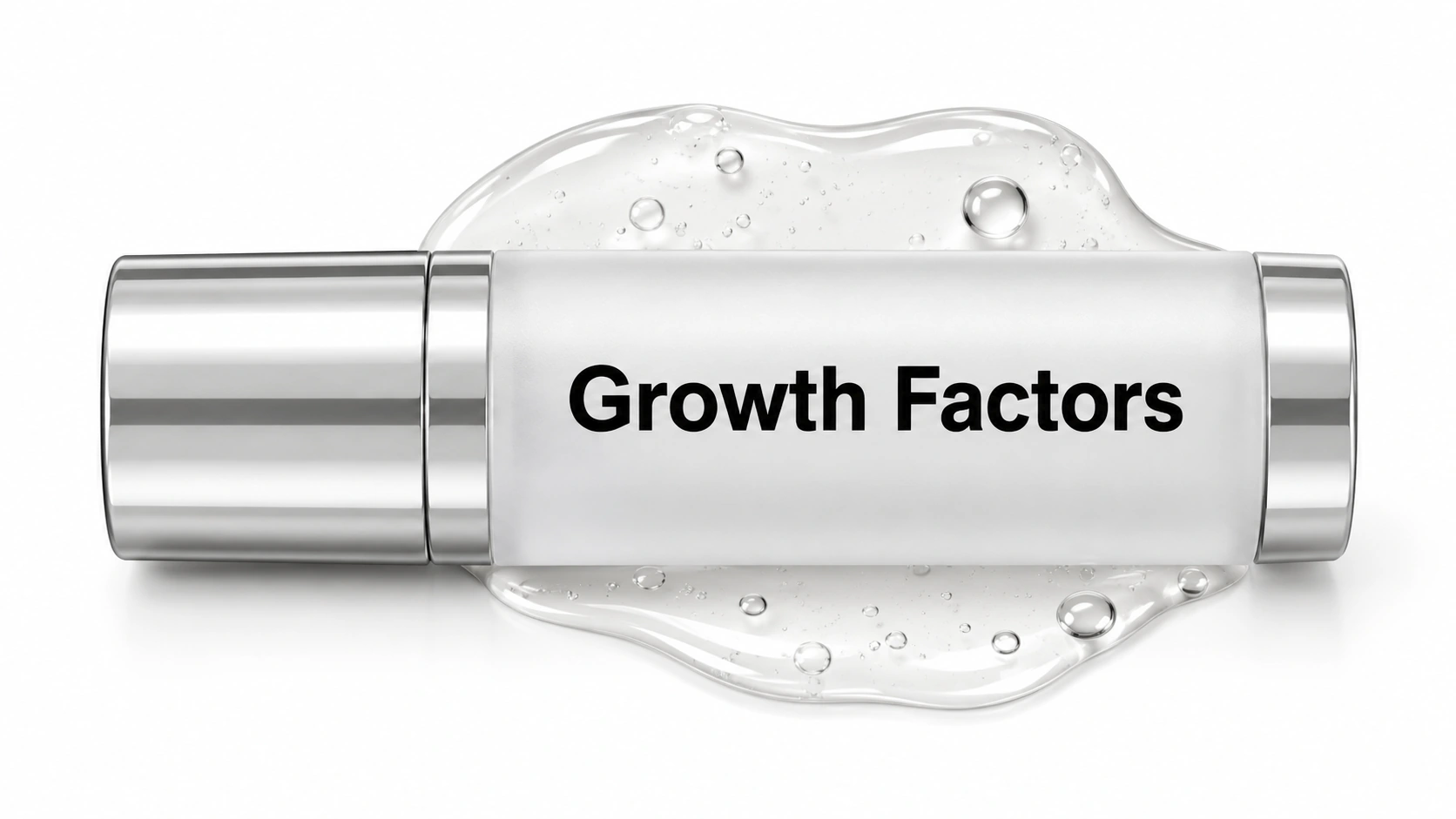
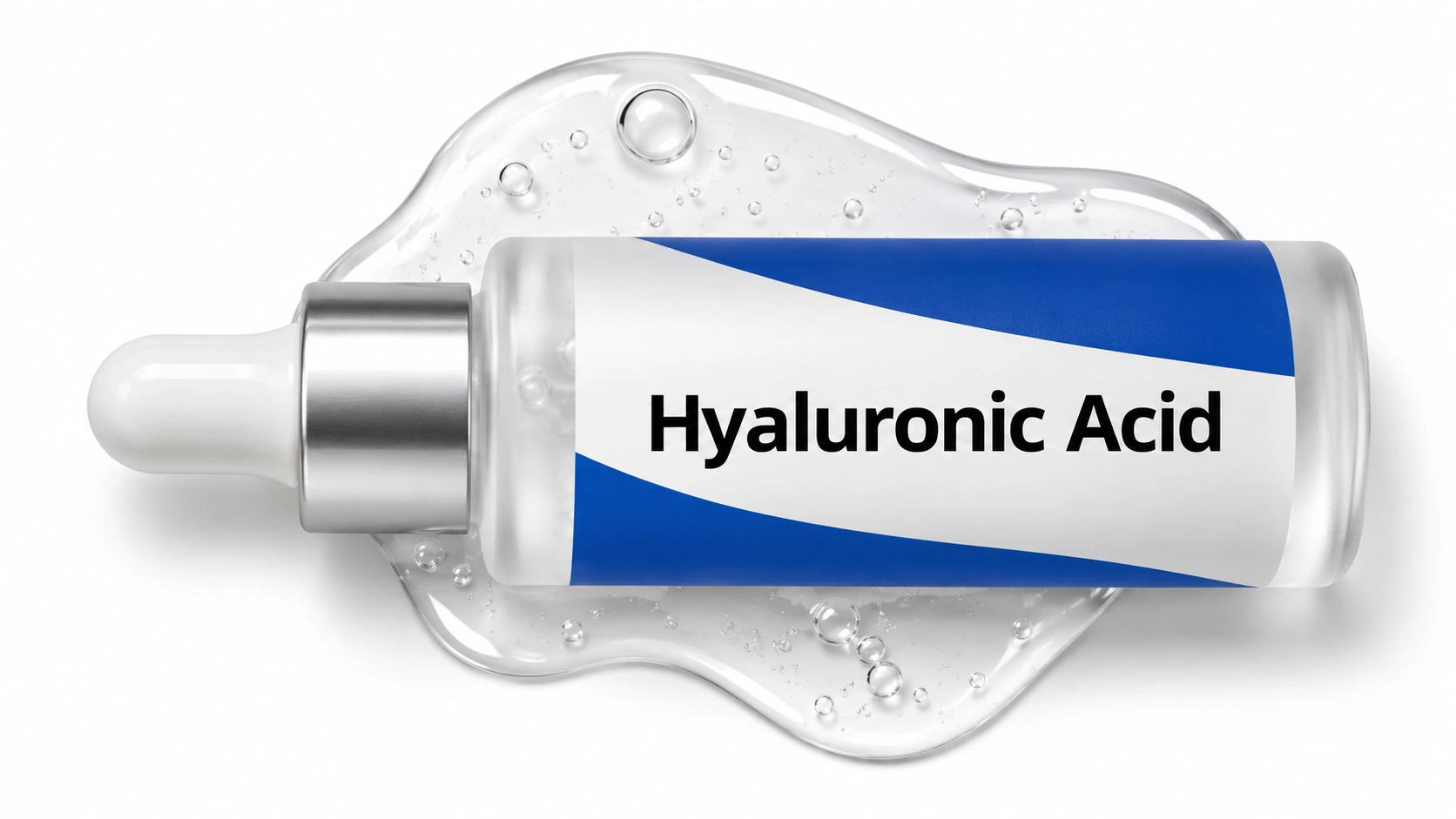
Consider only as an optional cosmetic; independent evidence is limited.
Choose for hydration and temporary plumping; a serum does not act like injected filler.
Can you use both?
Apply the growth-factor serum first, then hyaluronic acid.
Compare uses by strength of evidence. Evidence level describes confidence in a benefit, not its size.

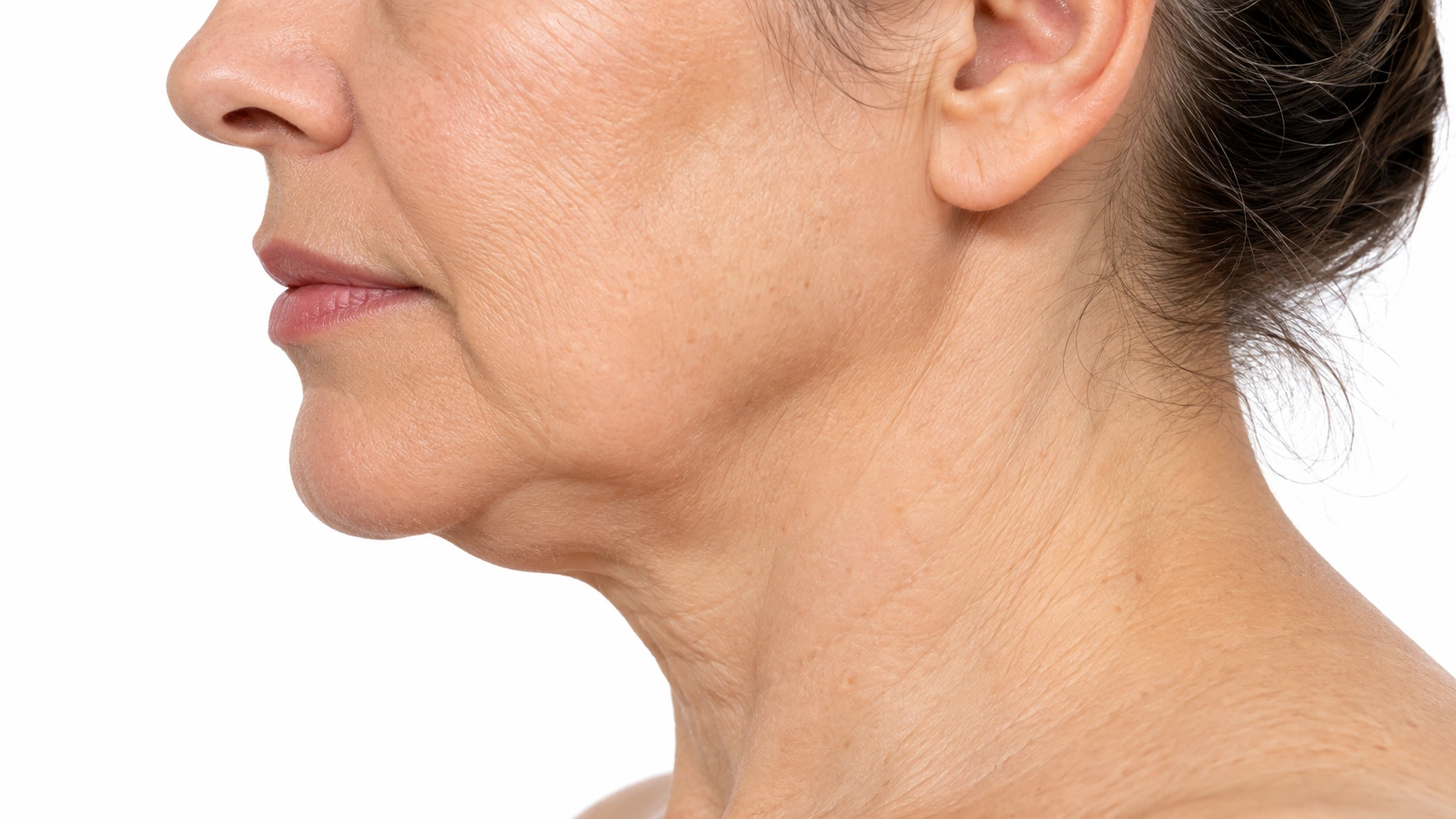


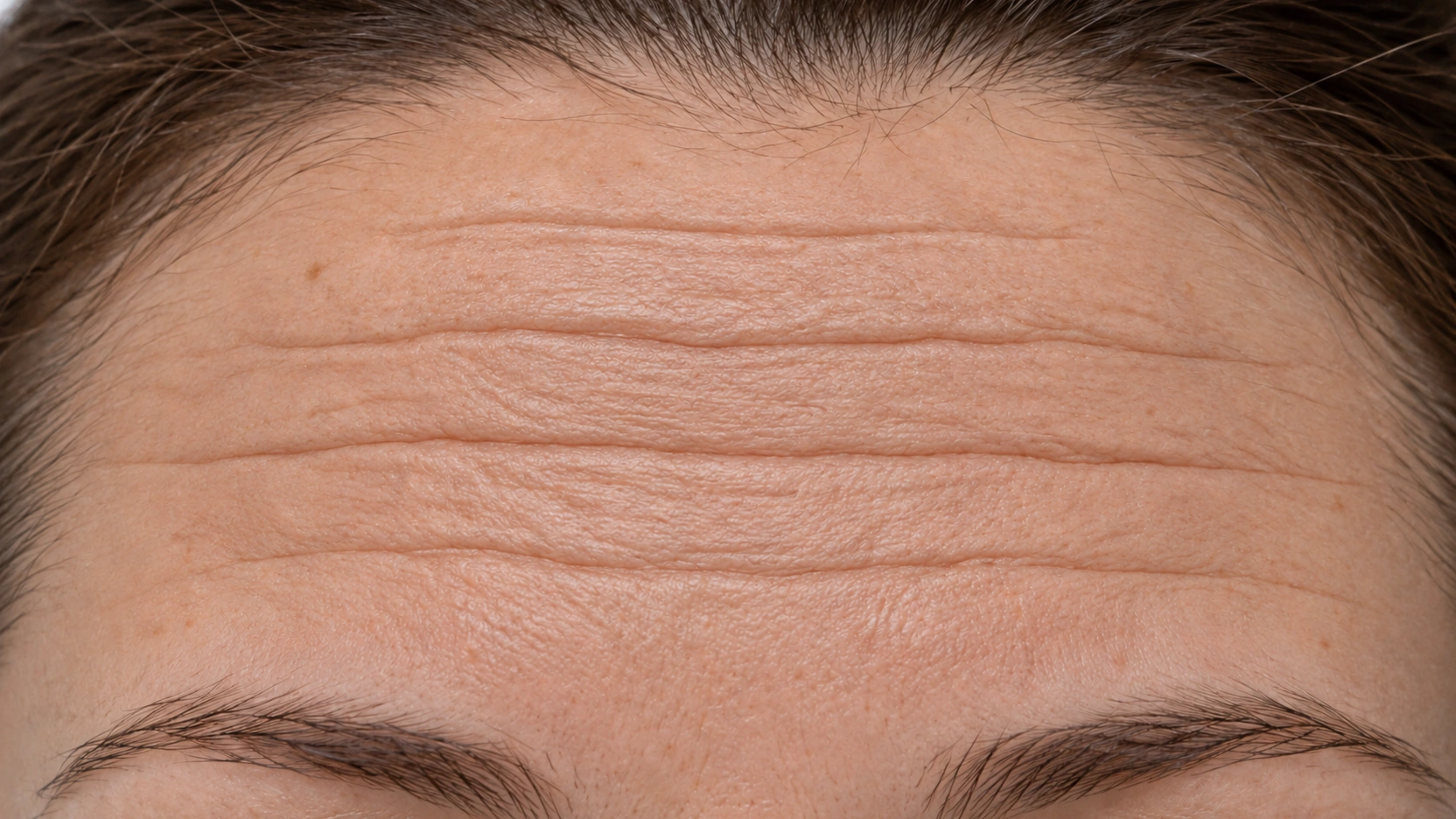

Signals can influence cells: Growth factors interact with specific receptors. Intact skin limits delivery: Large proteins may not reach deeper targets.
Schematic illustration; not a measurement of skin penetration. Effects vary with ingredient identity and formulation. Some illustrated pathways are experimental; laboratory findings do not establish a clinical treatment benefit.

Built from where each one usually sits in a routine. Introduce one at a time.
Growth factors include different signaling proteins and mixtures. A percentage of conditioned media or a supplier complex does not specify the amount or activity of each growth factor.
Choosing a strength: Look for identification of the growth factors and clinical evidence for the exact finished formula.
Higher strengths: There is no established universal cosmetic percentage or proof that a higher blend percentage produces better results.
Formula matters: Early human studies of particular growth-factor preparations do not validate every growth-factor serum or delivery method.
A controlled study tested 0.1% hyaluronic acid creams with different molecular weights. A large percentage or a claim of many molecular sizes is not a validated ranking of hydration.
0.1%
Studied topical cream
Tested in several molecular-weight formulations for hydration and elasticity. This is an example, not a universal minimum or maximum.
Choosing a strength: Choose a serum or moisturizer that feels comfortable and works with the rest of your routine.
Higher strengths: More hyaluronic acid is not established as better hydration. Sticky or irritating products do not become better choices because the number is larger.
Formula matters: A percentage may refer to a diluted ingredient complex rather than pure hyaluronic acid. Injectable fillers are a separate medical product category.
Approximate windows, not promises.
First few weeksAssess tolerance and texture; immediate softness can come from the base formula.
First few weeksSkin may feel softer soon after use; relief depends on the formula.
4–8 weeksSubtle changes may appear in some tested products; evidence varies.
4–8 weeksJudge hydration, comfort and whether dryness is recurring.
8–12 weeksCompare photographs in the same lighting and reassess benefit.
8–12 weeksPersistent cracking, itch or a rash needs reassessment.
3–6 monthsPhotoaging trials often need several months; expect modest rather than dramatic change.
3–6 monthsContinue if comfortable; hydration usually requires ongoing use.
6–12 monthsLong-term evidence is limited for many cosmetic actives; continue only if useful.
6–12 monthsMoisturizing does not establish reversal of structural ageing or scars.
May irritate; use only as directed on intact skin.
Usually comfortable; stop for stinging or a rash from the finished formula.
Stop for persistent burning, swelling, blistering or a new rash. Seek urgent care for breathing difficulty or a severe allergic reaction.
Stop for persistent burning, swelling, blistering or a new rash. Seek urgent care for breathing difficulty or a severe allergic reaction.
Choose a simple formula and test a small area first. Individual tolerance matters more than an ingredient’s reputation for being gentle.
Choose a simple formula and test a small area first. Individual tolerance matters more than an ingredient’s reputation for being gentle.
Do not use a cosmetic product as a substitute for diagnosis of an unexplained, changing or persistent skin problem.
Do not use a cosmetic product as a substitute for diagnosis of an unexplained, changing or persistent skin problem.
Data are limited and these are usually paused in pregnancy; ask the clinician managing your pregnancy.
Hyaluronic acid skincare is generally considered acceptable in pregnancy.
On the skin. The finished product delivers growth factors in a particular vehicle.
Entering skin. No single molecular mass. The 500 Da guideline cannot be applied to this whole ingredient family or mixture.
Conversion. No activation step is established as necessary for its intended topical role.
Skin response. Growth factors influence cell signalling, but passage of large proteins through intact skin is a delivery challenge.
Additional effects. Proposed pathways do not establish a measured depth of delivery or clinical benefit beyond the studies cited.
On the skin. The finished product delivers hyaluronic acid in a particular vehicle.
Entering skin. No single molecular mass. Polymer size and formulation affect delivery; hydration can occur at the surface.
Conversion. No activation step is established as necessary for its intended topical role.
Skin response. Binds water; molecular-weight distribution and formula influence where it remains and how it feels.
Additional effects. Proposed pathways do not establish a measured depth of delivery or clinical benefit beyond the studies cited.
Consider only as an optional cosmetic; independent evidence is limited.
An uncontrolled 14-person pilot tested eight growth factors together for 60 days. Without a vehicle control, it cannot separate the formula, natural variation and growth-factor effects.
Choose for hydration and temporary plumping; a serum does not act like injected filler.
A 76-woman controlled study supports hydration from specific HA creams, with wrinkle changes in lower-weight groups. Polymer size varies widely; a repeating unit or a single molecular mass would be misleading.
Sources