Common questions
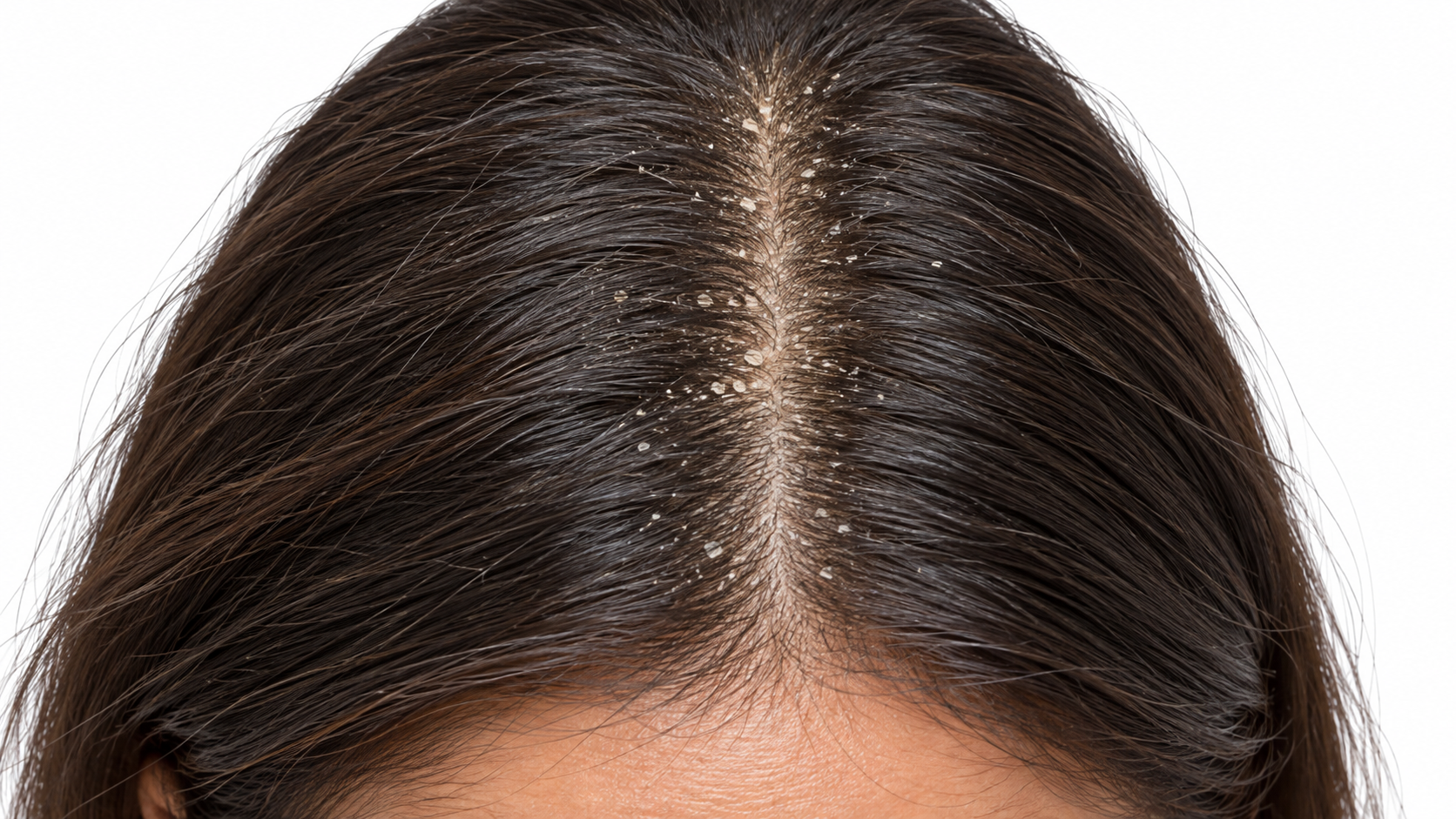
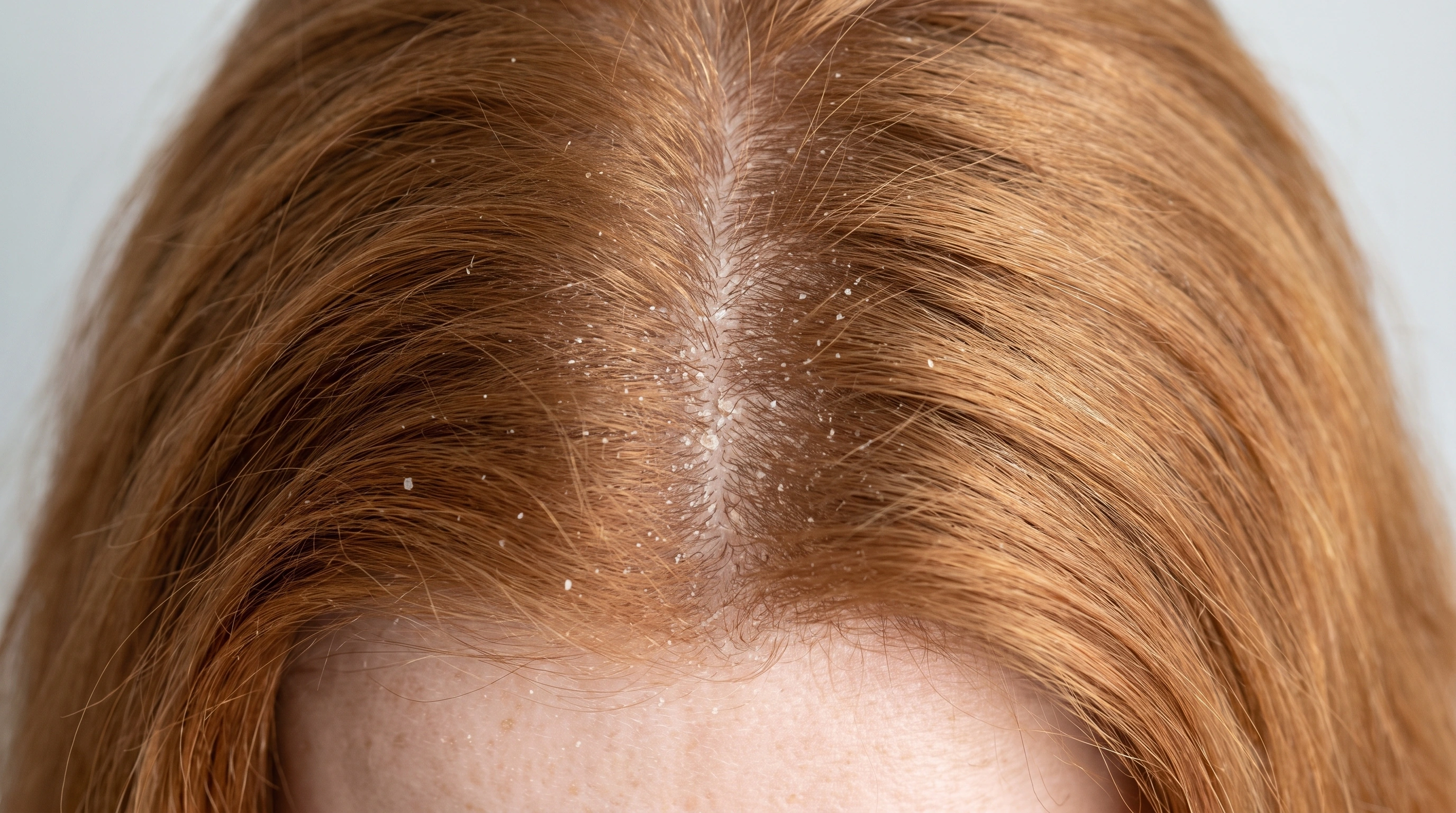
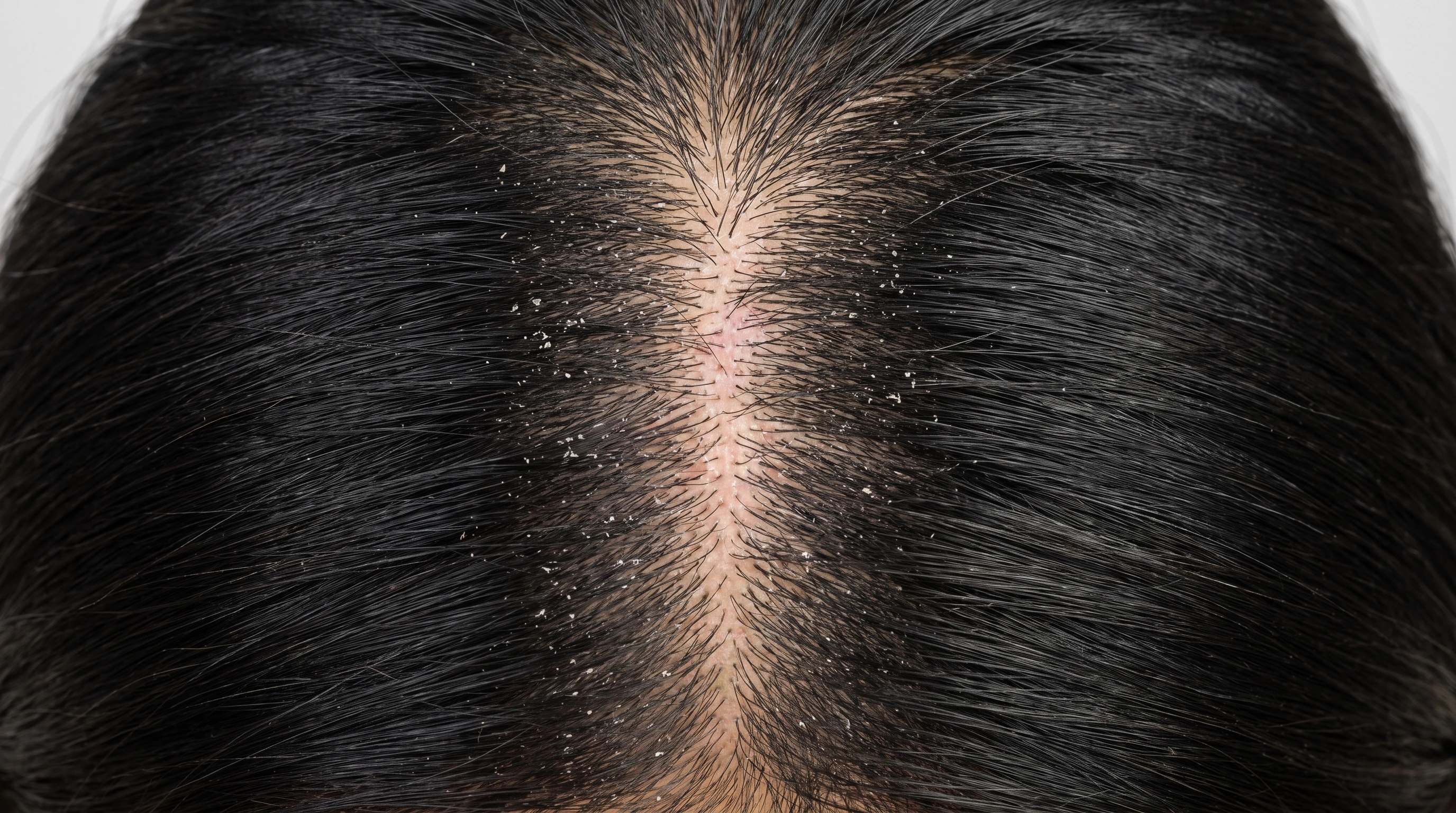
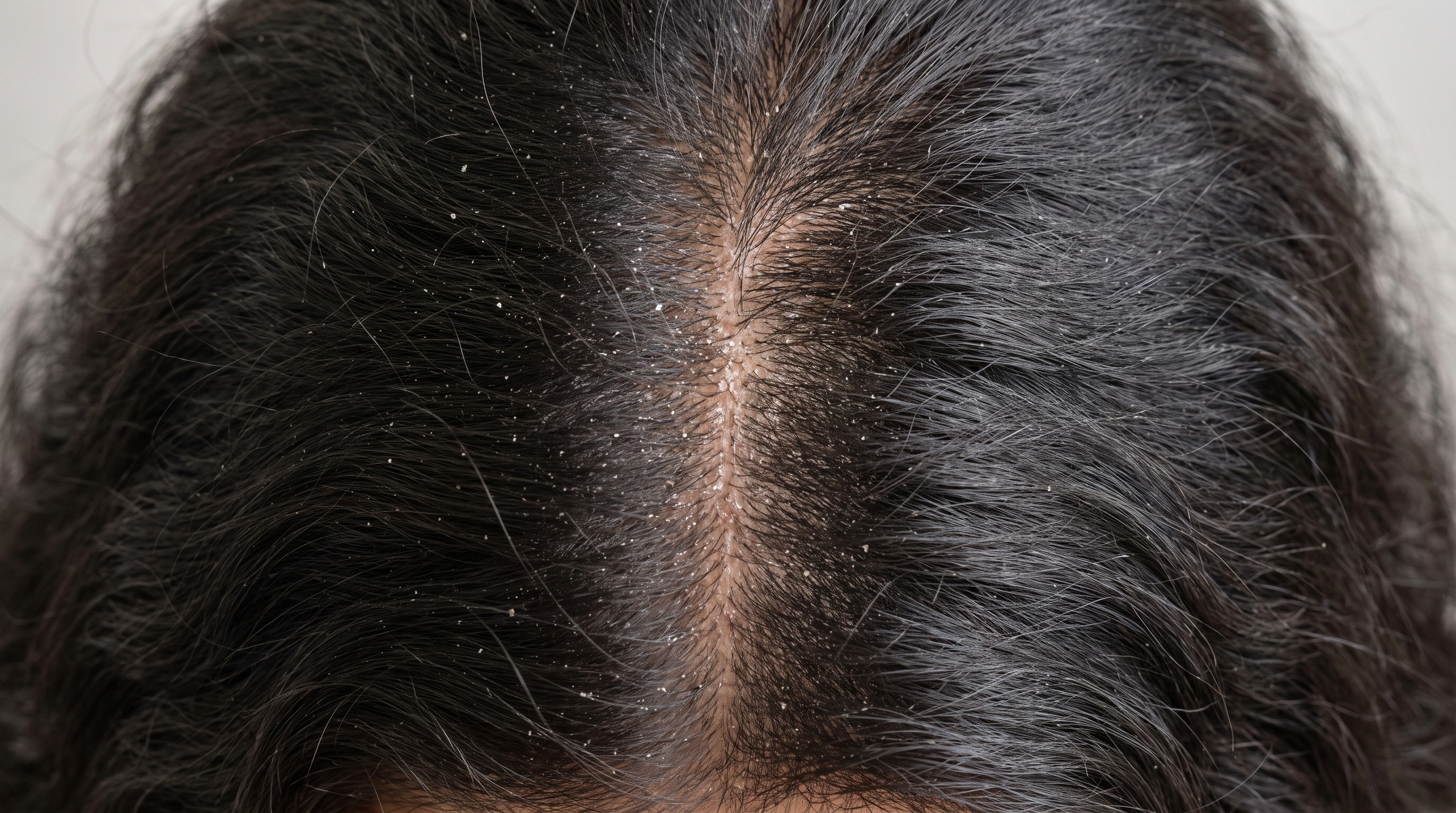
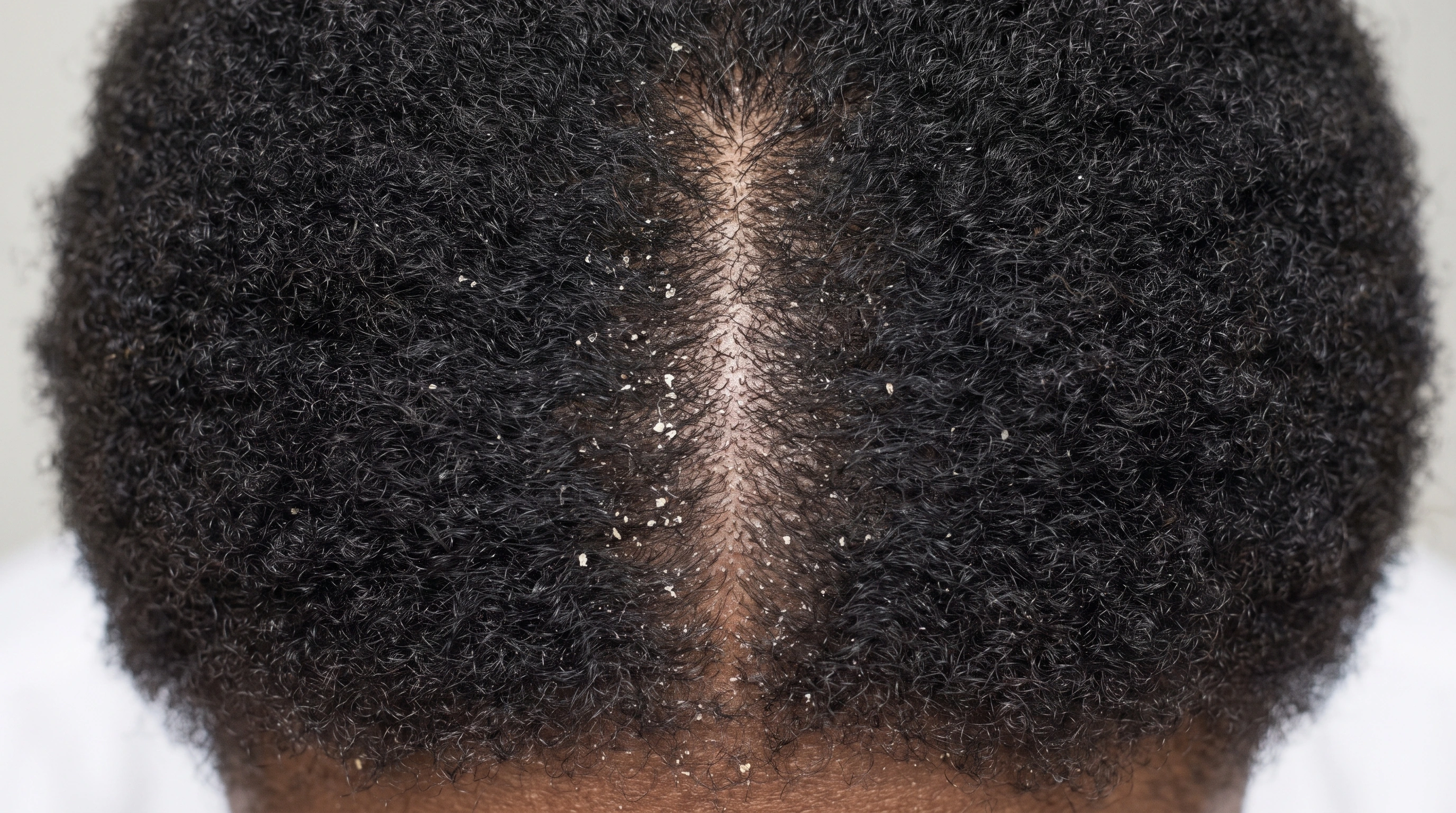
Dandruff:Is dandruff caused by a dry scalp?
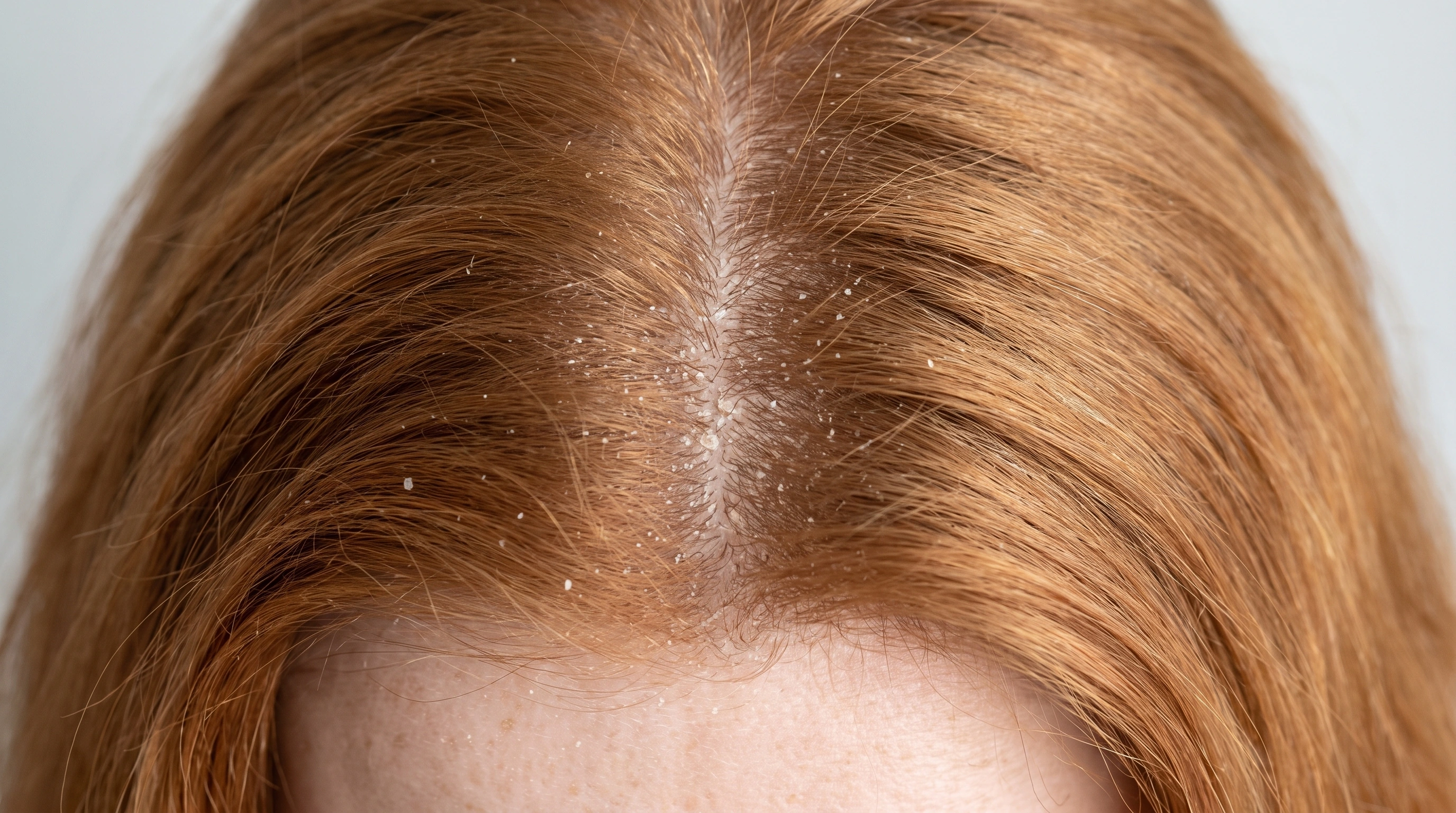
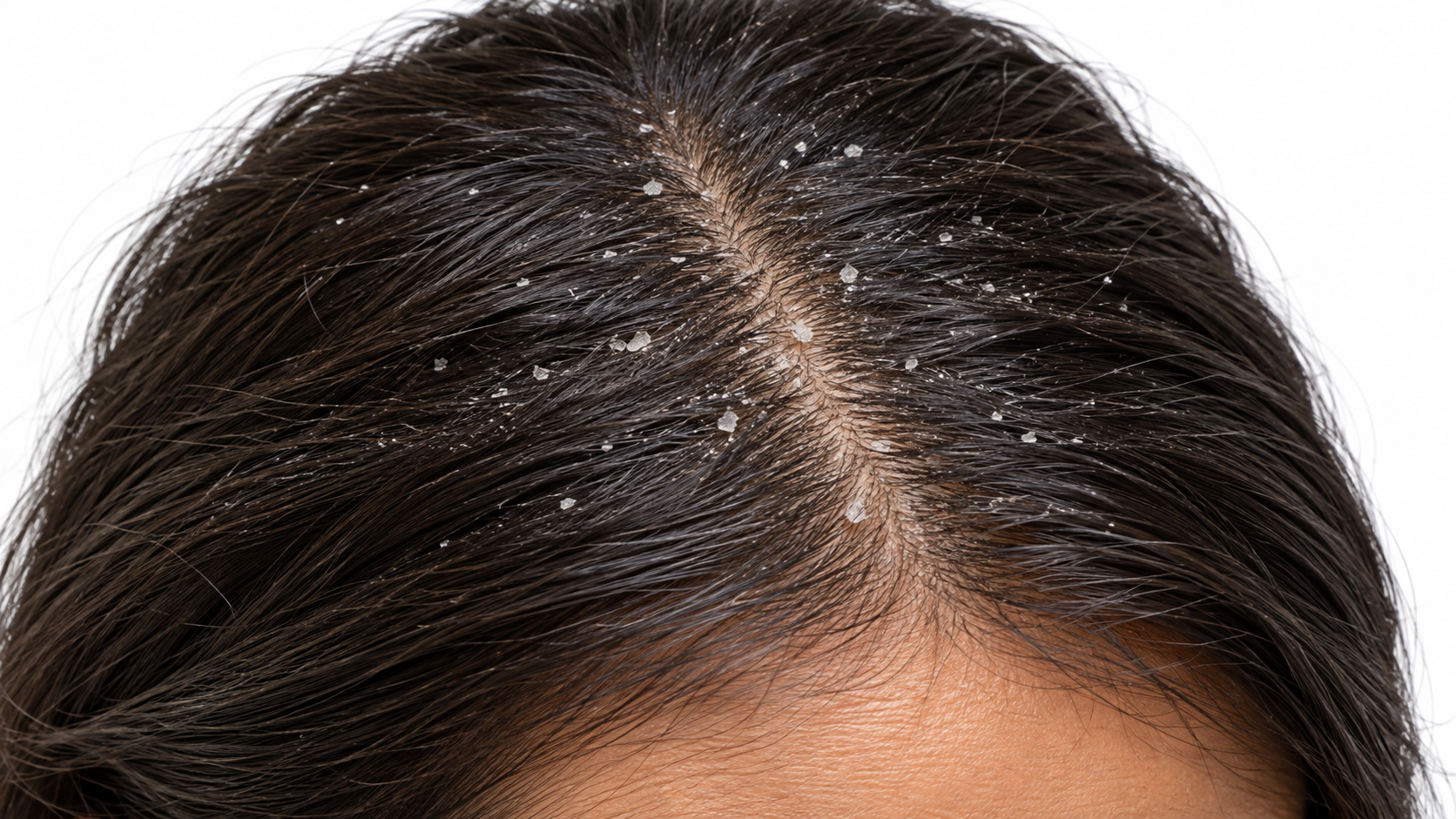
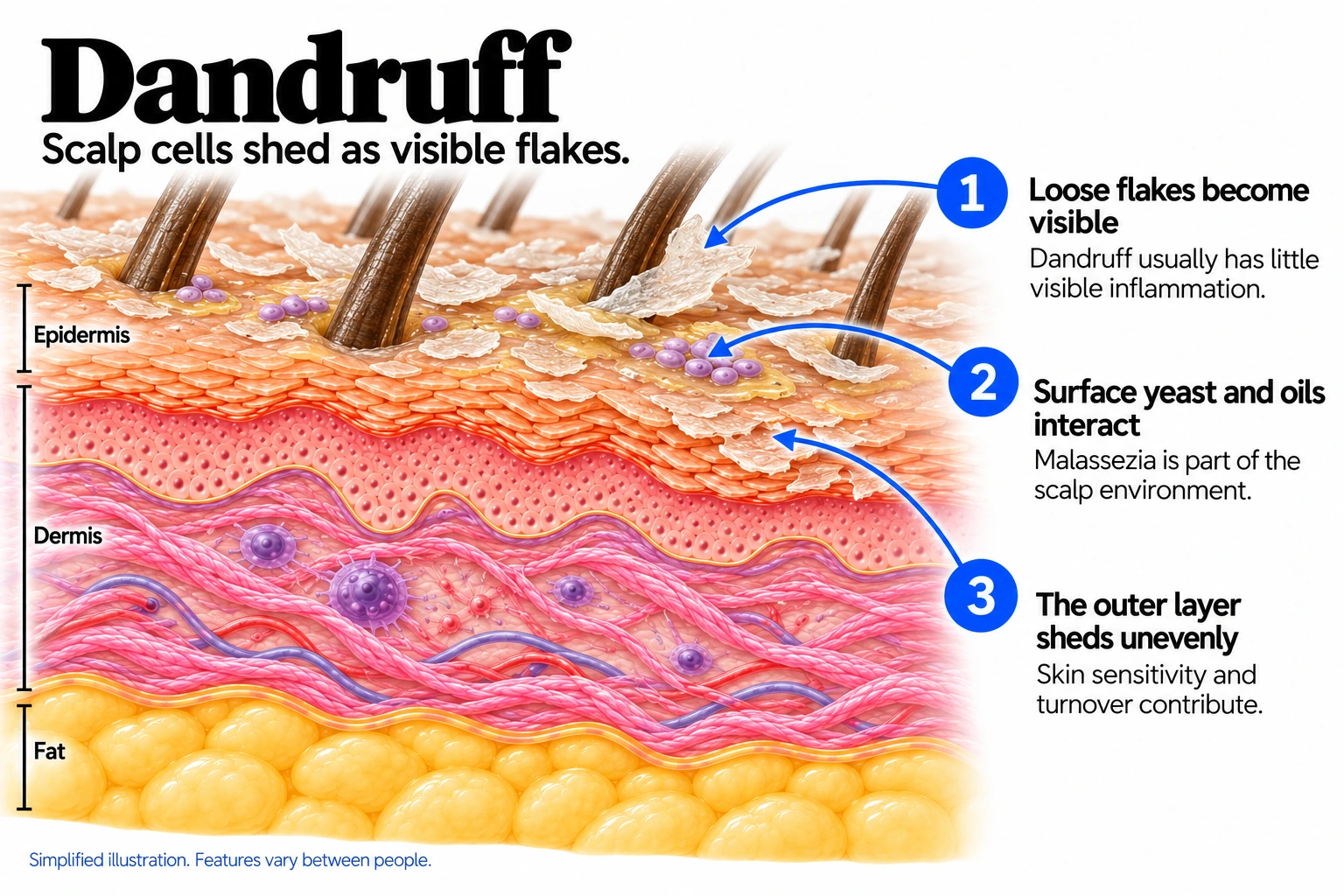
Usually not. It is commonest on oily scalps, and the yeast behind it feeds on that oil. The scalp can feel dry and tight because it is inflamed and the barrier is disrupted, which is not the same as being short of moisture. Treating it as dryness makes it worse.
Dandruff:How often should I wash my hair if I have dandruff?
More often than you otherwise would, at least during a flare, because washing removes the oil the yeast lives on. If frequent washing damages your hair, change how you wash rather than how often - medicated shampoo straight onto the scalp, five minutes, condition only the lengths.
Dandruff:Does dandruff cause hair loss?
Not permanently. A very itchy, inflamed scalp that gets scratched or picked sheds more hair for a while, and that recovers once the inflammation settles. Thinning or bald patches need their own assessment, not a stronger shampoo.
Dandruff:Why did my shampoo stop working?
Usually one of two things. Either contact time slipped and it is being rinsed straight out again, or the scalp has stopped responding to that active. Rotating two medicated shampoos, such as zinc pyrithione and ketoconazole, tends to keep working.
Dandruff:Is dandruff related to the flaky redness around my nose and eyebrows?
Yes - the same condition in a different place. Seborrheic dermatitis affects the oily areas of the body, and the scalp is the most obvious one. The face usually responds to a gentle antifungal cream or a short course of a mild anti-inflammatory prescribed for that area, not to shampoo left on the skin.
Dandruff:Can I use medicated shampoo on colored or chemically treated hair?
Generally yes, but the active matters. Selenium sulfide and coal tar can discolor light, gray, relaxed or color-treated hair. Zinc pyrithione and ketoconazole are the usual choices, and conditioning the lengths limits drying of the hair shaft.
Head Lice:How did my child get them?
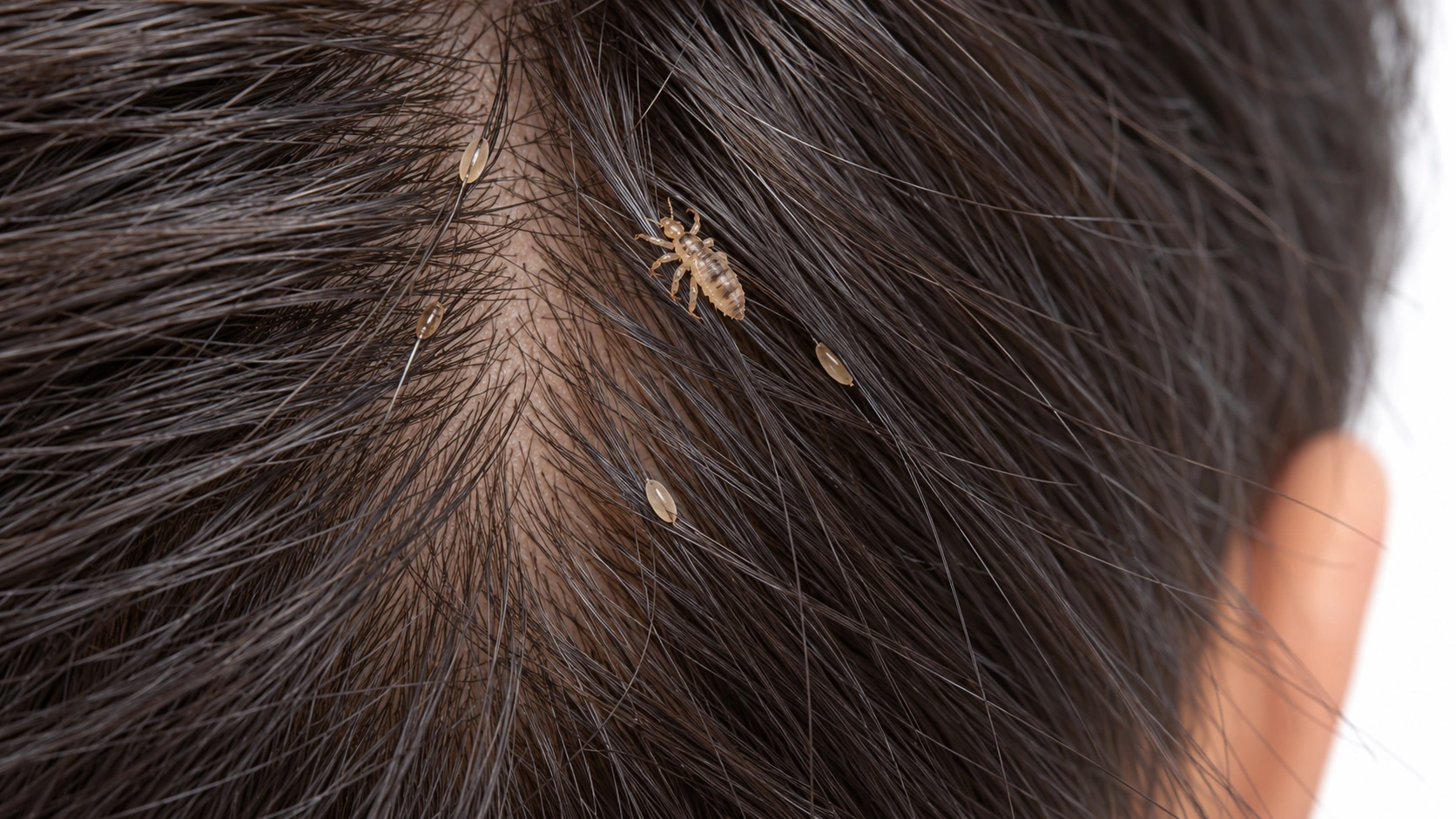
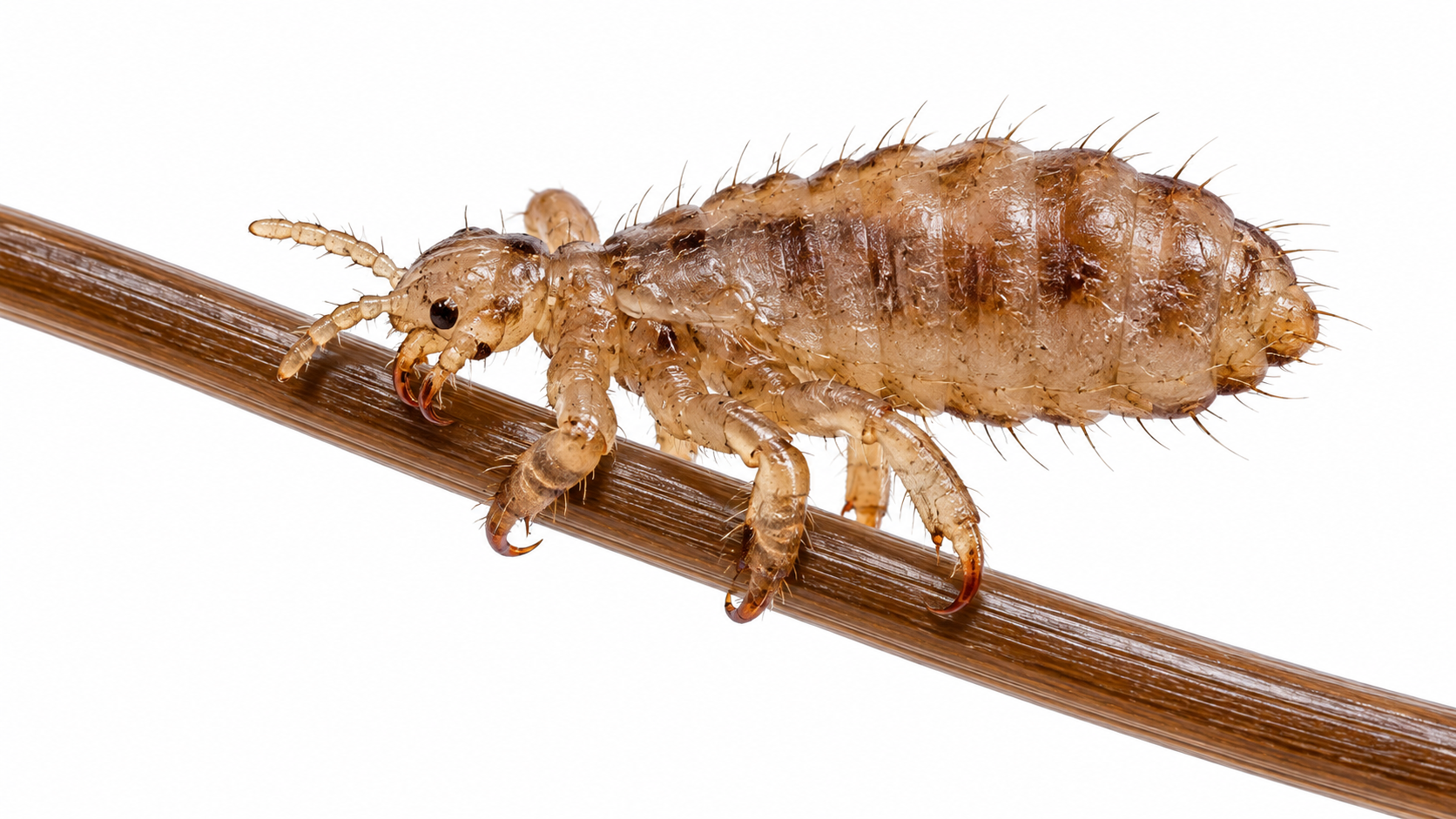
Almost certainly direct head-to-head contact with another child — playing on the floor, a sleepover, photographs head to head. Not the house, the pets or anyone's hair. By the time you find them the contact was weeks ago.
Head Lice:Does my child have to stay home from school?
Major pediatric and public health bodies advise against sending children home for lice. By the time they are found they have usually been there for weeks, and lice do not spread easily in a classroom. Tell the school, start treatment, and in most places the child stays. Check your school's policy — some are stricter than the guidance.
Head Lice:Do I have to get every nit out?
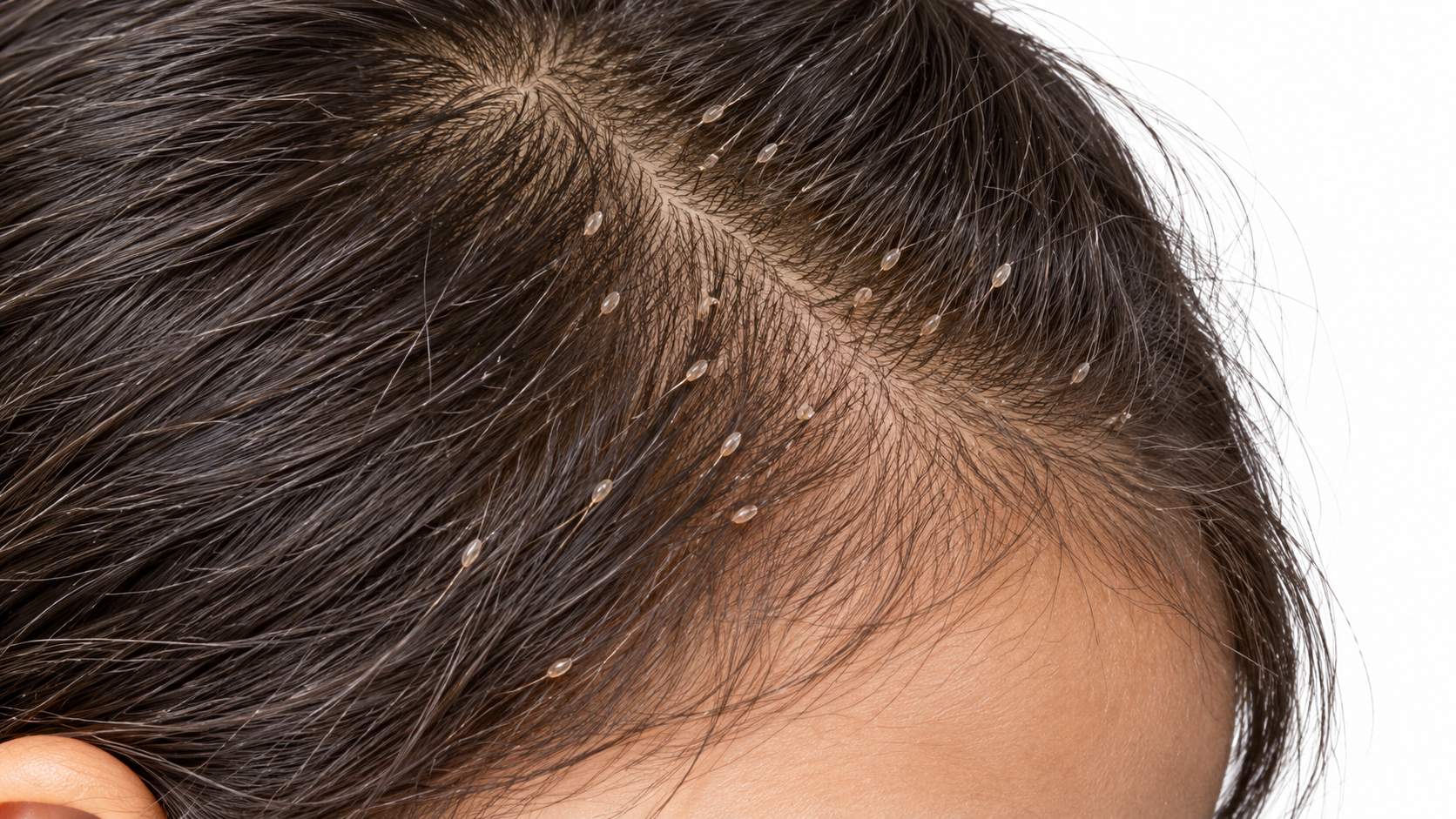
No. It makes future checks easier and reassures everyone, but empty shells are harmless and grow out. What matters is that no live lice remain. Combing with conditioner and a metal comb beats picking them out dry.
Head Lice:Why is my child still itching after treatment?
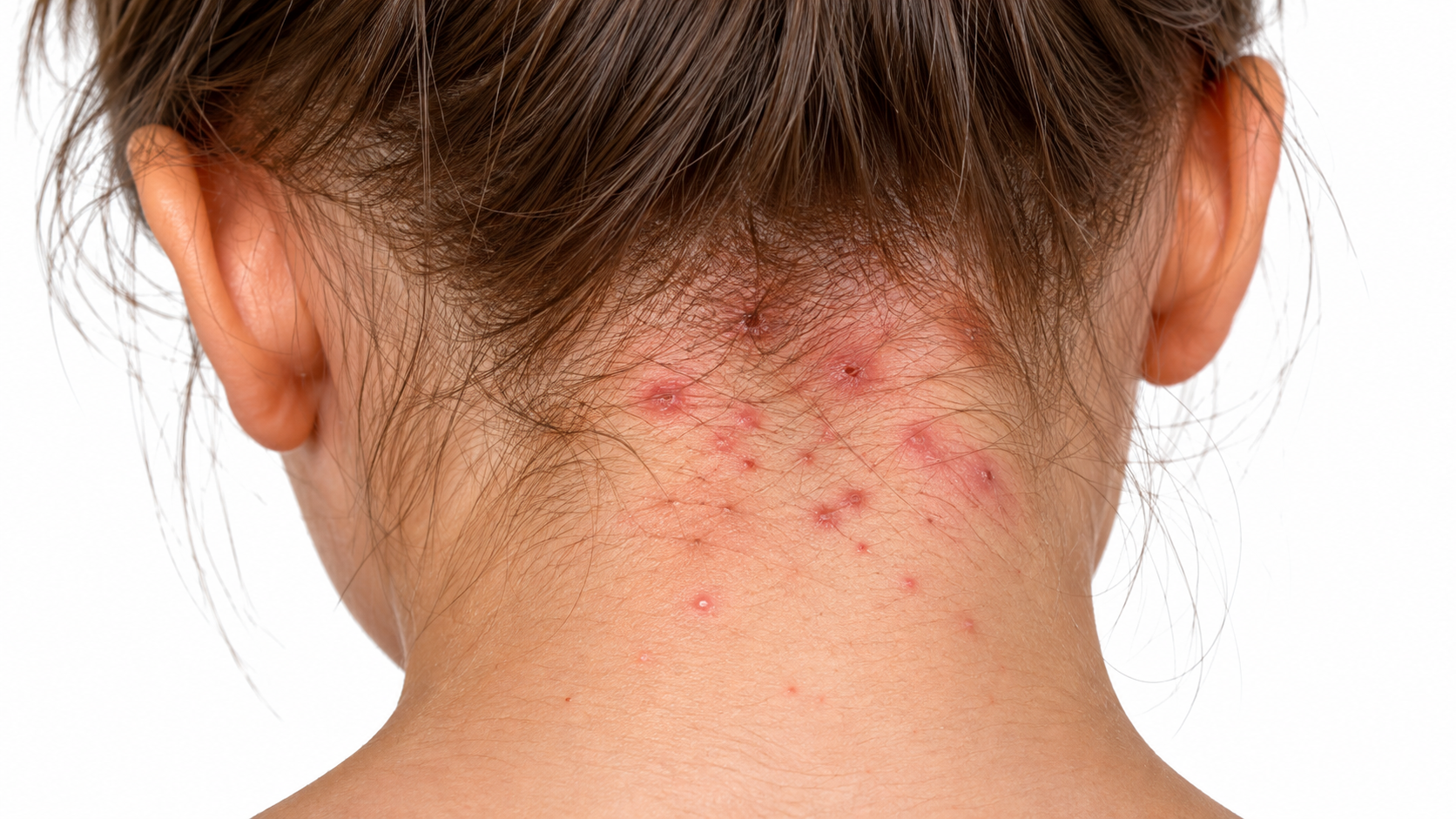
Because the itch is an allergic reaction, not the lice, and takes one to two weeks to settle after the last louse is gone. The scalp has also been scratched and treated with something drying. Itching alone is not a reason to treat again. Finding a live louse is.
Head Lice:Do I need to treat everyone in the family?
Check everyone the same day and treat the ones with live lice. Some doctors also treat anyone who shares a bed, even with no live lice found, because that contact is so close. Treating the whole household regardless is not recommended.
Head Lice:Why did the treatment not work?
In order of likelihood: the second application was skipped, the product was misused, someone else in the house was not treated, reinfection came from the same friend or classroom, or the lice are resistant. Only the last is a reason to change medicine, so work through the other four first.