Coconut Oil vs Petrolatum

Coconut Oil: Softens dry skin; virgin coconut oil has limited eczema trial evidence. Petrolatum: Reduces water loss and protects dry or chapped skin.
Research updated 2026-10-25
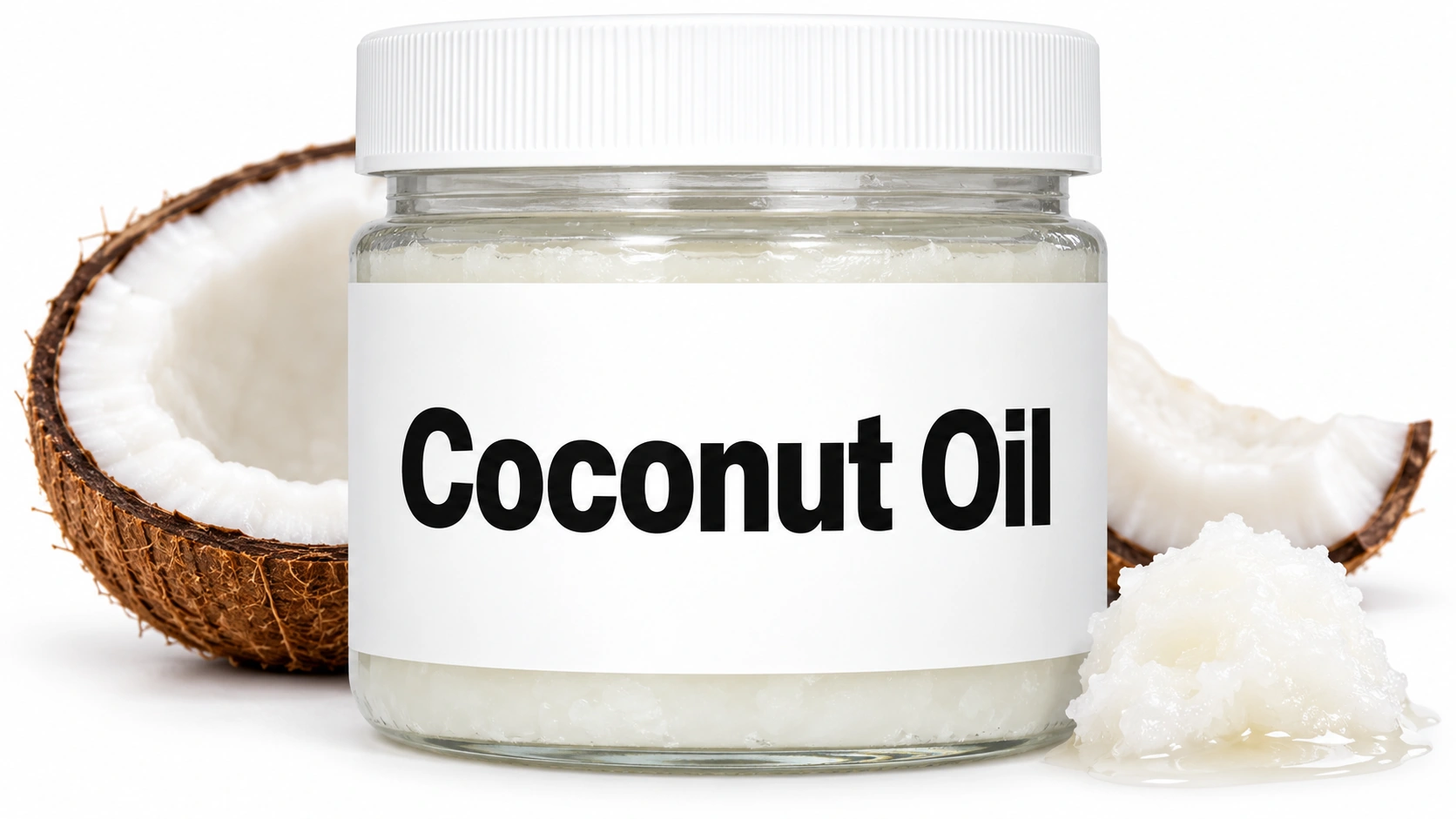
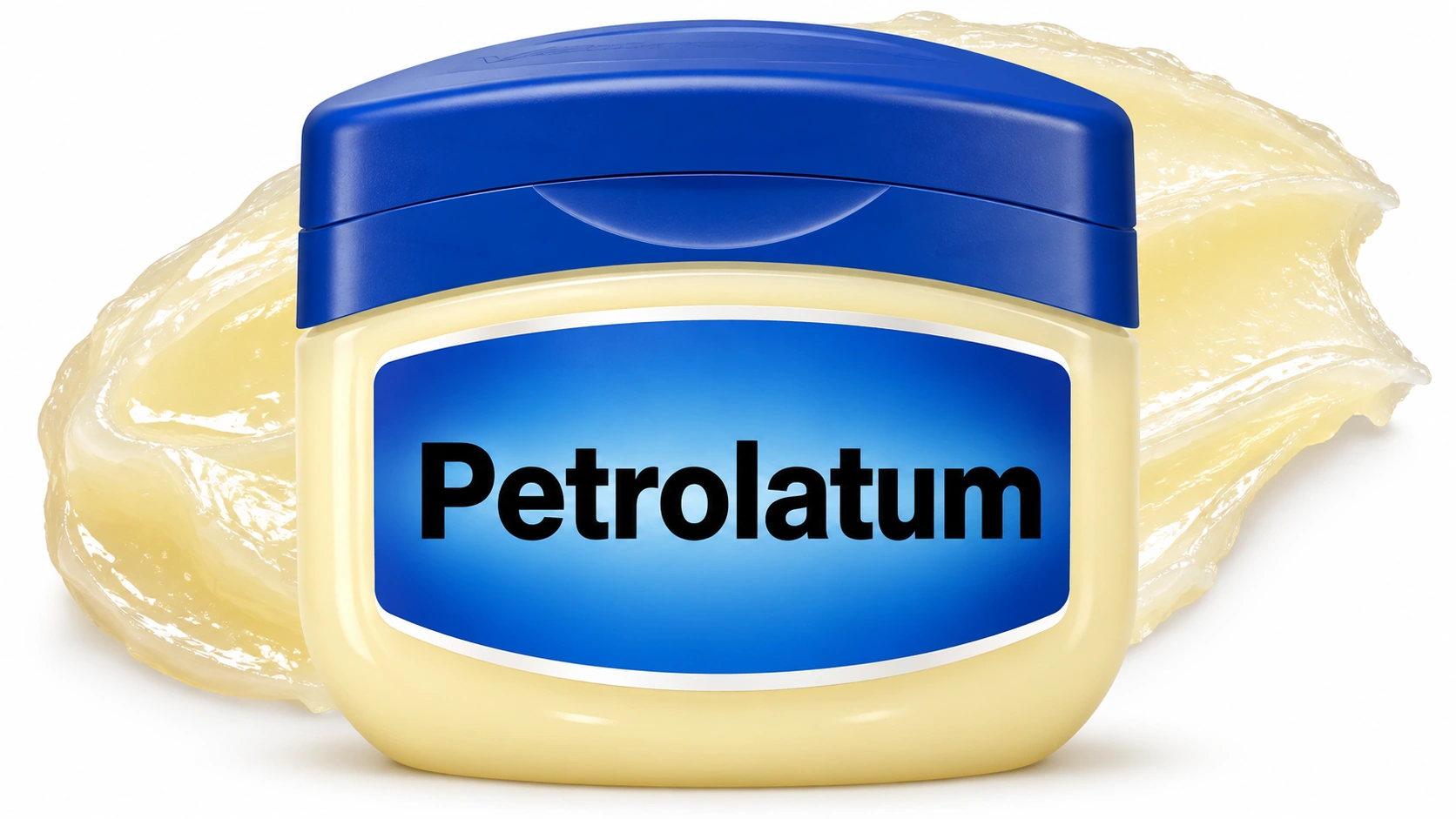
Five coconut oil bottles and a jar on white, most labeled fractionated or organic virgin coconut oilFour ointments on white: CeraVe Healing Ointment, a Vaseline jar, a petroleum jelly tube and Aquaphor

Which one is right for you?

Choose Coconut Oil if…

Consider for dry body skin if tolerated; it is not an acne treatment.

  • Dry body skin
  • You like an oil-based moisturizer
  • Not on acne-prone areas

Choose Petrolatum if…

Choose for sealing in moisture on dry areas when a greasy texture is acceptable.

  • Very dry, cracked or chapped skin
  • Healing minor wounds
  • A greasy feel is acceptable
Alternatives, not combined

Can you use both?

Both seal in moisture. Petrolatum is more effective and less likely to irritate; one is enough.

At a glance

● Coconut Oil
● Petrolatum
Type
Plant oil mixture
Occlusive skin protectant mixture
What it does
Softens dry skin; virgin coconut oil has limited eczema trial evidence.
Reduces water loss and protects dry or chapped skin.
Best for
Dry Skin; Eczema
Dry Skin; Chapped Lips; Eczema; Minor Wounds
Studied concentrations
Virgin coconut oil was used in the cited trial; percentage does not predict tolerance.
30–100% in labelled US skin protectants; plain petrolatum is widely used.
When to use
Morning or night, as directed by the finished product.
Time to results
Comfort may improve quickly; reassess persistent dryness
Irritation
Can feel greasy or worsen breakouts in some people; avoid for known allergy.
May feel greasy or cause follicular bumps in some areas; avoid using as a substitute for infection treatment.
Sensitive skin
Choose a simple formula and test a small area first. Individual tolerance matters more than an ingredient’s reputation for being gentle.
Available
Cosmetic or OTC products; some high-strength procedures are separate treatments.

What it helps

Compare uses by strength of evidence. Evidence level describes confidence in a benefit, not its size.
Evidence level
Coconut Oil
Petrolatum
Moderate evidenceSome supportive research
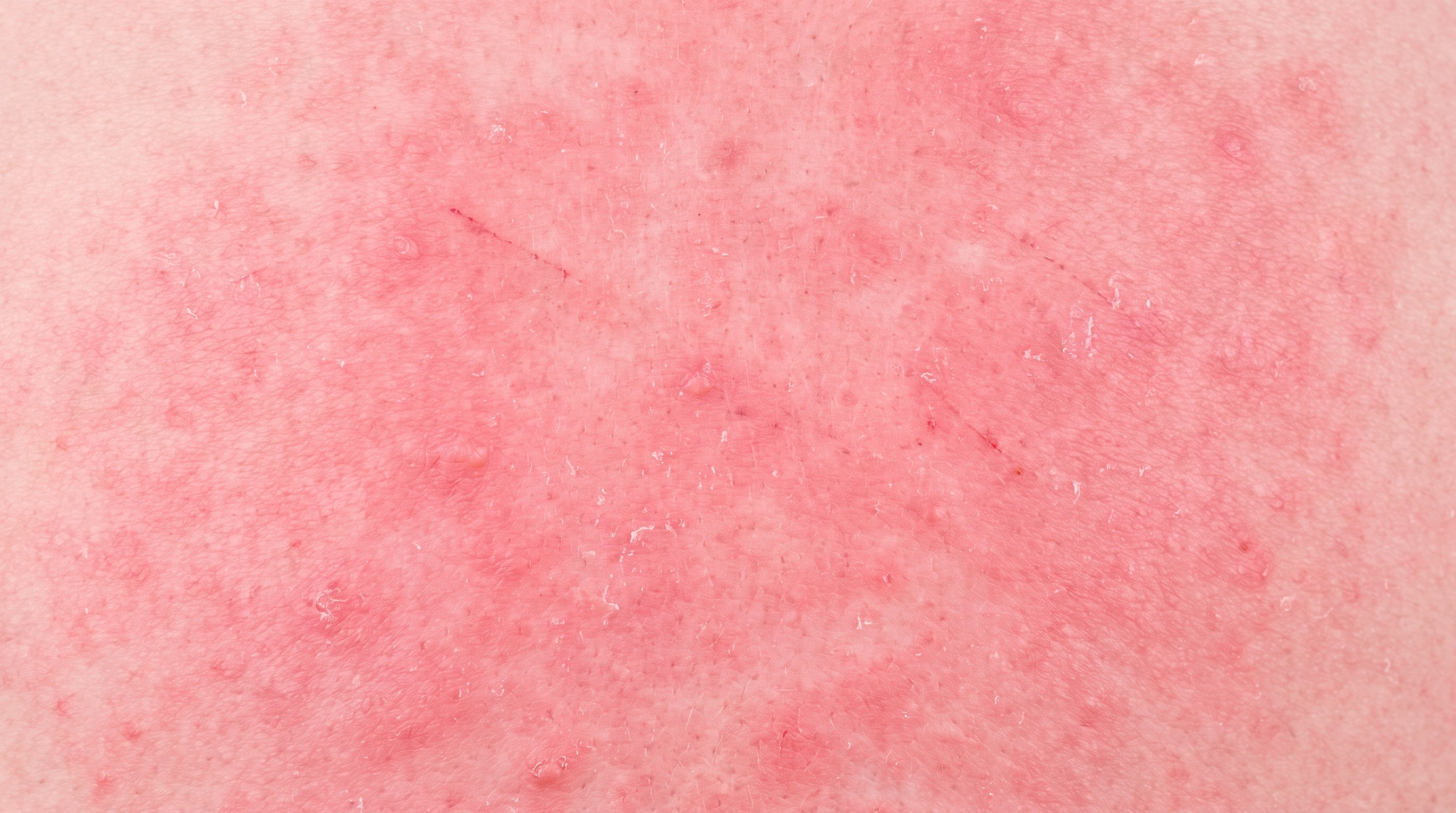
The front of one shin on pale skin. The surface is pink with fine white flaking and a few shallow cracks, and the skin around it is even in tone.

Dry Skin

A controlled eczema study found improved hydration and reduced water loss.
The front of one shin on pale skin. The surface is pink with fine white flaking and a few shallow cracks, and the skin around it is even in tone.

Dry Skin

Controlled testing supports reduced moisture loss.
Extreme close-up of light skin in an active eczema flare, too close to tell which part of the body it is. Blotchy pink-red inflammation covers the whole frame with no clear edge, with small raised bumps, fine dry scale and a few fresh scratch marks.

Eczema

Useful moisturizing support alongside an appropriate flare plan.
Educational illustration of dry flaking lips with shallow surface creases, with the lower face turned to the person’s right on light skin.

Chapped Lips

Labelled products protect chapped skin and help retain moisture.
Limited evidenceEarly or small studies
Extreme close-up of light skin in an active eczema flare, too close to tell which part of the body it is. Blotchy pink-red inflammation covers the whole frame with no clear edge, with small raised bumps, fine dry scale and a few fresh scratch marks.

Eczema

One comparative trial supports an emollient role; it does not replace flare treatment.
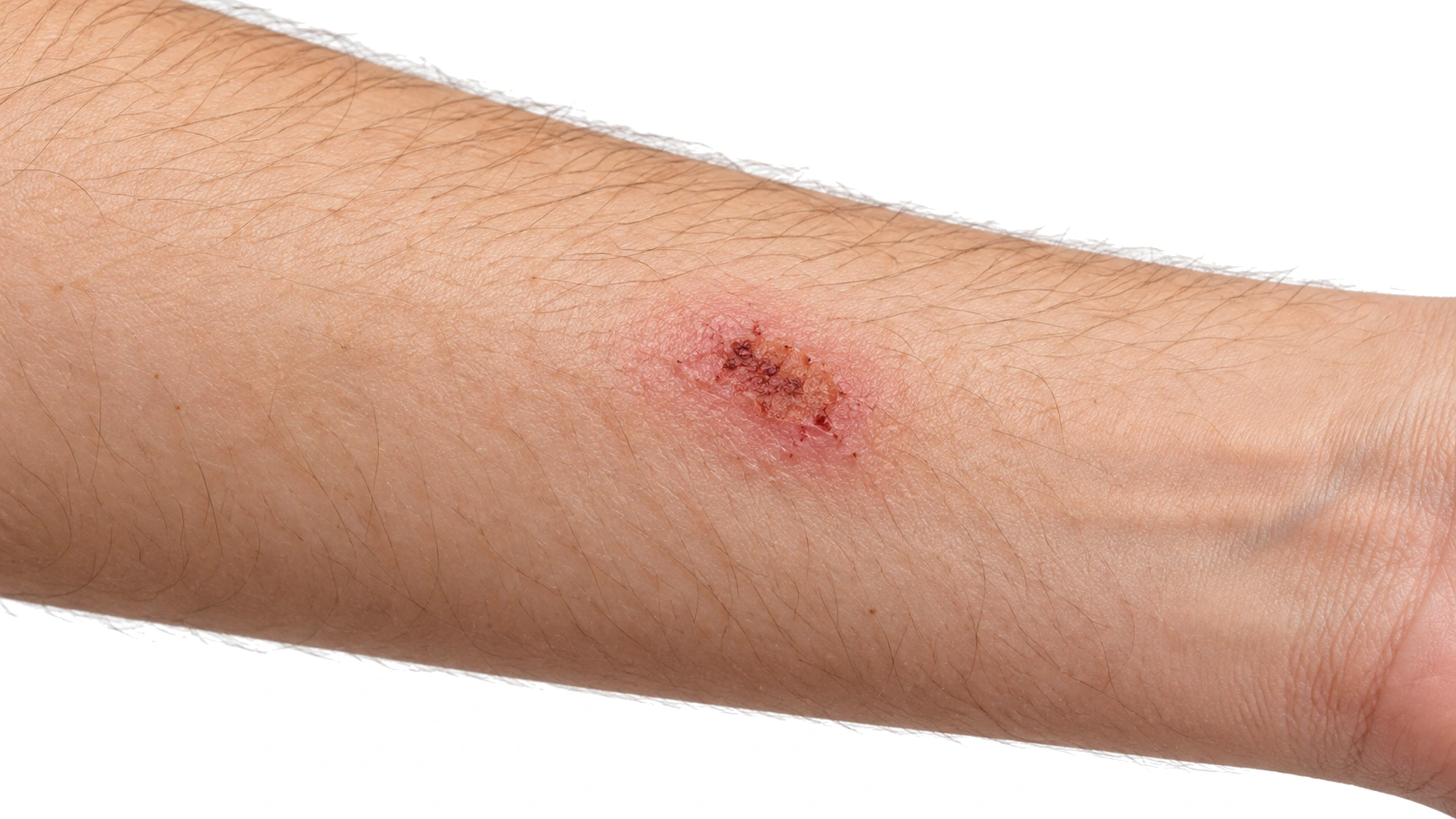
Minor Wounds.

Minor Wounds

Helps keep clean minor wounds moist; infected, deep or persistent wounds need care.
Insufficient evidence
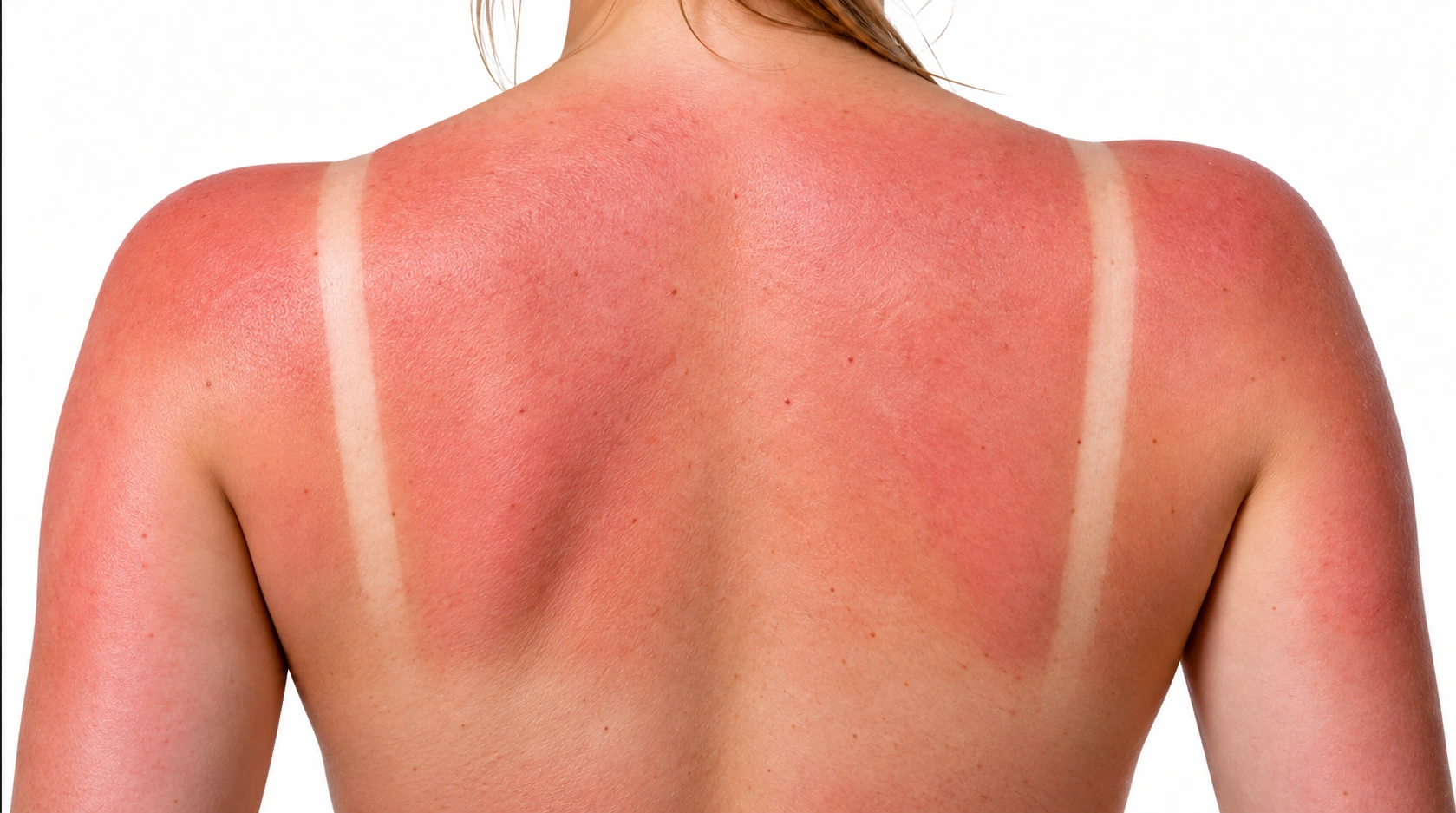
Sunburn: 1. Sunburn Header — Light Skin; Lighter skin.

Sunburn

Coconut oil is not a tested sunscreen or an established sunburn treatment.
Inflamed acne on light skin. The spots sit in a patch of pink, and the ring of redness around each one is easy to see. A few have a yellow-white head, and the skin between them is dry and flaking.

Acne

The reviewed sources do not establish this ingredient as a treatment for this concern.
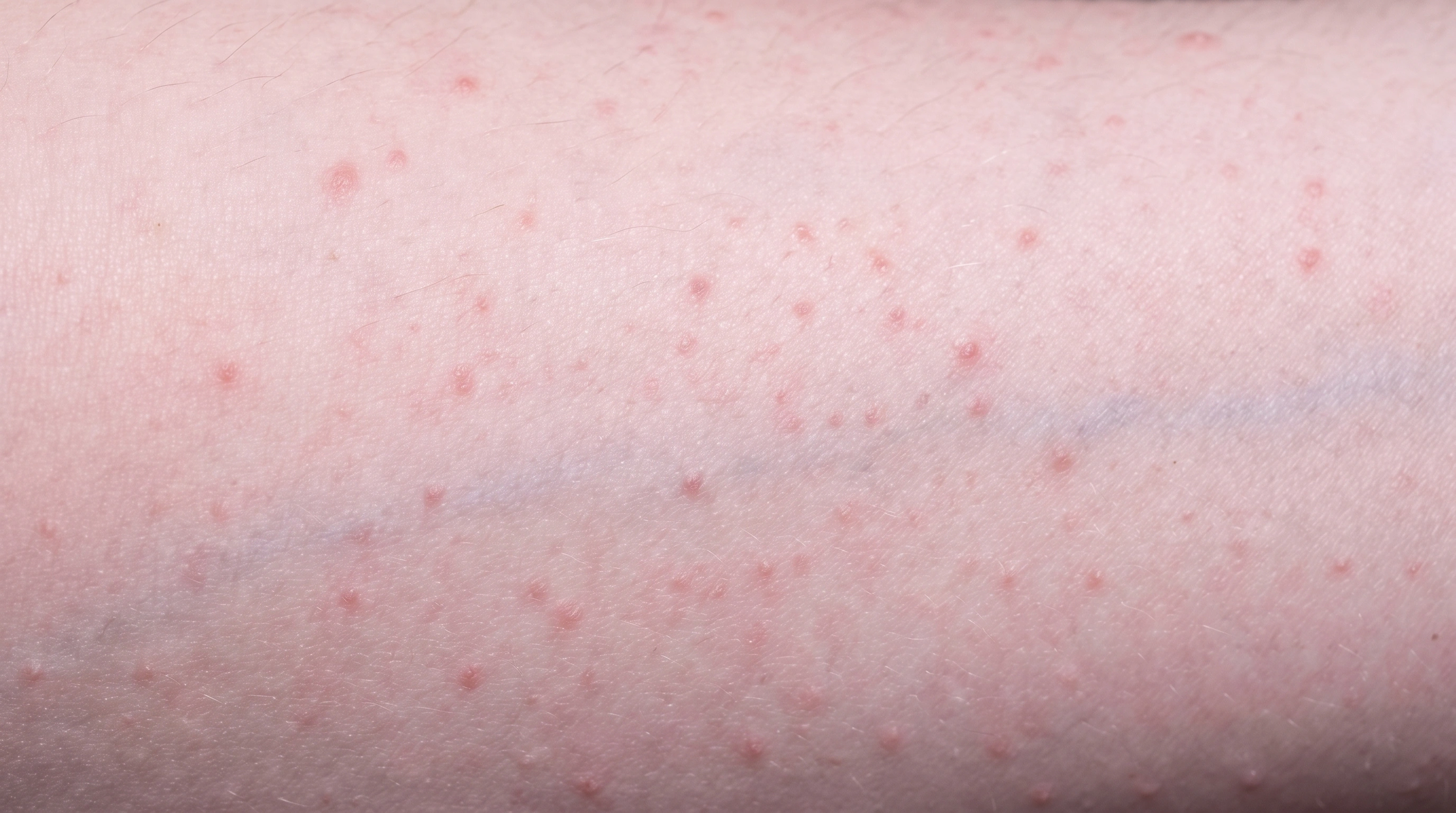
Shoulders and upper back on fair skin, covered in a sheet of many small pink-red bumps, all of them the same size and packed close together.

Fungal Acne

The reviewed sources do not establish this ingredient as a treatment for this concern.
Sunburn: 1. Sunburn Header — Light Skin; Lighter skin.

Sunburn

The reviewed sources do not establish this ingredient as a treatment for this concern.
Inflamed acne on light skin. The spots sit in a patch of pink, and the ring of redness around each one is easy to see. A few have a yellow-white head, and the skin between them is dry and flaking.

Acne

The reviewed sources do not establish this ingredient as a treatment for this concern.
How it works

Coconut Oil

Coconut Oil mechanism diagram. Softens the outer skin: Triglyceride-rich oil spreads over dry surface cells. Helps slow water loss: The emollient layer supports moisture retention.
Open full-size diagram
Diagram explanation and sources

Softens the outer skin: Triglyceride-rich oil spreads over dry surface cells. Helps slow water loss: The emollient layer supports moisture retention.

Schematic illustration; not a measurement of skin penetration. Effects vary with ingredient identity and formulation.

Source 1

Petrolatum

Petrolatum mechanism diagram. Forms a surface barrier: Petrolatum creates an occlusive film. Helps hold moisture in: Less water evaporates from the outer skin.
Open full-size diagram
Diagram explanation and sources

Forms a surface barrier: Petrolatum creates an occlusive film. Helps hold moisture in: Less water evaporates from the outer skin.

Schematic illustration; not a measurement of skin penetration. Effects vary with ingredient identity and formulation.

Source 1 · Source 2 · Source 3

Using both in one routine

Built from where each one usually sits in a routine. Introduce one at a time.

Morning
Step 1
Cleanser
Step 2
Moisturizer
Step 3
Sunscreen
Night
Step 1
Cleanser
Step 2
Coconut OilNight
Step 3
PetrolatumNight

Strengths and forms

Concentrations

Virgin coconut oil has been studied as a topical oil, including in childhood eczema. Those results do not define a best percentage for every coconut-containing lotion or for facial acne.

Choosing a strength: Distinguish virgin coconut oil from fractionated oil and from creams containing small amounts. They are different materials and products.

Higher strengths: A purer or richer oil is not automatically a better choice for your face or for an inflamed rash.

Formula matters: The source oil and the rest of the formula affect feel and performance. An oil trial cannot establish the result from every blended moisturizer.

U.S. skin-protectant products use 30–100% petrolatum. Plain petrolatum is an occlusive barrier; a blended cream may offer a different balance of hydration, protection and feel.

30–100%

U.S. skin-protectant range

Includes petrolatum-based protective ointments. The upper end describes a plain ingredient, not a stronger treatment for every condition.

Choosing a strength: Choose plain petrolatum when a simple protective ointment suits the job, or a cream when you also want water-binding ingredients and easier spreading.

Higher strengths: More petrolatum usually changes richness and occlusion rather than creating a new medicinal dose.

Formula matters: Ointments, creams and lip products have different textures and intended uses. A product with other ingredients is not identical to plain petrolatum.

Forms
Virgin oil · Fractionated oil · Body balm
Jelly · Ointment · Lip balm

When you’ll see results

Approximate windows, not promises.

● Coconut Oil
● Petrolatum
First few weeks

First few weeksSkin may feel softer soon after use; relief depends on the formula.

First few weeksSkin may feel softer soon after use; relief depends on the formula.

4–8 weeks

4–8 weeksJudge hydration, comfort and whether dryness is recurring.

4–8 weeksJudge hydration, comfort and whether dryness is recurring.

8–12 weeks

8–12 weeksPersistent cracking, itch or a rash needs reassessment.

8–12 weeksPersistent cracking, itch or a rash needs reassessment.

3–6 months

3–6 monthsContinue if comfortable; hydration usually requires ongoing use.

3–6 monthsContinue if comfortable; hydration usually requires ongoing use.

6–12 months

6–12 monthsMoisturizing does not establish reversal of structural ageing or scars.

6–12 monthsMoisturizing does not establish reversal of structural ageing or scars.

Safety and sensitive skin

Common reactions

Can feel greasy or worsen breakouts in some people; avoid for known allergy.

May feel greasy or cause follicular bumps in some areas; avoid using as a substitute for infection treatment.

When to stop

Stop for persistent burning, swelling, blistering or a new rash. Seek urgent care for breathing difficulty or a severe allergic reaction.

Stop for persistent burning, swelling, blistering or a new rash. Seek urgent care for breathing difficulty or a severe allergic reaction.

Sensitive or inflamed skin

Choose a simple formula and test a small area first. Individual tolerance matters more than an ingredient’s reputation for being gentle.

Choose a simple formula and test a small area first. Individual tolerance matters more than an ingredient’s reputation for being gentle.

Important limits

Do not use a cosmetic product as a substitute for diagnosis of an unexplained, changing or persistent skin problem.

Do not use a cosmetic product as a substitute for diagnosis of an unexplained, changing or persistent skin problem.

Pregnancy

Very little is absorbed through skin, but ask the doctor managing your pregnancy.

It stays on the surface and is not absorbed in any meaningful amount. Even so, check your routine with the doctor managing your pregnancy.

How it works

In the skin

On the skin. The finished product delivers coconut oil in a particular vehicle.

Entering skin. No single molecular mass. The 500 Da guideline cannot be applied to this whole ingredient family or mixture.

Conversion. No activation step is established as necessary for its intended topical role.

Skin response. Its triglyceride mixture forms an emollient layer that helps retain moisture in the outer skin.

Additional effects. Proposed pathways do not establish a measured depth of delivery or clinical benefit beyond the studies cited.

On the skin. The finished product delivers petrolatum in a particular vehicle.

Entering skin. No single molecular mass. The 500 Da guideline cannot be applied to this whole ingredient family or mixture.

Conversion. No activation step is established as necessary for its intended topical role.

Skin response. Forms a surface layer that limits water evaporation; deep penetration is unnecessary for this job.

Additional effects. Proposed pathways do not establish a measured depth of delivery or clinical benefit beyond the studies cited.

Getting in
No single molecular mass. The 500 Da guideline cannot be applied to this whole ingredient family or mixture.

Product examples

Coconut Oil
  • Coconut Oil — The eczema evidence is real and better than you would expect. It is also comedogenic, feeds fungal acne, and is emphatically not a sunscreen.
  • Beauty of Joseon Ginseng Cleansing Oil
  • Mixsoon Collagen Cleansing Balm
Petrolatum
  • Jack Black Intense Therapy Lip Balm SPF 25 — Avobenzone paired with octinoxate, which destroys it. Real UVA protection is likely well below the label.

Common questions

Coconut Oil:What should I choose coconut oil for?

Consider for dry body skin if tolerated; it is not an acne treatment.

Coconut Oil:How strong is the evidence?

A 117-child trial compared virgin coconut oil with mineral oil for eight weeks in mild to moderate eczema. It does not establish facial acne treatment, sun protection or prevention of infection.

Petrolatum:What should I choose petrolatum for?

Choose for sealing in moisture on dry areas when a greasy texture is acceptable.

Petrolatum:How strong is the evidence?

Controlled testing supports reduced water loss. A small eczema trial compared complete products and did not establish universal superiority or treatment of infection.

Sources

Sources and further reading

  1. The effect of topical virgin coconut oil on SCORAD index, transepidermal water loss, and skin capacitance in mild to moderate pediatric atopic dermatitis: a randomized, double-blind, clinical trial. (2014)
  2. Combined effects of glycerol and petrolatum in an emollient cream: A randomized, double-blind, crossover study in healthy volunteers with dry skin. (2020)
  3. An over-the-counter moisturizer is as clinically effective as, and more cost-effective than, prescription barrier creams in the treatment of children with mild-to-moderate atopic dermatitis: a randomized, controlled trial. (2011)
  4. FDA skin-protectant monograph
Dermapedia on YouTube