Psoriasis
Clears thick plaques quickly.
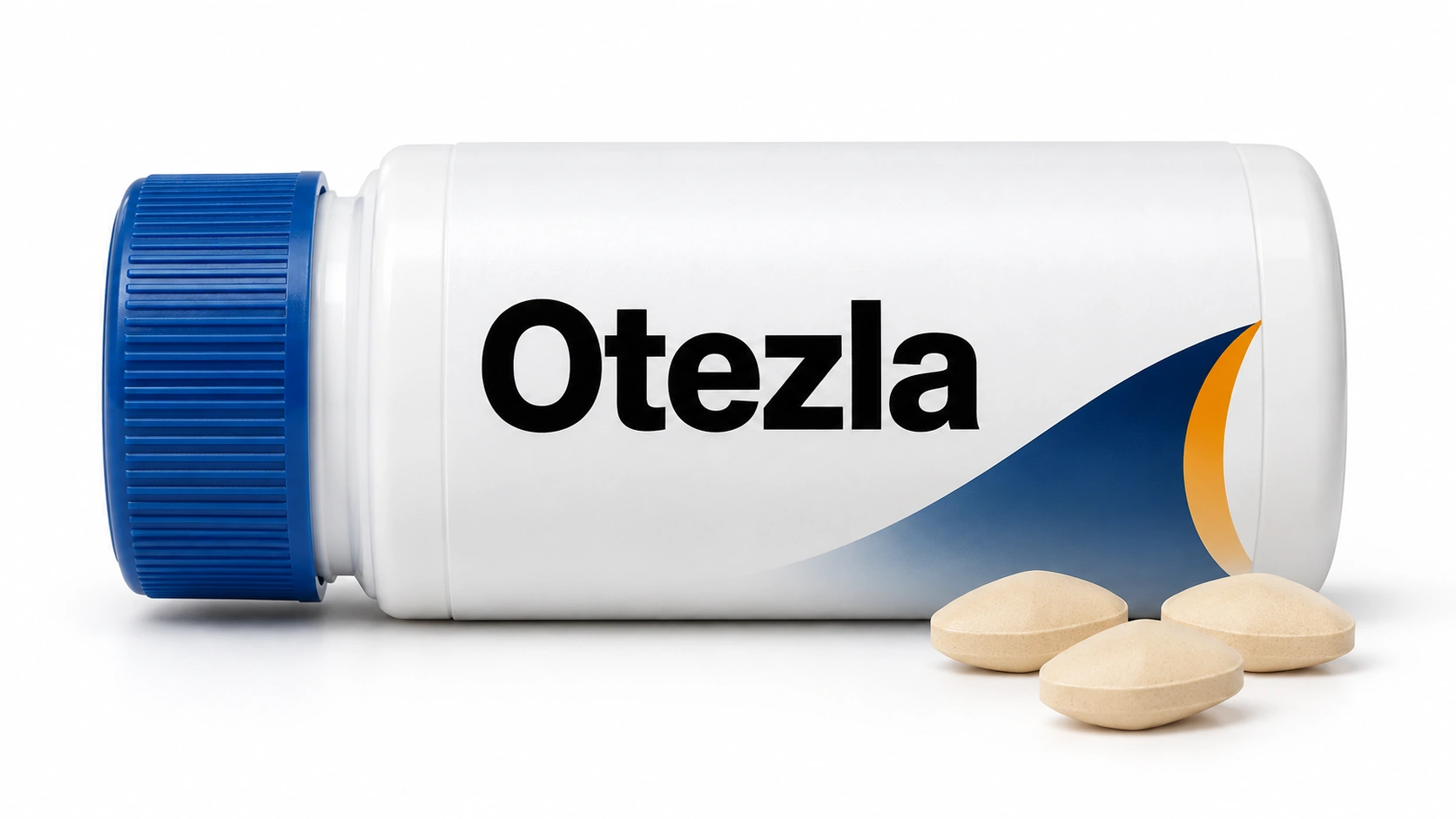
Clobetasol: The strongest class of topical steroid. It clears thick, stubborn plaques quickly, and it comes with firm limits on how much, how long and where. Otezla: An oral pill for plaque psoriasis, psoriatic arthritis and the mouth ulcers of Behcet's disease. It needs no routine blood tests, and it is gentler and less powerful than the injected treatments.

Choose for a short, strong course to clear thick, stubborn plaques on the body or scalp — with firm limits on amount and time.
Choose for moderate psoriasis or psoriatic arthritis when you want a pill with no routine blood tests, accepting it's gentler than injections.
Can you take them together?
Clobetasol is often used on stubborn plaques while taking Otezla. They do not interact.
Compare uses by strength of evidence. Evidence level describes confidence in a benefit, not its size.
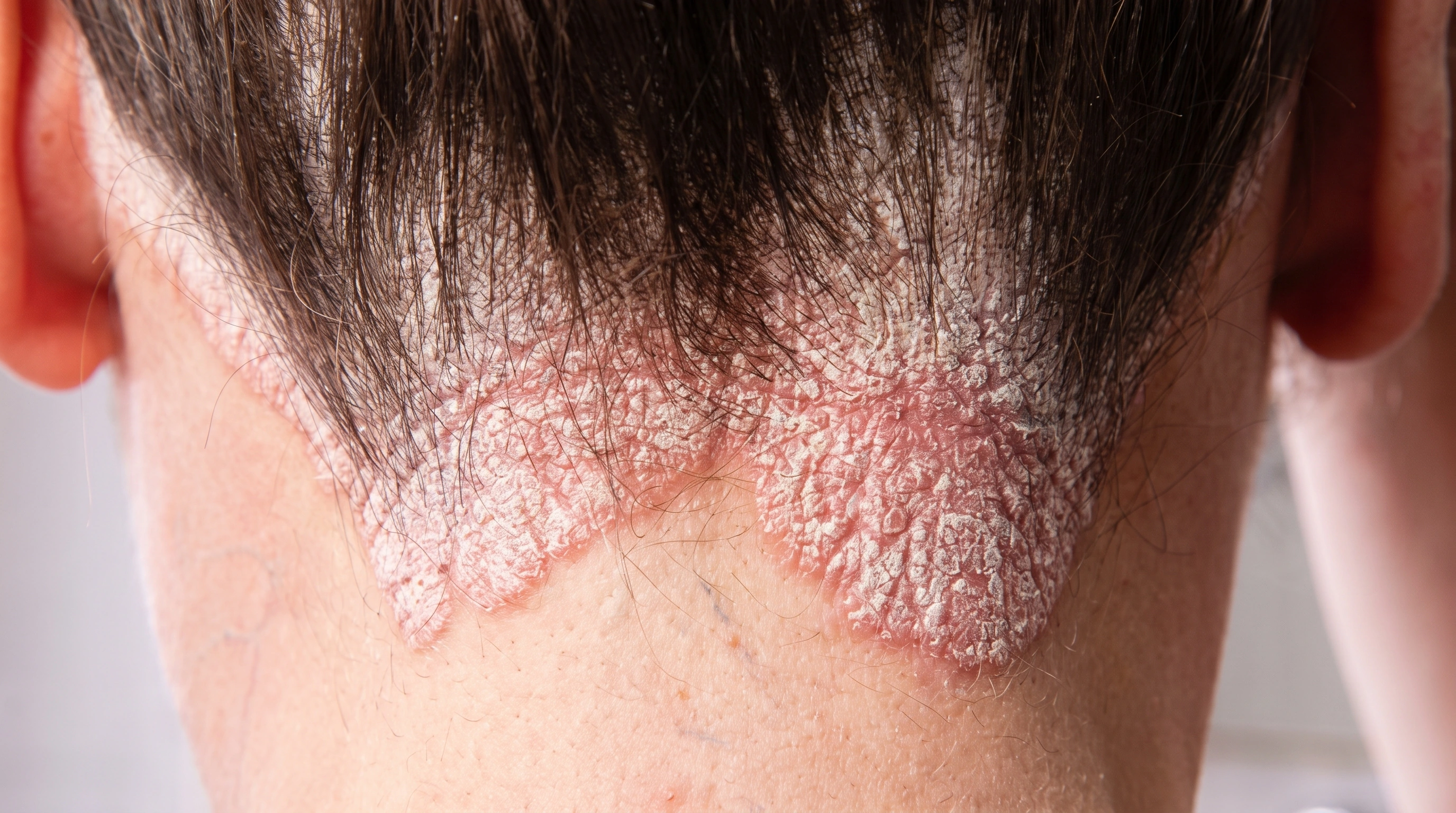
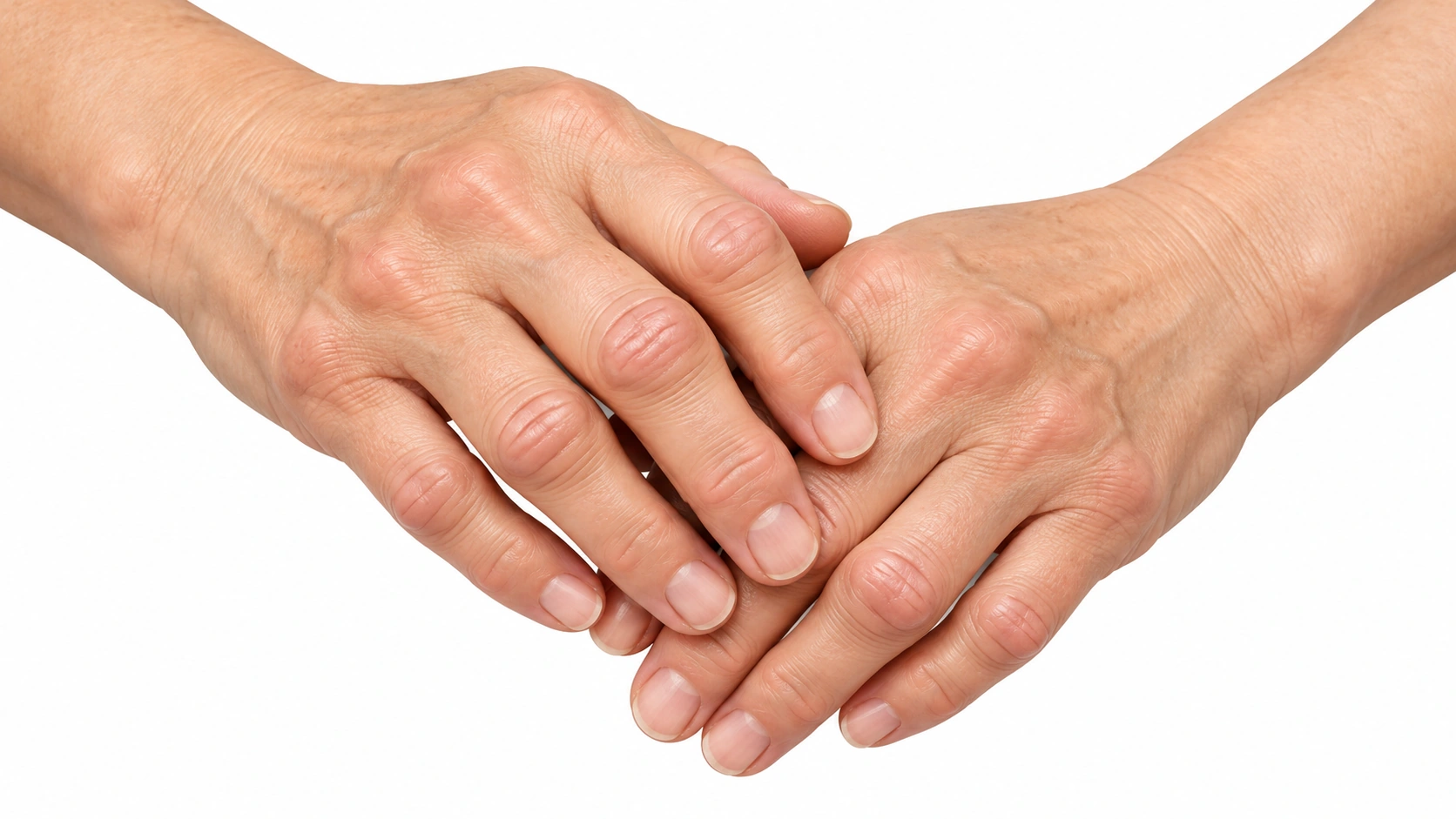

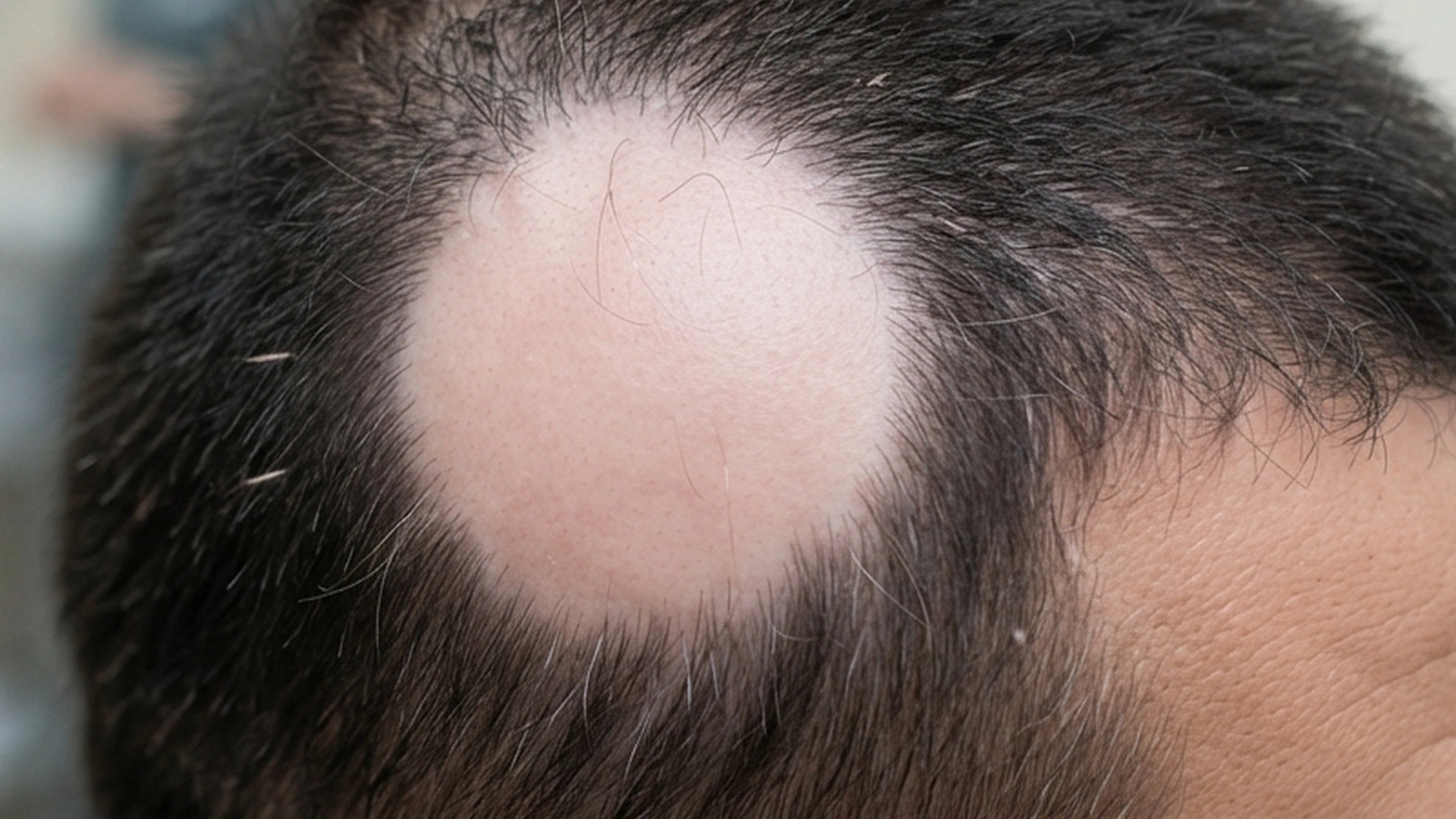

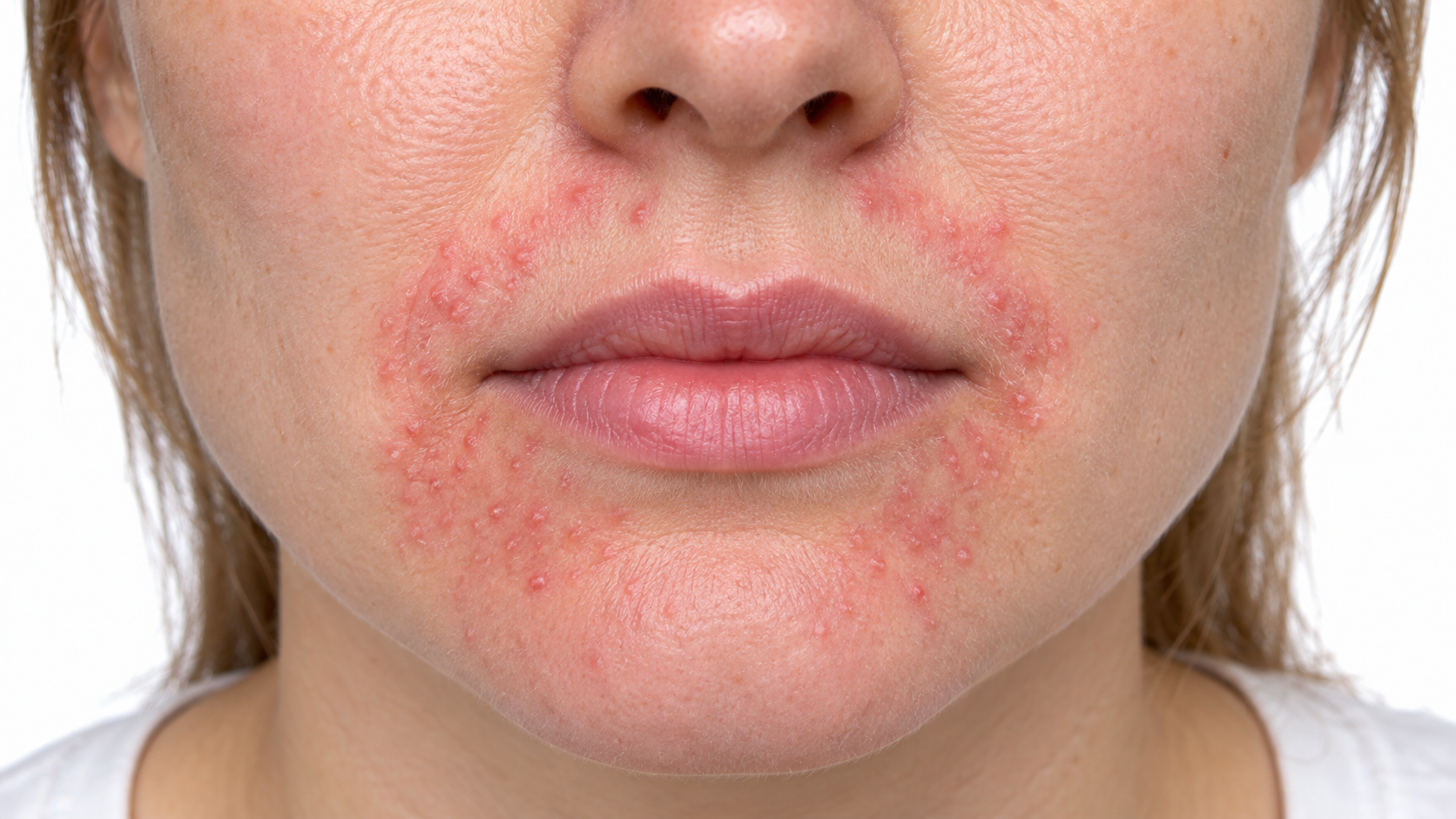


Activates steroid receptors: Binds receptors inside skin and immune cells. Turns down inflammatory signals: Changes gene activity to reduce inflammatory messengers. Eases redness and itch: Swelling and irritation settle as inflammation falls.
Simplified glucocorticoid receptor-mediated effects in steroid-responsive skin inflammation. Full effects also involve other pathways. No claim of antimicrobial action or cure; formulation and potency affect clinical use.

Blocks PDE4: Inhibits an enzyme that breaks down cAMP. Raises cAMP inside cells: Preserves a signal involved in regulating inflammation. Helps inflamed skin settle: Psoriasis plaques become less inflamed.
PDE4 inhibition and increased intracellular cAMP are established. The exact link to clinical improvement is not fully defined; this is a simplified overview, not every downstream pathway.
When to Apply: Twice a day, on the affected plaques only, in the thinnest film that covers them. One fingertip unit, the amount along the last joint of an adult index finger, covers about two adult palms. Most labels cap use at 50 grams a week. Do not cover it with plastic wrap or a tight dressing unless told to.
How to Start: Twice daily for two weeks, then stop and be reviewed. Some scalp products allow up to four weeks. Keep it off the face, eyelids, armpits and groin unless a clinician prescribed it for that site with a set duration, as in lichen sclerosus.
If It Irritates: Burning and stinging are likelier from alcohol-containing solutions, foams and gels on broken skin; the ointment settles it. Redness or itch that worsens over a week or two can be an allergy to the steroid or a preservative, and needs a different drug.
If It Is Not Working: Two weeks of correct twice-daily use is a proper test. Extending it is the wrong move. Reassess the diagnosis, check for infection, and ask about a different class — clobetasol is already the top of the ladder.
Nothing about the dose depends on weight or on how severe your disease is. It is built up gradually only to give your stomach time to settle.
Starting dose: A five-day starter pack, beginning at 10 mg on day one and climbing in 10 mg steps, morning and evening doses in turn, until you reach 30 mg twice a day on day six.
Usual dose: 30 mg twice a day, about 12 hours apart.
If your kidneys are significantly impaired: The dose is halved to 30 mg once a day, and the starter pack is used differently.
Total course: No fixed course. It is taken as long as it helps, judged at about 16 weeks, and the benefit stops when the drug stops.
For a standard two-week course on a limited area in a healthy adult, monitoring is a skin check, not a blood test. Did the plaque clear? Has the skin thinned, or have stretch marks or fine blood vessels appeared?
On large areas, under dressings, in repeated courses or in children, the concern is your own cortisol production, and a doctor may test for adrenal suppression. Prescribers also watch how many tubes get dispensed per month.
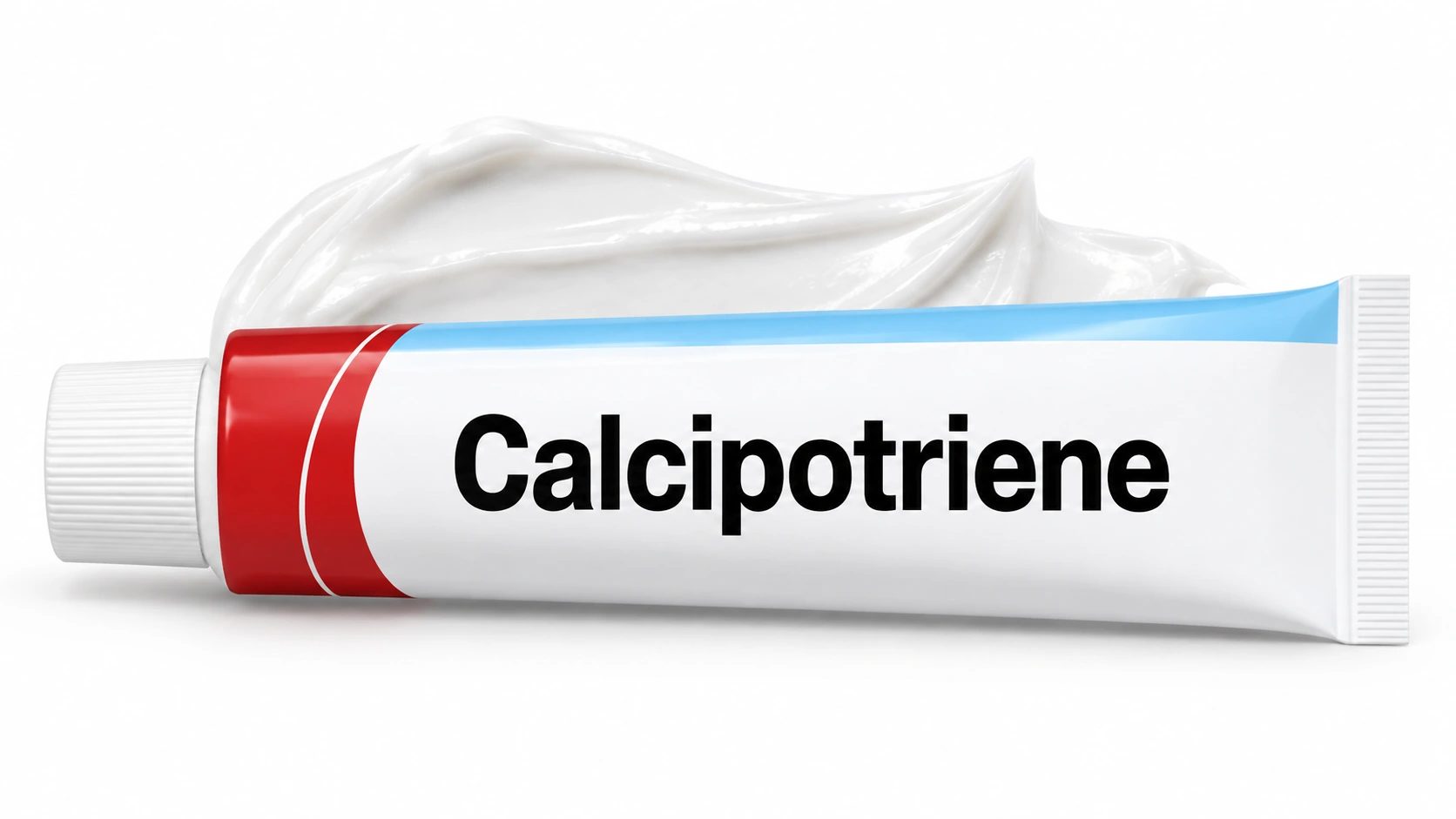
Clobetasol is not a drug to stay on. Conditions that keep needing it get switched to a weaker steroid, a vitamin D analog, a calcineurin inhibitor or a systemic treatment for maintenance, with clobetasol kept for flares. Around the eyes, prolonged use raises the risk of glaucoma and cataract, another reason eyelid use is not casual.
The absence of blood tests is why many people choose this drug. No baseline blood count, no liver panel, no tuberculosis test, no hepatitis screen, nothing repeated. Kidney function is checked once before starting, because severe impairment halves the dose.
What replaces it is clinical monitoring, which is not lighter, only different. Weight comes first. Weight loss is common and can be substantial, with some people losing five to ten percent of their body weight. If you wanted that, it is welcome. If you are older, frail or already underweight, it is a reason to reconsider, and unexplained loss should prompt a review.
Mood is second. Depression, low mood and, rarely, suicidal thoughts have been reported and appear on the label. The risk is low, but new or worsening depression should be reported promptly, and a history of depression belongs on the record before you start.
Diarrhea and nausea are third. They usually settle within the first few weeks, but severe or persistent diarrhea is not something to push through. In older adults, and in anyone on a water tablet or a blood pressure medicine, it has caused dehydration and kidney injury.
The one scheduled checkpoint is the 16-week review of skin or joints. If nothing meaningful has changed, continuing is not useful.
Twice a day, roughly 12 hours apart, with or without food — food helps some people with nausea. Swallow the tablets whole; do not crush, split or chew them.
Take it as soon as you remember, unless the next dose is close, in which case skip it. Never take two at once. If you have stopped for more than a few days, ask before restarting; the full dose brings the stomach side effects straight back, so the starter pack is usually repeated.
Approximate windows, not promises.
First few minutesApplying it: A thin layer on the plaque only. Most courses run two weeks.
Days 1 to 3Itch first: Itching and soreness ease quickly, often before the plaque looks different. After months of itch, that is what people notice.
Days 3 to 10Flattening: Scale lifts, thickness drops, redness fades. This is the stage it is prescribed for.
Weeks 1 to 2Judge it here: Clearance is common by two weeks on limbs. Severe eczema flares settle in the same window, as a short rescue, not ongoing treatment.
Weeks 2 to 4Palms and soles: Thick skin absorbs poorly, so results take longer even with a class 1 steroid.
Weeks 2 to 4Itch: Usually the first thing to change, ahead of the plaques. Behcet's mouth ulcers settle here too, one of the faster and more reliable responses.
Weeks 4 to 12Lichen sclerosus: The genital skin exception, and one of the few longer courses. Supervised, it reduces itch and helps prevent scarring.
Weeks 6 to 12Scalp alopecia areata and discoid lupus: Slower, less predictable, usually part of a wider plan.
After stoppingHolding: Plaques often return within weeks unless something gentler takes over. Brown or gray patches left behind are pigment change and fade over months.
First doseStarting: The starter pack steps the dose up over the first week, which softens the early side effects.
Days 1 to 14Adjusting: Loose stools, nausea and headache usually start in the first week or two and settle within a month.
Weeks 4 to 8Working: The first visible change in the skin. Scale lifts before the redness fades.
Weeks 12 to 16Judge it here: In the trials roughly one in three people reached a 75 percent improvement. Scalp psoriasis responds better than thick body plaques, a common reason to choose it.
Weeks 16 to 24Psoriatic arthritis: Joint pain, swelling and tenderness improve.
Months 3 and onwardWeight and mood: Weight loss comes on gradually, so weigh yourself regularly rather than going by how clothes feel. Mood changes are uncommon but worth watching.
Months 6 and beyondNails: The slowest of all, because a nail has to grow out before improvement shows.
Sorted by what to do about them.
Generic clobetasol cream, ointment and solution are cheap and usually covered. Branded foams, sprays and shampoos cost many times more than the equivalent tube, and plans often want a generic first.
The weekly limit caps how much you use anyway, so tube size matters less here than with milder steroids. If a branded form is unaffordable, the generic cream or ointment is the same drug at the same strength.
Apremilast is expensive, priced far closer to the biologics than to older oral drugs such as methotrexate or acitretin.
So insurers commonly ask that cheaper options be tried first, and prior authorization is usual. The manufacturer runs a copay assistance program, which typically helps people with commercial insurance and is not available on government plans.
What it saves is indirect: no injection supplies, no screening tests, no repeated laboratory work. That does not close the gap with a generic tablet, but it is part of the comparison.
Clobetasol is in the strongest class, hydrocortisone the weakest — hundreds of times apart. That is why the percentages on the tubes tell you nothing.
That is where the evidence sits. Studies show suppression of your own cortisol production after about two weeks of full use, and thinning builds with continuous use. Labels also cap use at 50 grams a week.
Not unless a clinician prescribed it for the face with a set duration. Facial and eyelid skin absorb far more and thin fastest, and long use near the eyes raises glaucoma and cataract risk.
Often, and sometimes more inflamed than before. That rebound is expected, which is why a short course is paired with something gentler to hold the result.
It can. Pale patches show more on deeper skin tones and usually recover slowly after stopping. Untreated inflammation leaves light and dark marks too, so skipping treatment is not a way around it.
Deliberately, in lichen sclerosus, where treatment helps prevent permanent scarring, under supervision with a defined plan. Different from a leftover tube on an undiagnosed groin rash, where it causes thinning and stretch marks fast.
Correct. No monitoring schedule, no tuberculosis screen, no repeated bloodwork. Kidney function is checked once before starting, because severe impairment halves the dose.
For most people it is worst in the first two weeks and settles within a month, which is what the five-day starter pack softens. Diarrhea that is severe or lasts past a month is a reason to be reviewed.
Some people do, and some of them lose five to ten percent of their body weight. It happens gradually, so weigh yourself every few weeks rather than judging by how clothes fit.
Less effective for thick plaques — about one in three reached a seventy-five percent improvement at 16 weeks, where biologics reach much higher figures. What it offers is a tablet, no needles, no screening, no monitoring.
Low mood and depression are uncommon but on the label, and rare reports of suicidal thoughts exist. Report any new or worsening low mood promptly.
About 16 weeks for the skin, up to 24 weeks for joints. If nothing meaningful has changed, continuing is not worthwhile.