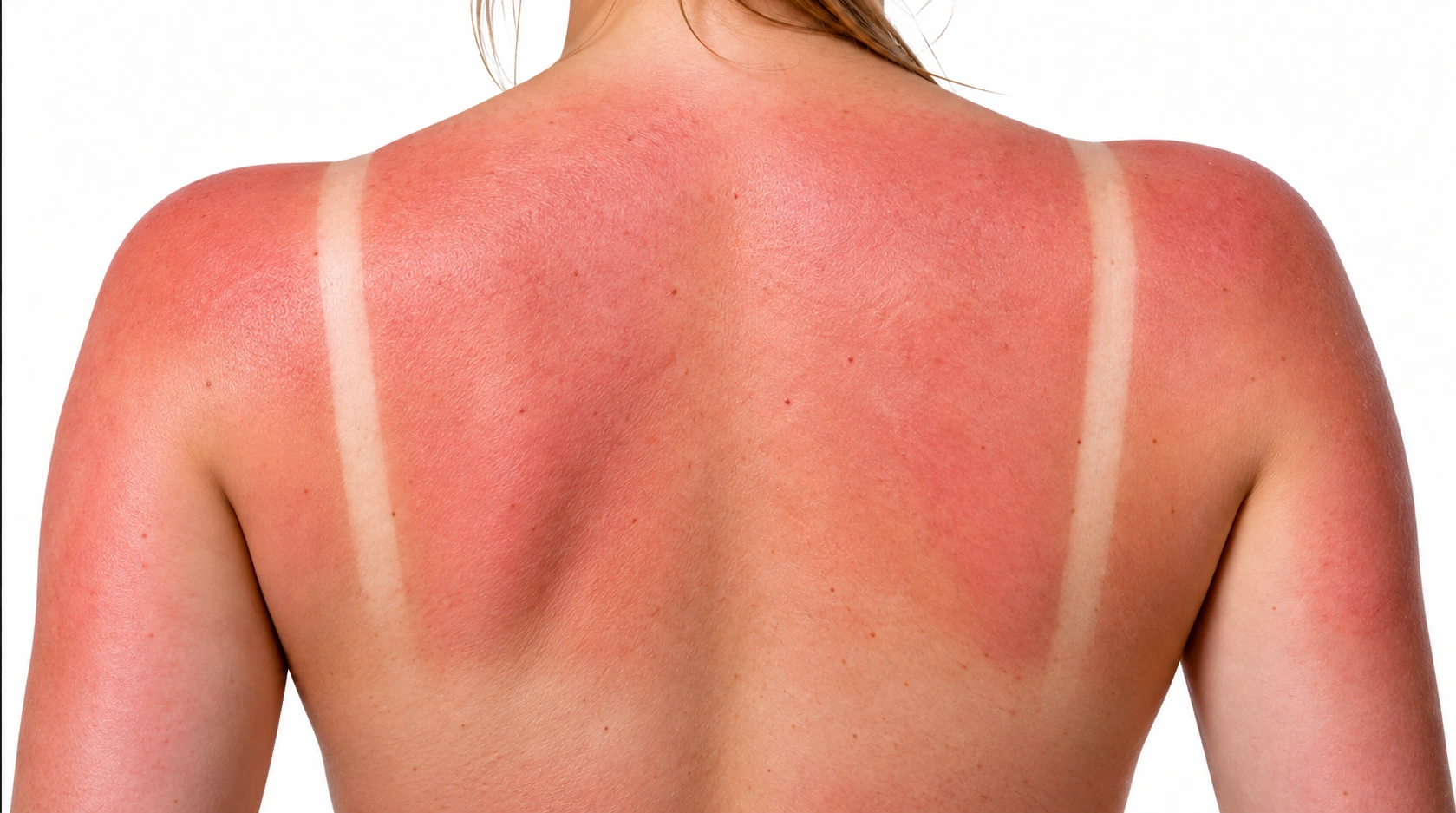
Sunburn
A tested broad-spectrum sunscreen protects against UV exposure; avobenzone supplies UVA coverage.
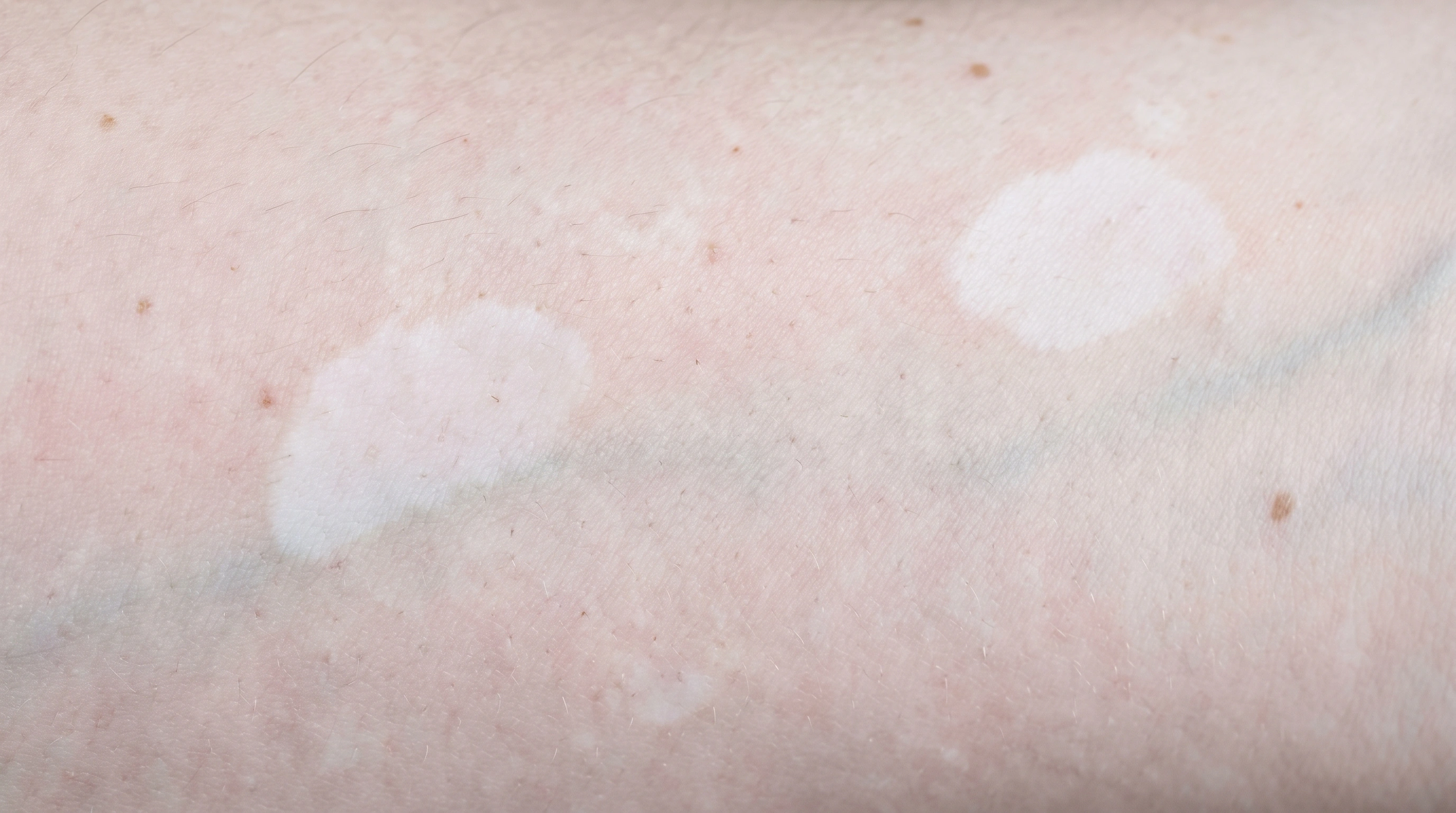
Avobenzone: Provides UVA coverage within tested sunscreen formulas. Cysteamine: Can reduce melasma pigmentation in tested topical formulas.
Choose a comfortable broad-spectrum sunscreen; avobenzone is one possible UVA filter.
Consider for diagnosed melasma when a suitable topical option is needed.
Can you use both?
Daily sunscreen is essential when using cysteamine for pigment.
Compare uses by strength of evidence. Evidence level describes confidence in a benefit, not its size.
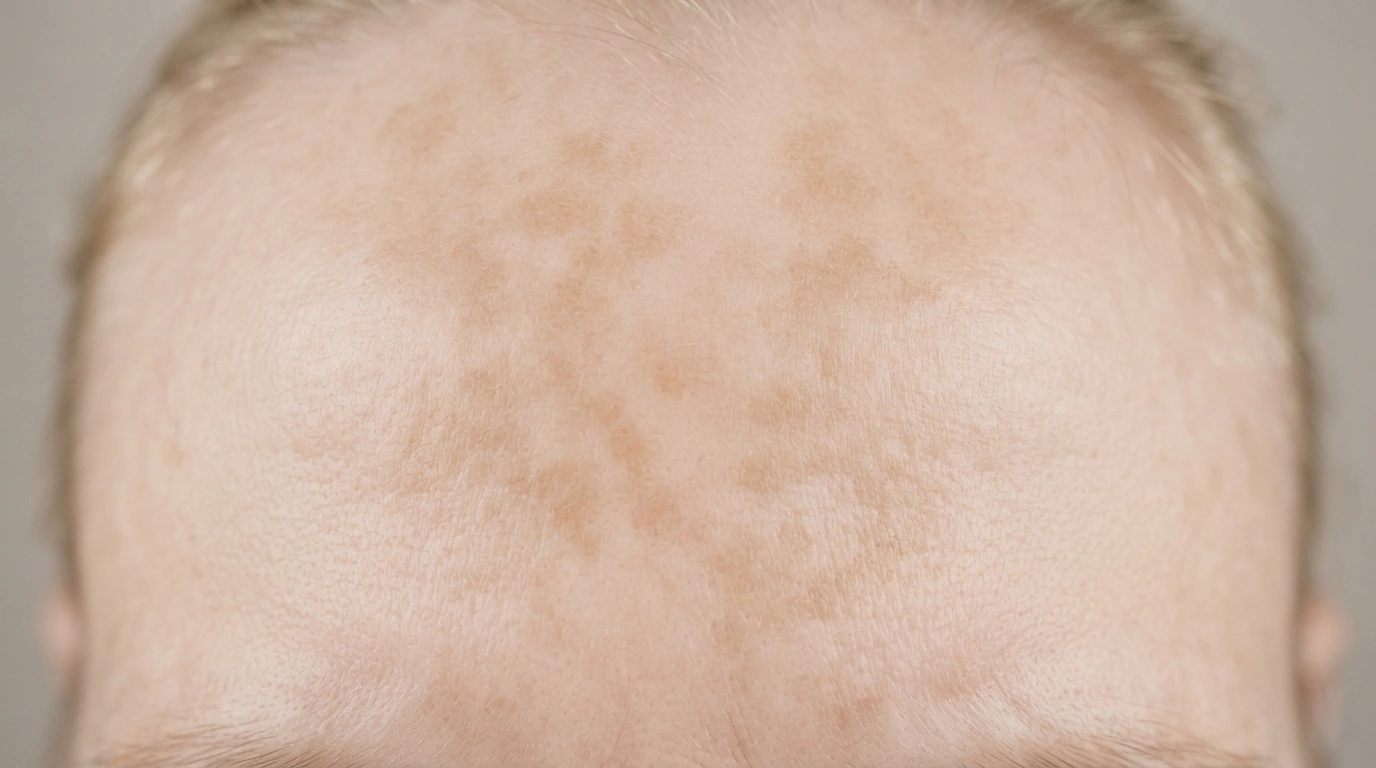
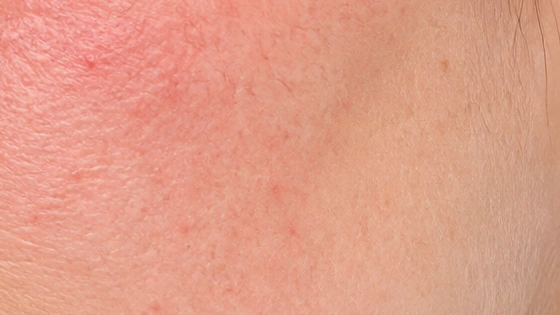

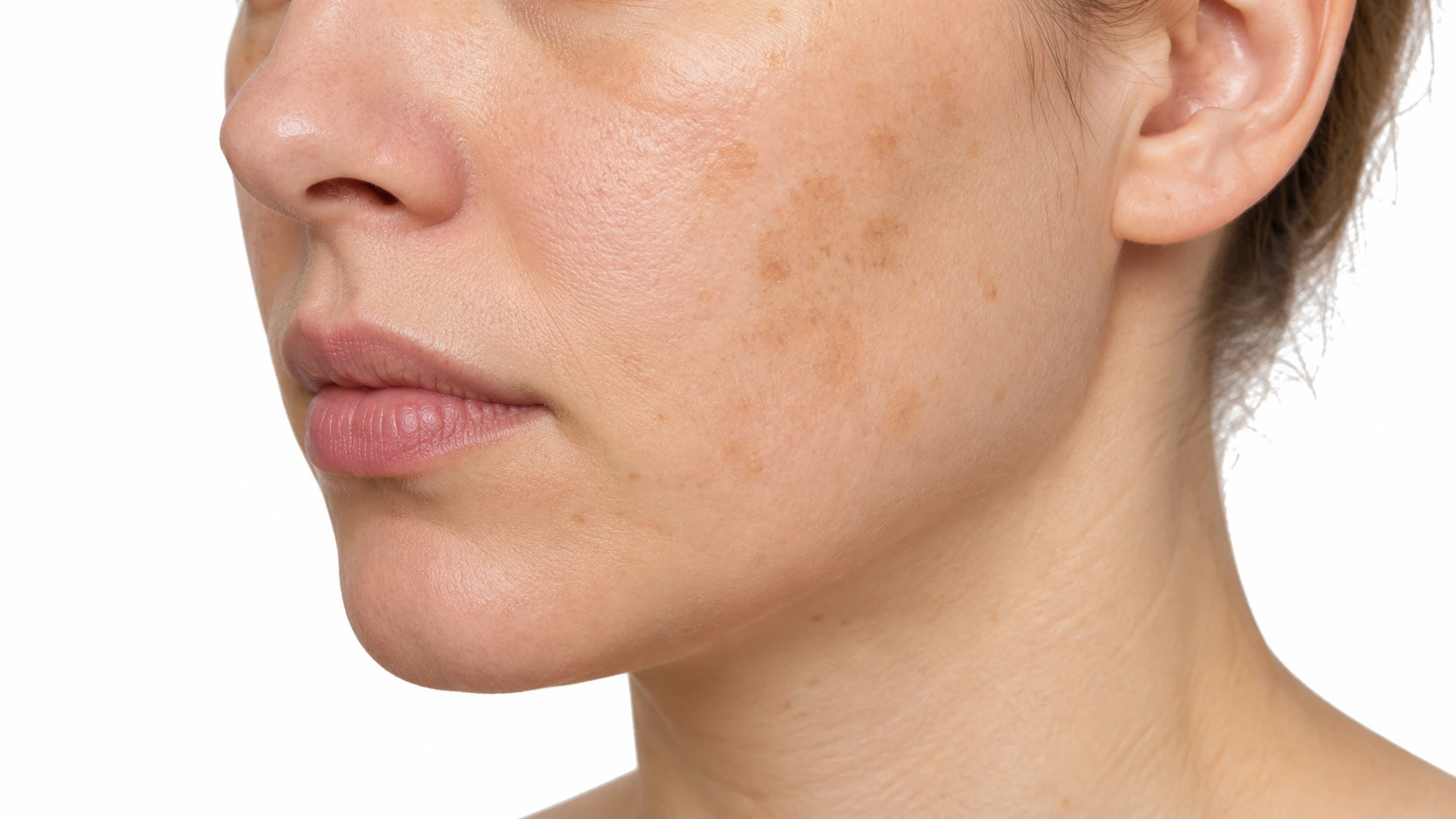

Takes up UVA energy: Avobenzone helps reduce UVA reaching the skin. Needs a stable filter blend: Other filters provide complementary coverage.
Schematic illustration; not a measurement of skin penetration. Effects vary with ingredient identity and formulation.

Affects melanin formation: Cysteamine acts through several pigment pathways. May help melasma: The formula, contact time and tolerance matter.
Schematic illustration; not a measurement of skin penetration. Effects vary with ingredient identity and formulation.
Built from where each one usually sits in a routine. Introduce one at a time.
Avobenzone is a UVA filter with a U.S. monograph maximum of 3%. Its performance depends on the full sunscreen formula, not the percentage alone.
3%
U.S. sunscreen ceiling
A permitted maximum. This number is not the product’s SPF or a stand-alone measure of UVA protection.
Choosing a strength: Choose a finished, tested broad-spectrum sunscreen rather than a target avobenzone percentage.
Higher strengths: More of one filter is not a substitute for tested UVA and UVB protection or correct application.
Formula matters: Avobenzone needs an appropriate stabilized formulation and complementary UVB protection. Do not add raw filters to skincare.
5% cysteamine cream is the main concentration studied for melasma. Contact time is product-specific; some studied formulas are short-contact treatments rather than overnight creams.
5%
Studied melasma cream
Controlled trials studied this strength. One short-contact trial used a specific cream; follow the current product’s instructions rather than copying a study schedule.
Choosing a strength: Choose a finished topical product with clear instructions for how long to leave it on and when to rinse.
Higher strengths: There is no established benefit from escalating beyond the studied strength. Burning, redness or a persistent rash are reasons to stop and reassess.
Formula matters: Stabilization, the base cream and exposure time affect tolerability. Different cysteamine formulations need not have identical instructions.
Approximate windows, not promises.
First few weeksProtection starts with correct application; it does not require a weeks-long course.
First few weeksAssess tolerance first; pigment change is usually slower.
4–8 weeksConsistency matters; this is prevention, not a spot-clearing treatment.
4–8 weeksSome studied regimens begin showing pigment improvement.
8–12 weeksContinue correct application and reapplication.
8–12 weeksA useful review point for benefit and irritation.
3–6 monthsMonitor tolerance and sun exposure; a changing spot needs assessment.
3–6 monthsMany melasma trials assess results over three to four months; recurrence is common.
6–12 monthsPhotoaging prevention is a long-term benefit, not a promise of wrinkle reversal.
6–12 monthsLong-term use depends on the active; follow a monitored plan rather than extending treatment automatically.
Can sting the eyes or irritate some skin; stop for a persistent rash.
Odour, stinging and irritation may limit use; follow wash-off instructions.
Stop for persistent burning, swelling, blistering or a new rash. Seek urgent care for breathing difficulty or a severe allergic reaction.
Stop for persistent burning, swelling, blistering or a new rash. Seek urgent care for breathing difficulty or a severe allergic reaction.
Choose a simple formula and test a small area first. Individual tolerance matters more than an ingredient’s reputation for being gentle.
Choose a simple formula and test a small area first. Avoid actively inflamed or broken skin unless the product is specifically directed for it.
Do not use a cosmetic product as a substitute for diagnosis of an unexplained, changing or persistent skin problem.
Do not use a cosmetic product as a substitute for diagnosis of an unexplained, changing or persistent skin problem.
Sunscreen use is encouraged in pregnancy; avobenzone is generally considered acceptable. Mineral filters are an alternative if you prefer.
Data in pregnancy are limited; ask the clinician managing your pregnancy before using.
On the skin. The finished product delivers avobenzone in a particular vehicle.
Entering skin. Below 500 Da, but sunscreen works in its surface film. Human studies show some absorption; size alone does not establish absorption, harm or protection.
Conversion. No activation step is established as necessary for its intended topical role.
Skin response. Absorbs UVA energy; stability and combination with UVB filters determine the finished product’s protection.
Additional effects. Proposed pathways do not establish a measured depth of delivery or clinical benefit beyond the studies cited.
On the skin. The finished product delivers cysteamine in a particular vehicle.
Entering skin. Below the 500 Da guideline; delivery still depends on the formula, solubility, stability and skin condition. Size does not prove effectiveness or penetration depth.
Conversion. No activation step is established as necessary for its intended topical role.
Skin response. Acts on pigment-related pathways; the cream, contact time and tolerance influence its practical effect.
Additional effects. Proposed pathways do not establish a measured depth of delivery or clinical benefit beyond the studies cited.
Choose a comfortable broad-spectrum sunscreen; avobenzone is one possible UVA filter.
A randomized trial supports regular sunscreen use for photoaging prevention, not avobenzone alone. An FDA absorption study measured systemic exposure under study conditions; absorption alone did not establish harm.
Consider for diagnosed melasma when a suitable topical option is needed.
A small placebo-controlled study supports 5% cream over four months. Active-comparator studies are small and do not prove equal efficacy to hydroquinone. The mass shown refers to the free base, not its hydrochloride salt.
Sources