Dry Skin
Labelled skin-protectant formulas help protect mildly dry or chapped skin.
Allantoin: Used to protect and soften mildly dry or irritated skin. Urea: Hydrates dry skin at lower strengths and softens thick scale at higher strengths.
Consider in a gentle skin-protectant formula, without expecting scar removal.
Choose for dry, rough or thickened skin; match the strength to the body area.
Can you use both?
Often found together in rough-skin creams: urea softens and allantoin soothes.
Compare uses by strength of evidence. Evidence level describes confidence in a benefit, not its size.
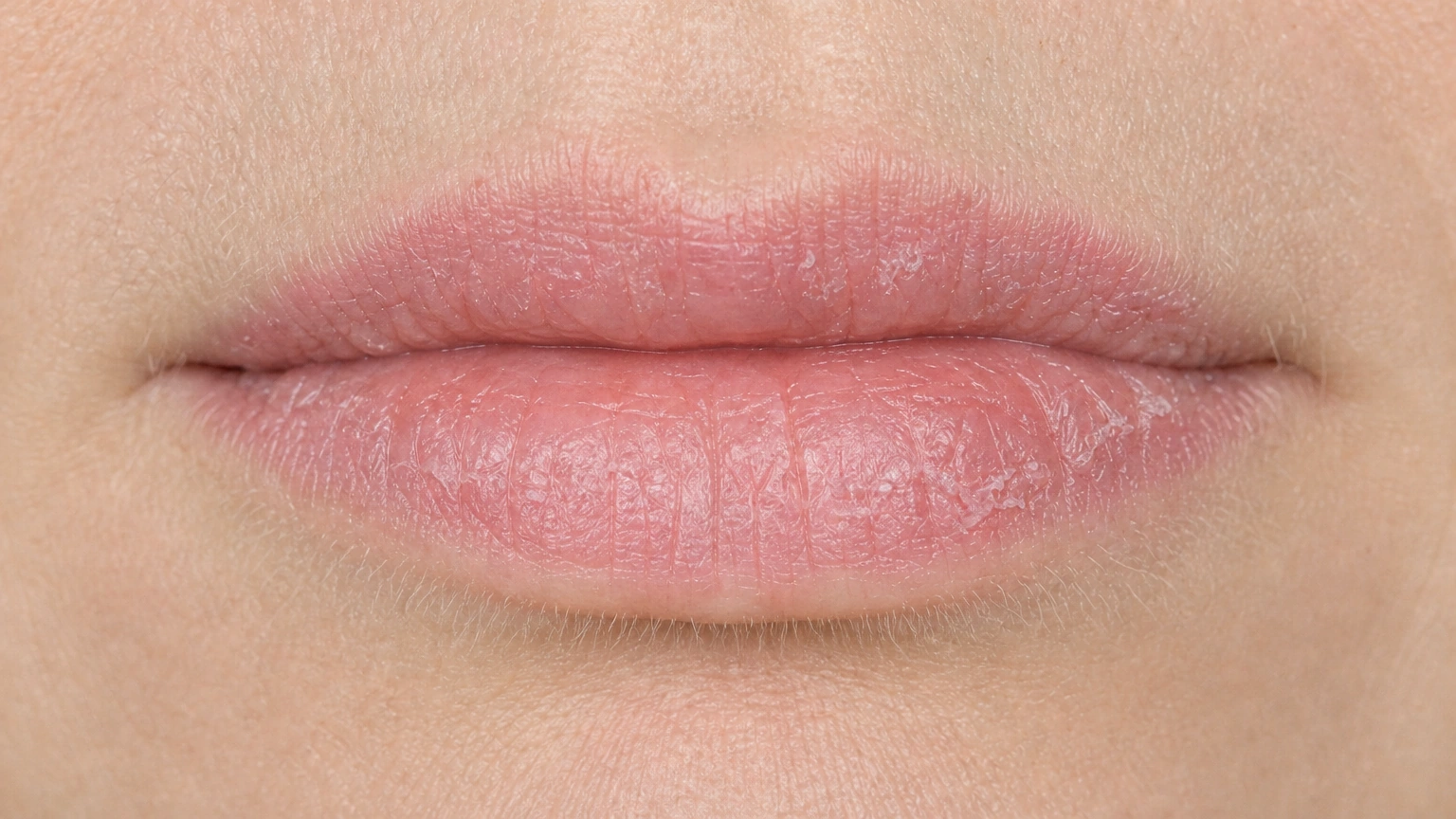
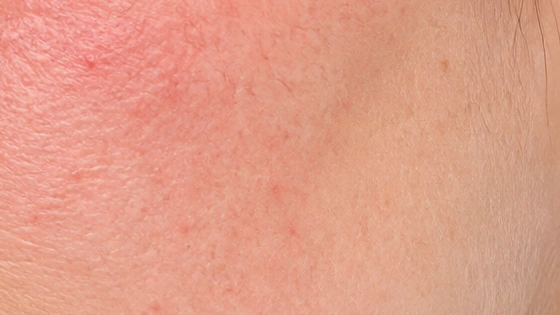
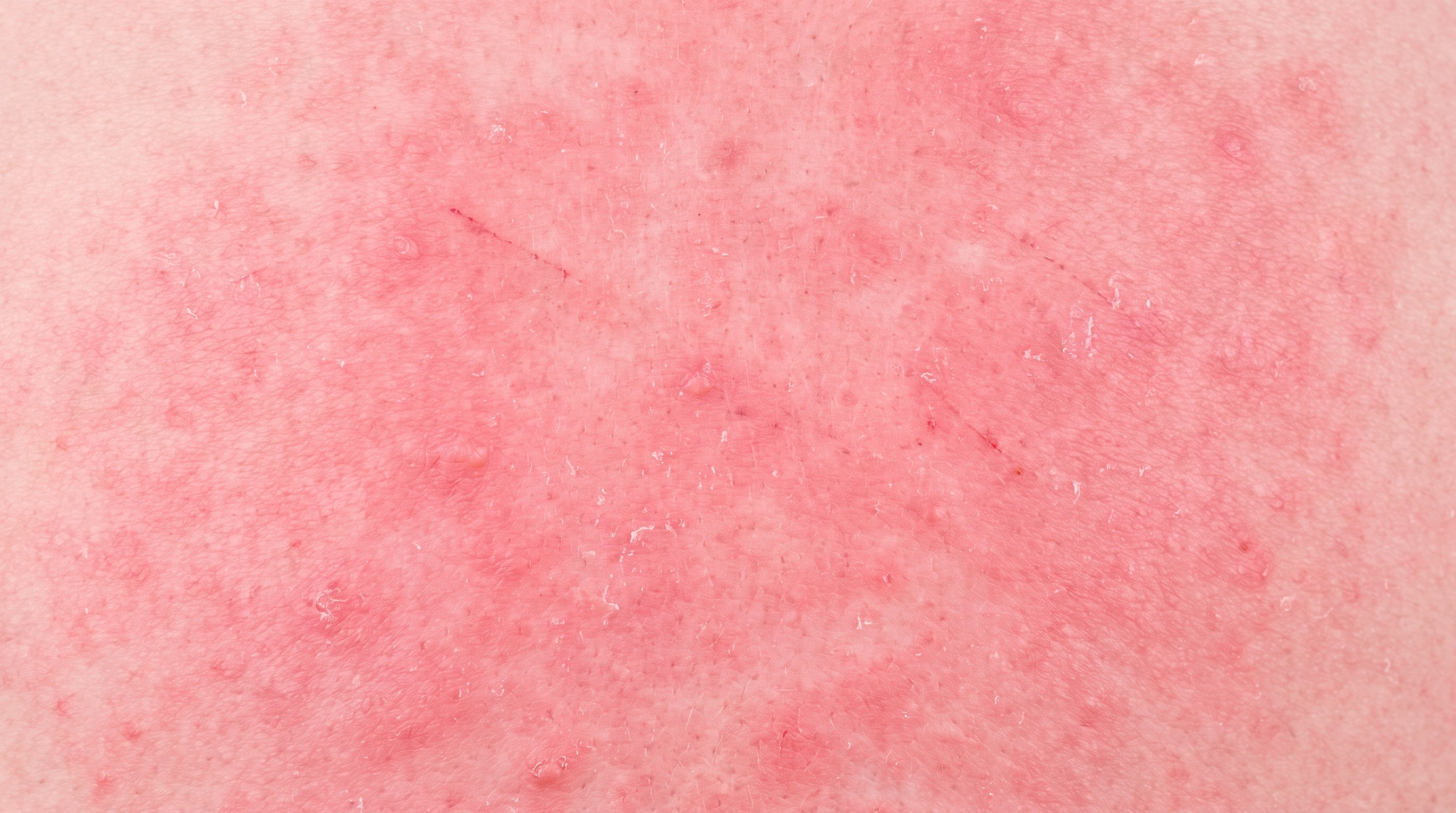
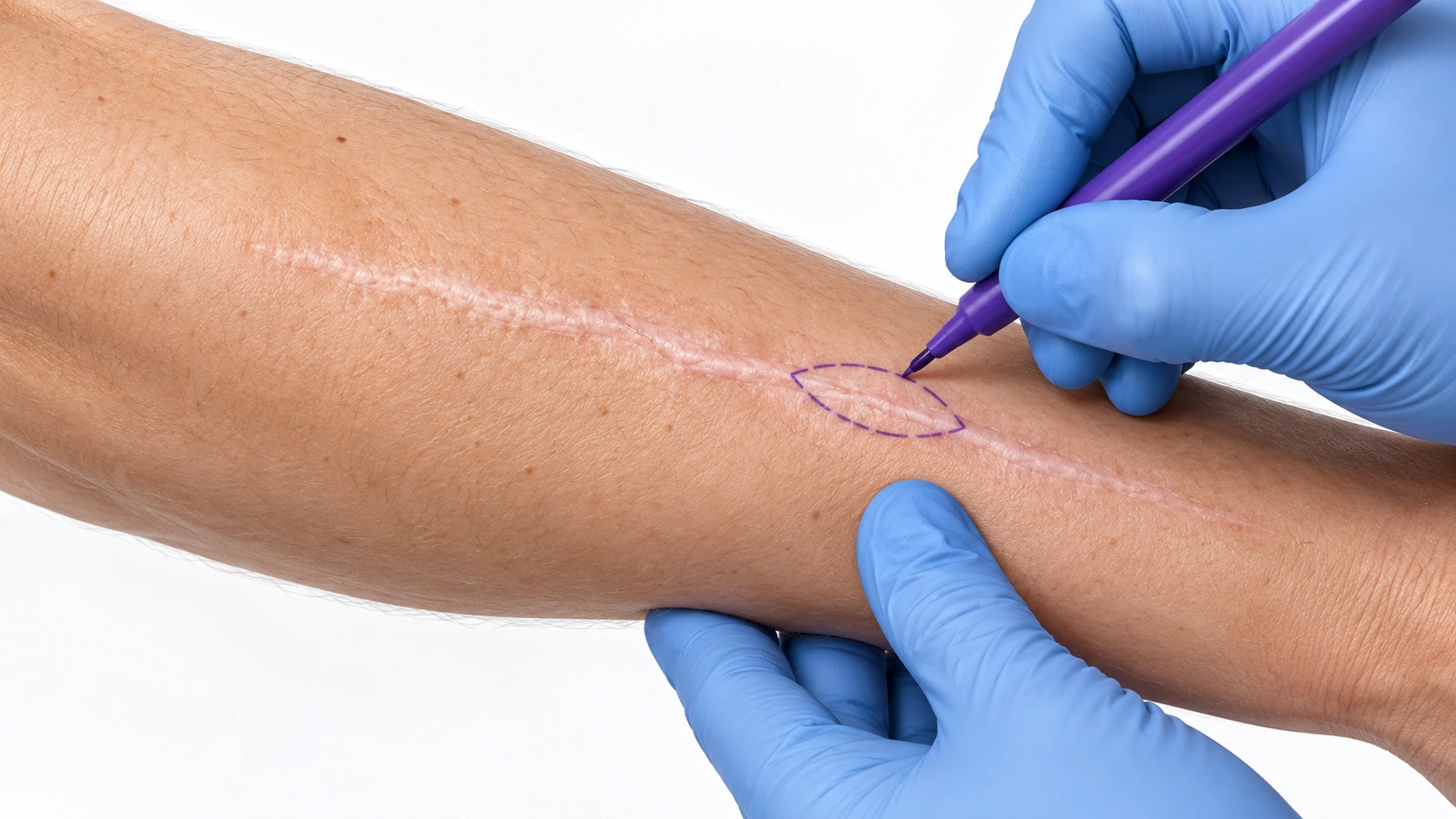

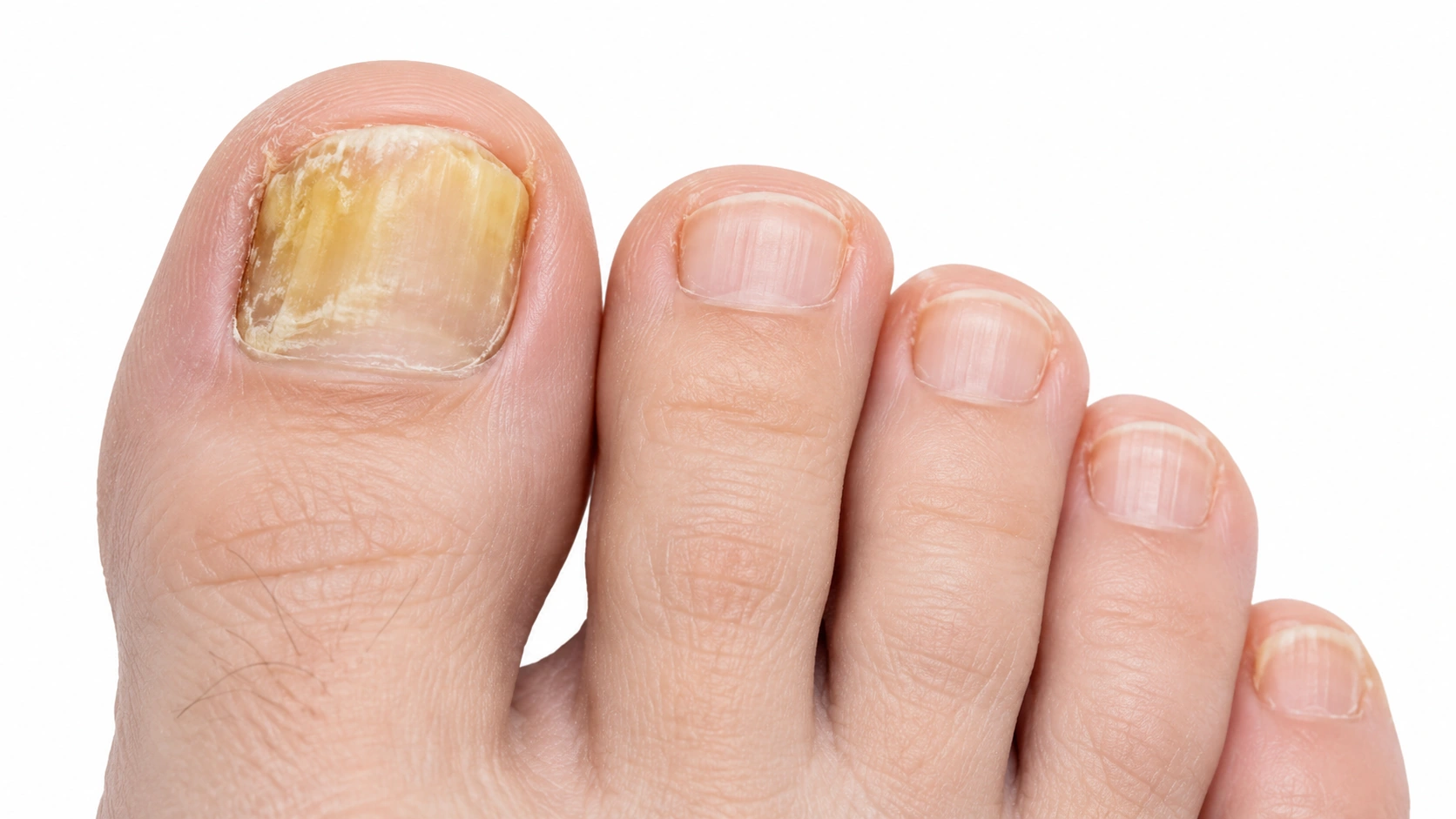

Conditions the outer skin: Allantoin supports comfort in protective formulas. The whole product matters: Repair claims need evidence for the actual formula.
Schematic illustration; not a measurement of skin penetration. Effects vary with ingredient identity and formulation.

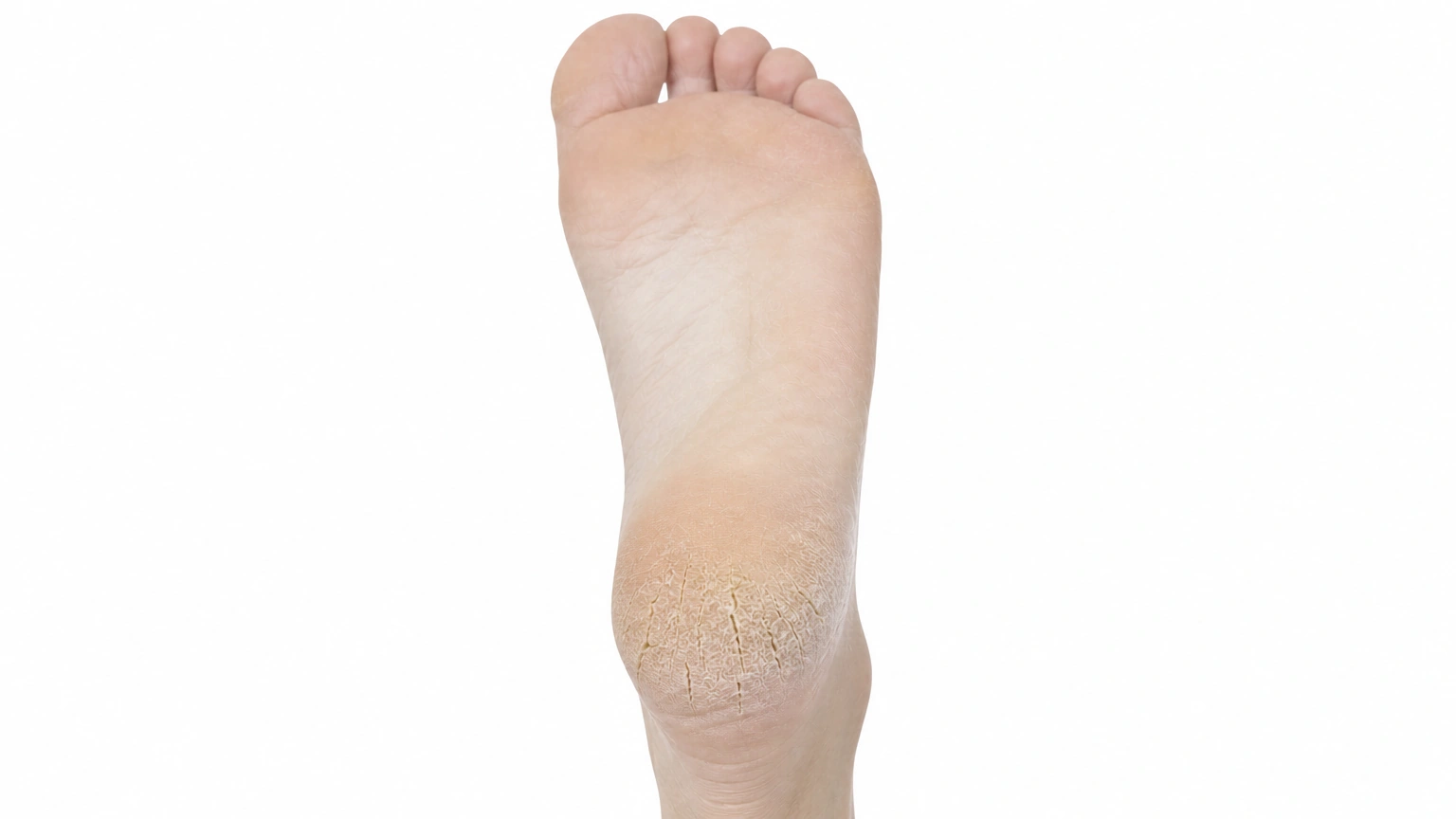
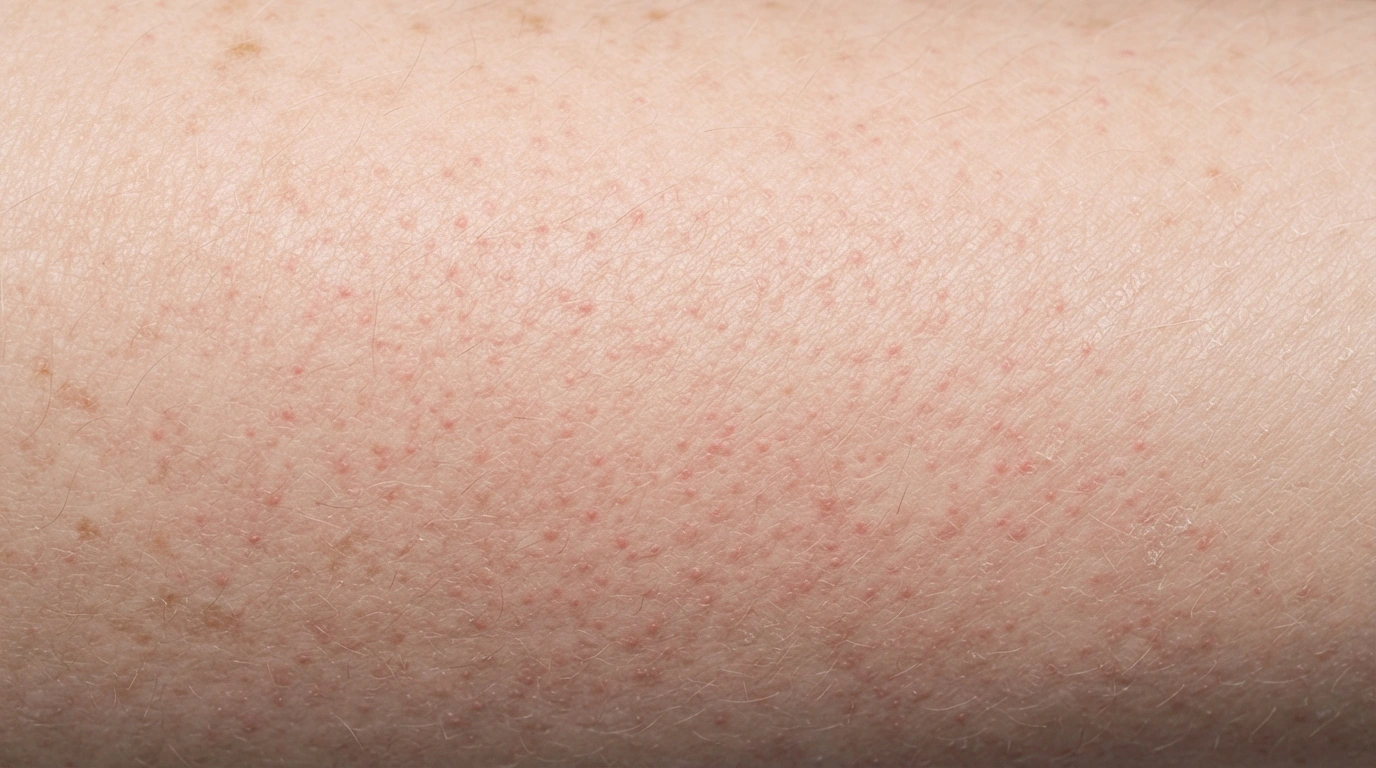
Hydrates the outer skin: Urea acts as a natural water-binding molecule. Softens thickened keratin: Higher strengths have stronger keratolytic effects.
Schematic illustration; not a measurement of skin penetration. Effects vary with ingredient identity and formulation.
Built from where each one usually sits in a routine. Introduce one at a time.
Allantoin’s U.S. skin-protectant range is 0.5–2%. This is a labeled protective use, not a concentration proven to erase scars.
0.5–2%
U.S. skin-protectant range
Used in qualifying protective products for skin comfort. Cosmetic formulas may include allantoin without stating its percentage.
Choosing a strength: Choose a finished cream or ointment suited to the area. For scars, assess evidence for the whole treatment rather than allantoin alone.
Higher strengths: More allantoin is not established as a better scar treatment or a substitute for care of a nonhealing wound.
Formula matters: Allantoin is often one ingredient in a moisturizing blend. Benefits of a combination product cannot be assigned to allantoin alone.
Urea’s role changes with concentration: lower strengths mainly moisturize, while stronger formulas soften thick scale. The boundaries overlap rather than switching at one exact percentage.
2–10%
10–30%
30–50%
Moisturizing range
Used in dry-skin moisturizers. Even lower-strength urea may sting cracked or inflamed skin.
Moisturizing and scale-softening range
Used for rough or scaly skin; the area and formula determine whether it is appropriate.
Localized thick-skin treatments
Used for selected calluses, marked thickening or nail problems. Not a general facial moisturizer.
Choosing a strength: Choose for the body area and degree of thickening, not the highest number. Nail treatment and everyday moisturization are different jobs.
Higher strengths: Concentrated products can irritate. People with reduced foot sensation, poor circulation or diabetes should seek advice before treating thick foot skin.
Formula matters: Creams, foams and nail products differ in contact time and intended use. Follow the finished product’s directions.
Approximate windows, not promises.
First few weeksSkin may feel softer soon after use; relief depends on the formula.
First few weeksSkin may feel softer soon after use; relief depends on the formula.
4–8 weeksJudge hydration, comfort and whether dryness is recurring.
4–8 weeksJudge hydration, comfort and whether dryness is recurring.
8–12 weeksPersistent cracking, itch or a rash needs reassessment.
8–12 weeksPersistent cracking, itch or a rash needs reassessment.
3–6 monthsContinue if comfortable; hydration usually requires ongoing use.
3–6 monthsContinue if comfortable; hydration usually requires ongoing use.
6–12 monthsMoisturizing does not establish reversal of structural ageing or scars.
6–12 monthsMoisturizing does not establish reversal of structural ageing or scars.
Usually comfortable; discontinue for a rash or persistent stinging.
Can sting cracked, inflamed or sensitive skin; high strengths are unsuitable for routine facial use.
Stop for persistent burning, swelling, blistering or a new rash. Seek urgent care for breathing difficulty or a severe allergic reaction.
Stop for persistent burning, swelling, blistering or a new rash. Seek urgent care for breathing difficulty or a severe allergic reaction.
Choose a simple formula and test a small area first. Individual tolerance matters more than an ingredient’s reputation for being gentle.
Choose a simple formula and test a small area first. Individual tolerance matters more than an ingredient’s reputation for being gentle.
Do not use a cosmetic product as a substitute for diagnosis of an unexplained, changing or persistent skin problem.
Do not use a cosmetic product as a substitute for diagnosis of an unexplained, changing or persistent skin problem.
Very little is absorbed through the skin and it has a long record of use, but this is a question for the doctor managing your pregnancy, not for a label.
Very little is absorbed from ordinary strengths on ordinary areas, and urea has a long history of use. Still, check high-strength products over large areas with the doctor managing your pregnancy.
On the skin. The finished product delivers allantoin in a particular vehicle.
Entering skin. Below the 500 Da guideline; delivery still depends on the formula, solubility, stability and skin condition. Size does not prove effectiveness or penetration depth.
Conversion. No activation step is established as necessary for its intended topical role.
Skin response. Contributes protective and conditioning effects in topical formulas; proposed repair pathways are mainly experimental.
Additional effects. Proposed pathways do not establish a measured depth of delivery or clinical benefit beyond the studies cited.
On the skin. The finished product delivers urea in a particular vehicle.
Entering skin. Below the 500 Da guideline; delivery still depends on the formula, solubility, stability and skin condition. Size does not prove effectiveness or penetration depth.
Conversion. No activation step is established as necessary for its intended topical role.
Skin response. Binds water in the outer skin; increasing concentration also helps loosen thickened keratin.
Additional effects. Proposed pathways do not establish a measured depth of delivery or clinical benefit beyond the studies cited.
Consider in a gentle skin-protectant formula, without expecting scar removal.
Skin-protectant use is recognized in the FDA monograph. The cited wound-healing experiment was in rats and cannot establish faster human wound healing or acne treatment.
Choose for dry, rough or thickened skin; match the strength to the body area.
A controlled study of a urea/glycerol cream supports barrier and hydration benefits, but cannot isolate urea. Nail-softening products do not eradicate nail fungus by themselves.
Sources