Snail Mucin
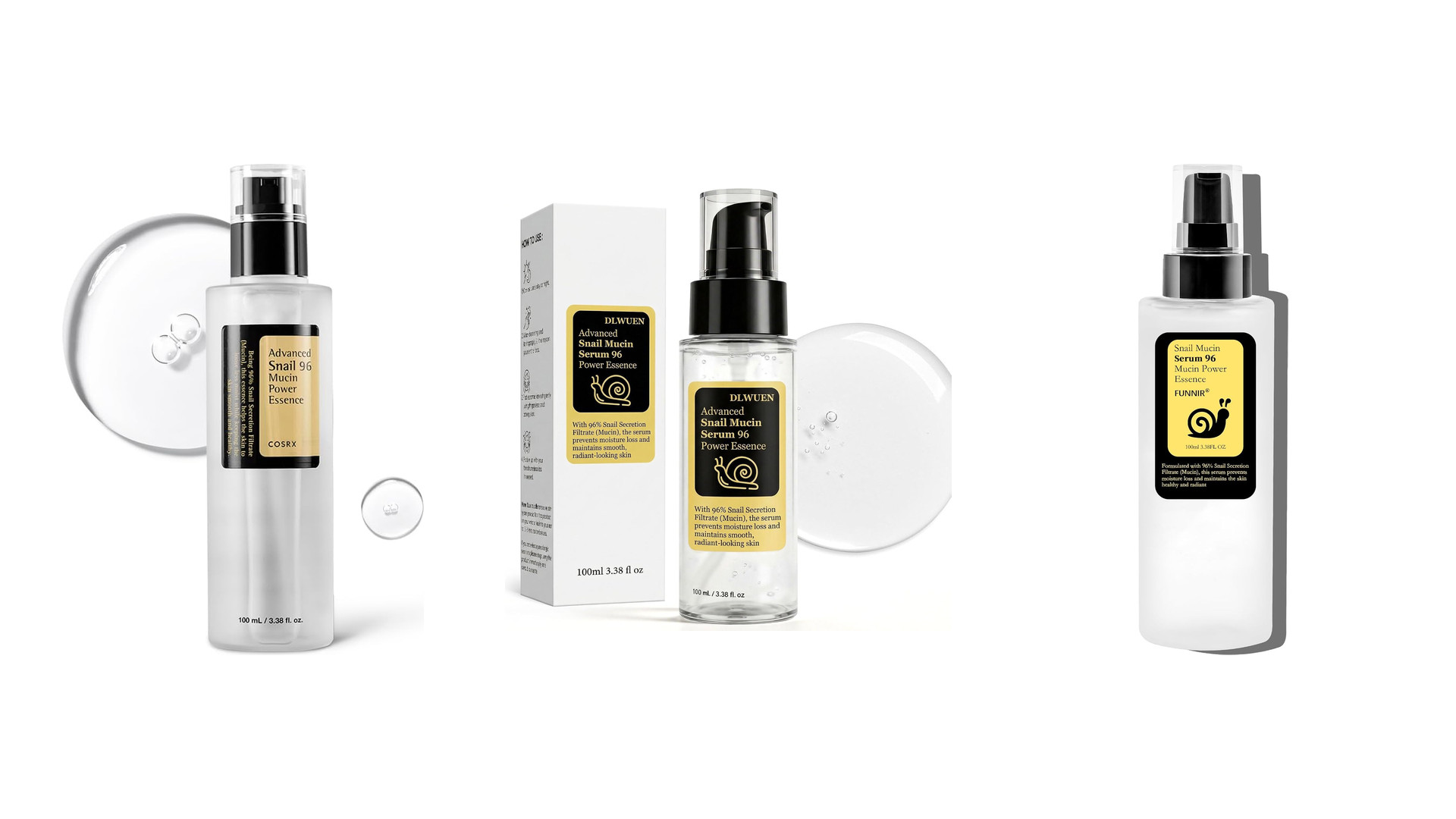
Snail mucin is a mixture, not a single ingredient. It is mostly water-binding sugars and soothing compounds, and it already contains hyaluronic acid of its own. Hyaluronic acid is one known molecule that holds water. Both hydrate and neither treats a skin condition, so you do not need both, though using both does no harm.
| The difference | Snail Mucin | Hyaluronic Acid |
|---|---|---|
| What it is | A natural mix of many things | One molecule |
| What it feels like | Slippery and slightly stringy | Light and watery |
| Cost | Inexpensive for what it is | Inexpensive |
Side by side
Snail Mucin
A natural mix of many things
Snail secretion, filtered and bottled. It carries water-binding sugars, allantoin, glycoproteins and small amounts of hyaluronic acid and glycolic acid.
Hyaluronic Acid
One molecule
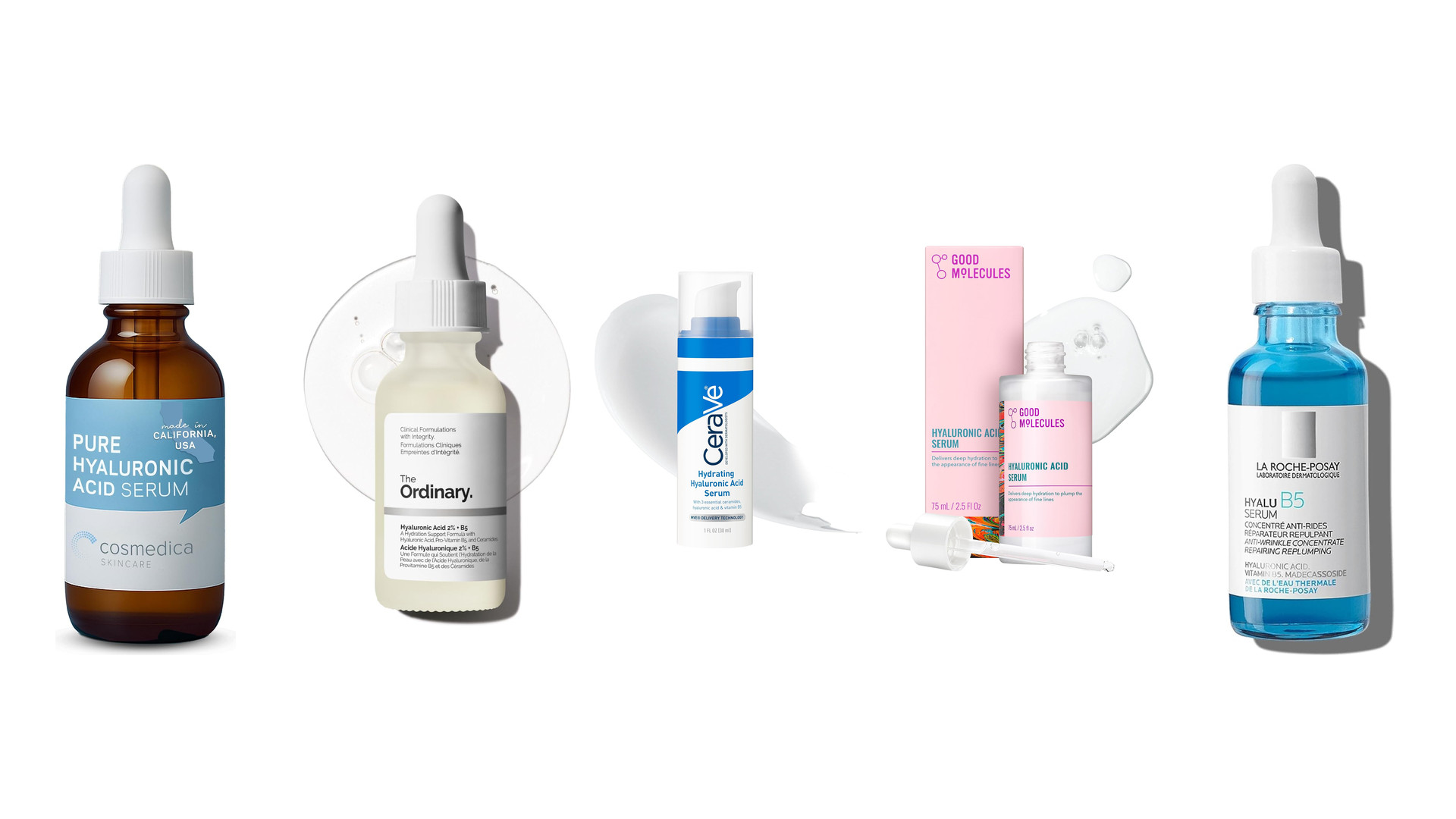
A sugar your body already makes. It is a humectant, meaning it binds water and holds it in the outer layers of skin.
Snail Mucin
Softer, calmer, cushioned skin
Tightness eases and skin feels padded. Redness from over-exfoliating often settles.
Hyaluronic Acid
Plumper, more comfortable skin
Fine dryness lines soften and the surface looks smoother, usually within minutes.
Strong evidence. The same hydrating effect, better studied, cheaper, and vegan. Snail mucin has a more cushioned feel that many people prefer, which is a genuine reason to choose it.

Strong evidence. The most reliable humectant there is, and in almost every moisturizer already. Less pleasant on its own and not sold as a standalone product.
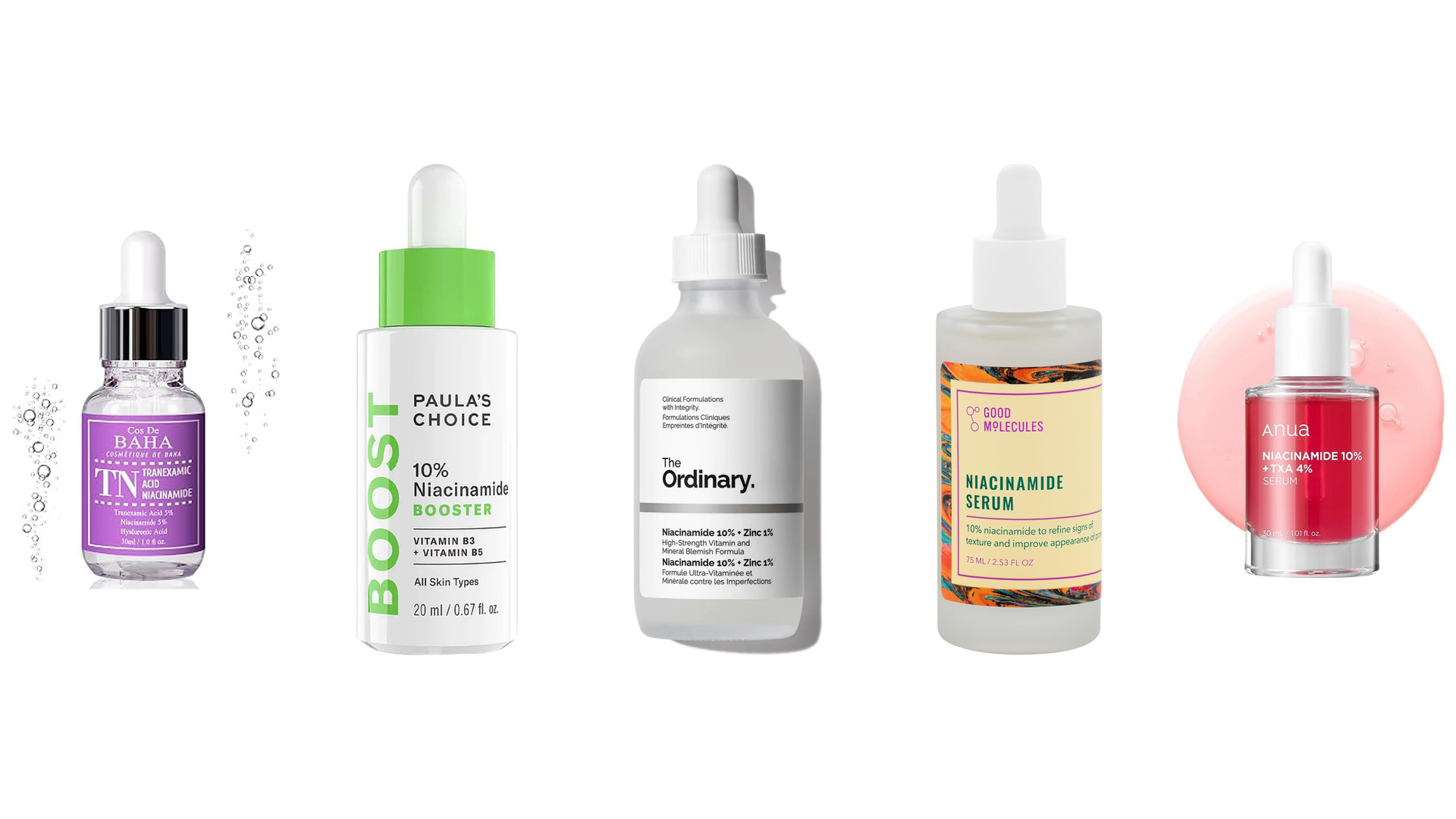
Moderate evidence. Does more for redness, barrier and oil, and it is well characterized. Some people find it stings, which snail mucin does not.
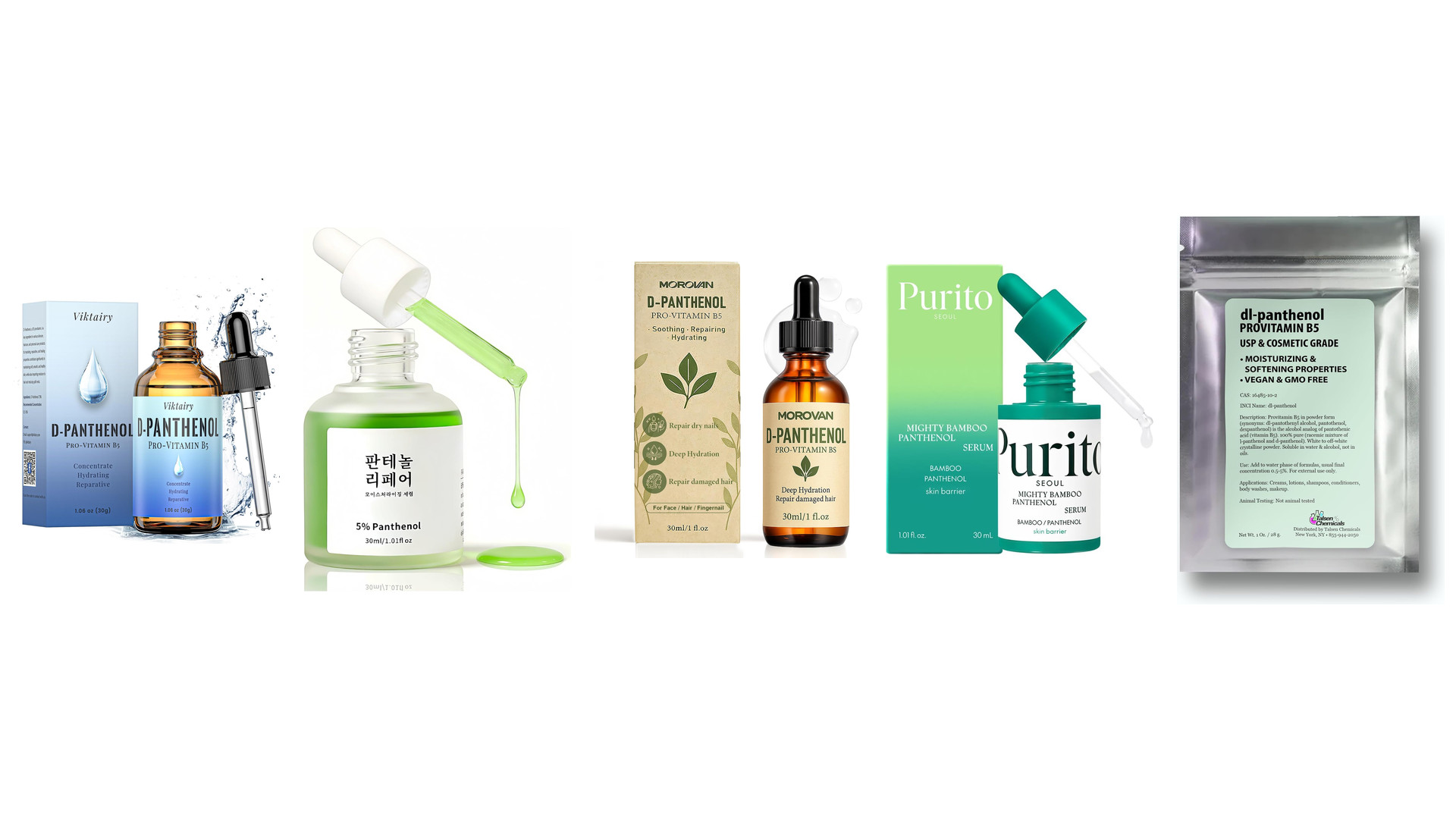
Limited evidence. Similar comfort and hydration, cheaper, and in far more products. Neither one has convincing evidence beyond hydration.
Strong evidence, and the comparison most people never make. It is a humectant that works the same way, costs far less, and holds up better in dry air. Hyaluronic acid feels more elegant on the skin.
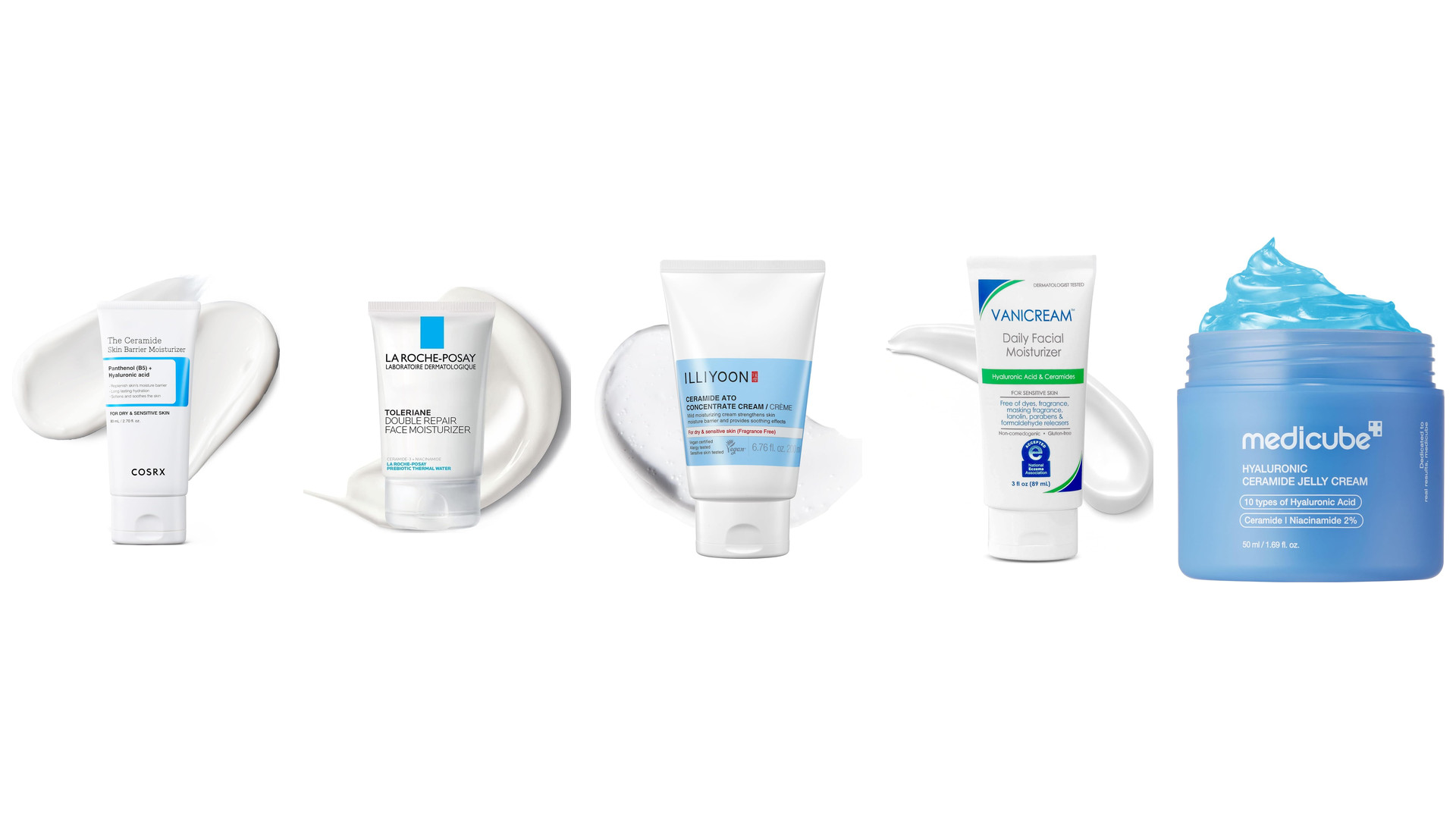
Strong evidence for barrier repair. They do the job hyaluronic acid cannot, by replacing the fats that hold water in. The two are complementary rather than competing.
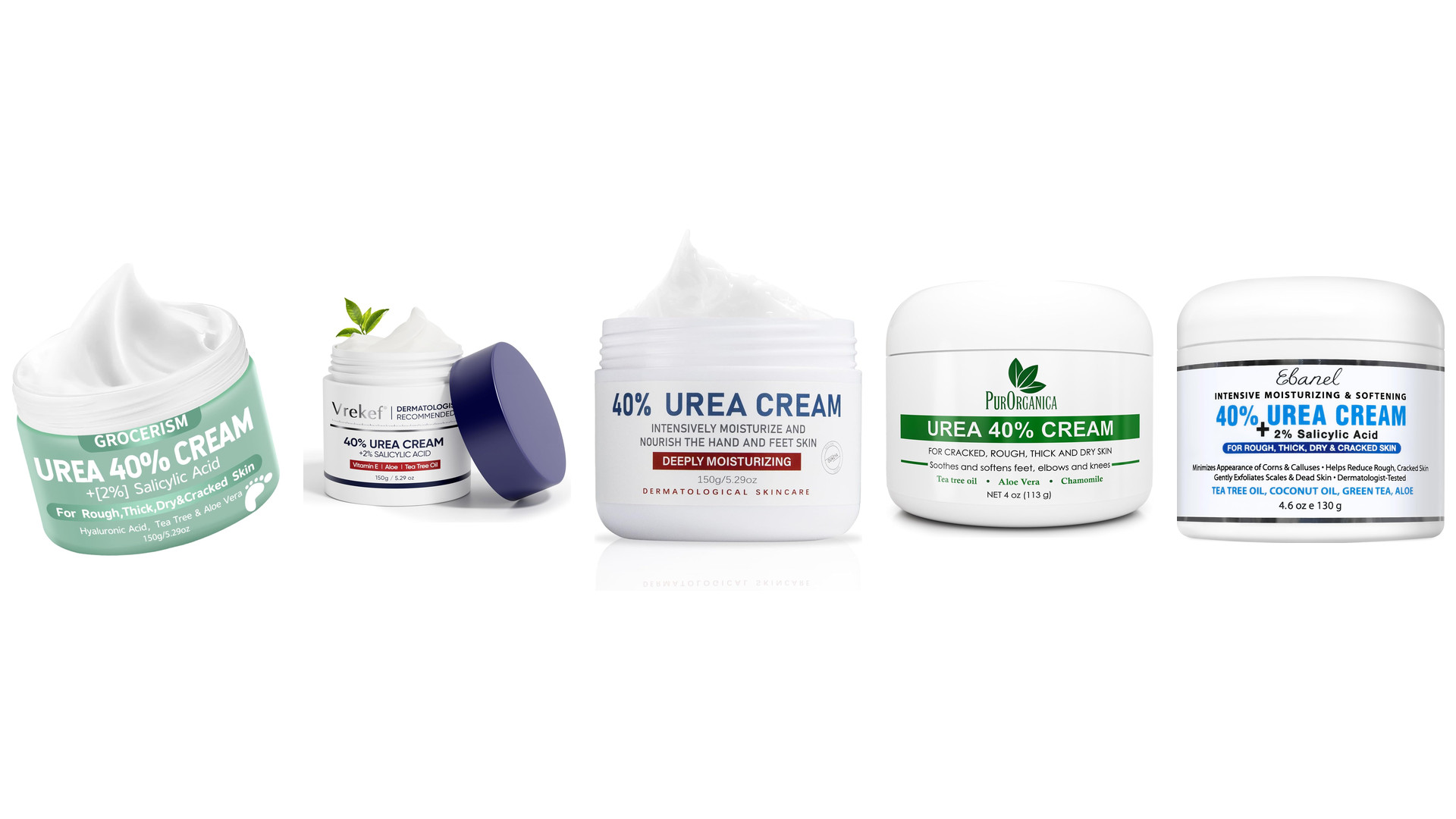
Strong evidence. Hydrates, and at higher concentrations softens rough, scaly skin. More useful for very dry skin, and it can sting on broken skin.
Moderate evidence. Soothing and hydrating, and widely used alongside hyaluronic acid rather than instead of it.
Snail Mucin
It will not treat a skin condition
It is not an acne treatment, a wrinkle treatment or a pigment treatment, whatever the packaging suggests.
Hyaluronic Acid
It will not treat anything either
Hyaluronic acid holds water. It does not clear spots, fade marks or build collagen.

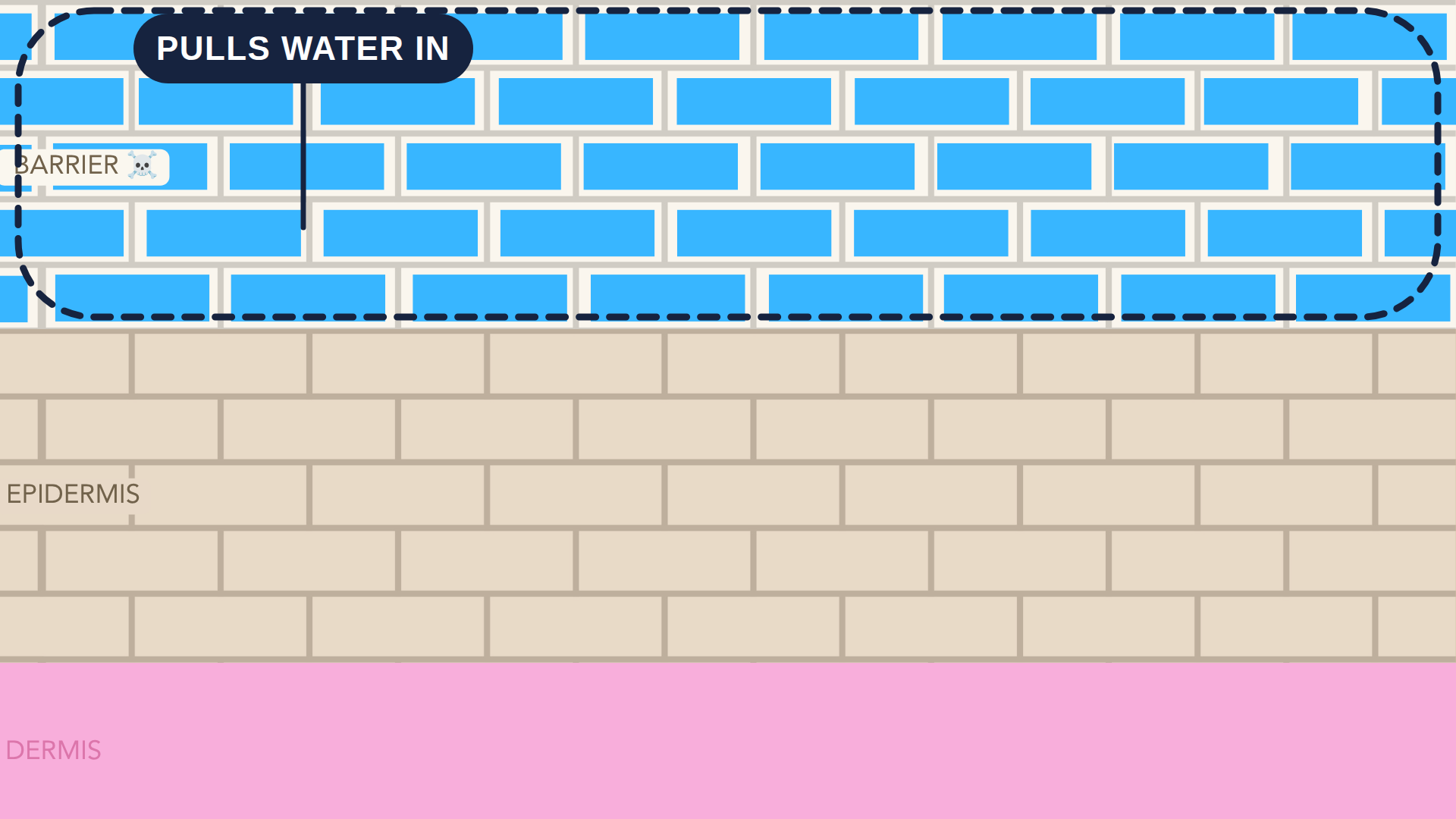
Holds a great deal of water, which makes skin look plumper straight away, but it seals nothing. In dry indoor air or a cold winter it can pull water up out of the deeper skin and let it evaporate, leaving the surface tighter than before. It is only useful here applied to damp skin with a cream over the top.
Snail Mucin
Limited, and positive so far
Human studies report better hydration, smoother texture and faster healing. They are small and short. Limited means barely tested, not tested and disappointing.
Hyaluronic Acid
Well established for hydration
Decades of use and a simple, uncontroversial mechanism. Nobody argues about whether it holds water.
Snail Mucin
Slippery and slightly stringy
The texture puts some people off. It sinks in within a minute or two.
Hyaluronic Acid
Light and watery
Usually a thin serum. In dry air it can feel tacky until a moisturizer goes over it.
Snail Mucin
It is an animal-derived ingredient
Allergy is uncommon but reported. It is not vegan, and farming and filtering standards vary between brands.
Hyaluronic Acid
Almost none
One of the best-tolerated ingredients in skincare. In very dry air it can pull water out of the skin instead of in, which is why a moisturizer on top matters.
Snail Mucin
Inexpensive for what it is
The popular Korean essences are cheap. Luxury bottles cost far more for much the same filtrate.
Hyaluronic Acid
Inexpensive
It is already in a large share of drugstore moisturizers and serums.
Snail Mucin
The bottle is the whole product
There is no clinic version of snail mucin. Nothing stronger exists behind a counter.
Hyaluronic Acid
Drugstore is the real thing
The serum on the shelf is the same molecule a clinic uses. The injected version is a filler placed under the skin to add volume, which no serum can do.

A thick, slippery liquid patted onto damp skin. Where the category started.
A thinner version in a dropper bottle. Layers well under moisturizer.
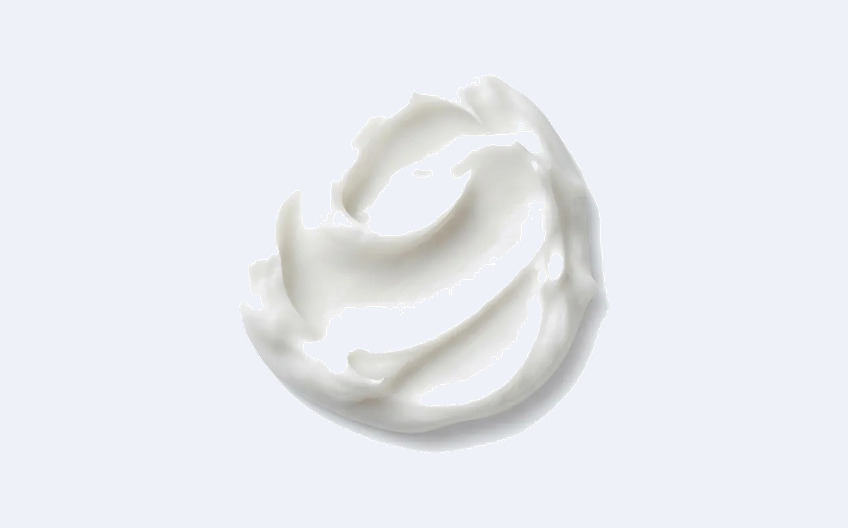
Snail mucin with oils and humectants, so it seals as well as hydrates.
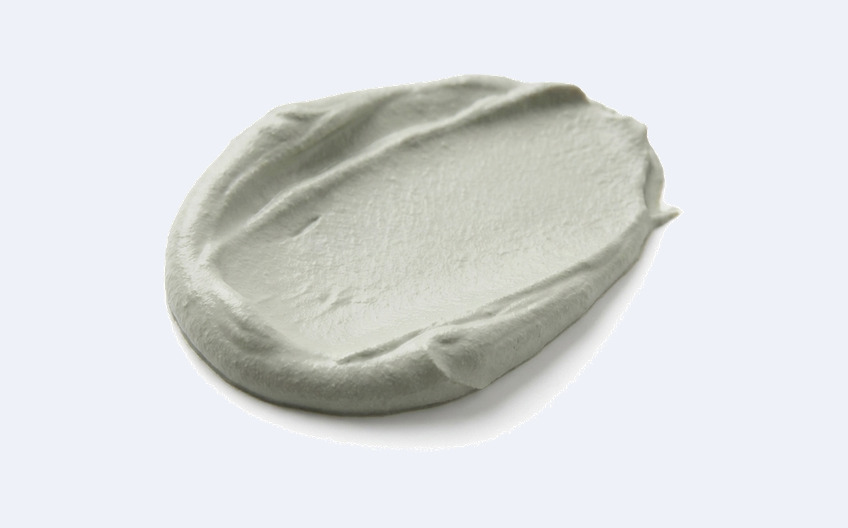
A soaked layer held against the skin. Pleasant, and a top-up rather than a routine.

A cool, weightless base. Common around the eyes, where the price per milliliter climbs.
A few drops on damp skin, then moisturizer on top. Absorbs in seconds.
Hyaluronic acid plus the oils that hold it in. Does more than a serum alone.
Very watery, patted on. Wets the skin and adds humectant in one step.
Cool and weightless, with no oils at all. Enough hydration without a heavy finish.
Twenty minutes under a soaked layer. A pleasant top-up, not a routine.
Snail Mucin
Hyaluronic Acid
Snail Mucin
Snail secretion is a natural mixture. It holds water-binding sugars, plus small amounts of hyaluronic acid and glycolic acid. It also carries allantoin, which calms the skin.
Snail Mucin
Reach for snail mucin if your skin is dry and easily irritated. The soothing side of the mixture is what people notice most, especially skin recovering from acids or a retinoid.
Hyaluronic Acid
Reach for hyaluronic acid if you want the predictable option. It is cheap, it is in almost everything, and it does one job you can count on.
Snail Mucin
Common questions
Yes, in small amounts. Snail secretion naturally carries hyaluronic acid along with other water-binding sugars, allantoin and glycoproteins.
You can, and there is no conflict. Apply the thinner serum first, then the snail essence, then a moisturizer to hold the water in.
Both hydrate well. Snail mucin tends to suit skin that is dry and irritated, because the mixture also calms, while hyaluronic acid is the simpler and cheaper choice.
For hydration, yes. For smoothing lines and repairing skin the studies are small and short, so the evidence is limited rather than strong.
One is enough for most people. A second hydrating layer adds little, and the moisturizer over the top does more than either serum on its own.
It is an animal-derived ingredient, so it is not vegan. Collection methods and farming standards vary between brands, and few publish the detail.