Beta glucan
A long-chain sugar from oats or yeast Also taken from barley and some mushrooms. It is a much larger molecule than hyaluronic acid.
Beta glucan and hyaluronic acid are both humectants. They pull water into the skin and hold it there, so they do largely the same job. Beta glucan does one thing more. It also calms irritated skin and appears to help the barrier rebuild itself, though that part rests on a much smaller body of research.
| The difference | Beta glucan | Hyaluronic Acid |
|---|---|---|
| What it is | A long-chain sugar from oats or yeast | A sugar your body already makes |
| What it does | Holds water and forms a film | Holds water |
| What it is best at | Dry skin that is also irritated | Plain dehydration |
| What it feels like | Silky, slightly thicker | Light and watery |
| Cost | More expensive, for now | Inexpensive |
A long-chain sugar from oats or yeast Also taken from barley and some mushrooms. It is a much larger molecule than hyaluronic acid.
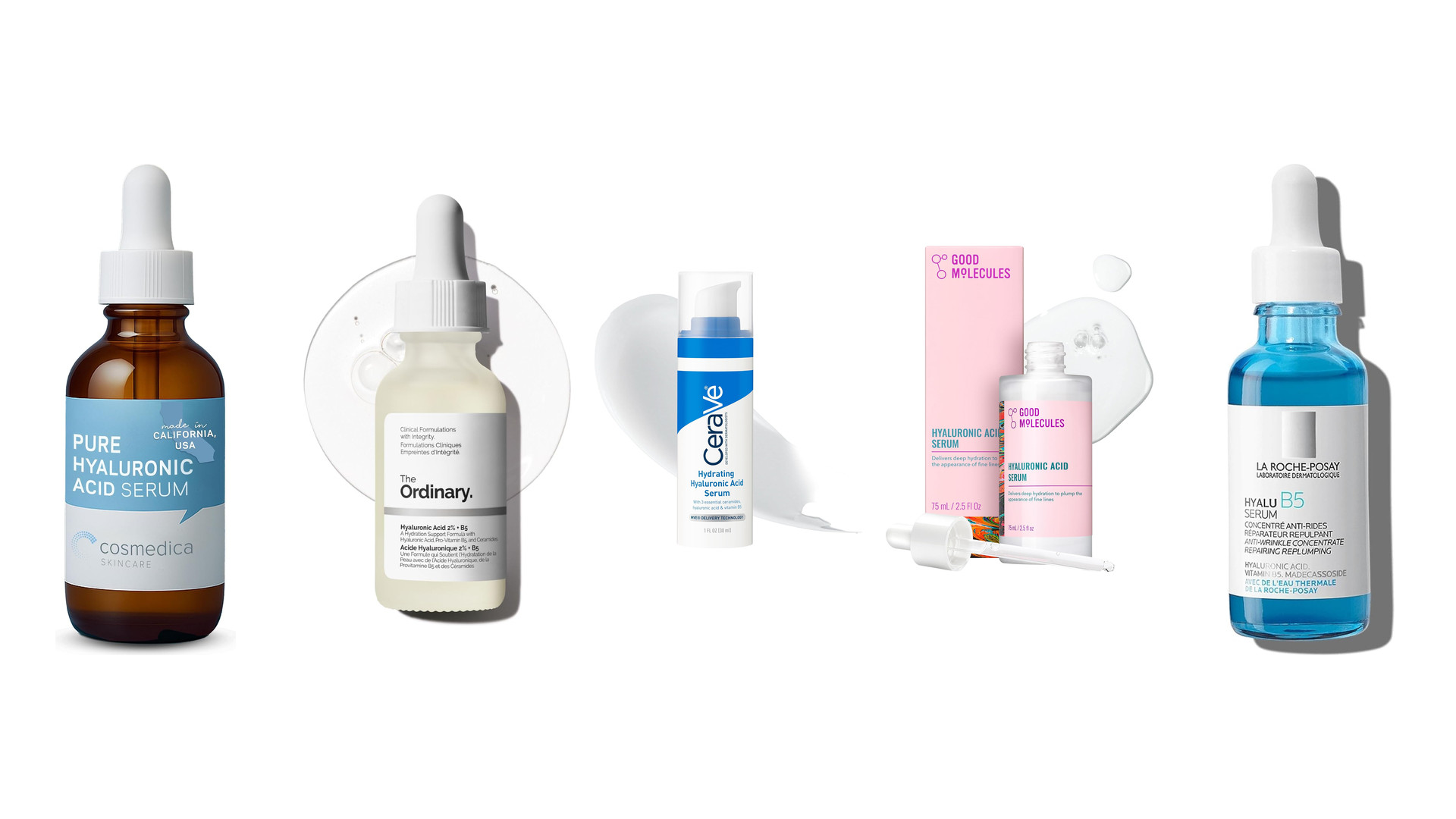
Side by side
Beta glucan
A long-chain sugar from oats or yeast
Also taken from barley and some mushrooms. It is a much larger molecule than hyaluronic acid.
Hyaluronic Acid
A sugar your body already makes
One well-defined molecule, sold in several sizes. It has been in skincare for decades.
Beta glucan
Holds water and forms a film
It binds water like any humectant, and its size means it also lays a thin film on the surface that slows water escaping.
Hyaluronic Acid
Holds water
It binds a large amount of water and keeps it in the outer layers of skin.
Beta glucan
Dry skin that is also irritated
Redness after acids or a retinoid, skin recovering from a procedure, and eczema-prone skin.
Hyaluronic Acid
Plain dehydration
Skin that feels papery and looks flat, with no redness to deal with.

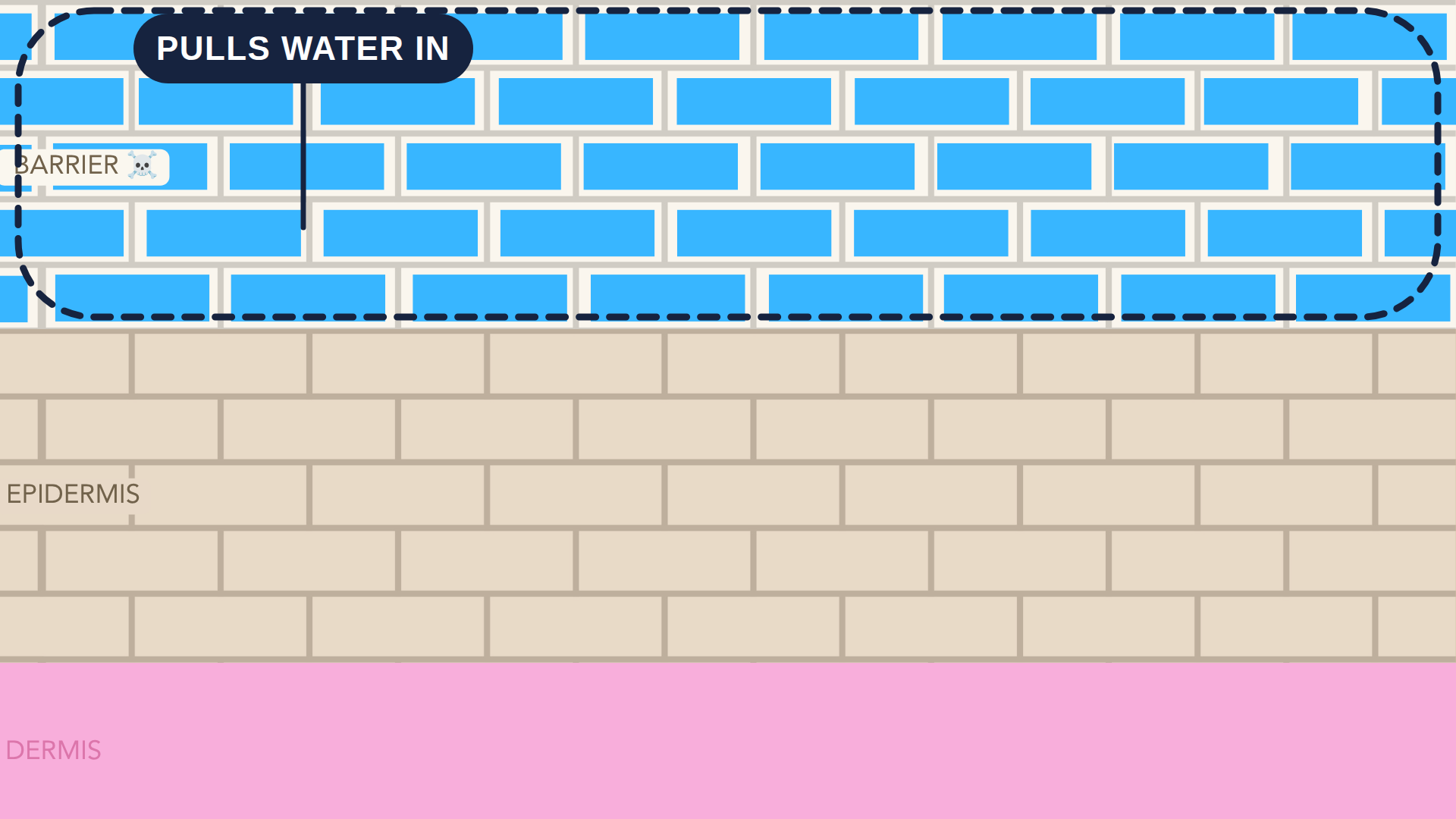
Holds a great deal of water, which makes skin look plumper straight away, but it seals nothing. In dry indoor air or a cold winter it can pull water up out of the deeper skin and let it evaporate, leaving the surface tighter than before. It is only useful here applied to damp skin with a cream over the top.
Beta glucan
It will not treat a skin condition
It supports and calms. It does not clear acne, fade pigment or build collagen.
Hyaluronic Acid
It will not treat anything either
Hyaluronic acid holds water, and that is the whole of it.

Strong evidence, and the comparison most people never make. It is a humectant that works the same way, costs far less, and holds up better in dry air. Hyaluronic acid feels more elegant on the skin.
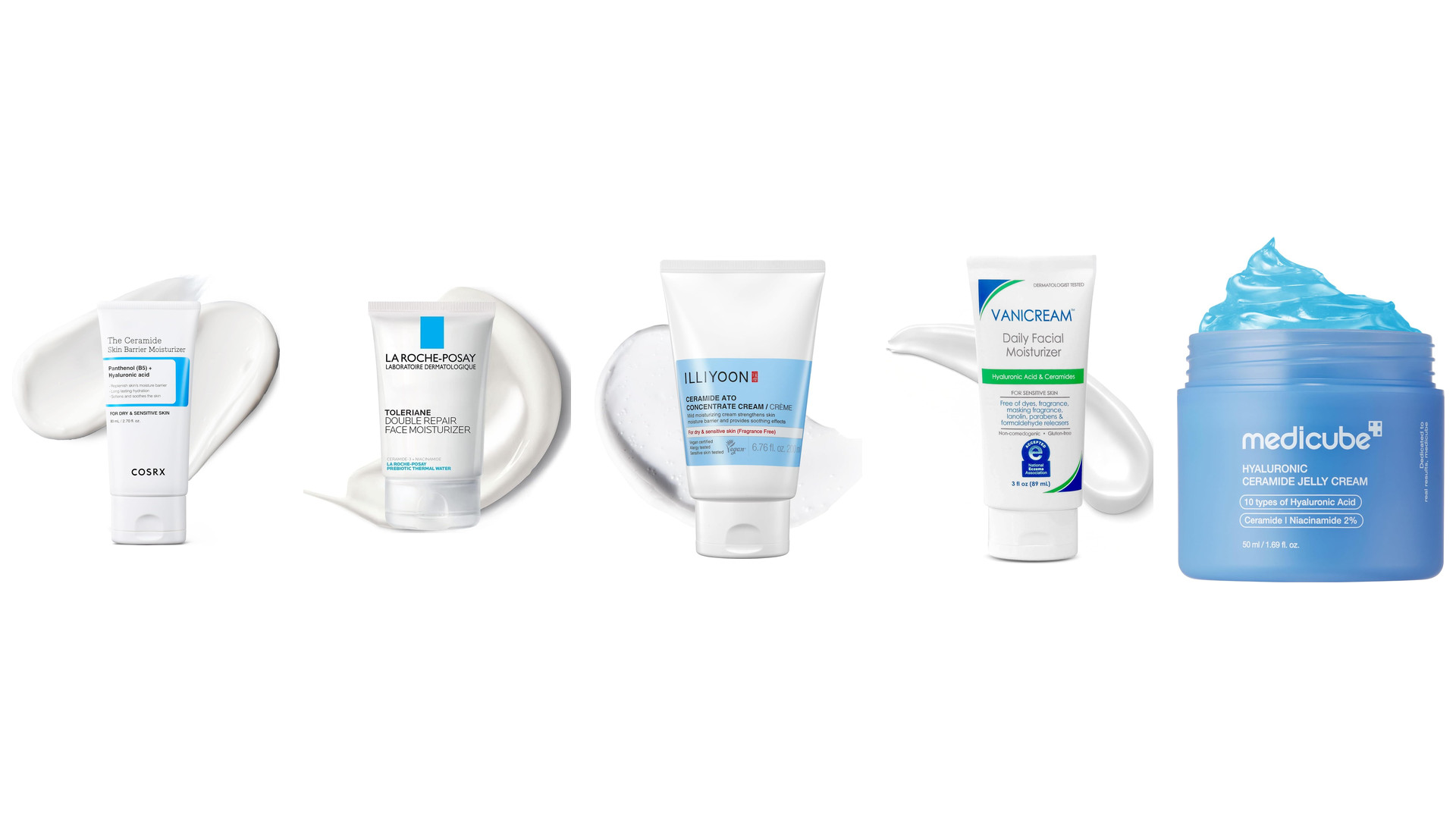
Strong evidence for barrier repair. They do the job hyaluronic acid cannot, by replacing the fats that hold water in. The two are complementary rather than competing.
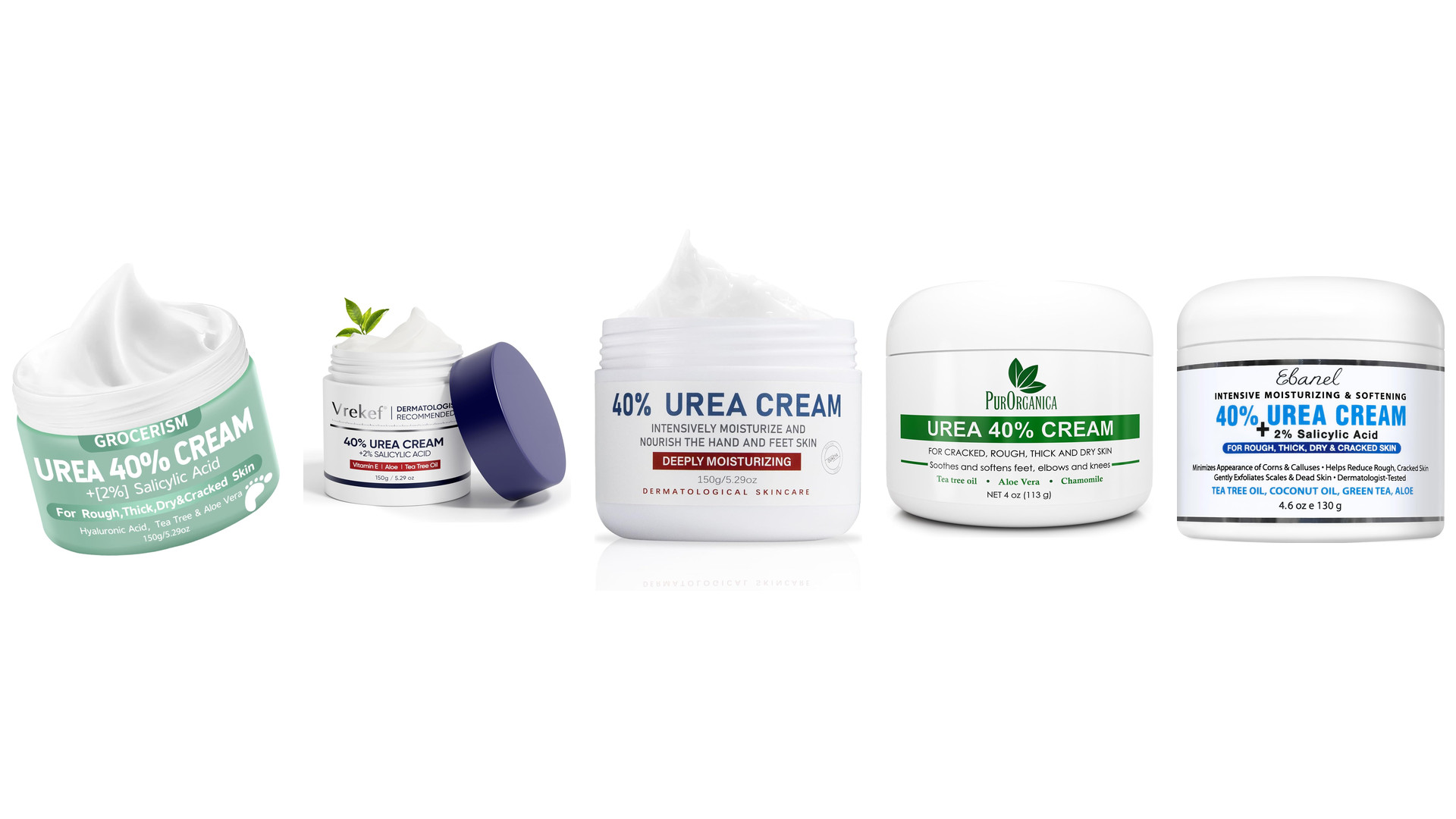
Strong evidence. Hydrates, and at higher concentrations softens rough, scaly skin. More useful for very dry skin, and it can sting on broken skin.
Moderate evidence. Soothing and hydrating, and widely used alongside hyaluronic acid rather than instead of it.
Beta glucan
Limited, and encouraging
The strongest signal is for barrier repair and wound healing. Hydration and soothing are supported by a smaller number of studies, several of them run by makers.
Hyaluronic Acid
Well established for hydration
Decades of use and a simple mechanism nobody disputes. It has been studied far more than beta glucan.
Beta glucan
Silky, slightly thicker
It sits on the skin a little longer than a watery serum before sinking in.
Hyaluronic Acid
Light and watery
It disappears in seconds, and can feel tacky until a moisturizer goes over it.
Beta glucan
Harder to find, and pricier
Fewer products contain it, and the ones that do tend to cost more. Some come from oats, which matters if you react to them.
Hyaluronic Acid
It can backfire on its own
In very dry air, a humectant with nothing sealing it can draw water out of deeper skin instead of in.
Beta glucan
More expensive, for now
It is a newer ingredient in a smaller number of products, and priced accordingly.
Hyaluronic Acid
Inexpensive
It is already in a large share of drugstore moisturizers and serums.
Beta glucan
Drugstore is the real thing
There is no clinic version. Where it matters is the amount in the bottle, and few brands publish it.
Hyaluronic Acid
Drugstore is the real thing
The serum on the shelf is the same molecule a clinic uses. The injected version is a filler placed under the skin to add volume, which no serum can do.
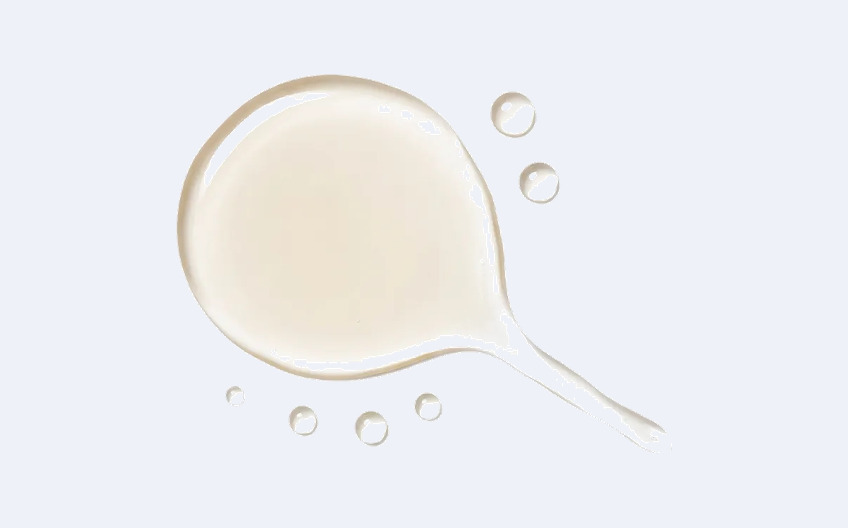
A few drops on damp skin, then moisturizer on top. Absorbs in seconds.
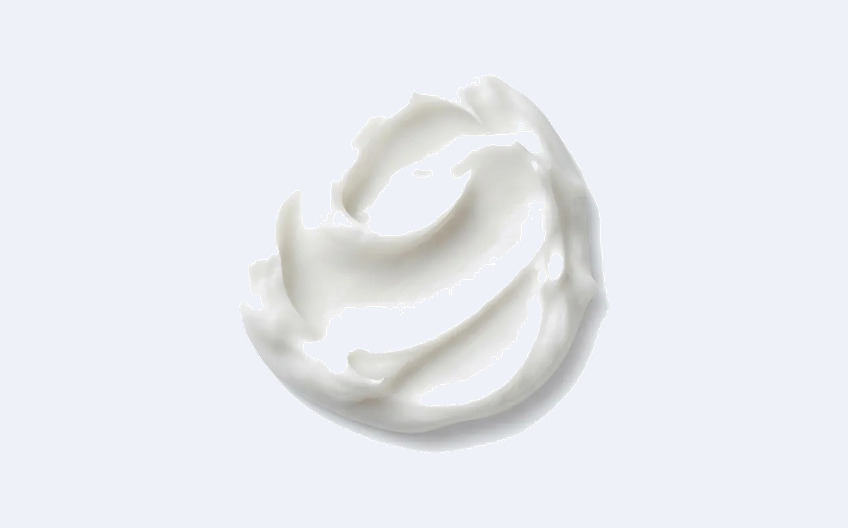
Hyaluronic acid plus the oils that hold it in. Does more than a serum alone.

Very watery, patted on. Wets the skin and adds humectant in one step.

Cool and weightless, with no oils at all. Enough hydration without a heavy finish.
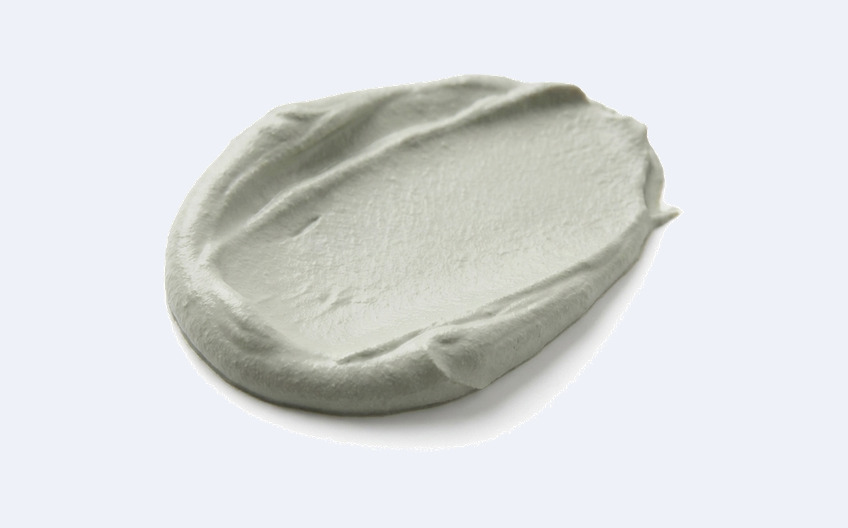
Twenty minutes under a soaked layer. A pleasant top-up, not a routine.
Beta glucan
Hyaluronic Acid
Beta glucan
Beta glucan is the bigger molecule. That size means less of it gets into the skin, but it lays down a film on the surface that slows water evaporating away.
Hyaluronic Acid
Hyaluronic acid is the smaller one. It draws more water into the outer layers, and is why skin looks plumper within minutes of using it.
Beta glucan
Pick beta glucan if your skin is dry and angry. Skin recovering from a retinoid, a peel or a flare is where the soothing side earns its price.
Hyaluronic Acid
Pick hyaluronic acid if your skin is simply dehydrated. It is cheaper, easier to find, and the evidence for what it does is not in question.
Common questions
Not clearly. Both hold water in the skin. Beta glucan also calms irritation and may help the barrier rebuild, but that side has been studied far less.
Yes, and some serums contain both. There is no conflict, though a second humectant adds less than people expect.
Beta glucan. Its soothing and wound-healing use has more research behind it than its hydration claims do.
It may, because the larger molecule forms a film that slows water escaping. The studies making that comparison are small, and several come from companies selling the ingredient.
Usually oats, barley or yeast, and sometimes mushrooms. If oats irritate your skin, check the source on the label.
Yes. Both pull water into the skin, and neither one stops it evaporating. Without something sealing it in, skin can end up feeling tighter.