Ceramides
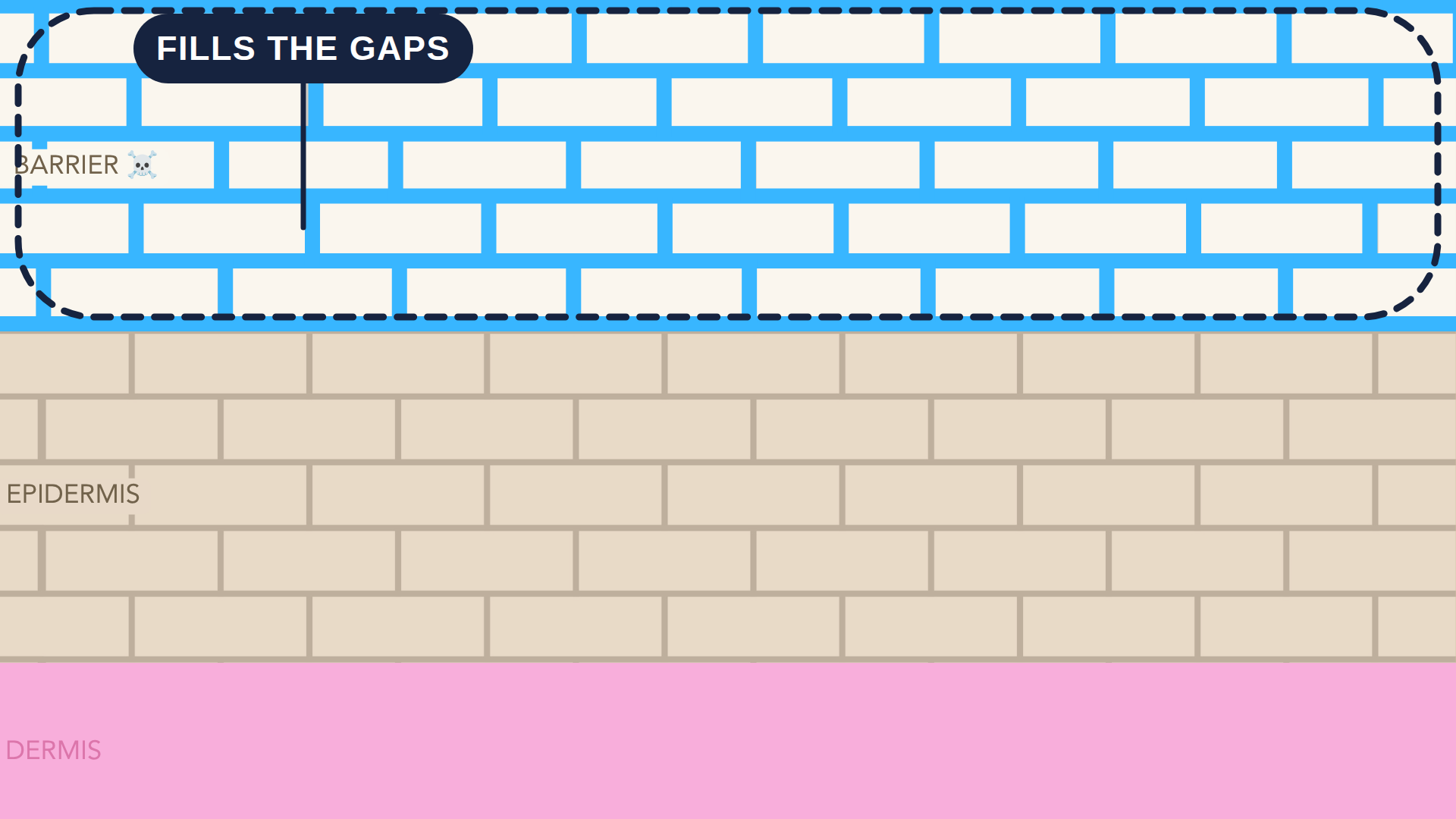
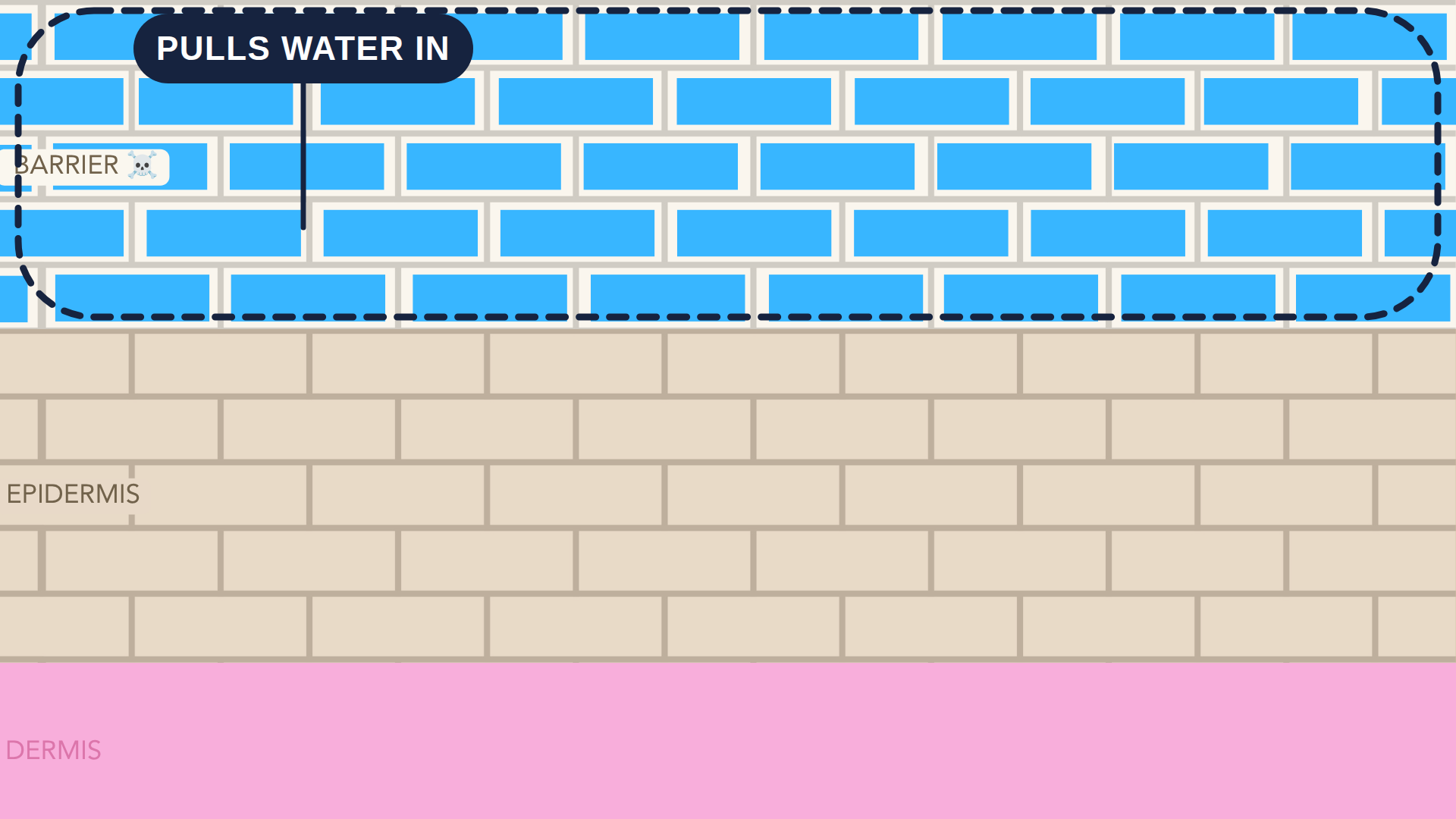
Hyaluronic acid brings water into the skin. It is a humectant, a molecule that binds water and holds it near the surface. Ceramides stop that water leaving again. They are the fats the skin barrier is built from, so these two are a pair rather than a choice.
| The difference | Ceramides | Hyaluronic Acid |
|---|---|---|
| What it does | Seals the barrier | Pulls water in |
| What it is best at | Dry, flaky, cracked skin | Dull, dehydrated skin |
| What it feels like | Rich and cushioning | Light and watery |
| Cost | Inexpensive | Inexpensive |
Side by side
Ceramides
Seals the barrier
It replaces the fats between skin cells, so water stops escaping through the surface.
Hyaluronic Acid
Pulls water in
It binds water from your moisturizer and from the air, and holds it in the outer layers of skin.
Ceramides
Dry, flaky, cracked skin
Skin that feels tight in winter, stings when products go on, or flakes around the nose and cheeks.
Hyaluronic Acid
Dull, dehydrated skin
Skin that feels papery and looks flat even though it is not really dry.

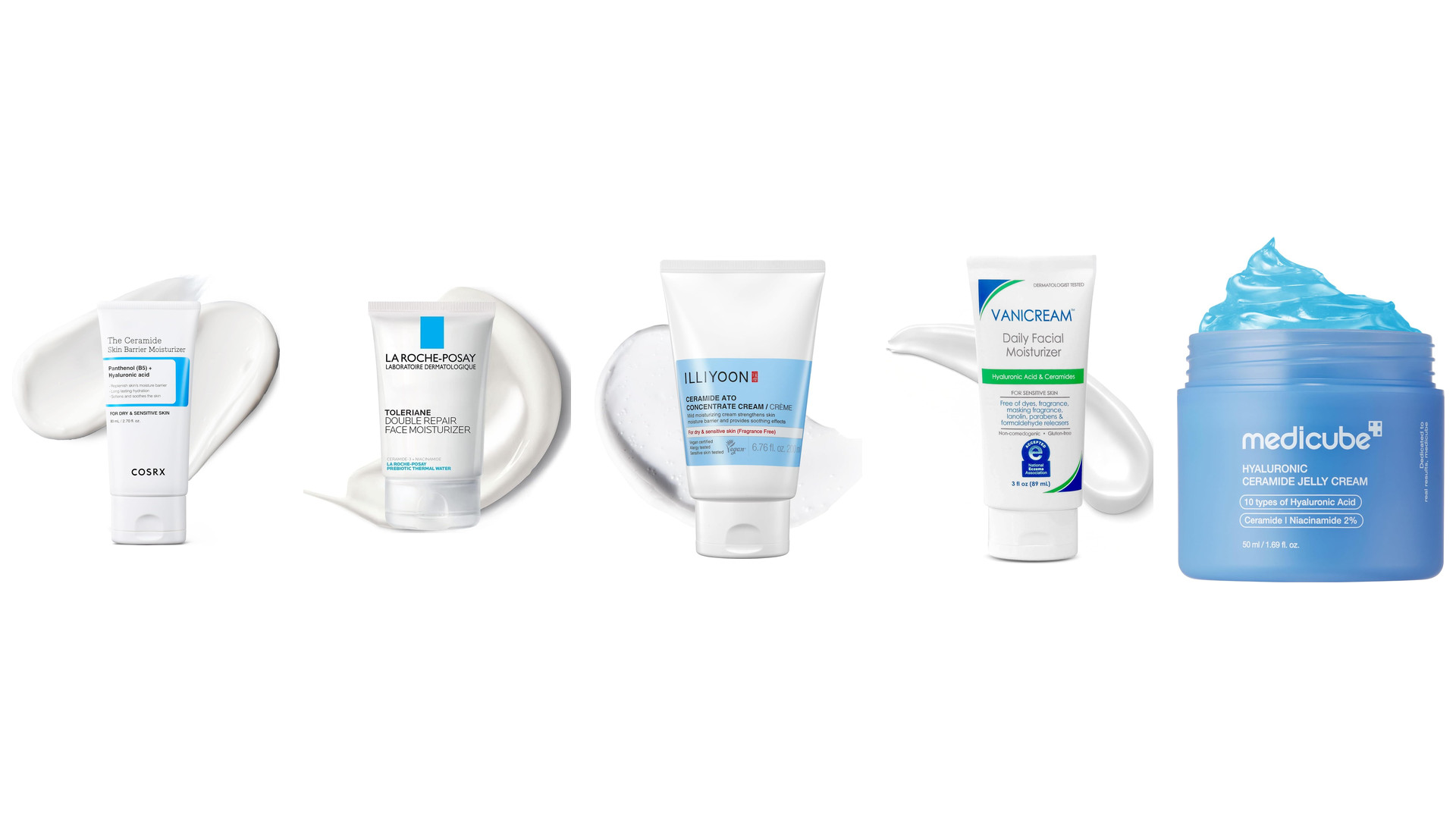
Ceramides are part of the fatty glue that dry skin has lost, so a cream containing them replaces the actual missing material rather than just covering it. They are the ingredient with the most evidence behind them for rebuilding the barrier over weeks, and they are the reason certain inexpensive drugstore creams are recommended so often. They are slow rather than dramatic, and they belong in your everyday cream.

The fats that hold the outer wall of the skin together, and the ones eczema skin is short of. A ceramide cream used daily reduces how often flares happen and how much prescription cream you end up needing over a year. It will not clear an active flare on its own — it is the maintenance step, used on calm skin as much as on sore skin.
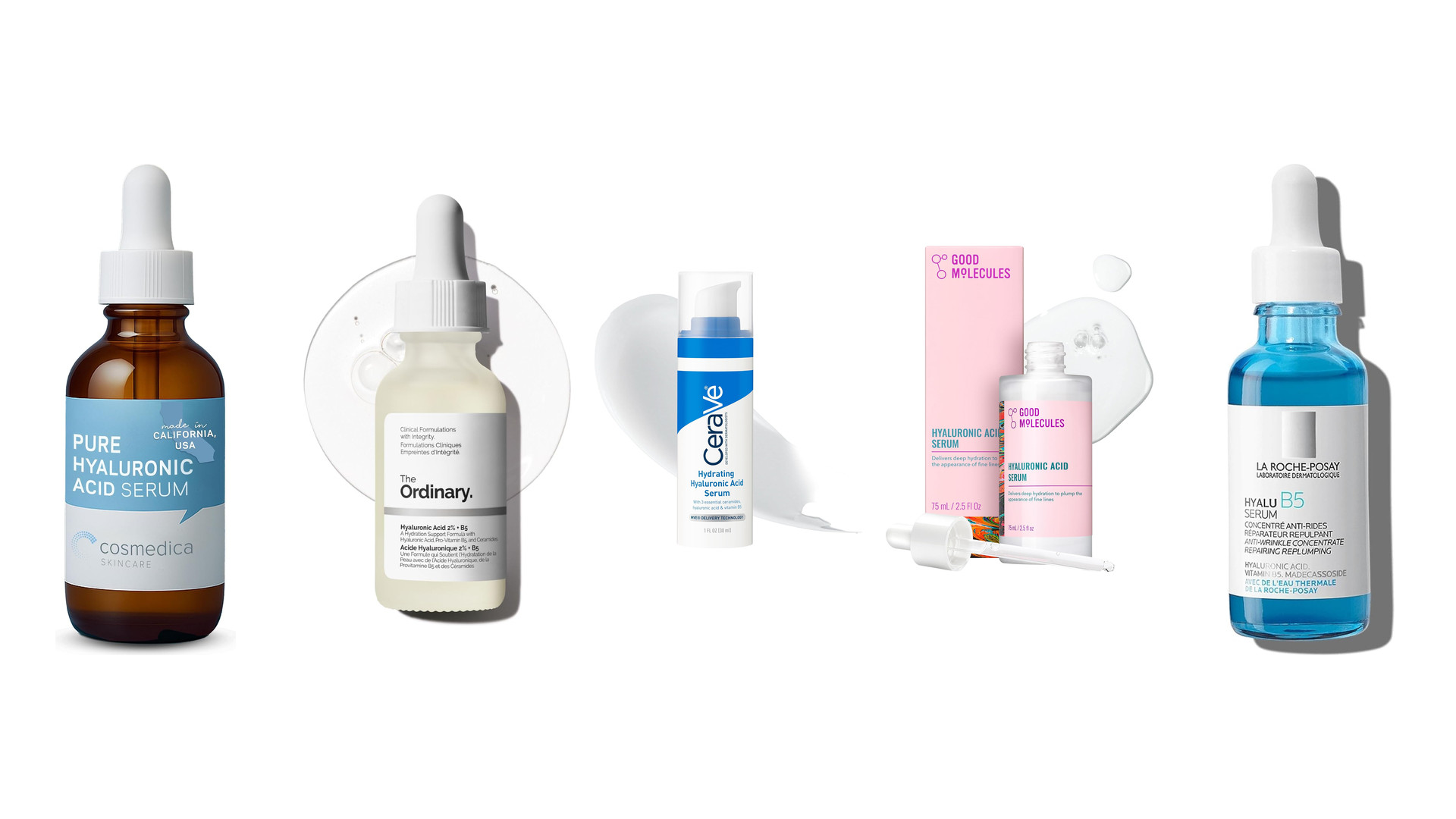
Holds a great deal of water, which makes skin look plumper straight away, but it seals nothing. In dry indoor air or a cold winter it can pull water up out of the deeper skin and let it evaporate, leaving the surface tighter than before. It is only useful here applied to damp skin with a cream over the top.
Ceramides
It will not add water
Ceramides hold on to what is already there. On truly parched skin they need a humectant underneath.
Hyaluronic Acid
It will not hold the water in
Hyaluronic acid has no sealing effect. Used alone in dry air it can leave skin tighter than before.
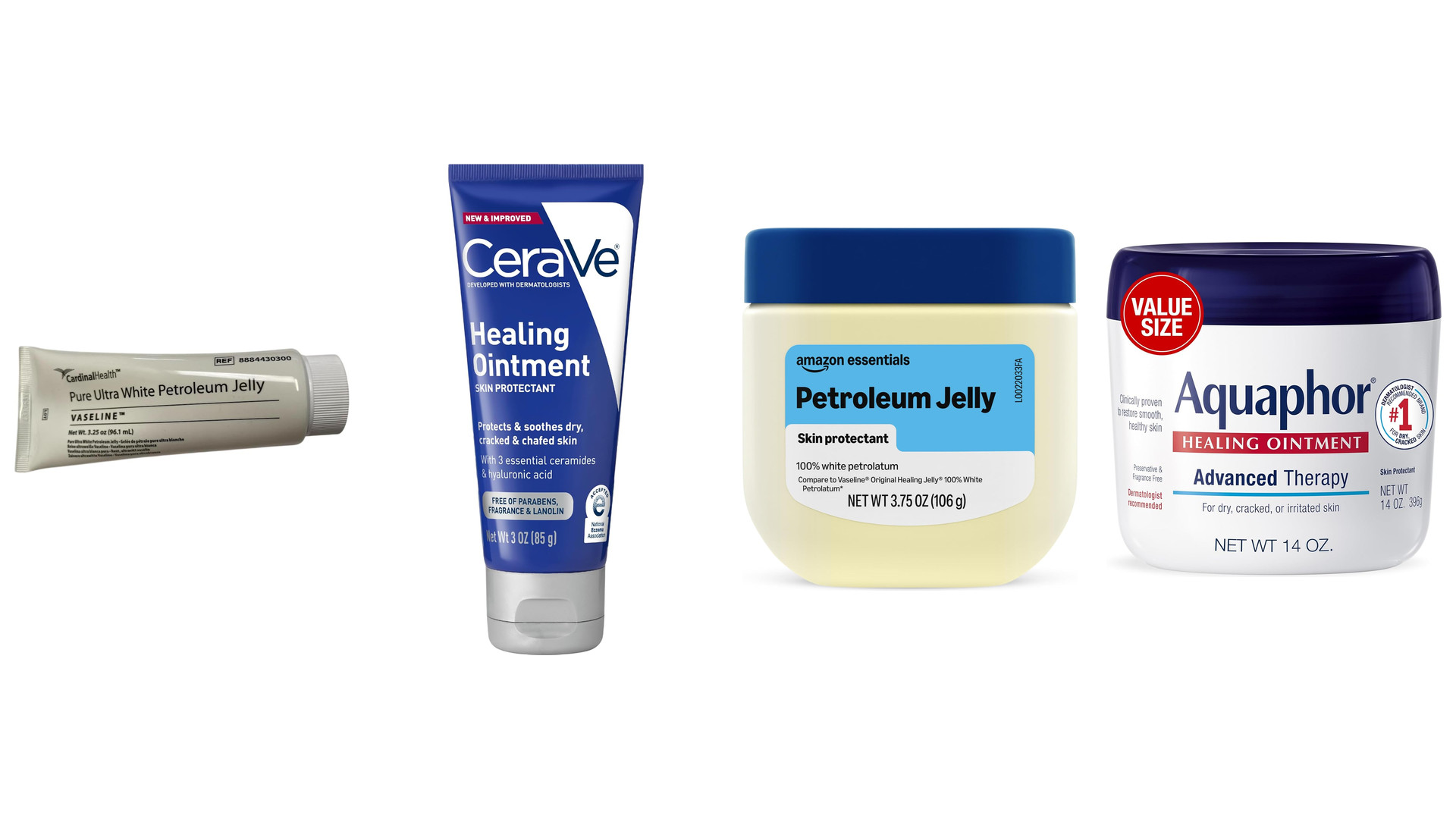
Strong evidence. Petrolatum is better at stopping water loss and costs a fraction as much, but it is greasy and cosmetically unpopular. Ceramide creams are easier to wear during the day.

Strong evidence. Glycerin pulls water in, ceramides help keep it there. They are complementary, and nearly every ceramide cream already contains glycerin.
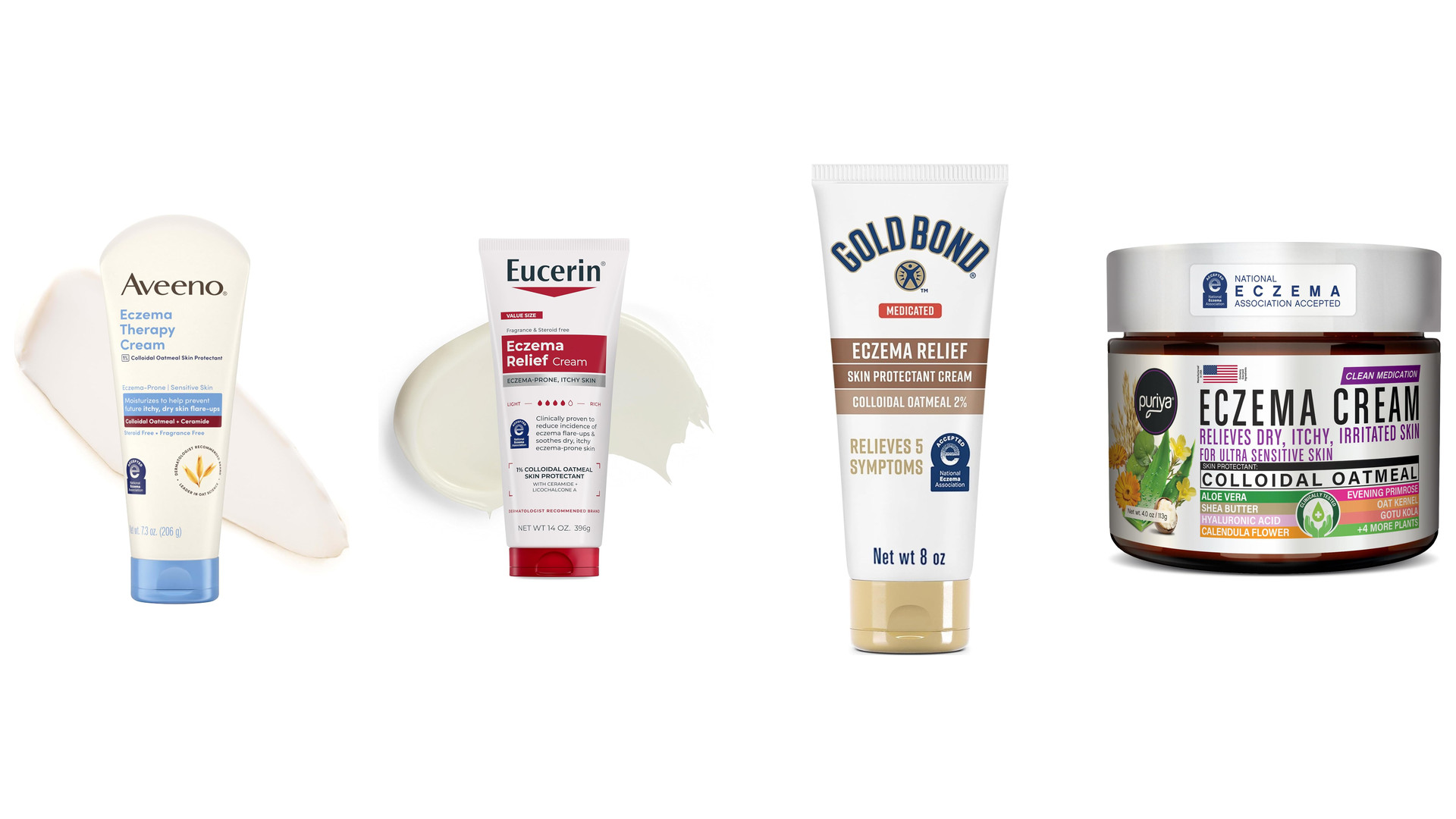
Moderate evidence. Soothing and reasonably well studied in eczema, particularly for itch. It does less for the lipid layer itself.
Strong evidence, and the comparison most people never make. It is a humectant that works the same way, costs far less, and holds up better in dry air. Hyaluronic acid feels more elegant on the skin.
Strong evidence for barrier repair. They do the job hyaluronic acid cannot, by replacing the fats that hold water in. The two are complementary rather than competing.
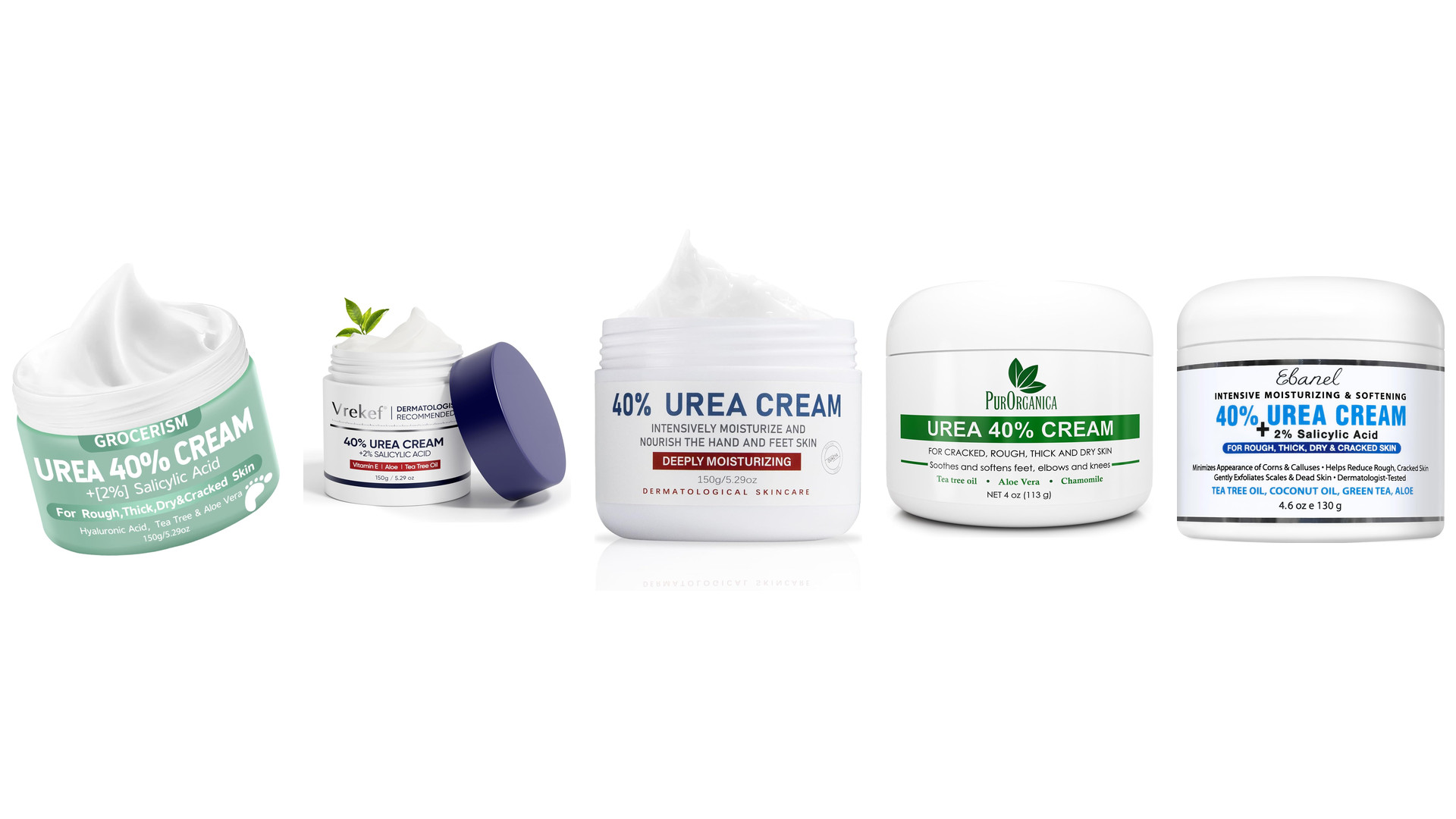
Strong evidence. Hydrates, and at higher concentrations softens rough, scaly skin. More useful for very dry skin, and it can sting on broken skin.
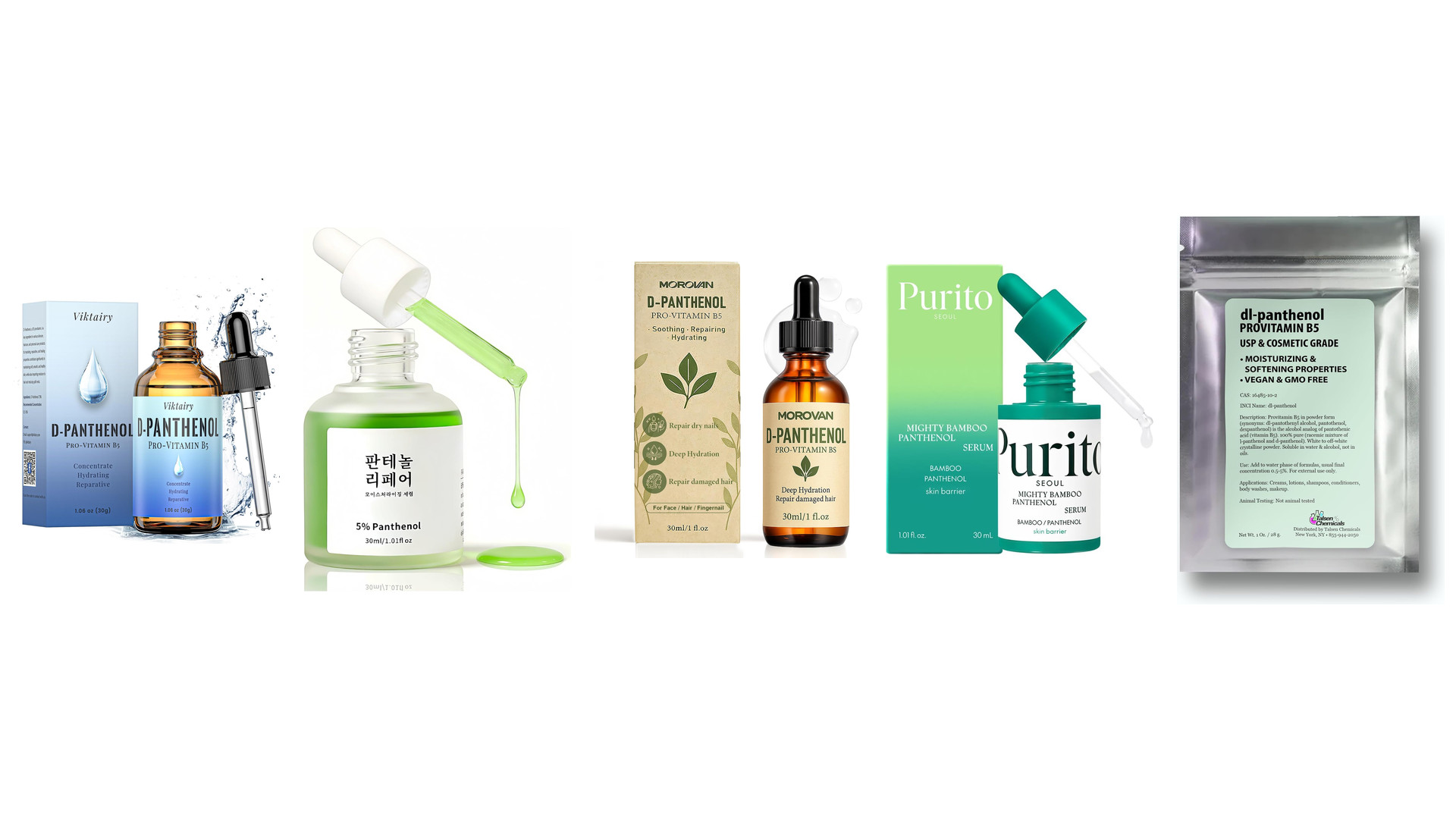
Moderate evidence. Soothing and hydrating, and widely used alongside hyaluronic acid rather than instead of it.
Ceramides
Comfort tonight, repair over weeks
The tight feeling eases the first evening. Rebuilding the barrier takes two to four weeks.
Hyaluronic Acid
Minutes
Skin looks plumper almost straight away. It is also short-lived, which is why it goes on daily.
Ceramides
Hours, and it builds
A cream keeps working for most of the day, and repeated use leaves the barrier stronger.
Hyaluronic Acid
Hours
Water leaves the skin steadily. A moisturizer over the top slows that right down.
Ceramides
Rich and cushioning
Most ceramide products are creams or thick lotions. Oily skin sometimes finds them heavy.
Hyaluronic Acid
Light and watery
A thin serum that disappears in seconds. It can feel tacky until something goes over it.
Ceramides
Texture, not the ingredient
Rich creams can feel greasy or clog easily on acne-prone skin. Lighter ceramide lotions do the same job.
Hyaluronic Acid
It can backfire on its own
In very dry air a humectant with nothing sealing it can draw water out of deeper skin instead of in.
Ceramides
Inexpensive
Drugstore barrier creams are among the best-value products in skincare.
Hyaluronic Acid
Inexpensive
It is already in a large share of drugstore moisturizers and serums.
Ceramides
Drugstore is the real thing
Pharmacy ceramide creams hold the same lipids as expensive ones. There is no clinic version to chase.
Hyaluronic Acid
Drugstore is the real thing
The serum on the shelf is the same molecule a clinic uses. The injected version is a filler placed under the skin to add volume, which no serum can do.
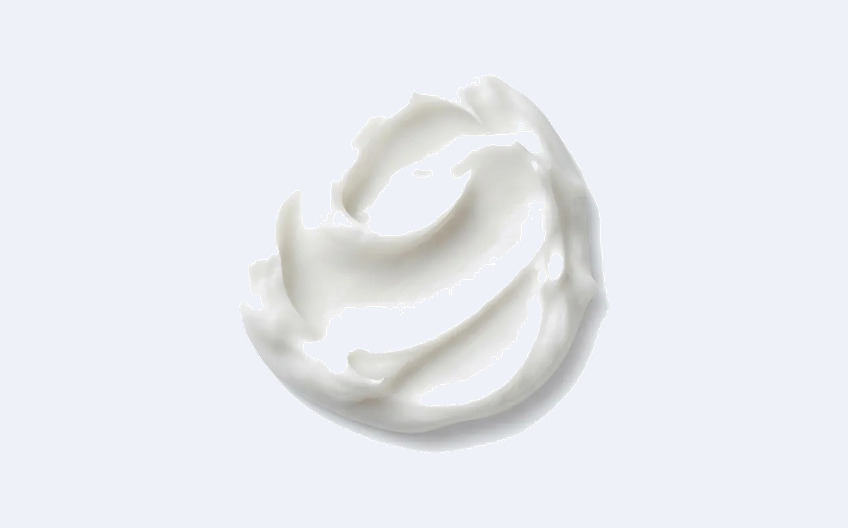
The standard tub or pump. Holds enough lipid to matter and stays put overnight.
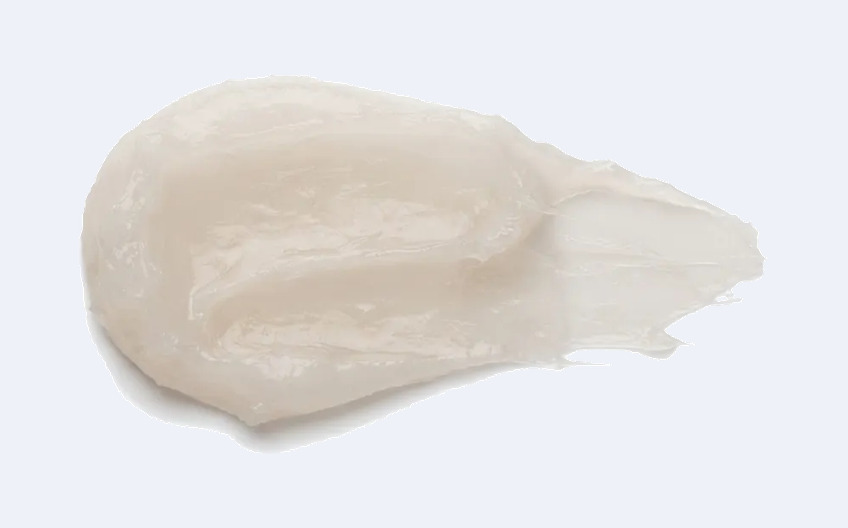
Greasy, sealing, and the format that does the most. Best on hands, heels and eczema.
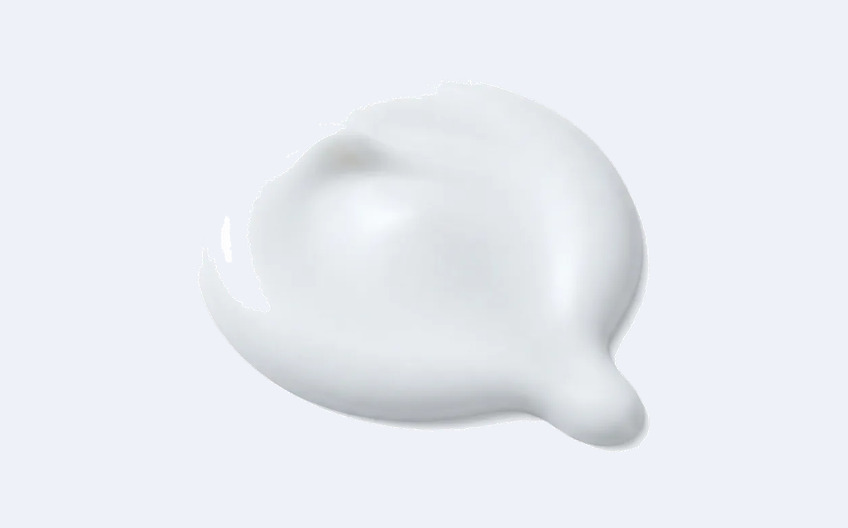
Thinner and faster to spread over arms and legs. Does less, and gets used more often.
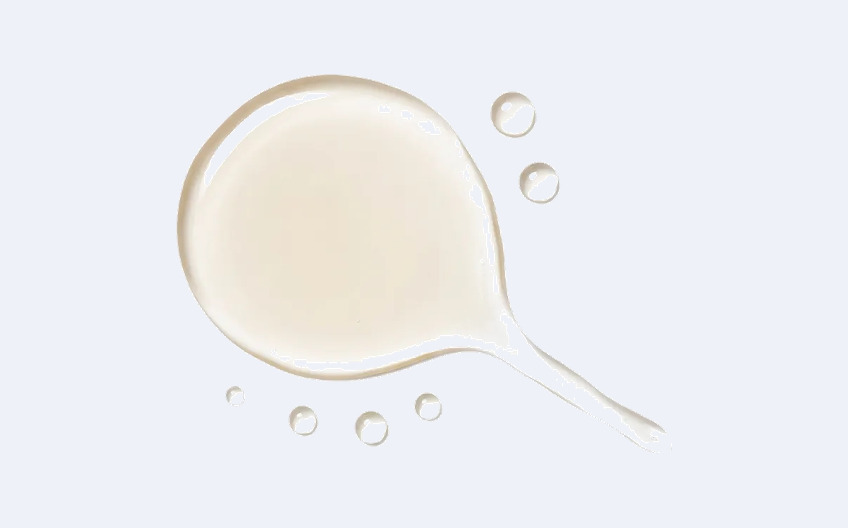
A light layer of lipids for skin that will not tolerate a heavy cream. Least of the four.

On the skin under a minute. Choose it because it is mild, not for the ceramides.
A few drops on damp skin, then moisturizer on top. Absorbs in seconds.
Hyaluronic acid plus the oils that hold it in. Does more than a serum alone.

Very watery, patted on. Wets the skin and adds humectant in one step.

Cool and weightless, with no oils at all. Enough hydration without a heavy finish.
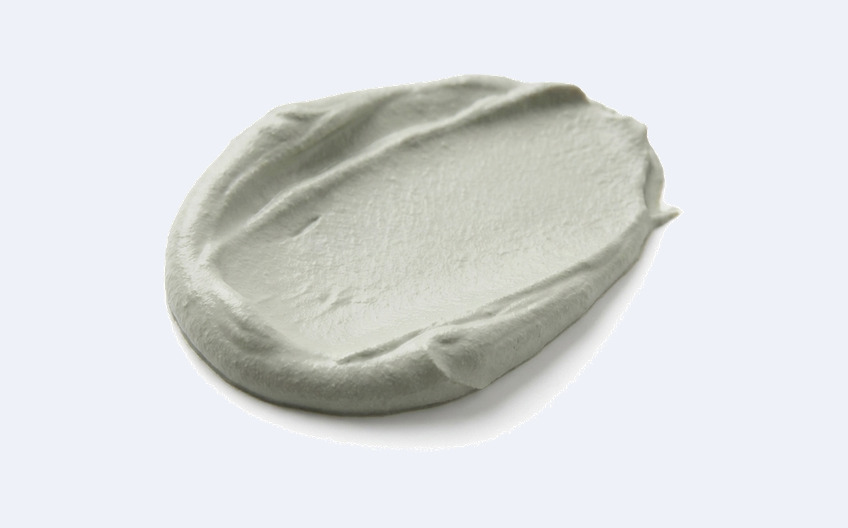
Twenty minutes under a soaked layer. A pleasant top-up, not a routine.
Ceramides
Hyaluronic Acid
Ceramides
Ceramides are the lid. They fill the spaces between skin cells so the water underneath stays put instead of evaporating.
Hyaluronic Acid
Hyaluronic acid is the water. It holds a lot of it, close to the surface, where it plumps the outer layers and softens fine dryness lines.
Ceramides
Choose ceramides if the problem is flaking, tightness or stinging. Those are barrier problems, and a humectant will not fix them.
Hyaluronic Acid
Choose hyaluronic acid if the problem is dullness in otherwise comfortable skin. That is dehydration, and it responds within days.
Common questions
Yes, and they work better together than alone. Hyaluronic acid brings water in and ceramides stop it evaporating.
Hyaluronic acid first, on damp skin, then the ceramide cream over the top. Thin before thick.
Ceramides. Dryness is a barrier problem, and a humectant on its own can leave dry skin feeling tighter rather than better.
Many moisturizers already contain both, and for most people that is enough. Layering them separately makes more difference on very dry or over-treated skin.
It can, in very dry air, if nothing is applied over it. A humectant with no seal above it can draw water up from deeper skin and lose it to the air.
Hyaluronic acid feels lighter, but oily skin still benefits from ceramides. Choose a ceramide lotion or gel instead of a rich cream.