Hyaluronic Acid
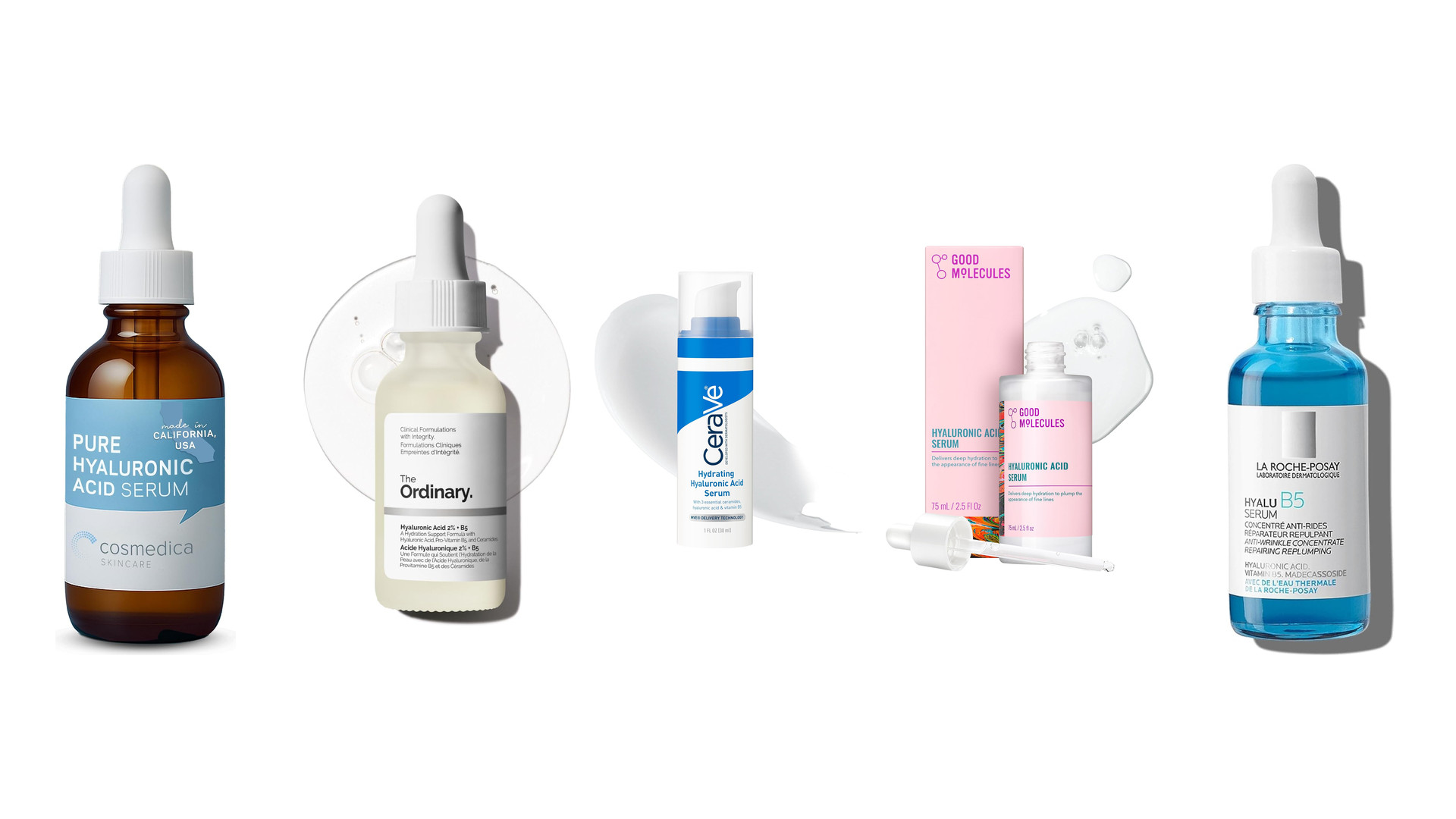
Hyaluronic acid does not exfoliate at all — it is a moisturizing ingredient that holds water in the surface of the skin. It treats nothing and suits every skin type. Lactic acid is a gentle exfoliating acid that lifts dead cells off the surface. They overlap in one odd way: lactic acid also draws water in, which is why it suits dry skin better than any other acid does.
| The difference | Hyaluronic Acid | Lactic Acid |
|---|---|---|
| How long until it works | The same day | Two to four weeks |
| Cost | Inexpensive | Inexpensive |
Side by side
Hyaluronic Acid
On damp skin, then seal it
A serum or lotion on slightly damp skin, with a moisturizer over the top. Used alone in dry air it can leave skin feeling tighter.
Lactic Acid
A few nights a week
A serum, toner or lotion left on the skin. Some people use it as a weekly mask instead.
Hyaluronic Acid
Plumper, more comfortable skin
Fine dryness lines soften, tightness eases, and skin looks smoother the same day. The change is in comfort, not in the condition.
Lactic Acid
Softer, less flaky skin
Less roughness, less dullness, and a slow fade of surface discolouration. Skin feels plumper rather than tighter afterwards.

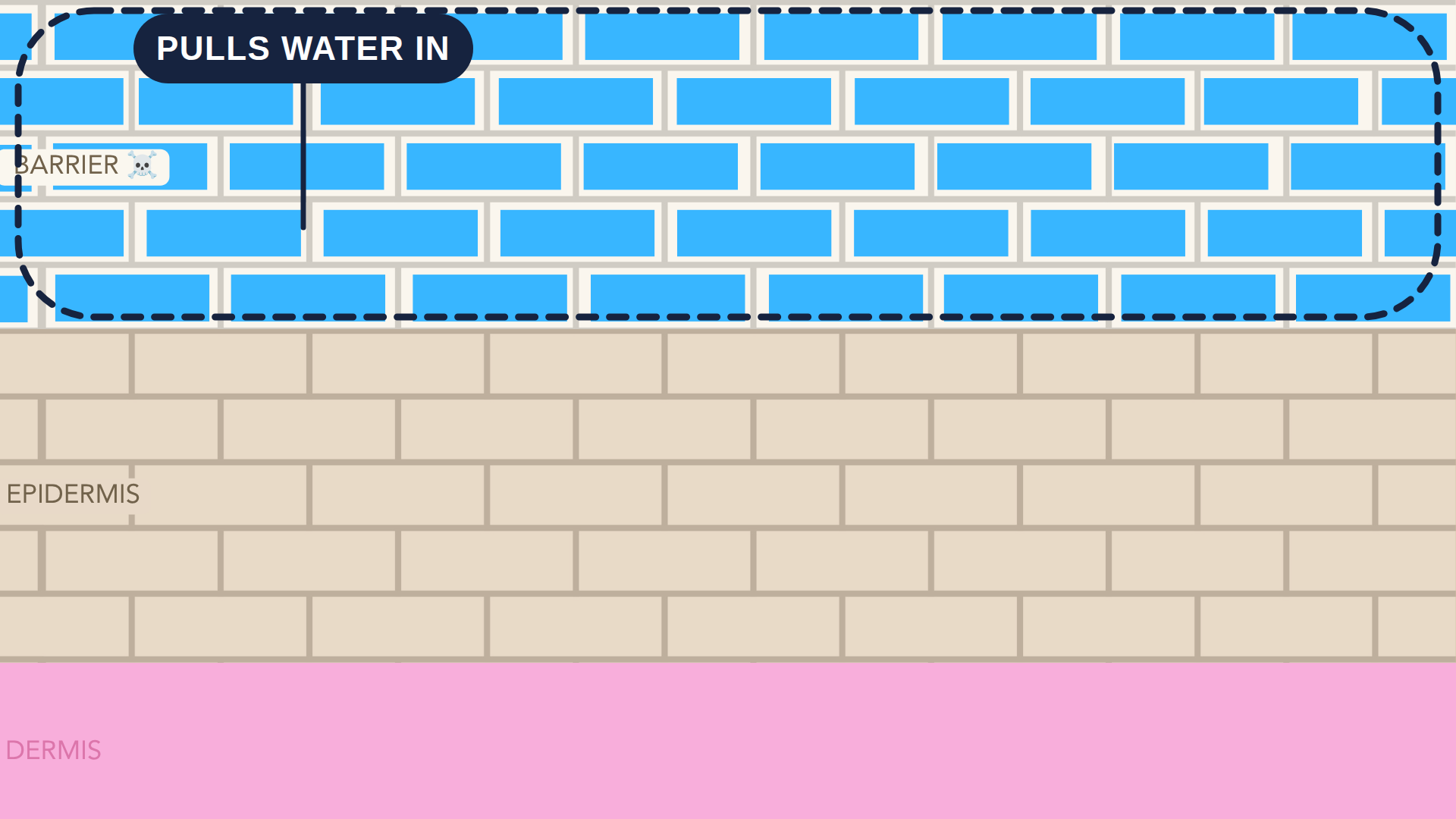
Holds a great deal of water, which makes skin look plumper straight away, but it seals nothing. In dry indoor air or a cold winter it can pull water up out of the deeper skin and let it evaporate, leaving the surface tighter than before. It is only useful here applied to damp skin with a cream over the top.
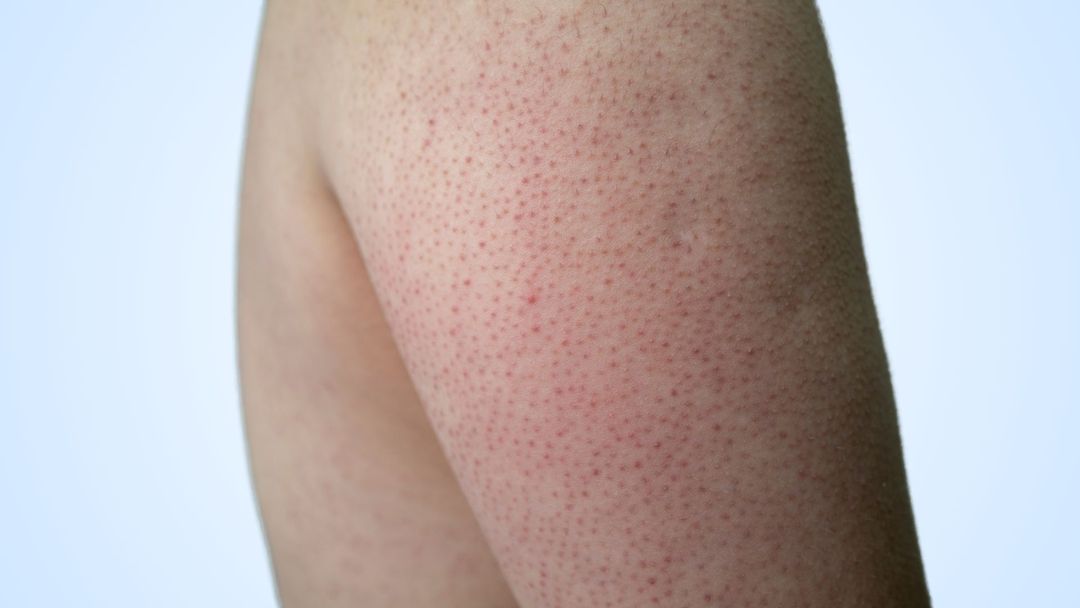
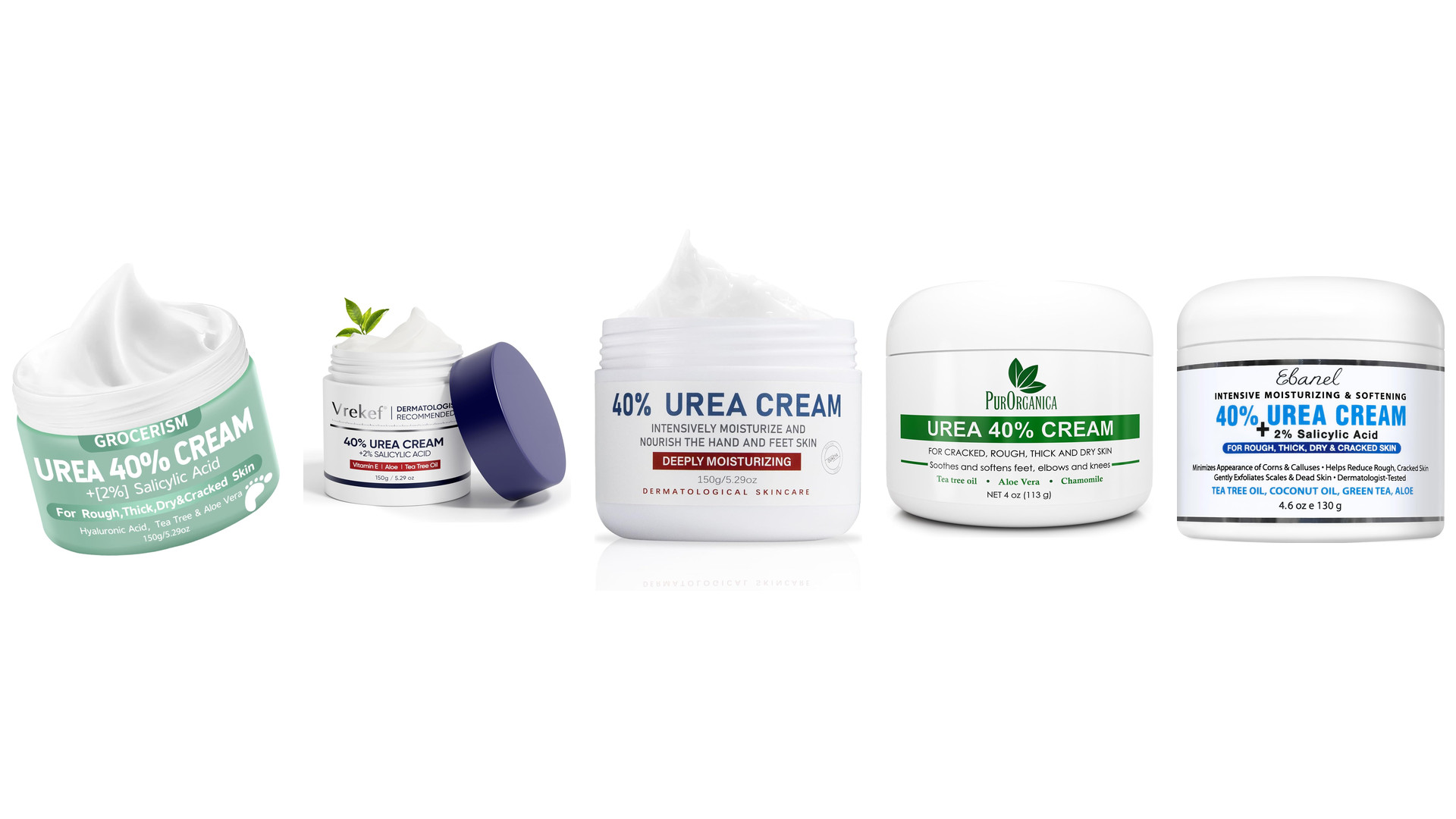
Ammonium lactate or lactic acid lotion at around 12 percent does the same two jobs as urea, slightly more gently, and it is often the easier one to keep using daily. Good first choice if urea stings. Like everything here, it manages the bumps rather than ending them.
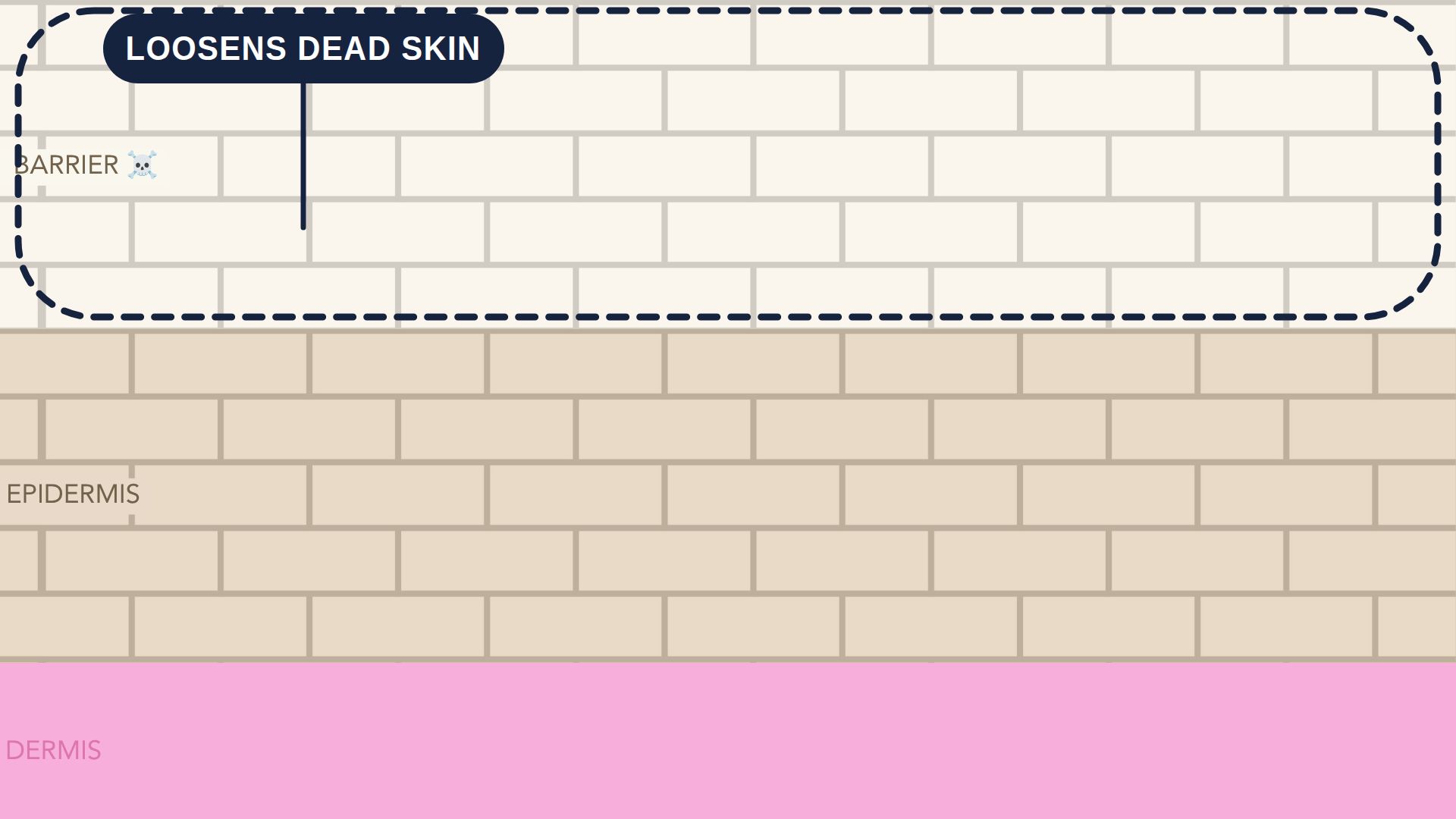
Loosens stuck-together flakes chemically and draws water in at the same time, so it suits rough, bumpy dryness on the arms and legs. It is gentler than urea on large areas but stings more on cracks and on freshly shaved skin. Use it two or three times a week alongside a plain cream, not instead of one.
Hyaluronic Acid
It will not treat anything
Hyaluronic acid does not clear acne, fade dark marks, reduce redness or build collagen. It holds water.
Lactic Acid
It will not unclog pores
Lactic acid cannot get into oil, so blackheads mostly stay where they are. It does nothing for oiliness either.

Strong evidence, and the comparison most people never make. It is a humectant that works the same way, costs far less, and holds up better in dry air. Hyaluronic acid feels more elegant on the skin.
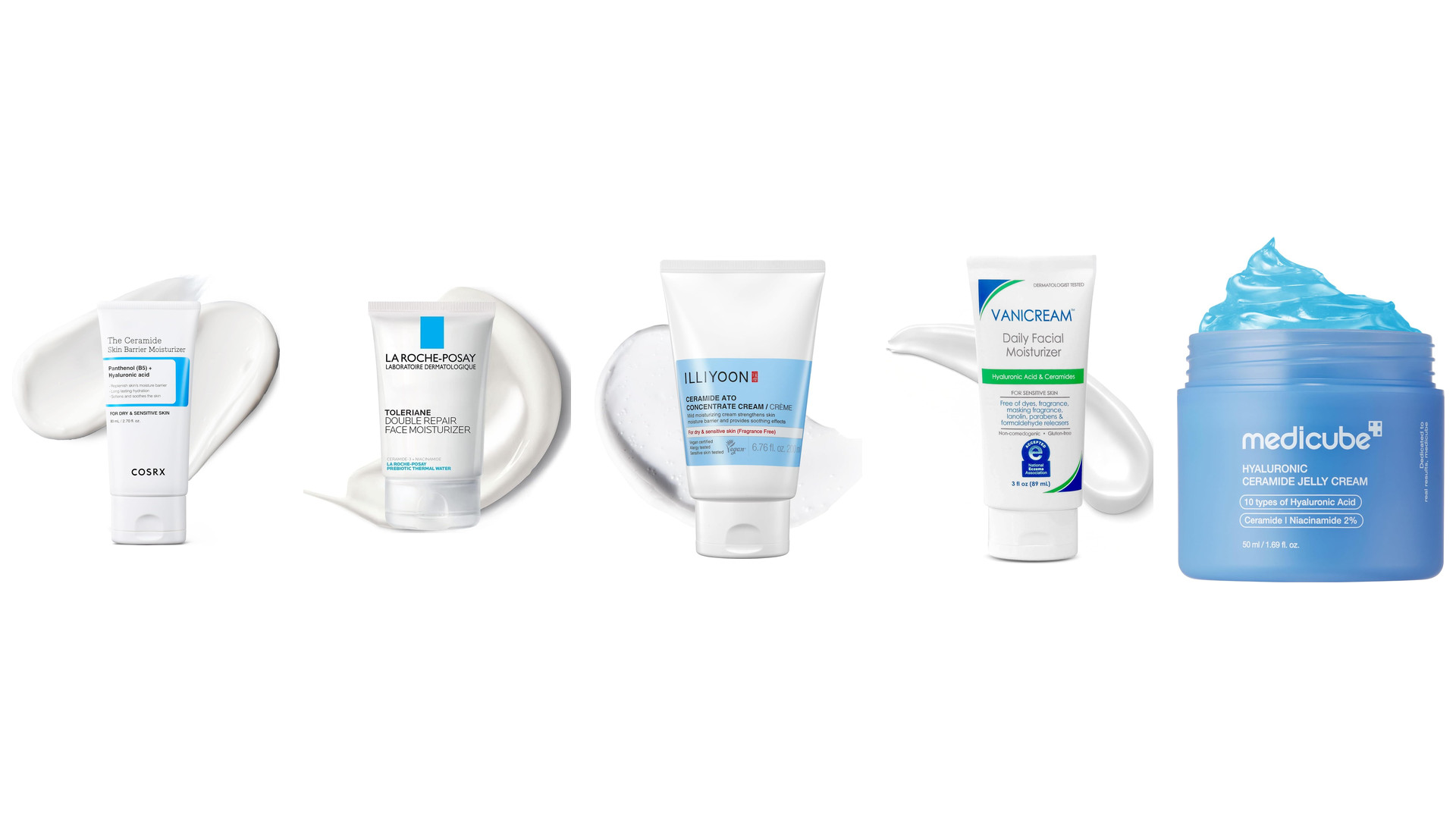
Strong evidence for barrier repair. They do the job hyaluronic acid cannot, by replacing the fats that hold water in. The two are complementary rather than competing.
Strong evidence. Hydrates, and at higher concentrations softens rough, scaly skin. More useful for very dry skin, and it can sting on broken skin.
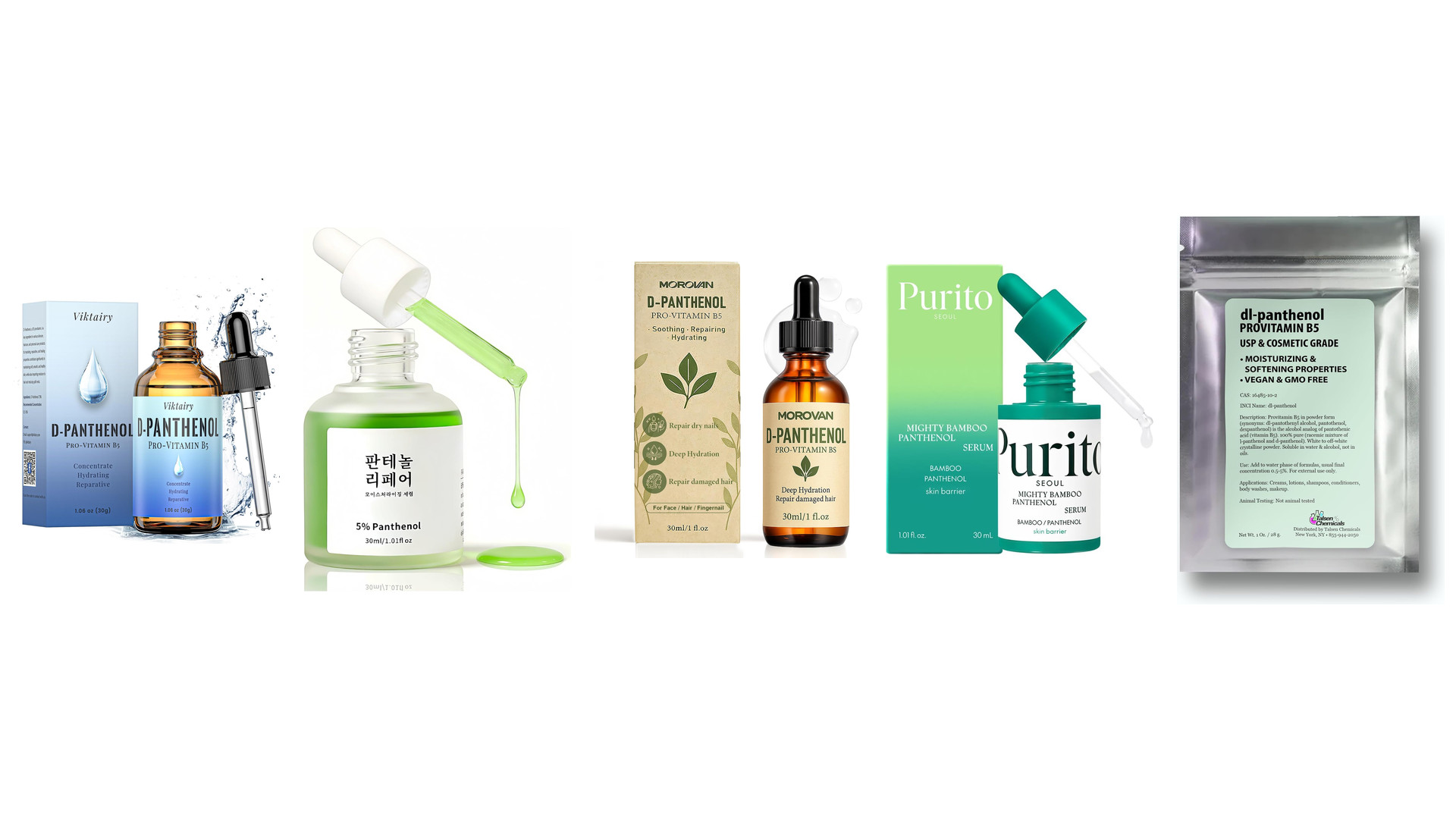
Moderate evidence. Soothing and hydrating, and widely used alongside hyaluronic acid rather than instead of it.

Strong evidence. Smaller molecule, faster on rough texture and dullness, and more likely to sting. Lactic acid is the more comfortable option and adds hydration.
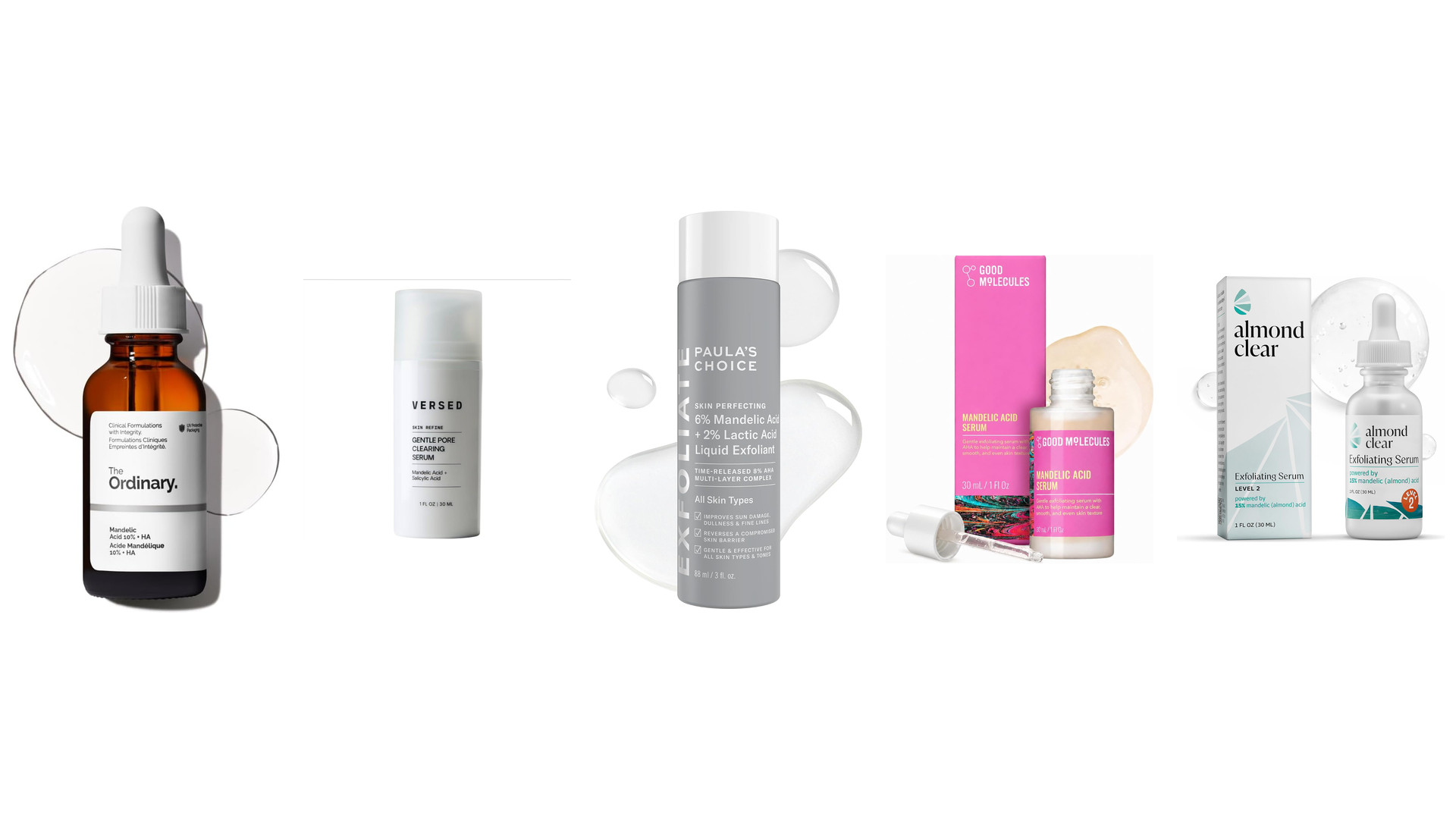
Limited evidence. Gentler again and mildly antibacterial, which suits acne-prone skin. It is slower and much less studied.
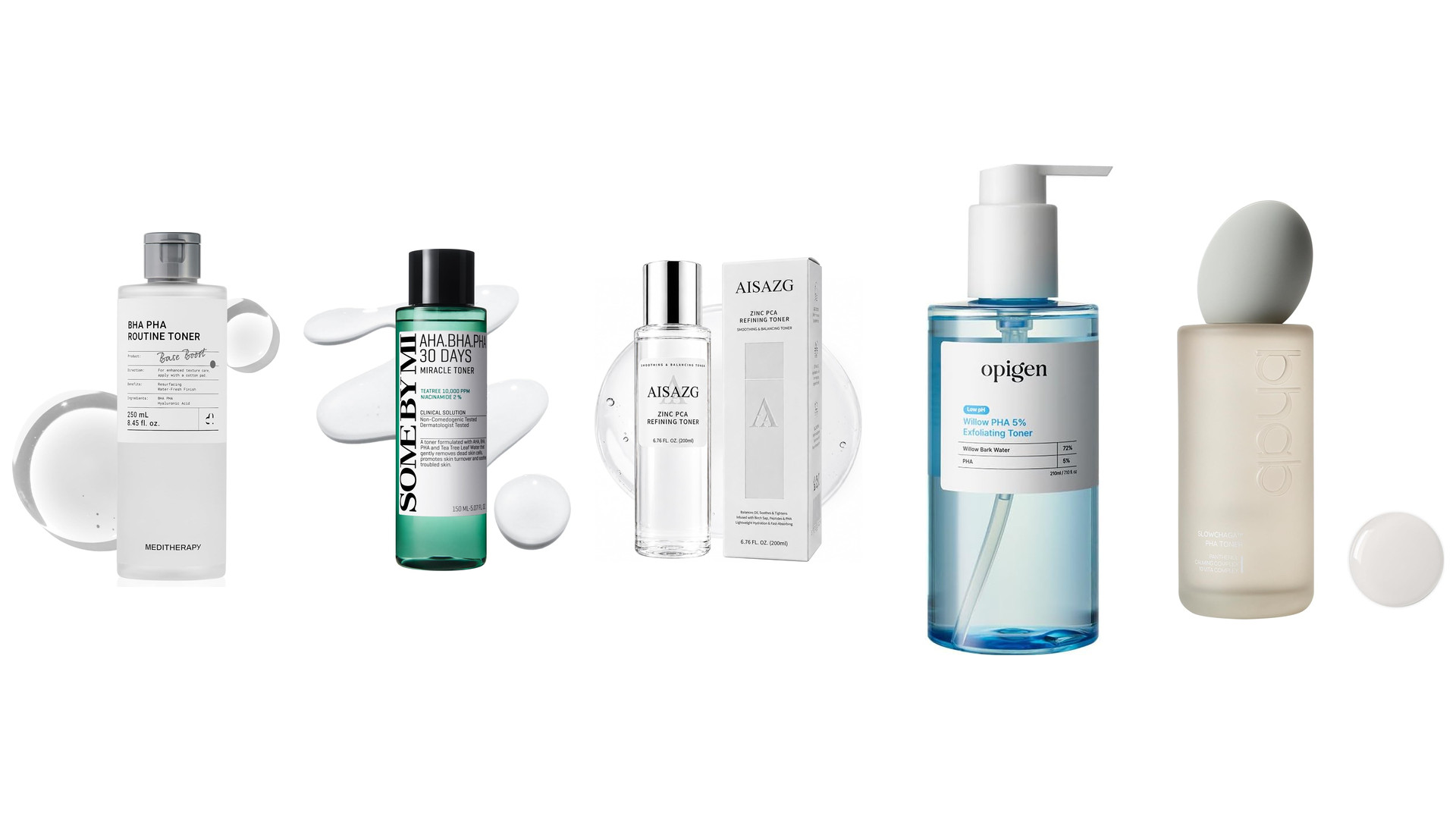
Limited evidence. The mildest option, also hydrating, and they have not been shown to increase sun sensitivity. They do less.
Strong evidence. Another option for very dry and scaly skin, and often combined with lactic acid in the same product. Urea softens thickened skin without being an acid.

Strong evidence. Works inside the pore, so it is the better choice for blackheads and acne, and a poorer choice for dryness.
Hyaluronic Acid
The same day
Hydration is immediate, and it is also short-lived, which is why it goes on daily.
Lactic Acid
Two to four weeks
Softness comes quickly. Discolouration takes a few months of steady use.
Hyaluronic Acid
Hours
Water leaves the skin steadily. A moisturizer over the top slows that down.
Lactic Acid
As long as you keep using it
Dead cells build back up over a few weeks once you stop.
Hyaluronic Acid
Almost none
One of the best-tolerated ingredients in skincare. In very dry air it can pull water out of the skin instead of in, which is why a moisturizer goes over it.
Lactic Acid
Stinging and sun sensitivity
It can sting on freshly washed skin, and like every AHA it makes skin more sensitive to sun. Sunscreen is part of using it.
Hyaluronic Acid
Inexpensive
It is already in a large share of drugstore moisturizers and serums.
Lactic Acid
Inexpensive
Widely sold in drugstore serums and lotions. Clinic peels cost more.
Hyaluronic Acid
Drugstore is the real thing
The serum on the shelf is the same molecule a clinic uses. The injected version is a different product entirely — a filler placed under the skin to add volume, which no serum can do.
Lactic Acid
The same acid, turned down
Over-the-counter lactic acid is the same acid a clinic uses, at lower strength and a higher pH. It works slowly and without peeling. A clinic peel is the same molecule turned up.
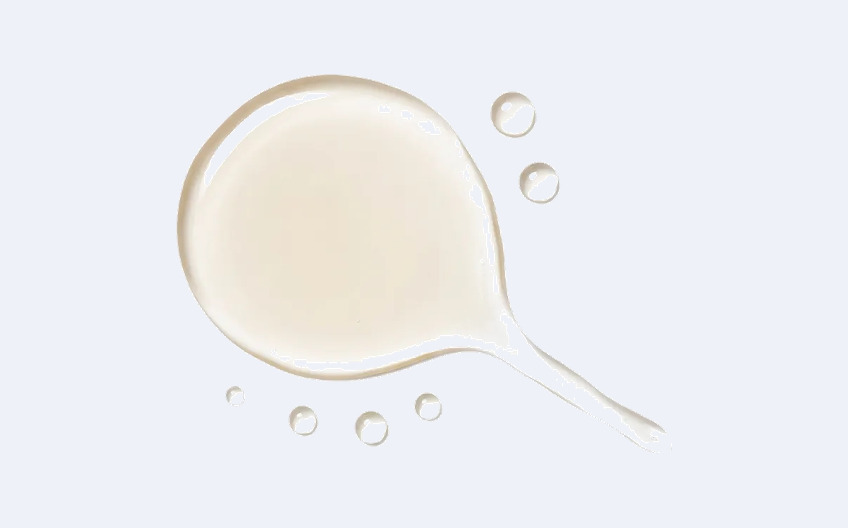
A few drops on damp skin, then moisturizer on top. Absorbs in seconds.
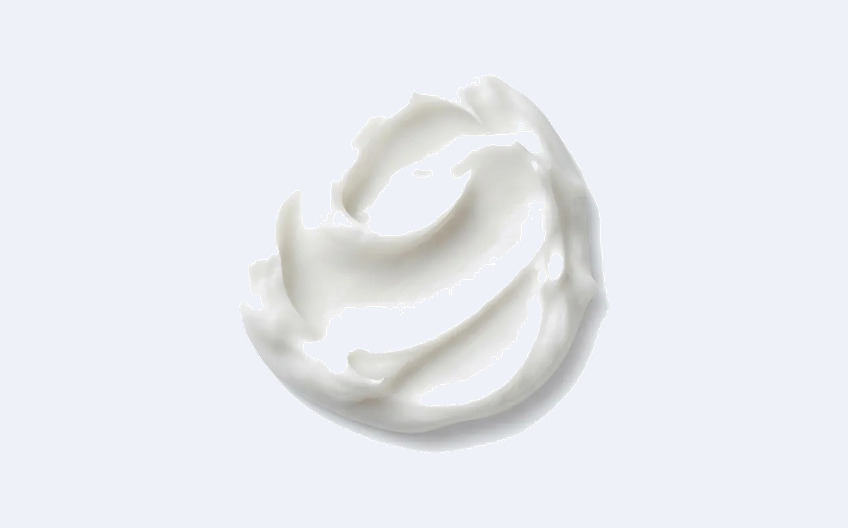
Hyaluronic acid plus the oils that hold it in. Does more than a serum alone.

Very watery, patted on. Wets the skin and adds humectant in one step.

Cool and weightless, with no oils at all. Enough hydration without a heavy finish.
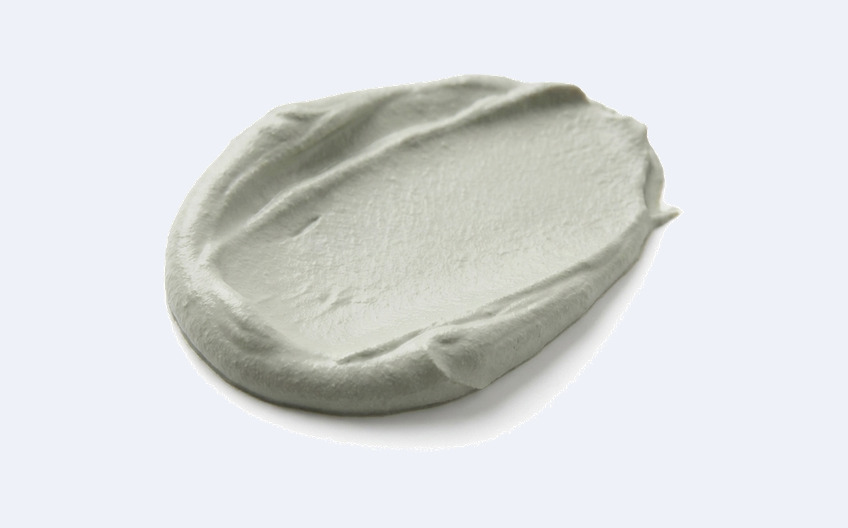
Twenty minutes under a soaked layer. A pleasant top-up, not a routine.
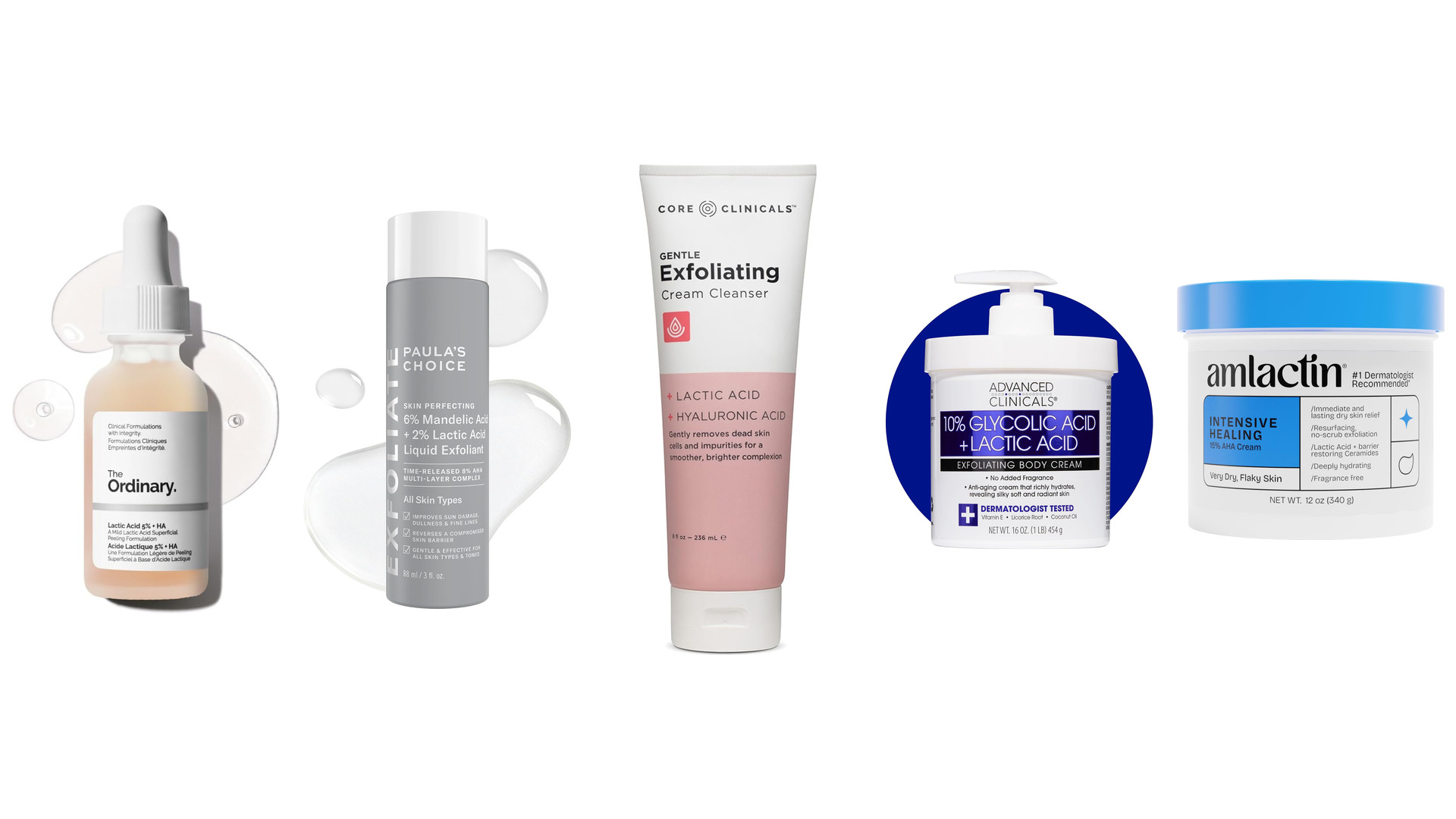
Usually 5% to 10% in a light base. The gentlest of the AHA serums.
Swept on after cleansing. Low strength, easy to build up slowly.
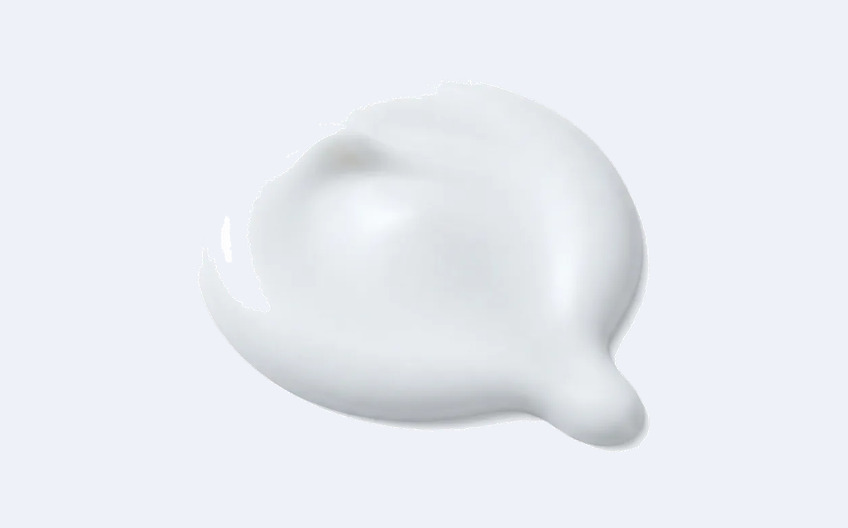
10% to 12% in a moisturizing base. Where lactic acid does its best work.
Partly neutralized, so it is milder. Made for daily use on rough skin.

Higher strength left on for minutes, then rinsed. Not for broken or sore skin.
Lactic Acid
Lactic acid is the exception. It is a humectant as well as an exfoliant, so it draws water into the skin while it loosens dead cells. That is the reason it is the AHA recommended for dry and sensitive skin.
Hyaluronic Acid
Hyaluronic acid asks nothing of the skin. It sits in the surface layers and binds water for a few hours. There is nothing to build up to and nothing to recover from.
Lactic Acid
Lactic acid asks a little of the skin. It changes the surface, and that change takes a few weeks of regular use to show and needs sunscreen alongside it.
Hyaluronic Acid
The hyaluronic acid is what makes the routine sustainable. Most people abandon an acid because their skin gets tight, and putting water back is the simplest way to avoid that.
Hyaluronic Acid
Choose hyaluronic acid if your skin is simply tight and thirsty. If there is no roughness to remove, an acid adds risk without adding benefit.
Lactic Acid
Choose lactic acid if your skin is flaky, rough or dull. It exfoliates and hydrates at once, which is unusual and useful on dry skin.
Common questions
Yes. Apply the lactic acid first, wait a couple of minutes, then hyaluronic acid and a moisturizer. There is no interaction between them.
No. It is a humectant, which means it binds water and holds it in the surface of the skin. It does not exfoliate, sting or make skin sun-sensitive.
Both, in different roles. Hyaluronic acid adds water. Lactic acid removes the flakes and draws water in at the same time, which makes it the gentlest AHA for dry skin.
Slowly. It fades surface discolouration over a few months by lifting pigmented cells away. It does not stop new pigment being made.
Yes, every morning. All AHAs make skin more sensitive to ultraviolet light, and skipping sunscreen undoes the brightening.
Hyaluronic acid, since it is almost impossible to irritate skin with it. Add lactic acid a couple of weeks later, two or three nights a week.