Benzoyl Peroxide
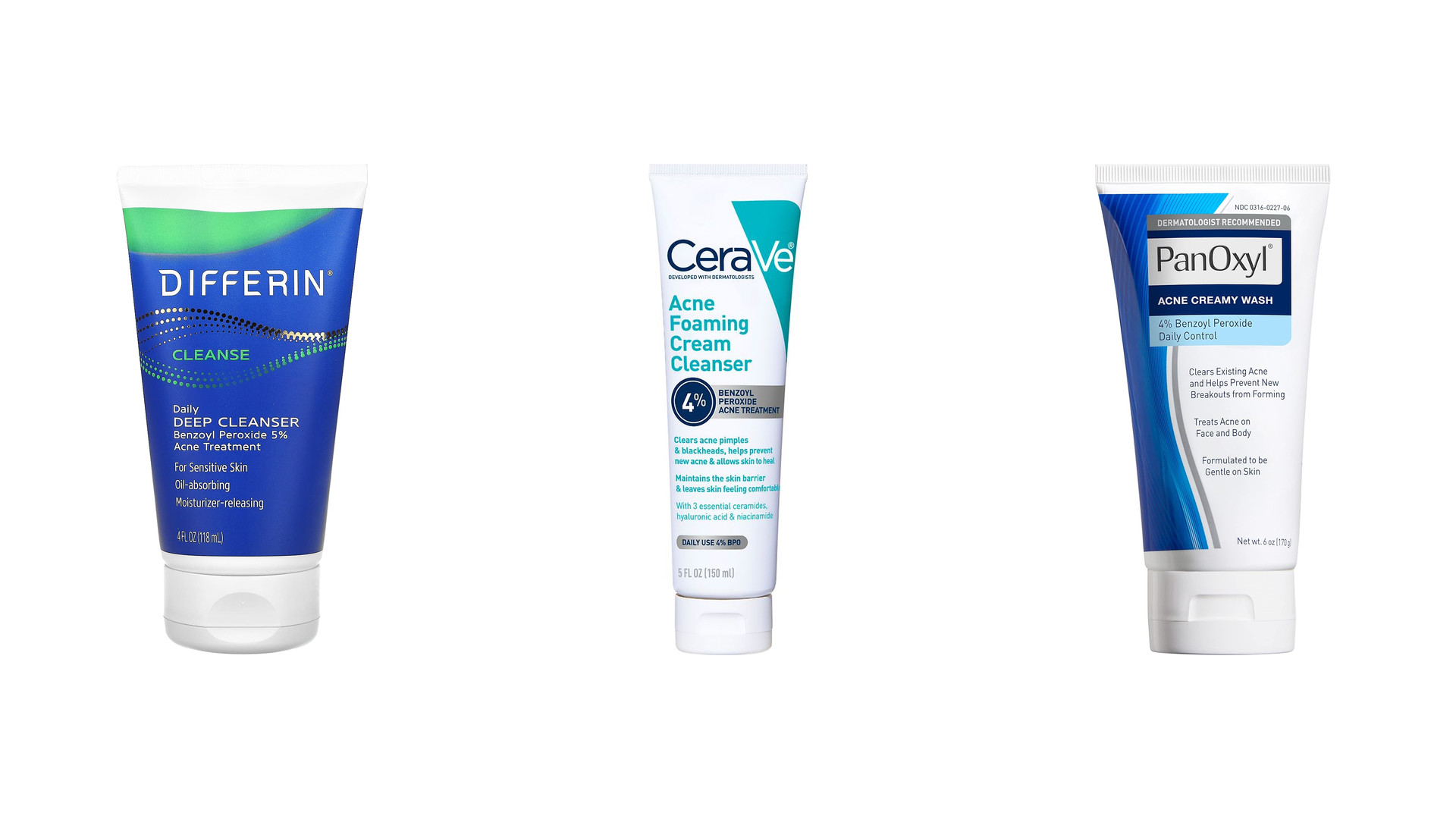
Benzoyl peroxide is better for red, inflamed pimples. It kills the bacteria multiplying inside the pore, and it is the strongest acne ingredient you can buy without a prescription. Glycolic acid is better for rough texture, dullness and the marks spots leave behind. It exfoliates the surface. If you are breaking out now, start with benzoyl peroxide. If the spots have gone and the marks have not, start with glycolic acid.
| The difference | Benzoyl Peroxide | Glycolic Acid |
|---|---|---|
| How long until it works | Four to six weeks | Two to four weeks for texture |
| Cost | Inexpensive | Inexpensive at home, more in clinic |

Side by side
Benzoyl Peroxide
Once a day, on the whole area
A wash, gel or cream. Treat the region that breaks out, not each spot, because you are preventing the next crop as much as treating this one.
Glycolic Acid
A few nights a week
A toner, serum or pad, usually at night. Some people use a stronger peel in a clinic every few weeks instead.
Benzoyl Peroxide
Fewer inflamed spots
Red, sore pimples calm down and fewer new ones appear. The change is in inflammation, not in texture.
Glycolic Acid
Smoother, brighter skin
Softer texture, less dullness, fewer blackheads, and a slow fade of post-acne marks.

Benzoyl peroxide works on the bacteria and the inflammation behind red, sore spots. It only loosens clogs a little. If bumpy texture and blocked pores are your main problem, adapalene or salicylic acid should be the lead ingredient.

It clears the spot but does not fade the brown or gray mark the spot leaves. Those need azelaic acid, a retinoid, and daily sunscreen. Marks last longer in deeper skin tones, so it is worth pairing the two from the start.

Scars are indents and raised areas in the skin itself, not clogged pores. Nothing applied on top will reshape them. Treating acne early is what prevents them.
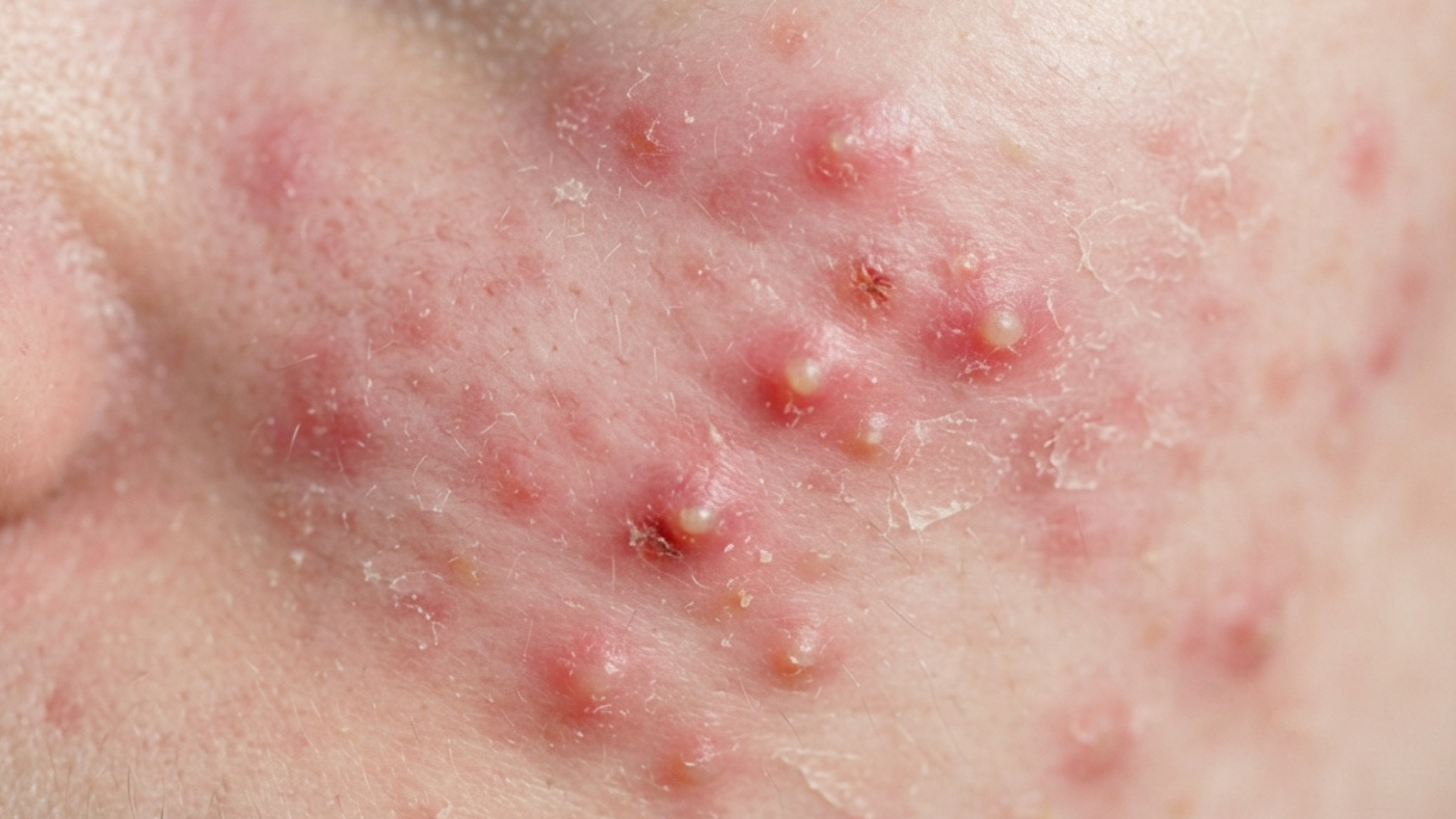
Benzoyl peroxide does not slow oil production or shrink pores. Skin can feel drier on it, but that is irritation, not less oil.
Kills the bacteria involved in inflamed spots, and is the one thing that stops acne bacteria becoming resistant to antibiotics. Lower strengths work about as well as higher ones and sting less. It bleaches towels and pillowcases.

It has some effect on Malassezia, which is why a few people improve partially on it and then stall. It is not the right tool here, and used as a wash it can leave the chest and back dry and irritated. If it half-works, that is a hint to switch to an antifungal wash rather than to use more of it.

Loosens the pigmented cells at the surface so they shed sooner, which lifts a little color out of a spot over months. It works better as the thing that helps a lightening cream get in than as a treatment on its own. Used too often it leaves skin irritated and more sun-sensitive, which on this page is exactly the wrong direction.
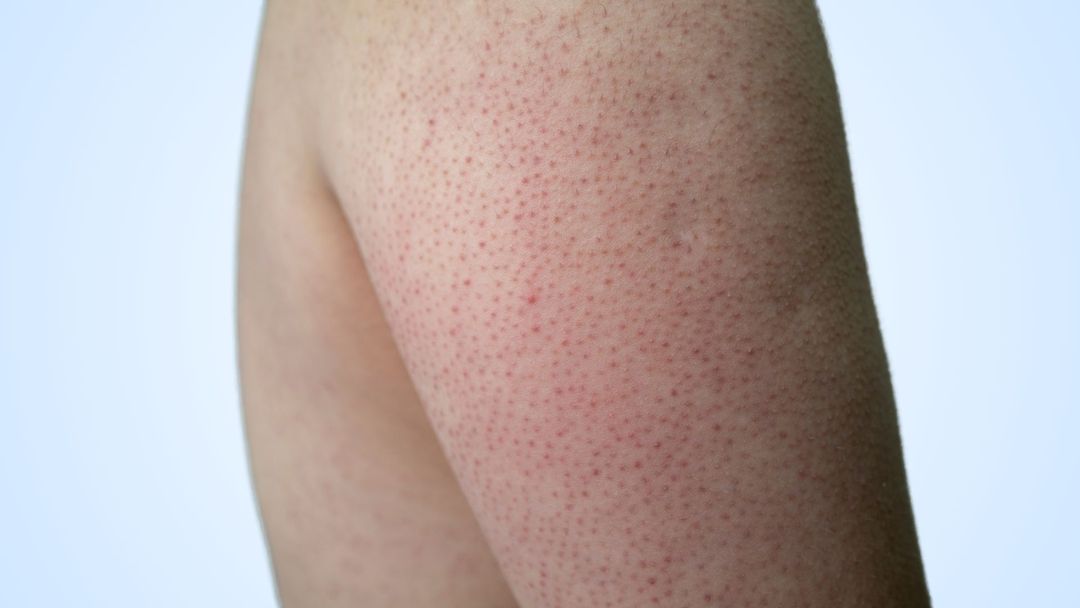
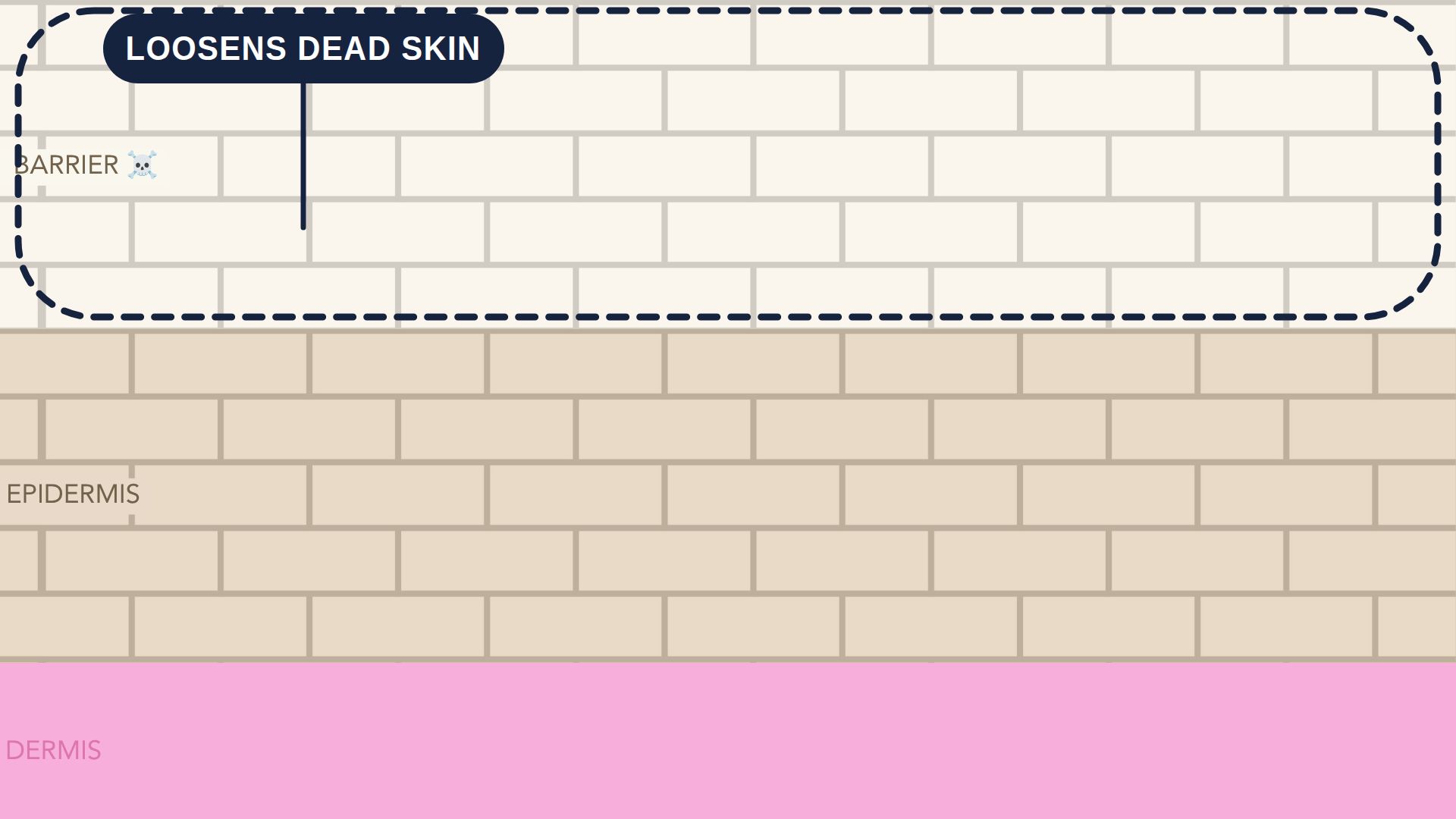
Loosens the dead cells stuck at the surface, which smooths the skin around the bumps. It is the most likely of the acids to sting and to leave the skin pink, so it suits the arms and thighs better than the cheeks. On deeper skin tones, build up slowly, because irritation is what leaves the dark marks.

Regular low-strength use smooths surface texture and softens fine lines, and it helps the dull, uneven look that goes with them. It reaches the outer layers only, so deeper creases and folds are untouched. Used on the same nights as a retinoid it usually causes more irritation than either is worth, so alternate them.
Loosens the pigmented cells at the surface so they shed sooner, which helps brown marks more than gray ones. A low-strength product two or three nights a week is plenty. Stacking it with a retinoid on the same night is the classic way people end up red and peeling, which adds inflammation and slows everything down.
Benzoyl Peroxide
It will not smooth texture or fade marks
Benzoyl peroxide does not exfoliate and does not treat pigment. It also does not reach deep cystic lumps.
Glycolic Acid
It will not clear inflamed acne
Glycolic acid is not antibacterial. On angry, inflamed skin it can sting and make redness worse.

It works on three things at once, but killing the acne bacterium is the effect it is best at — that is the line drawn in bold.

Strong evidence. Better on blackheads and whiteheads, where benzoyl peroxide does little. Slower to work and more peeling in the first month. The two are often used together rather than instead of each other.

Moderate evidence. Gentler, and better at clearing the pore itself. It does not kill the bacteria, so it does less for red, sore spots.
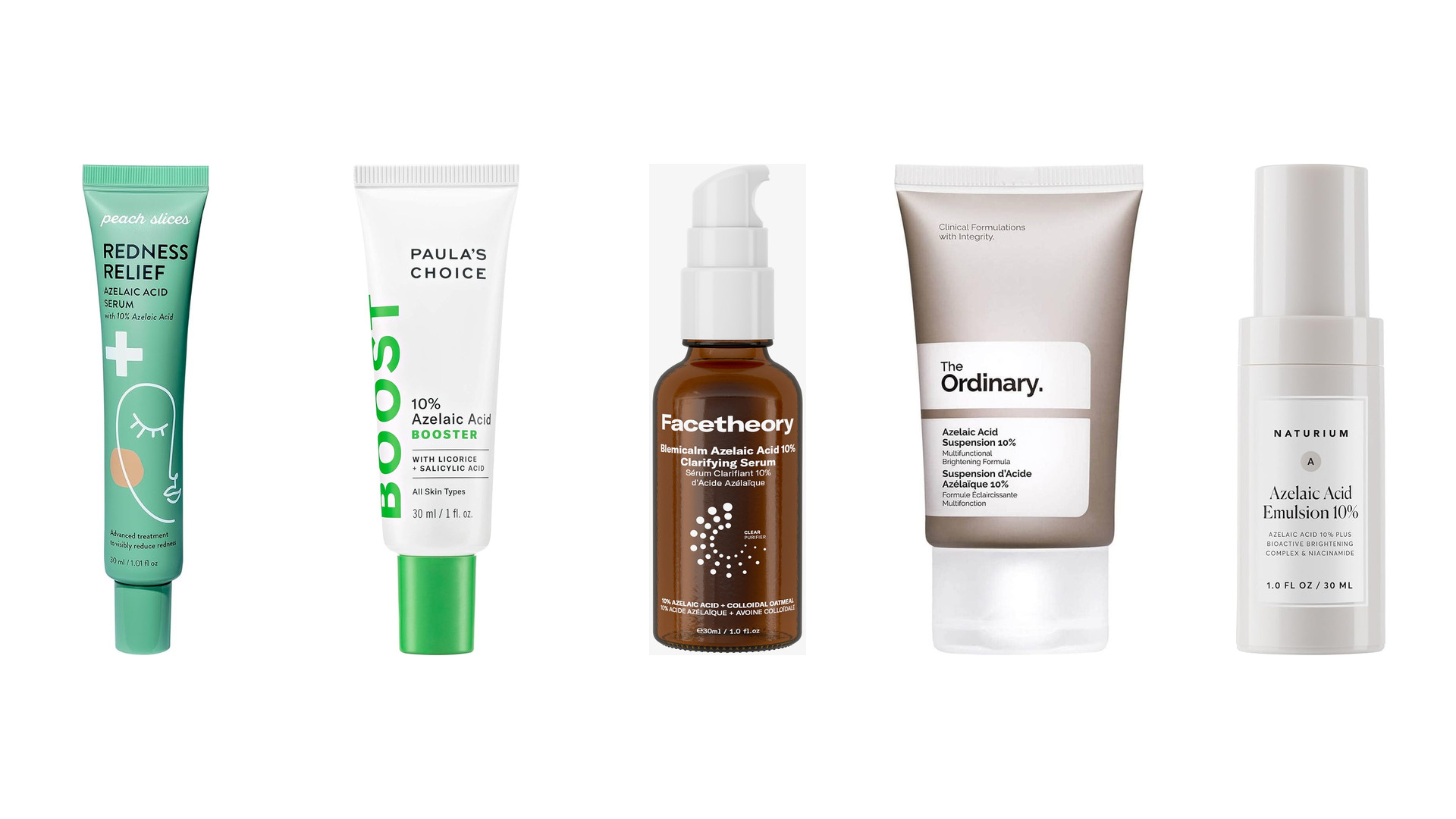
Moderate evidence. Much better tolerated, and it also fades the dark marks left behind. Slower on active spots.
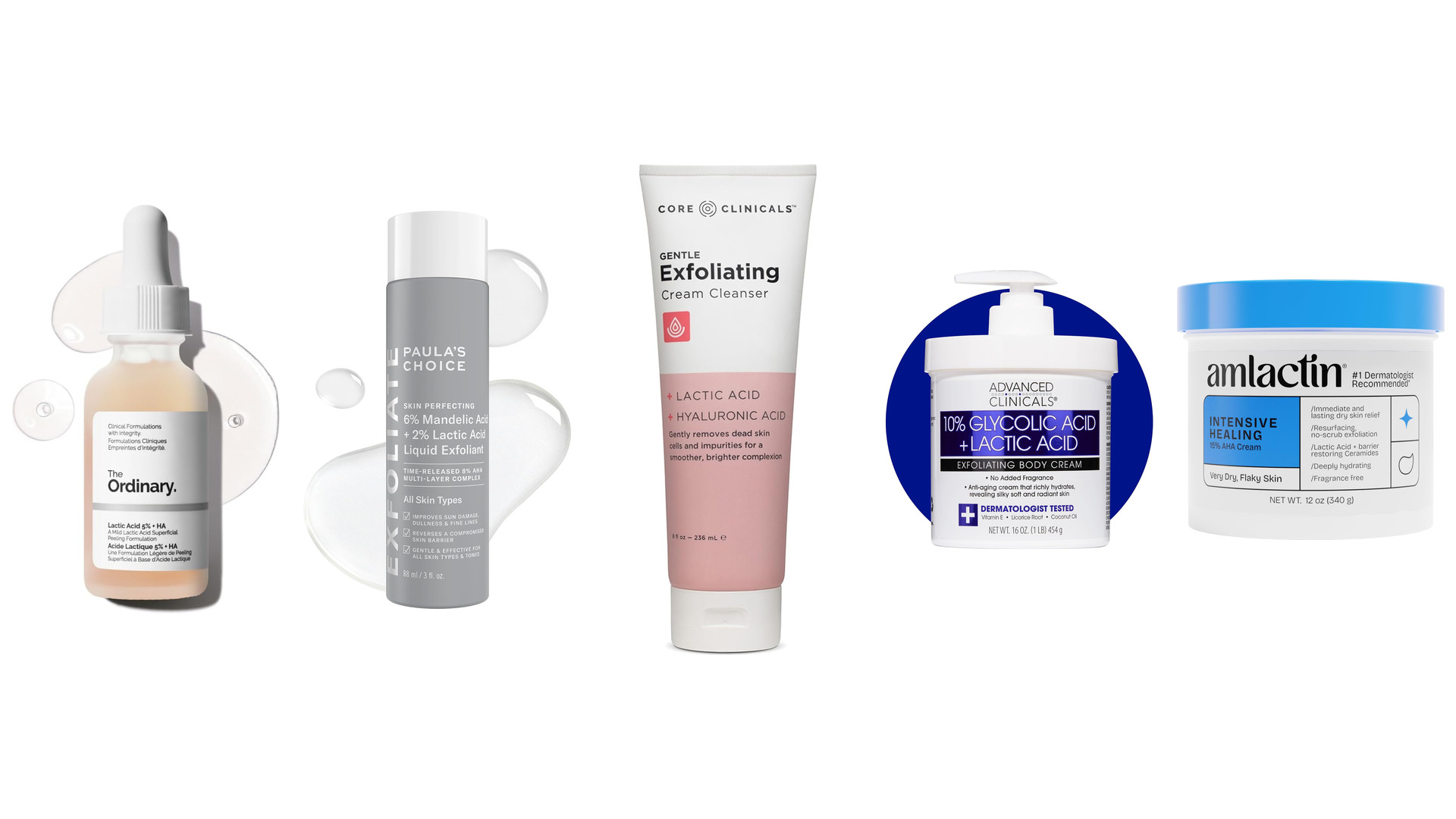
Strong evidence. A larger molecule, so it works more slowly and stings less, and it holds water in the skin while it exfoliates. Glycolic acid acts faster on rough texture.
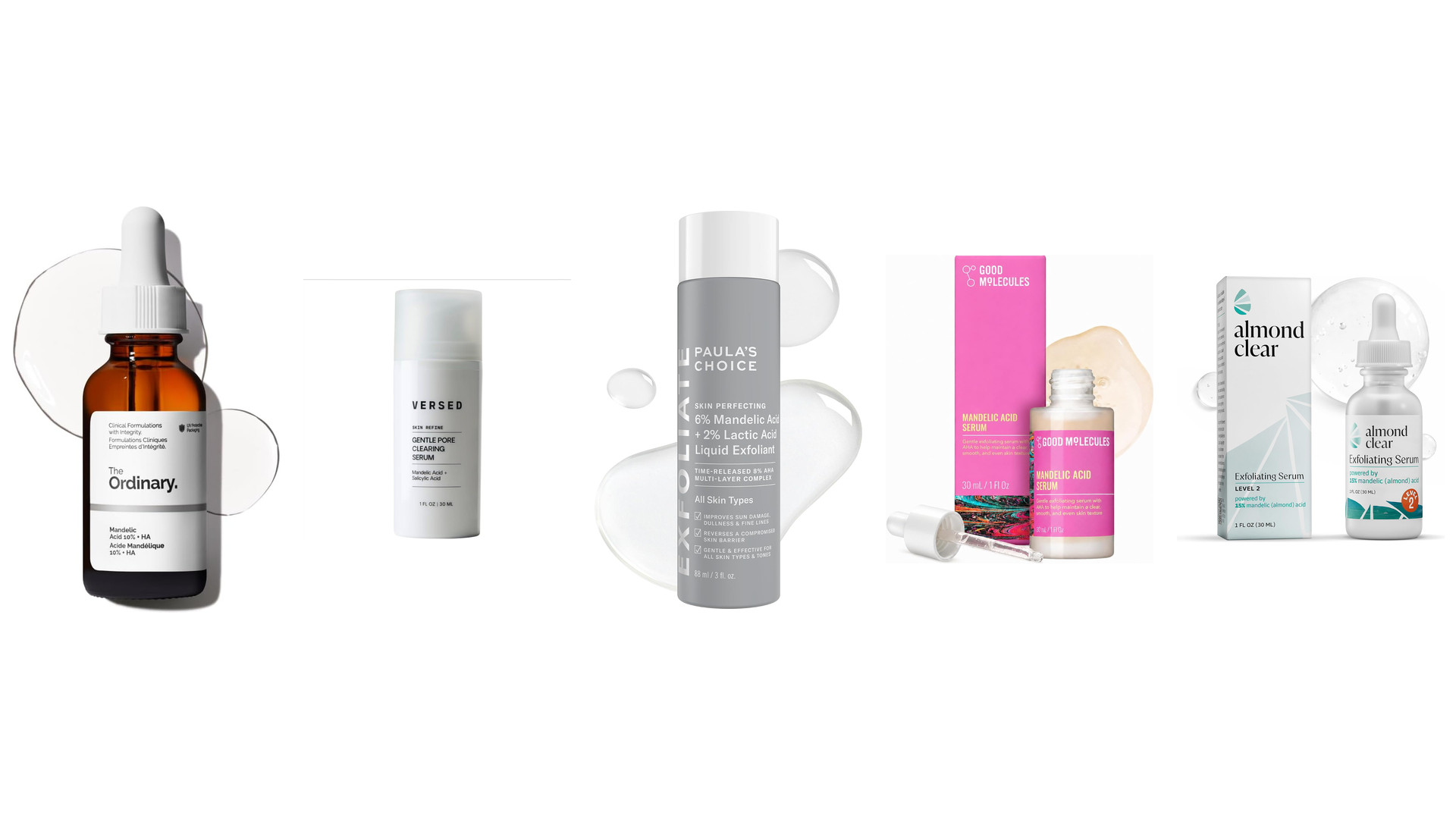
Limited evidence. The gentlest of the common AHAs and less likely to irritate skin into making dark marks. It is slower, and much less studied.
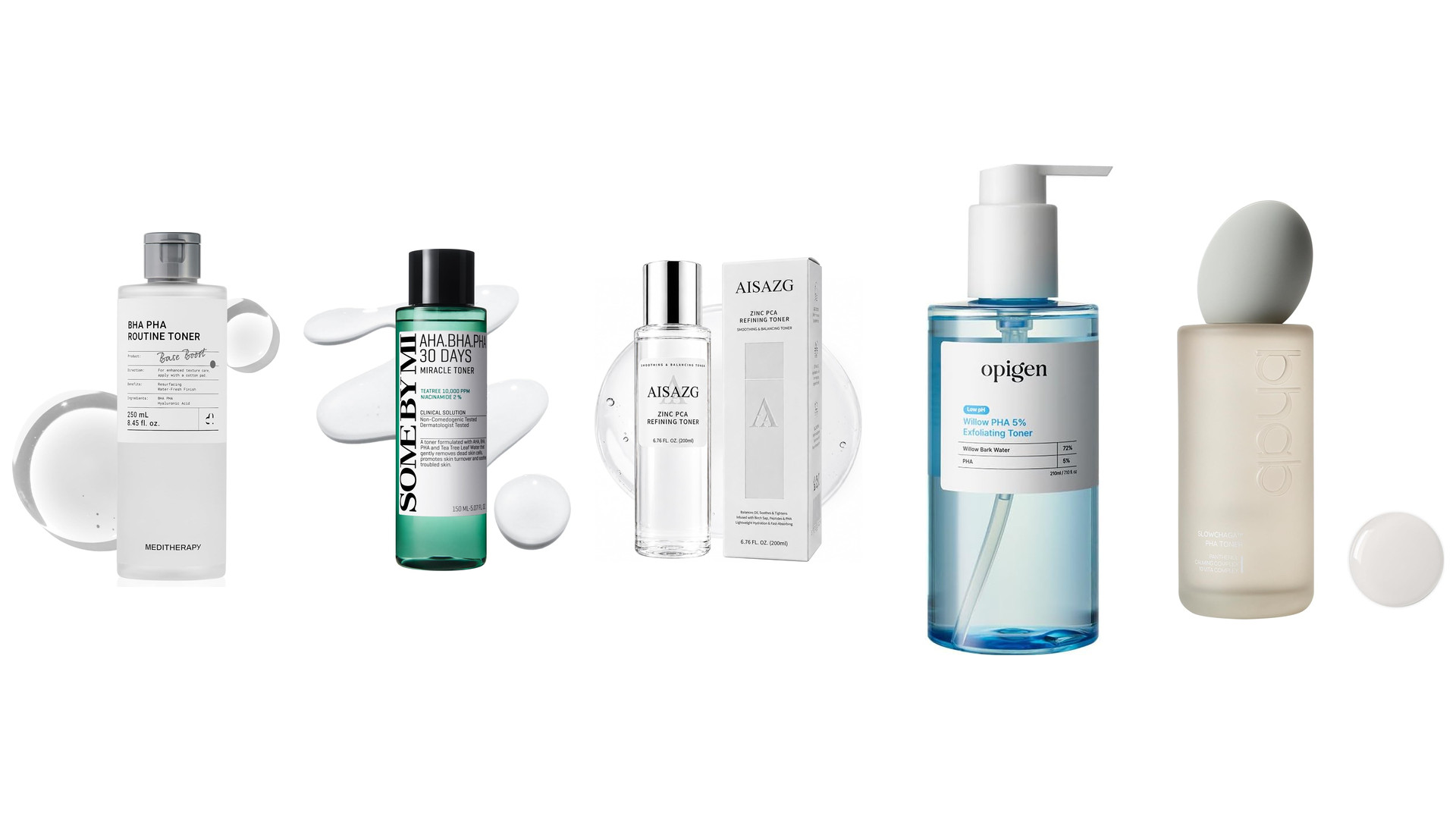
Limited evidence. Considerably gentler, hydrating, and they have not been shown to increase sun sensitivity. They also do less, more slowly.
Strong evidence. Oil-soluble, so it works inside the pore, which makes it a better fit for blackheads and acne. Glycolic acid does more for surface tone and texture.
Benzoyl Peroxide
Four to six weeks
Some improvement inside two weeks. Judging it earlier than a month is the usual mistake.
Glycolic Acid
Two to four weeks for texture
Brightness comes early. Marks take months.
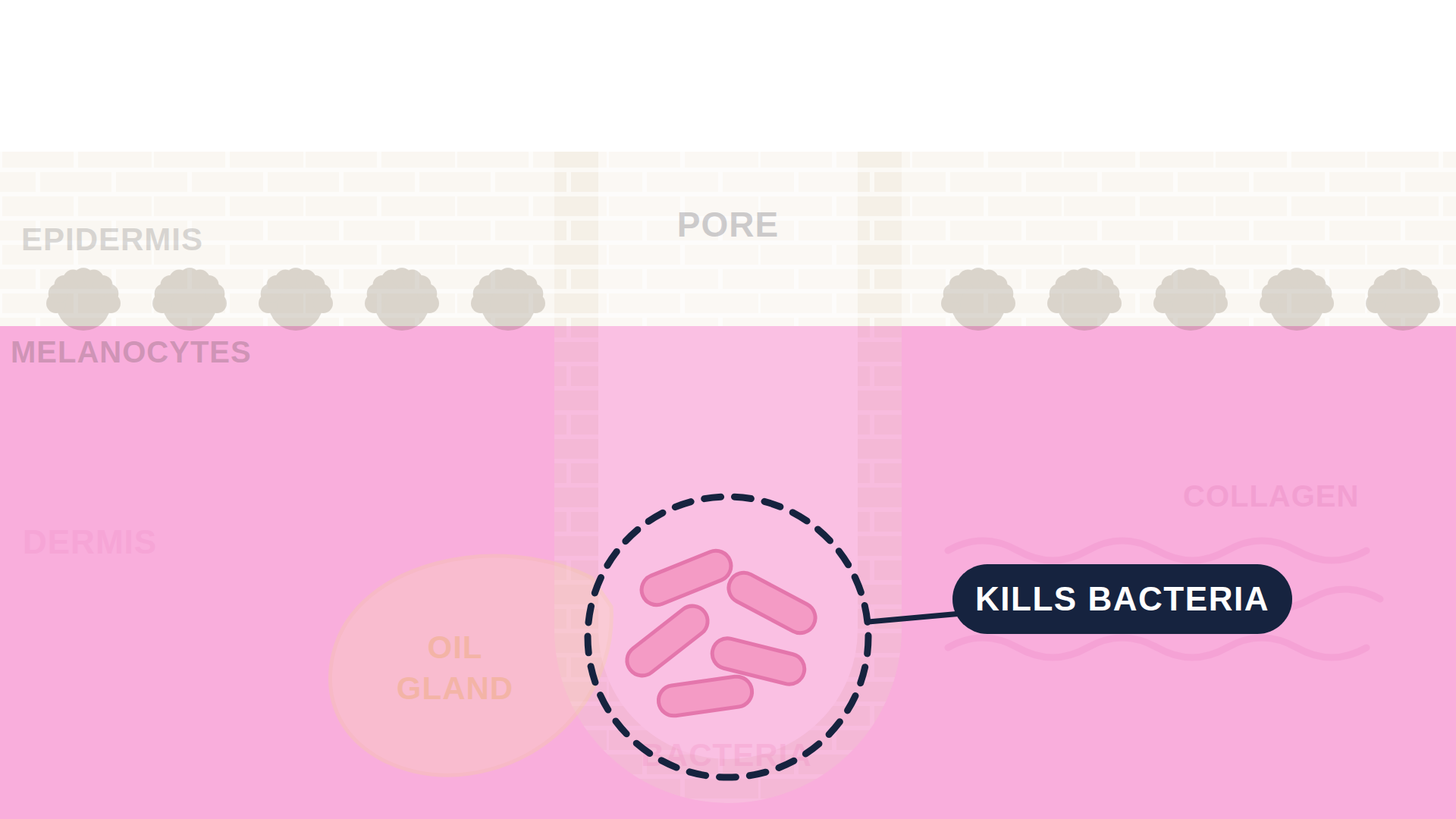
It works on three things at once: fewer dead cells blocking the pore, fewer bacteria inside it, and less inflammation in the skin around it.
Benzoyl Peroxide
As long as you keep using it
Glycolic Acid
As long as you keep using it
Benzoyl Peroxide
Dryness, and it bleaches fabric
Peeling and irritation in the first weeks are common. It also bleaches towels, pillowcases and coloured clothing, permanently.
Glycolic Acid
Stinging and sun sensitivity
It can sting on application and it makes skin more sensitive to sun. Daily sunscreen is not optional with an AHA.
Benzoyl Peroxide
Inexpensive
One of the cheapest effective acne treatments on the shelf.
Glycolic Acid
Inexpensive at home, more in clinic
Drugstore serums and toners are cheap. A course of in-clinic peels costs considerably more.
Benzoyl Peroxide
Drugstore is the real thing
The over-the-counter product is the same ingredient a dermatologist prescribes. Prescription versions mainly combine it with a retinoid or an antibiotic in one tube, for convenience rather than raw power.
Glycolic Acid
Also the same thing, weaker
Drugstore glycolic acid works at the surface. A clinic peel is the same acid, stronger and formulated to go deeper, so it works faster — with a few days of flaking as the trade.

On the skin under a minute, so mild. The usual first try for the whole face.

Stays on all day or all night. The strongest option and the most drying.

Higher strength dabbed on. Not for spreading over the whole face.
A big bottle for areas a face product cannot cover. Leave it on a minute before rinsing.
Same idea as the wash, easier to travel with, and drying on the face.

Swept on with a cotton pad after cleansing. Usually 5% to 10%, and easy to control.
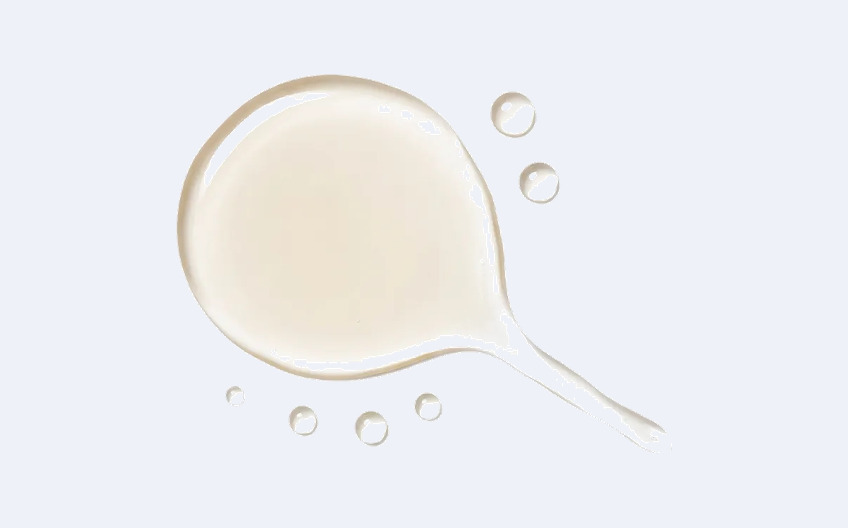
Thicker, stays put, and the format for the higher percentages. The most likely to sting.

Pre-soaked and quick to sweep over areas a dropper cannot reach.
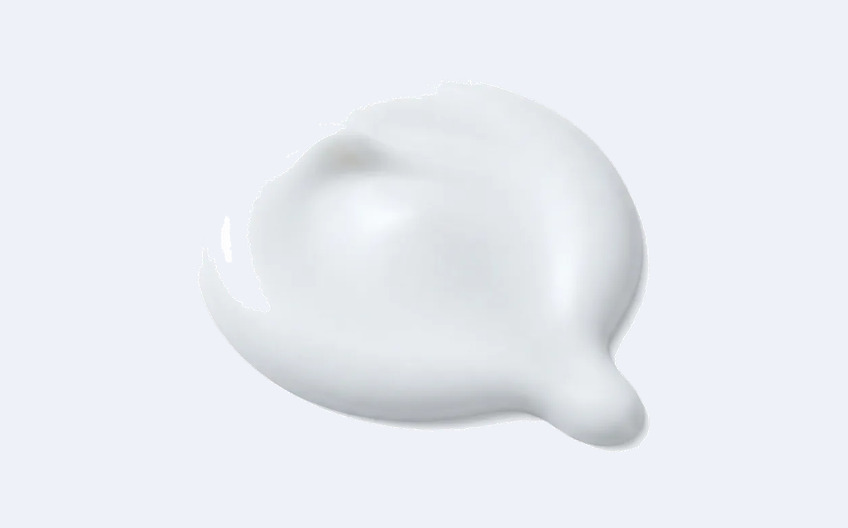
Higher strengths in a moisturizing base. Skin below the neck takes far more than the face.
Left on for minutes, then rinsed. The lowest-commitment way to try a strong percentage.
Benzoyl Peroxide
Benzoyl peroxide attacks the bacteria inside a blocked pore. It releases oxygen into the pore, and the bacteria involved in acne cannot survive it. That is why inflamed spots settle.
Bacteria do not become resistant to benzoyl peroxide. That matters, because they do become resistant to antibiotics. It is a large part of why benzoyl peroxide is still used alongside prescription acne treatment decades on.
Glycolic Acid
Glycolic acid loosens the dead cells sitting on top of the skin. That smooths the surface and helps keep pore openings clear, but it does nothing to the bacteria below.
Glycolic Acid
Common questions
Benzoyl peroxide, for inflamed spots. It kills the bacteria in the pore. Glycolic acid exfoliates the surface and helps texture and post-acne marks instead.
Yes, but not layered at the same time. Benzoyl peroxide in the morning and glycolic acid two or three nights a week is easier on the skin.
Yes, and permanently. Use white towels and pillowcases, and be careful with coloured clothing.
Four to six weeks for a fair judgement, though some improvement usually shows within two. Stopping at two weeks is the most common mistake.
Slowly. It speeds up how fast marked surface cells are shed, so expect months rather than weeks — and wear sunscreen, since it increases sun sensitivity.
Dryness, flaking and redness in the first weeks are common with both and often read as worsening acne. Use less, less often, and moisturize.