Ceramides
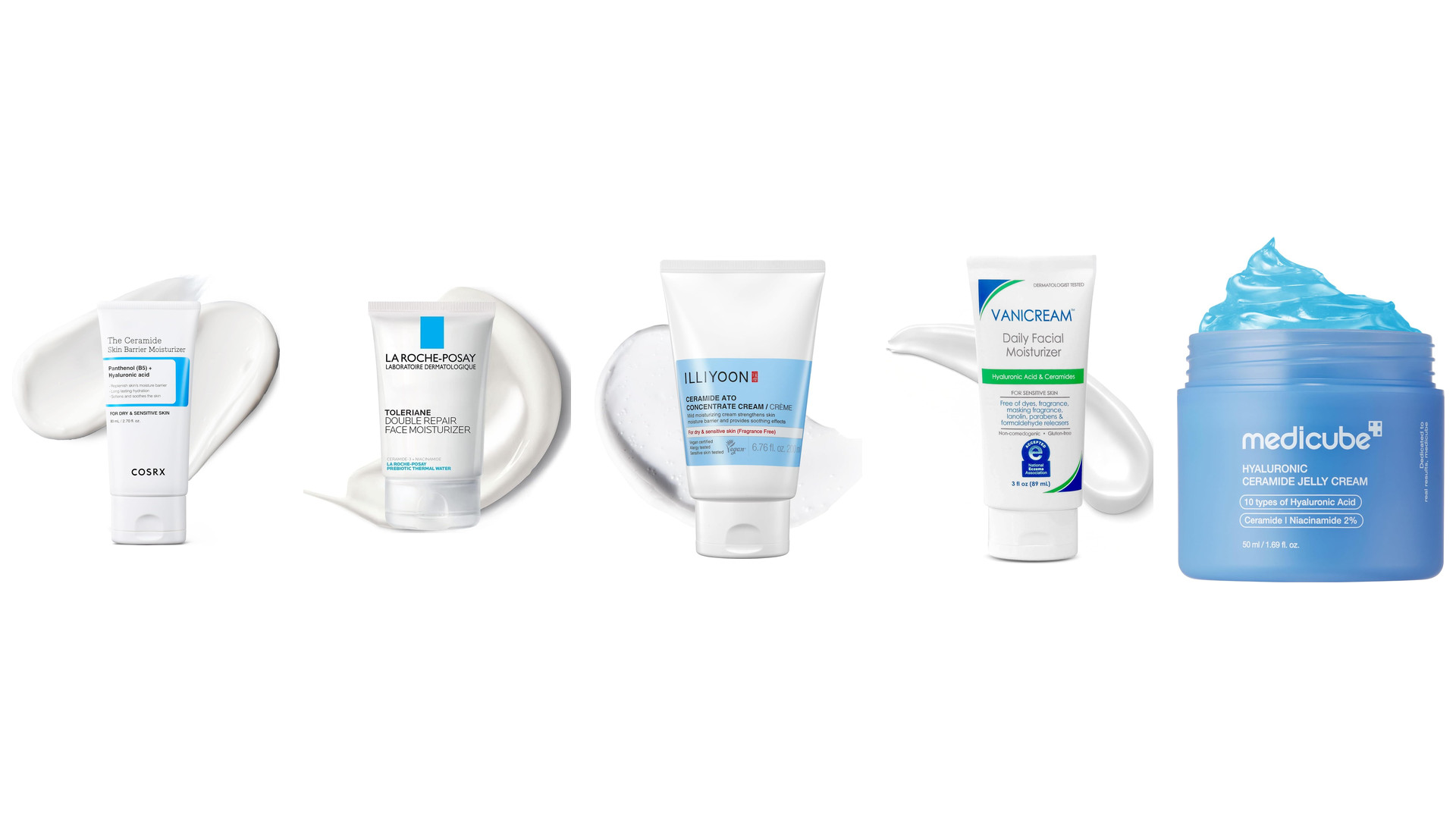
Ceramides are the fats your skin barrier is built from. Putting them on replaces what dry or damaged skin has run short of. Niacinamide asks your skin to make more of its own. They come at the same problem from opposite ends, which is why so many barrier creams hold both.
| The difference | Ceramides | Niacinamide |
|---|---|---|
| What it does | Replaces missing barrier fats | Prompts skin to build its own |
| What it is best at | Dryness, flaking and eczema-prone skin | Redness, oiliness and reactivity |
| What it feels like | Rich and cushioning | You barely notice it |
| Cost | Inexpensive | Inexpensive |
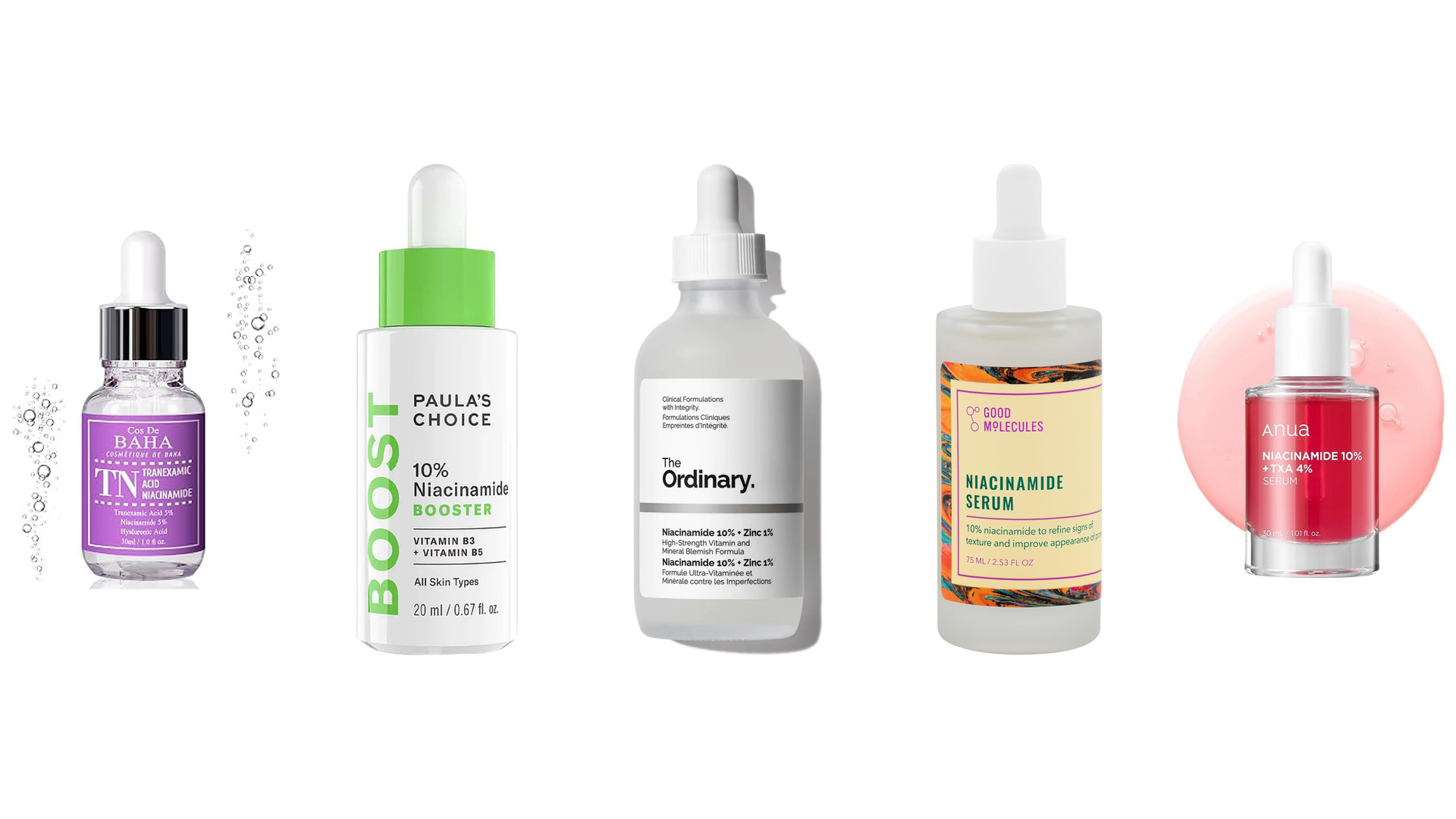
Side by side
Ceramides
Replaces missing barrier fats
It tops up the glue between skin cells, so less water escapes and fewer irritants get in.
Niacinamide
Prompts skin to build its own
It raises the amount of ceramides and other fats your skin makes, and it calms inflammation while it does it.
Ceramides
Dryness, flaking and eczema-prone skin
Skin that feels tight, cracks in winter, or stings when anything goes on it.
Niacinamide
Redness, oiliness and reactivity
Flushing, visible shine by the afternoon, and skin left sore by acids or a retinoid.

Ceramides are part of the fatty glue that dry skin has lost, so a cream containing them replaces the actual missing material rather than just covering it. They are the ingredient with the most evidence behind them for rebuilding the barrier over weeks, and they are the reason certain inexpensive drugstore creams are recommended so often. They are slow rather than dramatic, and they belong in your everyday cream.

The fats that hold the outer wall of the skin together, and the ones eczema skin is short of. A ceramide cream used daily reduces how often flares happen and how much prescription cream you end up needing over a year. It will not clear an active flare on its own — it is the maintenance step, used on calm skin as much as on sore skin.
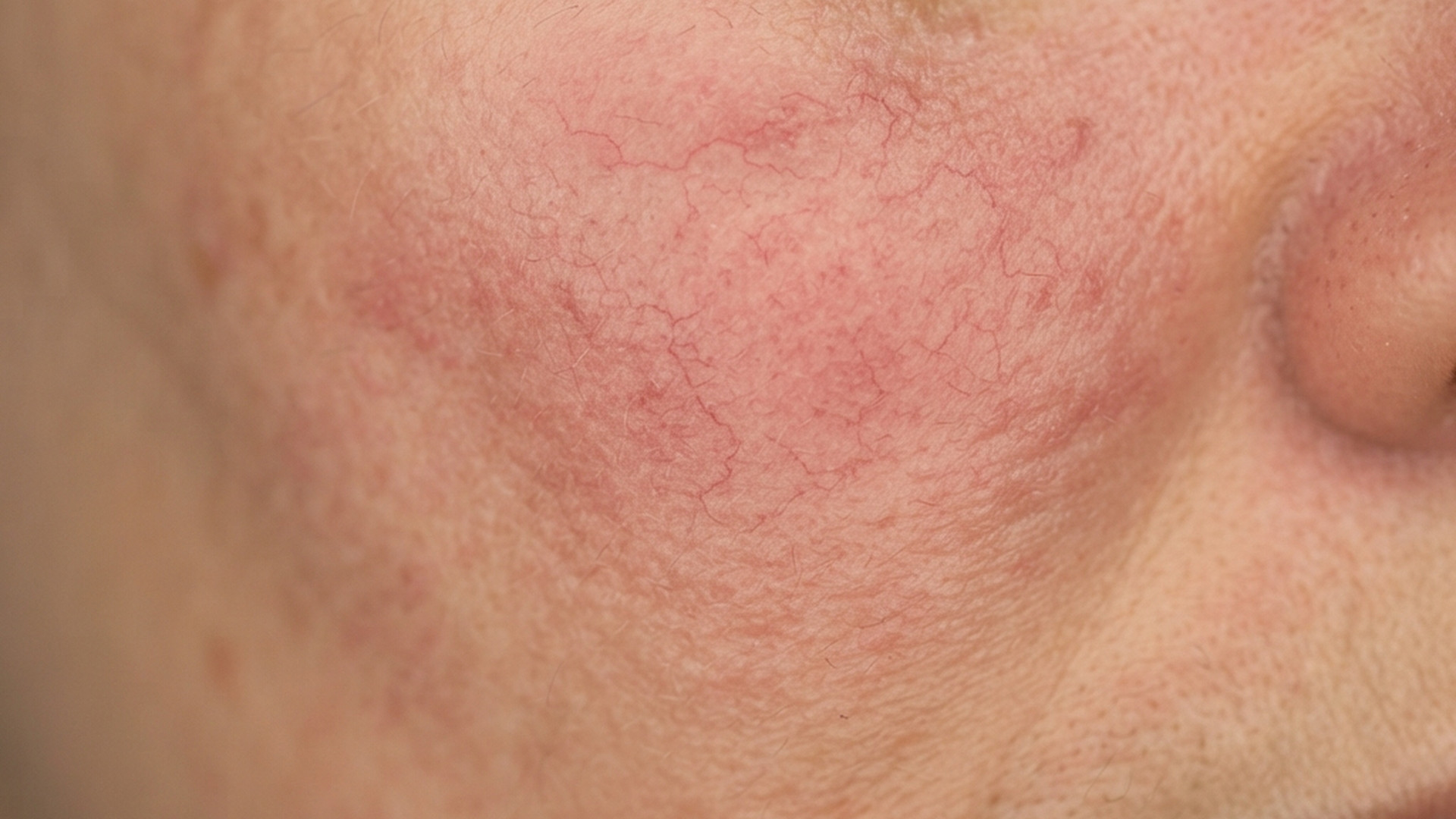
A mild anti-inflammatory that also helps the barrier hold water, which is the part of rosacea it is most useful for. Some people find it takes the edge off redness and stinging. It will not clear bumps and it does nothing for visible vessels, so treat it as support rather than treatment.
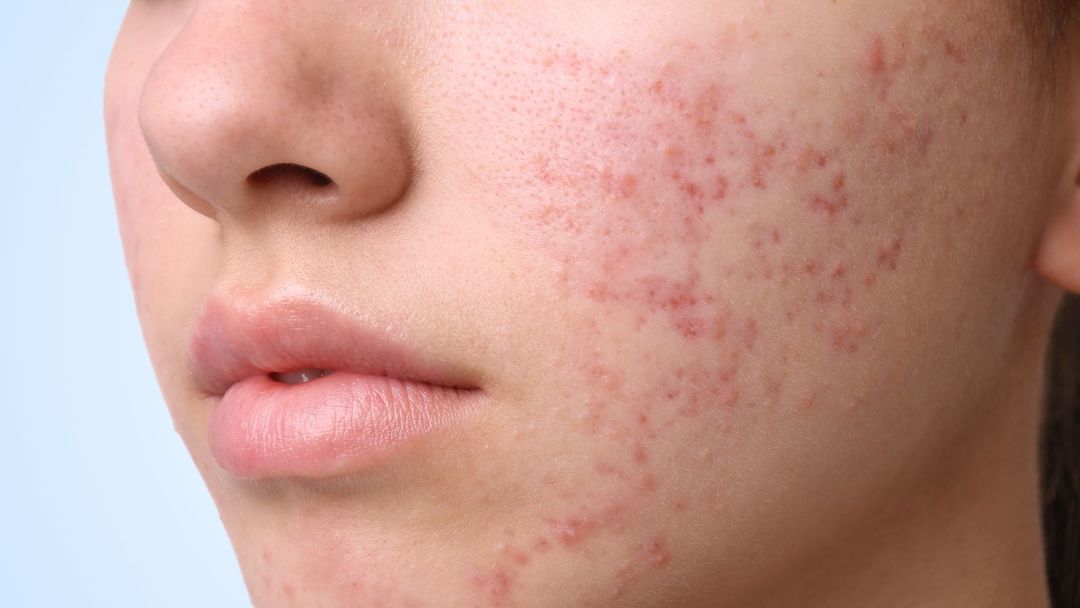
Supports the skin barrier and takes the edge off general redness, which helps skin that is settling after acne. Its effect on an individual red mark is small. It is worth including because it almost never irritates, and irritation is the main way people prolong these marks.

Interrupts the transfer of pigment into the skin cells, and it is one of the few brightening actives gentle enough to use on eyelid skin twice a day without irritation. It is a sensible partner to vitamin C or azelaic acid rather than a standalone. It does nothing for blue circles or for a hollow.

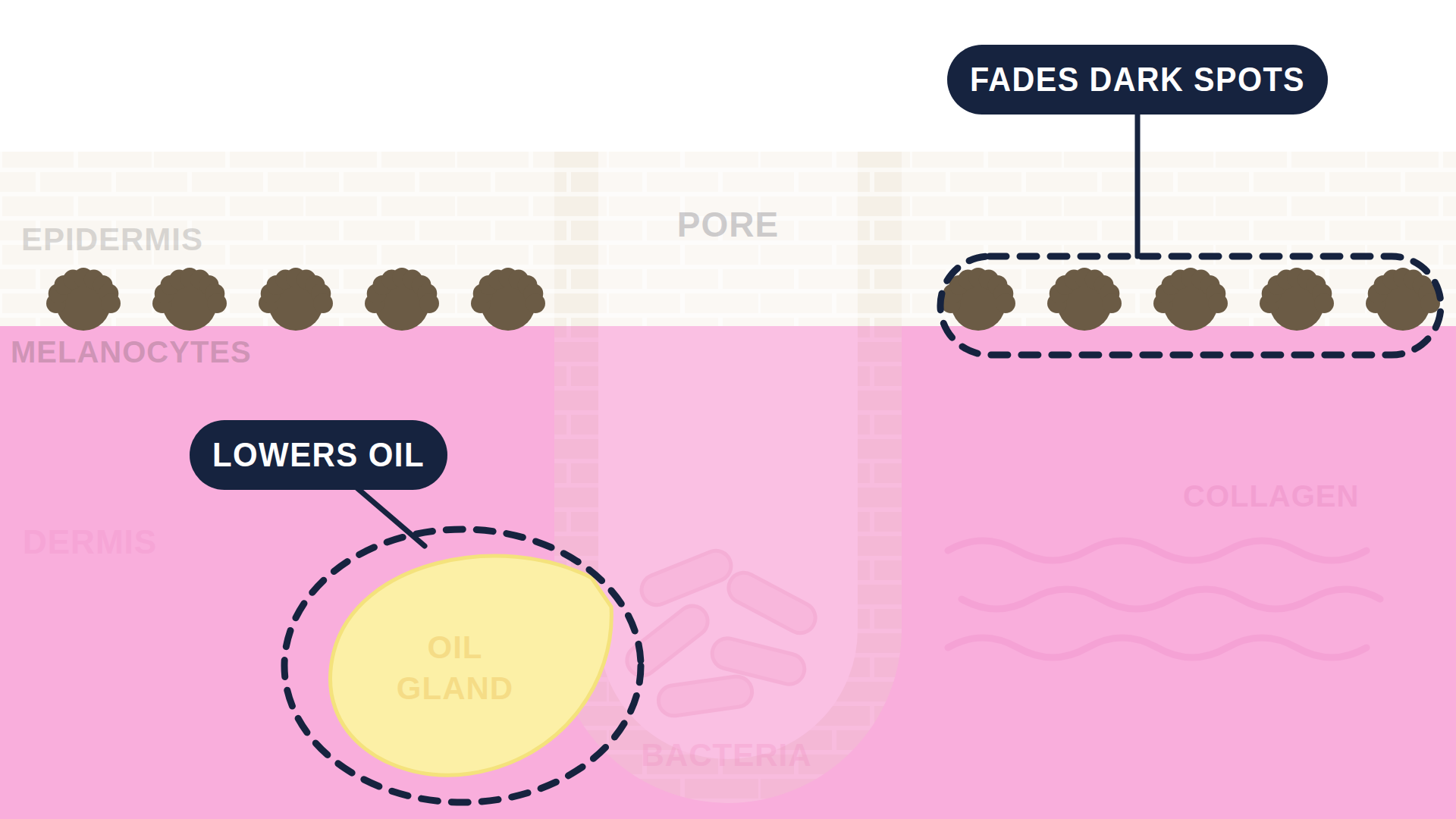
Works one step later in the chain than most brightening ingredients: it reduces how much pigment gets passed from the pigment cells into the surrounding skin cells. It is mild, it rarely irritates, and it layers with almost anything. On its own it is a supporting player rather than the backbone of a plan.
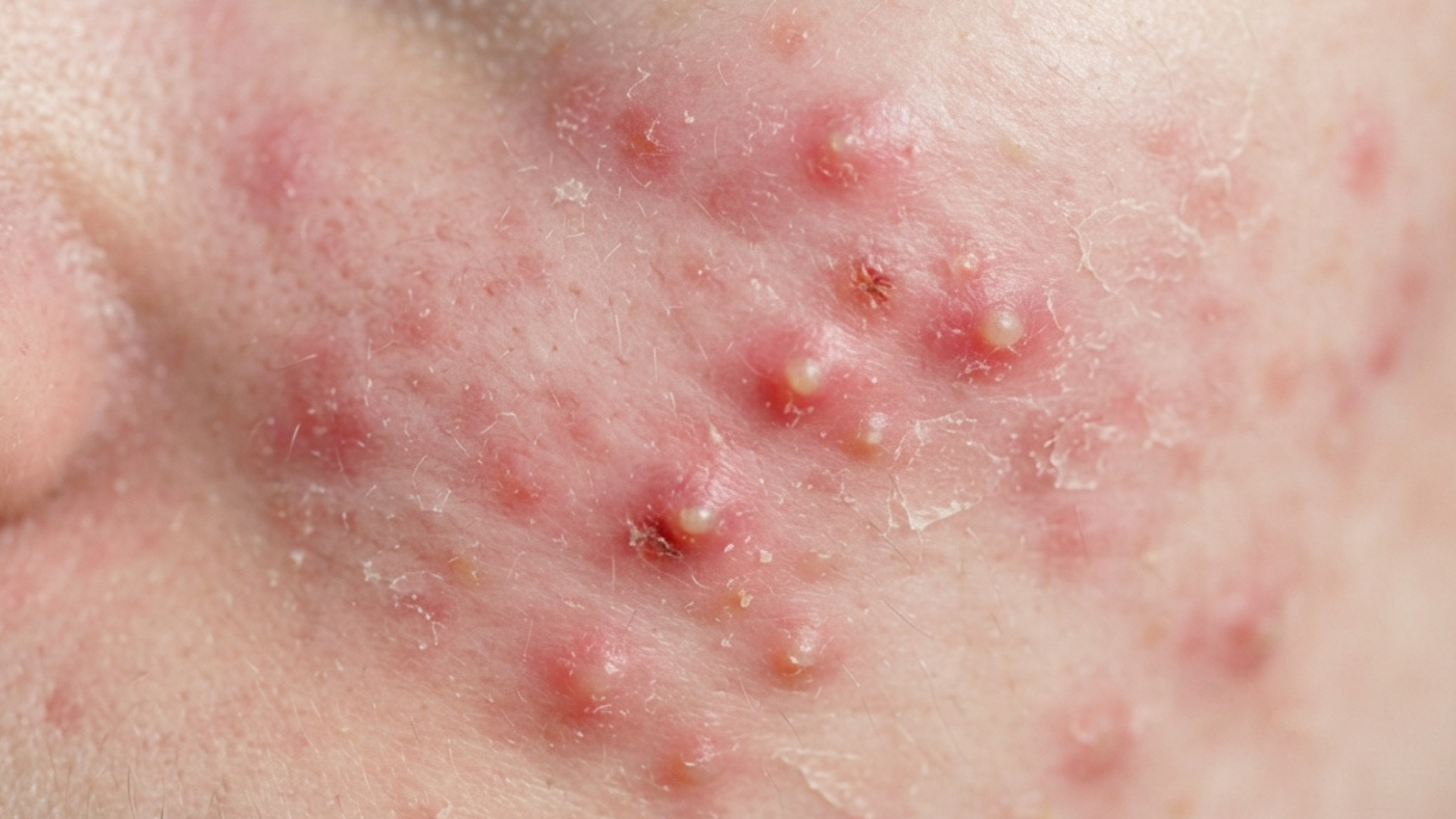
Sold heavily for acne, and the evidence for clearing spots is thin. It is genuinely useful for the marks left behind and for tolerating stronger actives - just not as the treatment itself.

Slows the handover of pigment from pigment cells to the skin cells around them. Modest on its own and not something that will clear a patch, but it is well tolerated and it does not sting, which counts for a lot in a condition where irritation makes things worse. It sits comfortably alongside the stronger treatments.

Slows the handover of pigment from pigment cells to the skin cells above them, so a spot fades a little rather than disappears. Its strength is that it is well tolerated and does not sting, so it sits comfortably alongside a retinol without making the skin sore. Modest on its own.

Well tolerated, cheap, and it helps the barrier and the uneven tone that sits alongside lines. Its direct effect on wrinkles is small. It is most useful here as the thing that lets you keep using a retinoid, rather than as a treatment in its own right.
Ceramides
It will not calm redness or oil
Ceramides moisturize. They do not reduce inflammation or change how much oil you make.
Niacinamide
It will not moisturize on its own
Niacinamide is a serum ingredient, not a cream. It still needs something over the top to hold water in.
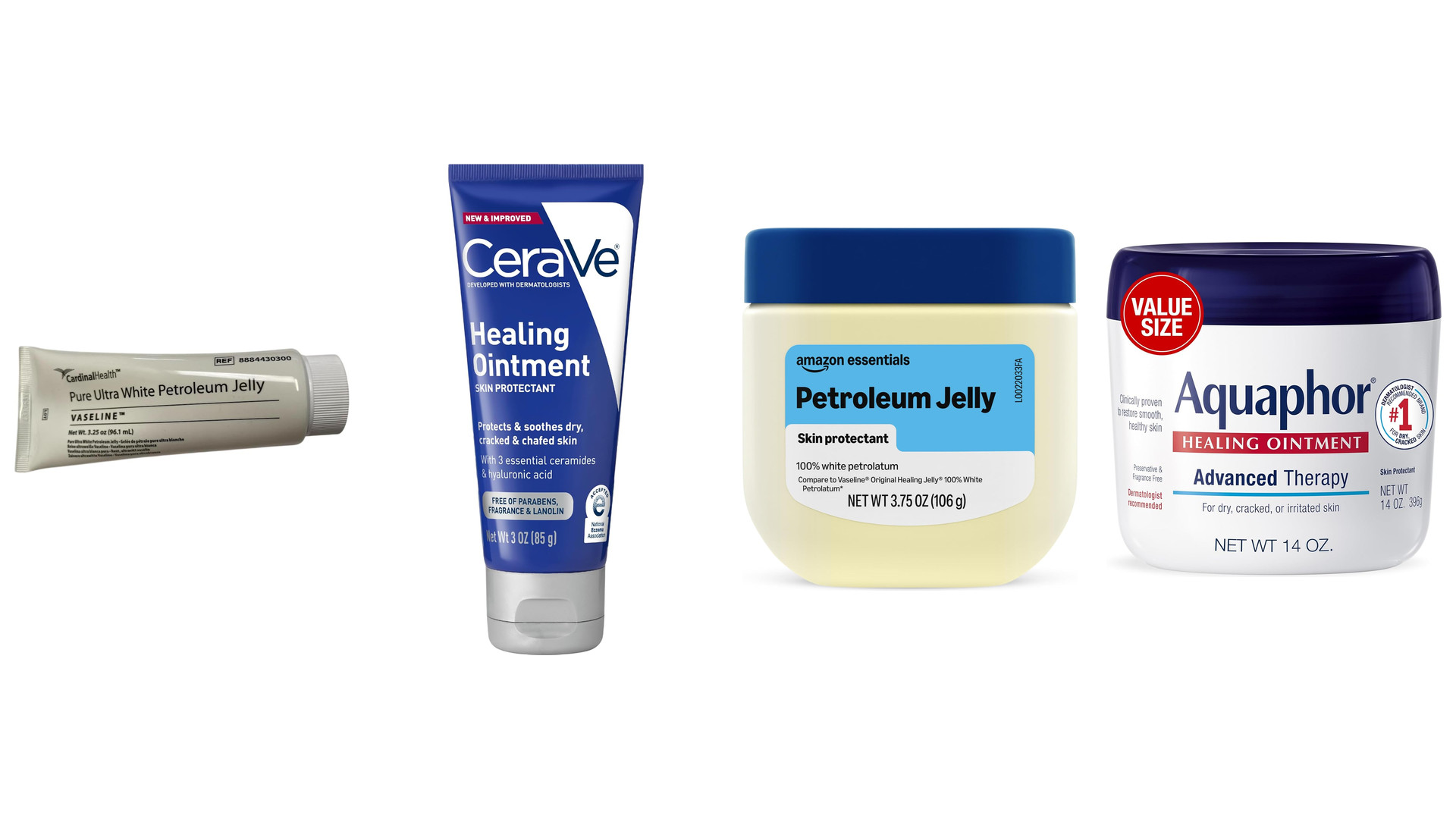
Strong evidence. Petrolatum is better at stopping water loss and costs a fraction as much, but it is greasy and cosmetically unpopular. Ceramide creams are easier to wear during the day.

Strong evidence. Glycerin pulls water in, ceramides help keep it there. They are complementary, and nearly every ceramide cream already contains glycerin.
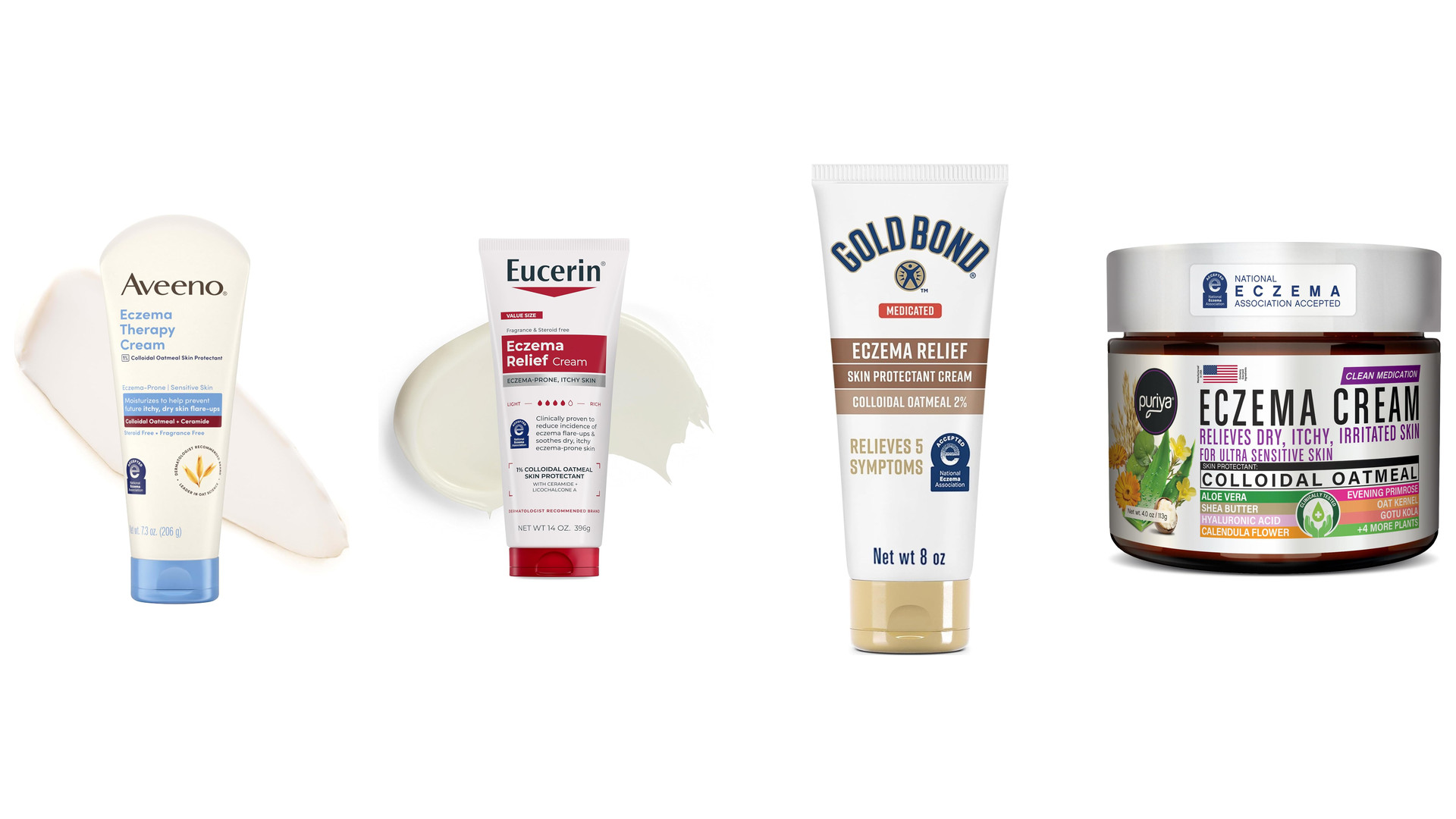
Moderate evidence. Soothing and reasonably well studied in eczema, particularly for itch. It does less for the lipid layer itself.
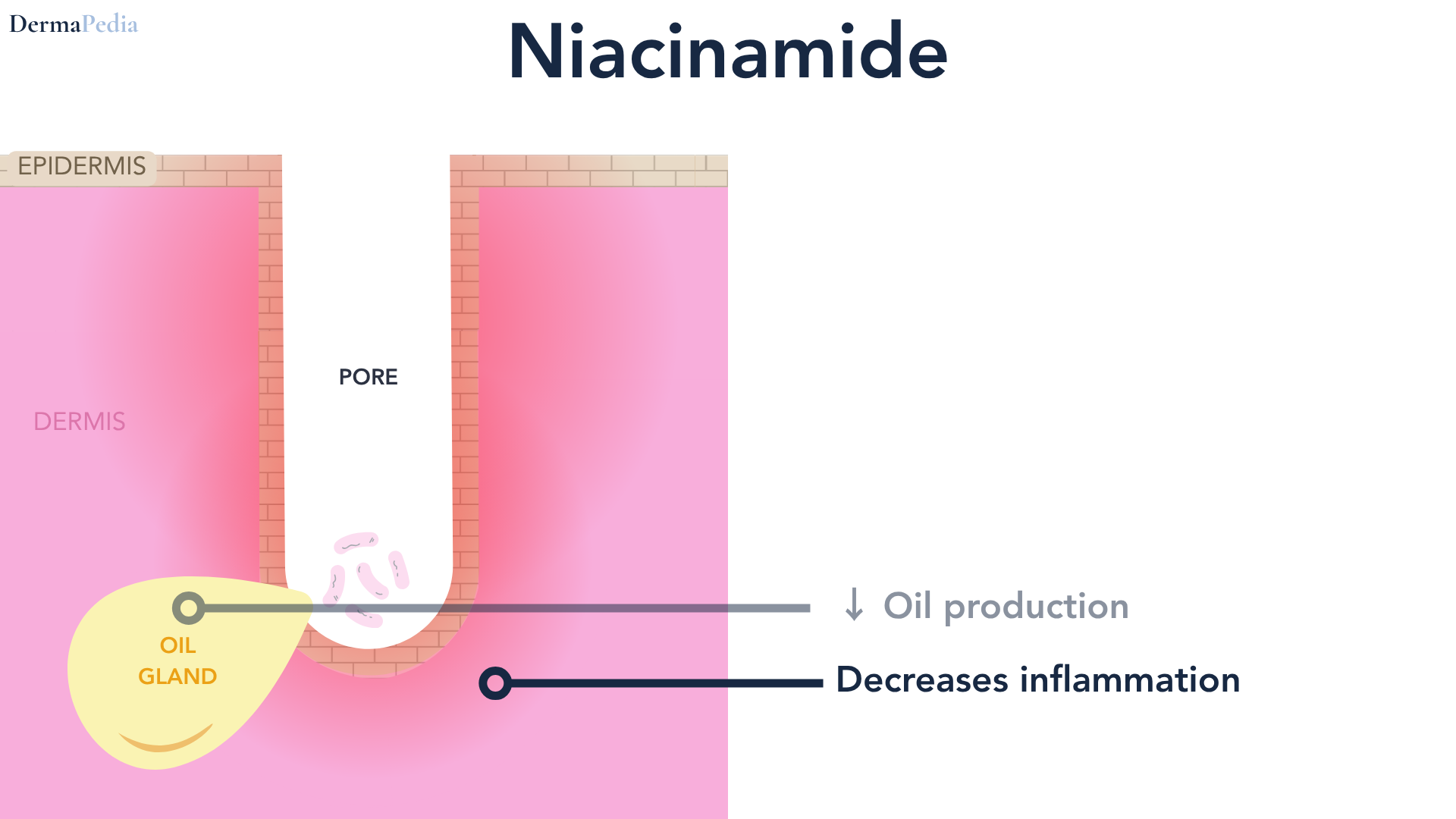
It calms the skin rather than unblocking it — which is why it sits alongside an acne treatment instead of replacing one.
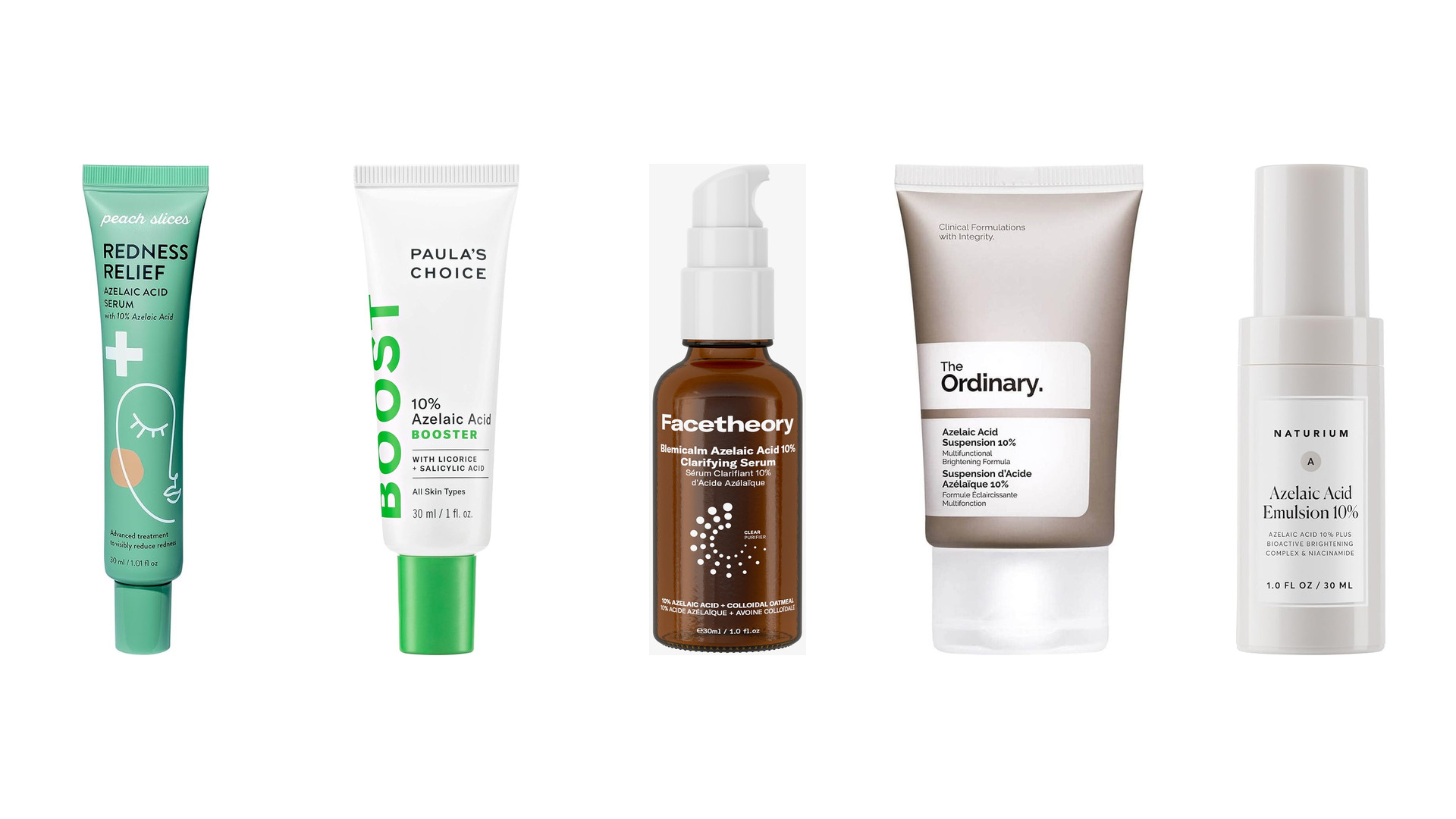
Moderate evidence. Does more for both acne and dark marks. Niacinamide is gentler and easier to layer with everything else.
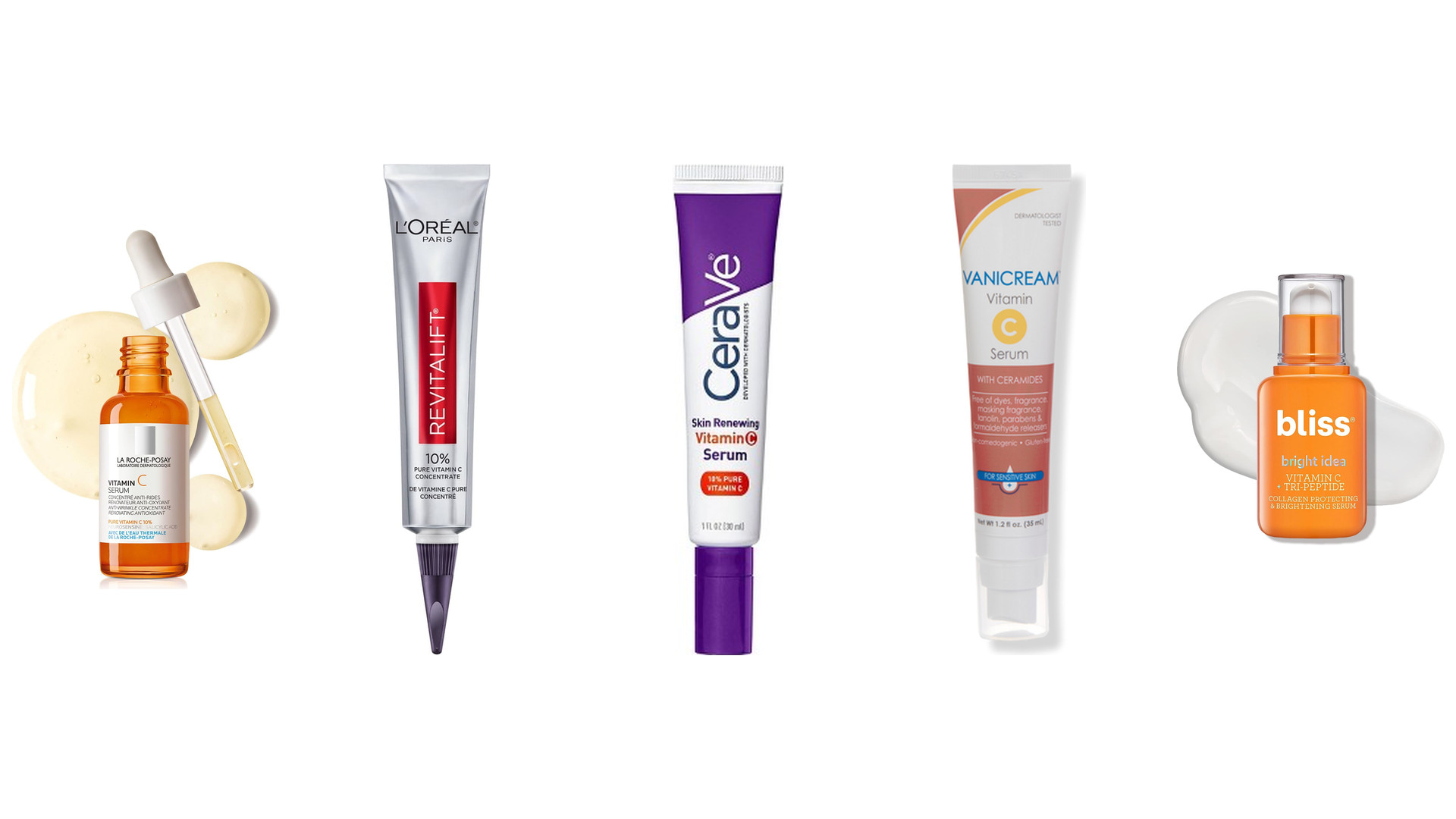
Moderate evidence. Stronger on dullness and pigment, but far less stable and more likely to sting.
Ceramides
Straight away, then better for weeks
Skin feels more comfortable the first evening. The barrier itself takes two to four weeks to rebuild.
Niacinamide
Four to eight weeks
Redness and shine settle first. The barrier effect is felt before it is seen.
Ceramides
Rich and cushioning
Most ceramide products are creams. Oily skin sometimes finds them heavy.
Niacinamide
You barely notice it
A light serum that layers under anything.
Ceramides
Heavy for oily skin
The texture, more than the ingredient. Lighter ceramide lotions exist and work the same way.
Niacinamide
Occasional flushing
A small number of people get a warm, pink flush or mild stinging in the first week.
Ceramides
Inexpensive
Drugstore barrier creams are among the best-value products in skincare.
Niacinamide
Inexpensive
It is already in a large share of drugstore serums and moisturizers.
Ceramides
Drugstore is the real thing
Pharmacy ceramide creams contain the same lipids as expensive ones. There is no prescription version worth chasing.
Niacinamide
Drugstore is the only version
There is no prescription niacinamide and no stronger clinic equivalent. What is on the shelf is the whole ingredient.
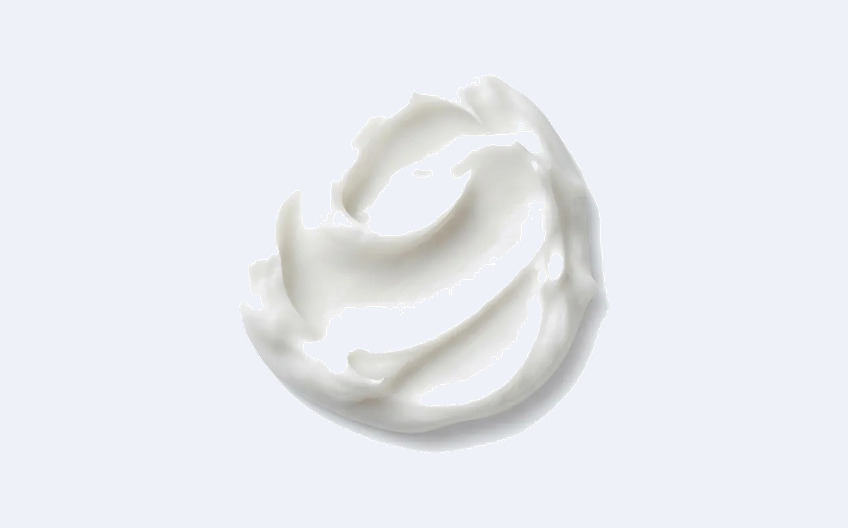
The standard tub or pump. Holds enough lipid to matter and stays put overnight.
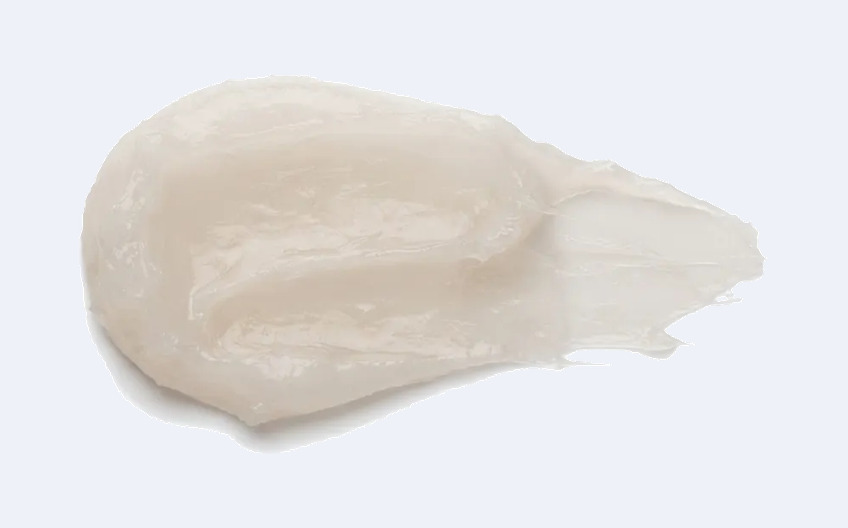
Greasy, sealing, and the format that does the most. Best on hands, heels and eczema.
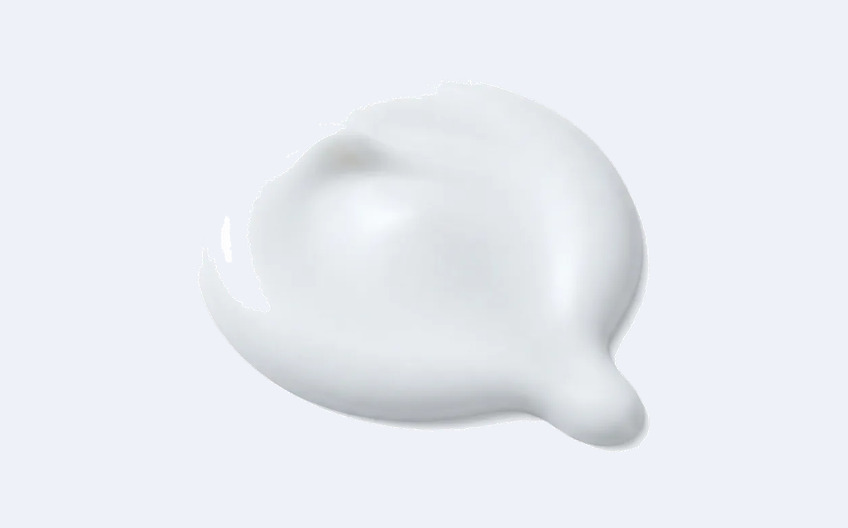
Thinner and faster to spread over arms and legs. Does less, and gets used more often.
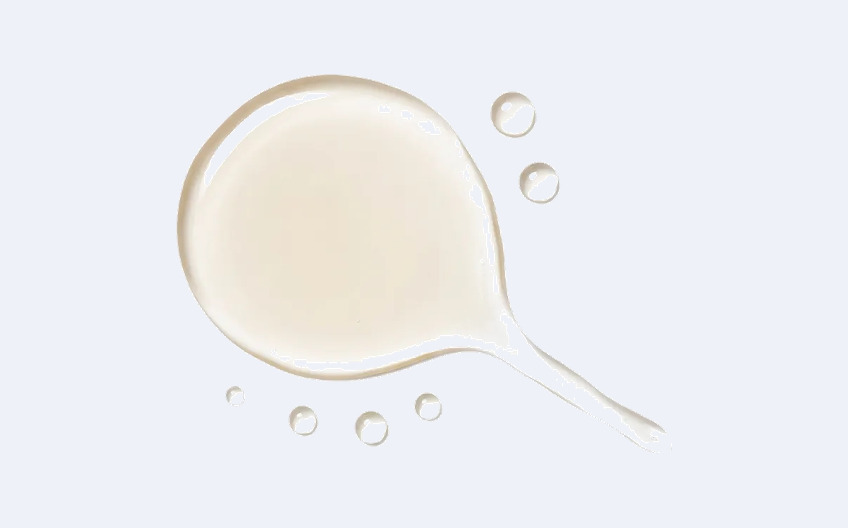
A light layer of lipids for skin that will not tolerate a heavy cream. Least of the four.

On the skin under a minute. Choose it because it is mild, not for the ceramides.
Thin and water-like, under moisturizer. The easiest way to control the strength you get.
Niacinamide inside the cream you were using anyway. Good if your routine is already long.

Very light and watery. Spreads over the face and neck and dries in seconds.
Niacinamide in an SPF you apply anyway. The redness benefit without an extra step.
Rinsed off within a minute, so little stays behind. A bonus, not your source.
Ceramides
Niacinamide
Ceramides
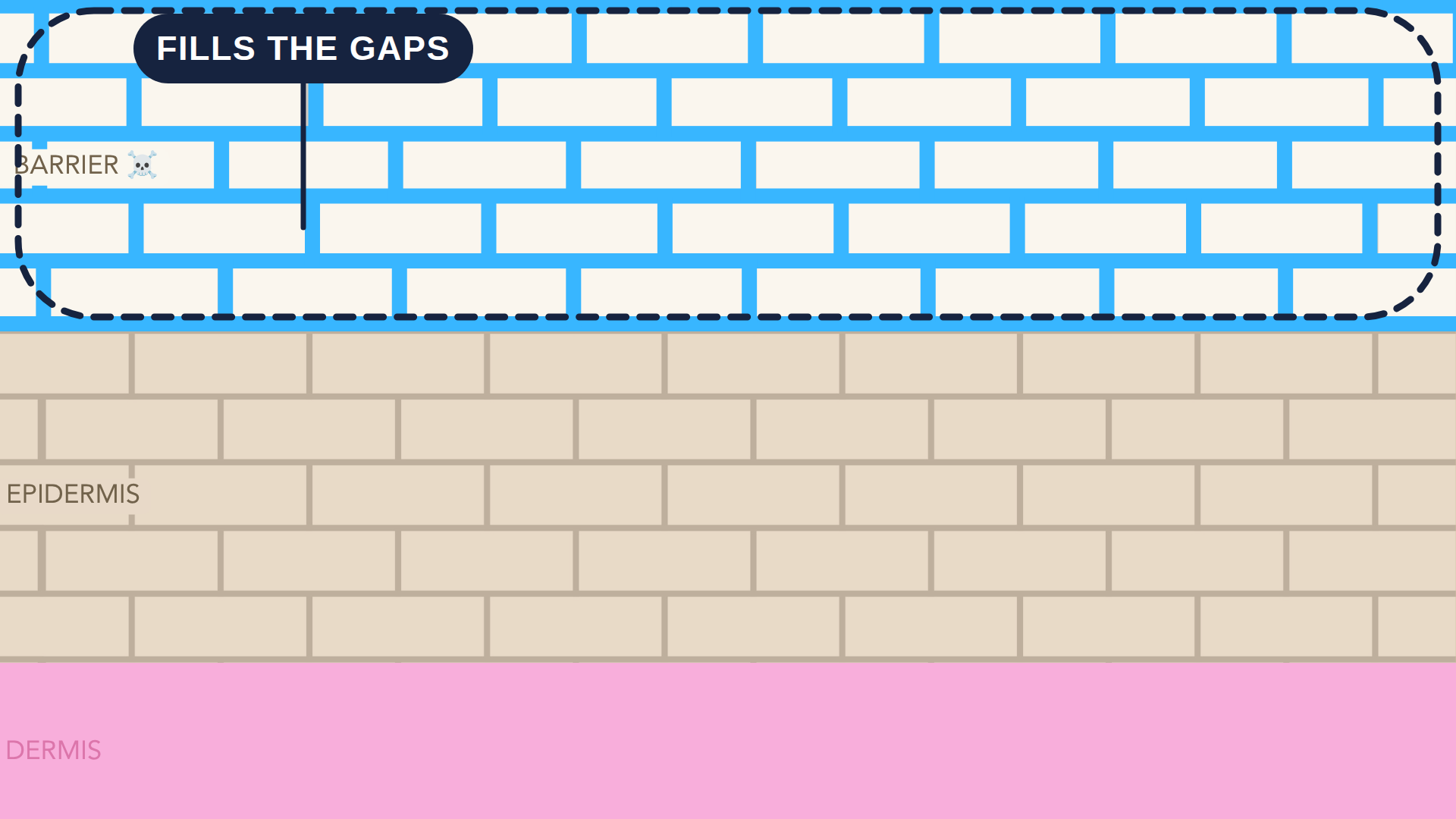
Ceramides hand your skin the material directly. Think of the barrier as a brick wall. Skin cells are the bricks, and ceramides and other fats are the glue. A ceramide cream puts glue back where it has worn away.
Niacinamide
Niacinamide gets your skin to make the glue itself. It raises how much of those fats your skin produces, so the improvement comes from inside rather than from the tube.
Niacinamide
Niacinamide first, ceramide cream second. Thin things before thick things, every time.
Common questions
Yes, and it is a common pairing. Many single moisturizers contain both, because they support the barrier in different ways.
Niacinamide first. It is usually a thin serum, and the ceramide cream goes over the top to hold everything in.
A ceramide cream helps faster, often the same evening. Niacinamide works more slowly by raising how many barrier fats your skin makes for itself.
It helps, but not on its own. Niacinamide is a serum ingredient, so it still needs a moisturizer over the top to stop water escaping.
Only indirectly. They reduce the irritation that comes from a leaky barrier, but they do not calm inflammation the way niacinamide does.
Yes. Oily skin can still have a weak barrier. Choose a light ceramide lotion or gel rather than a rich cream.