Warts
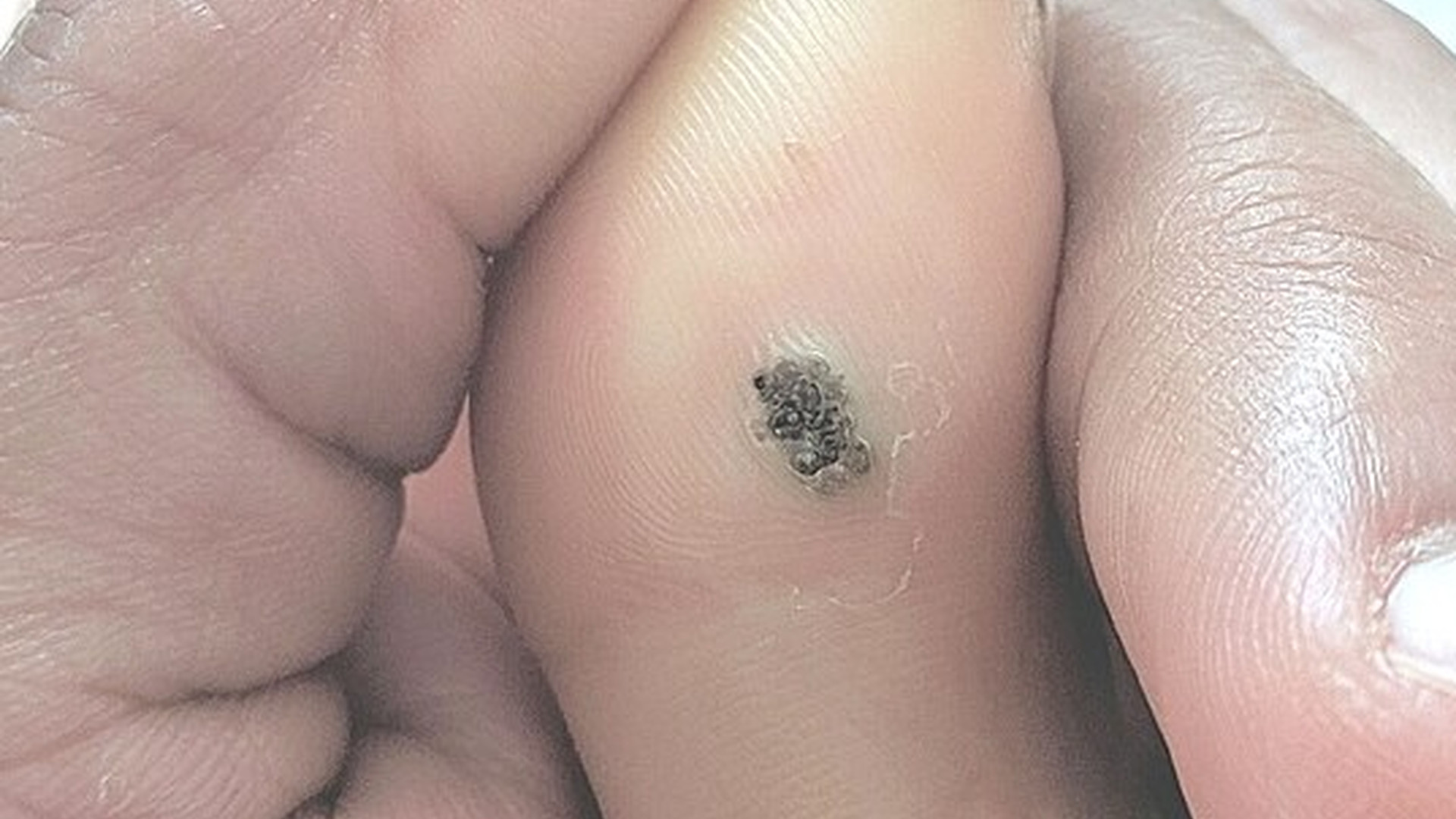
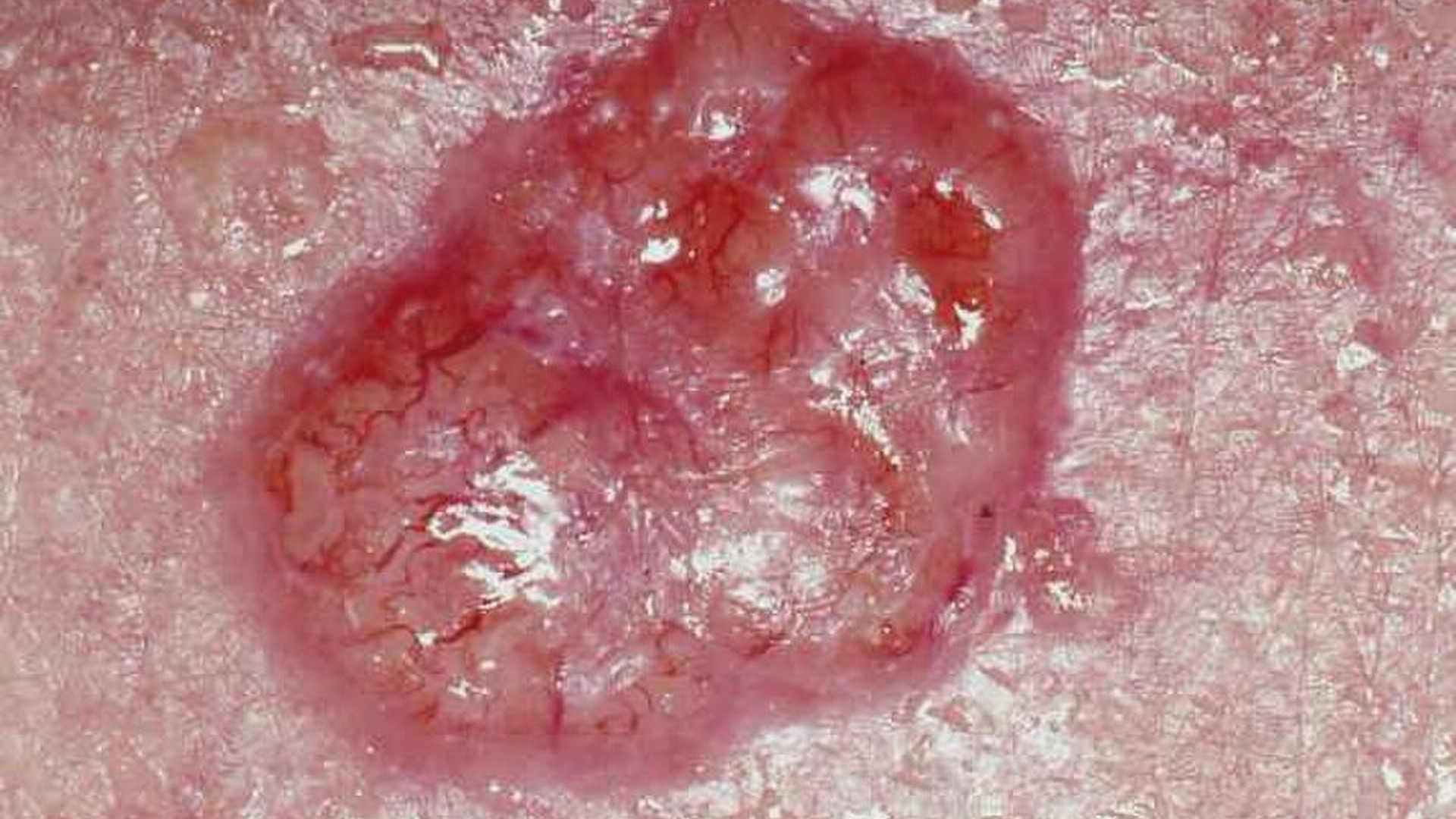
A wart is a virus growing in the top layer of skin. It is rough and grainy on top, and most have tiny dark dots inside them. A basal cell carcinoma is a slow-growing skin cancer. It looks pearly or waxy rather than rough, often with fine blood vessels running across the surface, and it scabs and bleeds without ever fully healing. Rough with dark dots points to a wart. Shiny, and it keeps scabbing in the same spot, points to a basal cell carcinoma.
| The difference | Warts | Basal Cell Carcinoma |
|---|---|---|
| What it is | An HPV infection in the skin | Skin cells that keep dividing |
| What it looks like | Rough, grainy, grey-brown | Pearly, shiny, see-through |
Side by side
Warts
An HPV infection in the skin
A human papillomavirus gets in through a small break in the surface. It makes the skin cells there grow faster, and that thickened growth is what you see.
Basal Cell Carcinoma
Skin cells that keep dividing
Cells at the base of the outer layer stop responding to the signal to stop. Years of sun damage are the usual cause. It grows outward and downward into the skin.

The outer layer sheds and replaces itself steadily. Small nicks and scrapes close over before anything can get in.

HPV needs a way through - a cut, a hangnail, a shaving nick, or skin softened by water. It reaches the dividing cells at the bottom of the outer layer and settles there.

The virus makes those cells divide faster than they should. They pile up into the rough, raised bump, with tiny clotted vessels showing as black dots.

HPV hides in the outer layer, where there is little blood supply and few immune cells patrolling. That is why warts last months or years, and why they eventually clear on their own once the immune system finds them.
At the bottom of the outer layer of skin sits a single row of basal cells. They divide at a steady pace to replace the cells shed from the surface above them. Control genes inside each one hold that pace in check, and their DNA is intact.

Ultraviolet light from the sun or a tanning bed damages the DNA inside the basal cells at the bottom of the outer skin layer. Almost all of that damage is repaired. Over decades, a small amount is not, and it builds up in the skin that gets the most exposure.

Enough damage collects in one cell to break a control gene, most often PTCH1, that normally keeps a growth signal switched off. With the switch stuck on, that cell divides without stopping. The bump this makes grows over months and years, not weeks, which is why it is so easy to dismiss.

The tumor works sideways and downward through whatever tissue is next to it. It almost never enters the bloodstream, so it rarely reaches other organs, but on the face it can eventually reach cartilage, muscle, nerve and bone. Nearly all of the harm from this cancer comes from this step, and this step is a function of time.

The skin around the tumor has taken the same lifetime of ultraviolet exposure, which dermatologists call field damage. That is why one basal cell carcinoma predicts more, and why a large proportion of people develop another within five years. Everything on the lists below is either shortening step three or reducing this step.
Warts
Rough, grainy, grey-brown
Cauliflower-like on top, with a thickened rim. Most have tiny black or dark red dots inside, which are small blood vessels feeding it.
Basal Cell Carcinoma
Pearly, shiny, see-through
A raised bump with a glossy or waxy look, sometimes with a dip in the middle and a rolled edge. Fine threadlike vessels run over the surface. It can also look like a pale flat scar.

On light skin a wart usually shows a pink or reddish tinge and a thin red ring around the base, and the tiny black dots inside it stand out clearly against pale, thickened skin. That contrast is why warts are often recognized early here. Freezing leaves a pale mark less often than on deeper tones, though it still blisters and stings.

On medium skin a wart is usually the same color as the skin around it or slightly gray, and the ring of redness is fainter. The reliable clue is texture rather than color: a firm, rough, thickened bump with the fine skin lines stopping at its edge instead of running across it. Freezing here can leave a mark, so a small test spot first is reasonable.

On brown skin a wart often reads as gray or brown rather than pink, so it is more often taken for a callus, a corn or a mole and treatment tends to start later than it should. Run a finger over it: a wart is firm and rough, and the fine skin lines stop at its edge. Because injured skin here commonly heals a different color, slower options like daily salicylic acid, filing and paring in clinic are usually the better first move.

On deep skin tones the redness dermatologists look for is effectively invisible, so warts are recognized late and are the most likely to be dismissed as hard skin. The trade-off around treatment also shifts: freezing and anything that blisters can leave a pale ring or a dark mark that outlasts the wart by a year. Test one small wart before treating a group, keep freezing shorter, and add a daily sunscreen on any treated area of the face, hands or arms.
Warts
A pinhead to a pea
It starts small and thickens over weeks. Several can join into one larger patch.
Basal Cell Carcinoma
Millimetres, growing over years
Slow, but it never stops and it never shrinks. Left for years it can do real local damage.
Warts
Yes, eventually
The immune system usually clears the virus in the end. In children that takes months to two years, and adults tend to take longer.
Basal Cell Carcinoma
No
It scabs, looks better for a week or two, then breaks down in the same place. That repeating cycle is the most reliable warning sign it gives.
Warts
Hands, fingers and feet
Backs of the hands, around the fingernails, knees and the soles of the feet. Warts also turn up on the face, where they look flatter.
Basal Cell Carcinoma
Face, nose, ears and scalp
Skin with years of cumulative sun on it. The nose is the single most common site. Also the neck, shoulders and backs of the hands.
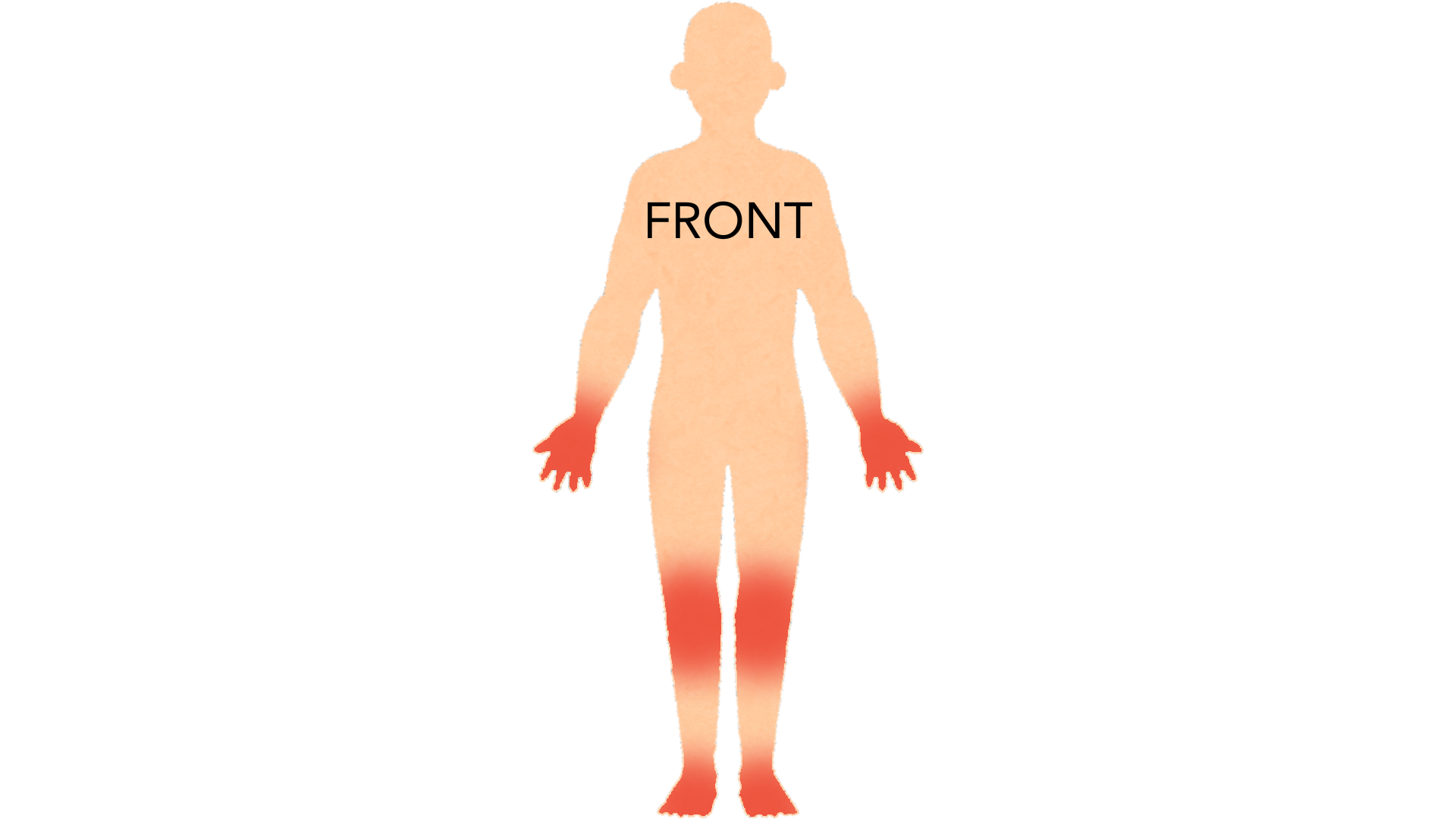
Warts land where skin gets knocked, wet or broken: the fingers, the backs of the hands, around and under the nails, the knees, and the soles and edges of the feet. Biting nails or picking skin spreads them along the finger.
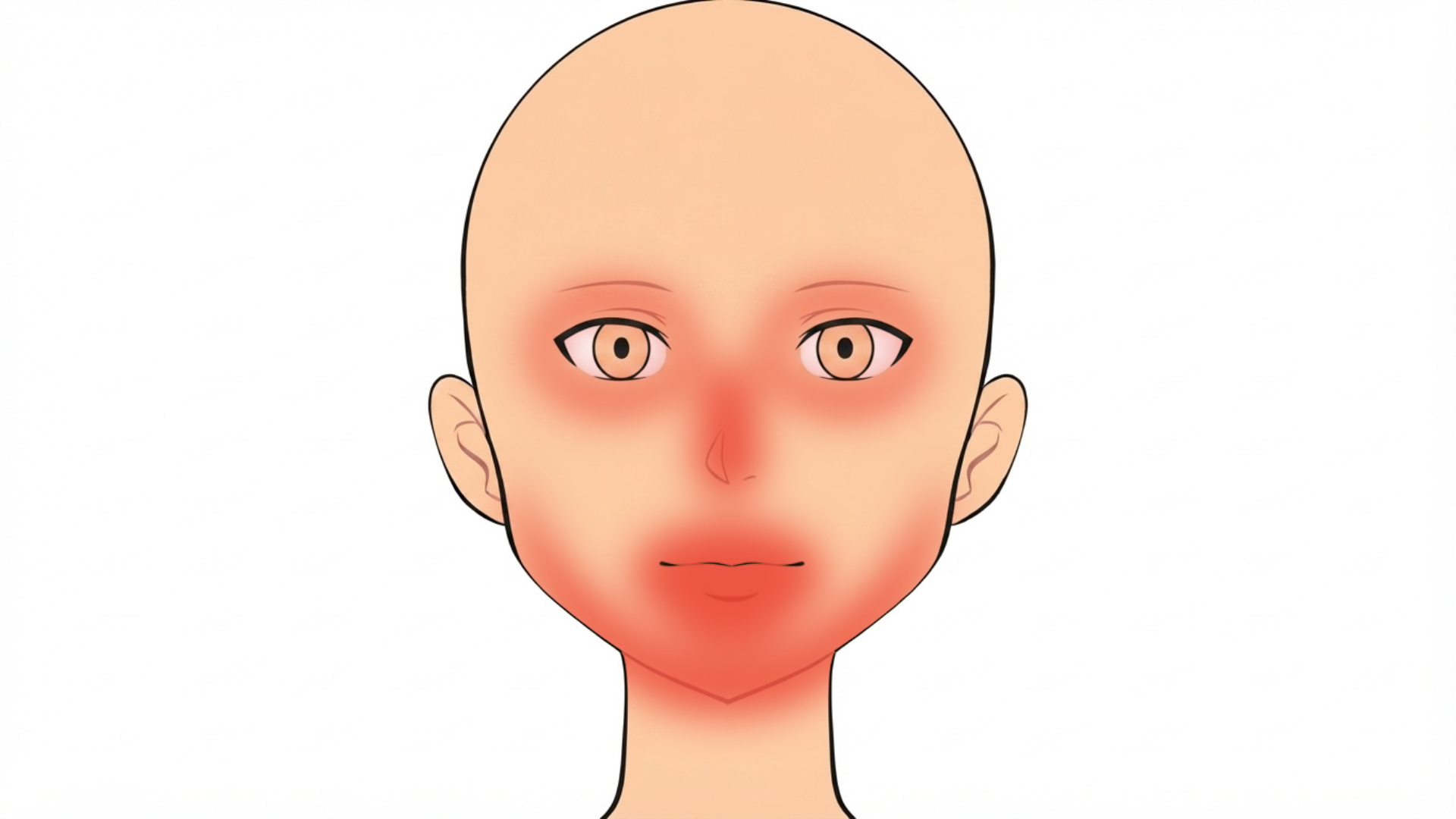
Flat warts turn up in groups on the face, often spread in a line along a shaving path. The long, thread-like kind grow around the eyes, the nose and the mouth. They are the same virus, spread by the razor.
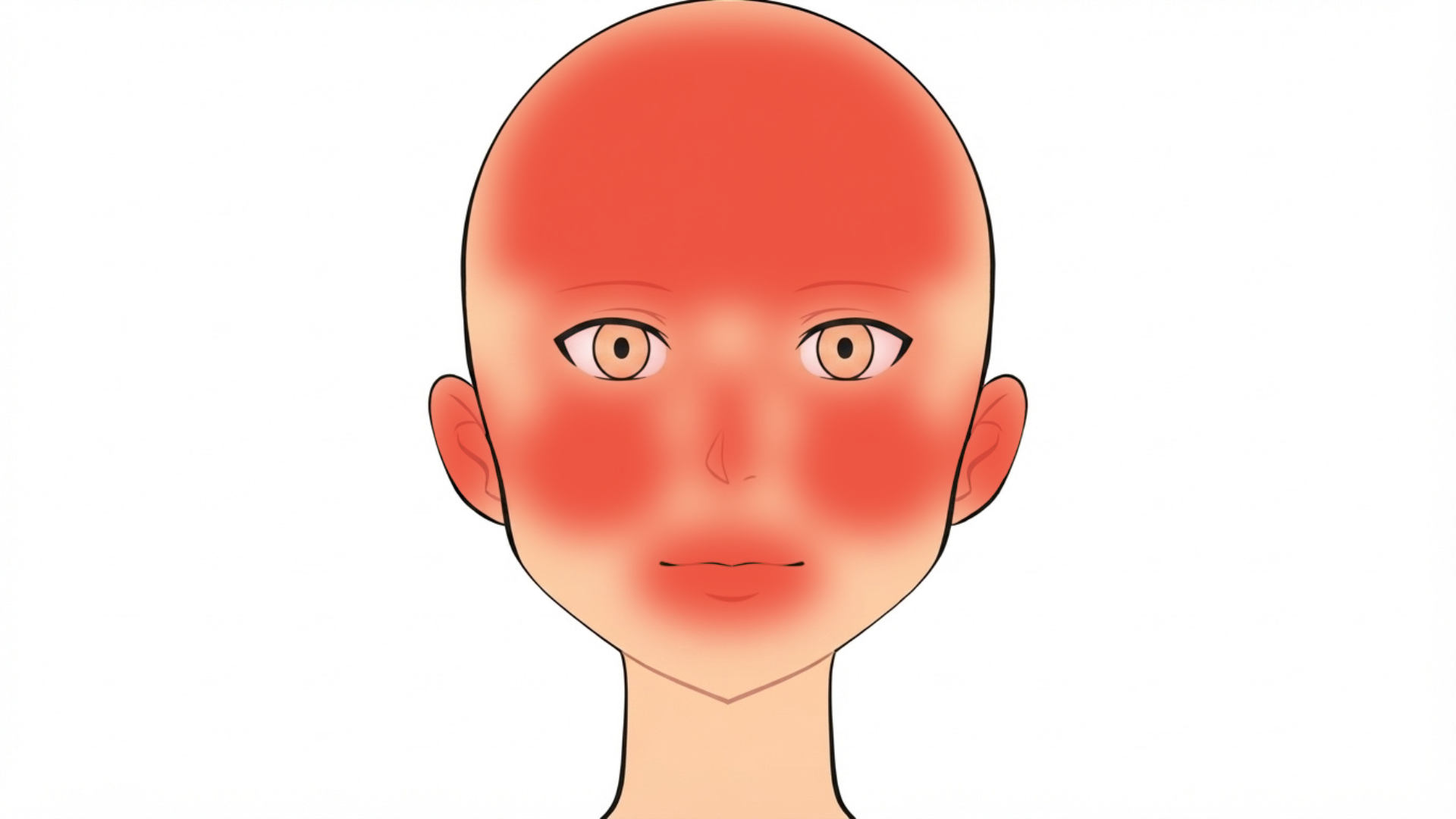
About eight in ten appear on the head and neck, because that is the skin exposed year-round. The nose is the single most common site, then the forehead, cheeks, ears, eyelids, lips, and the scalp in people with thinning hair.
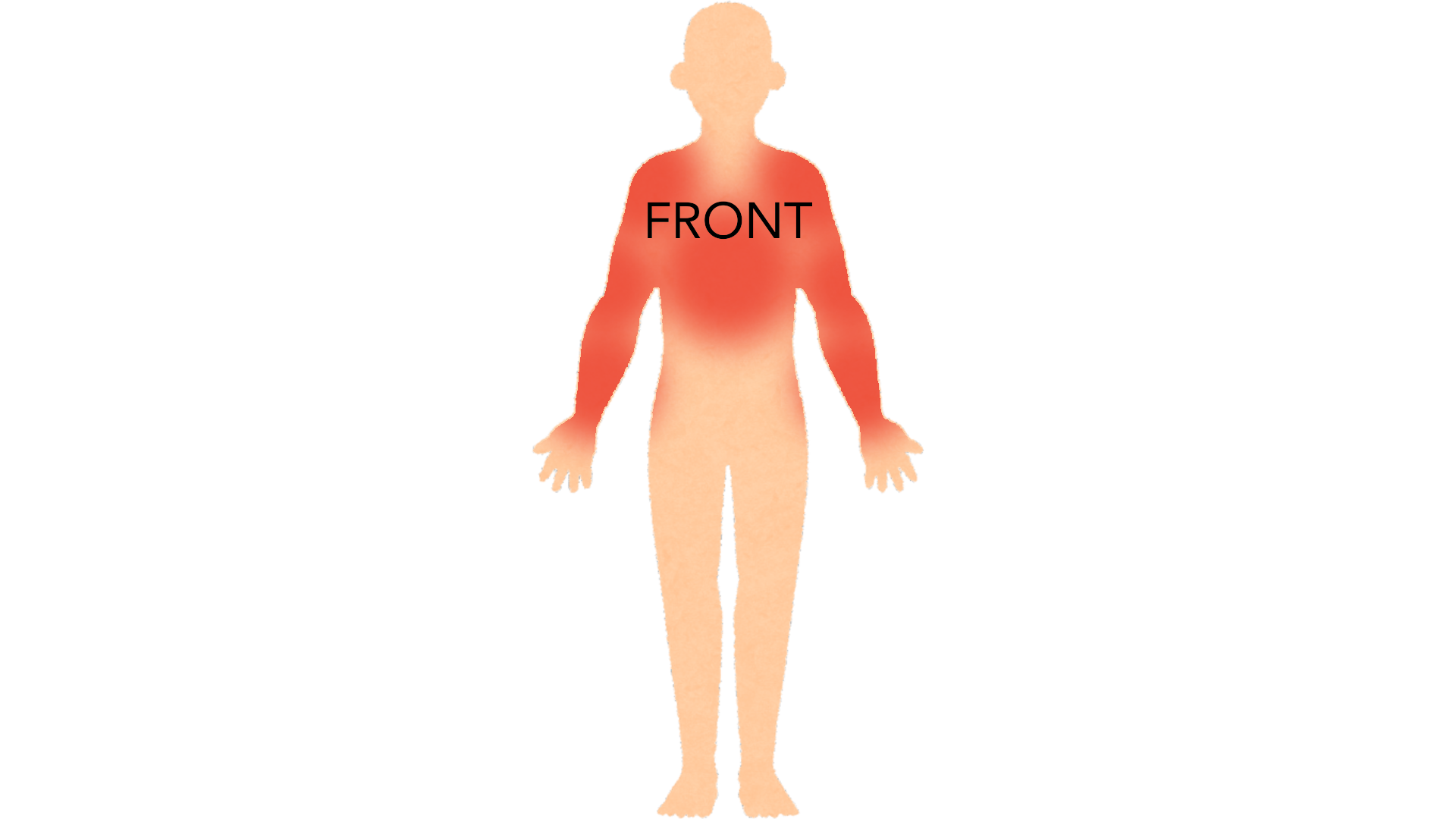
The rest appear on skin that gets sun in summer: the chest, the shoulders and the arms. The flat, scaly kind that spreads sideways rather than building into a lump is most often on the trunk.
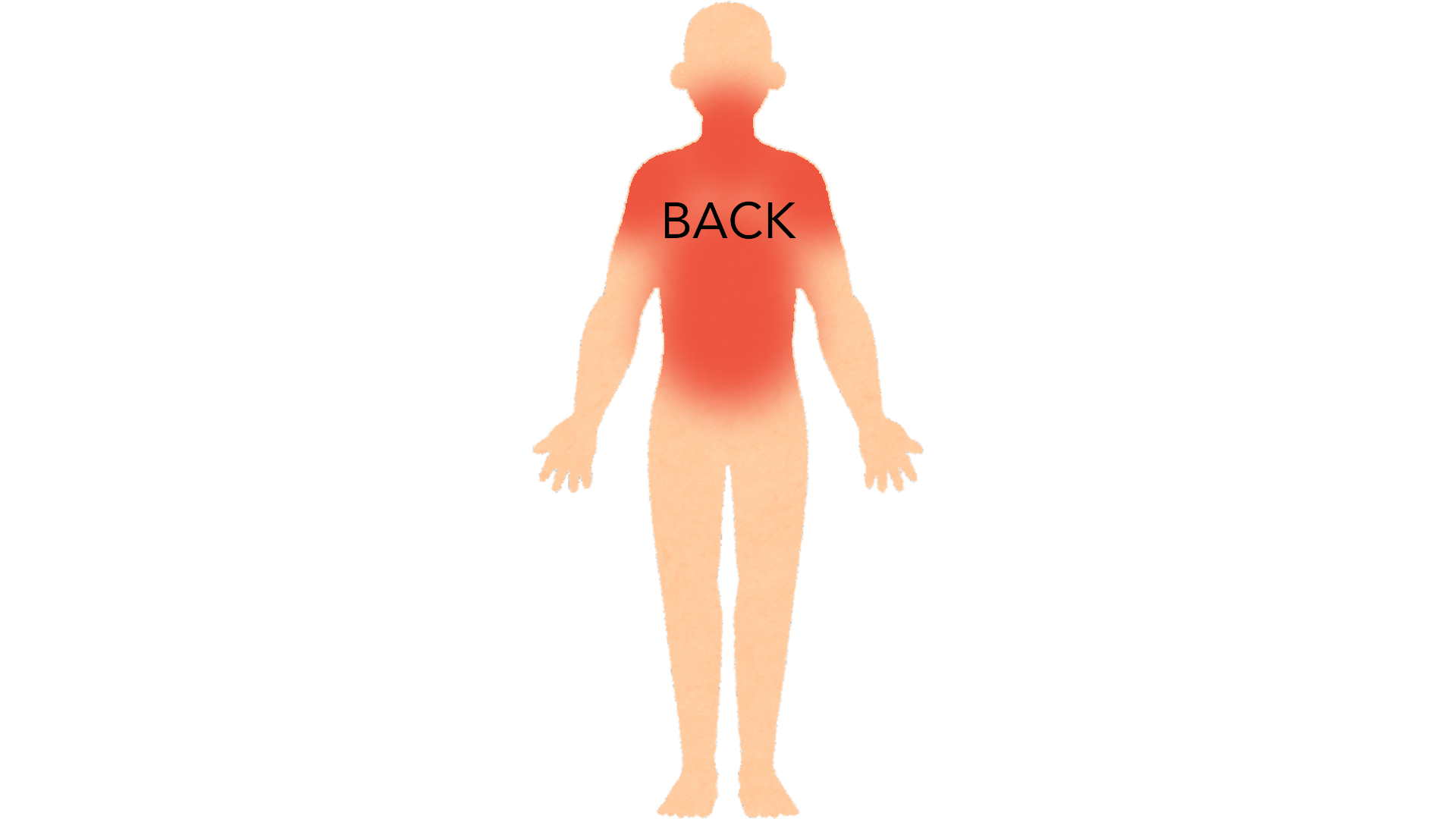
The back of the neck and the upper back are common in people who have worked or played outdoors, and they are the sites found late because nobody sees them. A sore on the back that scabs, heals and comes back in the same place is worth having looked at.
Warts
Yes
The virus spreads by skin contact and damp shared floors. It also spreads on your own body, so picking or shaving over a wart moves it.
Basal Cell Carcinoma
No
Cancer is not catching. You cannot pass a basal cell carcinoma to anyone, and you did not get it from anyone.
Warts
If it will not clear, or you are unsure
Warts are harmless and often clear without treatment. Worth a visit if drugstore treatment has failed for months, or if a wart is on the face.
Basal Cell Carcinoma
Any spot that will not heal
A growth that keeps scabbing and bleeding, or a sore still there after four weeks, should be looked at by a dermatologist. Most turn out to be harmless. These are far easier to treat while they are small.
Basal Cell Carcinoma
A basal cell carcinoma feels smooth. The surface is taut and slightly glossy, like a small bead of wax. If part of it has broken down, that area is crusted, but the edge around it is still shiny and raised.
Basal Cell Carcinoma
The vessels on a basal cell carcinoma sit on top of it. They are fine red threads that branch and run across the surface, not dots. You often need good light and a stretch of the skin to see them.
Warts
Warts are common on hands and feet. That is where the skin gets small breaks and where the virus meets it. A rough lump on a knuckle or a sole is very likely a wart.
Basal Cell Carcinoma
Basal cell carcinoma is a sun-exposed skin problem. Nose, ears, cheeks, scalp, neck. It is uncommon on the soles of the feet and between the toes, so a rough growth there is far more likely to be viral.
Basal Cell Carcinoma
Treating a basal cell carcinoma at home is not. Salicylic acid, freezing kits and wart plasters do not remove a cancer. They damage the surface, hide what is underneath, and buy the growth more time. That is the real cost of confusing the two.

The first treatment for almost every ordinary hand or foot wart, and the one with the best evidence outside the clinic. It dissolves the infected thickened skin a layer at a time, so it only works if it goes on every single day. Soak the wart for five minutes, file the dead surface off, apply, and cover it. Twelve weeks is a fair trial; ten days is not.
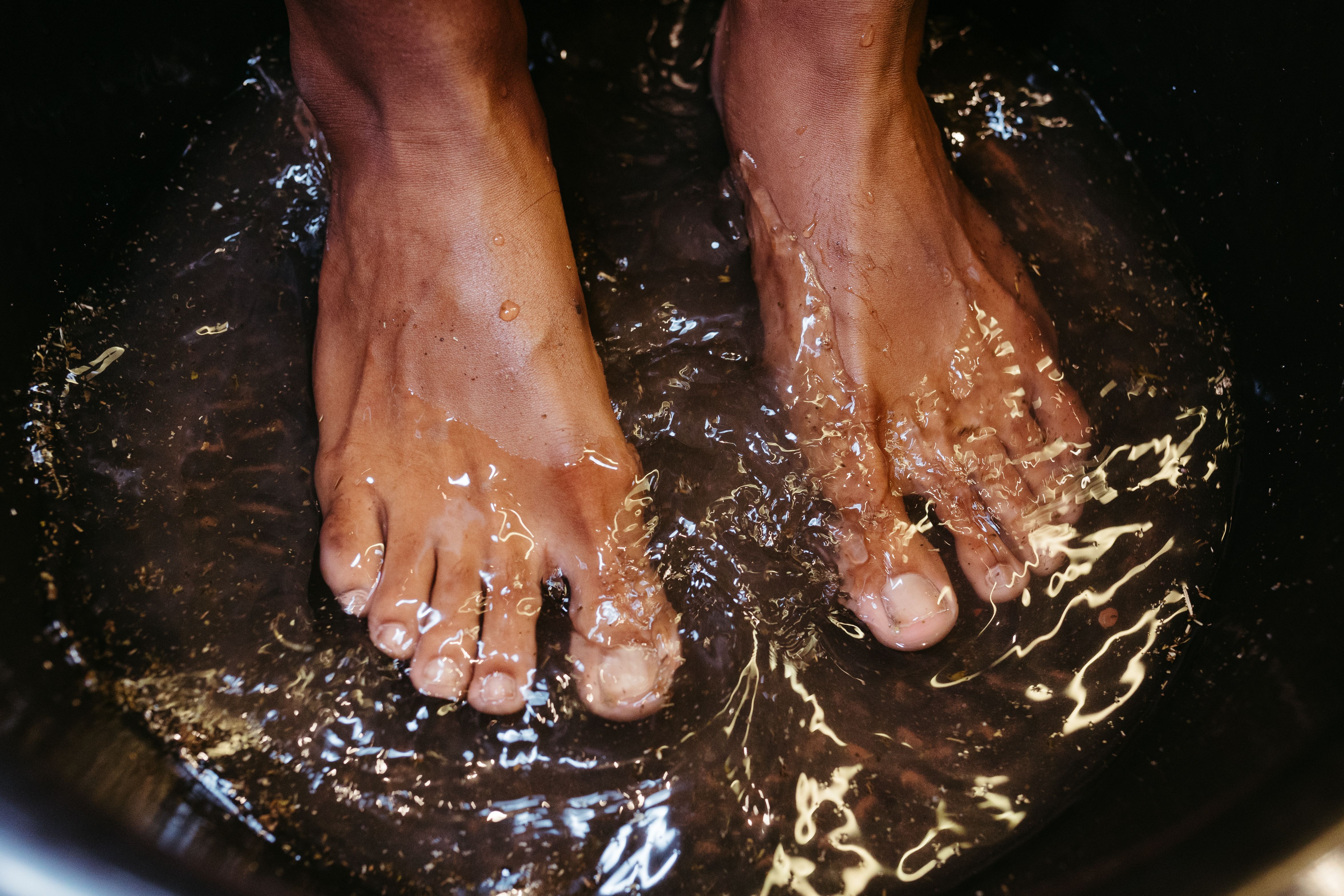
Not a treatment on its own, but the thing that makes salicylic acid work. Filing the dead crust off between doses lets the next dose reach live infected skin instead of sitting on top of it. Use a file or pumice kept only for that wart and thrown away afterwards, because one file used on several warts spreads them between your own sites.

The pharmacy sprays get nowhere near as cold as clinic liquid nitrogen, so they work best on small, new, thin warts on the hands and poorly on thick foot warts. They sting and can blister. On deeper skin tones they carry the same risk of leaving a pale or dark mark as clinic freezing does.
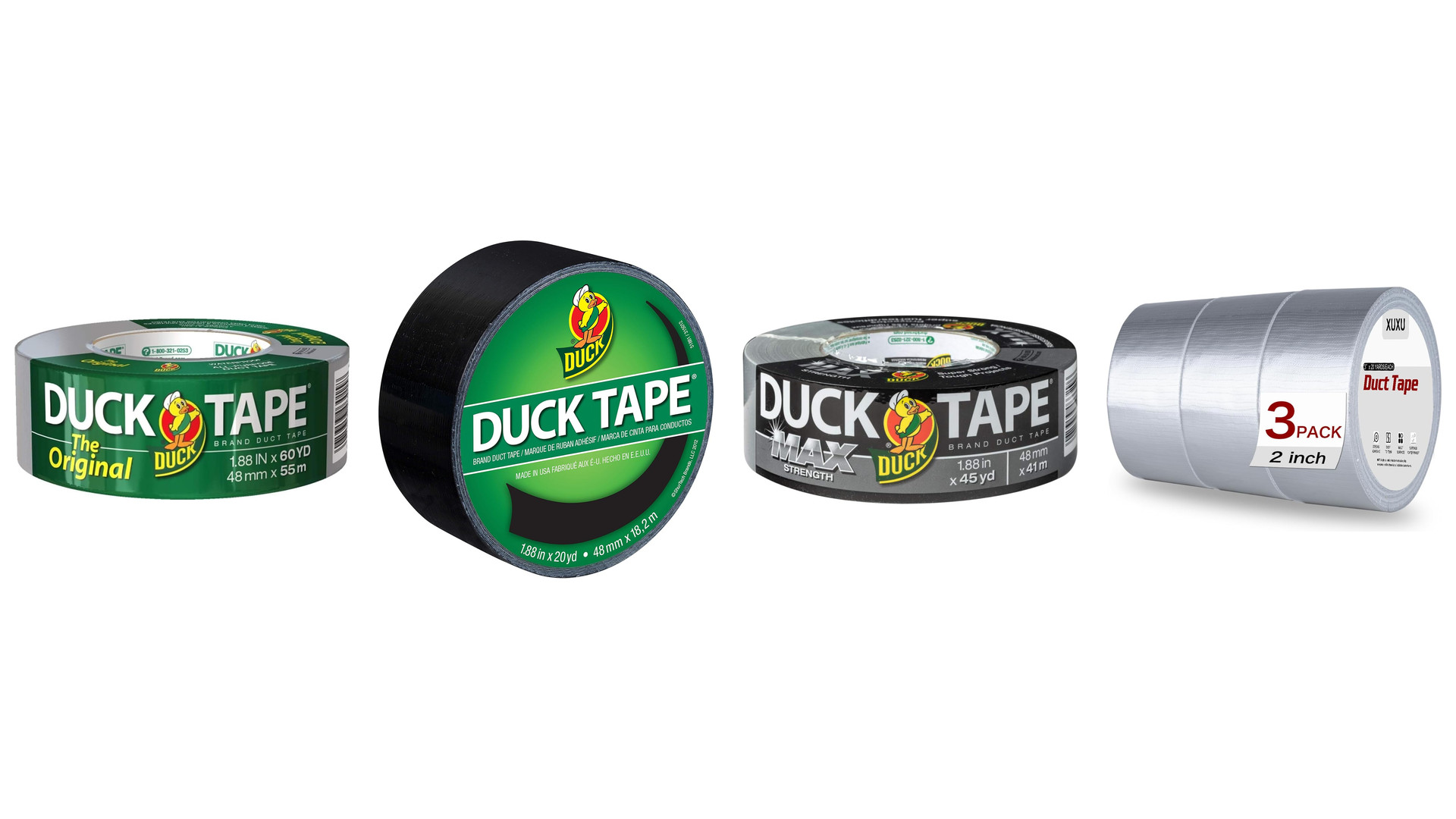
Covering a wart with tape for a few days at a time, then filing it, is cheap and harmless, and the trials are genuinely mixed on whether the tape itself adds anything. Any benefit is probably from the covering and the filing. It is reasonable alongside salicylic acid and a poor substitute for it.
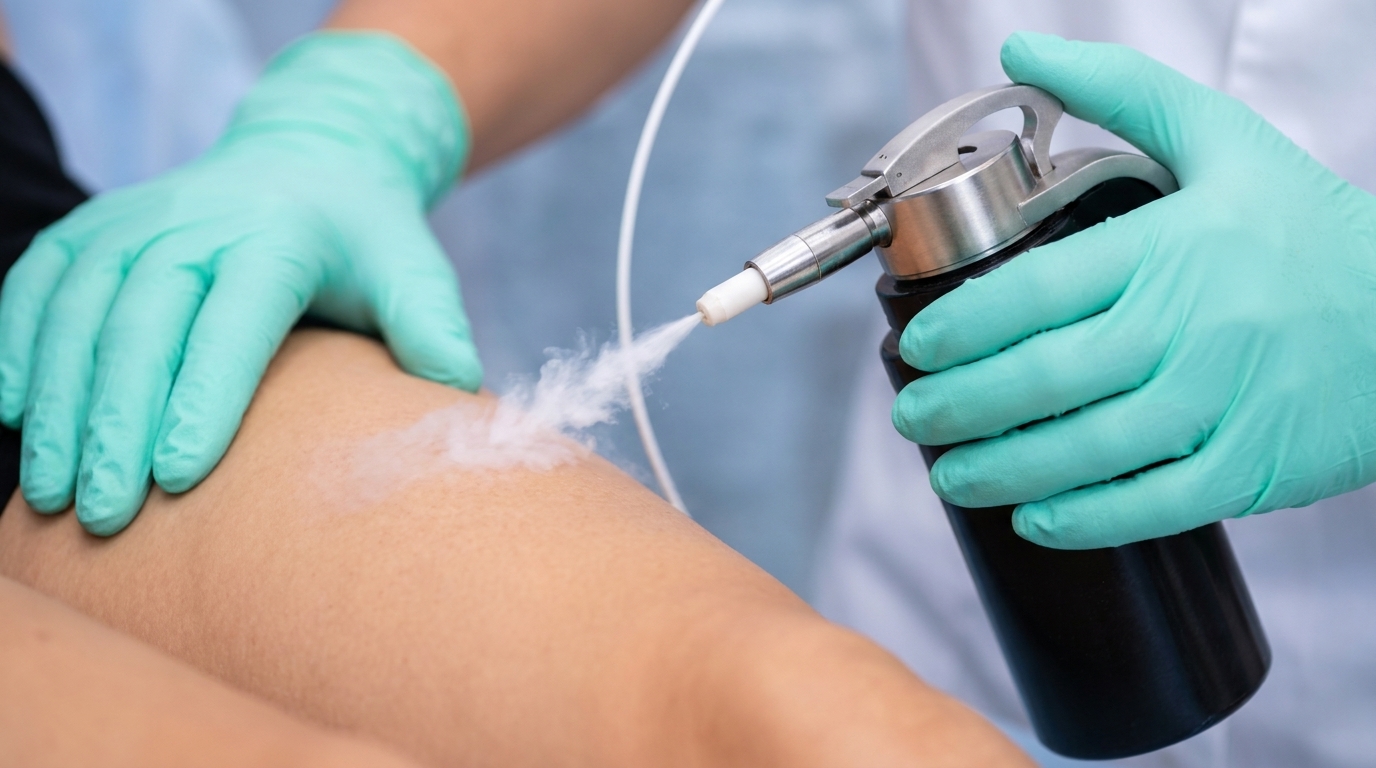
Liquid nitrogen freezes the infected skin and the injury also draws immune attention to the spot. It needs repeating every two to four weeks, usually three or four times, and a wart regrowing from the edge between sessions is normal rather than failure. Over several months its results are broadly similar to salicylic acid used properly. It stings, it blisters, and on deeper skin tones it can leave a lasting pale or dark mark.

A blistering liquid painted on in clinic and washed off a few hours later. It is painless going on, which is why it is a common first choice for children and for warts on the face. The blister that follows lifts the infected skin away over the next few days and can be sore. It usually takes more than one visit.
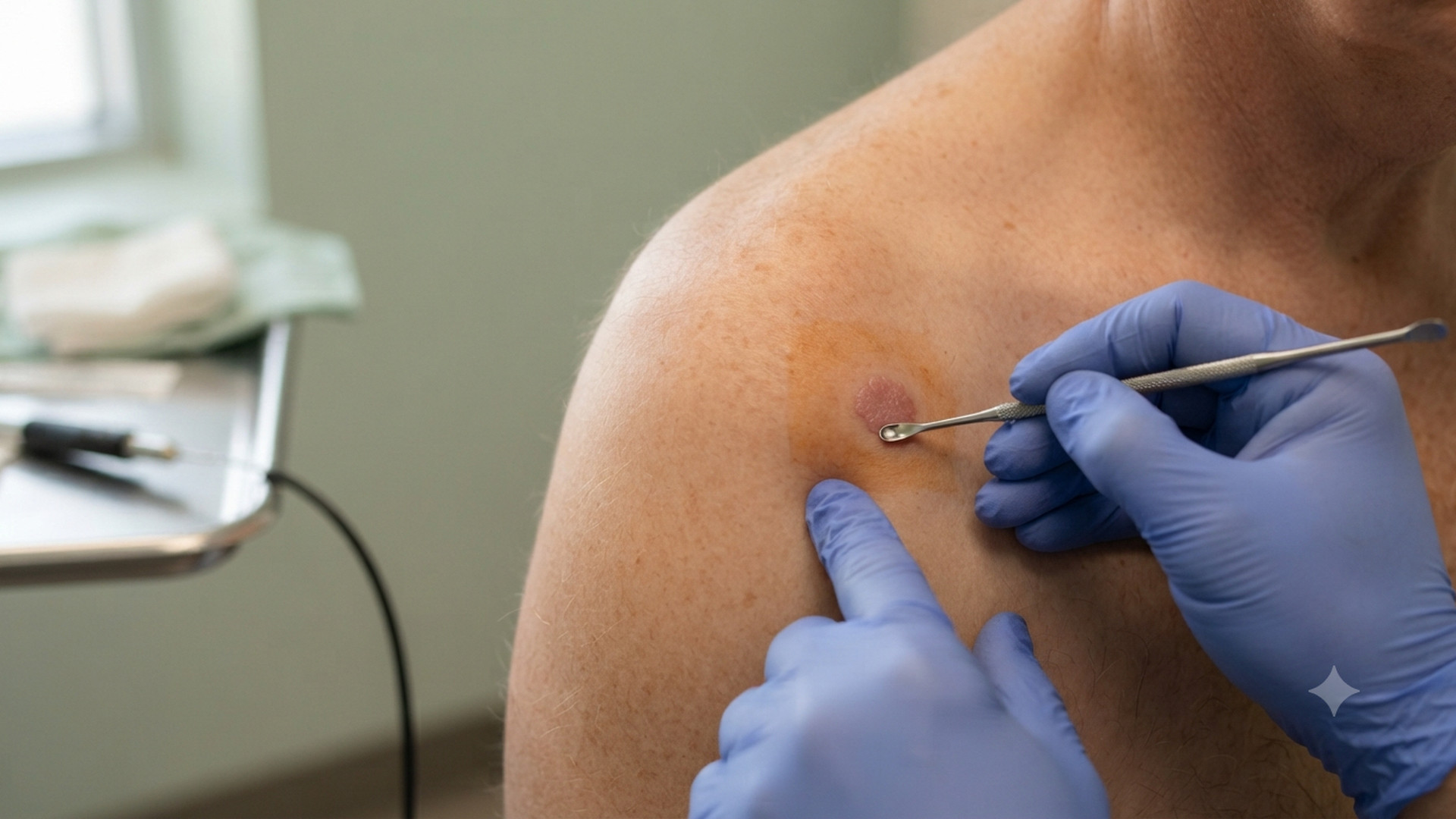
The wart is numbed, burned with an electric current and scraped away in one visit. It is kept for a single stubborn wart that has failed everything gentler, because it leaves a scar, and a scar on the sole of a foot can hurt more than the wart did. Warts can still regrow at the edge of the scar.

The laser targets the small blood vessels feeding the wart rather than the virus itself. It is an option for stubborn warts on the hands and around the nails when freezing has not worked, and it spares the skin around it, which matters on the face. Several sessions are needed, results are inconsistent, and it is not usually covered by insurance.

An old stomach-acid tablet that people ask about for multiple stubborn warts, on the idea that it nudges the immune system. The better-controlled trials found it no more effective than a dummy tablet in adults. It is safe and cheap, so it is occasionally still tried in children, but it should not replace treatment that is known to work.
A cream that works on the last step of the problem: it makes the local immune system pay attention to the virus. It is used mainly for flat warts on the face and for warts that keep coming back, applied a few nights a week for weeks. It reddens and irritates the skin while it works, and it does poorly on thick foot warts.
A retinoid cream used for the flat warts that appear in groups of dozens on the face and the backs of the hands, where acid and freezing would be too harsh over so wide an area. It speeds up the turnover of the infected surface cells. It takes months, and it makes the skin dry and sun-sensitive while it runs.

A chemotherapy cream at a low strength, applied to the wart itself, often under tape. It is used for flat warts and for warts that have not shifted with acid, and it is a common choice in children because it does not hurt going on. It reddens and can crust the treated skin, and it is not used in pregnancy.

A small sample taken under local anesthetic, usually a shave or a punch, and read by a pathologist. It does two things: it confirms this is a basal cell carcinoma, and it names the subtype. The subtype is what decides which treatment is right, so this comes before the treatment conversation rather than after it.

The tumor is removed in stages and the edges are examined under a microscope during the same appointment, so complete removal is confirmed before the wound is closed. It has the highest cure rate and spares the most normal tissue, which is why it is used on the face and for aggressive subtypes. It takes several hours, and it is not needed for every tumor.

The tumor is cut out with a margin of normal skin around it and the wound is stitched, with the margins checked by a pathologist afterwards. It is the standard treatment for most tumors away from the face, and it cures the large majority in one visit. If the report comes back with the tumor at the edge, more treatment is needed.
The tumor is scraped away and the base burned, repeated a few times in one visit. It suits small, thin, superficial tumors on the trunk and limbs and is quick and cheap. Nothing is checked under a microscope afterwards, so it is not used on the face or for aggressive subtypes, and it leaves a permanent pale round mark.

A light-sensitizing cream is left on the tumor and then activated with a lamp, usually in two sessions. It is for thin superficial tumors only, confirmed by biopsy, and it has the advantage of treating the sun-damaged skin around them at the same time. It stings during the light, and the cure rate is lower than surgery.
Freezing is quick and occasionally used for small superficial tumors when other options do not suit. Nothing is checked under a microscope, so an incompletely treated tumor can carry on growing under a healed surface. It also leaves a permanent pale patch, which is much more noticeable on deeper skin tones.
Warts that set up in the nail folds are the most stubborn of the group, because the nail shields the virus from creams and from freezing. Left long enough, a wart growing under the nail can lift it or leave a permanent ridge or split in the nail plate. Nail biting and picking at hangnails are how most of them start, and they are the ones most worth taking to a dermatologist early.
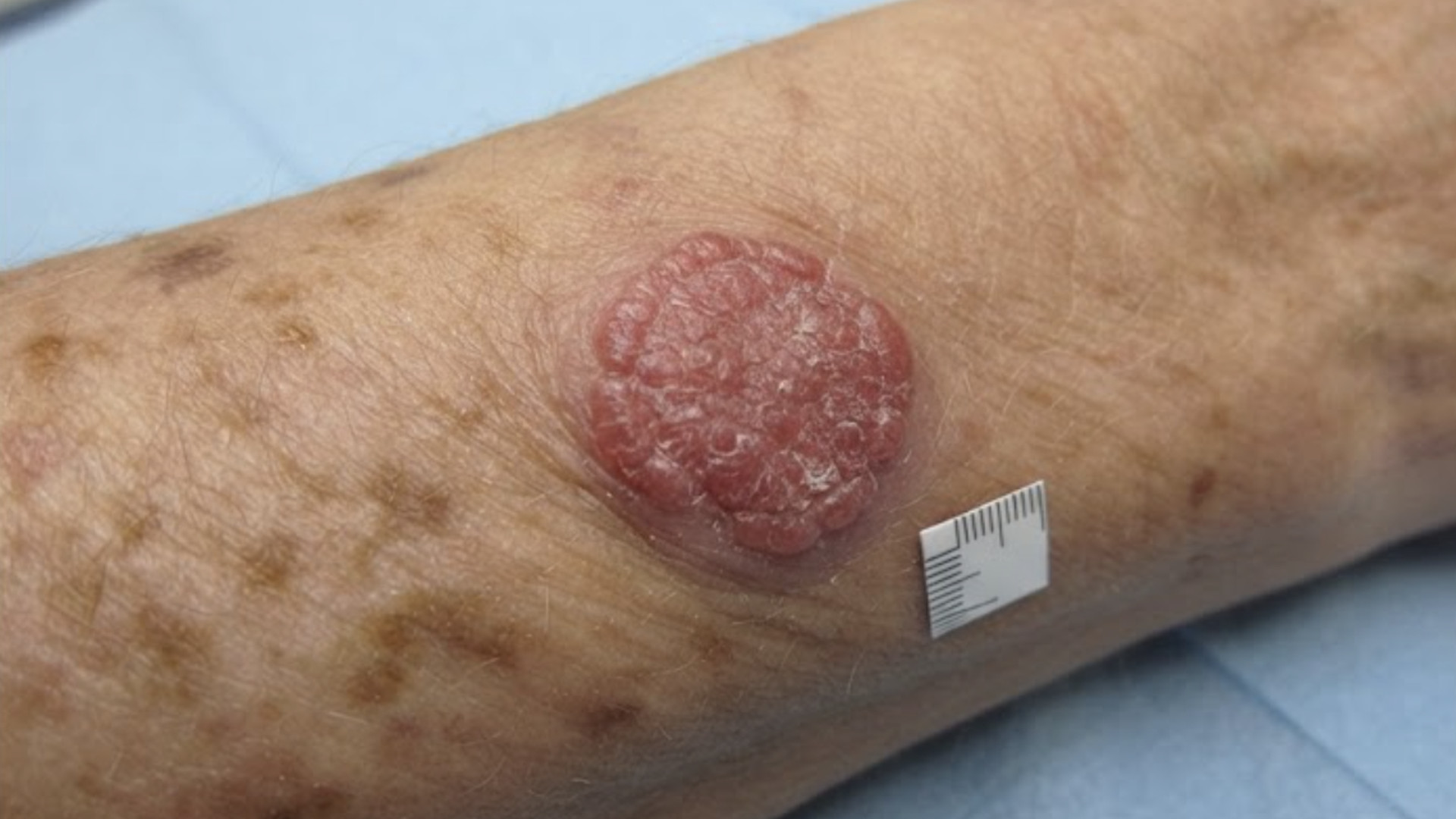
The reason a single stubborn growth in an adult should be looked at rather than treated blindly. This skin cancer can be rough and raised enough to pass for a wart. The differences are that it is usually one growth rather than several, it keeps growing rather than sitting still, it often bleeds or crusts and does not heal, and it turns up on sun-exposed skin in older adults. Warts are commoner in children and tend to come in groups.

The flat, scaly, pink kind of basal cell carcinoma on the trunk is regularly treated as eczema for months. Eczema itches, comes and goes, appears in more than one place, and settles with a steroid cream. This sits in one place, does not itch much, has a fine shiny thread-like border, and keeps coming back exactly where it was. A single stubborn patch that will not respond deserves a second look.
Common questions
No. Common warts are caused by a virus and they do not become basal cell carcinoma. They are two separate things that can sit in the same place on the body.
Feel the surface and look for dots. Warts are rough with tiny dark dots inside. Basal cell carcinoma is smooth and shiny, with fine red threads running over it.
It is worth an appointment, though most stubborn warts are just stubborn warts. A growth that has not responded to months of treatment is a reasonable thing to have looked at.
Yes, most often on the backs of the hands, which get plenty of sun. It is uncommon on the palms, the soles and between the toes.
Not much. Freezing kits do not remove a cancer, but they do not make one worse either. Mention what you have used when you go, because it changes how the skin looks.
Often by looking, with a magnifier called a dermatoscope. If there is any doubt, a small biopsy under local anaesthetic settles it.