VI Peel

A VI Peel being applied with gauze. It is painted on in layers and left to work, and the skin peels over the following days rather than that day.
A VI Peel is a chemical peel. It is one brand's ready-mixed kit, sold to clinics in a sealed bottle. An unbranded peel is mixed for your skin on the day, so the clinician picks the acid and the strength. No trial has compared the two.
| The difference | VI Peel | Chemical Peel |
|---|---|---|
| What it is, and what is in it | A branded kit, strengths undisclosed | Named acids at published strengths |
| What the evidence looks like | One small study, no control group | Dozens of small trials, mostly a tie |
| Downtime | Peeling from day three, for 3 to 4 days | Depends entirely on depth |
| Sessions and cost | 3 to 6 peels, then 4 a year | 3 to 6 sessions, price tracks depth |
A VI Peel being applied with gauze. It is painted on in layers and left to work, and the skin peels over the following days rather than that day.

A chemical peel being brushed on. The solution is painted over the skin and left for a set number of minutes — nothing is passed over the skin and nothing is injected.
Side by side
VI Peel
A branded kit, strengths undisclosed
A sealed, pre-mixed bottle with a take-home aftercare kit. The clinic does not choose the formula, only which version to open. The maker lists TCA, phenol, retinoic acid, salicylic acid and vitamin C for the face versions, but not the percentages.
Chemical Peel
Named acids at published strengths
A category, not a product. The acid and the strength are both known: glycolic acid at 30 to 50 percent, salicylic acid at 30 percent, TCA at 35 percent, and so on.
VI Peel
Sold as medium, but not checkable
No strengths are published, so nobody outside the company can classify the depth. A clinic page that gives it a set depth is asserting something the maker has never published.
Chemical Peel
Judged on the skin, not the bottle
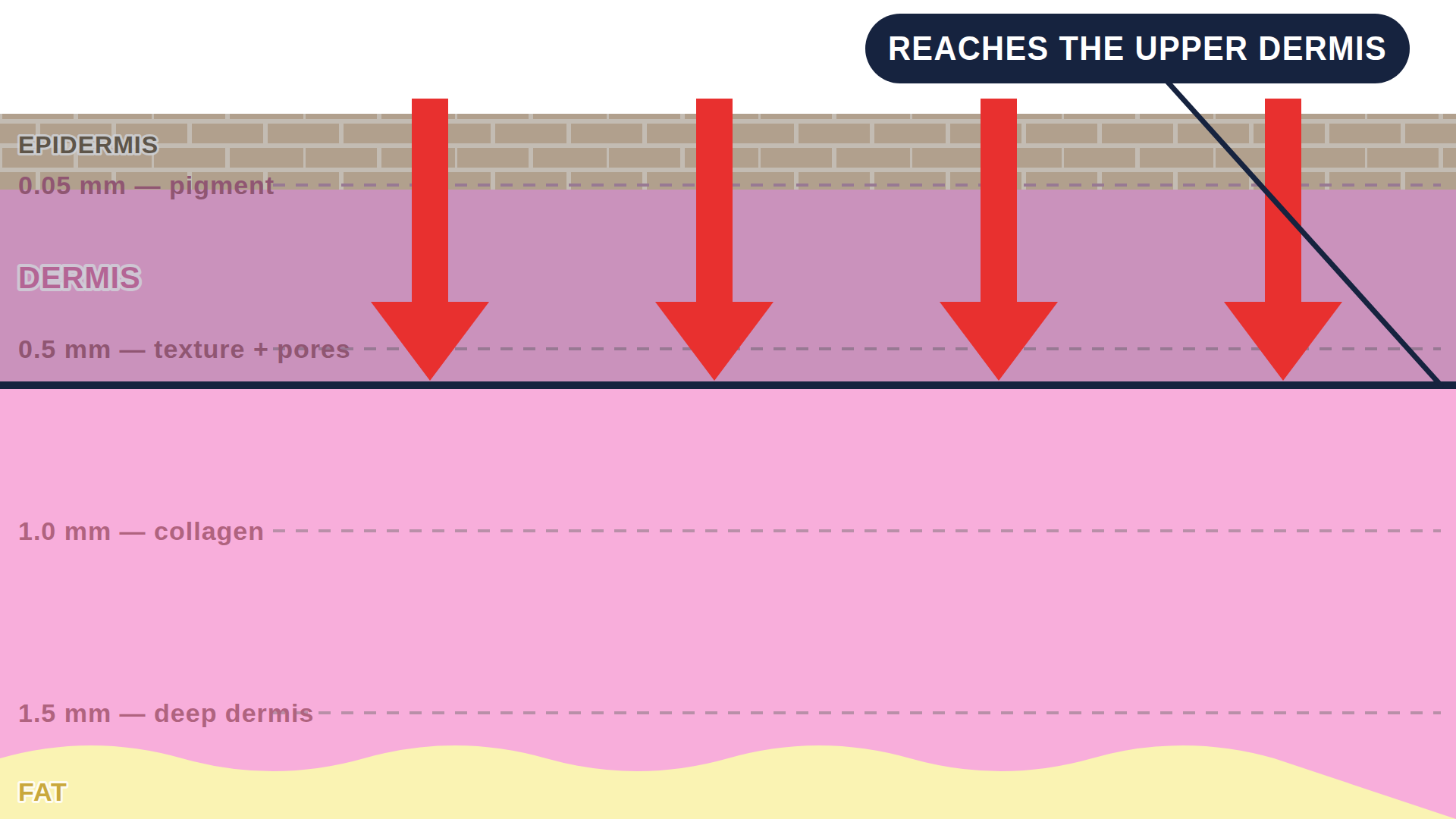
A superficial peel stays in the outer layer. A medium peel reaches the upper part of the layer beneath. A deep peel goes further still. The operator judges it by frosting, a whitening of the skin: patchy is superficial, an even coating is medium, a solid enamel look is deep.
VI Peel
One small study, no control group
Thirty people had a VI Peel and botulinum toxin on the same day. Reported improvements were 60 percent for wrinkles, 59 percent for even colour and 70 percent for skin tone. The toxin muddies the wrinkle number.
Chemical Peel
Dozens of small trials, mostly a tie
A review pooled 12 trials and 387 people with acne. It set glycolic, salicylic, Jessner's and TCA peels against each other. No pairing beat another.
VI Peel
Peeling from day three, for 3 to 4 days
No makeup for four hours, then post-care products only for the rest of the week. Also SPF 50, no exercise for 72 to 96 hours and no direct sun for a week.
Chemical Peel
Depends entirely on depth
Superficial peels have mild downtime and can be repeated often. Medium peels take 7 to 10 days for the skin to seal over. Deep peels take 14 days or more.
VI Peel
3 to 6 peels, then 4 a year
Every four to six weeks, then four a year to keep it up. That is the maker's recommended course, not a trial result.
Chemical Peel
3 to 6 sessions, price tracks depth
Trial protocols cluster at three to six sessions, most often every two weeks.
VI Peel
Chemical Peel
VI Peel
The VI Peel is made by Vitality Institute Medical Products and sold for professional use only.
Professional-use products are exempt from the ingredient-declaration rules that cover consumer cosmetics, which is why the VI Peel's strengths are not published. Who may legally perform a peel is set state by state.
Chemical Peel
In a drug alert dated 30 July 2024 the FDA said it has not approved any chemical peel product, and that peels should only be used under a dermatologist or a licensed, trained practitioner. That covers the whole category. The VI Peel holds no drug approval and no device clearance, and no peel acid has ever been cleared as a device.
That is not the same as unregulated: the FDA acts on marketing claims. In July 2024 it warned sellers whose claims turned peel solutions into unapproved new drugs, and named consumer-sold strengths including TCA at 50 to 100 percent and glycolic acid at 70 percent.

A peel works on the surface layers. Scars that dip below the skin are missing tissue further down than a peel reaches. The flat marks beside them do respond.

A series of light peels speeds up the shedding of surface pigment, so it helps brown marks far more than gray ones. Done gently and spaced out, it adds to a good home routine rather than replacing it. Done too strongly, especially on deeper skin tones, the peel itself inflames the skin and creates a fresh round of marks.

Light peels, spaced out, speed up the clearing of surface pigment when they are added to creams and sun protection. They are an addition and never a replacement. Depth is the whole issue: a peel strong enough to leave the skin red and peeling can inflame it and leave the patch darker than it started, which is one of the commonest ways melasma gets worse.
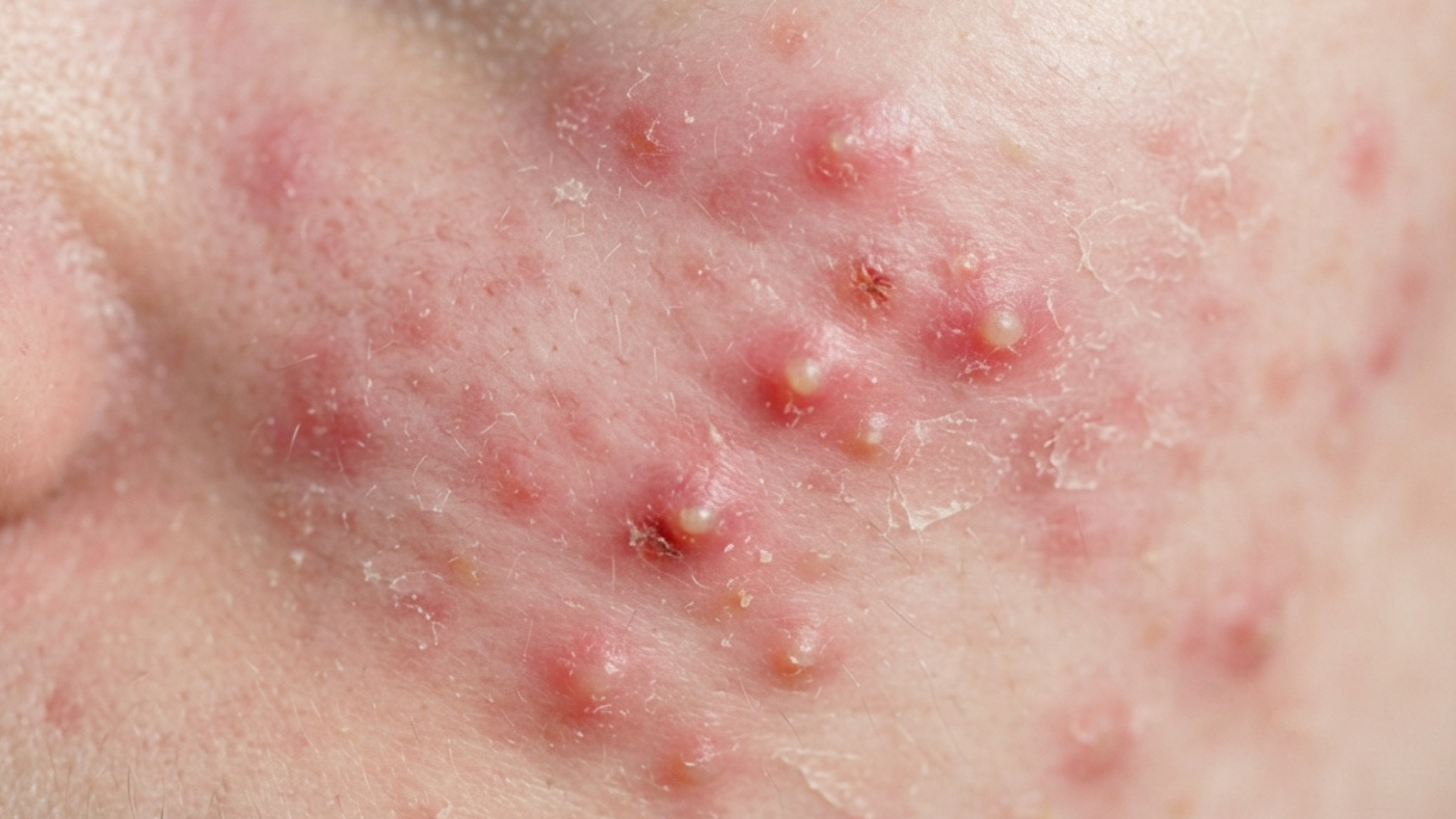
Modest benefit for clogged pores and a better one for the dark marks left behind. Needs repeat sessions, and the benefit fades if the daily treatment stops.

Light peels done around the eye can lift brown pigment over a course of treatments, and they are a reasonable next step when creams have stalled. Settings have to be gentle, spaced further apart and often preceded by weeks of a preparation cream, because over-treating eyelid skin leaves more pigment than it removed. On deeper skin tones, ask directly how many people with your skin tone the clinic treats.
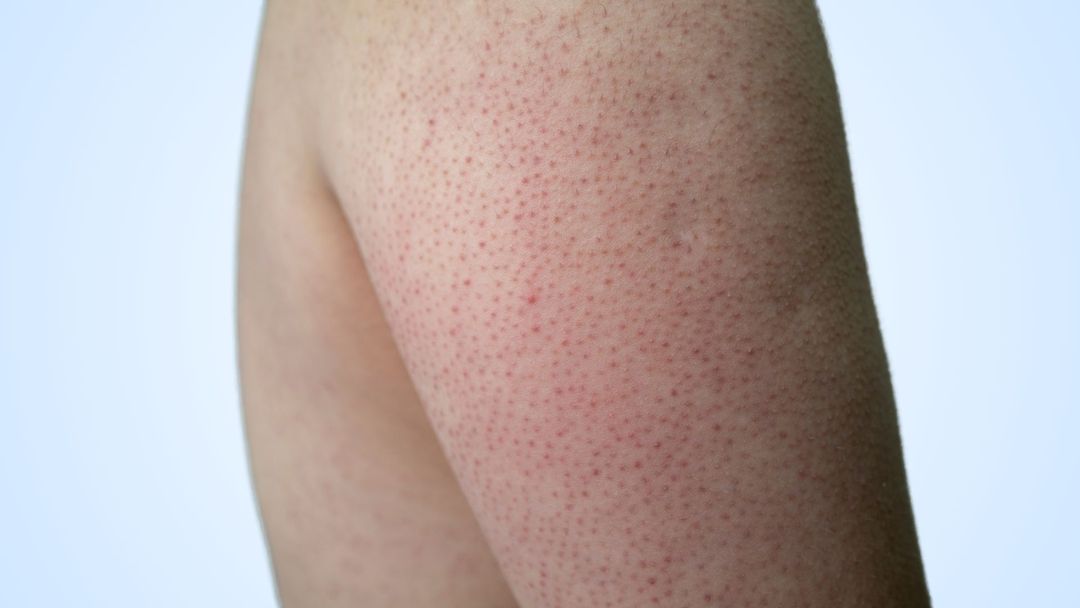
A stronger version of the acid creams, applied in a clinic to the arms or cheeks. It can smooth the texture for a while, and the effect fades in the same way, so the daily cream is still needed afterwards. It is an add-on for people who want a faster start, not a replacement for the routine.

Lightens spots across a whole area rather than one at a time, which suits the backs of the hands, the forearms and the chest where spots are scattered widely. Usually a course rather than a single treatment, and the result is a general evening out rather than each spot disappearing. Depth matters: a peel strong enough to leave the skin raw can leave a darker mark instead.
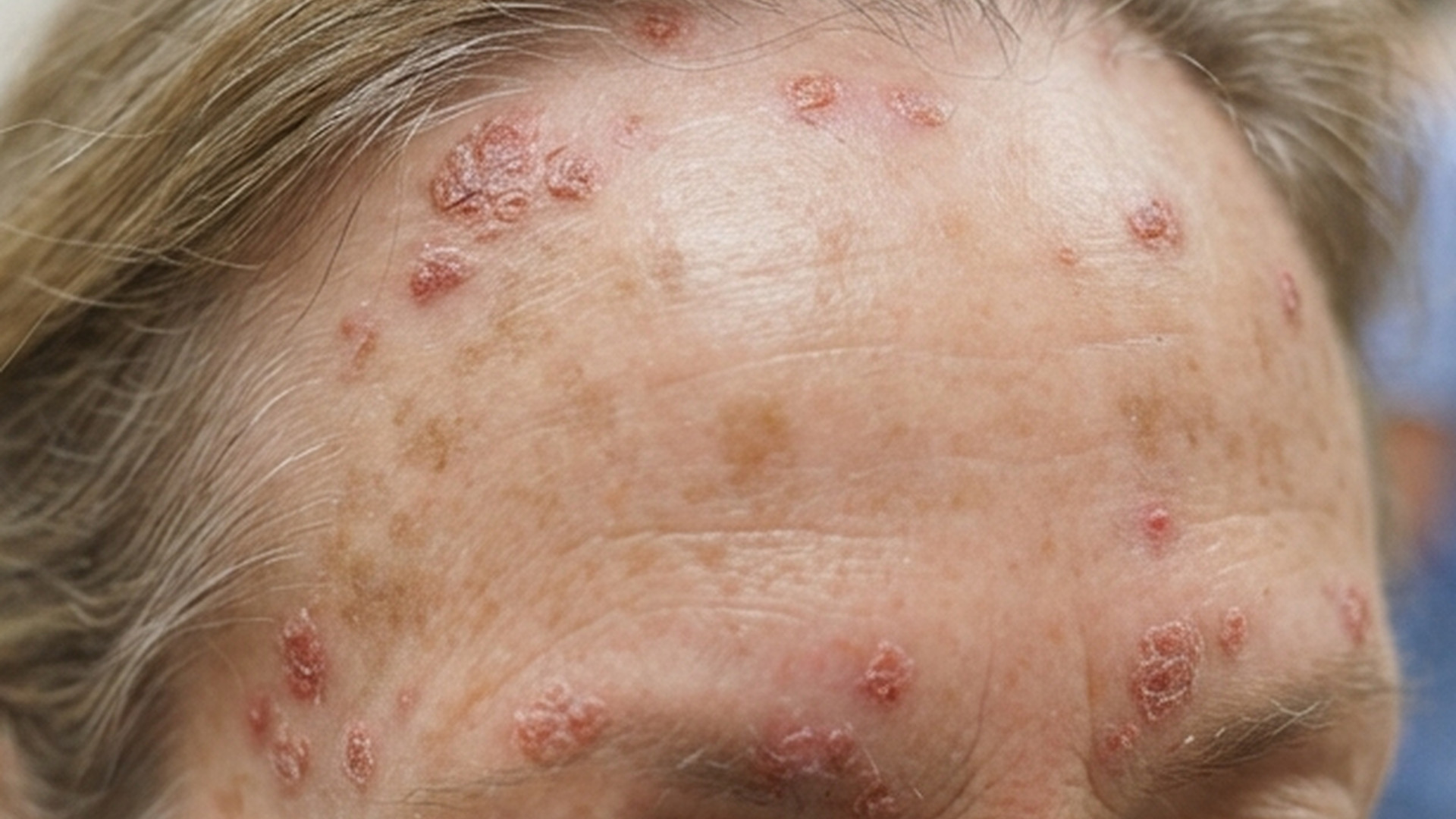
A medium-depth peel takes off the damaged top layer across a whole face or scalp at once, so it treats the field rather than single spots. It is an option when creams have not been tolerated. The skin is red and peeling for about a week, and results depend a lot on who is doing it and at what strength.

Medium-depth peels have some evidence for modest improvement in mature marks, mostly when used alongside another treatment rather than on their own. Because they work by controlled injury, the same pigment cautions apply on deeper skin tones, and a test patch is worth insisting on.
Repeated medium-depth peels smooth the edges of shallow scars and even out the tone around them. The effect on texture is modest next to laser or needling. On this page peels earn their place mostly for the flat marks sitting alongside the scars rather than for the scars themselves.

Moderate evidence. Aimed at indented scars, which a superficial peel does not touch. More downtime per session, and usually done once the acne itself is under control.

Limited evidence. Sands the surface instead of dissolving it. No peeling and little lasting effect on acne, which is why it is often bundled rather than sold on its own.
Common questions