Ultherapy
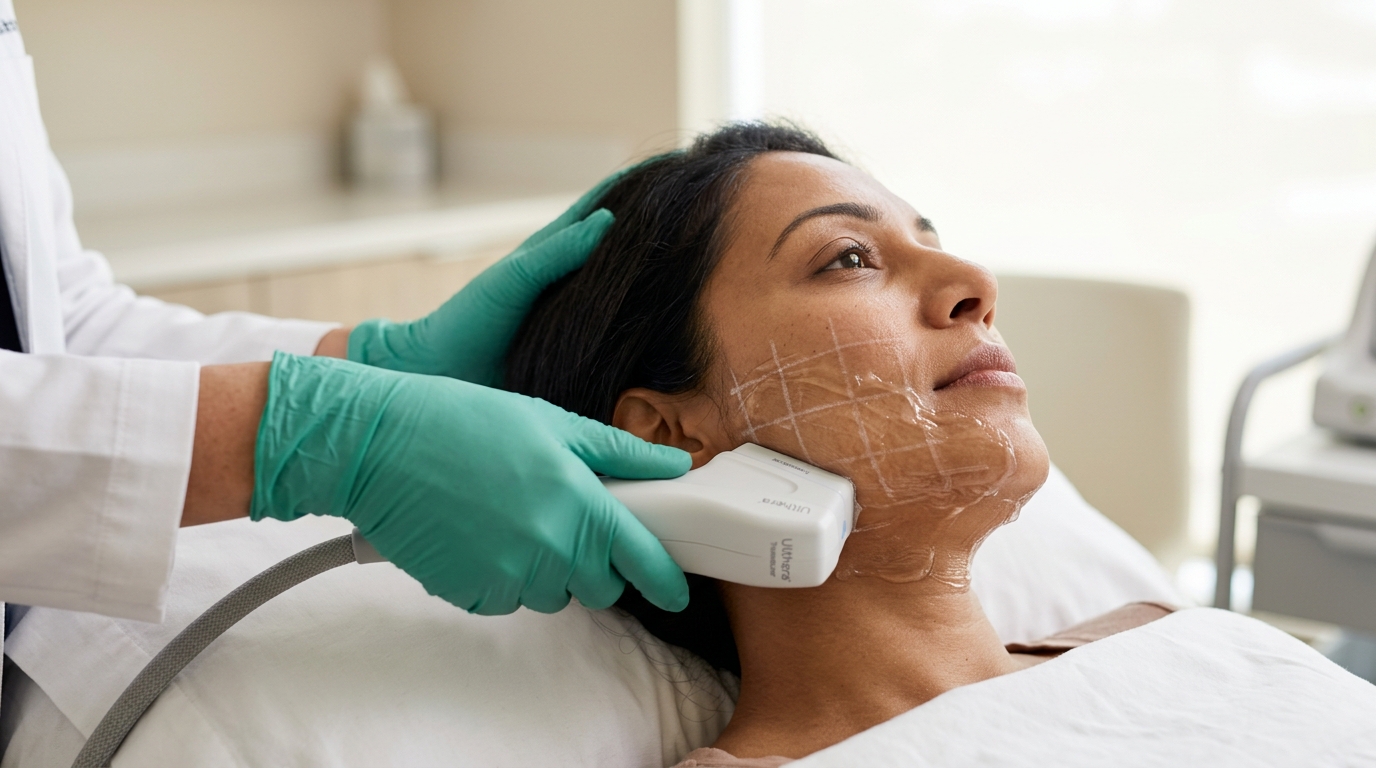
Ultherapy is guided by ultrasound. Gel is spread first so the applicator can image the layers underneath and place the energy at a set depth.
These two treatments do different jobs. Ultherapy works deep under the skin and changes nothing on the surface, so there is nothing to hide afterwards. A CO2 laser resurfaces the skin itself, which means real downtime and a real risk of pigment change in darker skin. Ultherapy suits a heavy jawline, a loose neck or a drooping brow. CO2 suits texture, scarring and sun damage, and many people end up wanting both.
| The difference | Ultherapy | Fractional CO2 Laser |
|---|---|---|
| What you actually do | A wand on the skin, nothing breaks it | A laser pass over the skin surface |
| How deep it goes | 1.5, 3.0 and 4.5 mm below the surface | From the surface downward |
| What you can expect to see | Lax tissue lifted | Smoother, more even skin surface |
| What it will not do | Nothing for texture or pigment | Nothing for a lax jawline |
| How long before you see anything | Two to six months | Once the skin has healed |
Ultherapy is guided by ultrasound. Gel is spread first so the applicator can image the layers underneath and place the energy at a set depth.
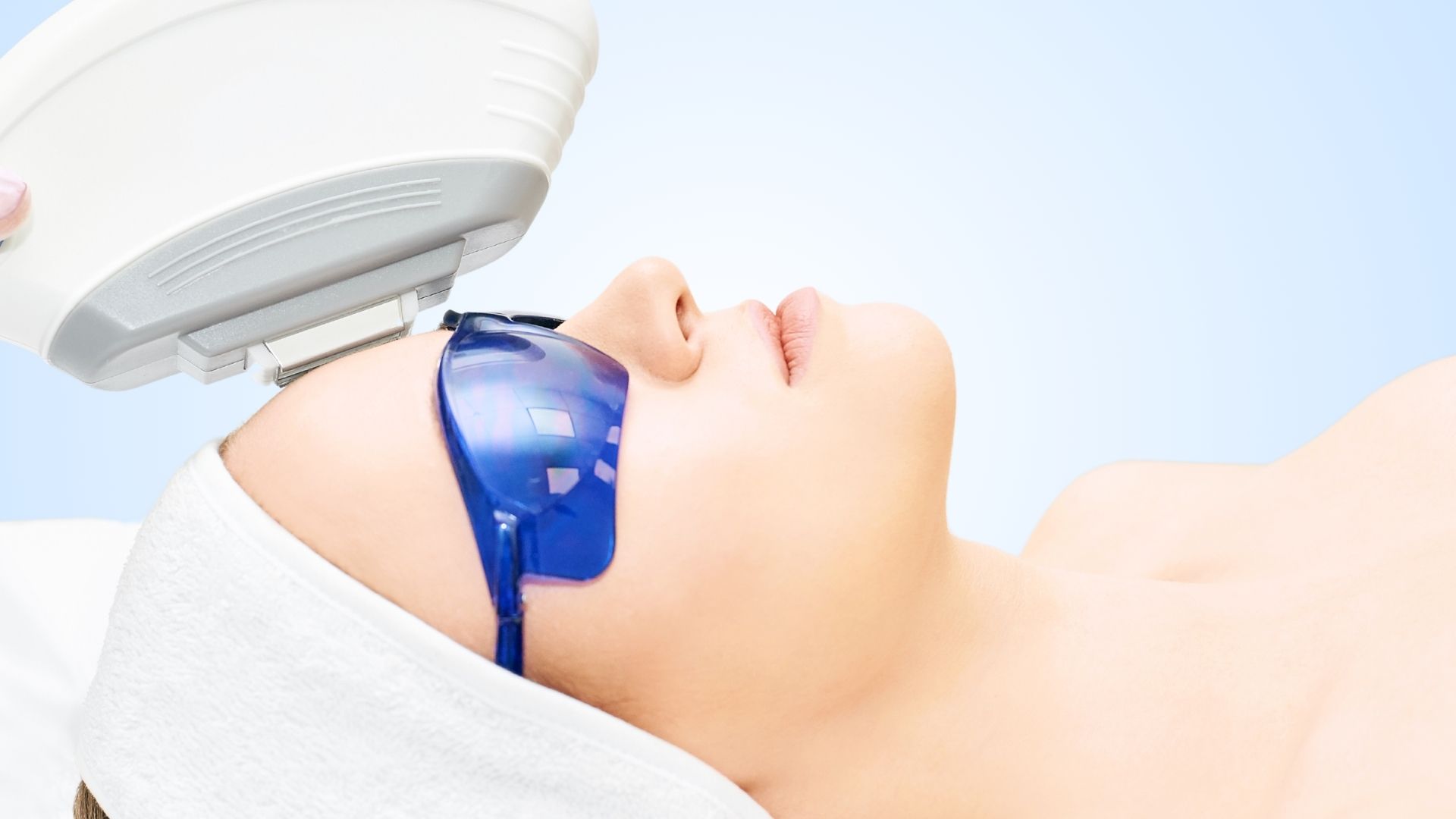
The treatment head is held above the skin rather than resting on it. The blue shields are not optional — they protect the eyes from a beam that would otherwise reflect.
Side by side
Ultherapy
A wand on the skin, nothing breaks it
Ultrasound is focused to a point below the surface. It works like a magnifying glass focusing sunlight. Imaging lets the operator see the layer before firing.
Fractional CO2 Laser
A laser pass over the skin surface
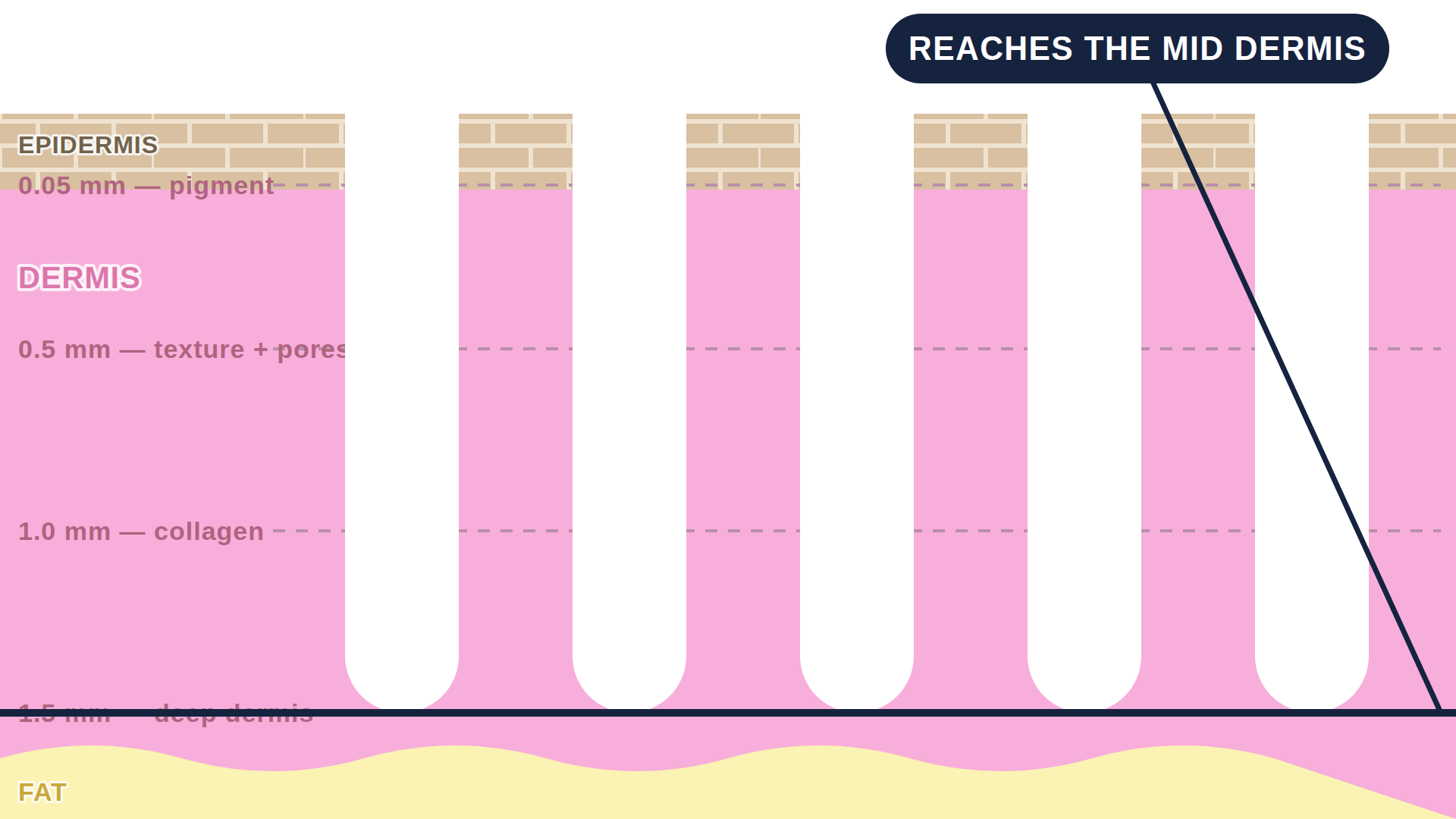
The laser is soaked up by water in the skin. It vaporises tiny columns of tissue and heats the tissue around them. Skin between the columns is left alone on purpose. That is what "fractional" means, and it is why healing is faster.

Focused ultrasound heats a deep layer to tighten it, aimed at the jaw, neck and brow rather than at lines. The change is modest and takes three to six months to show, and it is nothing like a surgical lift. It can be uncomfortable, and results vary enough that it is worth seeing a provider's own before-and-after photographs.
The strongest result available from a device for fine lines, texture and sun damage, particularly around the mouth and eyes. One treatment usually does it, and the trade is a week or more of raw, red, peeling skin. The pigment risk is significantly higher on deeper skin tones, so settings are lowered, a test spot is done first, and the provider's experience with your skin matters.

The most effective single option for indented scarring, and the one with the most downtime — about a week of raw, swollen skin and months of strict sun avoidance afterwards. It does most for boxcar and rolling scars; icepick scars need something aimed at them separately. Settings are dialled back on deeper skin tones because of the pigment risk.
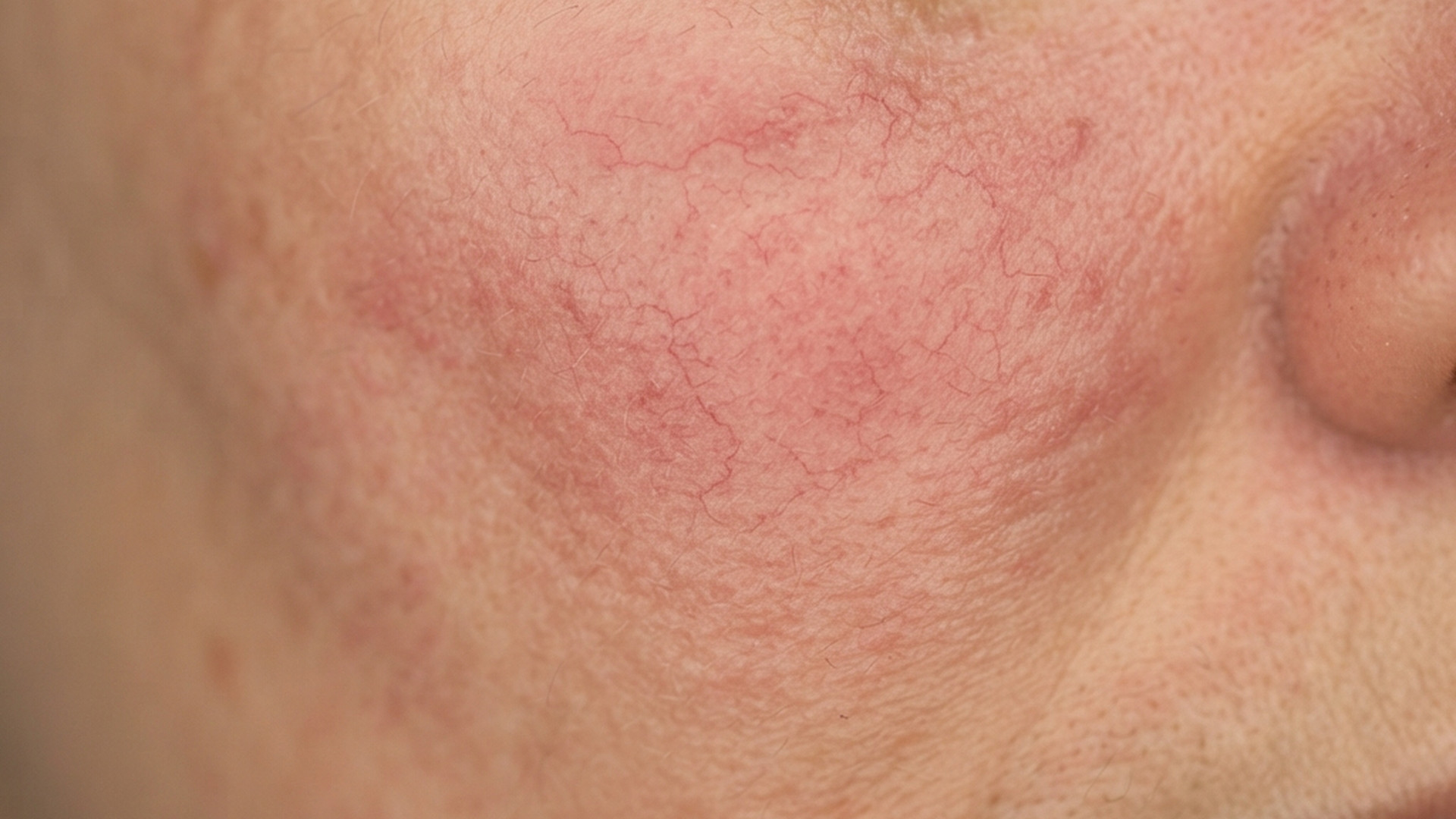
Used to reshape a nose that has thickened, by removing the excess tissue layer by layer. This is the answer for rhinophyma, since creams and tablets do not reverse it. It is a real procedure with real downtime of a couple of weeks, and results are strongly dependent on who does it.

An ablative laser that removes columns of skin rather than only heating them, so downtime is longer and the response can be larger. It is the highest-risk option on this page for post-inflammatory hyperpigmentation and for thickened scars on the chest, shoulders and upper back, which is why it is not a first choice on deeper skin tones.

An ablative resurfacing laser with a real risk of making melasma worse, particularly on medium and deep skin tones. Any benefit tends to be short-lived and the rebound darkening can last a long time. If a clinic is offering aggressive resurfacing as the answer to melasma, that is a reason to get a second opinion.
Ultherapy
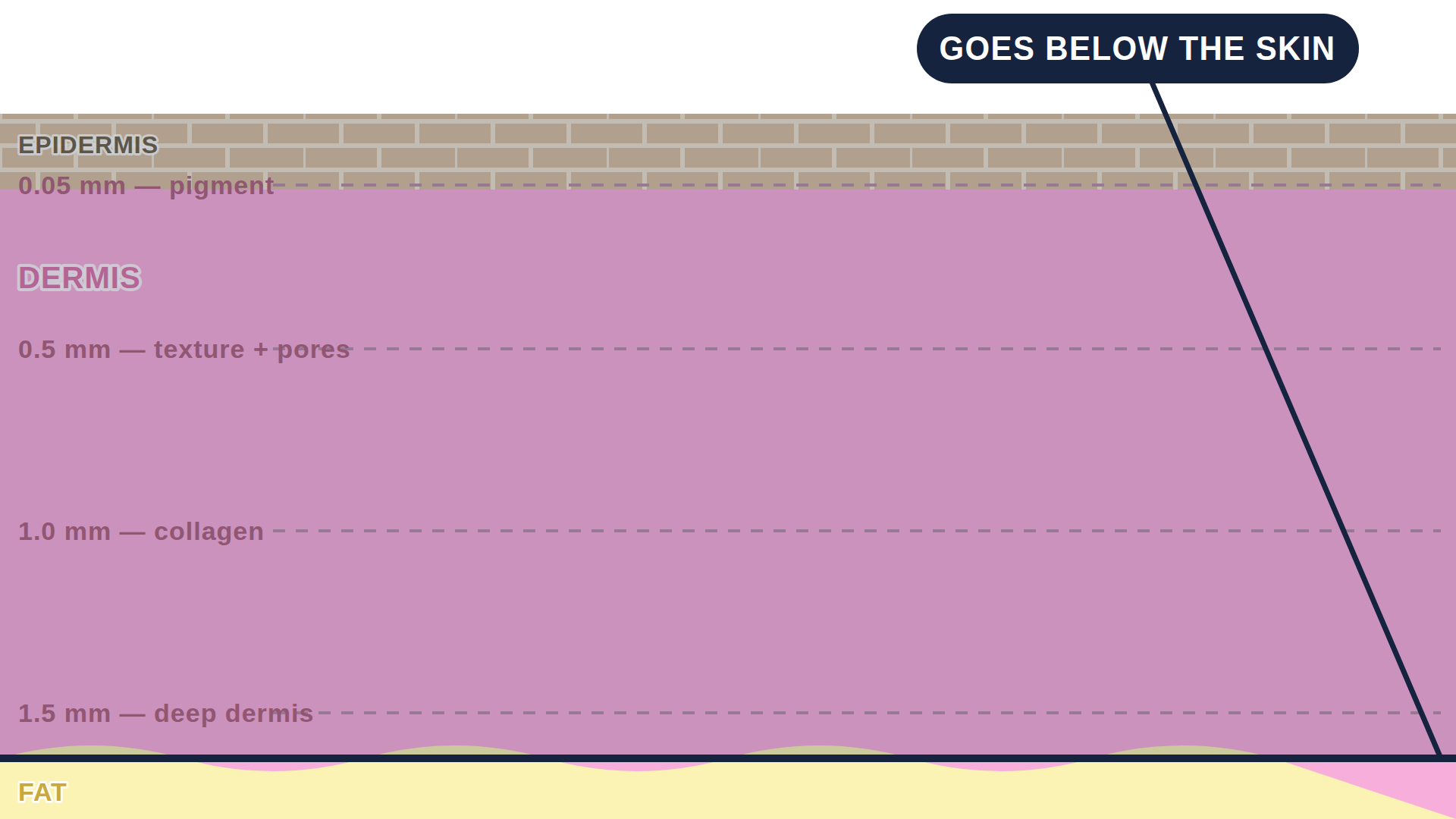
1.5, 3.0 and 4.5 mm below the surface
The deepest setting reaches the SMAS, the layer surgeons lift in a facelift. At the focus, tissue reaches about 60 to 70 degrees Celsius. That leaves small columns of changed collagen. The surface is spared.
Fractional CO2 Laser
From the surface downward
Depth depends on the machine and the settings chosen. Ask the operator what depth they plan to use.
Ultherapy
Lax tissue lifted
It aims at loose tissue in the deep plane: a heavy jawline, the area under the chin, the neck and the brow. Healing tightens the treated points.
Fractional CO2 Laser
Smoother, more even skin surface
It aims at surface texture, scarring, fine lines and sun damage. New skin grows in from the untreated skin between the columns.
Ultherapy
Nothing for texture or pigment
It spares the top layer of skin on purpose. So it does nothing for surface texture, brown patches or fine crepey skin.
Fractional CO2 Laser
Nothing for a lax jawline
It works at and just below the surface. So it does not reach the deep layer that a lax jawline or neck comes from.
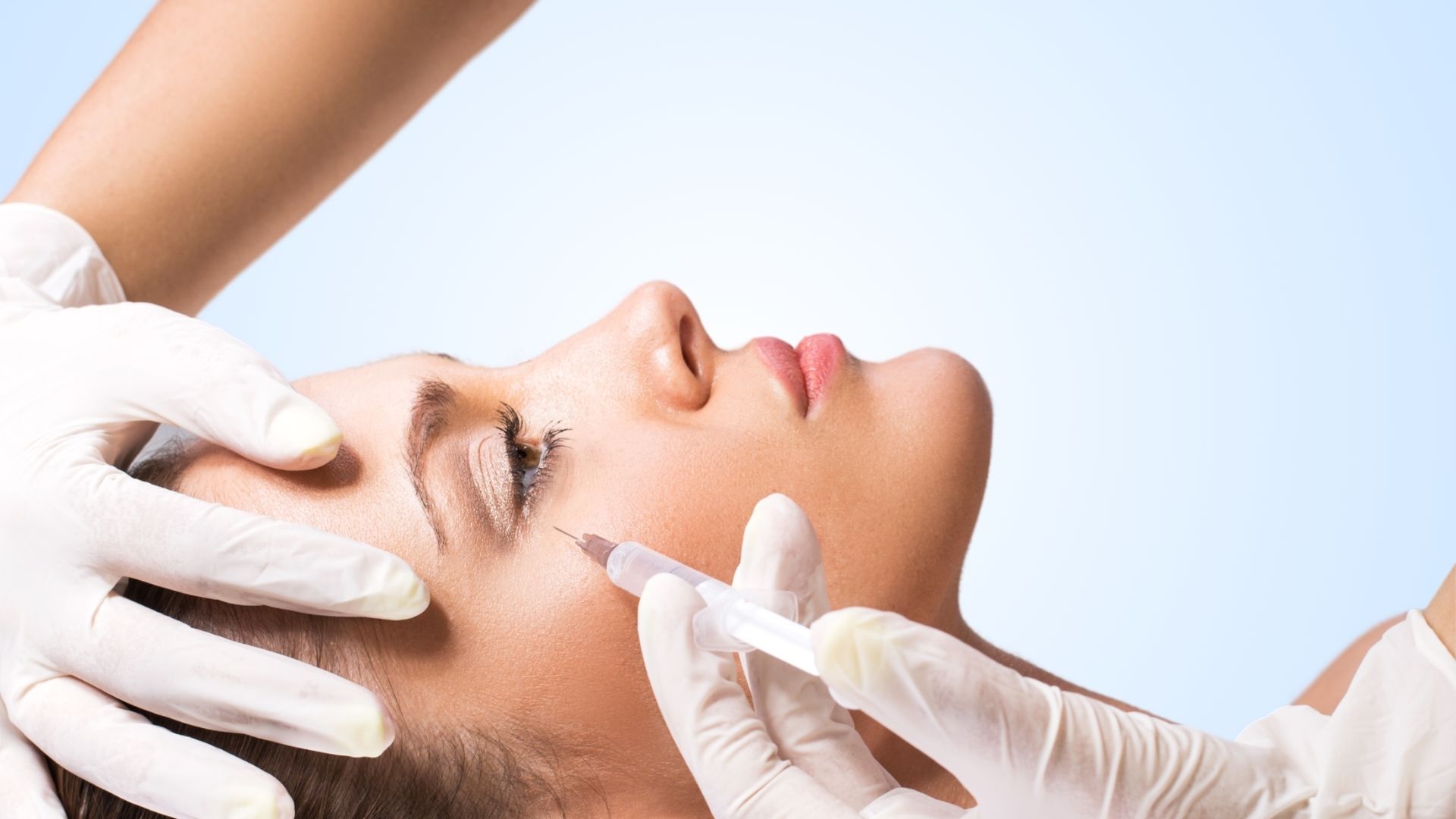
Strong evidence for lines caused by movement, and no effect on laxity. Frequently done alongside rather than instead.

Moderate evidence. Reaches depth through needles rather than light, so melanin does not absorb the energy. Less improvement for scars, considerably less downtime, and a much smaller pigment risk. Often the better trade on deeper skin tones.

Moderate evidence. Far cheaper, minimal downtime, safest across skin tones, and clearly less effective. Needs a course of three to six rather than one to three sessions.

Strong evidence for pigment and pores, none for indented scars at superficial depth. Not a substitute here.
Ultherapy
Two to six months
The change builds slowly as the treated points remodel.
Fractional CO2 Laser
Once the skin has healed
Ask the clinic how long healing takes. Get their answer in writing before you book.
Ultherapy
Pain during the treatment itself
Pain during the session is the most common complaint. Afterwards there is redness, swelling and tenderness that settle quickly. Bruising or short-term numbness happen now and then.
Fractional CO2 Laser
A genuine recovery, not a weekend
Numbing is standard, and comfort depends a lot on the settings used. In a same-patient trial, fractional CO2 caused longer redness, pain, swelling and scabbing than a gentler laser. Pigment change afterwards is the main risk.
Ultherapy
No home version of this
Home wands put a small amount of power into the surface of the skin. Focused ultrasound works several millimetres down, and a home wand never reaches that depth.
Fractional CO2 Laser
No home version of this
Peels, scrubs and home "resurfacing" tools work on the very top of the skin. Vaporising columns of tissue takes far more power than a handheld device can give.
Ultherapy
Fractional CO2 Laser
Ultherapy
CO2 carries more pigment risk than Ultherapy. Treatments that remove the surface carry more of this risk than treatments that spare it. The risk is higher in deeper skin tones. That is not a reason to rule CO2 out. It is a reason to have the conversation before you book, not after.
Ultherapy does not carry this risk profile. It does not injure the surface. Its rare problems are different ones: short-lived weakness in the nerves that move the face, and loss of fat under the skin.
Ultherapy
Ultherapy's cleared wording names lifting: lifting the brow, lifting lax tissue under the chin and on the neck, décolleté lines, and skin laxity on the abdomen and arms. It was granted through a De Novo request, DEN080006, on 11 September 2009, and the arms and abdomen wording was added in February 2025 as K243035. Its imaging is separately cleared to visualise up to 8 mm below the surface. Downtime is not stated in the Indications for Use, so the "no downtime" description is not a labelled figure.
CO2 clearance wording varies by machine and manufacturer, so no clearance number and no indication list is quoted for them here. Ask which device is being used and what its cleared text says.
A clearance is not a finding that a benefit was demonstrated. It means a device was judged similar enough to an earlier device. That is true for both of these.
Ultherapy
Ask which areas the Ultherapy quote covers and what follow-up is included. The plan should match a lifting or tightening goal.
Fractional CO2 Laser
Ask which CO2 laser, treatment intensity, anesthesia and aftercare are included. A resurfacing quote is not the same service as a lifting quote.
Common questions