Tretinoin
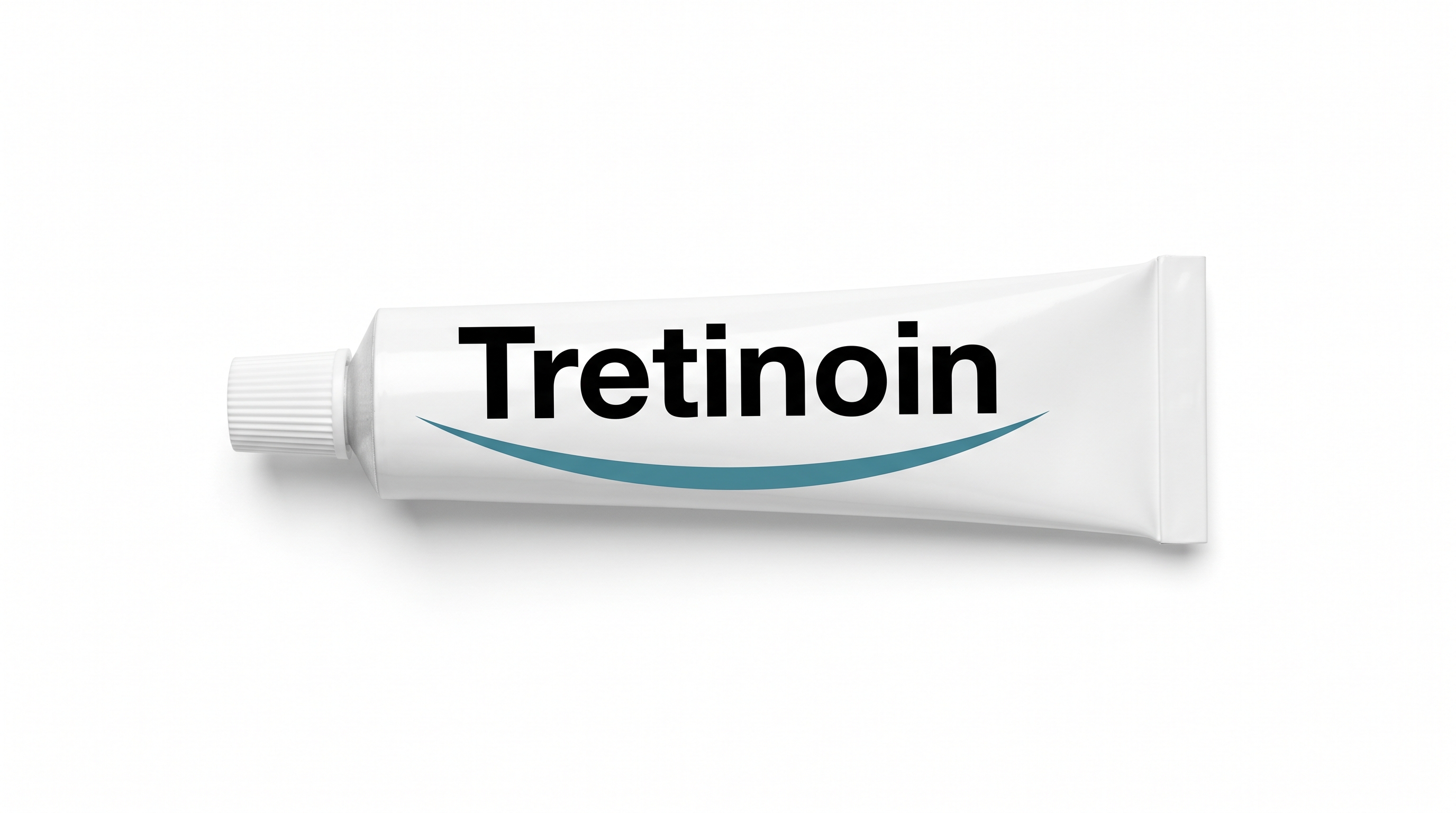
Tretinoin, sold under brand names including Retin-A, comes as a cream or gel in a tube.
One is cheap and slow, the other is expensive and occasional. Tretinoin is a prescription cream you use most nights for years, and it is better for fine lines, rough texture and uneven colour. Microneedling is a course of 3 to 6 clinic visits you pay for yourself, and it is better for dented acne scars. Only one small trial has ever compared them, and it was for blackheads, not scars.
| The difference | Tretinoin | Microneedling |
|---|---|---|
| Cost | Cheap, especially as a generic | Paid per session, out of pocket |
Tretinoin, sold under brand names including Retin-A, comes as a cream or gel in a tube.

A microneedling pen being passed over the forehead during an in-clinic session.
Side by side
Tretinoin
A cream, most nights
A prescription vitamin A cream you rub on before bed. You keep doing it for years.
Microneedling
3 to 6 clinic visits
A pen of fine needles makes thousands of tiny punctures. Numbing cream first, sessions a few weeks apart.
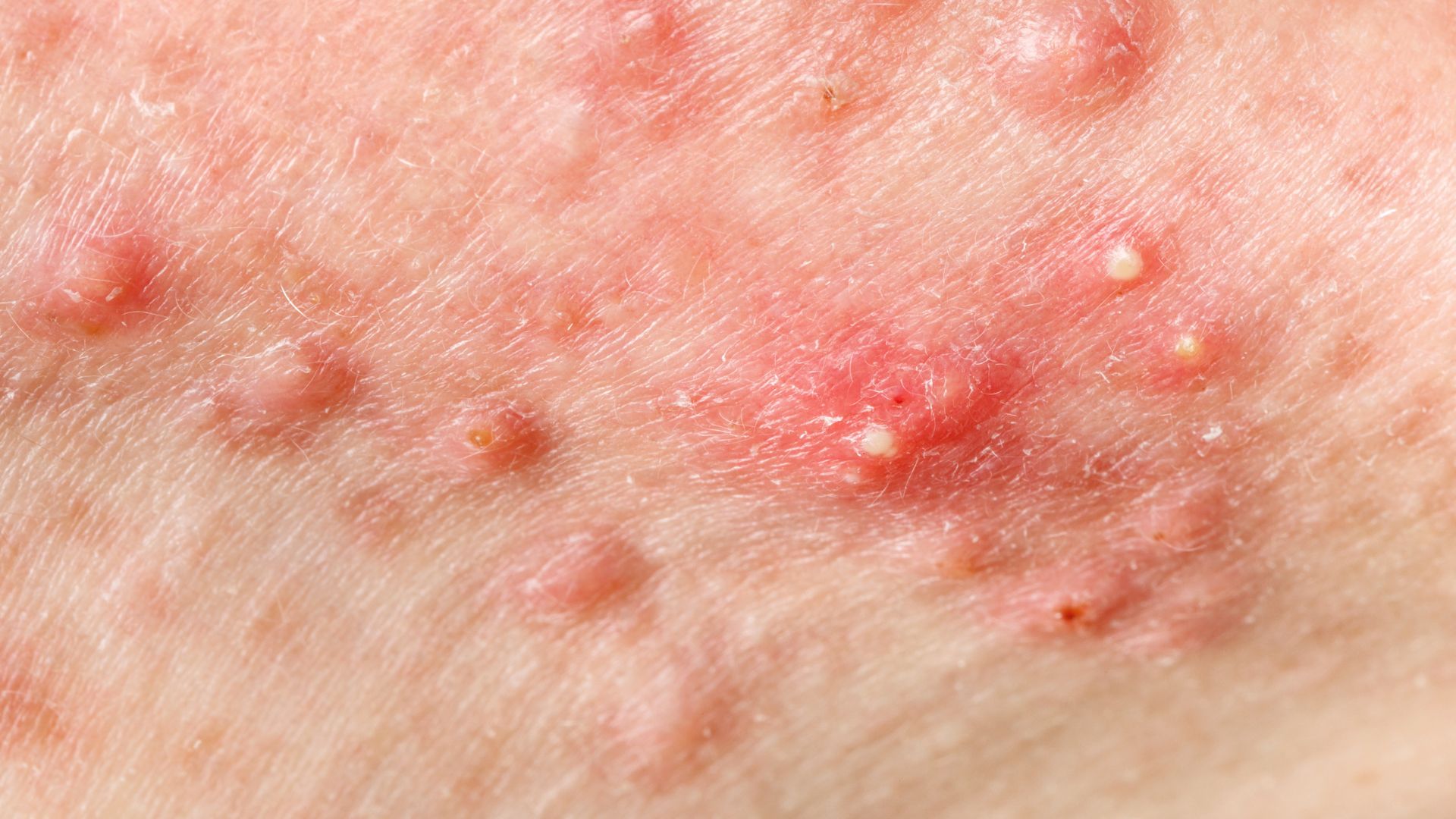
Tretinoin works on the plug that forms weeks before a spot appears. It does almost nothing to a pimple already sitting on your face, which is why the first month feels like nothing is happening.

It smooths rough texture and fades the dark marks acne leaves. Indented scars are missing tissue underneath, and nothing in a tube fills them back in.
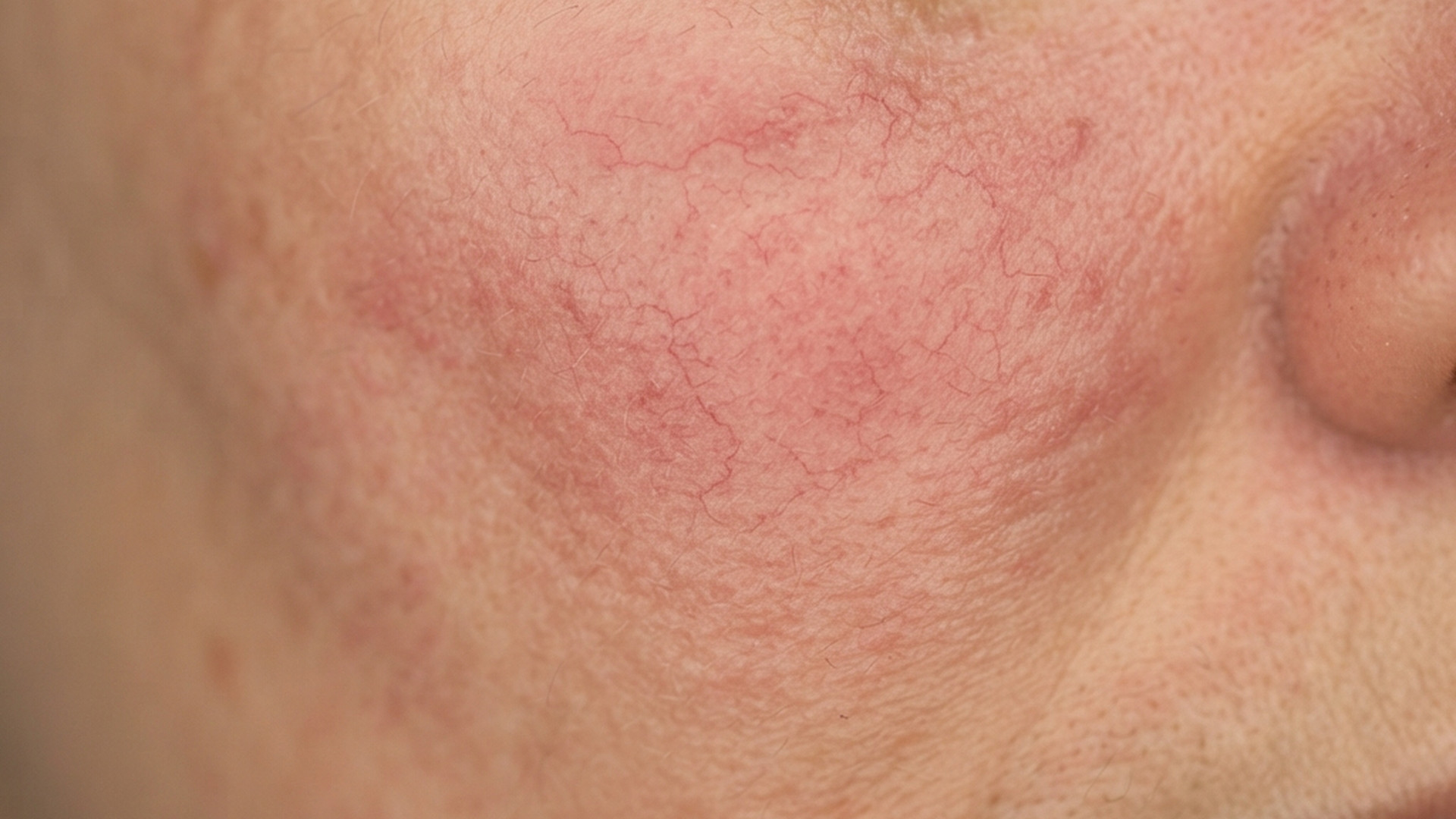
Rosacea is inflammation in the blood vessels, not a blocked pore. Tretinoin usually irritates it rather than settling it.
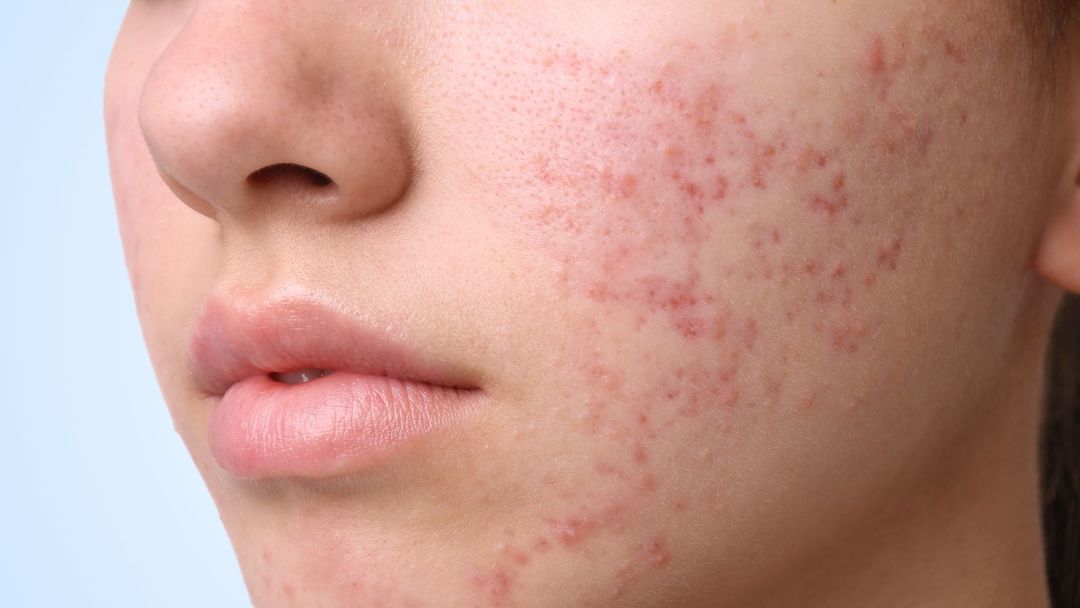
Prescription strength retinoid, used here mainly to stop new inflamed spots, with the useful side effect of evening out overall tone as the skin turns over faster. It does not target the vessels directly. The first six to eight weeks are red and flaky, so it is worth knowing that the marks will look worse before they look better.
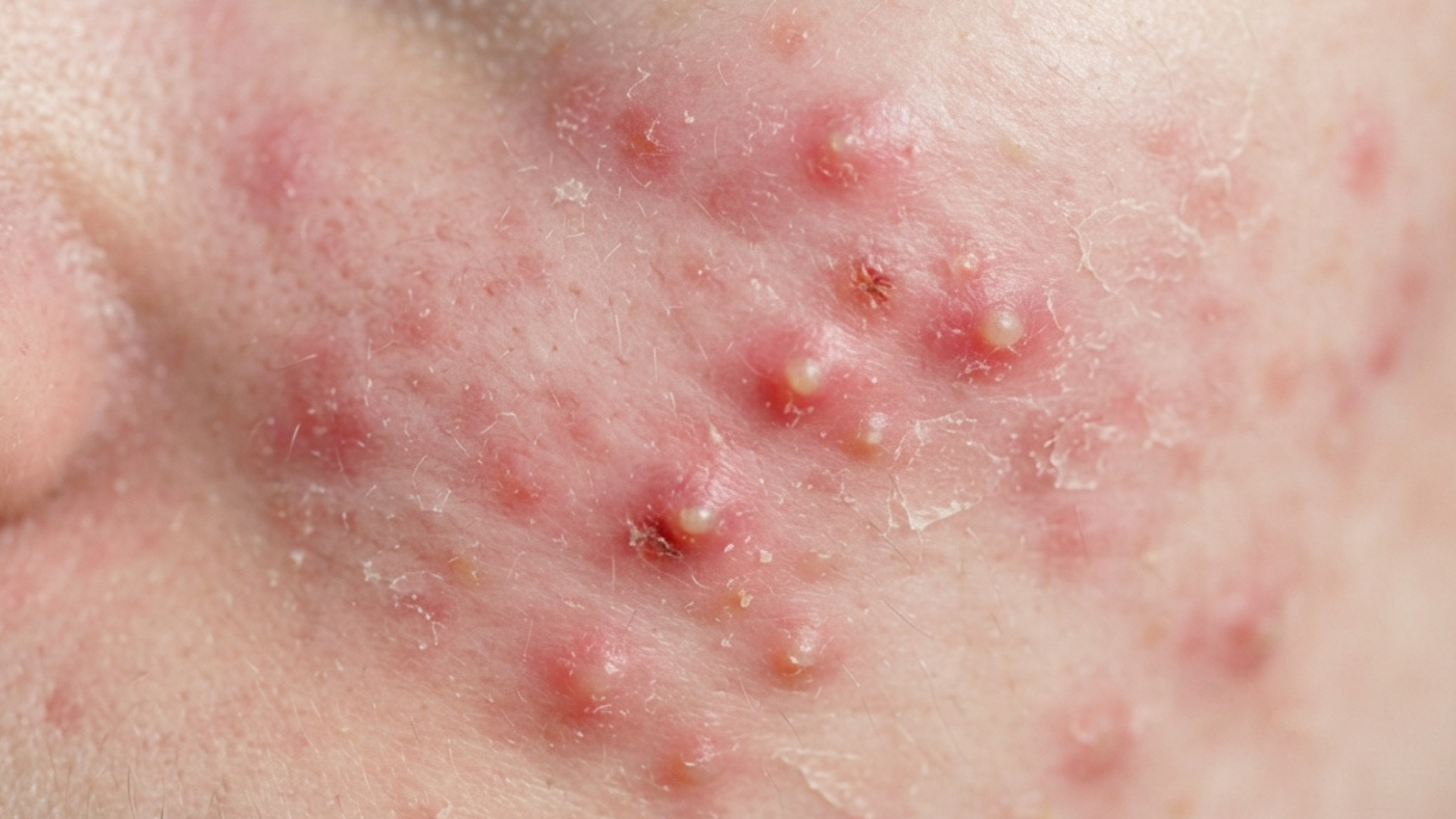
The most studied topical in acne. Stronger than adapalene and more irritating with it, so it is usually the step up rather than the starting point. Not used in pregnancy.

The best-evidenced cream for wrinkles, with repeated trials showing improvement in fine lines, texture and pigment over three to six months. It works by signalling the skin to build its own collagen, so it thickens the dermis rather than thinning it. The usual failure is going nightly from day one, peeling for two weeks and stopping — two or three nights a week with moisturizer underneath gets far more people to six months. Generally avoided in pregnancy — ask your doctor.

The one cream with real evidence behind it, and only on marks that are still red or purple. Used nightly over months it can make new marks narrower and less obvious by prompting collagen while the skin is still remodeling. It irritates, so it is built up slowly. It must not be used in pregnancy or while breastfeeding, which rules out the most common cause of stretch marks.
The prescription retinoid, stronger than retinol, used nightly over months. It improves surface texture and the marks around scars, and it keeps the acne that makes new scars under control. It does not fill an indented scar, and it is usually paused before resurfacing procedures.
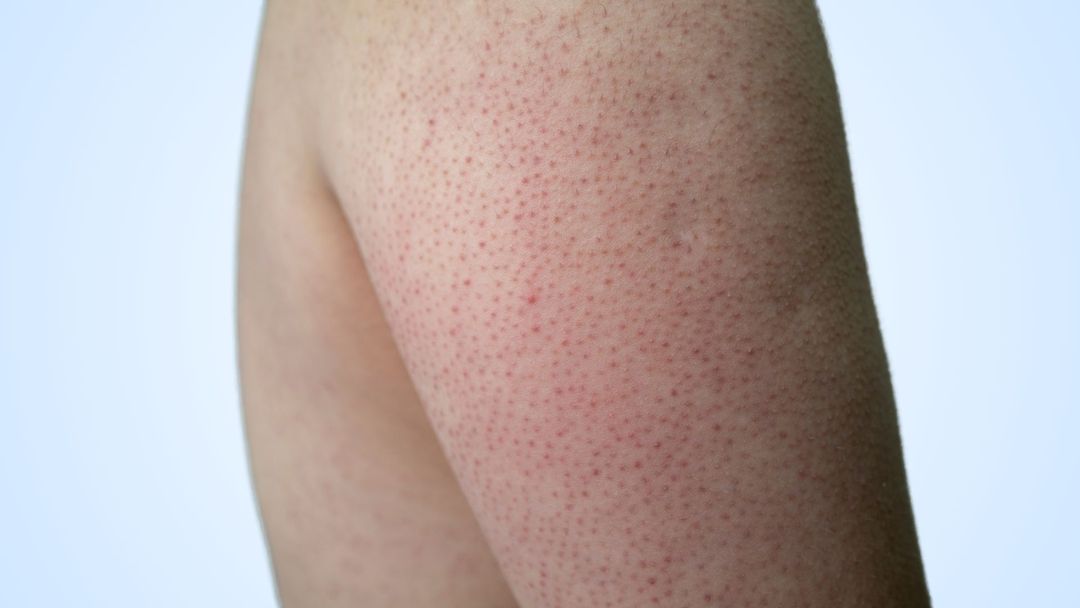
The prescription version of the retinoid idea: it normalizes how the follicle sheds, so plugs form more slowly. It is used when over-the-counter acids have not been enough after six weeks. It is drying and irritating on arms and thighs, so it is introduced two or three nights a week, and it makes the skin more sun-sensitive.

The prescription retinoid, and the one with real trial evidence in sun spots specifically. It lightens spots over about six to ten months and improves the sun-damaged skin around them at the same time. Expect dryness and flaking early on, and use it at night with daily sunscreen, since it leaves skin more sun-sensitive. Ask your doctor about it if you are pregnant or trying to become pregnant.

A prescription retinoid that thickens the lid skin and speeds pigment out of it, and it makes hydroquinone work better, which is why the two are usually prescribed together. Eyelid skin irritates readily, so it is used at low strength, a few nights a week, and irritation is a reason to slow down rather than push on. Ask your doctor before using it if you are pregnant or trying to be.
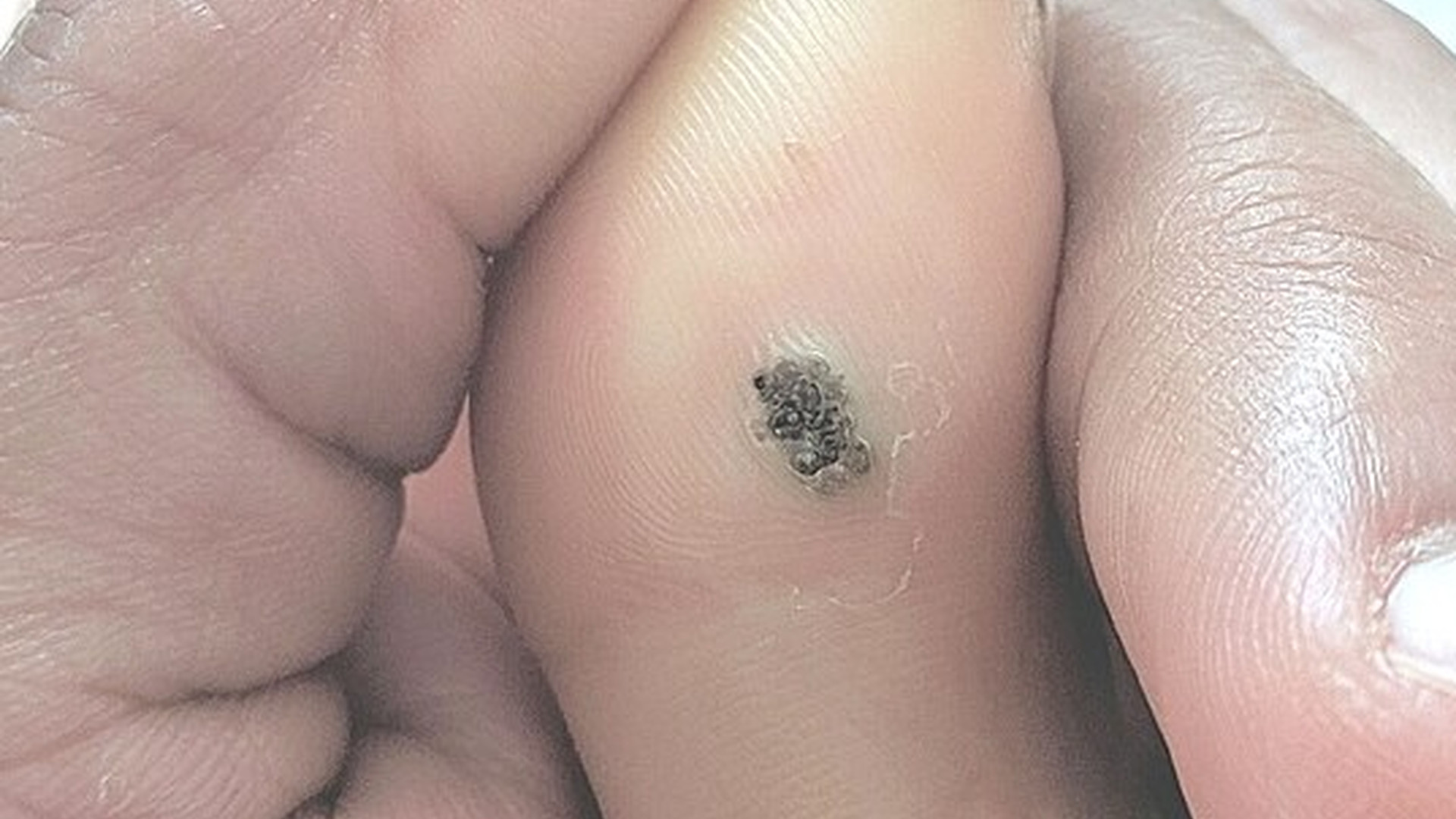
A retinoid cream used for the flat warts that appear in groups of dozens on the face and the backs of the hands, where acid and freezing would be too harsh over so wide an area. It speeds up the turnover of the infected surface cells. It takes months, and it makes the skin dry and sun-sensitive while it runs.

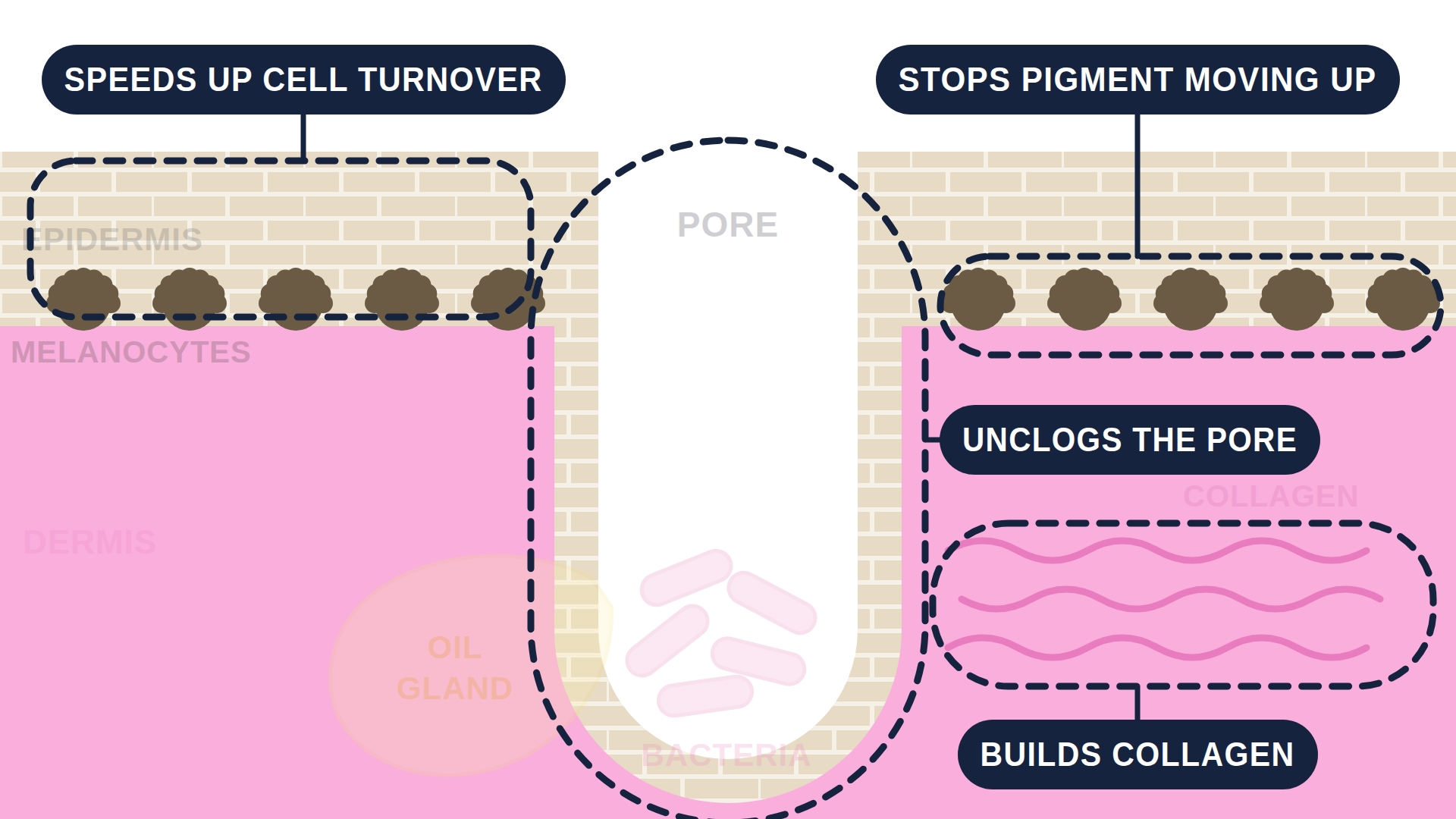
Sheds pigmented surface cells faster and treats the acne writing new marks, which is why it does two jobs on this page. It is stronger than an over-the-counter retinol and correspondingly more irritating at first. Build up slowly, because the peeling, stinging phase is inflammation and can darken the marks before it lightens them.

Speeds up how quickly pigmented skin cells are shed, and helps the other creams get in, which is why it is more often part of a combination than used alone. Used by itself it works slowly and it can irritate, and irritation darkens melasma, so it is started at a low strength a few nights a week. Ask your doctor about it if you are pregnant or trying to become pregnant.
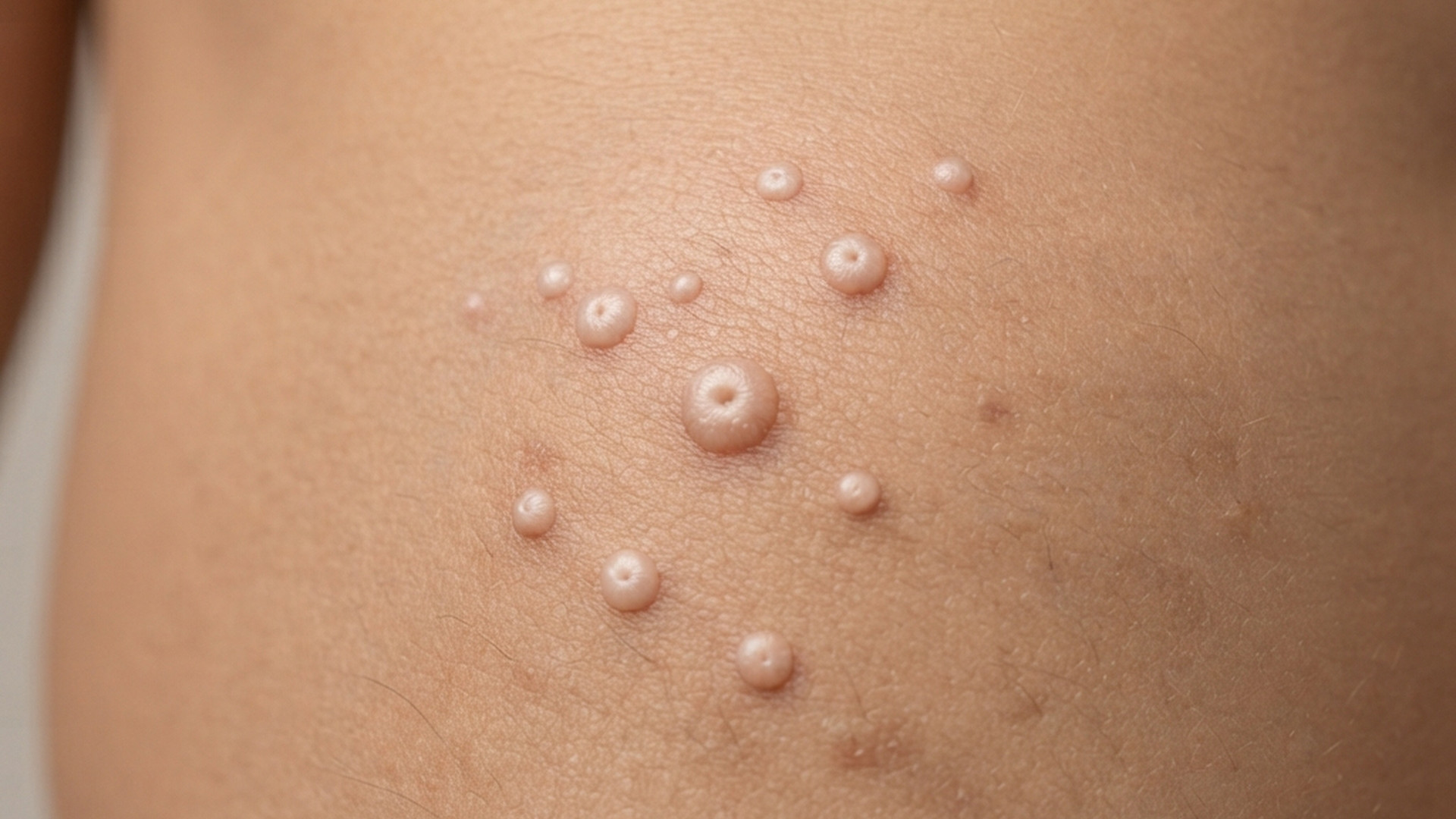
A retinoid dabbed onto individual bumps to irritate them into clearing. It is sometimes chosen for bumps on the face, where blistering or scraping is less appealing. The evidence for it in molluscum is thin, it is slow, and it makes the skin around the bumps red and flaky, which is its own reason to scratch.
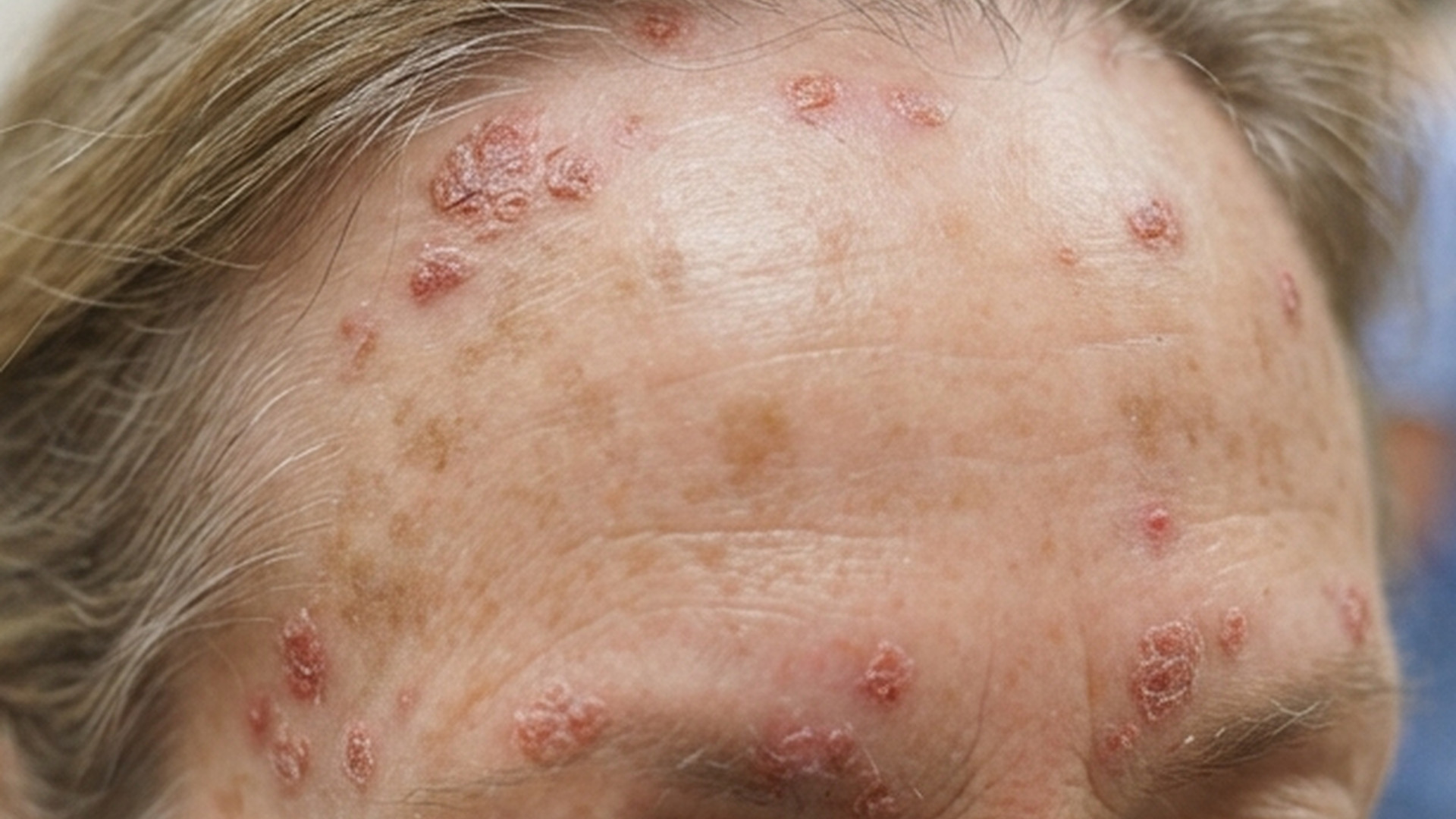
A prescription retinoid people often ask about here, because it is known for sun-damaged skin. It smooths texture and helps the mottled color, but trials have not shown that it clears actinic keratoses or prevents skin cancer. It is reasonable for the look of sun damage, and it is not a treatment for the patches themselves.
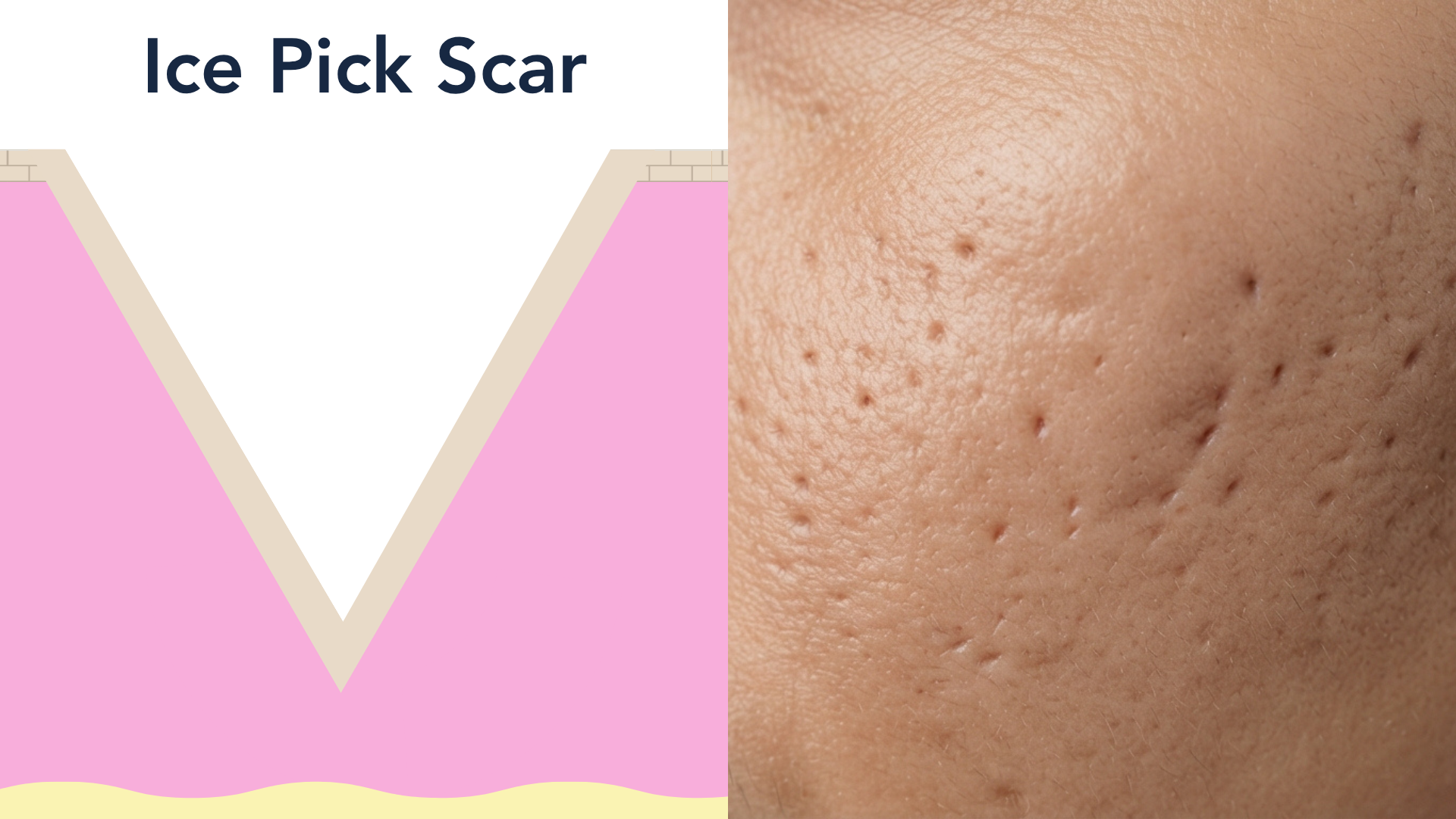
Narrow and deep, like a puncture. A needle passing over the surface cannot reach the bottom of the tract. These need TCA CROSS, punch excision, or a laser.
Fine needles make controlled micro-injuries that prompt new collagen in the scarred layer. Improvement is modest and needs a course of sessions, but it carries a lower risk of leaving dark marks than lasers do, which makes it the more sensible first device on deeper skin tones. It works on both red and white marks.
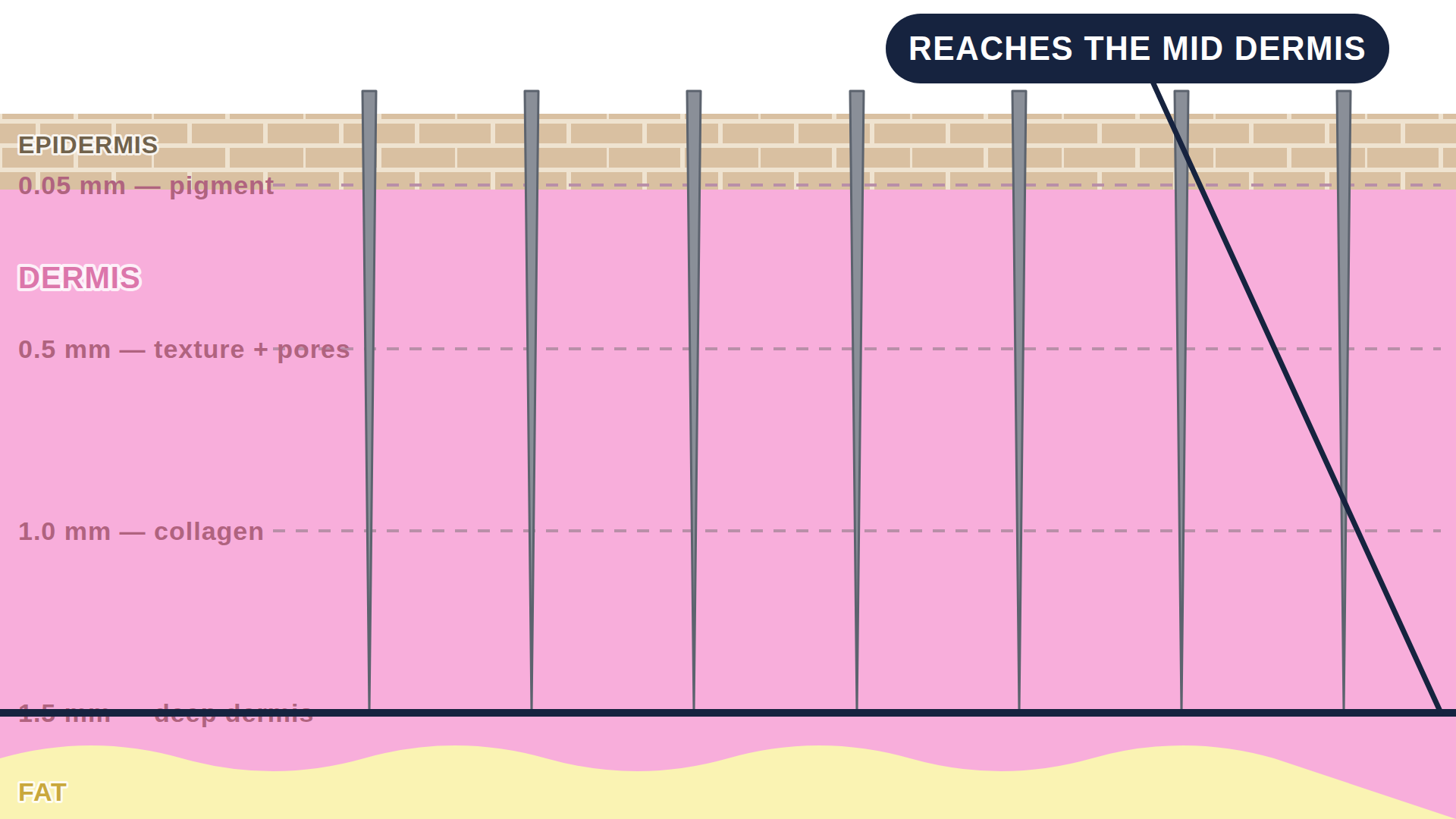
Fine needles injure the skin just enough to trigger new collagen. It does most for rolling and shallow boxcar scars, and very little for icepick ones. It is the gentlest of the resurfacing options, which also makes it the slowest — expect four to six sessions and judge it at a year, not at a month.

Fine needles rolled or stamped into the scalp, used alongside minoxidil rather than instead of it. The small trials that exist favor the combination over minoxidil alone. Sessions are spaced weeks apart, and doing it too often or too deeply irritates the scalp without adding anything.
Fine needles make controlled injuries that prompt the skin to lay down collagen. Improvement in fine lines and texture is modest and builds over three to six sessions. Its advantage here is a lower risk of pigment problems on deeper skin tones than lasers or deep peels carry, which makes it a common first choice.
Fine needles make controlled channels that help topical treatments penetrate and encourage the skin to remodel. It is mainly a scarring treatment, and its effect on pigment alone is small. It is a reasonable choice when true scars and dark marks sit together, but it can inflame reactive skin, so conservative depths are used on deeper skin tones.
Fine needles make temporary channels that help tranexamic acid or other treatments reach deeper, and that combination is where the evidence sits — not needling on its own. It has to be done gently. Aggressive needling inflames the skin, and inflamed skin with active pigment cells makes more pigment, not less.
Thickens the skin slightly over a course of sessions, which can make the vessels underneath a little less visible. The evidence around the eye is thin and the change is subtle. It will not fill a hollow, and on deeper skin tones it carries its own risk of leaving marks, so it is not a first choice here.


Tretinoin
Cheap, especially as a generic
Insurance often covers it when it is prescribed for acne.
Microneedling
Paid per session, out of pocket
Insurance does not cover it. Budget for the whole course, not one visit.
Tretinoin
Smoother, more even skin
Fine lines soften, rough patches smooth out, brown blotches fade. It also clears acne. The change is real but small.
Microneedling
Shallower dents
Rolling and boxcar acne scars become less deep and catch the light less. They do not disappear.
Tretinoin
Not for deep scars
Its own label says, in capitals, that it does not eliminate wrinkles or reverse sun damage.
Microneedling
Not for sagging
No microneedling device has FDA permission to claim it tightens or lifts skin.

gentler, available over the counter, stable alongside benzoyl peroxide. A good first retinoid.

stronger, better for stubborn acne and dark marks, more irritating.
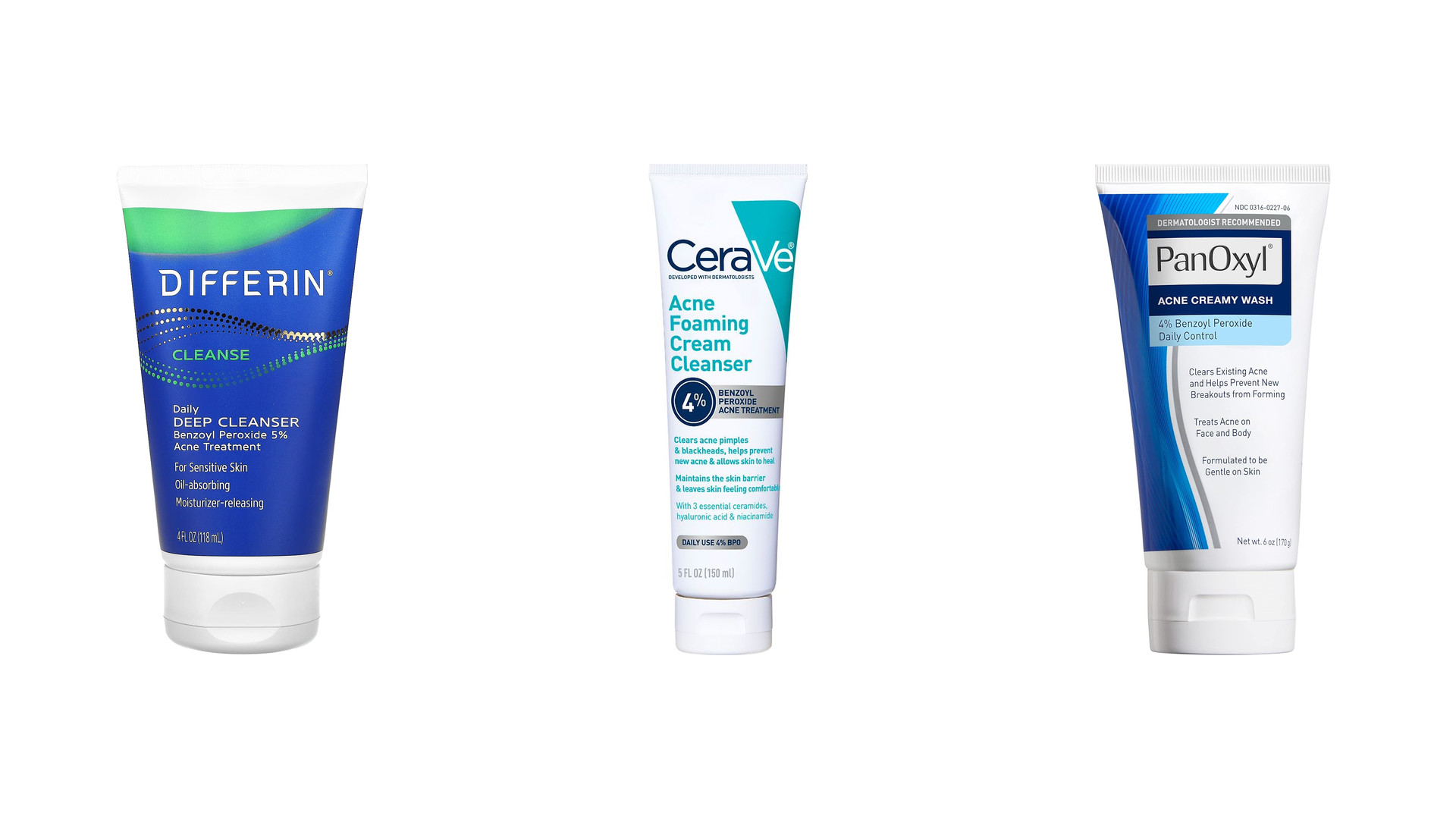
kills bacteria but does not fix the plug. Works best paired with a retinoid, not instead of one.
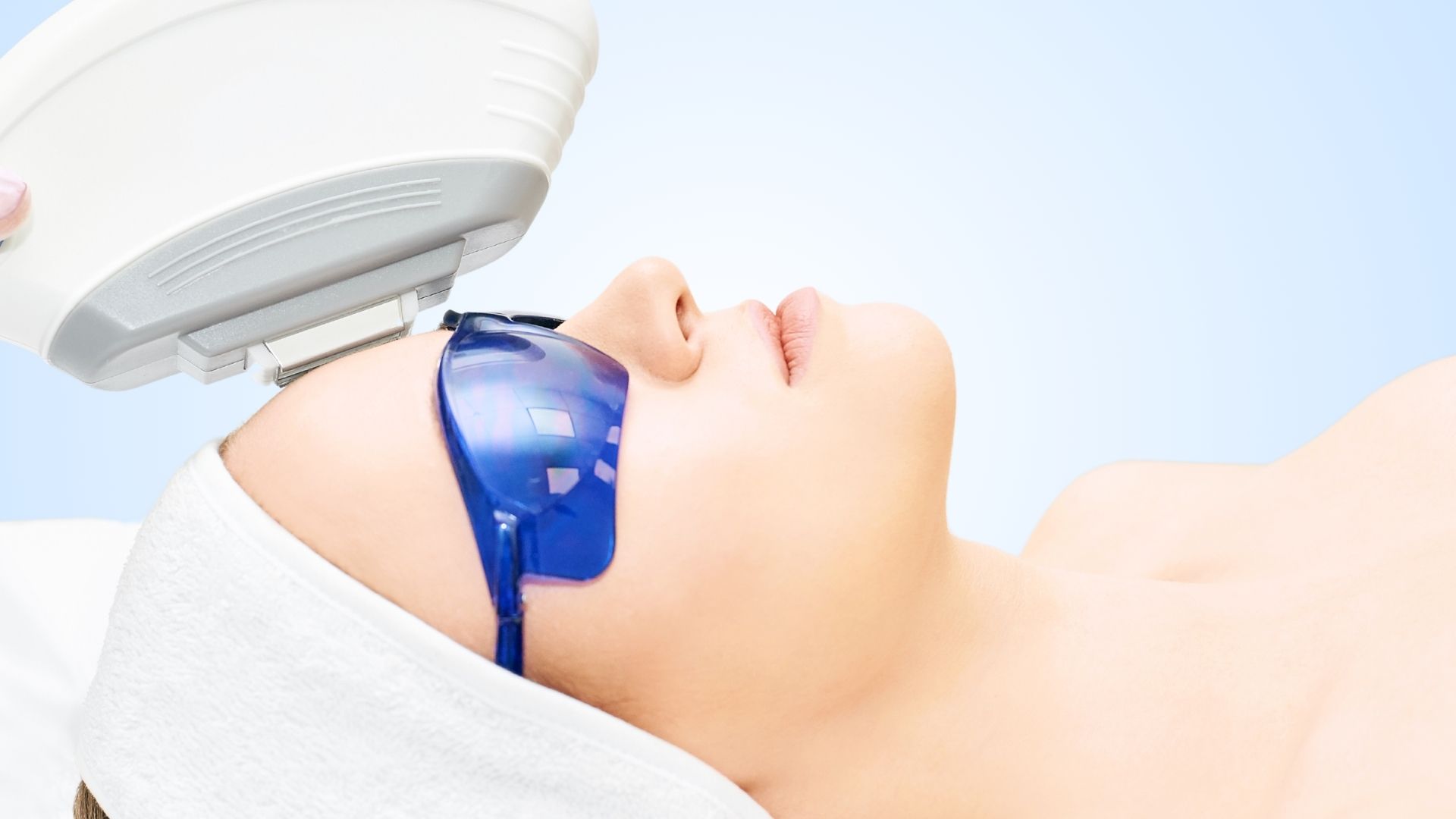
Strong evidence, and the most effective single option for indented acne scars. In exchange it brings a week of real downtime, higher cost, and a genuine risk of lasting pigment change, especially on deeper skin tones.

Moderate evidence. Adds heat at depth, which does more for laxity and can do more for scars, at the cost of more discomfort, more downtime, and a higher price. Still safer on deeper skin tones than ablative lasers.
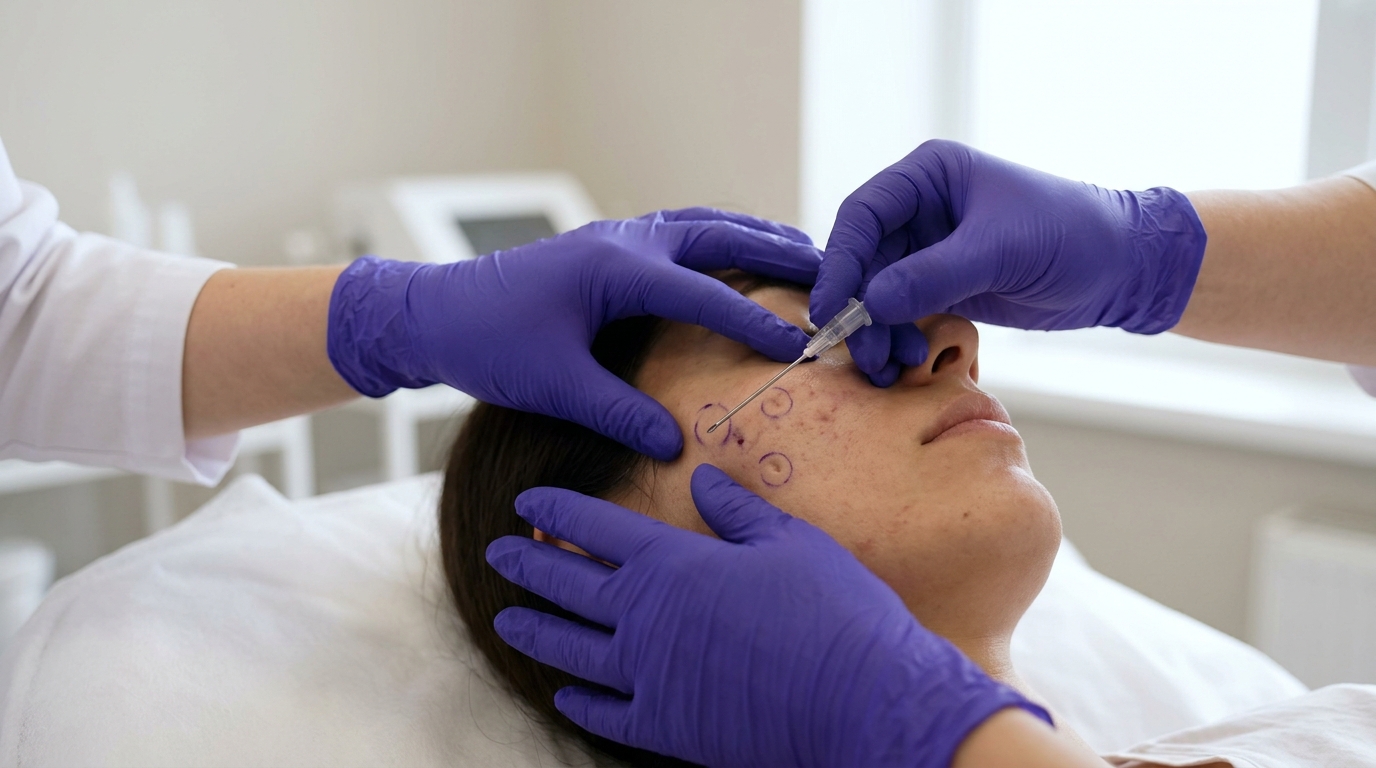
Strong evidence for one specific job. It cuts the fibrous bands tethering rolling scars downward, which needling cannot reach. Often done alongside microneedling rather than instead of it.

Strong evidence for pores and brown marks, none for indented scars. Superficial peels work on the surface and cannot lift a scar floor.
Tretinoin
3 to 6 months
Skin often looks worse before it looks better. The peeling comes first.
Microneedling
After the third session
Collagen keeps building for months after the last visit.
Tretinoin
Only while you keep using it
Stop and the benefit fades. Holding it takes about three nights a week.
Microneedling
Years, with top-ups
Tretinoin
Peeling, stinging, redness
Usually settles after the first month or two. Starting every third night helps.
Microneedling
A few days looking sunburned
Red and rough for 2 to 5 days after each session, plus the time off.
Tretinoin
Weaker retinoids, no prescription needed
Adapalene gel 0.1% is a real retinoid you can buy over the counter, and it is approved for acne. Retinol is weaker again, and does less.
Microneedling
Rollers and home pens
A roller drags sideways instead of going straight in, so it tears more than it punctures. The needles are shorter and blunt quickly. This is not a cheaper version of the same treatment.
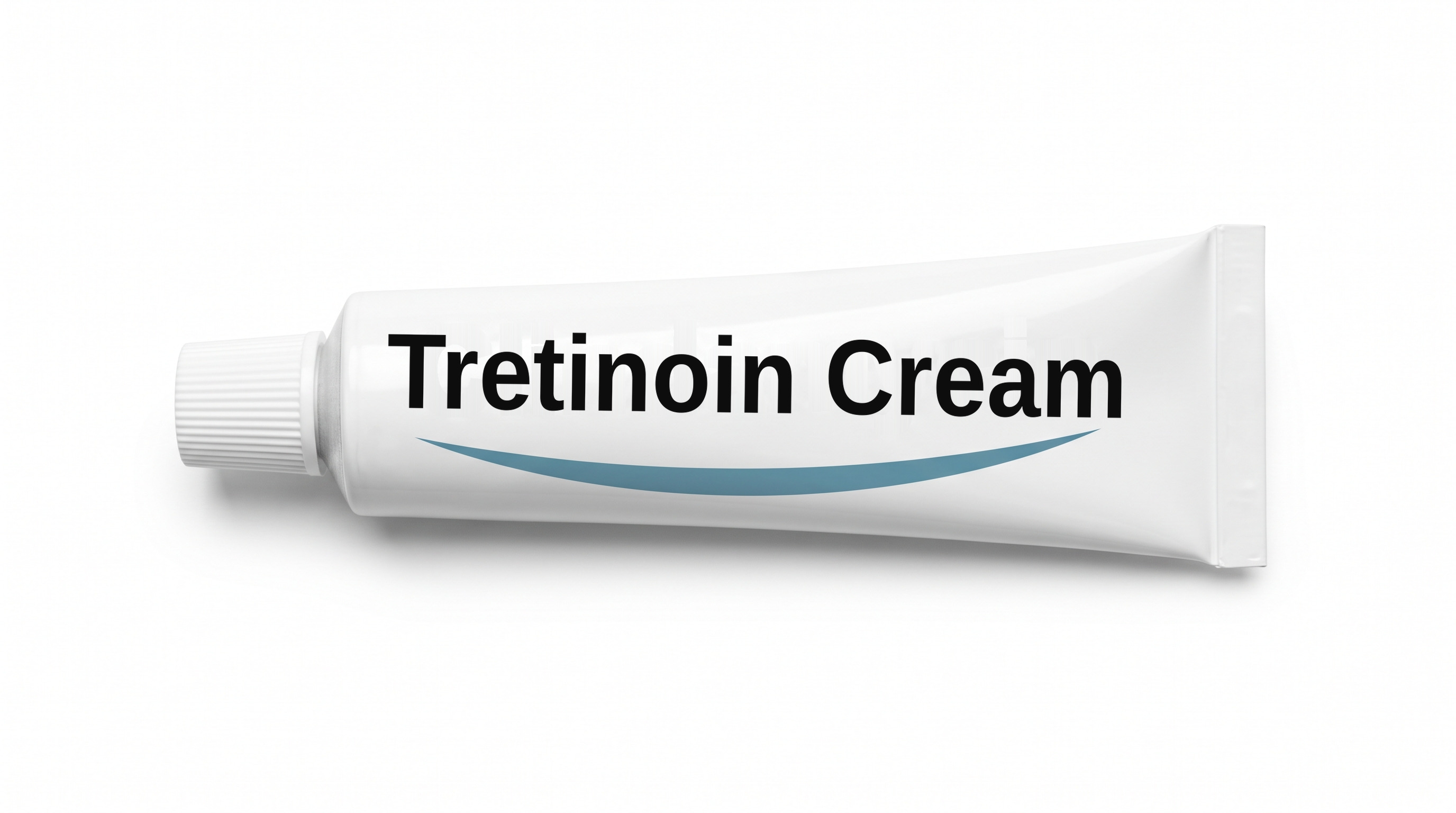
The usual starting point for dry or sensitive skin.
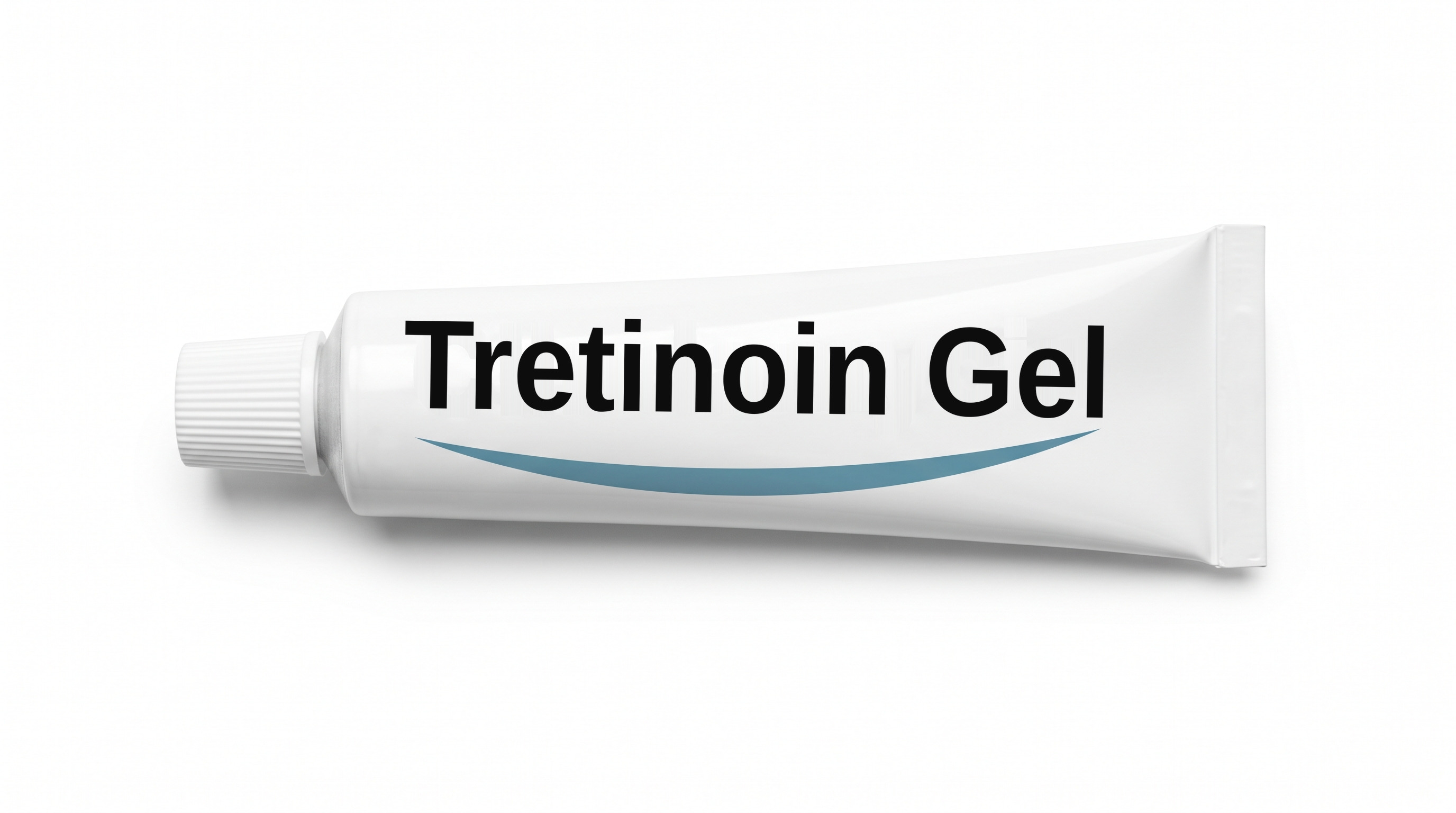
Drying, and better suited to oily skin. Plain gels are also the most fragile in daylight, which is one reason tretinoin is a night medicine.
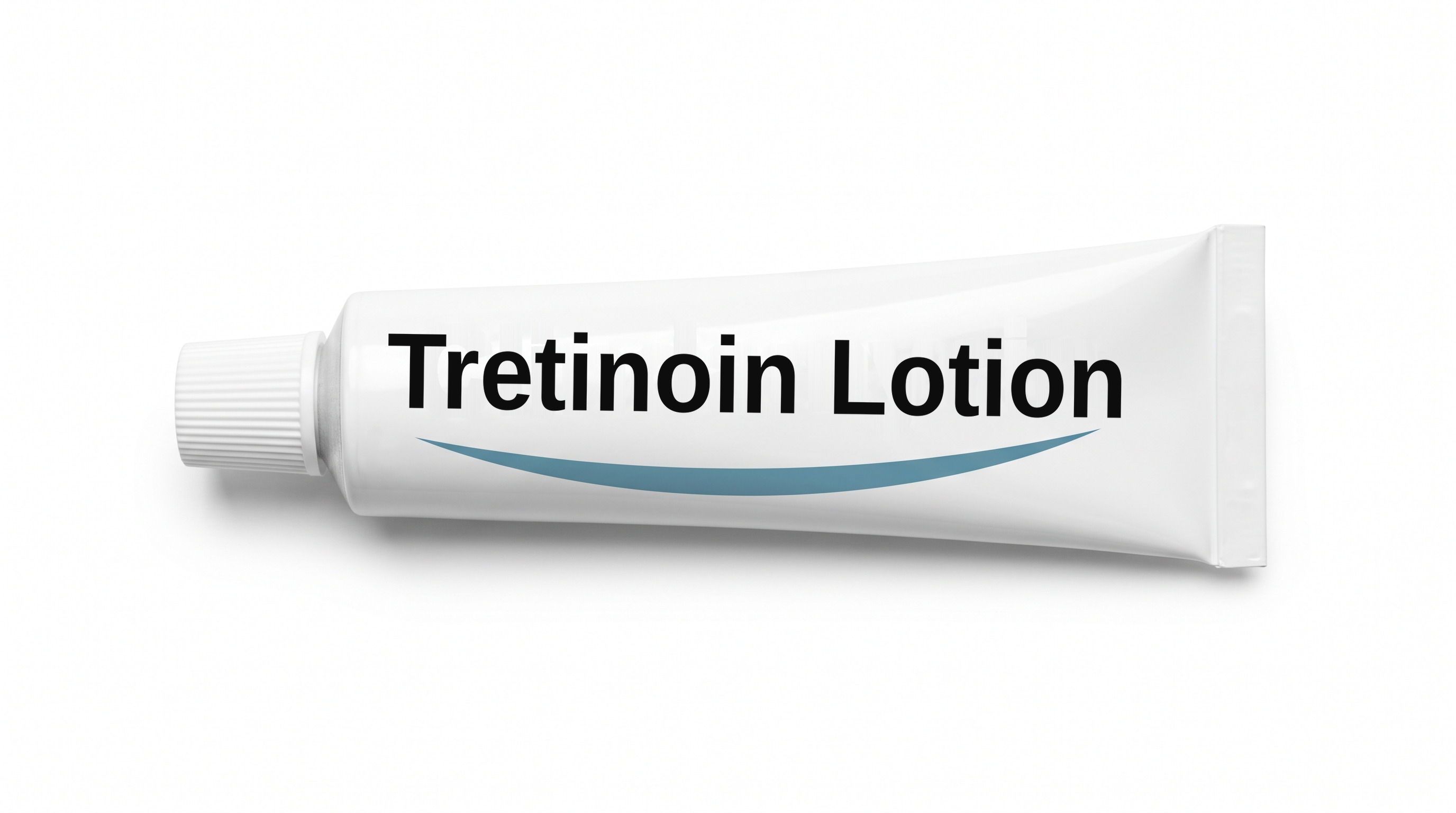
The newest vehicle, designed to spread easily over the chest and back. Brand only, so usually the most expensive option.
Tretinoin
Microneedling
Tretinoin
Tretinoin has less evidence for scars. The studies are small, and most pushed the drug in with a mild electrical current. That is not how anyone uses it at home. One study reported shallower scars in 94% of people, but skin samples showed no real gain in collagen.
Microneedling
Microneedling has better evidence for scars. Reviews that pool many small trials come out in its favour.
Tretinoin
Tretinoin has strong evidence here. Trials going back to the late 1980s assigned people at random to tretinoin or to a placebo cream. One trial followed 296 people. 68% improved on tretinoin, against 43% on the placebo. Fine lines, blotchy colour and roughness all got better.
A stronger tretinoin is not a better one. Over 48 weeks, 0.1% and 0.025% worked the same, but the stronger one caused far more irritation.
Microneedling
Microneedling has almost none. Its wrinkle clearances cover named areas like frown lines and crow's feet, not sun-damaged skin in general.
Tretinoin
Tretinoin is FDA approved. To get that, trials had to show it works for a named use. It is approved for acne. A second, much narrower approval — Renova 0.02% cream, NDA 021108, approved 31 August 2000 — covers easing fine facial wrinkles, alongside sunscreen and sun avoidance. Renova 0.05% cream, NDA 019963, approved 29 December 1995, is no longer sold.
Microneedling
Microneedling devices are cleared, not approved. Clearing is a lower bar. SkinPen Precision was the first, granted De Novo DEN160029 on 1 March 2018, for facial acne scars in adults aged 22 and over. Its neck wrinkle clearance is K202243, 2 April 2021. Most other pens reached the market through the 510(k) route, by showing they are much like a device already sold, in a chain of predicates tracing back to SkinPen. They did not run their own trials.
Common questions
The two go through different FDA processes. That is part of why one has more research behind it.
At-home derma rollers often skip the FDA entirely. A roller with blunt or very short tips that only claims to exfoliate is not treated as a medical device, and has had no FDA review.
Regulatory status described here is as of August 2026.