← All comparisons
Dermapedia / CompareProcedures

Opus Plasma vs Microneedling

Opus Plasma resurfaces the top layer of skin with heat. Energy at the tip makes tiny controlled holes, each with a small zone of heat beneath it. Microneedling makes channels with fine needles and no heat at all — the healing response is the whole treatment. Microneedling has 24 randomised trials behind it for acne scars, and no published trial of Opus Plasma could be found.

At a glance

The differenceOpus PlasmaMicroneedling
What you actually doA tip passed over the skin, no needlesA motorised pen driving fine needles
How deep it goesNot establishedSet by the pen and the operator
What you can expect to seeSurface texture workShallower acne scars
What it will not doIt does not needleIt will not tighten loose skin
The downsideNot establishedSunburn-like redness for 1 to 3 days

Opus Plasma

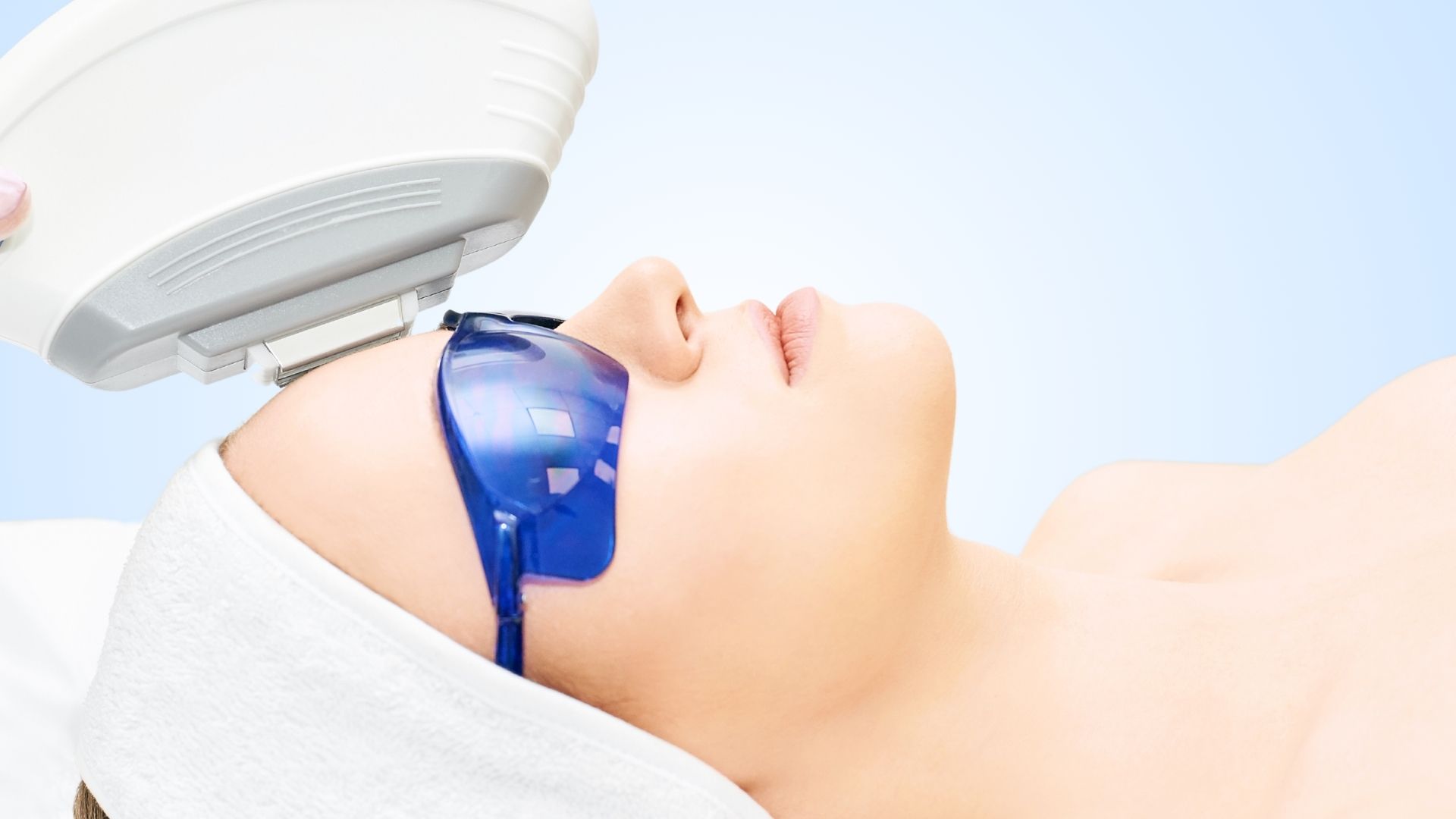
A tip passed over the skin, no needles Energy at the tip creates micro-plasma. It arcs to the skin and makes tiny holes, with a zone of heat under each one. Nothing enters the skin. It works more like a fractional laser than like a needle device.

Microneedling

Microneedling

Side by side

The differences that matter

9 comparison points

What you actually do

Opus Plasma

A tip passed over the skin, no needles

Energy at the tip creates micro-plasma. It arcs to the skin and makes tiny holes, with a zone of heat under each one. Nothing enters the skin. It works more like a fractional laser than like a needle device.
Microneedling

A motorised pen driving fine needles

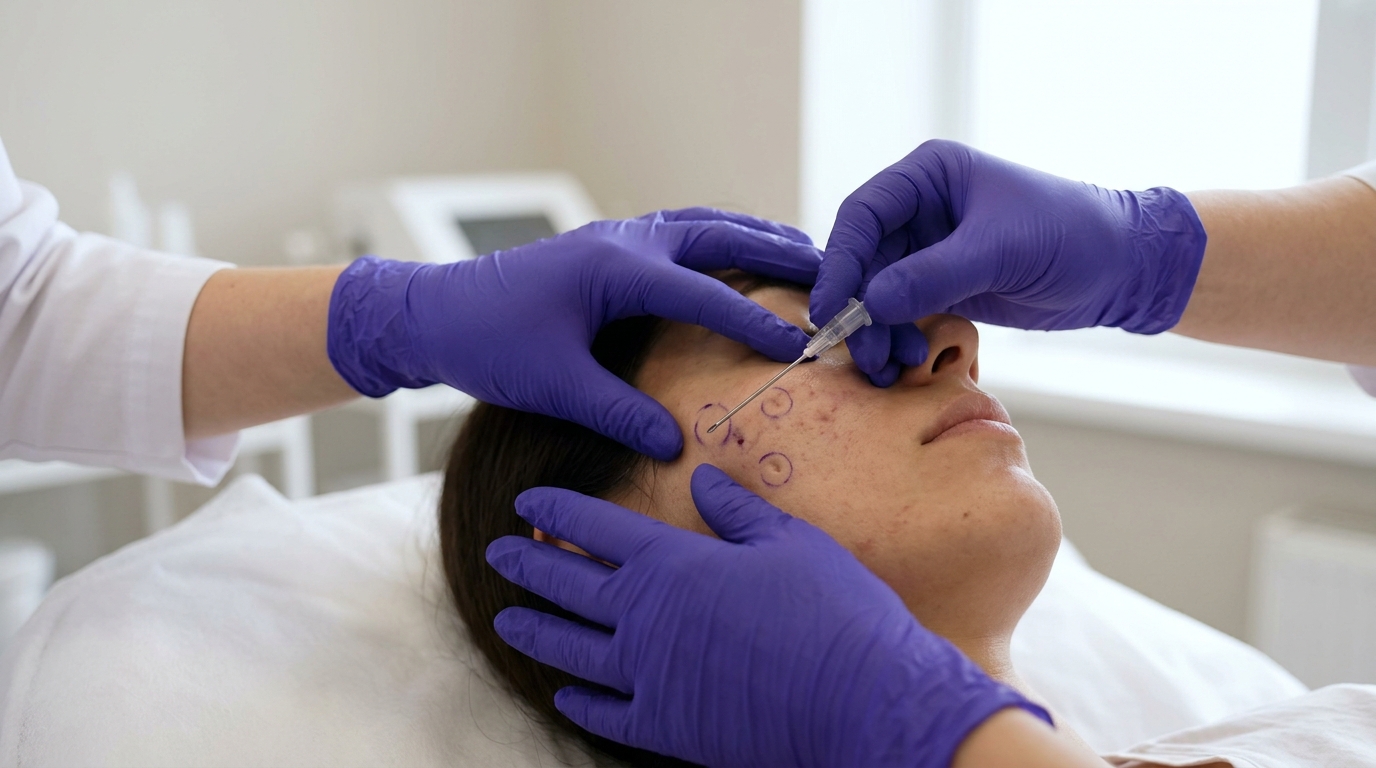
The needles enter the skin, and healing does the rest. No energy is involved at any point.

How deep it goes

Opus Plasma

Not established

How deep the effect goes has not been published.

Microneedling

Set by the pen and the operator

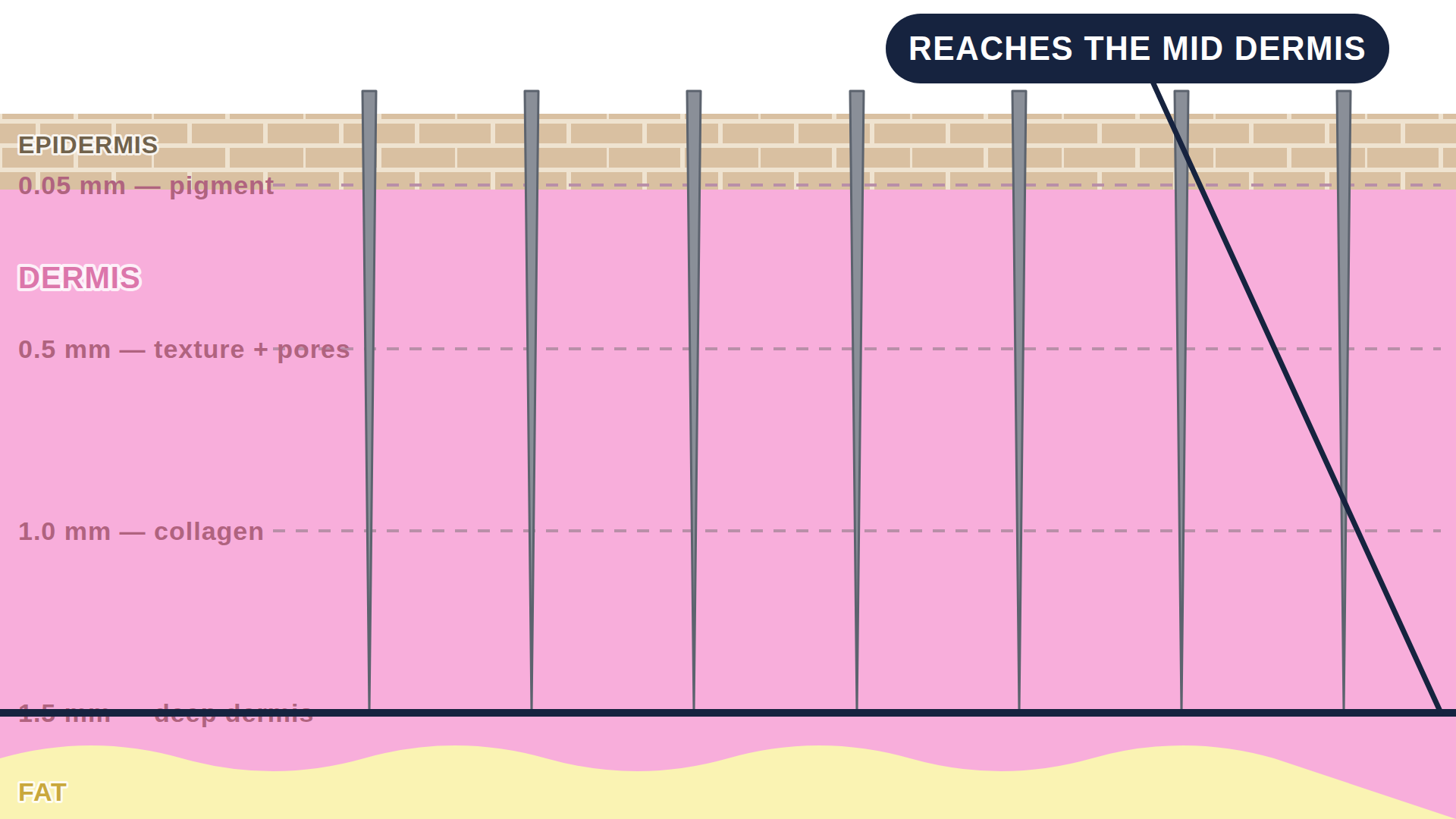
SkinPen adjusts from 0 to 2.5 mm. Dermapen 4 goes from 0.2 to 3.0 mm.

What you can expect to see

Opus Plasma

Surface texture work

It works on the surface of the skin. There is no measured result to quote. Where clinics cite "studies", those are usually studies of other devices.

Microneedling

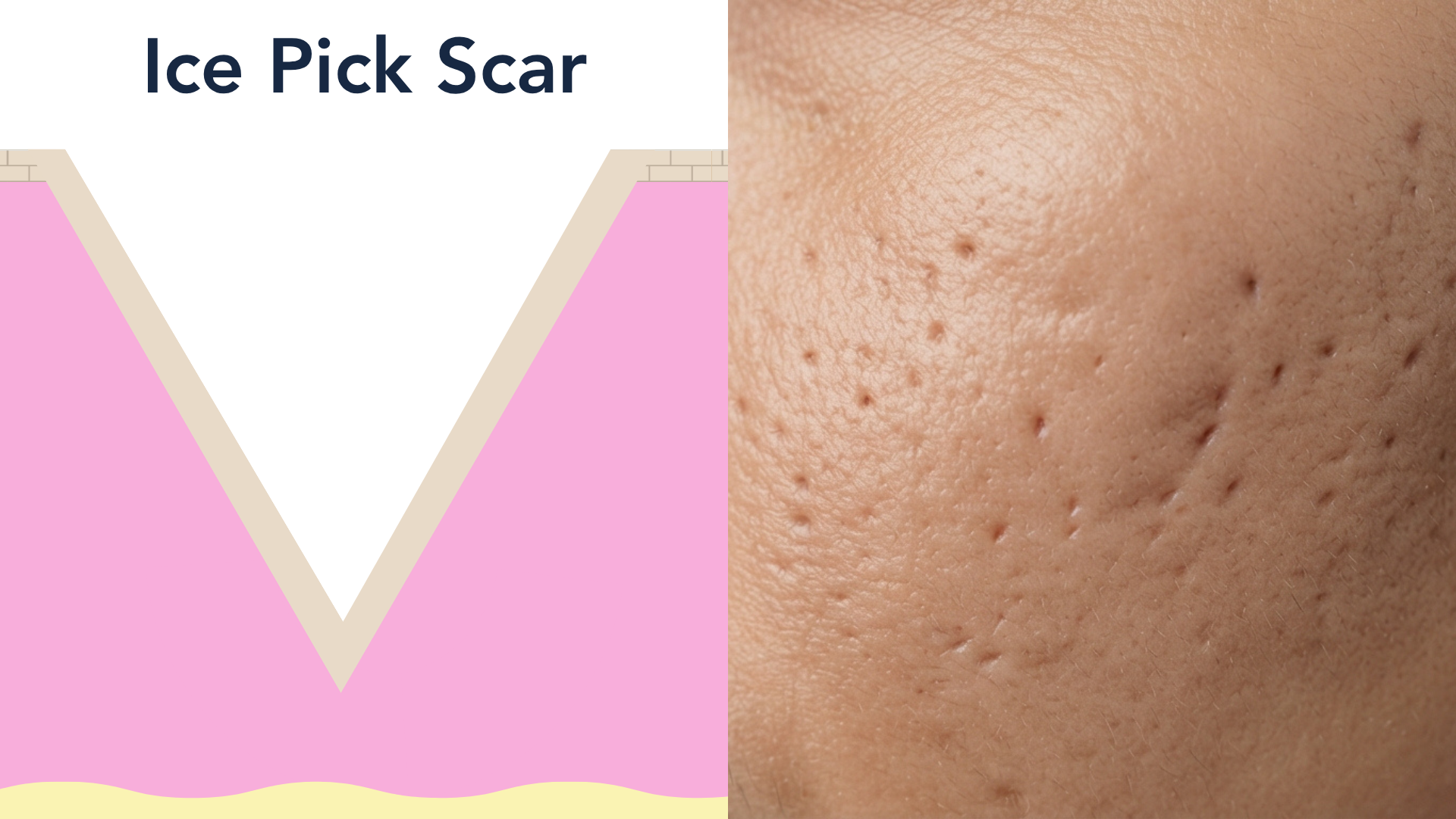
Shallower acne scars

One review pooled 24 randomised trials and 1,546 people with acne scars. It ranked the treatments against each other. Microneedling with another treatment beat microneedling alone. Microneedling plus a chemical peel ranked best.

What it will not do

Opus Plasma

It does not needle

Nothing is inserted. It does not place heat at a chosen depth deeper in the skin. It is a surface treatment.

Microneedling

It will not tighten loose skin

It does not reach or heat the fat underneath. It changes texture rather than shape.

The downside

Opus Plasma

Not established

No published study reports a recovery time. Tiny points of surface skin are removed, so marks are expected. Ask your provider for their own expected timeline in writing.

Microneedling

Sunburn-like redness for 1 to 3 days

Redness like a moderate sunburn runs about 24 to 72 hours. Mild swelling and occasional pinpoint bleeding can happen on the day. That is the usual clinical description, not a labelled figure.

The at-home or drugstore version

Opus Plasma

No home version of this

Nothing sold for home use creates plasma at the skin surface. Removing tiny points of skin takes far more power than a handheld device delivers. What you can buy works on the very top of the skin only.

Microneedling

Rollers and home pens

A roller drags sideways instead of going straight in and out, so it tears more than it punctures. The needles are shorter, and they blunt quickly. A blunt needle does more damage than a sharp one. This is not a cheaper version of the same treatment.

Who tends to be happy with it

Opus Plasma

  • Best for — Surface texture, with a provider who explains the recovery you should expect.
  • The mindset — You are having a resurfacing treatment, not a needling one. Ask for a test area.

Microneedling

  • Best for — Acne scarring and texture, over a course, with no heat involved.
  • The mindset — Small controlled injuries, modest gains, judged at around three months.

The pigment question

Opus Plasma

There is no published pigment safety data for Opus Plasma. What can be said is structural rather than measured. Opus removes tiny points of surface skin using heat. Microneedling makes channels without heat. Heat and surface injury are what drive pigment problems after resurfacing in general, so the two would not be expected to behave the same way.

Nobody has measured how that plays out for Opus. If you have a deeper skin tone, ask for a test area first. Ask what settings are planned, and how many people with your skin tone the provider has treated with this device.

The fine print

Opus Plasma

Opus Plasma's cleared wording names ablation and resurfacing only. It was cleared as K201520 on 27 October 2021 to Alma Lasers. The Plasma tips, Focus and Glide, used with the unipolar applicator, are "indicated for dermatological procedures requiring ablation and resurfacing of the skin". Unipolar means the current travels out from the tip through the tissue rather than between a pair of electrodes inside it. The Colibri tips are indicated for "resurfacing of the skin" only. Wrinkles, acne scars, laxity, tightening and pigment appear in neither, and the clearance carries no skin-type statement. Opus shares an FDA product code with radiofrequency microneedling devices, which is one reason clinics group them.

Microneedling

Microneedling's authorisations name facial acne scars outright. SkinPen holds DEN160029, from 2018, and K202243, from 2021, which covers wrinkles of the neck. Dermapen 4 holds K221070, from 2022, for facial acne scars.

Common questions

Questions Patients Ask

Is Opus Plasma the same as RF microneedling?

No. It uses radiofrequency energy, but to create plasma at the skin surface rather than to heat the dermis through needles. There are no needles and nothing penetrates the skin. Clinics list the two together because they share an FDA product code, not because they work the same way.

Which one has more downtime?

Microneedling's recovery is well described - redness like a moderate sunburn for roughly 24 to 72 hours. For Opus Plasma, no published study reports a recovery time, so none is quoted here. It is an ablative treatment, meaning tiny points of surface skin are removed, so ask your provider for their own expected timeline in writing.

Which is better for acne scars?

Microneedling is the one with matching paperwork and pooled evidence: facial acne scars are named in its authorisations, and a review that pooled 24 randomised trials and ranked the treatments against each other supports it. Opus Plasma's clearance does not name acne scars, and no trial of it was found in the published literature.

Is Opus Plasma FDA cleared?

Yes, as K201520 on 27 October 2021 - for ablation and resurfacing of the skin on its plasma tips, and resurfacing only on its Colibri tips. It is not cleared for wrinkles, acne scars, laxity or pigment. Clearance also means the device was found similar to an earlier one, not that a benefit was proven.

Is it safe for darker skin?

There is no published data either way, and the clearance names no skin type. Ask for a test area, ask what settings are planned, and ask how many people with your skin tone the provider has treated with the device.

Does Opus Plasma tighten skin?

Tightening is not in its cleared wording, and no published trial of the device was found. Any tightening claim you are shown is either clinic experience or evidence generated on a different machine - it is fair to ask which.

Can I have both?

No published study has combined or compared them, so there is no evidence on sequencing or spacing. If both are proposed, ask why, in what order, and how long apart.