Niacinamide
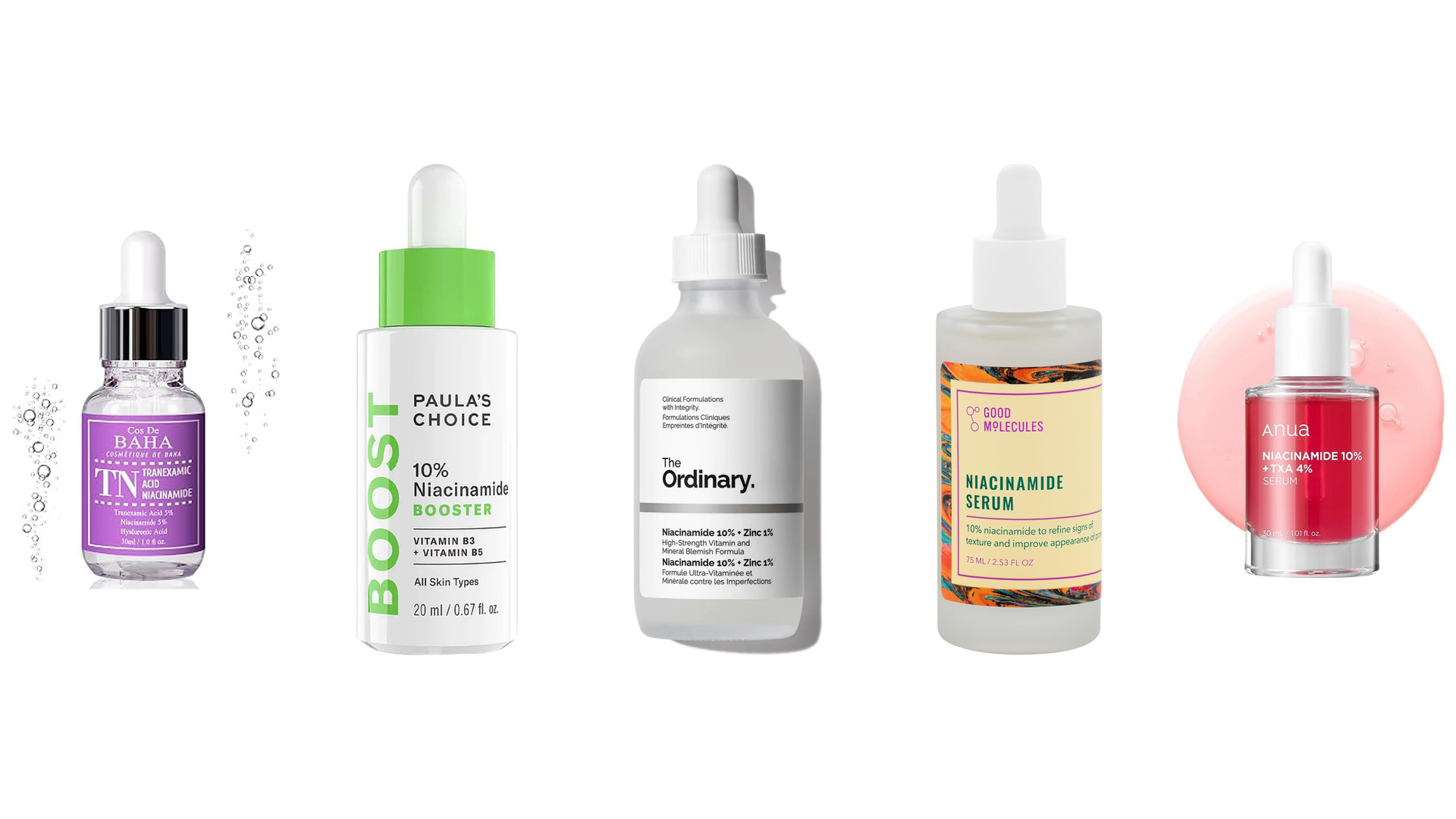
Niacinamide is a supporting ingredient. It calms redness, reduces oiliness and helps the skin barrier, and almost everyone can use it. Tretinoin does far more. It is a prescription retinoid that changes how skin cells behave inside the pore, and it has the strongest evidence of the two for acne, texture and fine lines. They are not alternatives — niacinamide is what makes tretinoin easier to stay on.
| The difference | Niacinamide | Tretinoin |
|---|---|---|
| How long until it works | Four to eight weeks | Three to six months |
| Cost | Inexpensive | Varies, and needs a prescription |
A pea-sized amount covers the whole face. More is not faster, and it is the amount most people get wrong.
Side by side
Niacinamide
Once or twice a day
A serum or moisturizer layered under anything else. It fits into almost any routine without planning.
Tretinoin
A pea-sized amount at night
On dry skin, a few nights a week at first, building up. It goes on the whole face, not on spots.
Niacinamide
Calmer, less shiny skin
Less redness, less visible oil by the afternoon, and a stronger barrier so other products sting less. Mild help with dark marks.
Tretinoin
Clearer skin and better texture
Fewer blackheads and spots, smoother surface, more even colour, and softening of fine lines over months.
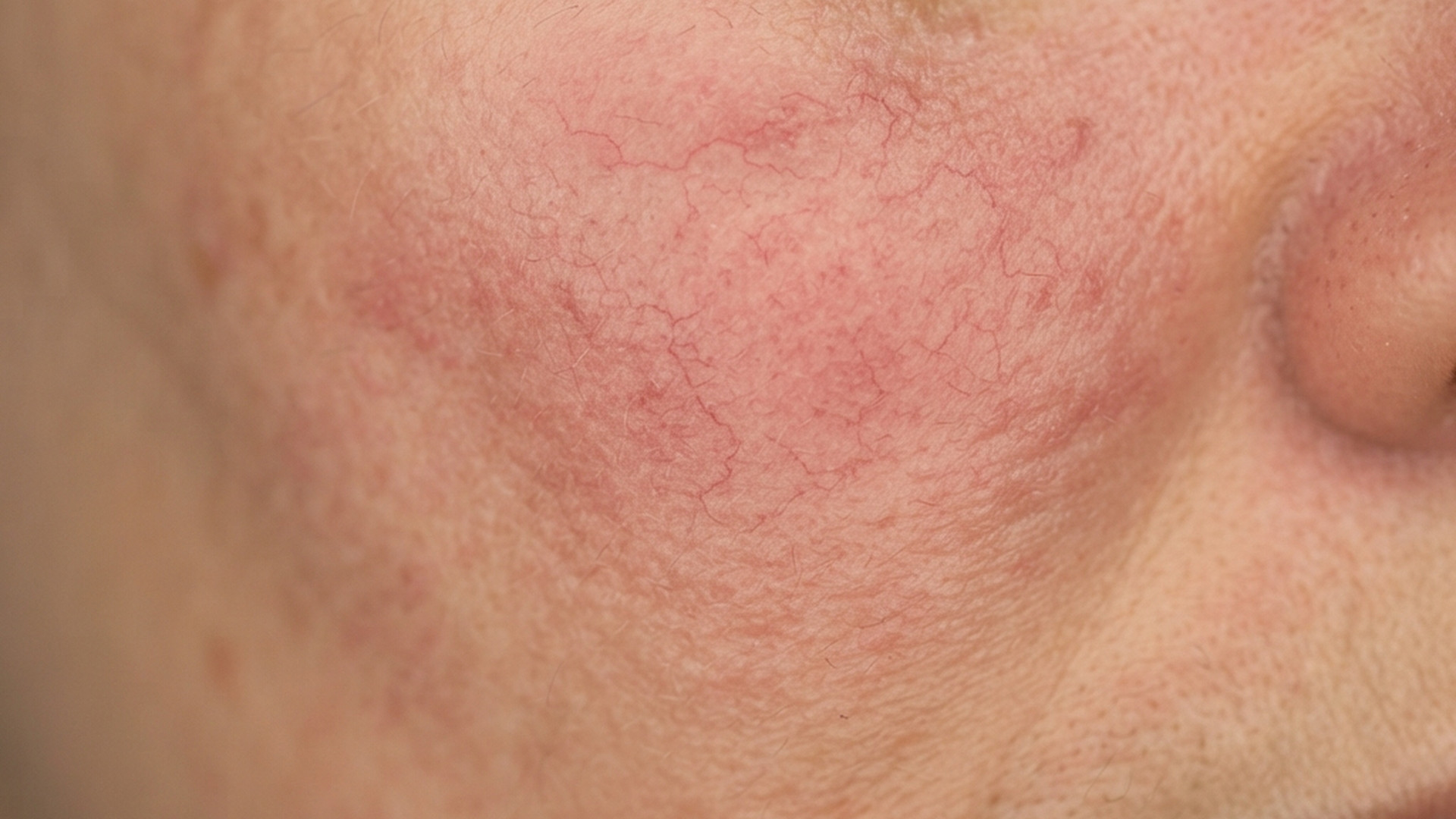
A mild anti-inflammatory that also helps the barrier hold water, which is the part of rosacea it is most useful for. Some people find it takes the edge off redness and stinging. It will not clear bumps and it does nothing for visible vessels, so treat it as support rather than treatment.
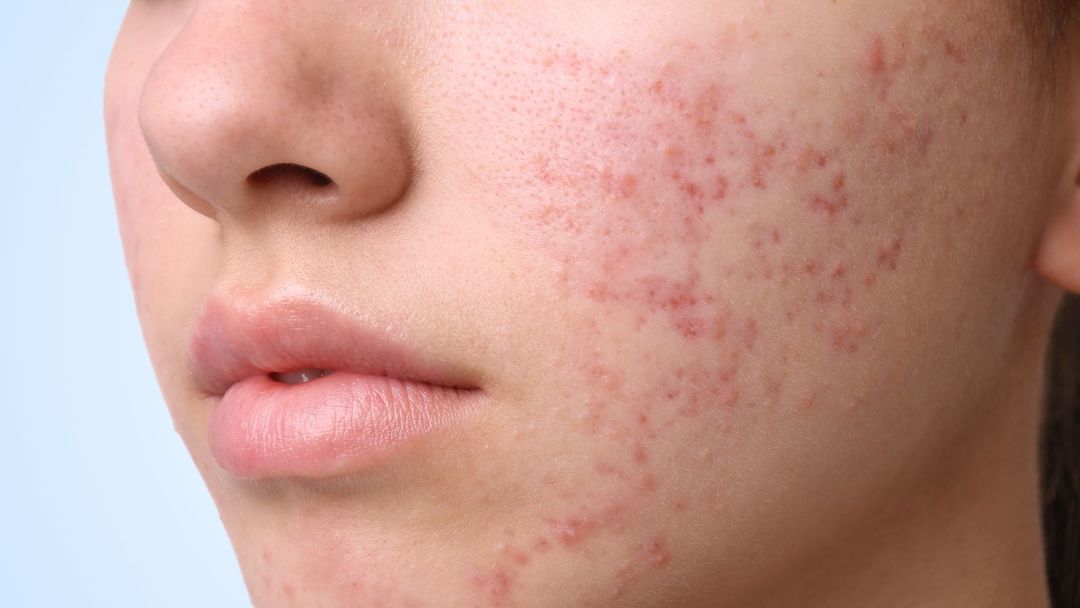
Supports the skin barrier and takes the edge off general redness, which helps skin that is settling after acne. Its effect on an individual red mark is small. It is worth including because it almost never irritates, and irritation is the main way people prolong these marks.

Interrupts the transfer of pigment into the skin cells, and it is one of the few brightening actives gentle enough to use on eyelid skin twice a day without irritation. It is a sensible partner to vitamin C or azelaic acid rather than a standalone. It does nothing for blue circles or for a hollow.

Works one step later in the chain than most brightening ingredients: it reduces how much pigment gets passed from the pigment cells into the surrounding skin cells. It is mild, it rarely irritates, and it layers with almost anything. On its own it is a supporting player rather than the backbone of a plan.
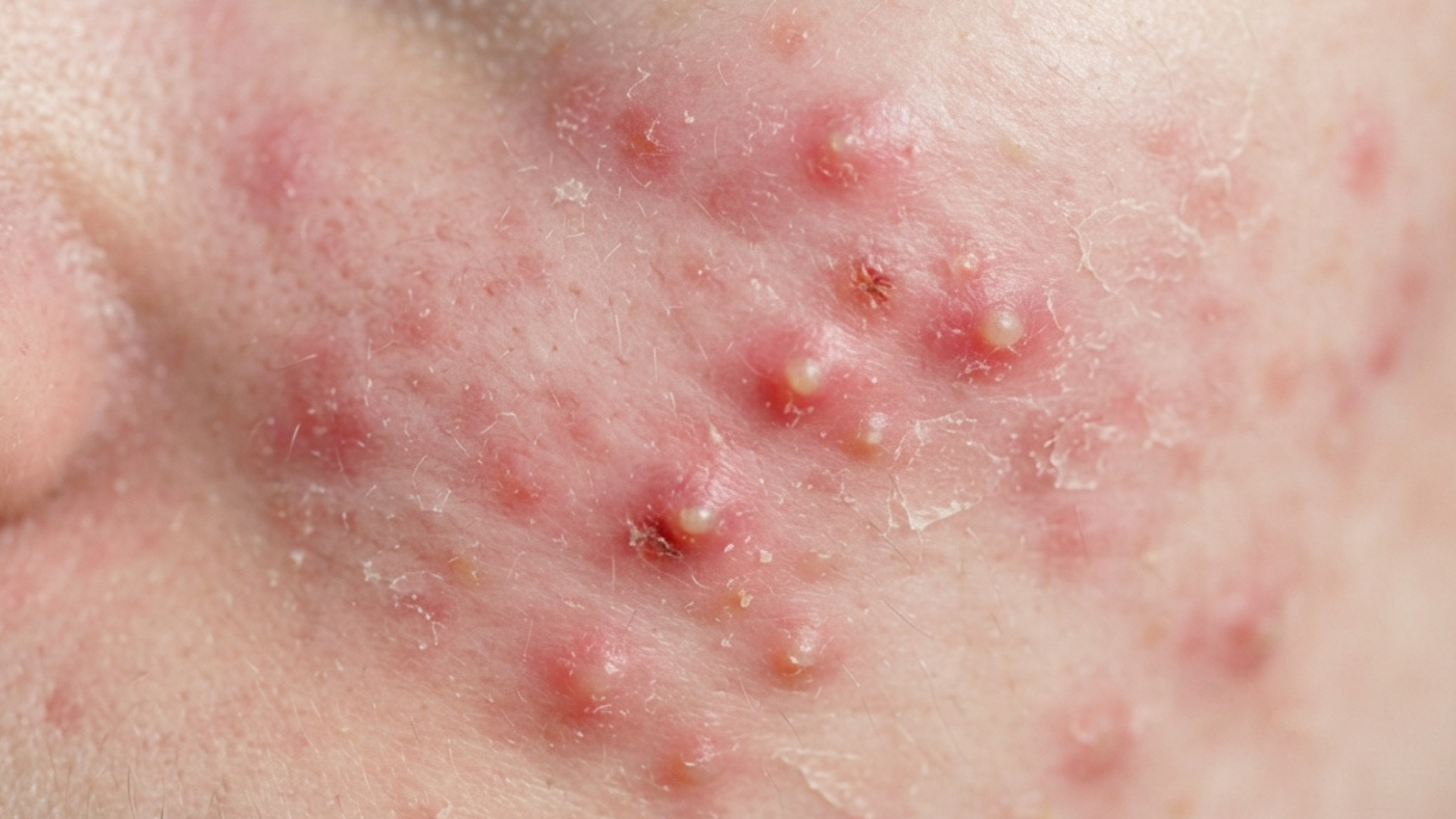
Sold heavily for acne, and the evidence for clearing spots is thin. It is genuinely useful for the marks left behind and for tolerating stronger actives - just not as the treatment itself.

Slows the handover of pigment from pigment cells to the skin cells around them. Modest on its own and not something that will clear a patch, but it is well tolerated and it does not sting, which counts for a lot in a condition where irritation makes things worse. It sits comfortably alongside the stronger treatments.

Slows the handover of pigment from pigment cells to the skin cells above them, so a spot fades a little rather than disappears. Its strength is that it is well tolerated and does not sting, so it sits comfortably alongside a retinol without making the skin sore. Modest on its own.

Well tolerated, cheap, and it helps the barrier and the uneven tone that sits alongside lines. Its direct effect on wrinkles is small. It is most useful here as the thing that lets you keep using a retinoid, rather than as a treatment in its own right.
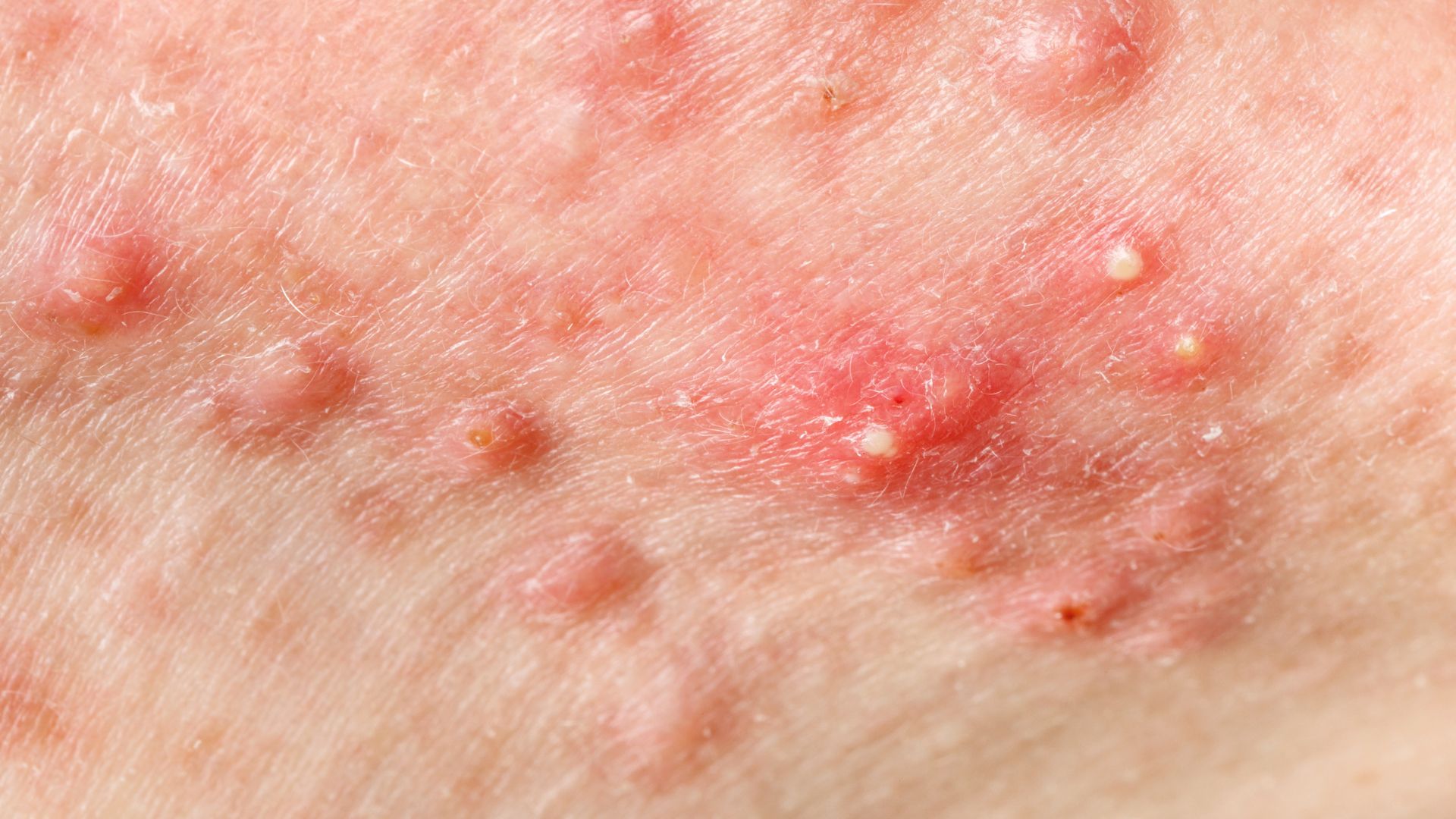
Tretinoin works on the plug that forms weeks before a spot appears. It does almost nothing to a pimple already sitting on your face, which is why the first month feels like nothing is happening.

It smooths rough texture and fades the dark marks acne leaves. Indented scars are missing tissue underneath, and nothing in a tube fills them back in.
Rosacea is inflammation in the blood vessels, not a blocked pore. Tretinoin usually irritates it rather than settling it.
Prescription strength retinoid, used here mainly to stop new inflamed spots, with the useful side effect of evening out overall tone as the skin turns over faster. It does not target the vessels directly. The first six to eight weeks are red and flaky, so it is worth knowing that the marks will look worse before they look better.
The most studied topical in acne. Stronger than adapalene and more irritating with it, so it is usually the step up rather than the starting point. Not used in pregnancy.
The best-evidenced cream for wrinkles, with repeated trials showing improvement in fine lines, texture and pigment over three to six months. It works by signalling the skin to build its own collagen, so it thickens the dermis rather than thinning it. The usual failure is going nightly from day one, peeling for two weeks and stopping — two or three nights a week with moisturizer underneath gets far more people to six months. Generally avoided in pregnancy — ask your doctor.

The one cream with real evidence behind it, and only on marks that are still red or purple. Used nightly over months it can make new marks narrower and less obvious by prompting collagen while the skin is still remodeling. It irritates, so it is built up slowly. It must not be used in pregnancy or while breastfeeding, which rules out the most common cause of stretch marks.
The prescription retinoid, stronger than retinol, used nightly over months. It improves surface texture and the marks around scars, and it keeps the acne that makes new scars under control. It does not fill an indented scar, and it is usually paused before resurfacing procedures.
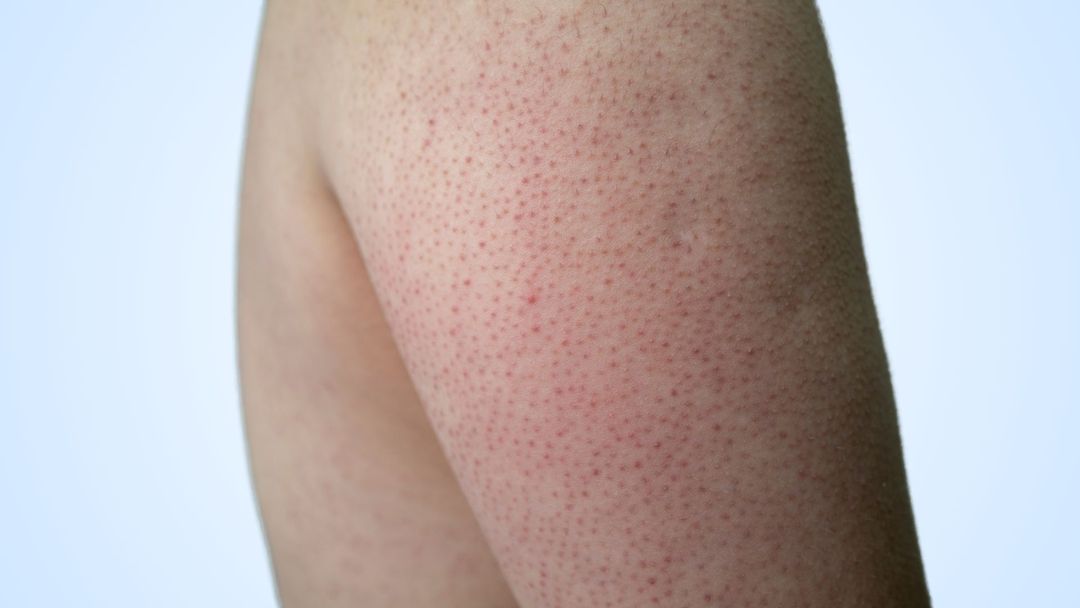
The prescription version of the retinoid idea: it normalizes how the follicle sheds, so plugs form more slowly. It is used when over-the-counter acids have not been enough after six weeks. It is drying and irritating on arms and thighs, so it is introduced two or three nights a week, and it makes the skin more sun-sensitive.
The prescription retinoid, and the one with real trial evidence in sun spots specifically. It lightens spots over about six to ten months and improves the sun-damaged skin around them at the same time. Expect dryness and flaking early on, and use it at night with daily sunscreen, since it leaves skin more sun-sensitive. Ask your doctor about it if you are pregnant or trying to become pregnant.
A prescription retinoid that thickens the lid skin and speeds pigment out of it, and it makes hydroquinone work better, which is why the two are usually prescribed together. Eyelid skin irritates readily, so it is used at low strength, a few nights a week, and irritation is a reason to slow down rather than push on. Ask your doctor before using it if you are pregnant or trying to be.
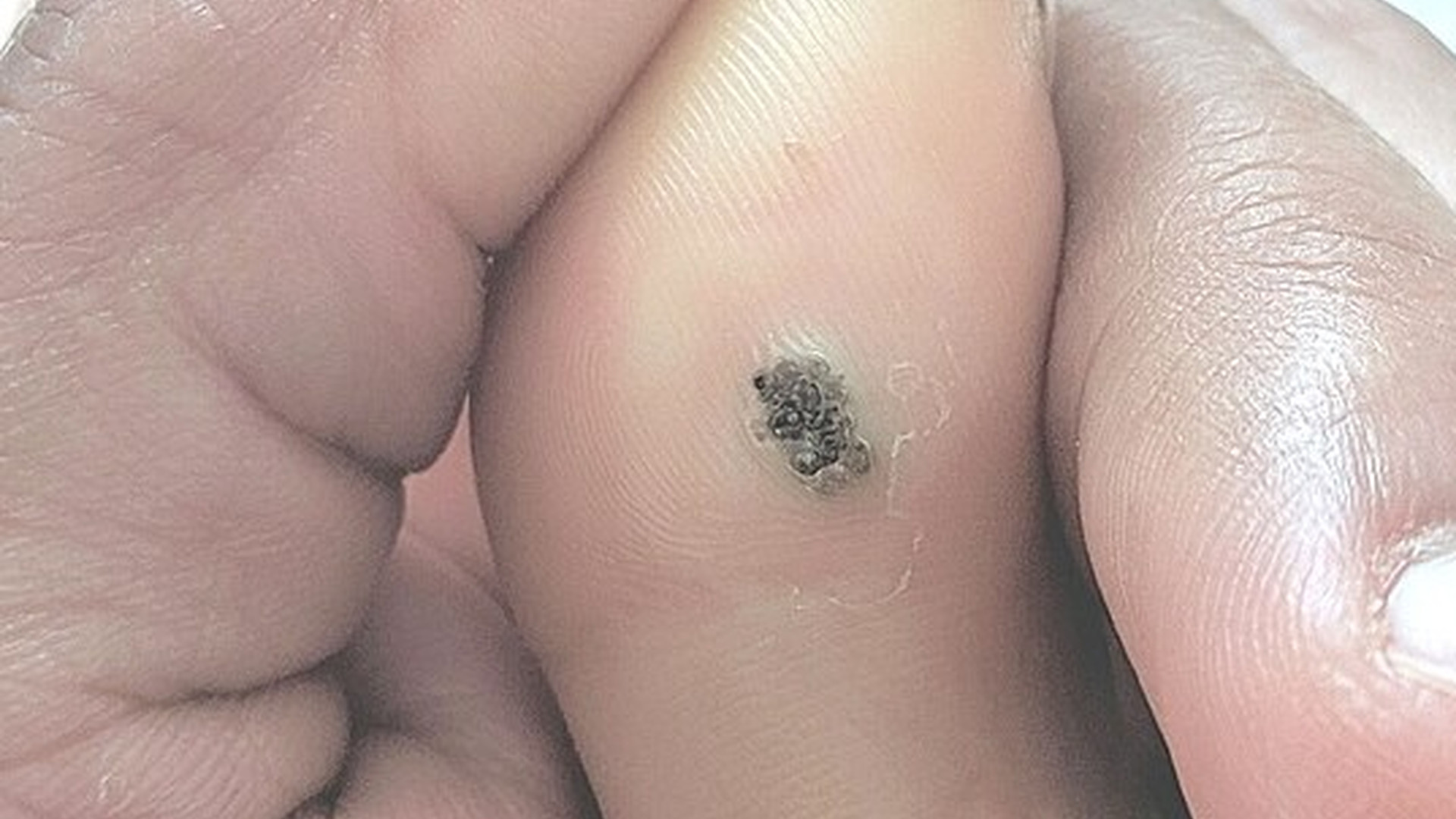
A retinoid cream used for the flat warts that appear in groups of dozens on the face and the backs of the hands, where acid and freezing would be too harsh over so wide an area. It speeds up the turnover of the infected surface cells. It takes months, and it makes the skin dry and sun-sensitive while it runs.
Sheds pigmented surface cells faster and treats the acne writing new marks, which is why it does two jobs on this page. It is stronger than an over-the-counter retinol and correspondingly more irritating at first. Build up slowly, because the peeling, stinging phase is inflammation and can darken the marks before it lightens them.
Speeds up how quickly pigmented skin cells are shed, and helps the other creams get in, which is why it is more often part of a combination than used alone. Used by itself it works slowly and it can irritate, and irritation darkens melasma, so it is started at a low strength a few nights a week. Ask your doctor about it if you are pregnant or trying to become pregnant.
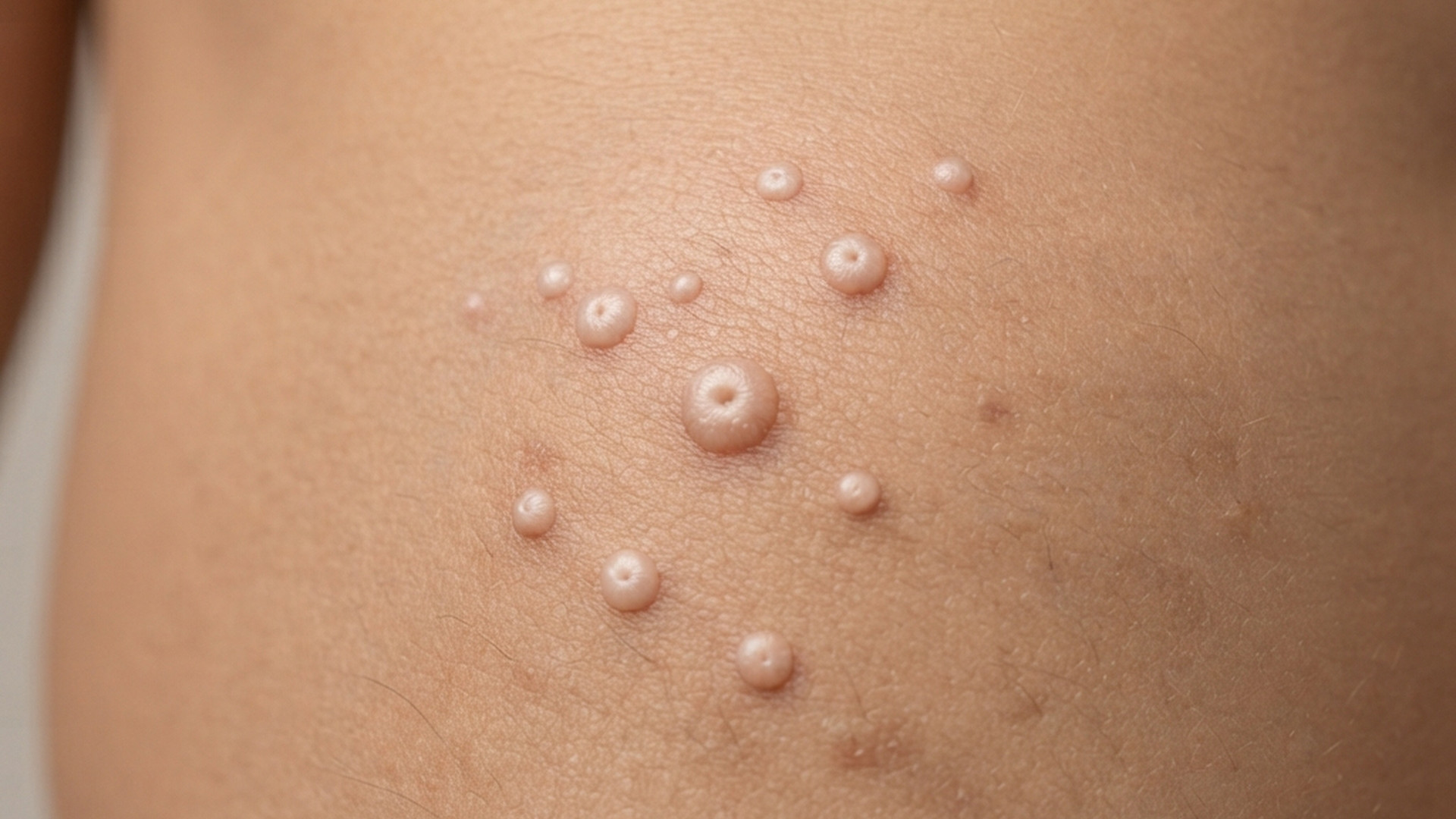
A retinoid dabbed onto individual bumps to irritate them into clearing. It is sometimes chosen for bumps on the face, where blistering or scraping is less appealing. The evidence for it in molluscum is thin, it is slow, and it makes the skin around the bumps red and flaky, which is its own reason to scratch.
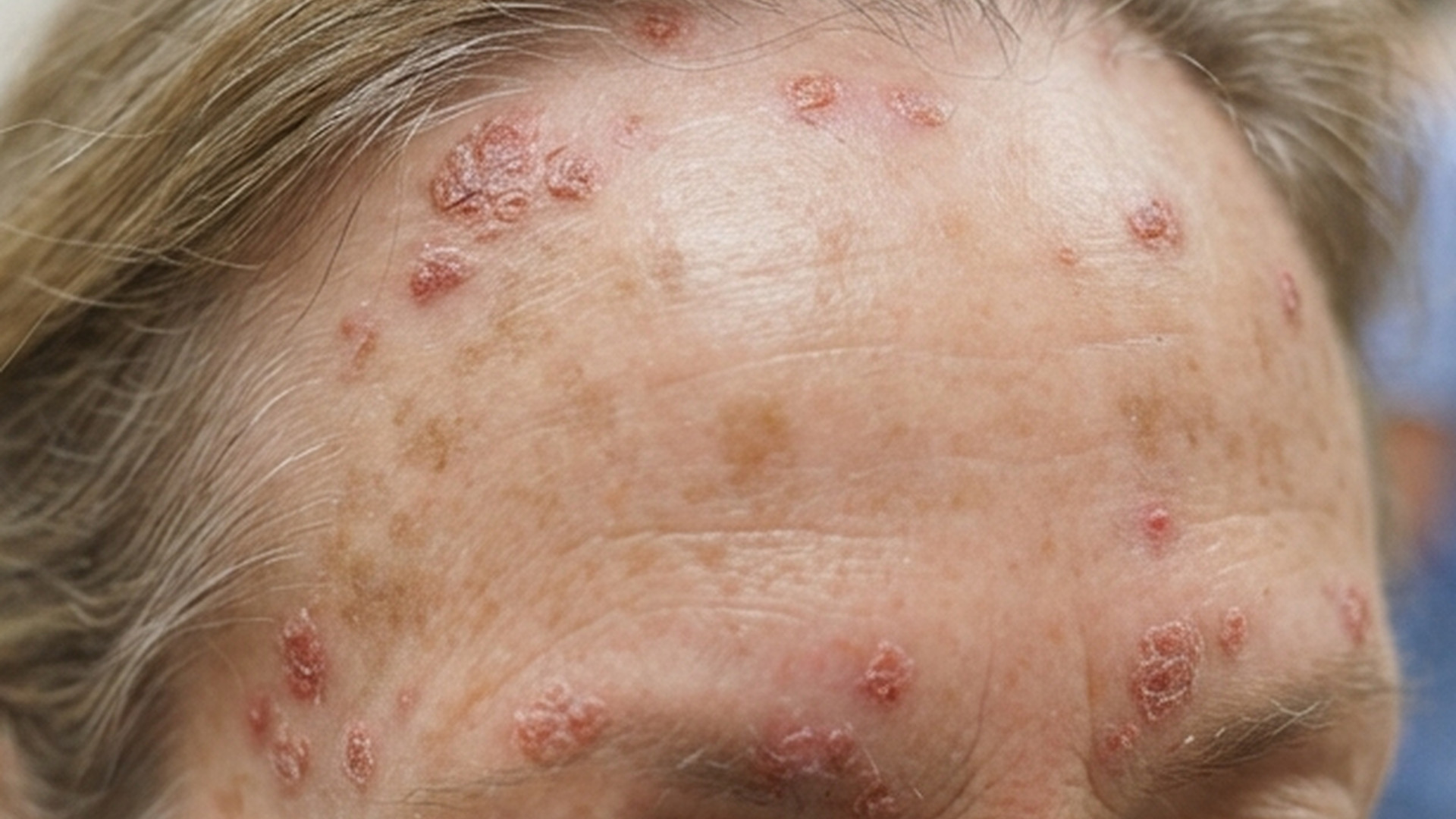
A prescription retinoid people often ask about here, because it is known for sun-damaged skin. It smooths texture and helps the mottled color, but trials have not shown that it clears actinic keratoses or prevents skin cancer. It is reasonable for the look of sun damage, and it is not a treatment for the patches themselves.
Niacinamide
It will not clear acne on its own
Niacinamide helps around the edges. It does not unblock pores or reverse sun damage.
Tretinoin
It will not calm a damaged barrier
Tretinoin causes irritation before it fixes anything, and it does nothing for oiliness in the short term.
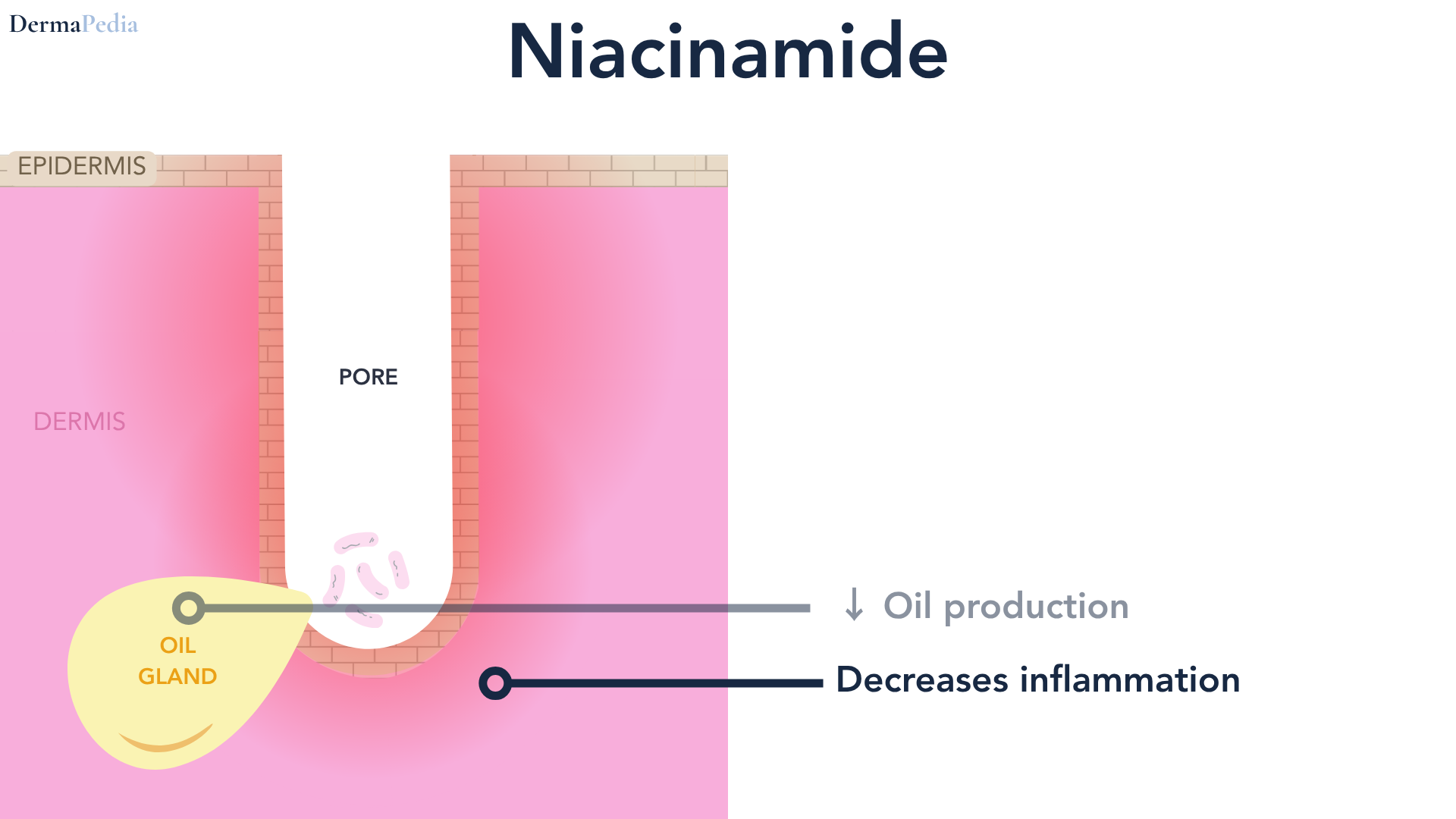
It calms the skin rather than unblocking it — which is why it sits alongside an acne treatment instead of replacing one.
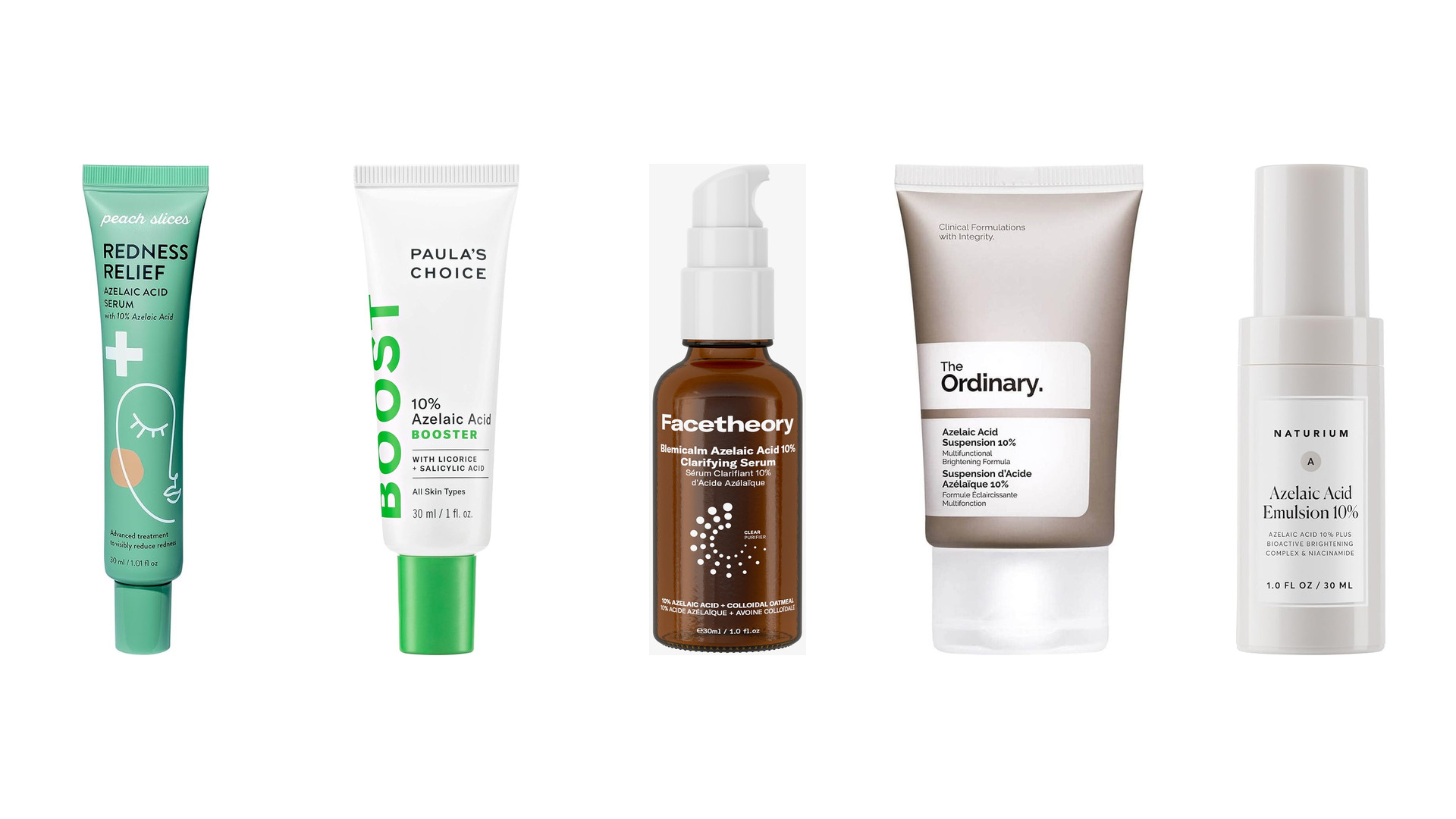
Moderate evidence. Does more for both acne and dark marks. Niacinamide is gentler and easier to layer with everything else.
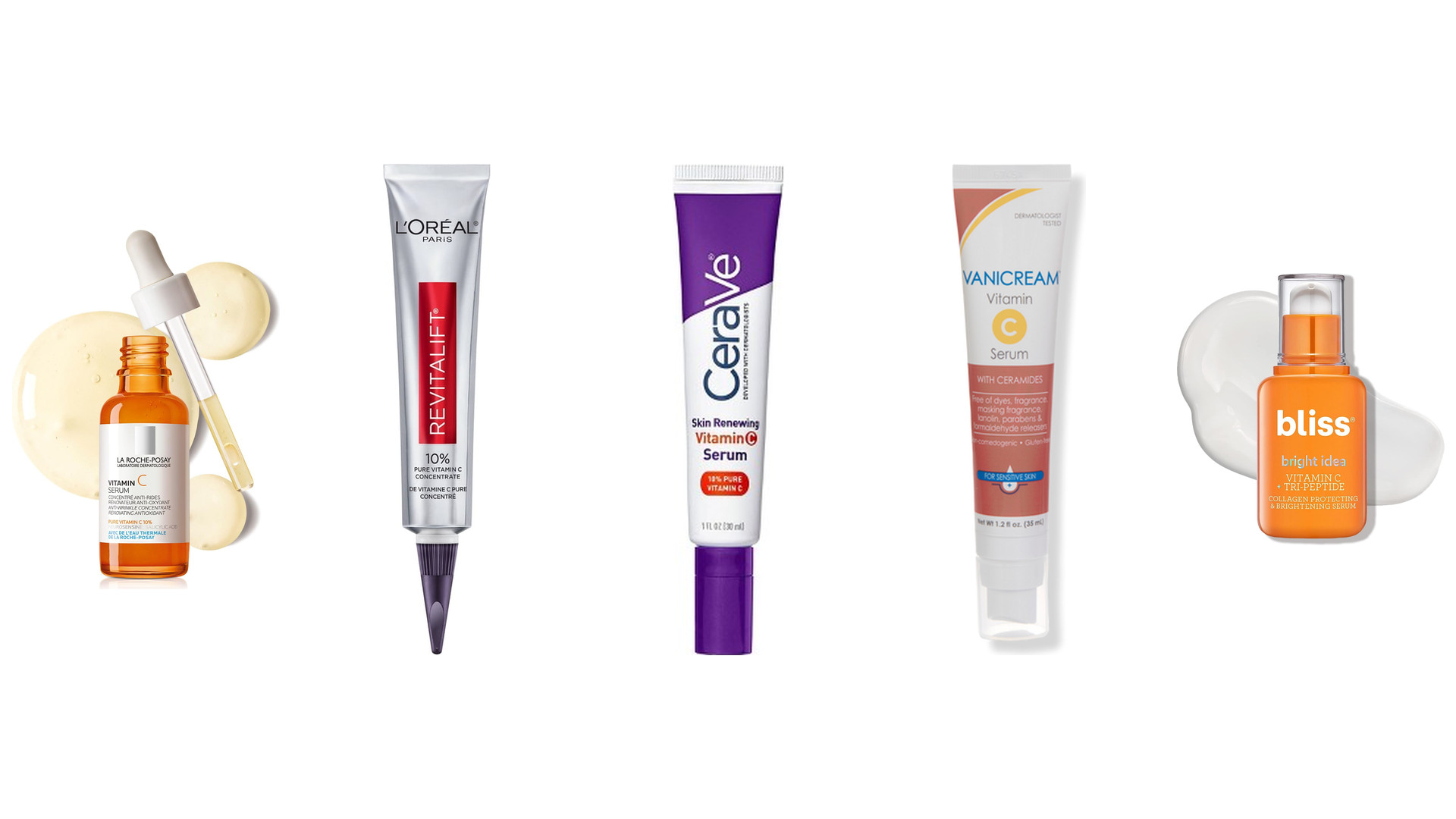
Moderate evidence. Stronger on dullness and pigment, but far less stable and more likely to sting.

gentler, available over the counter, stable alongside benzoyl peroxide. A good first retinoid.

stronger, better for stubborn acne and dark marks, more irritating.
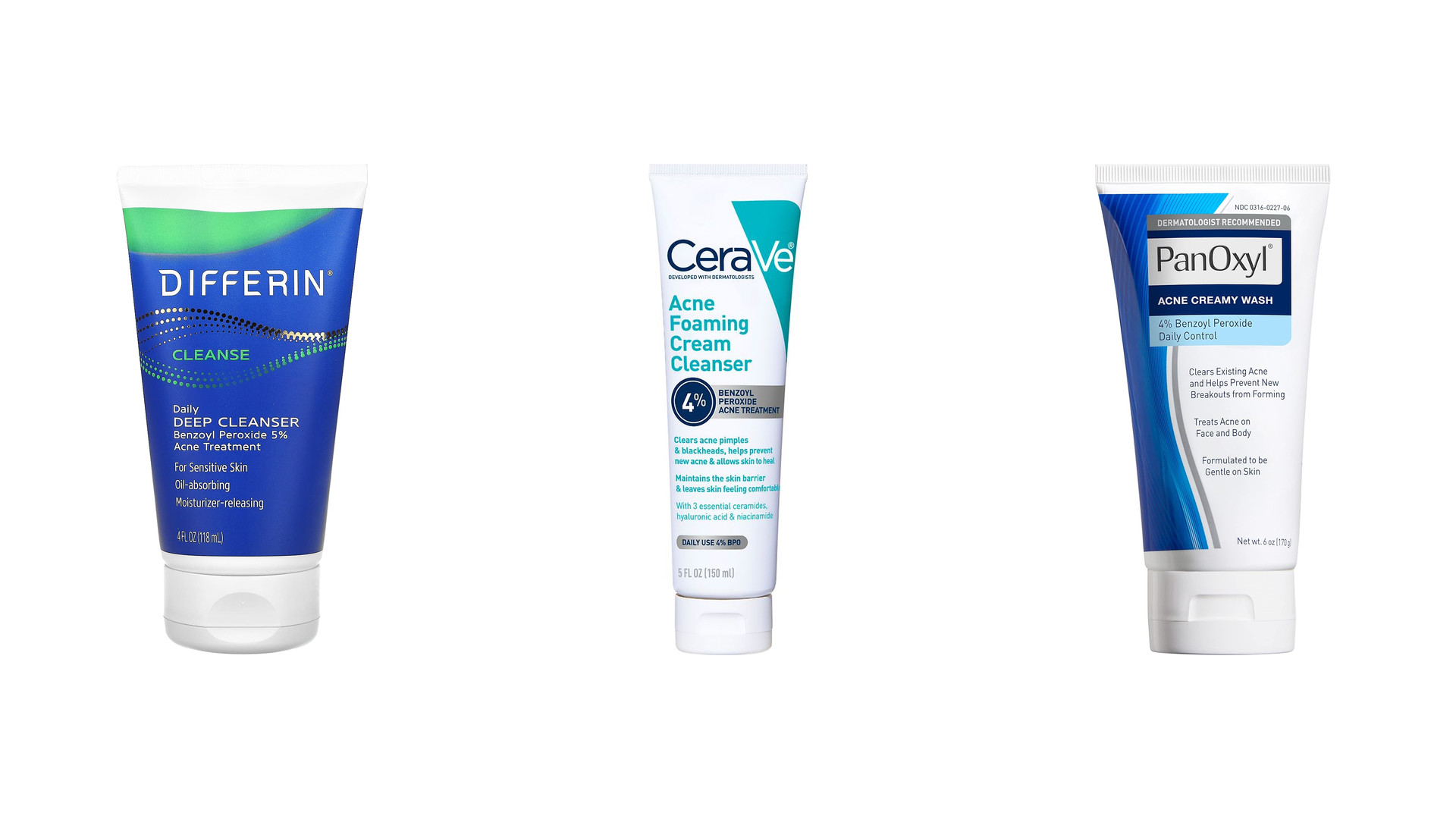
kills bacteria but does not fix the plug. Works best paired with a retinoid, not instead of one.
Niacinamide
Four to eight weeks
Oil and redness respond first. The barrier effect is felt sooner than it is seen.
Tretinoin
Three to six months
Skin often looks worse for the first four to six weeks. That stage is normal, and it is where most people quit.
Niacinamide
As long as you keep using it
Tretinoin
As long as you keep using it
Niacinamide
Very little
Flushing or mild stinging in a small number of people. It is one of the best-tolerated actives available.
Tretinoin
Peeling, redness, sun sensitivity
Dryness and flaking in the first weeks are expected. Skin burns more easily, so daily sunscreen is part of the deal.
Niacinamide
Inexpensive
Widely available in drugstore serums and moisturizers.
Tretinoin
Varies, and needs a prescription
Generic versions are the cheaper route. Branded creams and lotions cost considerably more, and insurance cover for adults is patchy.
Niacinamide
Drugstore is the only version
Niacinamide is an over-the-counter ingredient. There is no prescription version, and there is no stronger clinic equivalent.
Tretinoin
Adapalene is the closest
Adapalene is a retinoid you can buy without a prescription, and it works on acne in the same way. Retinol is a weaker relative — skin has to convert it before it does anything, so it is slower and milder. Neither is tretinoin, but both are real versions of the same idea.
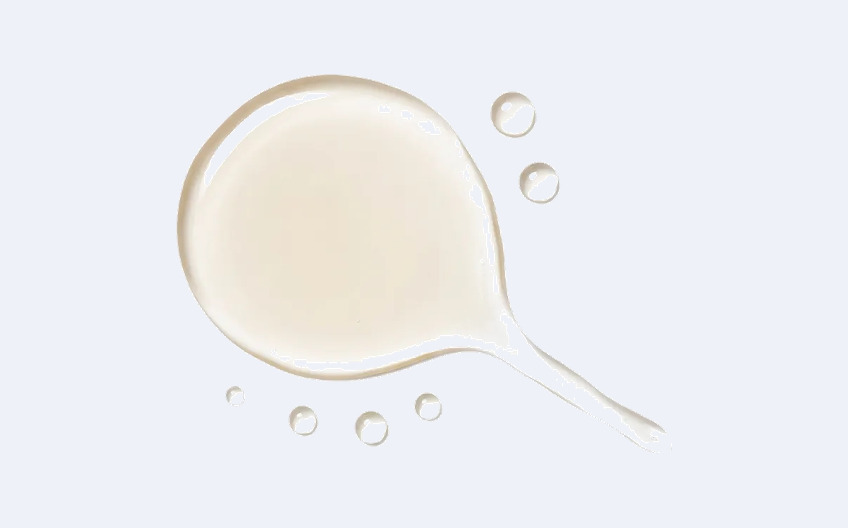
Thin and water-like, under moisturizer. The easiest way to control the strength you get.
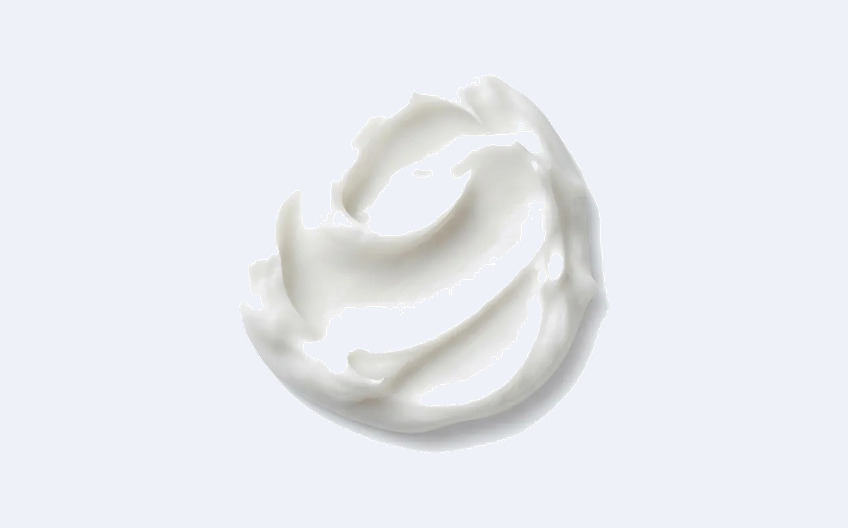
Niacinamide inside the cream you were using anyway. Good if your routine is already long.

Very light and watery. Spreads over the face and neck and dries in seconds.
Niacinamide in an SPF you apply anyway. The redness benefit without an extra step.

Rinsed off within a minute, so little stays behind. A bonus, not your source.
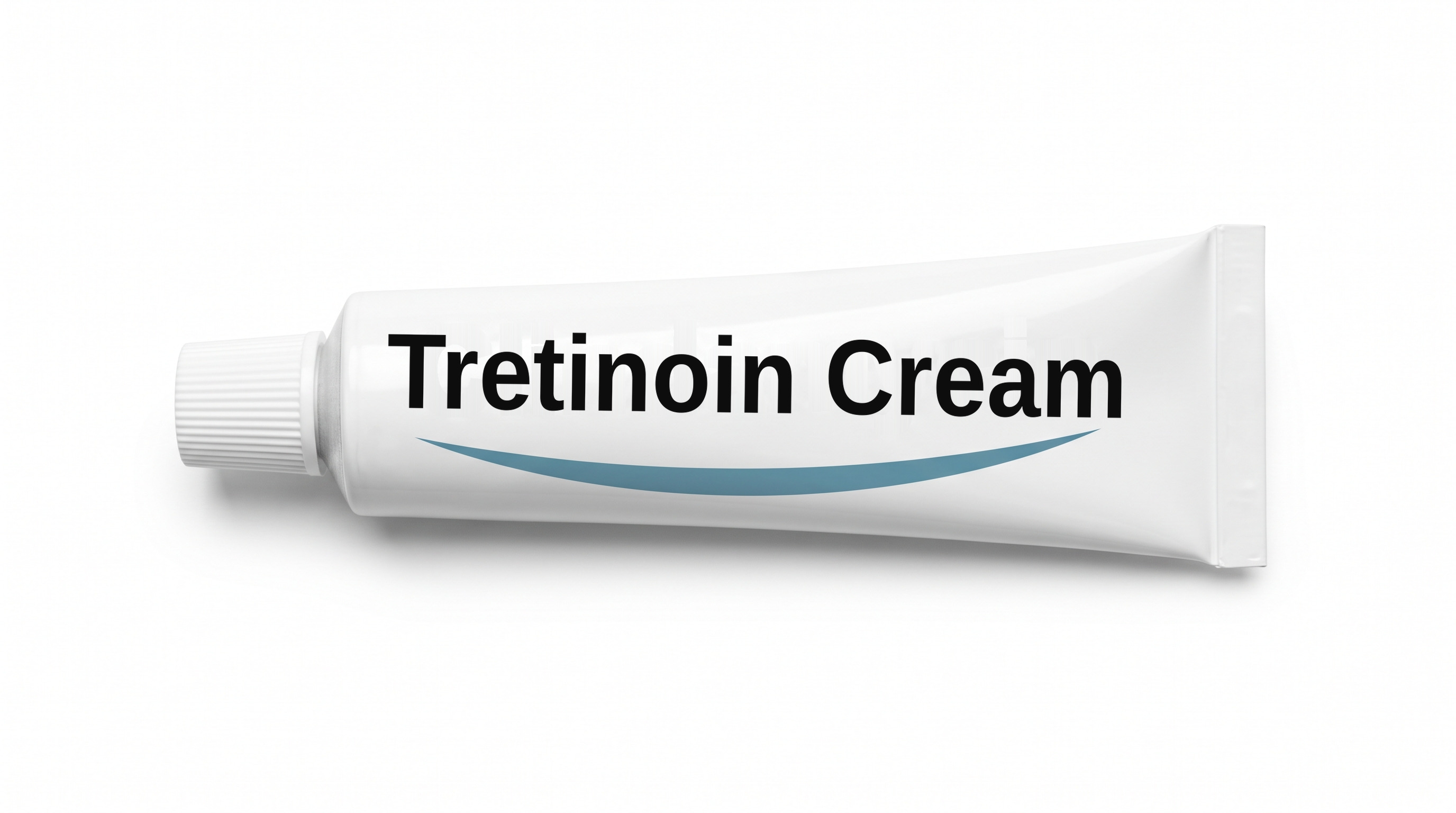
The usual starting point for dry or sensitive skin.
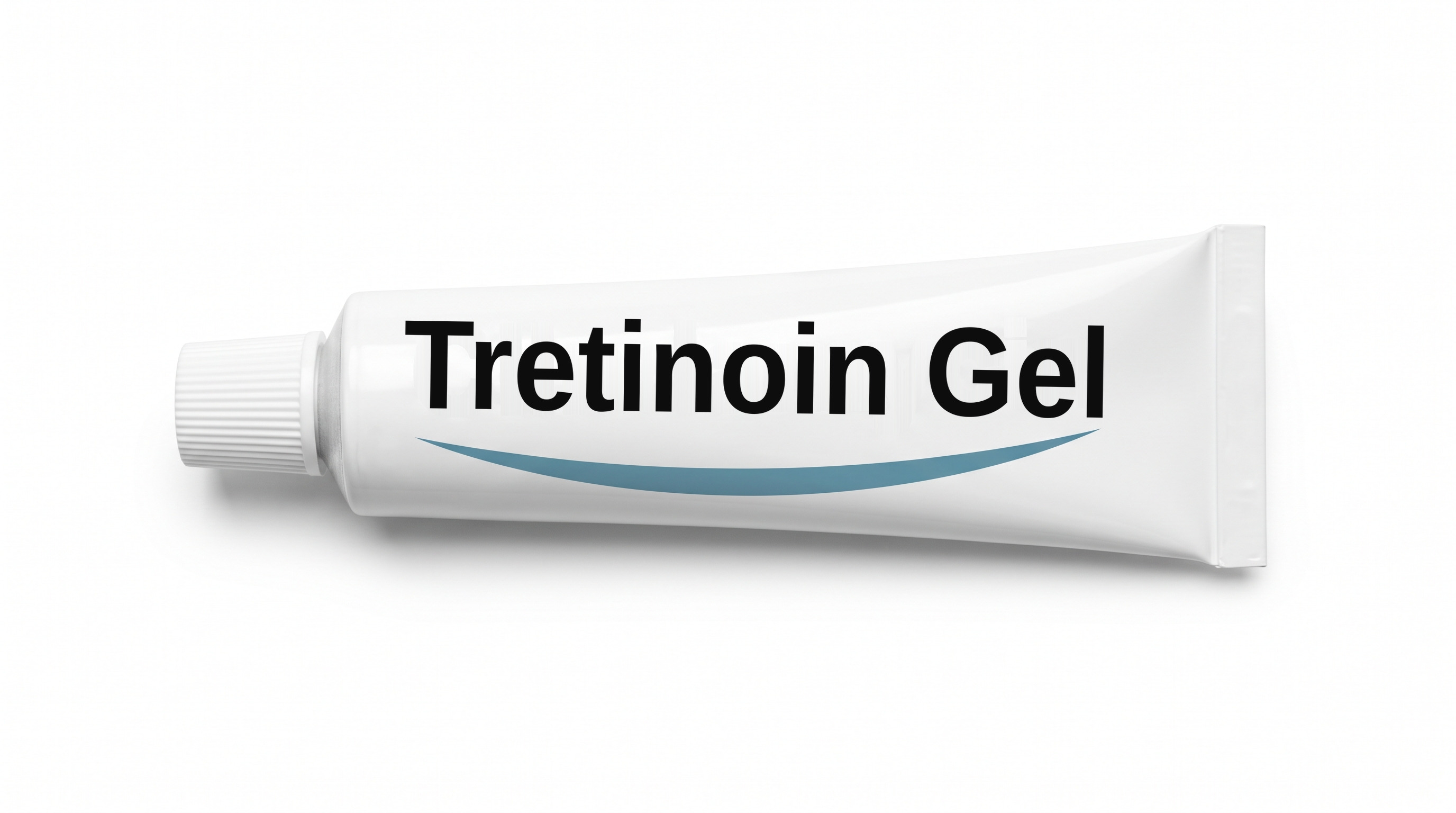
Drying, and better suited to oily skin. Plain gels are also the most fragile in daylight, which is one reason tretinoin is a night medicine.
The newest vehicle, designed to spread easily over the chest and back. Brand only, so usually the most expensive option.
Niacinamide
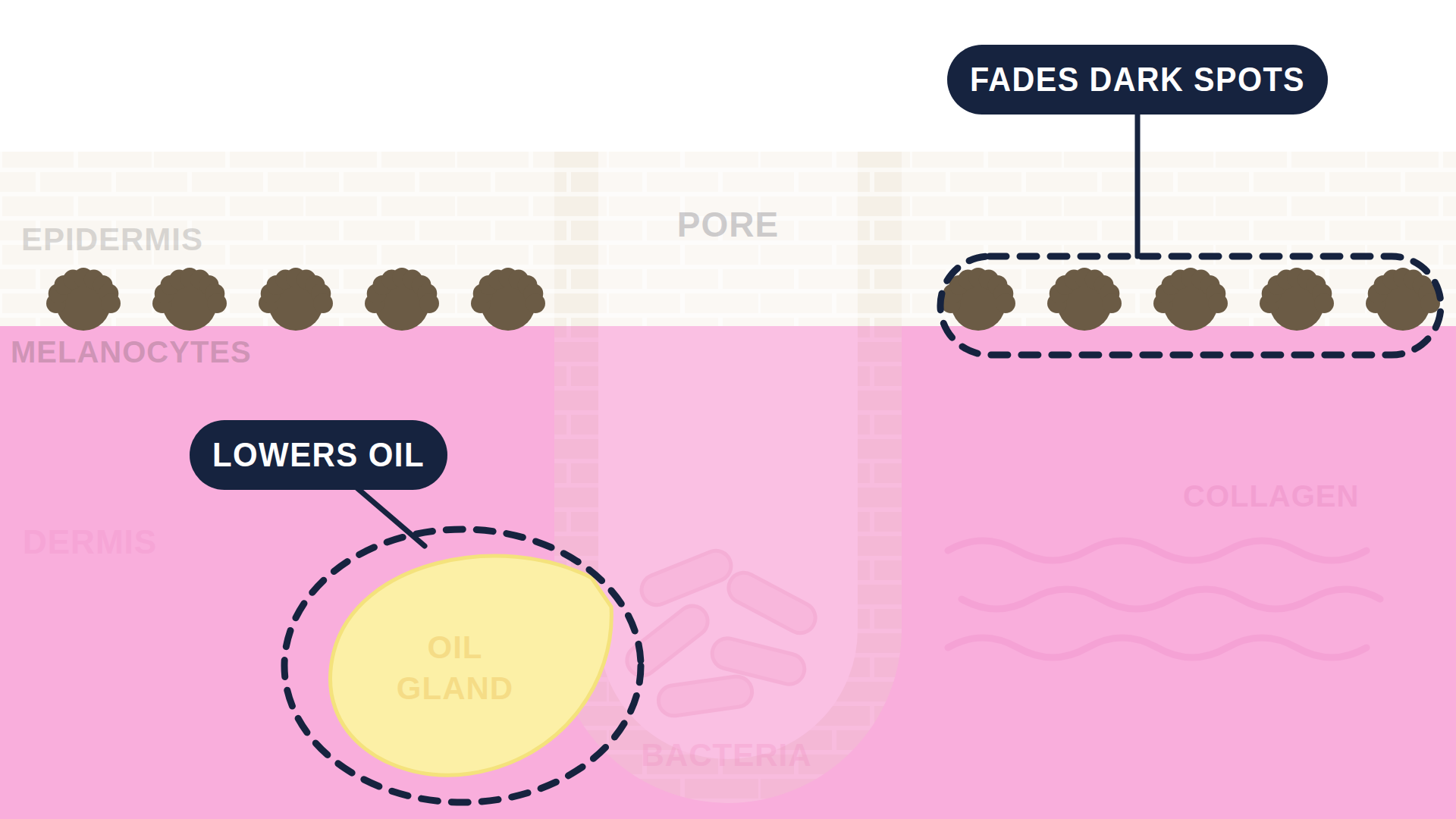
Niacinamide works on the surface and on inflammation. It supports the barrier that holds water in, calms redness, and reduces how oily skin looks.
Tretinoin
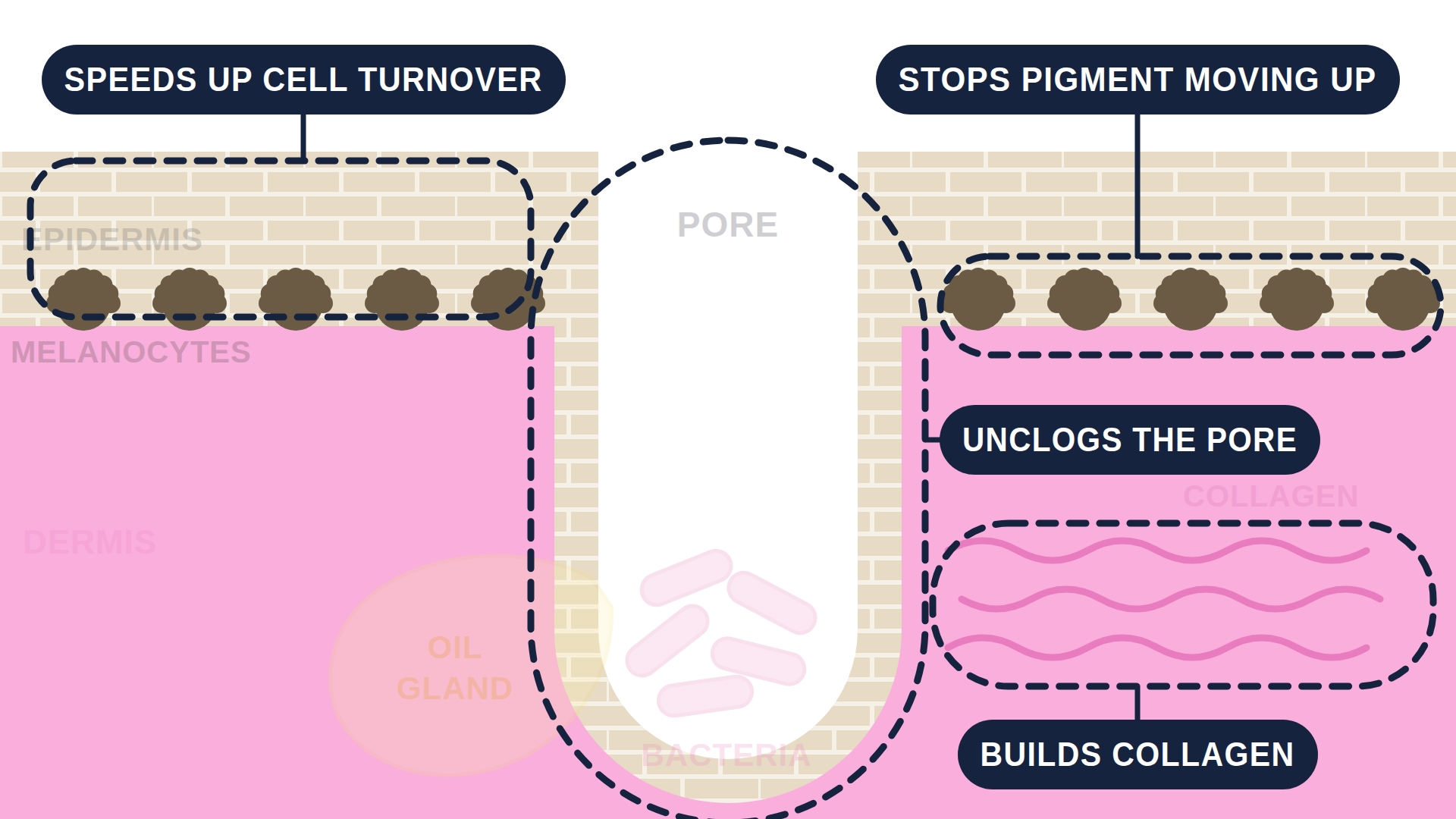
Tretinoin works inside the pore and in the deeper skin. It changes how skin cells stick together and shed, which keeps pores from blocking, and over months it prompts collagen. That is why it treats acne, texture and lines with one product.
Tretinoin
Sandwiching helps if tretinoin stings. Moisturizer, then tretinoin, then moisturizer again. It slows absorption slightly and makes the first months tolerable.
Niacinamide
Start with niacinamide if your skin is red, reactive or oily and your acne is mild. It is cheap, easy and unlikely to cause a problem.
Do not expect niacinamide to substitute for a retinoid. It is a good ingredient that is often sold as more than it is.
Tretinoin
Start with tretinoin if you have real acne, visible texture or sun damage. No over-the-counter product matches it, and waiting has a cost — deep spots left untreated are the ones that scar.
Niacinamide
Common questions
Yes. There is no conflict between them, and niacinamide reduces the irritation that makes people give up on tretinoin.
Niacinamide first, then tretinoin, then moisturizer. Using niacinamide in the morning and tretinoin at night works just as well.
No. Niacinamide helps with redness, oil and barrier strength. Tretinoin is the one that clears pores, evens texture and softens fine lines.
Three to six months for a fair judgement. Skin often looks worse for the first four to six weeks, and that stage is where most people stop.
Adapalene is a retinoid you can buy without a prescription and it works the same way on acne. Retinol is a weaker relative that skin must convert first, so it is slower.
No. The old advice about pH clashing has not held up. They can share the same routine on the same night.