Intense Pulsed Light (IPL)
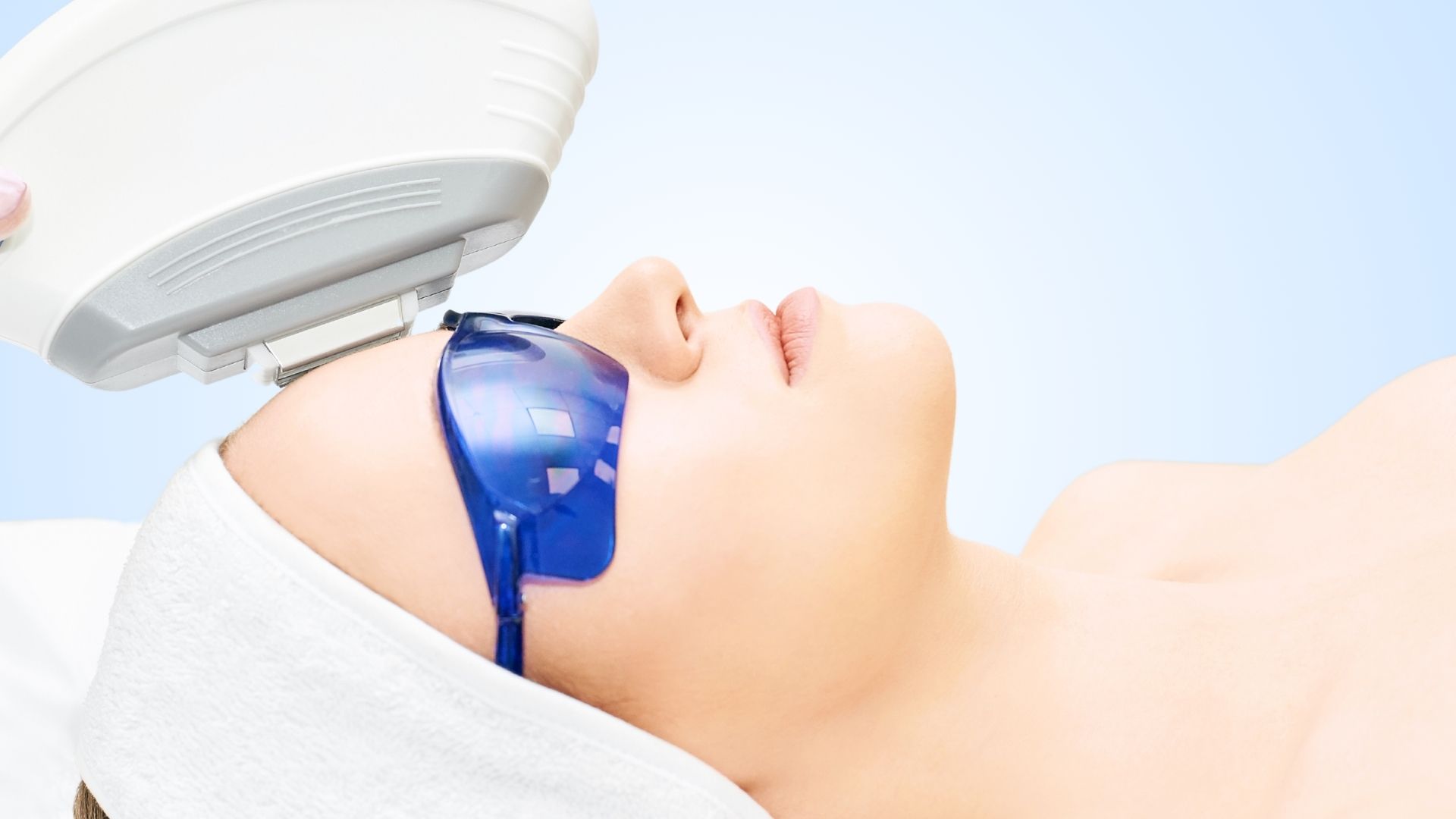
IPL sends broad-spectrum light through a flat glass window, so a whole patch is treated in one flash. Eye protection is worn because the flash is bright.
IPL works best on brown spots and redness in lighter skin. It heats a colour and leaves the skin around it alone. A chemical peel works on spread-out pigment, acne and rough texture, and it suits a wider range of skin tones. No trial has ever compared the two.
| The difference | Intense Pulsed Light (IPL) | Chemical Peel |
|---|---|---|
| Downtime | Days of darkening, then flaking | Days, longer the deeper it goes |
| Cost | No published price for IPL alone | Two dated, self-reported figures |
IPL sends broad-spectrum light through a flat glass window, so a whole patch is treated in one flash. Eye protection is worn because the flash is bright.

A chemical peel being brushed on. The solution is painted over the skin and left for a set number of minutes — nothing is passed over the skin and nothing is injected.
Side by side
Intense Pulsed Light (IPL)
A flash of light, absorbed by colour
A handpiece flashes a band of light through a filter. Brown pigment and the red of blood soak up that light and heat up. Treated spots darken and flake off over about a week. Small vessels are damaged and clear. Skin with no colour in it soaks up very little.
Chemical Peel
Acid on, timed, then off
A solution is brushed on, left for a set time, then wiped off. The acid is picked for the job. Options include glycolic, lactic and mandelic acid, salicylic acid, Jessner's solution, trichloroacetic acid (TCA), and phenol for the deepest work. The acid destroys tissue whatever colour it is. The new skin that grows back carries the improvement.
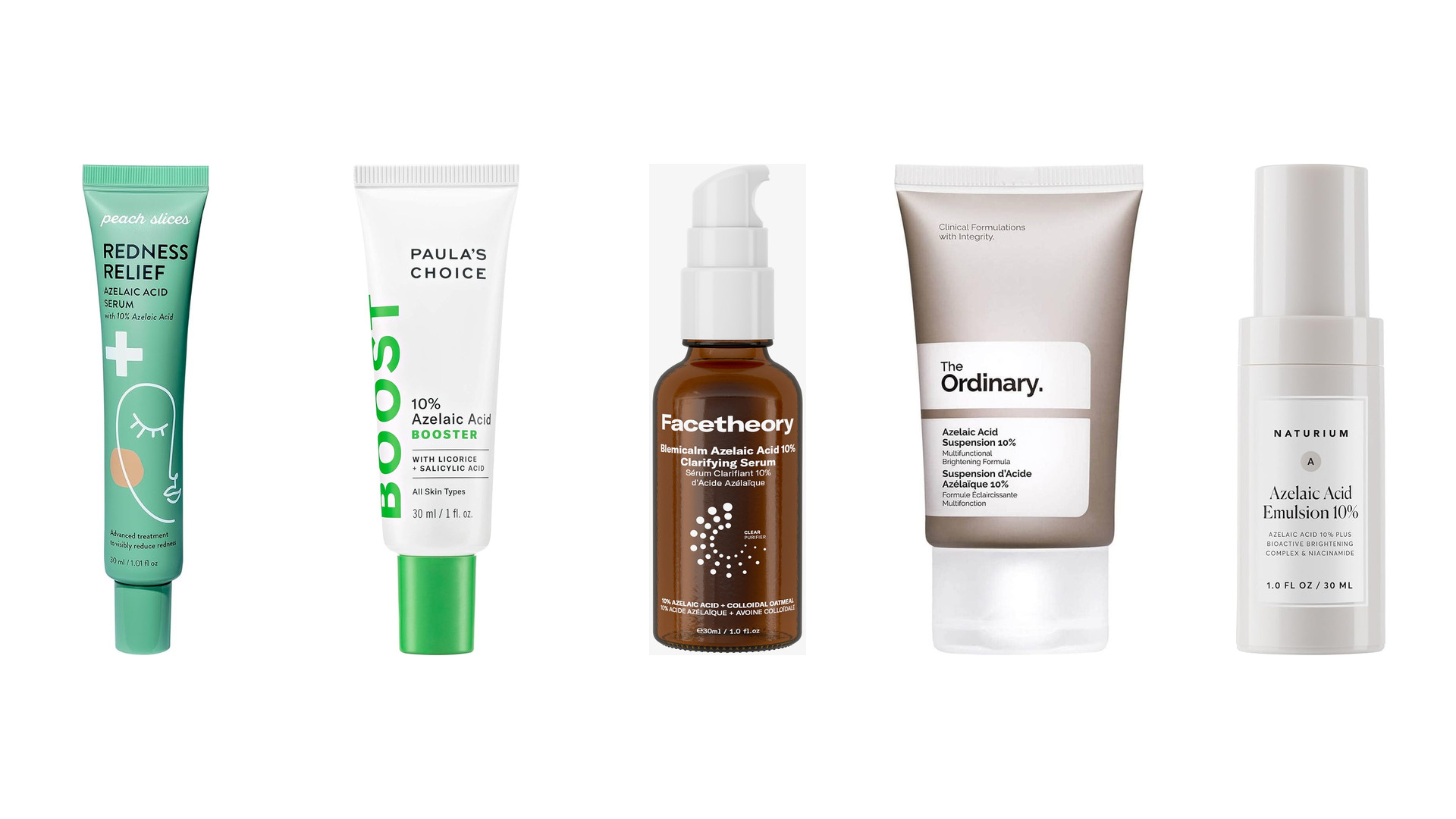
Fade brown patches gradually and calm redness. Slower than IPL and safe across all skin tones, including where IPL is not appropriate.

The best option when there are many spots across a whole area such as the face, chest or the backs of the hands. Usually one to three sessions, with the spots darkening and flaking off over one to two weeks after each. It is aimed at contrast between spot and skin, so it works best on lighter tones and is used cautiously or not at all on deep skin.
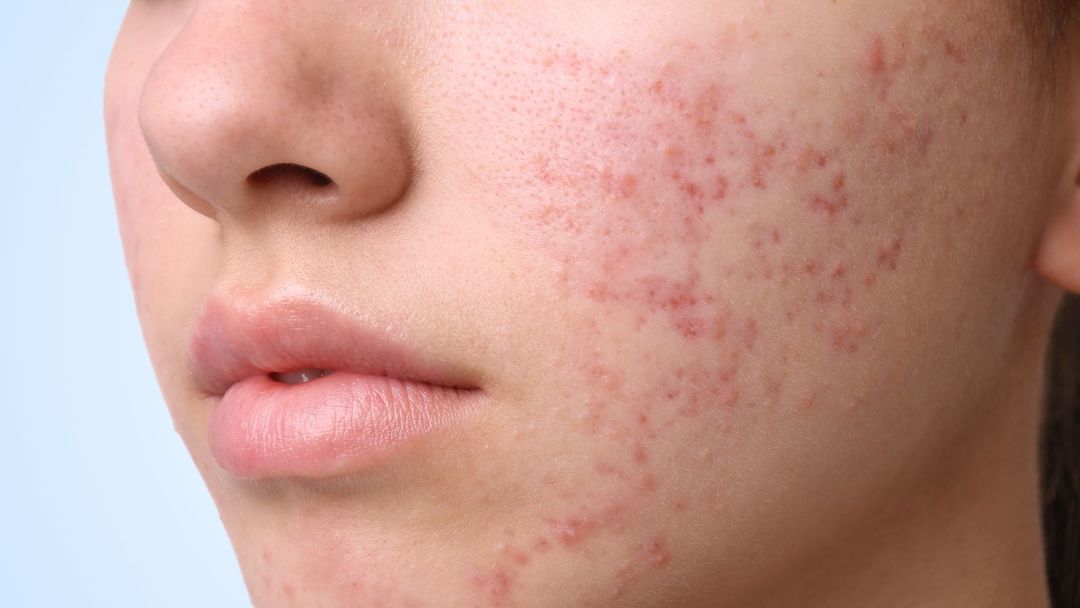
Broad-spectrum light that also targets blood in the vessels, and it covers a whole cheek quickly, which suits scattered marks. It is less precise than a pulsed dye laser and usually needs more sessions. Because the same light is absorbed by pigment, it needs real care on medium and deeper skin tones.
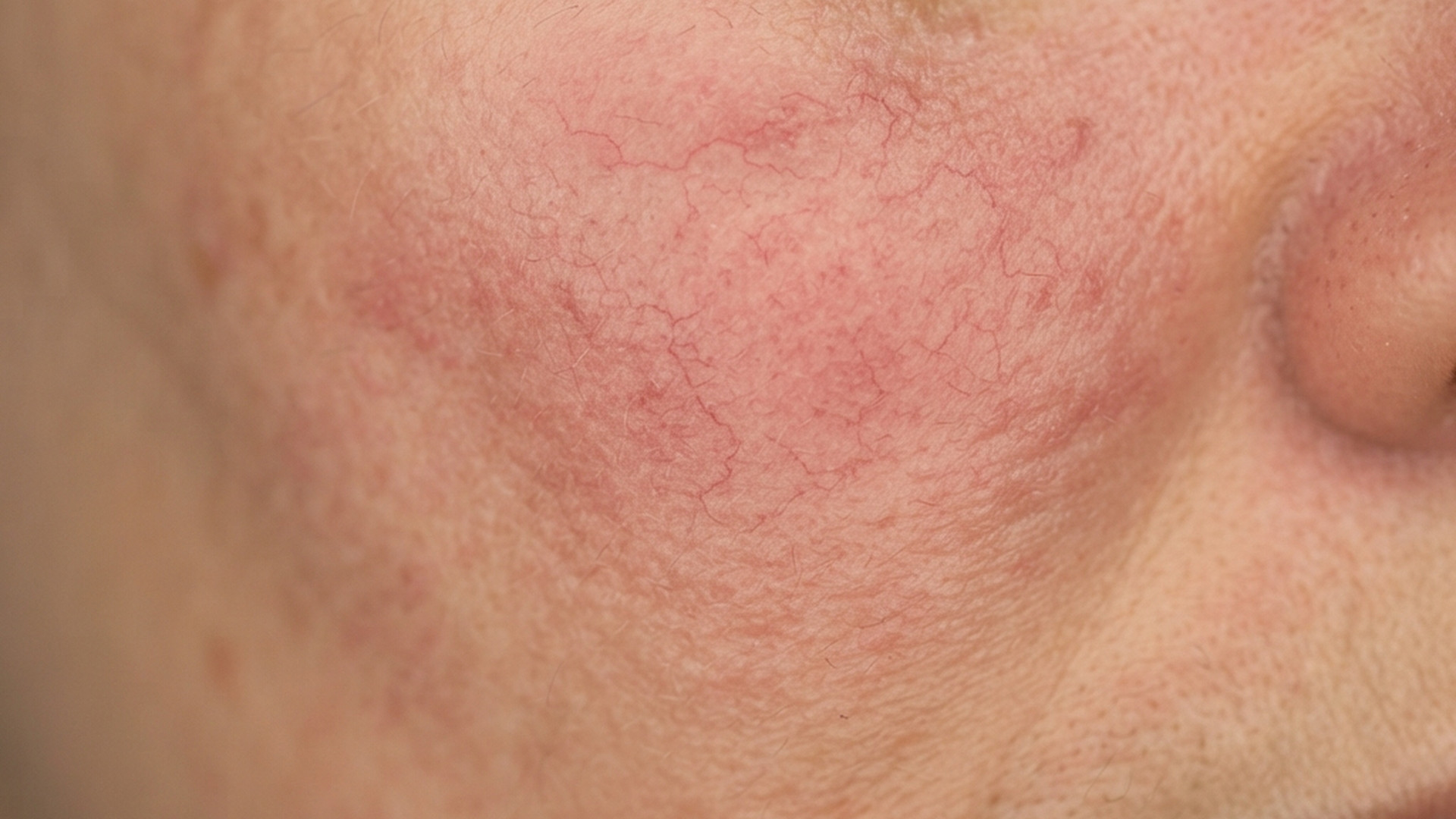
Light rather than laser, and about as effective as pulsed dye laser for diffuse redness across the cheeks, with less bruising. It is often the better choice when the problem is a general flush rather than a few distinct threads. It needs an experienced practitioner and a test patch on deeper skin tones, because the wrong settings can cause lasting pigment change.

Broad-spectrum light aimed at surface pigment, and it is a poor fit for these marks. It is absorbed strongly by pigment throughout the skin, so on medium and deep skin tones it can burn and leave a darker or patchier result than it started with. It is used far more for sun spots on fair skin than for anything on this page.

Often offered for facial pigment, and often the wrong choice for melasma. It can lighten patches briefly and then bring them back darker within weeks, because the heat it delivers is itself a trigger for pigment cells. It works far better on sun spots, which is part of why telling the two apart matters before booking anything.

A peel works on the surface layers. Scars that dip below the skin are missing tissue further down than a peel reaches. The flat marks beside them do respond.
A series of light peels speeds up the shedding of surface pigment, so it helps brown marks far more than gray ones. Done gently and spaced out, it adds to a good home routine rather than replacing it. Done too strongly, especially on deeper skin tones, the peel itself inflames the skin and creates a fresh round of marks.
Light peels, spaced out, speed up the clearing of surface pigment when they are added to creams and sun protection. They are an addition and never a replacement. Depth is the whole issue: a peel strong enough to leave the skin red and peeling can inflame it and leave the patch darker than it started, which is one of the commonest ways melasma gets worse.
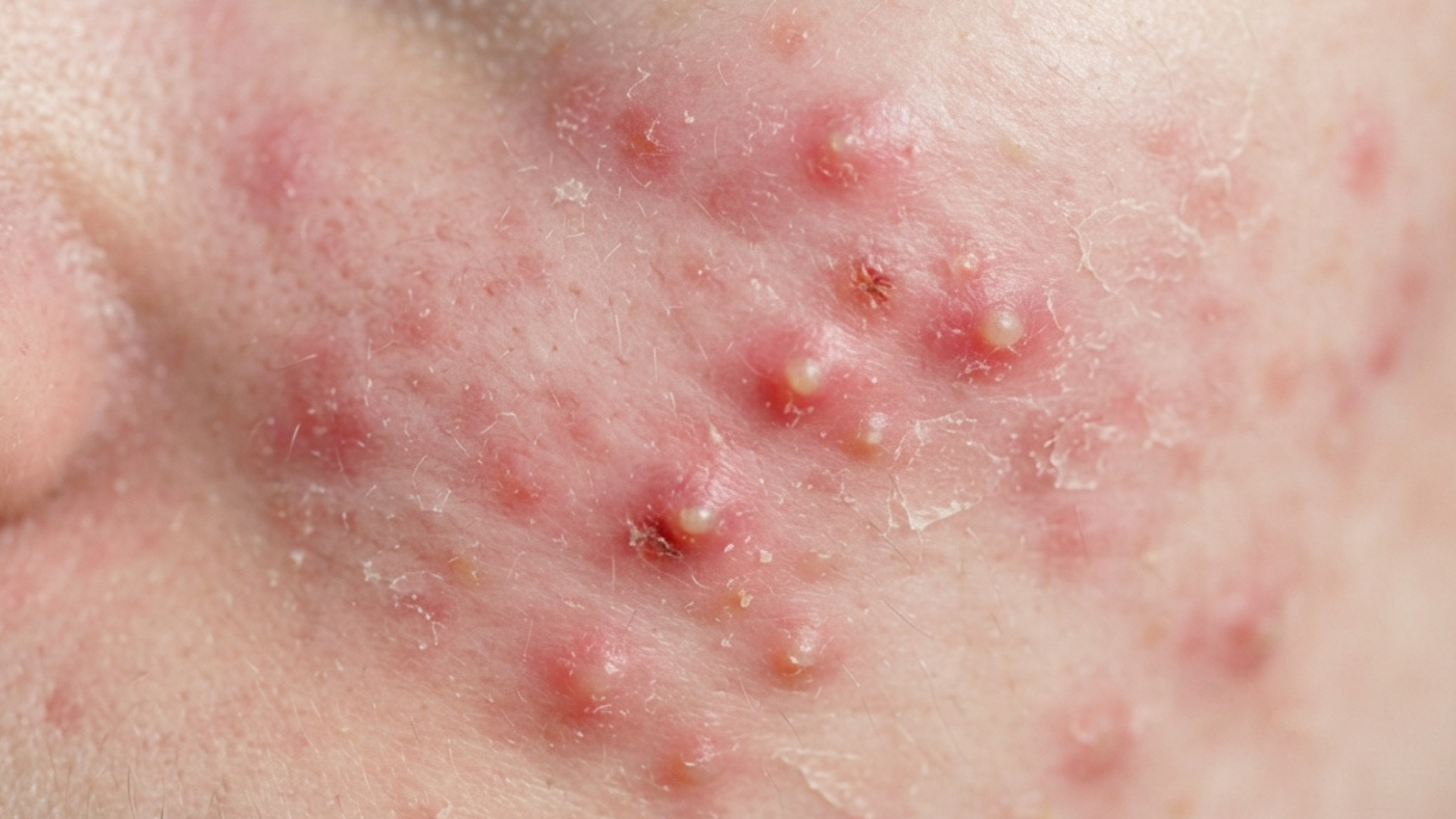
Modest benefit for clogged pores and a better one for the dark marks left behind. Needs repeat sessions, and the benefit fades if the daily treatment stops.

Light peels done around the eye can lift brown pigment over a course of treatments, and they are a reasonable next step when creams have stalled. Settings have to be gentle, spaced further apart and often preceded by weeks of a preparation cream, because over-treating eyelid skin leaves more pigment than it removed. On deeper skin tones, ask directly how many people with your skin tone the clinic treats.
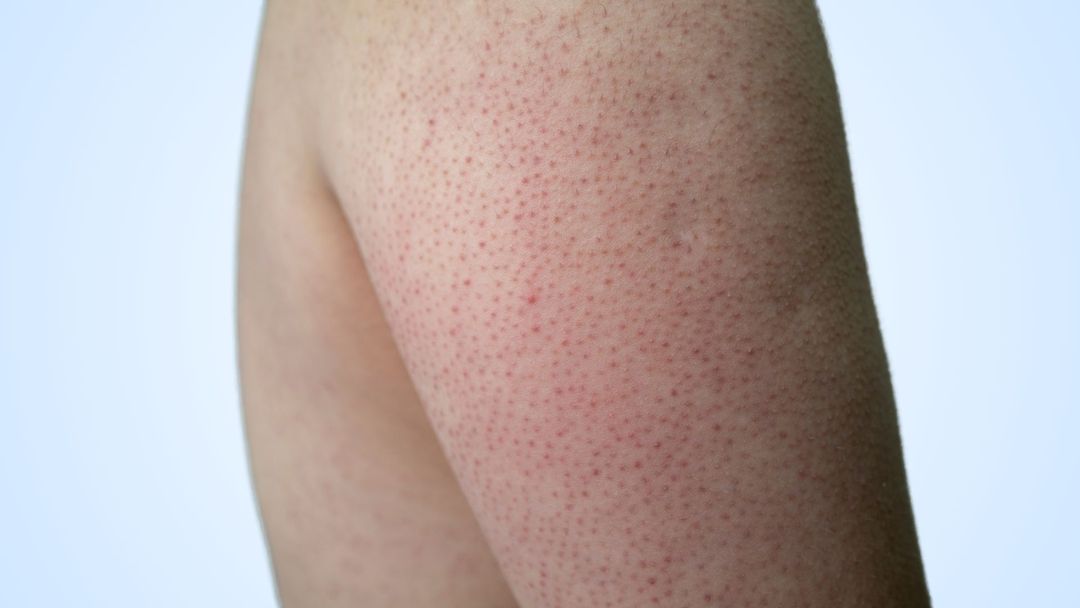
A stronger version of the acid creams, applied in a clinic to the arms or cheeks. It can smooth the texture for a while, and the effect fades in the same way, so the daily cream is still needed afterwards. It is an add-on for people who want a faster start, not a replacement for the routine.
Lightens spots across a whole area rather than one at a time, which suits the backs of the hands, the forearms and the chest where spots are scattered widely. Usually a course rather than a single treatment, and the result is a general evening out rather than each spot disappearing. Depth matters: a peel strong enough to leave the skin raw can leave a darker mark instead.
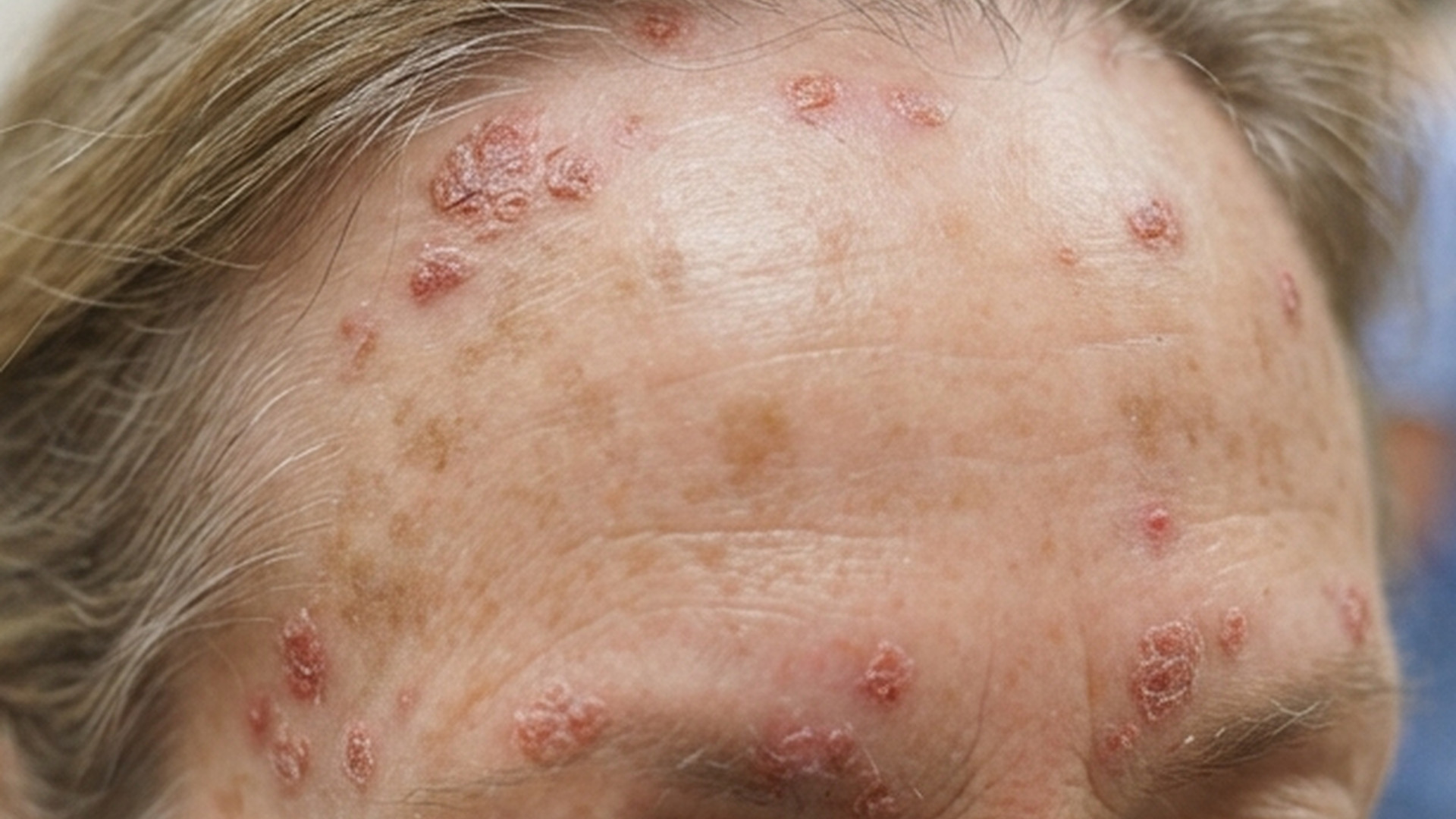
A medium-depth peel takes off the damaged top layer across a whole face or scalp at once, so it treats the field rather than single spots. It is an option when creams have not been tolerated. The skin is red and peeling for about a week, and results depend a lot on who is doing it and at what strength.

Medium-depth peels have some evidence for modest improvement in mature marks, mostly when used alongside another treatment rather than on their own. Because they work by controlled injury, the same pigment cautions apply on deeper skin tones, and a test patch is worth insisting on.
Repeated medium-depth peels smooth the edges of shallow scars and even out the tone around them. The effect on texture is modest next to laser or needling. On this page peels earn their place mostly for the flat marks sitting alongside the scars rather than for the scars themselves.
Intense Pulsed Light (IPL)
Brown spots and redness on lighter skin
Flat brown sun spots, freckling, small visible vessels and general facial redness. Each has a strong colour for the light to aim at.
Chemical Peel
Pigment, acne, tone and texture
Peels also treat acne, dullness and fine lines. In 13 studies of 478 people with melasma in darker skin, glycolic acid beat TCA, and both TCA and Jessner's beat hydroquinone cream.
Intense Pulsed Light (IPL)
As deep as the target is
The aim is to heat the target and spare the layers around it.
Chemical Peel
Whatever depth is chosen
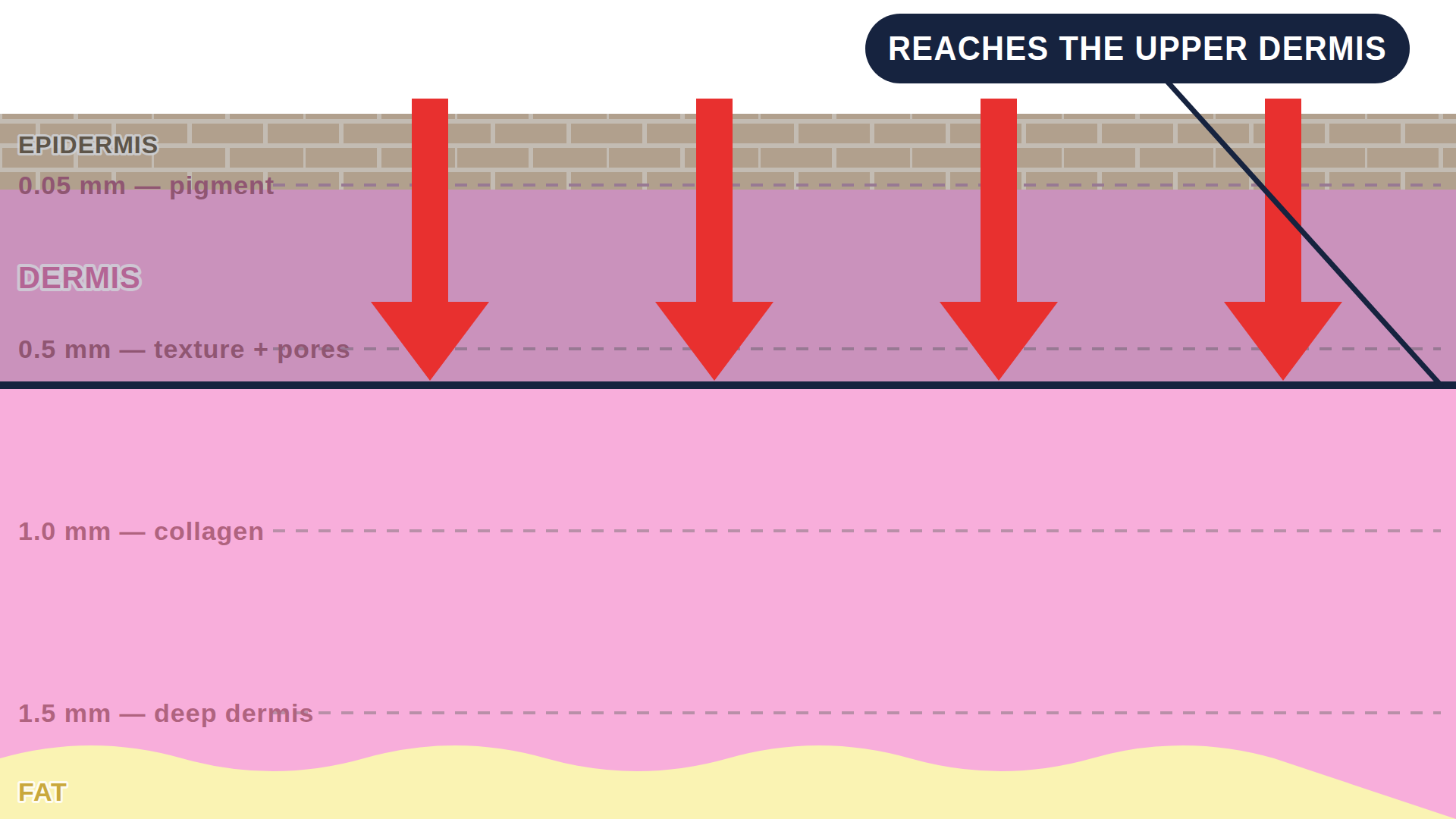
Superficial peels stay in the outer layer. Medium peels reach the upper true skin. Deep peels reach the middle of it. A percentage on a bottle is not a fixed depth. One standard reference calls 35 percent TCA a light peel. Another calls it medium.
Intense Pulsed Light (IPL)
The risk is built into how it works
Melanin is the target. More melanin means more light is soaked up where you did not want it. Current guidance says IPL strong enough for resurfacing or hair removal should be avoided in Fitzpatrick IV to VI skin. The risks are darkening and permanent loss of pigment.
Chemical Peel
Depth-graded, and workable
Superficial peels are often used in Fitzpatrick IV to VI skin, with high satisfaction. Medium peels need caution. Deep peels should be avoided. In one study, 15 percent TCA caused temporary darkening in 28 percent of patients at four weeks. Almost all of it was gone by 12 weeks.
Intense Pulsed Light (IPL)
Days of darkening, then flaking
Redness and mild swelling for a day or two. Treated spots darken to a coffee-ground look and shed over the next week. Most people can wear makeup and go to work.
Chemical Peel
Days, longer the deeper it goes
Expect redness for about 3 to 5 days after a superficial peel, and 15 to 30 days after a medium one. Full healing takes 7 to 10 days for a medium peel, and 14 days or more for a deep one.
Intense Pulsed Light (IPL)
Usually a series
A course of sessions a few weeks apart. Top-ups later.
Chemical Peel
A course, every two weeks
Most published plans run three to six sessions. The usual gap is two weeks.
Intense Pulsed Light (IPL)
No published price for IPL alone
No professional society publishes a price for IPL on its own.
Chemical Peel
Two dated, self-reported figures
RealSelf reported an average of $438 in January 2023. The last separate figure from the American Society of Plastic Surgeons was $519 in 2020.
Intense Pulsed Light (IPL)
Chemical Peel
Intense Pulsed Light (IPL)
So IPL suits a strong colour sitting on skin that has none. Flat brown sun spots on fair skin are close to the ideal case. So is redness, because the target is the blood in the vessels. IPL can clear those and leave the rest of the face alone.
The same fact is IPL's weakness. If the skin around the target is itself richly pigmented, the light is soaked up there too. That can mean a burn, a patch that goes darker, or a patch that loses pigment for good. A peel has no such preference. It removes what it is applied to, which makes it blunter but easier to use across skin tones.
Intense Pulsed Light (IPL)
IPL devices are Class II and need FDA 510(k) clearance. The maker shows FDA the device is much the same as one already on the market, for a written list of uses. Those lists typically name benign pigmented lesions, benign vascular lesions and hair removal. A clearance is a judgment of similarity, not proof that a treatment works for you.
Chemical Peel
Chemical peels have nothing equivalent. No peel product has FDA approval, none has ever been cleared as a device, and there is no approved drug application for the peel acids. In a drug alert on 30 July 2024, FDA said it has not approved any chemical peel products, and that they should only be used under the supervision of a dermatologist or a licensed and trained practitioner.

Moderate evidence. Aimed at indented scars, which a superficial peel does not touch. More downtime per session, and usually done once the acne itself is under control.

Limited evidence. Sands the surface instead of dissolving it. No peeling and little lasting effect on acne, which is why it is often bundled rather than sold on its own.
Common questions