Intense Pulsed Light (IPL)
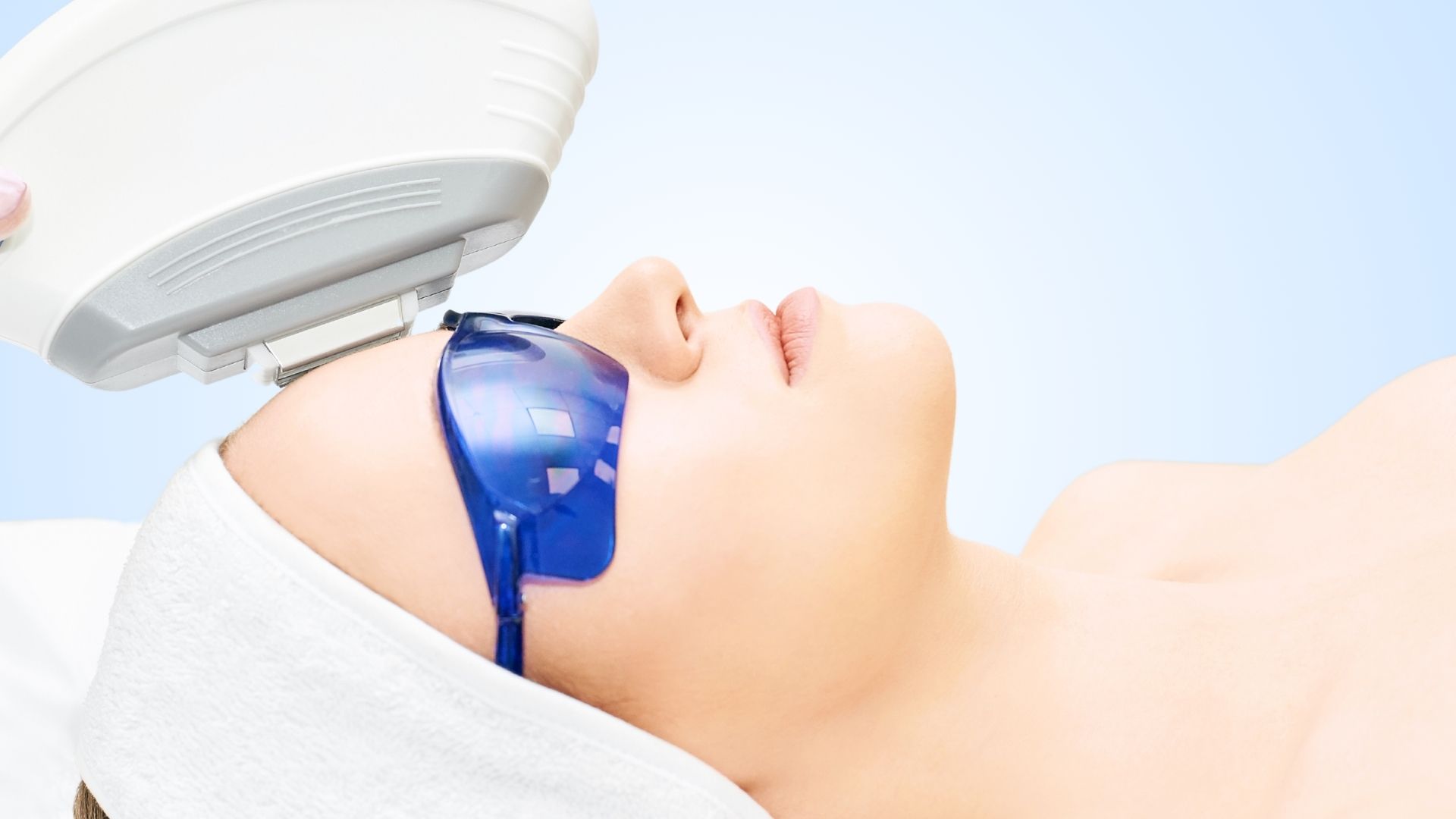
IPL sends broad-spectrum light into the skin. Eye protection is worn for every session.
IPL is a category of light treatment, not one machine. It flashes broad-spectrum light at the skin to fade brown spots and calm redness. BBL is one brand of IPL, made by a company called Sciton, and it is not a different technology. BBL devices tend to cool the skin better and hold their power steadier than older IPL units, but who sets the dials matters more than the badge on the machine.
| The difference | Intense Pulsed Light (IPL) | BBL (Broadband Light) |
|---|---|---|
| What it actually is | A whole category of devices | One brand inside that category |
| What it is best at | Brown spots and redness | Brown spots and redness |
| How long until it works | One to two weeks per session | One to two weeks per session |
| What it feels like | Like a rubber band snap | Like a rubber band snap, but cooler |
| Downtime | A day or two of pink skin | A day or two of pink skin |
IPL sends broad-spectrum light into the skin. Eye protection is worn for every session.

BBL sends broad-spectrum light into the skin. A layer of gel sits under the handpiece.
Side by side
Intense Pulsed Light (IPL)
A whole category of devices
Dozens of machines from different makers are all called IPL. They range from excellent to badly maintained.
BBL (Broadband Light)
One brand inside that category
BBL is an IPL. Sciton sells it under its own name, so clinics market it as if it were separate.
Intense Pulsed Light (IPL)
Brown spots and redness
Sun spots, freckling, broken capillaries and the flushed look of rosacea.
BBL (Broadband Light)
Brown spots and redness
The same list. A BBL is aimed at the same two targets in the skin: pigment and blood vessels.

The best option when there are many spots across a whole area such as the face, chest or the backs of the hands. Usually one to three sessions, with the spots darkening and flaking off over one to two weeks after each. It is aimed at contrast between spot and skin, so it works best on lighter tones and is used cautiously or not at all on deep skin.
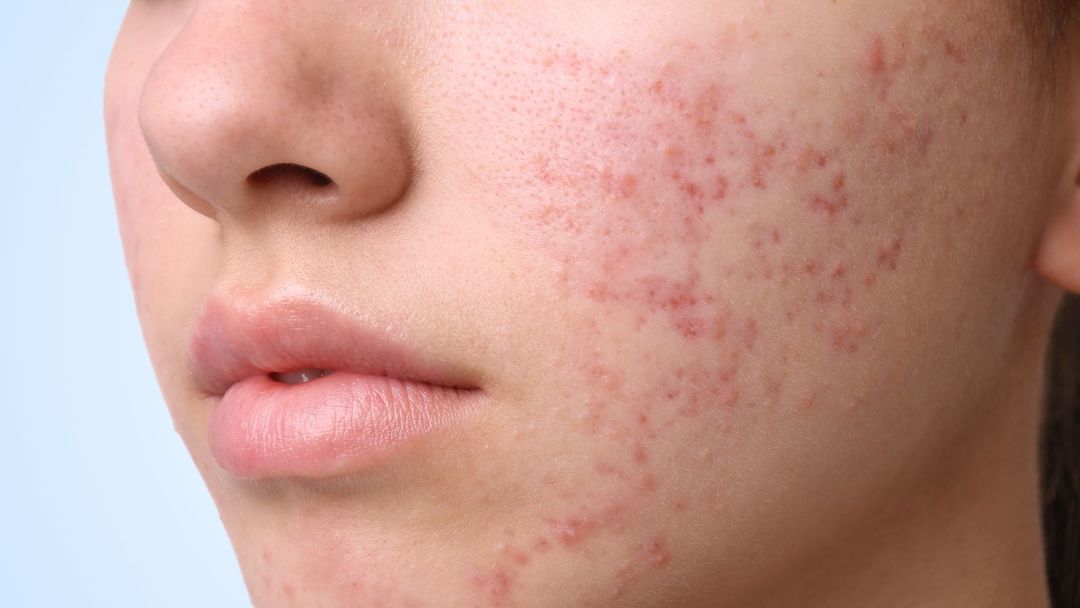
Broad-spectrum light that also targets blood in the vessels, and it covers a whole cheek quickly, which suits scattered marks. It is less precise than a pulsed dye laser and usually needs more sessions. Because the same light is absorbed by pigment, it needs real care on medium and deeper skin tones.
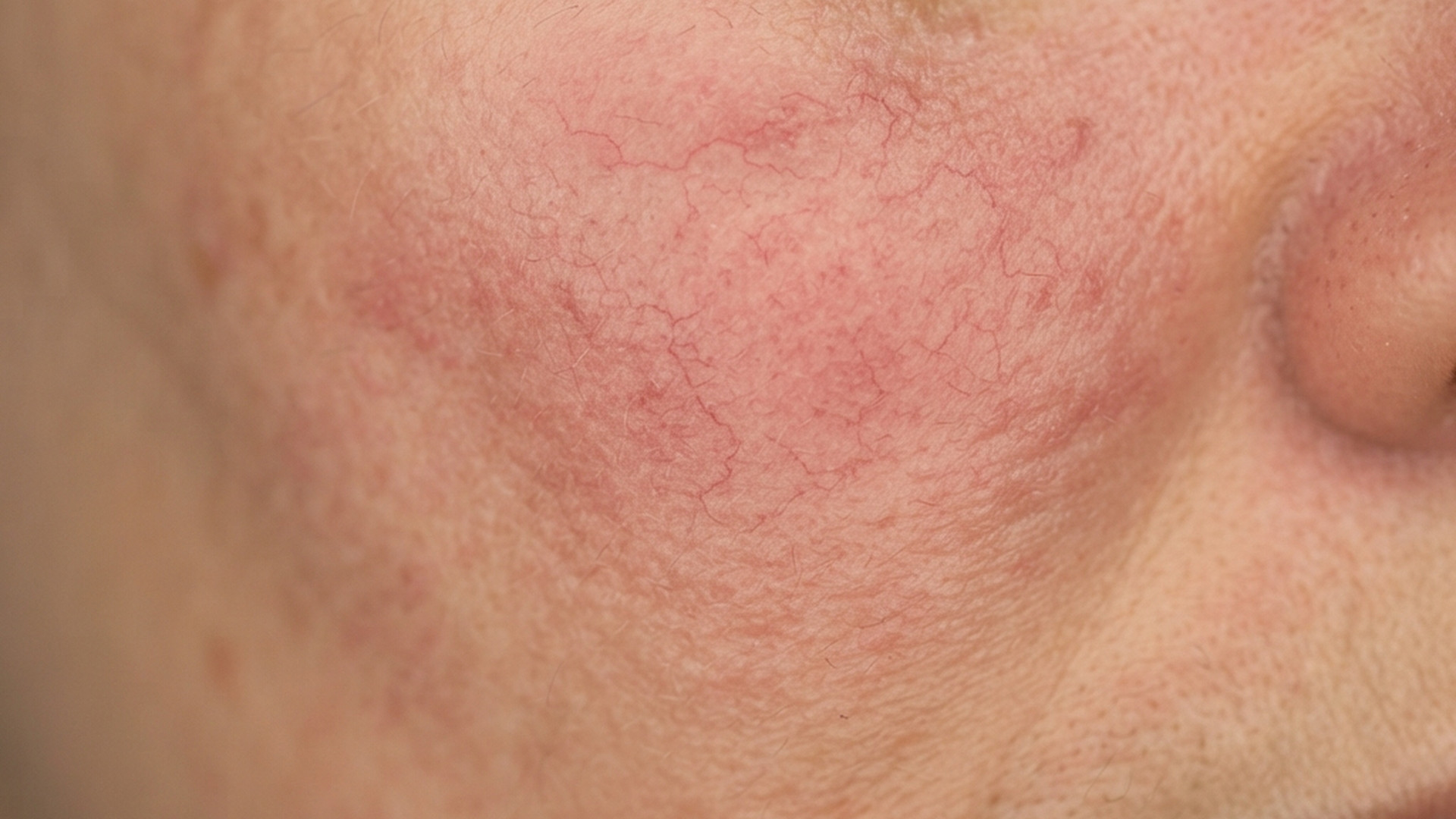
Light rather than laser, and about as effective as pulsed dye laser for diffuse redness across the cheeks, with less bruising. It is often the better choice when the problem is a general flush rather than a few distinct threads. It needs an experienced practitioner and a test patch on deeper skin tones, because the wrong settings can cause lasting pigment change.

Broad-spectrum light aimed at surface pigment, and it is a poor fit for these marks. It is absorbed strongly by pigment throughout the skin, so on medium and deep skin tones it can burn and leave a darker or patchier result than it started with. It is used far more for sun spots on fair skin than for anything on this page.

Often offered for facial pigment, and often the wrong choice for melasma. It can lighten patches briefly and then bring them back darker within weeks, because the heat it delivers is itself a trigger for pigment cells. It works far better on sun spots, which is part of why telling the two apart matters before booking anything.
Intense Pulsed Light (IPL)
Spots darken, then flake off
Treated spots go darker and coffee-coloured for about a week, then shed. Redness fades more gradually.
BBL (Broadband Light)
Spots darken, then flake off
Identical, because the light is doing the same job.
Intense Pulsed Light (IPL)
Wrinkles, scars, loose skin
It works on colour, not on texture. Deep lines and acne scars need a resurfacing laser or microneedling.
BBL (Broadband Light)
Wrinkles, scars, loose skin
Same limits. Collagen change from repeated sessions is real but modest, and it is not a face lift.
Intense Pulsed Light (IPL)
One to two weeks per session
Most people need a course of three to five, spaced four to six weeks apart.
BBL (Broadband Light)
One to two weeks per session
Usually three to five sessions as well, on the same spacing.
Intense Pulsed Light (IPL)
Months to a couple of years
BBL (Broadband Light)
Months to a couple of years
Intense Pulsed Light (IPL)
Like a rubber band snap
Bright, hot flashes. You wear eye shields. A full face takes 20 to 30 minutes.
BBL (Broadband Light)
Like a rubber band snap, but cooler
The handpiece has a chilled sapphire plate held against the skin. Many people find this noticeably more comfortable.
Intense Pulsed Light (IPL)
A day or two of pink skin
You can wear make-up the next day. Dark flecks are visible for about a week.
BBL (Broadband Light)
A day or two of pink skin
The same. Neither one keeps you at home.
Intense Pulsed Light (IPL)
Burns and pigment change
Almost always from settings that were too strong, a recent tan, or no test patch.
BBL (Broadband Light)
Burns and pigment change
The same risk. Better cooling lowers it, but it does not remove it.
Intense Pulsed Light (IPL)
Deeper skin tones and melasma
Light aims at pigment, so it cannot tell a sun spot from naturally rich skin.
BBL (Broadband Light)
Deeper skin tones and melasma
BBL has more filter options to work around this, but the underlying problem is the same.
Intense Pulsed Light (IPL)
Wide range, often the cheaper quote
Varies hugely with the clinic and the machine. Ask for the price of the full course.
BBL (Broadband Light)
Usually priced at a premium
The brand name carries a higher price in most markets. Ask what that buys you in your case.
Intense Pulsed Light (IPL)
A much weaker version of the same thing
Home IPL devices are real IPL, but they run at a fraction of the clinic power and are sold mainly for hair, not for facial pigment. Expect slow, partial change and many more sessions.
BBL (Broadband Light)
Does not exist
Sciton does not sell a home BBL. Anything advertised as one is a generic home IPL borrowing the name.
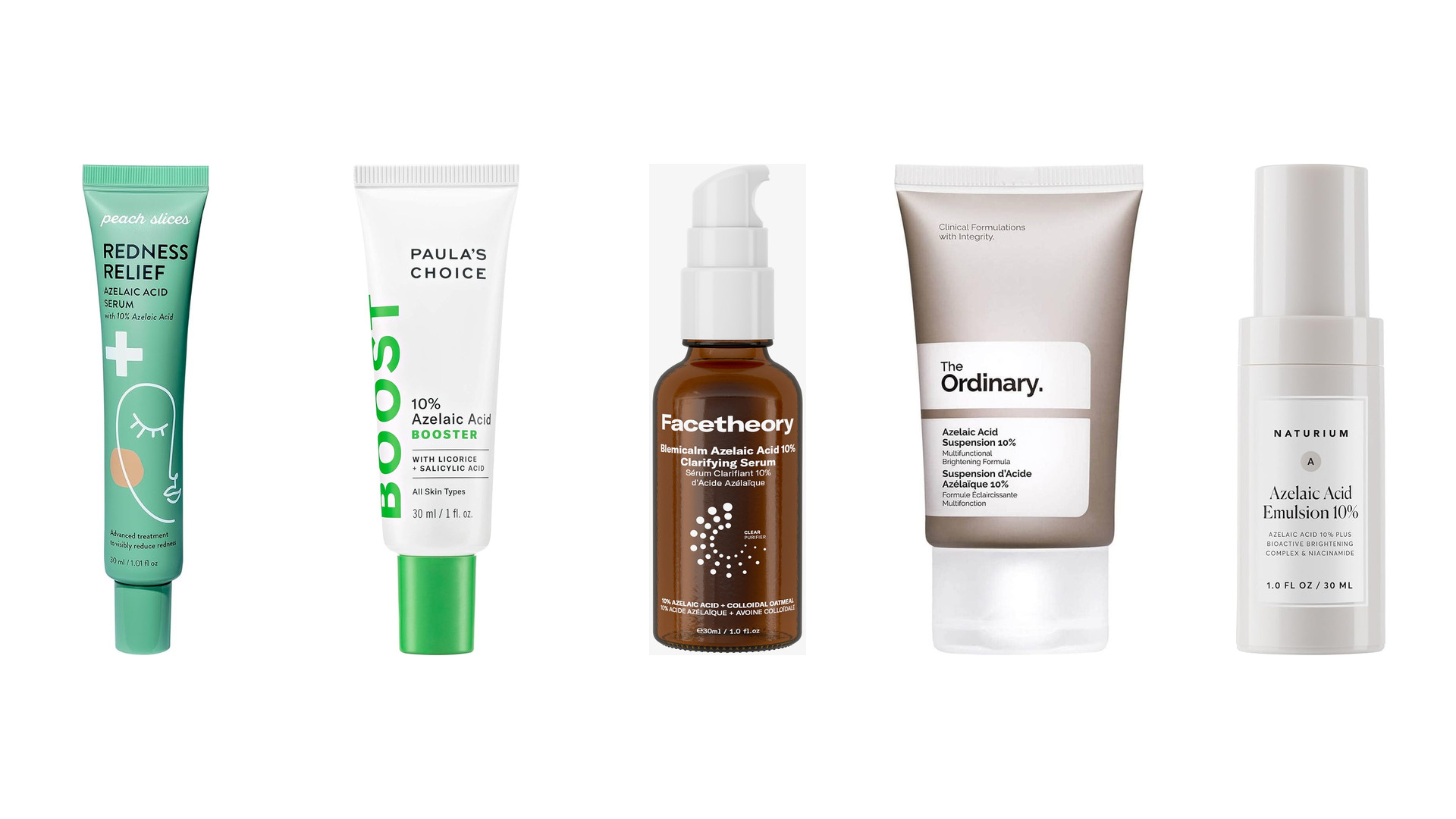
Fade brown patches gradually and calm redness. Slower than IPL and safe across all skin tones, including where IPL is not appropriate.
Common questions