← All comparisons
Dermapedia / CompareProcedures

Cryo Facial vs Hydrafacial

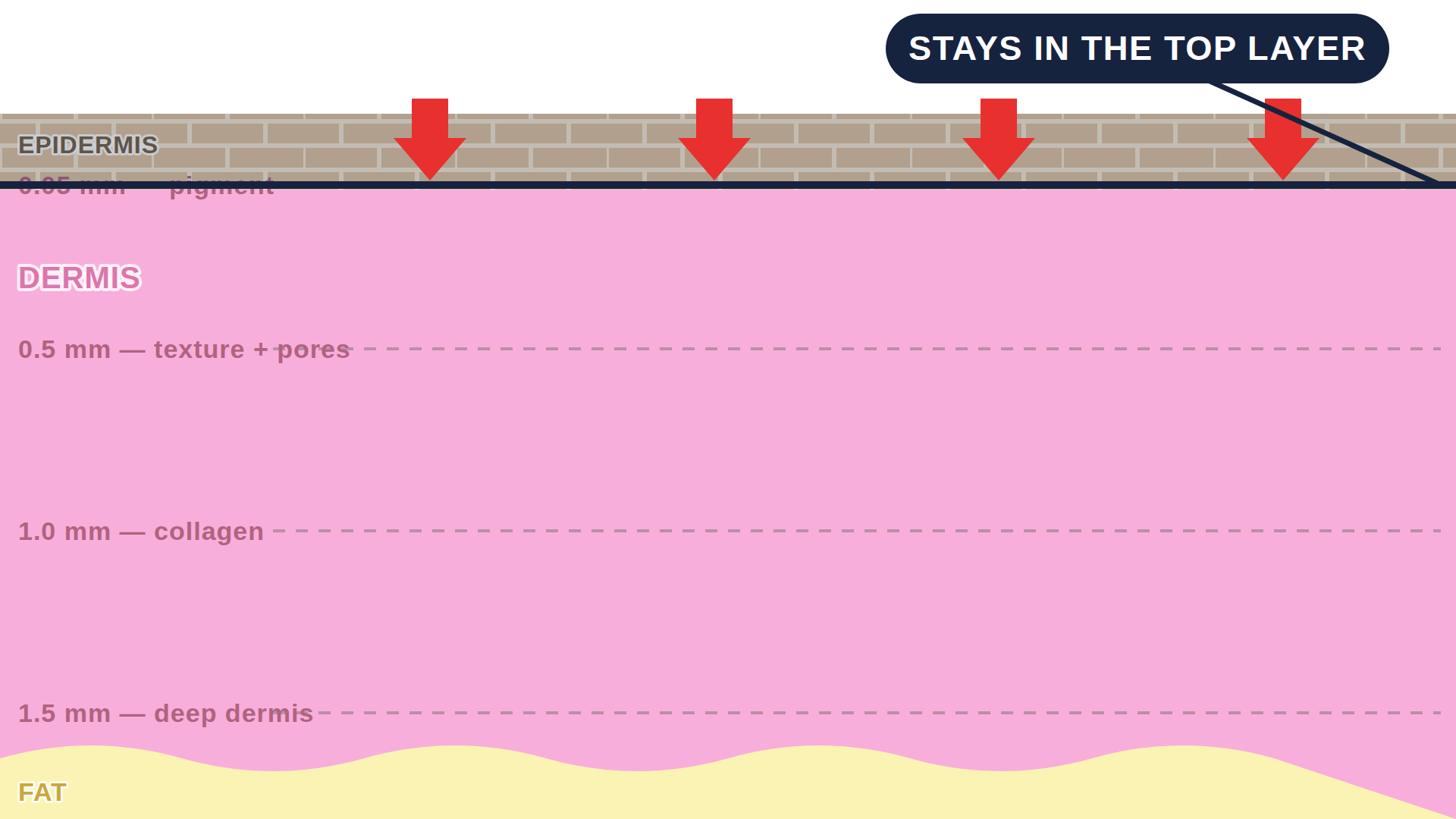
A cryo facial is better for puffiness and redness, and only for a few hours. It cools the face for a few minutes and takes nothing off. A HydraFacial is better for clogged pores and rough texture. It sands a thin layer of dead skin off while suction pulls the debris away.

At a glance

The differenceCryo facialHydrafacial
What has been publishedNothing on the cosmetic cryo facialFive papers in total, all small
CostUsually sold as a short add-onPaid per session, often sold in packages

Cryo facial

A few minutes of cooling A nitrogen vapor wand, a chilled roller or a cooled metal head is passed over your face. Nothing is taken off and nothing is put in. "Cryo facial" is a marketing phrase, not a regulated term, so the machine varies from clinic to clinic.

Hydrafacial

Hydrafacial

Side by side

The differences that matter

10 comparison points

What you actually do

Cryo facial

A few minutes of cooling

A nitrogen vapor wand, a chilled roller or a cooled metal head is passed over your face. Nothing is taken off and nothing is put in. "Cryo facial" is a marketing phrase, not a regulated term, so the machine varies from clinic to clinic.

Hydrafacial

A machine passed over the skin in steps

A disposable tip sands the surface inside a film of fluid, while vacuum pulls the debris away. The company describes a seven-step routine, with suction, a gentle peel, extraction, serums and LED light.

What you can expect to see

Cryo facial

Less puffy, less red, for a while

Morning puffiness settles. Tired eyes look less swollen, warm flushed skin calms down, and the skin feels tight. The pink flush that follows is what most people mean when they say their skin glowed.

Hydrafacial

Smoother, brighter skin the same day

Blocked pores are physically emptied. The surface feels smoother right away.

What it will not do

Cryo facial

No exfoliating, no clearing of pores

It has not been shown to change pigment, lines or texture. It is not a treatment for acne, for scars or for aging skin.

Hydrafacial

No collagen change

Imaging found no visible change in the collagen deeper down at two weeks.

How long it lasts

Cryo facial

Hours, as far as anyone can tell

Cold narrows the small vessels only while the skin is cold. A rebound flush follows, then fades. No study has measured how long the look lasts.

Hydrafacial

Days for the surface, nothing beyond

Skin looks brighter straight after treatment. In one imaging study the outer layer was back above its starting thickness by two weeks.

The downside

Cryo facial

Cold injury if the applicator lingers

The cooling is uncomfortable rather than painful, and the face flushes pink after. Skin held too cold for too long can blister. A numb, waxy, white or gray patch is a warning sign, not a normal result. The eyelids, nostrils and lips are most at risk.

Hydrafacial

An hour or two of pinkness

It feels scratchy and stings a little, with some tugging during extraction. Tightness and redness follow, then settle. How rough it feels depends on the tip, and the range includes one the company names "Aggression."

What has been published

Cryo facial

Nothing on the cosmetic cryo facial

No trial, no case series, no complication series.

Hydrafacial

Five papers in total, all small

The largest was 20 adults with mild to moderate acne. There was no control group, and a company employee was one of the authors. The share rated clear or almost clear rose from 20% to 65% over 12 weeks.

Cost

Cryo facial

Usually sold as a short add-on

There is no reliable published price, and no professional society tracks it.

Hydrafacial

Paid per session, often sold in packages

Published studies used six treatments, spaced one to two weeks apart. Monthly is a clinic suggestion, not a trial result.

Who tends to be happy with it

Cryo facial

  • Best for — Puffiness and flushing, in someone who wants a cooling effect before an event.
  • Best for — Skin that does not tolerate abrasion, suction or acids.
  • The mindset — Buy the hours, not the months. Nothing here has been shown to build up.

Hydrafacial

  • Best for — Congested skin and blackheads, in someone who wants pores physically emptied.
  • Best for — Someone who wants a visible change in surface texture the same day.
  • The mindset — Grooming and upkeep, rather than treatment of a skin condition.

Why the cooling does not last

Cryo facial

Everything a cryo facial does is done by blood vessels and by fluid, and both reverse. Cooling narrows the vessels in the skin within seconds. That means less blood at the surface, less redness, and less fluid pushed into nearby tissue. Take the cold away and the vessels open again, usually wider than before. Nothing in that chain changes collagen, pigment or the thickness of the skin.

The fine print

Cryo facial

Cryo facial devices are sold as cosmetic equipment. Being registered or listed with the FDA is a paperwork step, not a finding that the treatment works or is safe.

Hydrafacial

A HydraFacial is registered, not cleared and not approved. It is listed as a Class I device under product code GFE, 21 CFR 878.4820, a category exempt from premarket notification. There is no clearance number and no reviewed list of indications, because none was required. Exempt is not the same as unregulated: registration, listing, manufacturing quality rules and the ban on false labeling all apply. But the FDA has never assessed any efficacy claim for this machine.

The only clearances in the HydraFacial lineage are for parts, not for the treatment: blue LED in 2006, red LED in 2008, and sterile tubing. "FDA-cleared HydraFacial" is clinic and distributor language, not the manufacturer's.

Common questions

Questions Patients Ask

How long does a cryo facial last?

Nobody has measured it, because no study of the cosmetic cryo facial has been published. Physiologically, the cooling effect lasts while the skin is cold, the reduced puffiness lasts while the fluid stays out of the tissue, and the flush that follows fades over hours. Treat it as a same-day effect. There is no evidence that repeat sessions build on each other.

Who should not have a cryo facial?

Anyone with a condition triggered by cold - hives brought on by cold, Raynaud's phenomenon, or a diagnosed cold-sensitive blood condition such as cryoglobulinemia - should avoid it and say so at booking. It is also not appropriate on skin that is sunburned, broken, or in an active flare of eczema or rosacea, or on an area where you have reduced sensation, since you lose the warning that the skin is getting too cold. None of this has been tested in a trial; it is the sensible reading of how cold behaves.

Can a cryo facial burn or damage skin?

Yes, if the applicator lingers in one place or is held too close. That is cold injury, and the signs are skin that stays white, gray or waxy, loses sensation, blisters, or hurts more rather than less after the treatment ends. Thin skin on the eyelids and around the nose is most vulnerable. The protection against it is a provider who keeps the applicator moving and knows the device.

Which is better for redness and puffiness?

The cryo facial, on mechanism - cold narrows blood vessels and reduces tissue fluid, which is exactly what redness and puffiness are. The effect is short-lived and no trial has measured it. A HydraFacial does nothing specific for puffiness; its lymphatic suction step is claimed to help with that, but there is no published evidence for that attachment and the manufacturer's own wording about detoxification does not correspond to anything measurable.

Which costs more?

There is no reliable published price for a cryo facial, and no professional society tracks either treatment. The only dated figure with a stated sample size is a consumer review database average of $209 for a HydraFacial from 261 self-reported prices, last updated in July 2023, which is self-selected and now several years old. In practice cryo facials are usually sold as a short add-on and priced accordingly, but that is clinic convention, not a published figure.

Is a HydraFacial FDA approved?

No, and it is not FDA-cleared. It is registered as a Class I device in the powered dermabrasion brush category, which is exempt from premarket review, so no clearance number exists and there is no reviewed list of things it treats. Exempt is not unregulated - registration, listing, manufacturing standards and the ban on false labeling still apply. It does mean the FDA has never evaluated whether the treatment achieves what it is sold to achieve.

Is a cryo facial the same as freezing off a spot?

No, and this is the most common confusion. Freezing a lesion off is cryosurgery: liquid nitrogen held on one place until the tissue freezes and dies. A cryo facial is brief, moving surface cooling that is meant to destroy nothing. The published cryotherapy research is almost entirely about the first thing, and it does not support the second.


Safety to keep in mind

Neither treatment has been through an FDA review of how it changes the way your skin looks.