Chilblains
Small blood vessels reacting to cold Cold makes the tiny vessels in the toes narrow. When the skin warms up they open again too fast, fluid leaks into the tissue, and that swelling is the chilblain. Nothing is infected.
Chilblains are a reaction to cold. Red or purple swollen patches come up on the toes about a day after your feet got cold, and they clear on their own in one to three weeks. Athlete's foot is a fungal infection. It peels and splits the skin between the toes, it spreads slowly, and it does not clear without treatment.
| The difference | Chilblains | Athlete's Foot |
|---|---|---|
| What it is | Small blood vessels reacting to cold | A fungus growing in the skin |
| What it looks like | Red or purple swollen patches | White split skin, or dry scale |
| What it feels like | Burning, then itching | Itchy, sometimes stinging |
| What it does over time | Heals by itself | Spreads and persists |
| What actually treats it | Warmth, kept steady | An antifungal cream |
Small blood vessels reacting to cold Cold makes the tiny vessels in the toes narrow. When the skin warms up they open again too fast, fluid leaks into the tissue, and that swelling is the chilblain. Nothing is infected.

Side by side
Chilblains
Small blood vessels reacting to cold
Cold makes the tiny vessels in the toes narrow. When the skin warms up they open again too fast, fluid leaks into the tissue, and that swelling is the chilblain. Nothing is infected.
Athlete's Foot
A fungus growing in the skin
Dermatophytes feed on keratin in the top layer of skin. They arrive from damp floors, towels or shoes, and warm sweaty shoes let them settle in.

Dry, intact skin between the toes. The outer layer is a poor place for anything to grow.

Shoes, socks and sweat keep the skin between the toes wet for hours. Softened skin is what the fungus needs.

Dermatophytes feed on keratin, so they live in the dead outer layer and go no deeper. That is why an antifungal cream reaches them.

The barrier breaks down into peeling, cracking and itching, and those cracks let bacteria in. Untreated it spreads to the soles and the nails, and the nails are what reinfect the skin later.
Chilblains
Red or purple swollen patches
Puffy patches on the toes, sometimes darker in the middle. On deeper skin tones they can look brown or grey rather than red. Bad ones blister or break open.
Athlete's Foot
White split skin, or dry scale
Between the toes the skin turns white, soft and cracked. On the sole it can be fine dry scale that covers the heel and creeps up the sides.

This is the presentation most people picture. The skin reads pink to dull red under a layer of fine white scale, driest across the sole and the sides of the foot. The trap on light skin is that the pink is faint in the moccasin pattern, so it gets called winter dry skin and moisturized for years. The edge is what tells them apart. Plain dry skin fades out gradually. This stops at a line along the side of the foot, and the toenails are usually scaly or thickened too.

On medium skin the pink base is muted, so scale becomes the main clue and the rash is often mistaken for something else. Fine gray-white flaking on the sole gets treated as callus or eczema, and the raised scaling edge creeping onto the top of the foot gets treated as a ring of dry skin. Two checks help. Look between the fourth and fifth toes for white soggy skin or a split, and look at the toenails. Nail involvement almost always means the fungus is the cause.

On brown skin the pink or red base is usually not visible at all, so redness is a poor thing to go by. Everything else still works: fine dry scale, white soggy skin in the web spaces, splits at the base of the toes, and a raised scaling edge moving onto the top of the foot. Because the redness appears to be missing, these infections are regularly judged milder than they are and treated for too short a time.

After the fungus is gone, deep skin often keeps a flat dark mark where the skin was inflamed. That is post-inflammatory hyperpigmentation, a stain left by the inflammation rather than infection that is still there, and it can take several months to fade. It is a common reason people keep applying antifungal cream long after the fungus has cleared. The test is simple. Still scaling, itching or peeling means the infection is active. Flat, smooth and simply darker is a mark, and time is what fixes it.
Chilblains
Burning, then itching
Numb and prickly at first, then a deep burning itch as the foot warms up. Tender to press on.
Athlete's Foot
Itchy, sometimes stinging
Itch is the main feeling, worst between the toes and worst when the shoes come off.
Chilblains
Tops and tips of the toes
The exposed surfaces, usually several toes at once and usually both feet. Fingers, ears and the nose can get them too.
Athlete's Foot
Between the toes, then the sole
Most often the gap between the fourth and fifth toes. It spreads to the sole, the sides of the foot and the toenails.
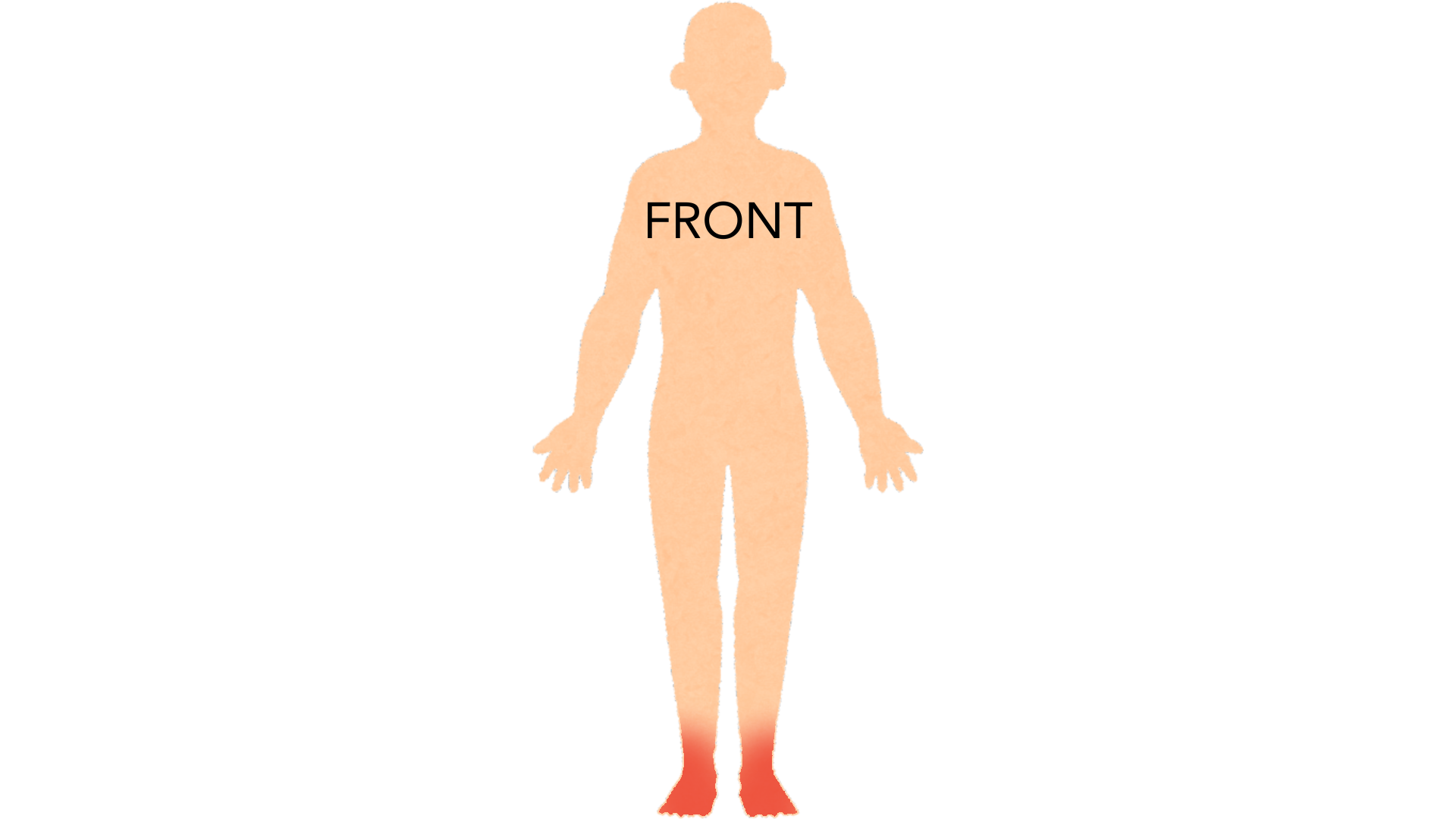
It starts between the toes, most often in the tight web beside the little toe, and spreads to the sole, the heel and the sides of the foot. It can move to the toenails. If a hand is involved it is usually only one, from scratching the feet.
Chilblains
12 to 24 hours after the cold
Cold and damp weather sets it off, not freezing weather. It is a winter and early spring problem, and it settles in warm months.
Athlete's Foot
Any time of year
More common in summer and after sport, because sweat and closed shoes are what it needs.
Chilblains
Heals by itself
One to three weeks per episode. Repeated winters in the same toes can leave the skin slightly thickened or darker.
Athlete's Foot
Spreads and persists
It will not clear on its own. Left alone it reaches the toenails, which are harder to treat, and it passes to other people.
Chilblains
Warmth, kept steady
Warm socks, roomy shoes and gentle rewarming. A prescription steroid cream shortens a bad flare. For chilblains that return every winter, there are prescription tablets that widen the small vessels.
Athlete's Foot
An antifungal cream
Terbinafine or clotrimazole from the drugstore, twice a day. Terbinafine clears more infections and does it in about a week, where clotrimazole takes around four.
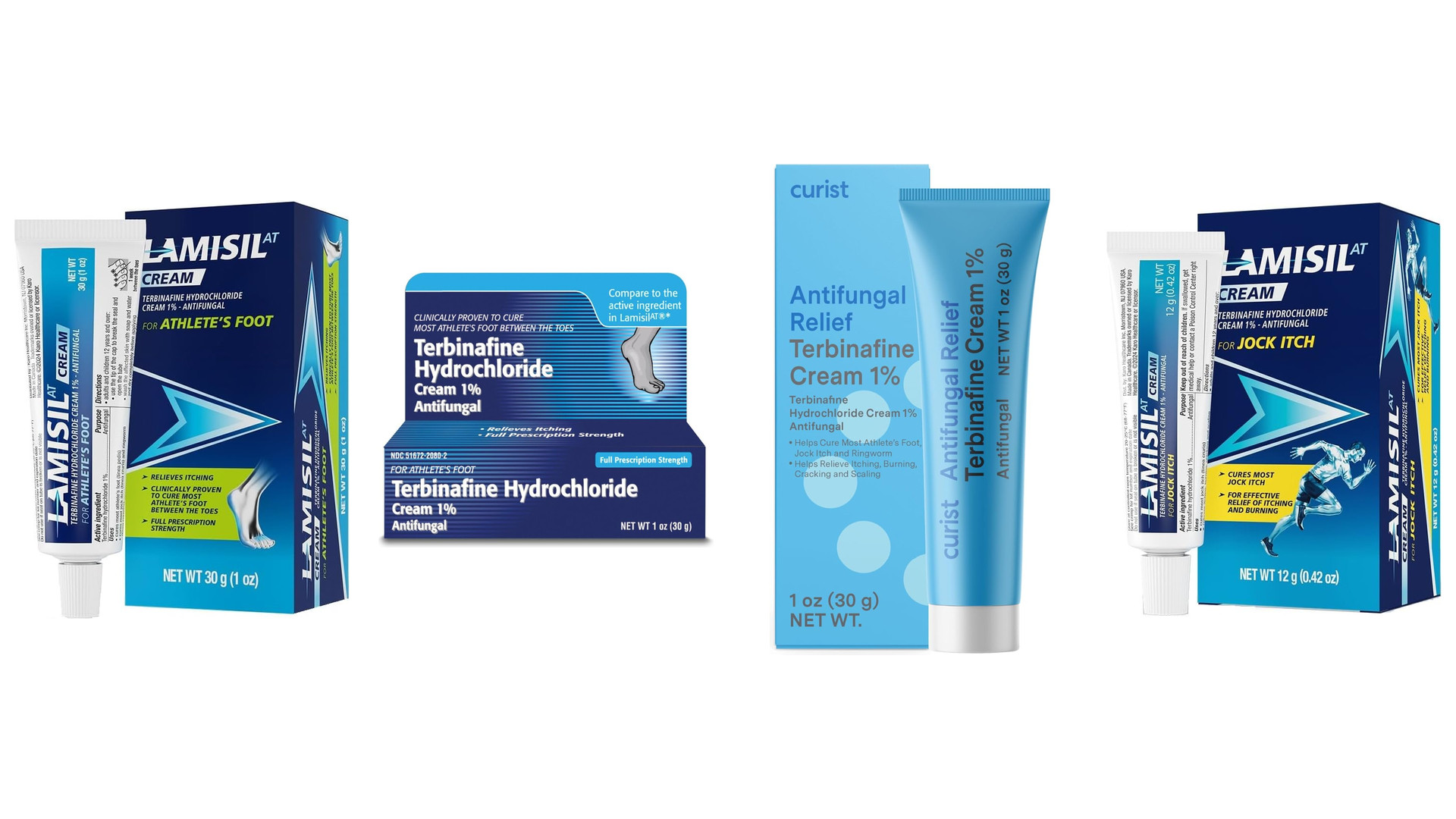
The most effective thing you can buy for athlete's foot, and the shortest course: once or twice a day for one to two weeks between the toes. It kills the fungus rather than just stopping it growing, which is why it works faster than the older creams. It will not clear an infected toenail, and it will not clear thick sole scale on its own.

The cheap, widely available option, applied twice a day for four weeks. It works well, it just takes longer than terbinafine, so the temptation to stop early is greater. Cover the whole foot and both feet, and carry on for one to two weeks after the skin looks normal.
Another azole cream, sold over the counter in some places and on prescription in others. It is a reasonable alternative if clotrimazole or miconazole has irritated the skin. It is no faster than they are, and the same four-week discipline applies.
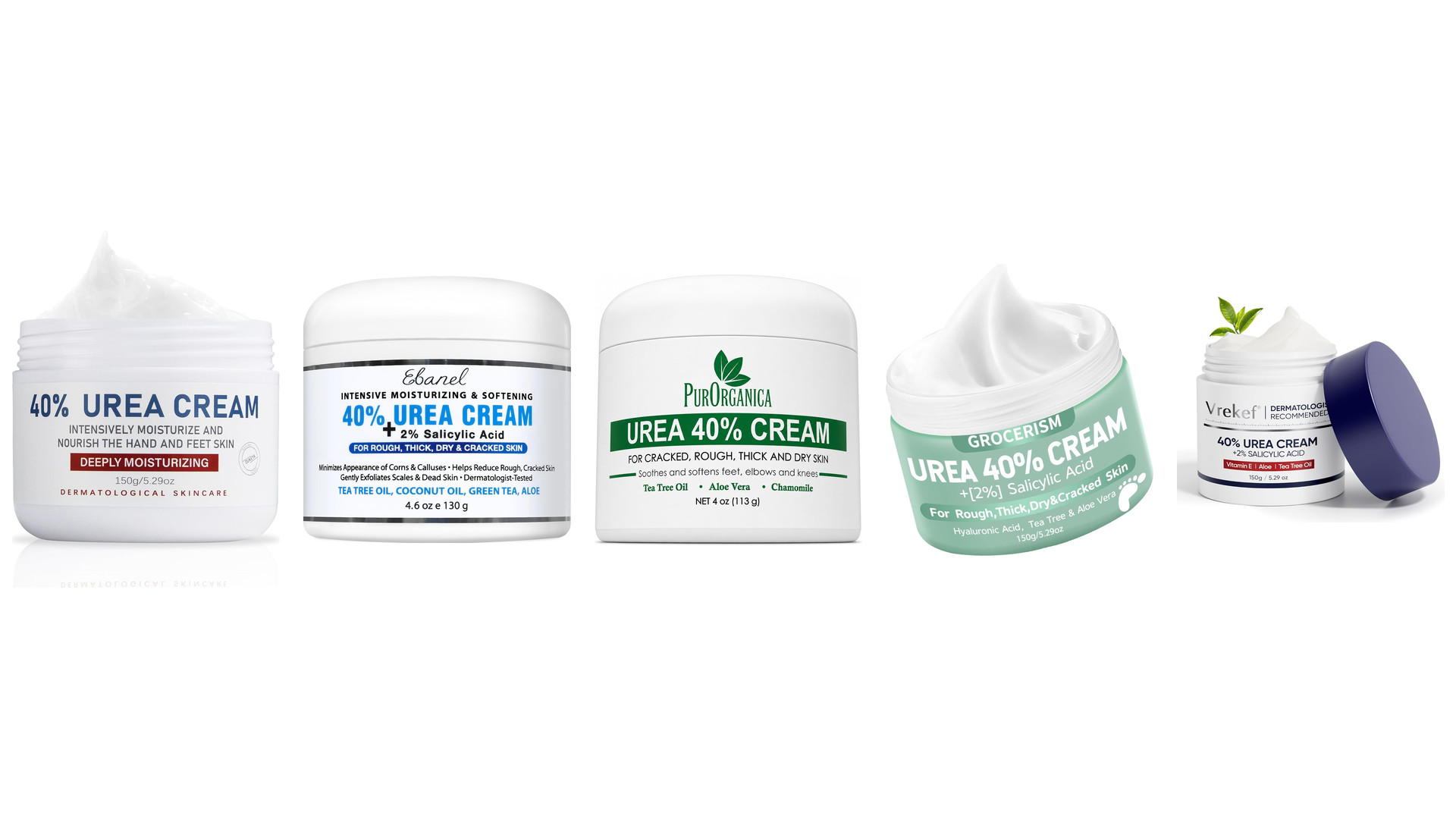
A urea or salicylic acid cream thins the hard scale on the sole so an antifungal can actually reach the skin underneath. It is a helper, not a treatment: on its own it does nothing to the fungus. It is worth adding for the dry moccasin pattern, where cream otherwise sits on top of the thickened surface.

Powder keeps feet and the inside of shoes dry and lowers the amount of fungus you put back on your foot each morning. It is prevention, and it is good at it. It is not strong enough to clear an established infection, so use a cream to clear it and powder to keep it away.

An aluminum-based antiperspirant made for feet cuts the sweating that keeps the skin soft and the shoe damp. It treats the cause of recurrence rather than the infection itself. Useful for people who clear it every time and get it back every summer.

Tea tree oil has some antifungal activity and a few small studies behind it, but it clears fewer infections than the pharmacy creams and takes longer. It also causes allergic reactions on the feet often enough to matter. An antifungal cream costs about the same and works.
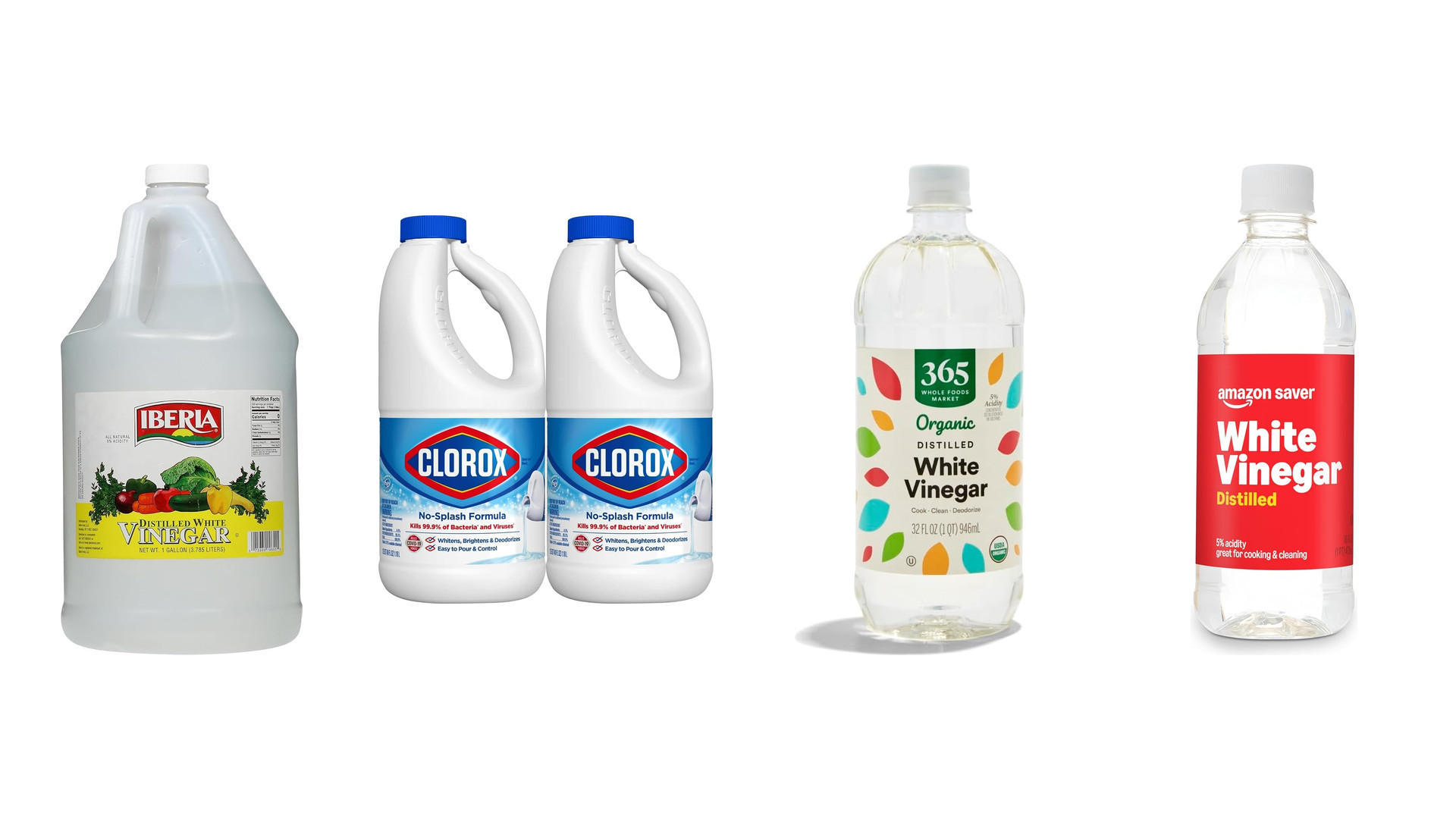
Both slow fungal growth in a dish, and neither reliably clears an infection on a foot. What they do reliably is dry out and damage the skin, and cracked skin on a foot is the entry point for bacteria. This is one to skip rather than to try first.
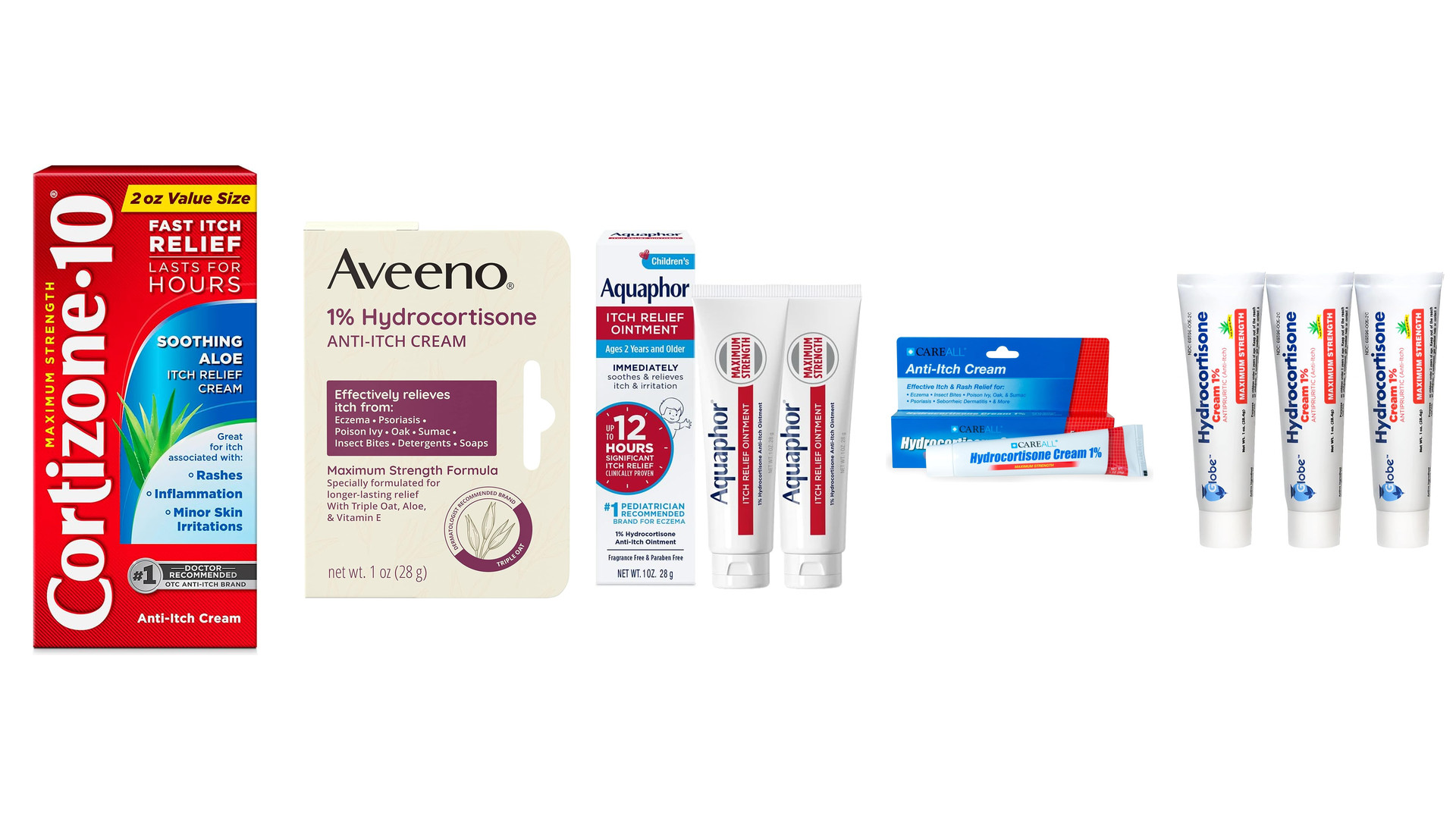
A steroid cream calms the itch, so it feels like it is helping, while the fungus spreads underneath with less to show for it. The rash it leaves is harder to recognize and harder to treat, and it makes a later scraping unreliable. Do not put a steroid on an undiagnosed foot rash.
The first-choice tablet for athlete's foot that cream cannot reach: the thick moccasin pattern, widespread infection, and infected toenails. Two weeks usually clears the skin; nails need three months and most of a year to grow out. Liver blood tests are sometimes checked, and it interacts with several common medicines, so the doctor needs your full list.
An equally effective alternative, often given as short pulses rather than daily. It is chosen when terbinafine does not suit or has not worked. It interacts with a long list of other medicines, including some heart and cholesterol drugs, so it needs a proper medication review first.
A once-weekly tablet, used for skin infection that has not cleared with cream when the other two do not suit. It is less effective than terbinafine for the dermatophytes that cause athlete's foot, and slower for nails. If you are pregnant or breastfeeding, ask the doctor managing your pregnancy before taking any antifungal tablet.
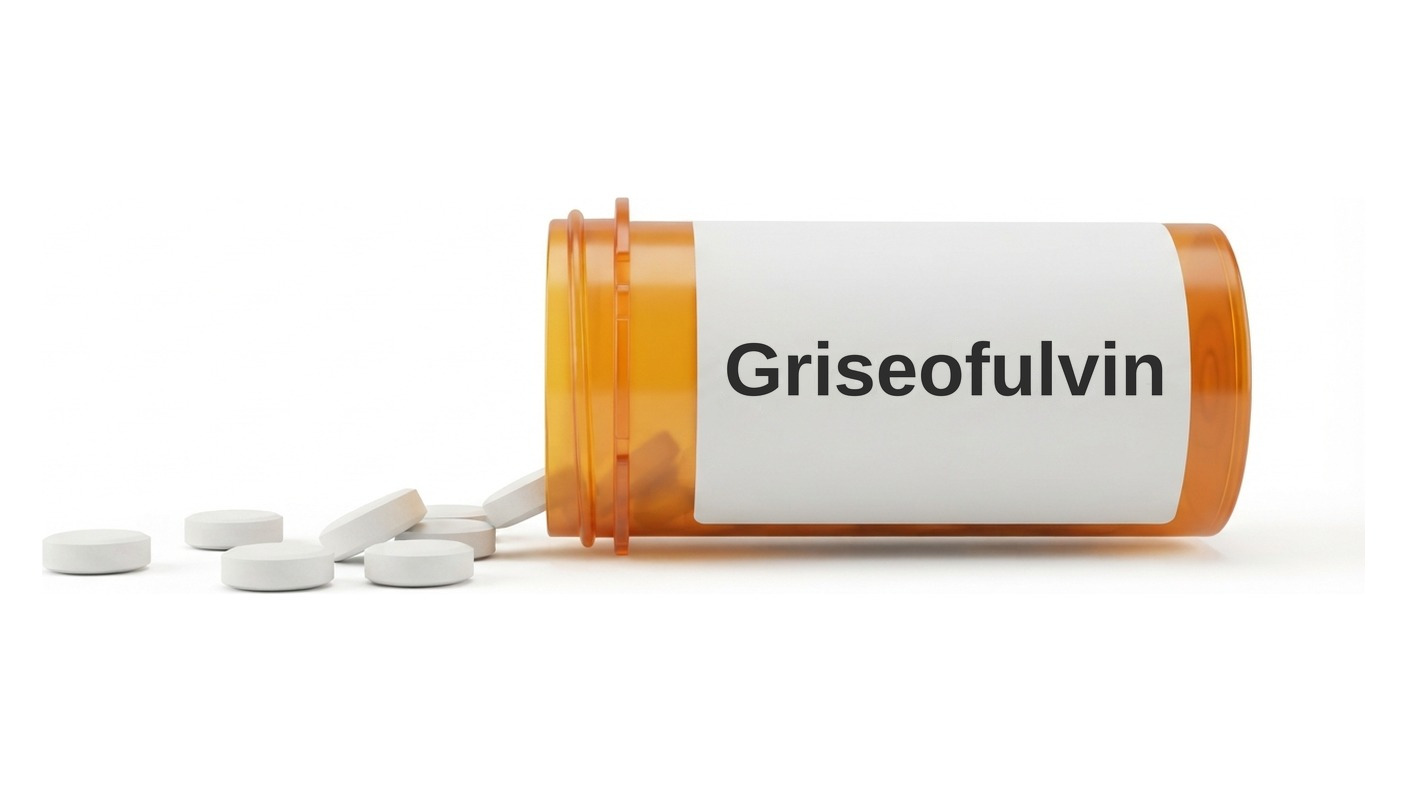
The oldest antifungal tablet. It still works, but it needs months rather than weeks, has to be taken with fatty food, and clears fewer infections than terbinafine. It is now mostly reserved for cases where the newer tablets cannot be used.
A prescription antifungal that works differently from terbinafine and the azoles, so it is a useful option when one of those has irritated the skin or has not cleared it. Applied twice a day for up to four weeks. It is no more powerful, just different.
A liquid painted on infected toenails daily for about a year, for people who cannot take antifungal tablets. It matters here because an untreated nail is the usual reason foot skin keeps getting reinfected. Cure rates are well below tablets, and it works best on nails that are only mildly affected.
An older nail lacquer, applied daily for up to a year with the build-up removed weekly. It clears only a small share of infected nails on its own. It is worth knowing about, but if the nails are the reason your feet keep flaring, tablets are the conversation to have.

Combination creams that mix a steroid with an antifungal are still prescribed for itchy foot rashes. The steroid takes the itch away quickly and lets the fungus spread wider and deeper, which is a common route to a longer, harder-to-treat infection. A plain antifungal is the better choice on a foot.
Chilblains
If the skin breaks open
Also if they last longer than about three weeks, come with joint aches, or appear in someone who is not otherwise exposed to cold.
Athlete's Foot
Four weeks with no change
Or spreading redness up the foot, or toenails turning thick and yellow.
Chilblains
Chilblains are a cold-weather problem. They come up in damp cold, not deep freeze, and they mostly affect people in homes that are cool and a little damp. They fade as the weather warms.
Athlete's Foot
Athlete's foot does the opposite. Sweat, heat and shoes that never dry out are what it needs, so it peaks in summer and after sport.
If you can point at the week your feet were cold and wet, and the rash arrived the next day, that is a chilblain.
Chilblains
Chilblains sit on the tops and tips of the toes. Those are the surfaces that get cold first, and they usually come up on several toes at once, on both feet.
Athlete's Foot
Athlete's foot sits in the gaps between the toes. Those surfaces stay warm and damp, which is what the fungus needs, and one foot is often ahead of the other.
The two patterns barely overlap, which makes this one of the easier pairs to sort out at home.
Chilblains
A hot bath, a radiator, or a hot water bottle against cold toes makes chilblains worse rather than better. Fast rewarming is what drives the fluid into the tissue in the first place.
Warm the whole body slowly instead. Put on socks, move around, and let the feet come up to temperature over half an hour.
Keeping the feet a steady temperature all day prevents more chilblains than treating each one does.
Chilblains
Repeated chilblains are usually just how someone's circulation behaves in the cold, and better insulation is most of the answer. Wool socks, roomy shoes that do not squeeze the toes, and warming the whole house rather than one room.
Smoking narrows small blood vessels and makes chilblains more likely and slower to heal.
Mention it to a doctor if the pattern keeps repeating. Mention it too if chilblains appear when your feet have not been cold. Once in a while this points to a circulation or immune problem, and that is worth checking once.
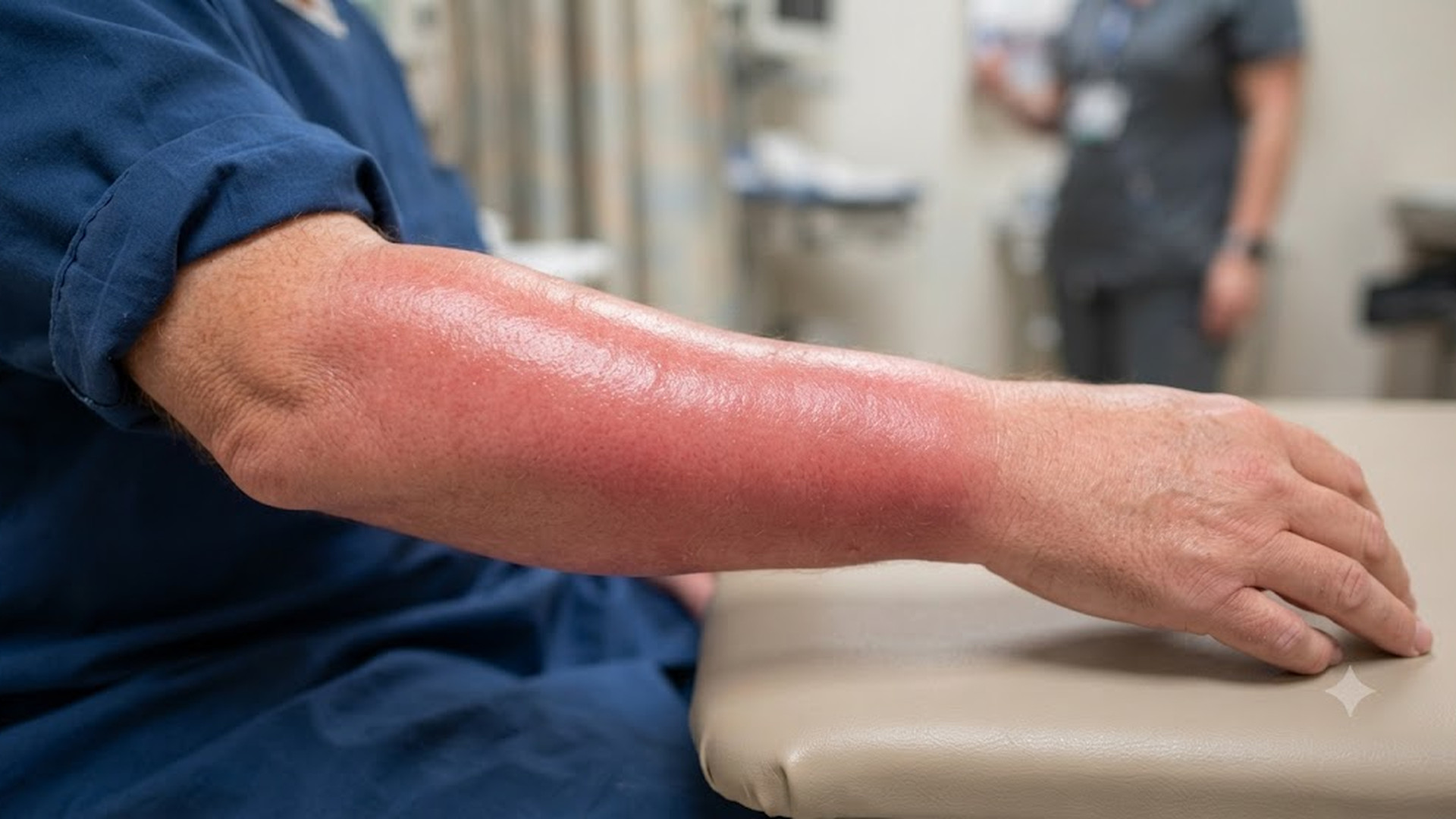
Cracks between the toes are a well-recognized way for bacteria to get into the leg, causing a hot, swollen, spreading redness that needs antibiotics. It is uncommon in healthy feet and much more likely in people with diabetes, poor circulation or a swollen leg. Treating athlete's foot promptly in those groups is mostly about closing that door.

The same fungus moves into the toenails, which become thick, crumbly and yellow-brown. Cream cannot get through a nail, so an infected nail keeps putting fungus back on the skin every time a sock goes on. It is the usual answer to why athlete's foot keeps coming back, and it takes tablets and most of a year to fix.

Eczema on the feet blisters on the sides of the toes and the arch, which is exactly where the blistering kind of athlete's foot appears. Eczema is usually on both feet evenly, spares the web spaces, and often shows up on the hands at the same time. Athlete's foot tends to favor one foot first, starts between the outer toes, and has a scaling edge. A scraping settles it, and treating eczema as fungus wastes weeks.
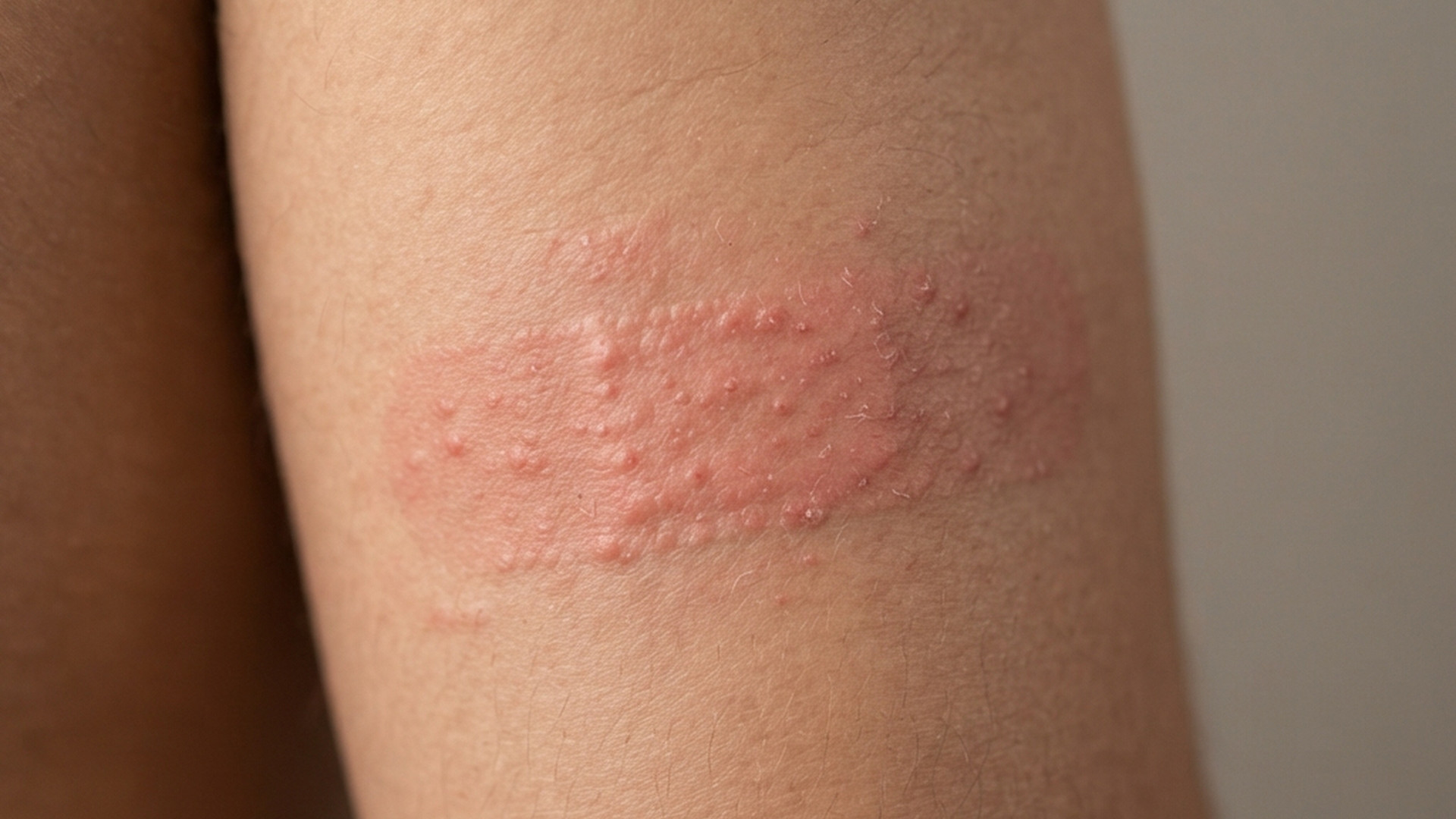
An allergy to rubber, glue or dye in a shoe makes an itchy, scaly rash that is easily called athlete's foot. The giveaway is the shape: it sits on the top of the foot in the outline of the shoe, matches on both feet, and leaves the web spaces between the toes untouched. Athlete's foot works the other way round, starting between the toes and on the sole.
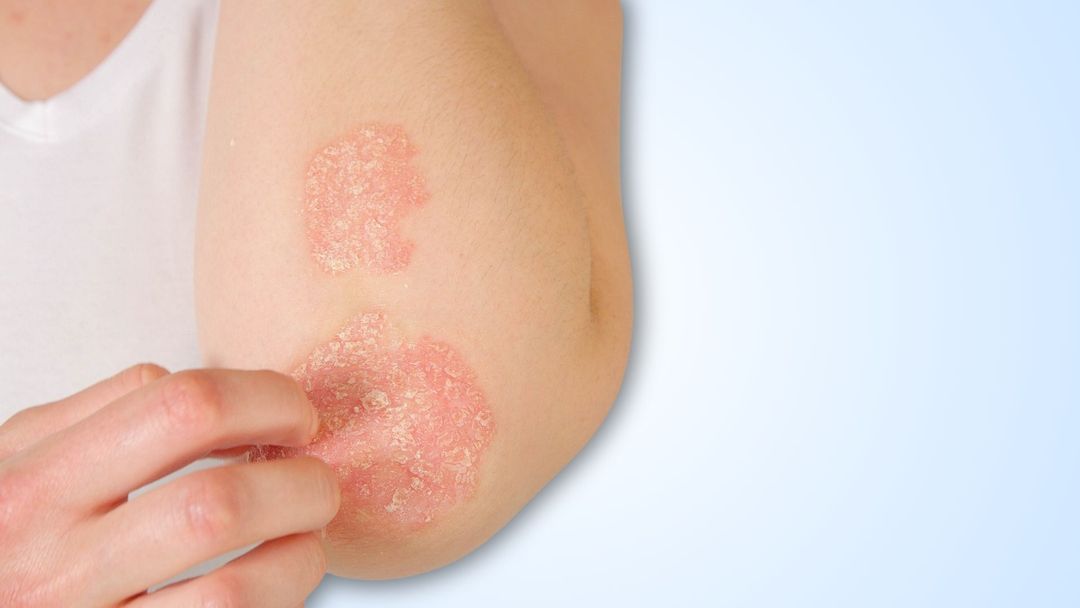
Psoriasis on the sole is dry and scaly across the whole weight-bearing area, so it reads as the moccasin kind of athlete's foot. Psoriasis scale is thicker and silvery, the edge is sharply drawn, and there is usually psoriasis somewhere else, on the elbows, knees or scalp. It also does not respond to antifungal cream, which is often the moment the question gets asked.
Common questions
Look at timing and location. Chilblains are swollen red or purple patches on the tops of the toes that appear a day after cold exposure. Athlete's foot peels and splits the skin in the gaps between the toes, at any time of year.
Yes. A chilblain usually heals in one to three weeks without treatment. Keeping the feet steadily warm is what stops the next one.
No. Chilblains are a blood vessel reaction to cold, not an infection, so an antifungal has nothing to act on.
No. Nobody can catch chilblains from you. Athlete's foot can spread on shared floors, towels and shoes.
That burning itch on rewarming is the classic chilblain symptom. The small vessels open too quickly and fluid leaks into the skin.
Yes, though it is uncommon. Chilblains would sit on the tops of the toes and the fungal peeling in the gaps between them.