Nail trauma
Bleeding or damage under the nail Something crushed or repeatedly rubbed the nail. Small vessels in the nail bed bleed, and the trapped blood shows through the nail plate as a dark patch.
Nail trauma is damage from an injury or from shoes pressing on the nail. The mark is dark red, purple or black, it started near an event you can remember, and it travels toward the tip as the nail grows. Toenail fungus is an infection living inside the nail. It is yellow-brown or chalky white, the nail thickens and crumbles, and the colour creeps backward toward the base. These patterns are clues rather than a diagnosis. Nail injury can resemble fungus; a nail sample may be needed to confirm infection. An unexplained dark mark needs assessment.
| The difference | Nail trauma | Nail Fungus (Onychomycosis) |
|---|---|---|
| What it is | Bleeding or damage under the nail | A fungus feeding on the nail |
| What it looks like | A dark red, purple or black patch | Thick, yellow-brown, crumbly nail |
| Does it hurt | Yes, at first | Usually not |
| What it does over time | Grows out and disappears | Slowly worse over months |
| Treatment | Usually nothing | Antifungal treatment, then wait |
Bleeding or damage under the nail Something crushed or repeatedly rubbed the nail. Small vessels in the nail bed bleed, and the trapped blood shows through the nail plate as a dark patch.

Side by side
Nail trauma
Bleeding or damage under the nail
Something crushed or repeatedly rubbed the nail. Small vessels in the nail bed bleed, and the trapped blood shows through the nail plate as a dark patch.
Nail Fungus (Onychomycosis)
A fungus feeding on the nail
Fungus gets under the nail, usually from the free edge, and lives on the keratin the nail is made of. The nail is being slowly eaten from within.
Nail trauma
A dark red, purple or black patch
A defined mark with a visible border, and normal nail around it. The colour fades from red toward brown and black over a few weeks.
Nail Fungus (Onychomycosis)
Thick, yellow-brown, crumbly nail
Widespread discolouration rather than one patch. The nail thickens, lifts away from the nail bed, and the edge crumbles when you cut it.
Nail trauma
After a knock, or a season of running
A dropped object, a stubbed toe, or months in shoes that let the toe hit the front on every downhill step.
Nail Fungus (Onychomycosis)
Slowly, with no clear start
Nobody can date it. It usually begins as a small pale or yellow wedge at one corner of the nail.
Nail trauma
Yes, at first
A fresh bruise under the nail throbs for a day or two, because blood is trapped in a space that cannot expand. Then it settles.
Nail Fungus (Onychomycosis)
Usually not
Most people notice the colour and thickness long before they feel anything. A very thick nail can start to ache inside a shoe.
Nail trauma
Usually one
The toe that took the hit. Runners often get both big toes, or the second toe if it is the longest.
Nail Fungus (Onychomycosis)
Often several
It spreads to neighbouring toes, and the skin between the toes is often flaky at the same time.
Nail trauma
Grows out and disappears
The mark moves toward the tip with the nail and is eventually cut off. A toenail grows about a millimetre a month, so the whole nail takes roughly a year to replace itself.
Nail Fungus (Onychomycosis)
Slowly worse over months
Fungus does not clear on its own. It creeps back along the nail toward the base and thickens as it goes.
Nail trauma
Usually nothing
Time and roomier shoes. A very painful fresh bruise can be relieved by a clinician releasing the trapped blood through a small hole in the nail.
Nail Fungus (Onychomycosis)
Antifungal treatment, then wait
A prescription tablet course, usually about twelve weeks, or a medicated lacquer for milder cases. The medicine kills the fungus, but the damaged nail still has to grow out.
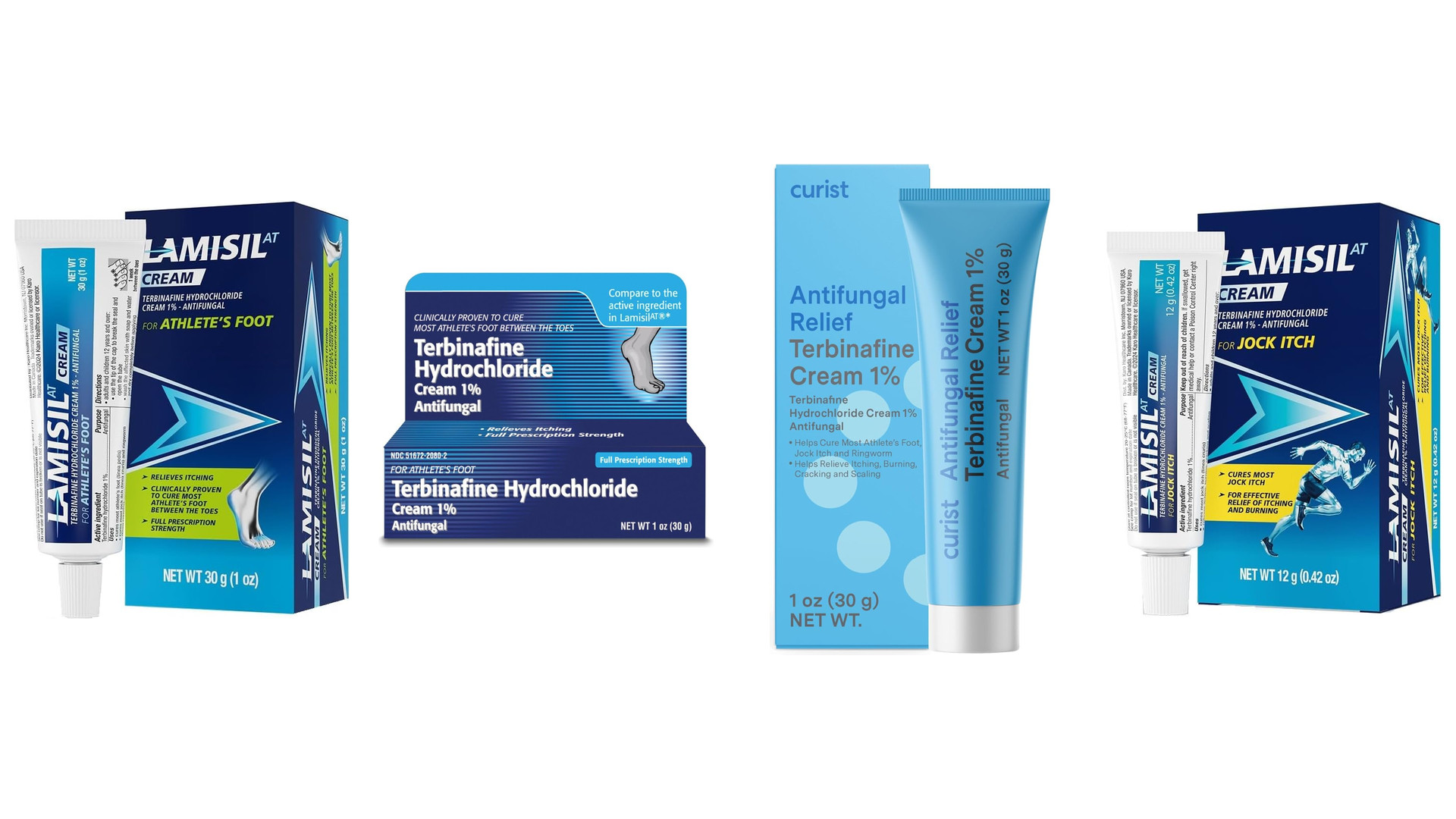
This will not cure the nail, but it clears the athlete's foot on the skin that keeps reseeding it. Use it on the whole sole and between the toes, not just the itchy bit, and carry on for a week or two after the skin looks normal. Treating the skin is the single cheapest thing you can do to stop the nail coming back after a course of tablets.
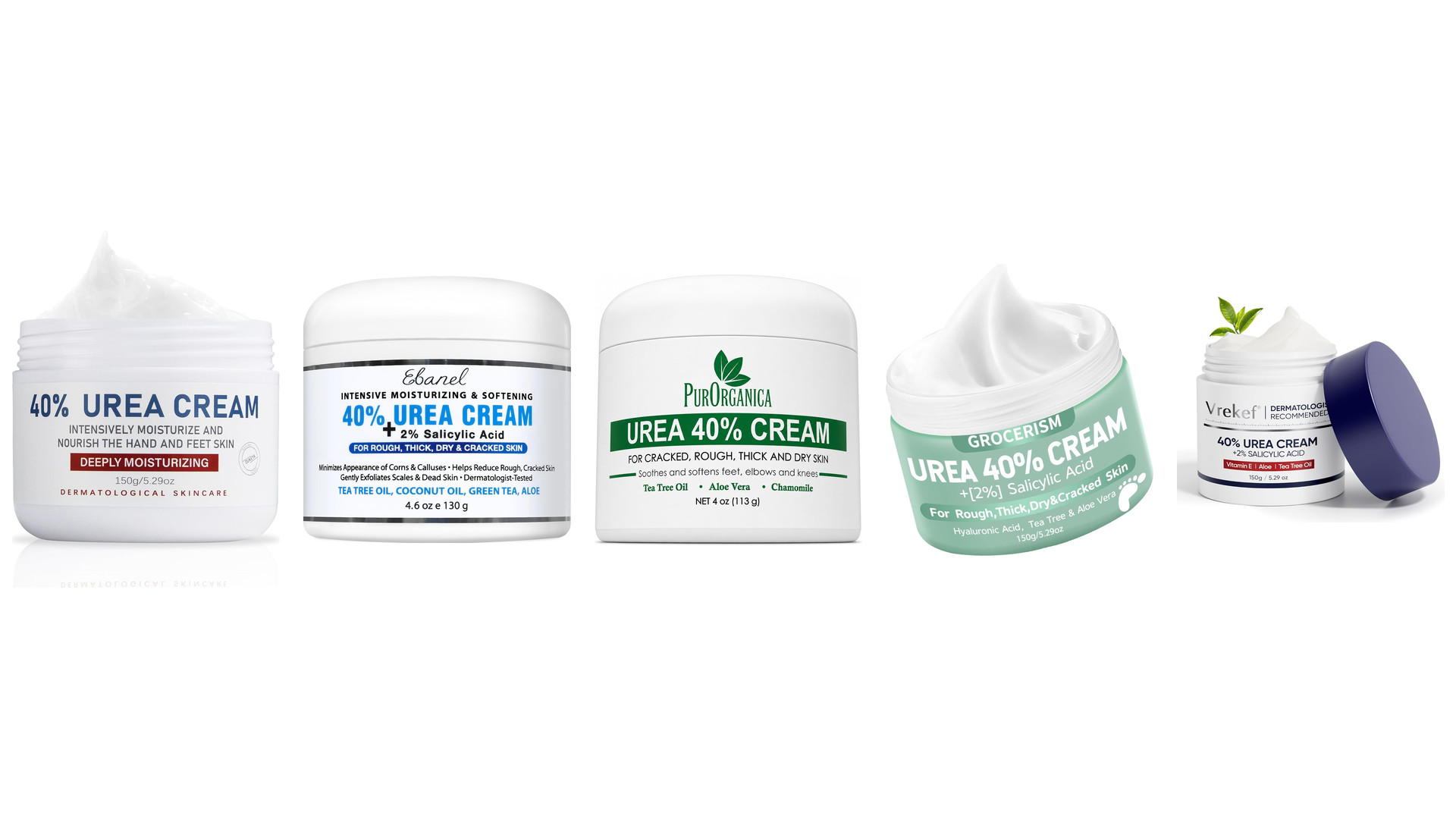
A strong urea cream or patch softens a thick nail so more of it can be filed or cut away. It kills nothing on its own. Its job here is to reduce the amount of dense nail sitting between a painted-on treatment and the fungus, and to make an uncuttable nail manageable.

It does have antifungal activity in the laboratory, and the small studies in nails have shown some improvement in appearance. None have shown reliable cure of an established nail infection. It also cannot get through a thick nail, and it can irritate the skin around it.

Both are recommended constantly online and the evidence behind them is thin. At best they slow surface fungus a little. The real cost is time: months spent soaking are months the nail could have been growing out clear under treatment that works.
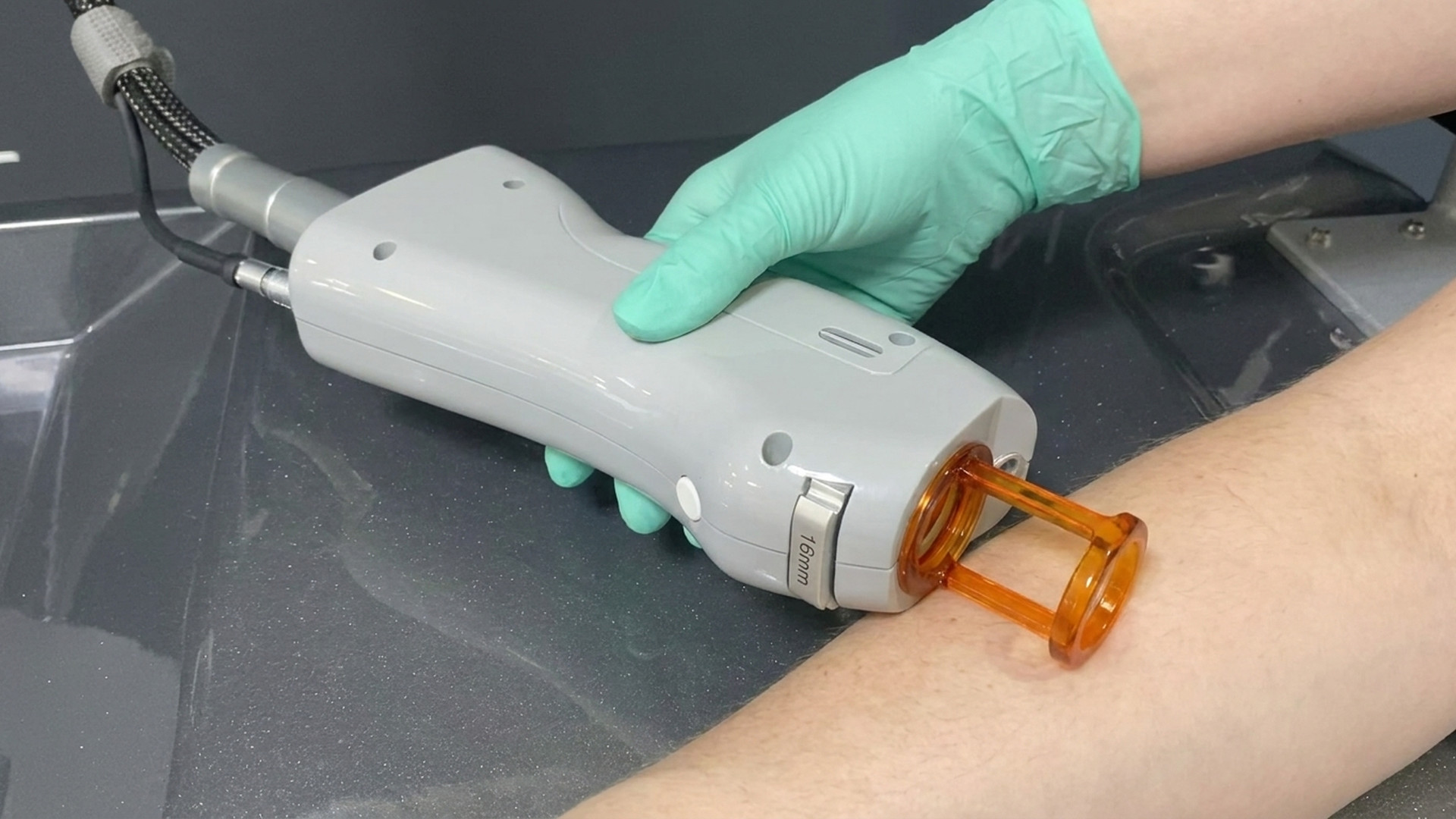
Laser devices are cleared to temporarily increase the amount of clear nail, which is not the same thing as curing the infection. Studies are small, short and mostly measure appearance rather than clearance, and the fungus commonly returns. It is usually several sessions, paid for out of pocket, and it is a reasonable thing to consider only when tablets are genuinely not an option.
The first choice for dermatophyte nail infection and the option with the best cure rate: usually 12 weeks for toenails and 6 for fingernails. It binds into the nail and keeps working there for months after the last tablet. A liver blood test is standard, taste changes are a known side effect, and nothing will look different while you are taking it.
The main alternative, and the better option when a yeast or a mould is grown rather than a dermatophyte. It is often given as pulses, a week on and three weeks off. It interacts with a long list of common medicines and is avoided in some heart conditions, so your doctor needs everything you take, including anything bought over the counter.
Taken once a week rather than daily, which suits people who struggle with a long daily course. Cure rates sit below terbinafine and it usually has to be continued until the nail has grown out, which can be a year. It also interacts with a number of other medicines.
The old antifungal tablet, now largely replaced for nails. It needs 12 to 18 months of daily treatment, it clears fewer nails than terbinafine, and relapse afterwards is common. It is still occasionally used in children or when the newer drugs cannot be taken.
A solution painted on the nail once a day for about a year. It penetrates nail better than the older lacquers, and it suits mild infection, one or two nails, or people who cannot take tablets. Complete cure rates are still well below tablets, so it is a reasonable choice rather than the strongest one.
Another daily paint-on solution used for about a year, with a small molecule that gets through the nail plate. Results are similar to the other topicals: many nails look better, far fewer clear completely. It works best on thin nails with the infection limited to the tip.
The oldest of the prescription nail paints, applied daily with the built-up layers removed weekly with alcohol. Complete cure rates are low, in single figures in the original studies. It is cheap and safe, and it is mostly used when tablets are not an option.
Nail trauma
A dark mark that does not move
Worth a visit if a dark mark stays in the same place over several months, spreads into the skin at the base, or appeared with no injury at all.
Nail Fungus (Onychomycosis)
Before starting a tablet course
Worth a visit to confirm it really is fungus, because plenty of thick, discoloured nails are not, and tablets are a three-month commitment.
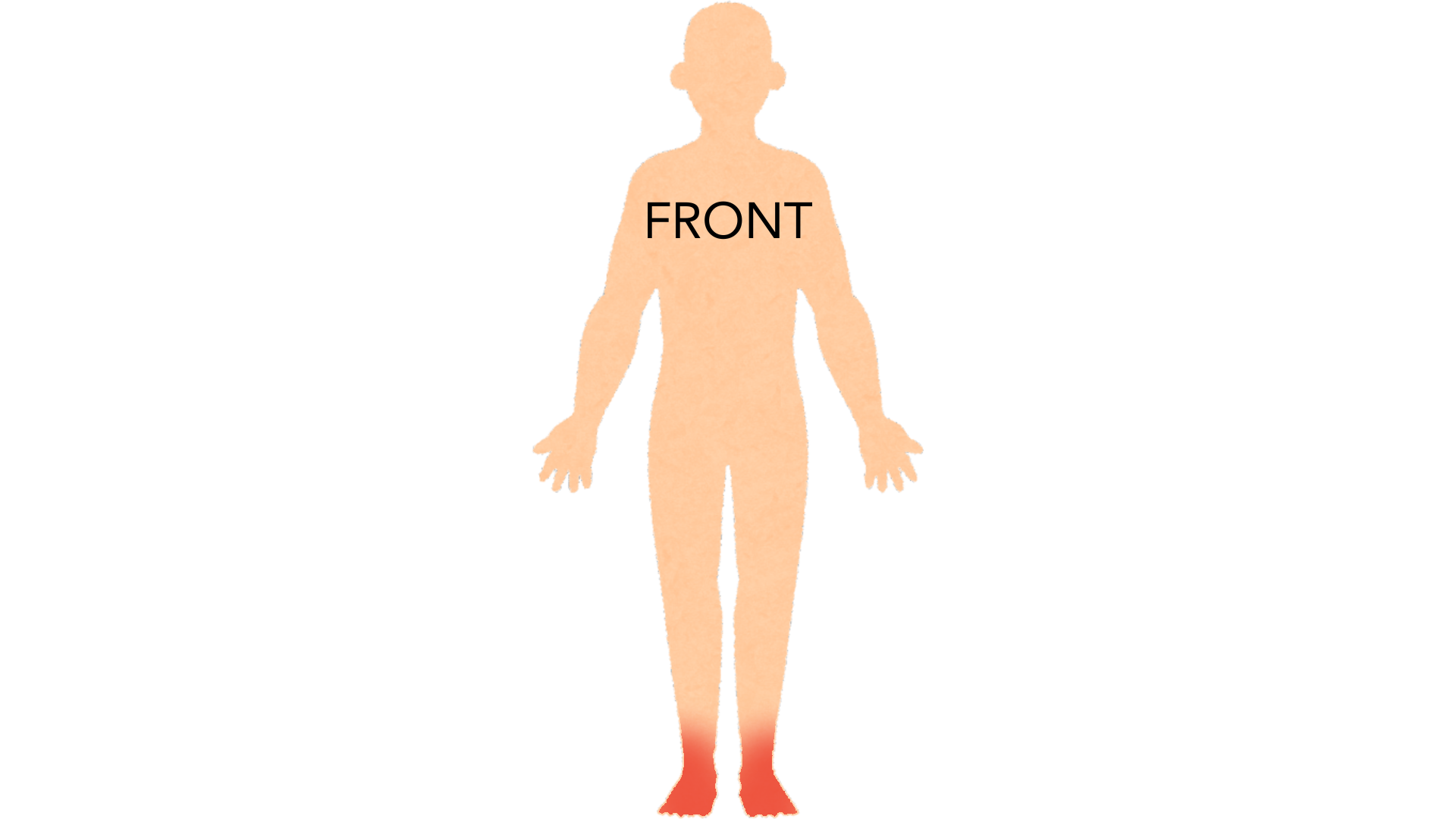
Toenails are affected far more often than fingernails, and the big toe is usually the first and the worst. It normally starts at the far edge or the side of the nail and works back toward the base. Look at the skin between the toes at the same time — athlete's foot is usually there too, and it is where the fungus came from.

Fingernails are affected less often, and usually on one hand only, spread there from the feet. A fingernail problem on both hands at once is more likely to be something else, such as psoriasis or damage from wet work.
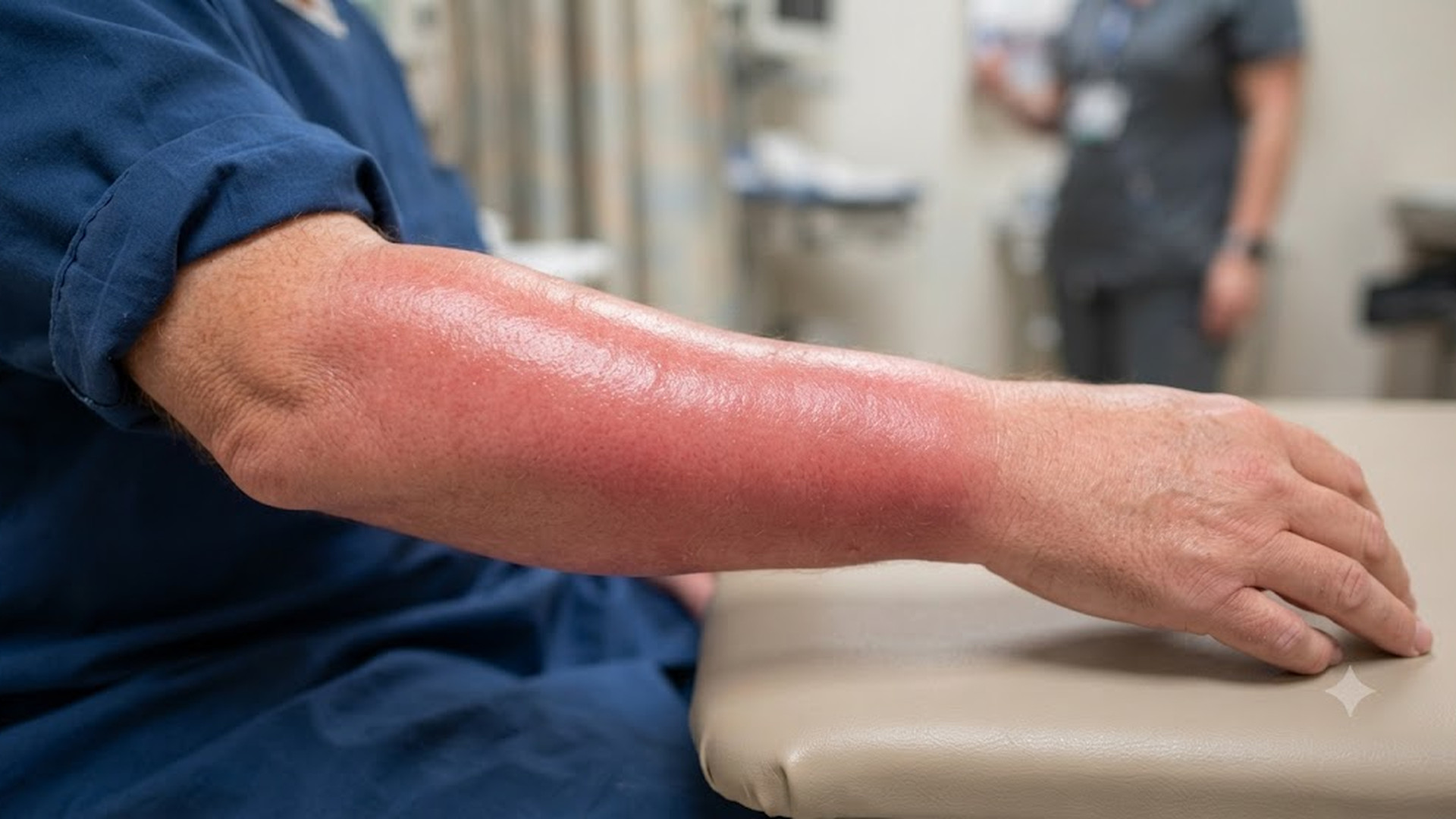
A thickened, cracked nail and the split skin around it give bacteria a way into the leg. The result is a spreading area of hot, swollen, tender skin, usually with feeling unwell and a fever, and it needs antibiotics quickly. It matters most for people with diabetes, poor circulation in the legs or a weakened immune system, which is why fungal nails are treated more actively in those situations.
Common questions
Watch which way the mark moves. A bruise travels toward the tip as the nail grows and is eventually cut off. Fungus spreads backward toward the base and thickens the nail as it goes.
A toenail grows roughly a millimetre a month, so a mark near the base can take close to a year to reach the tip. The colour usually fades from red to brown to black along the way.
Running does not cause fungus, but it creates the conditions for it. Warm damp shoes and repeated pressure damage the nail, and a damaged nail is easier for fungus to get into.
A large bruise can lift the nail and it may come away. A new nail grows underneath and usually looks normal, though it can take a year to look right.
It is worth asking for one. A clinician can send a nail clipping to be examined, and many thick discoloured nails turn out not to be fungal, which spares you a twelve-week course.
That happens often and does not settle anything by itself. The useful information is what the mark does over the next few months: trauma moves forward, fungus spreads backward.