Sclerotherapy

Sclerotherapy is better for spider veins and small varicose veins near the surface. It is an injection, and most people need a short course of them. Ablation is better for the large vein underneath that is feeding those surface veins. A thin tube is threaded inside that vein and closes it, usually in one visit. Vein size is what decides, and plenty of people end up having both.
| The difference | Sclerotherapy | Ablation |
|---|---|---|
| What it feels like | Stinging, then a brief cramp | Numbing shots, then pressure |
| Downtime | None, and walking is encouraged | A day or two of taking it easy |
| Cost and insurance | Priced per session, and it is a course | One larger fee per leg |
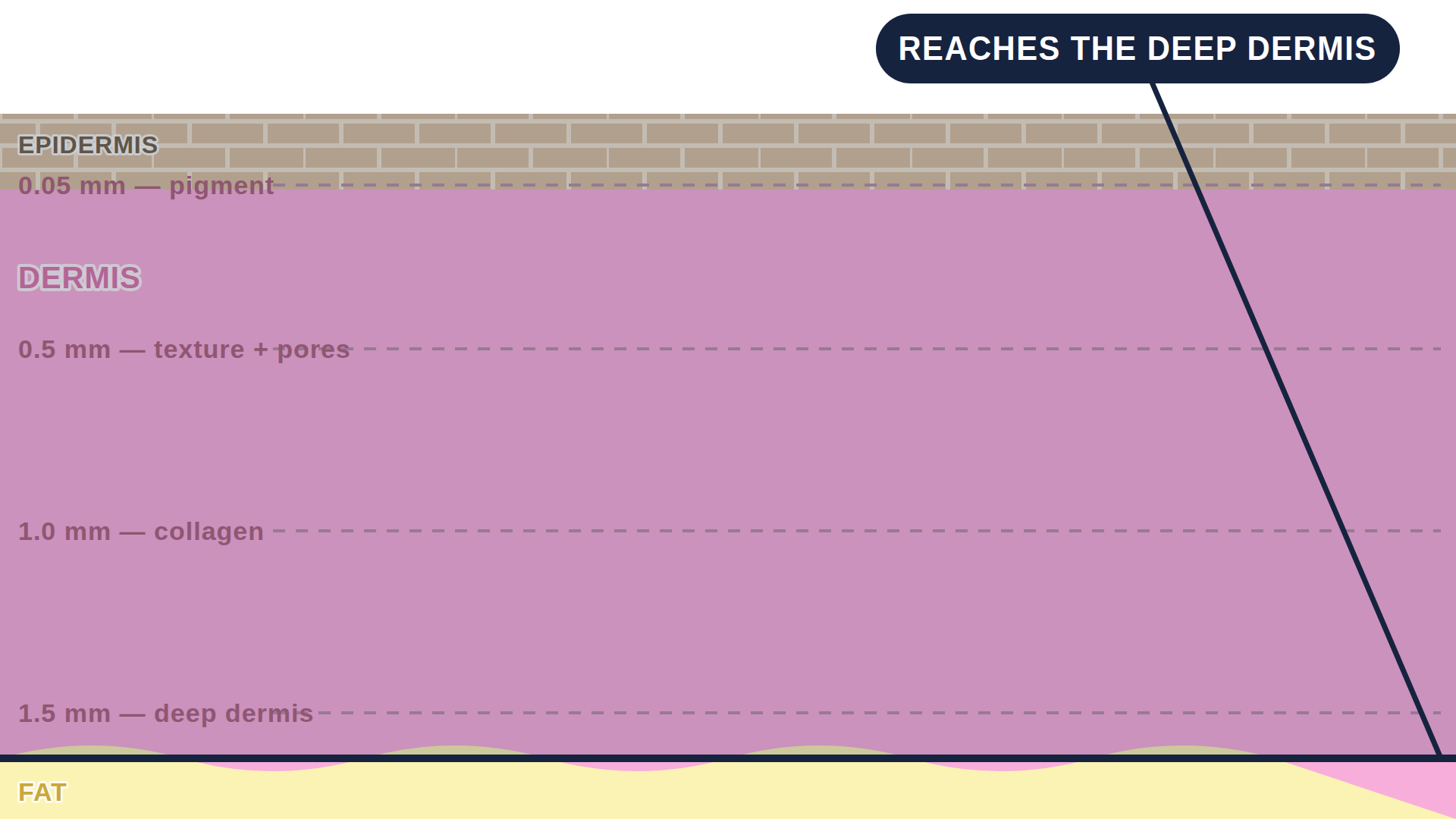
A thin tube inside the vein It goes in through one small puncture, guided by ultrasound. Heat or medical glue seals the vein along its length. Blood reroutes into deeper veins straight away.
Side by side
Sclerotherapy
A fine needle, used several times
A liquid or foam goes into the vein. It irritates the lining so the vein swells shut and your body absorbs it over weeks.
Ablation
A thin tube inside the vein
It goes in through one small puncture, guided by ultrasound. Heat or medical glue seals the vein along its length. Blood reroutes into deeper veins straight away.
Sclerotherapy
Spider veins and small varicose veins
The thin purple and red lines, and small ropey veins near the surface.
Ablation
The big trunk vein underneath
Usually the saphenous vein running up the inside of the leg. You often cannot see it. It shows up on ultrasound as the source of the pressure.
Sclerotherapy
Stinging, then a brief cramp
Each injection stings for a second. Some solutions cause a short cramping ache in the leg.
Ablation
Numbing shots, then pressure
For heat ablation, numbing fluid is injected along the vein first. That part is the least comfortable bit. Glue needs numbing in one spot only.
Sclerotherapy
Weeks to a few months
Treated veins darken, then fade. The final look takes a few months.
Ablation
Aching eases within days
Heaviness and swelling usually improve first. Visible bulges shrink over weeks, and some still need treating separately.
Sclerotherapy
Usually two to four
Spaced a few weeks apart. Large clusters can take more.
Ablation
Usually one per vein
A follow-up ultrasound checks the vein stayed closed.
Sclerotherapy
None, and walking is encouraged
Compression stockings for a week or two. No gym or long standing for a day or so.
Ablation
A day or two of taking it easy
Most people are back at work the next day. Stockings for about a week. No heavy lifting for a few days.
Sclerotherapy
Brown staining and new tiny veins
A brown line can follow the treated vein for months. A fine blush of new tiny vessels can appear nearby. Both usually fade, but not always.
Ablation
A tender cord and a numb patch
The closed vein can feel like a tight string for a few weeks. A small numb patch on the skin is common and usually settles. The rare serious problem is a clot spreading into a deep vein.
Sclerotherapy
Priced per session, and it is a course
Ask for the cost of the whole plan, not one visit.
Ablation
One larger fee per leg
Sclerotherapy
Stockings and vein creams
Compression stockings genuinely help symptoms and slow things down. They do not remove a vein. Creams with horse chestnut or vitamin K may soothe, but nothing you rub on can close a vein.
Ablation
There is no home version
A home device cannot reach a vein several centimetres down or run a catheter inside it. Handheld "vein removal" pens work only on the skin surface, and can burn or mark it.
Sclerotherapy
Ablation
Common questions