Scalp micropigmentation
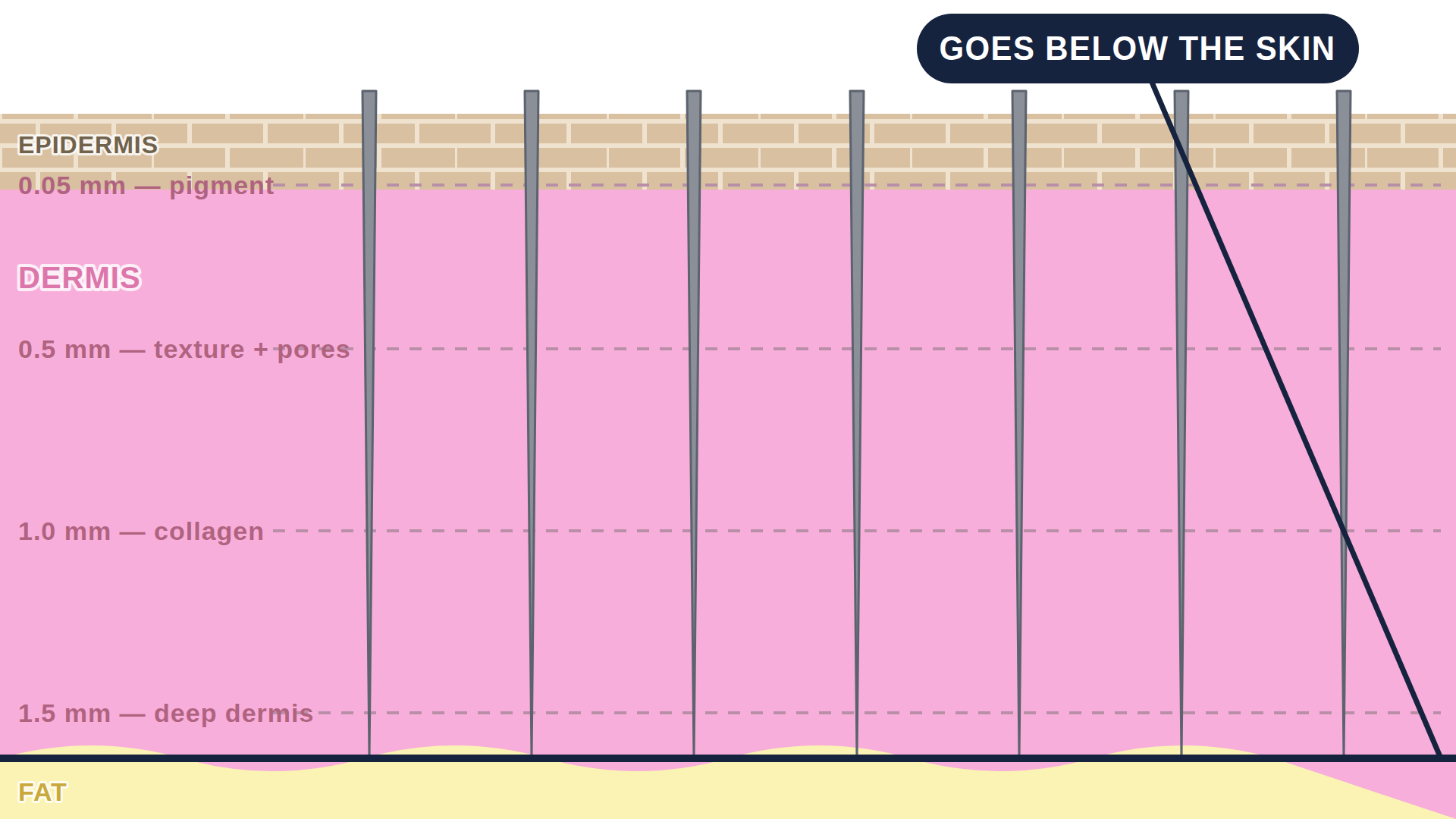
The look of stubble Thousands of tiny pigment dots, matched to your hair colour and placed at about the depth a follicle sits. The scalp reads as shaved rather than bald.
Scalp micropigmentation is a tattoo that copies the look of close-shaved stubble. No hair grows. It suits a shaved or very short style, and it works no matter how much hair you have lost. A hair transplant moves real hair that grows. You can comb it, cut it and wear it long, and it is permanent. The two are often done together, because pigment behind grafted hair hides the gaps between them.
| The difference | Scalp micropigmentation | Hair Transplant |
|---|---|---|
| Time to a finished result | A few weeks | About a year |
| Downtime | A few days of redness | A few days to two weeks |
| Cost | Moderate, plus top-ups | Large, paid once |
The look of stubble Thousands of tiny pigment dots, matched to your hair colour and placed at about the depth a follicle sits. The scalp reads as shaved rather than bald.

Side by side
Scalp micropigmentation
The look of stubble
Thousands of tiny pigment dots, matched to your hair colour and placed at about the depth a follicle sits. The scalp reads as shaved rather than bald.
Hair Transplant
Hair that grows
Follicles are moved from the back and sides of your head to the thin area. They grow, and you cut them like the rest of your hair.
Scalp micropigmentation
Short or shaved
Convincing from conversation distance with a buzz cut. At longer lengths, or close up, the dots read as flat because they have no texture.
Hair Transplant
Any length
It is your hair, so it behaves like your hair.
Scalp micropigmentation
Almost anyone
It works at any stage of loss, including a fully bald scalp. It is also used to cover transplant scars and to soften a wide part in longer hair.
Hair Transplant
Depends on your donor area
Advanced loss may not leave enough hair at the back and sides to cover the front convincingly.
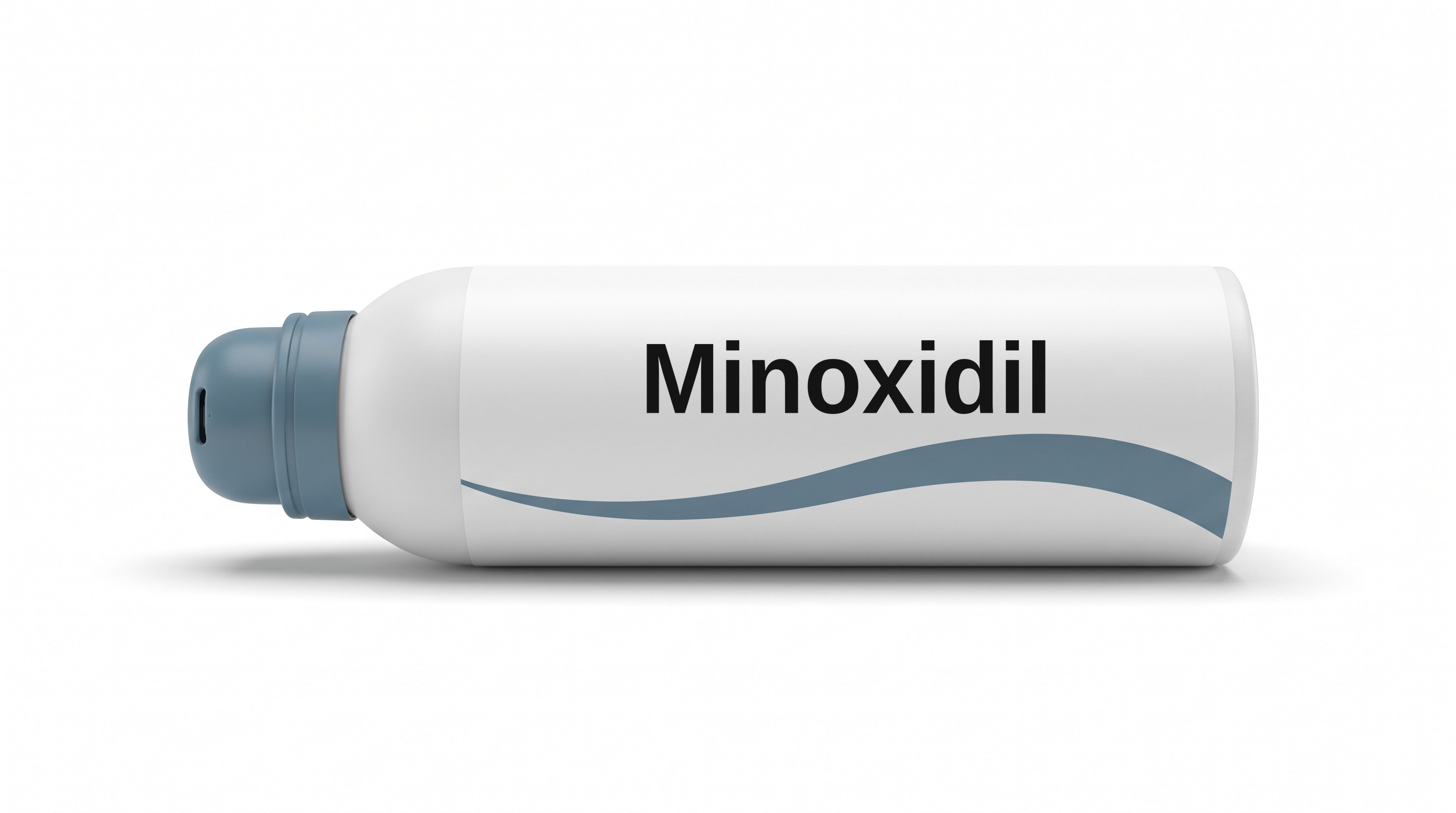
Strong evidence. Cheap and over the counter, works on thinning hair rather than bare scalp, and is commonly continued for life after surgery.
Scalp micropigmentation
A few weeks
Usually two to four sessions spaced a week or two apart, each a few hours. It looks right as soon as the last one has settled.
Hair Transplant
About a year
Grafted hairs shed at two to four weeks, regrow from month three or four, and look finished at around twelve months.
Scalp micropigmentation
A few years, then it fades
Most people need a top-up somewhere between year three and year six. Oily skin fades sooner.
Hair Transplant
Permanent
The moved follicles keep growing. Hair around them can still thin, so the picture changes over time.
Scalp micropigmentation
A few days of redness
The scalp looks pink and slightly raised. No sweating, swimming or washing the scalp for a few days after each session.
Hair Transplant
A few days to two weeks
Swelling, scabs and redness, then tiny marks in the donor area that short hair covers.
Scalp micropigmentation
Fading and colour drift
Pigment lightens over years, sometimes unevenly. A poor pigment or a heavy hand leaves dots that turn bluish, or dots too large to pass as follicles. Fixing that means laser removal, which is slow and rarely perfect.
Hair Transplant
A fixed budget of donor hair
Hair spent on a hairline designed too low cannot be reclaimed. There is also the usual surgical set: swelling, scabbing, and small permanent marks at the back.
Scalp micropigmentation
Moderate, plus top-ups
Priced by how much scalp is covered and how many sessions it takes. Top-ups every few years are part of the cost.
Hair Transplant
Large, paid once
Usually priced per graft.
Scalp micropigmentation
Hair fibres, which are a different thing
Keratin powders cling to hair you still have and wash out at night. They only work if there is hair to cling to, so they cover thinning, not baldness. Home tattoo kits are the same tool in untrained hands, on skin, permanently.
Hair Transplant
There is none
Nothing you buy moves a follicle. Minoxidil and finasteride protect the hair you still have and are often used alongside surgery, but they do not add hair to a bald area.
Scalp micropigmentation
Hair Transplant
Hair Transplant
It gets harder as hair gets longer. Real hair casts shadows and stands off the scalp. Pigment lies flat. Past a short buzz cut the difference starts to show, which is why the best results are on men who shave.
Hair Transplant
Grafts add hair, pigment removes the contrast behind it. A transplant can only reach about half your old density, and gaps between hairs are what makes a scalp look thin. Pigment darkens the skin in those gaps, so the same amount of hair looks thicker.
There is no home version of the surgery itself. Minoxidil is the treatment that protects and thickens the hair around a transplant, which is the part that decides how the result ages. It cannot create hair on a bare scalp.

The only treatment that puts hair back where the follicle has already closed. Follicles are moved from the permanent band at the back of the head to the front and crown, and they keep growing there because they never carried the sensitivity in the first place. It works best once the pattern has settled, and nearly everyone is advised to stay on medical treatment afterwards, because a transplant does nothing for the untreated hair around the grafts.

Follicles are moved from the back of the scalp, which is not affected by the pattern, into the thin areas on top. It is the only option that puts hair where follicles have gone dormant. It suits women who still have good density at the back and a clearly defined thin area, and it does not stop the underlying process, so medical treatment carries on afterward.

This is the wrong operation for alopecia areata, and it is worth knowing why before anyone offers it. The follicles here are alive and switched off rather than gone, so there is nothing to replace, and moved hairs land in skin where the same immune attack is still running and can be lost too. Transplants are for scarring hair loss and for pattern hair loss, where the follicle really has been destroyed.
Common questions