Hair Transplant

A hair transplant is better if you want your own growing hair and nothing to take off at night. It is one operation, the result is permanent, and it takes about a year to show. A hair system is better if you want a full head of hair this week. A hair system is a modern hairpiece. It can be as thick as you ask for, and you can take it off. The honest catch sits on both sides: a transplant cannot give you back a full head of hair, and a system never stops costing time and money.
| The difference | Hair Transplant | Hair system |
|---|---|---|
| How soon you see the result | About a year | The same day |
| Downtime | A few days to two weeks | None |
| Cost | One large payment | Cheaper to start, ongoing forever |
A unit is fitted to your scalp A thin lace or skin base with real hair tied into it. It is cut and blended to your head and held on with tape or adhesive.
Side by side
Hair Transplant
Your own hair is moved
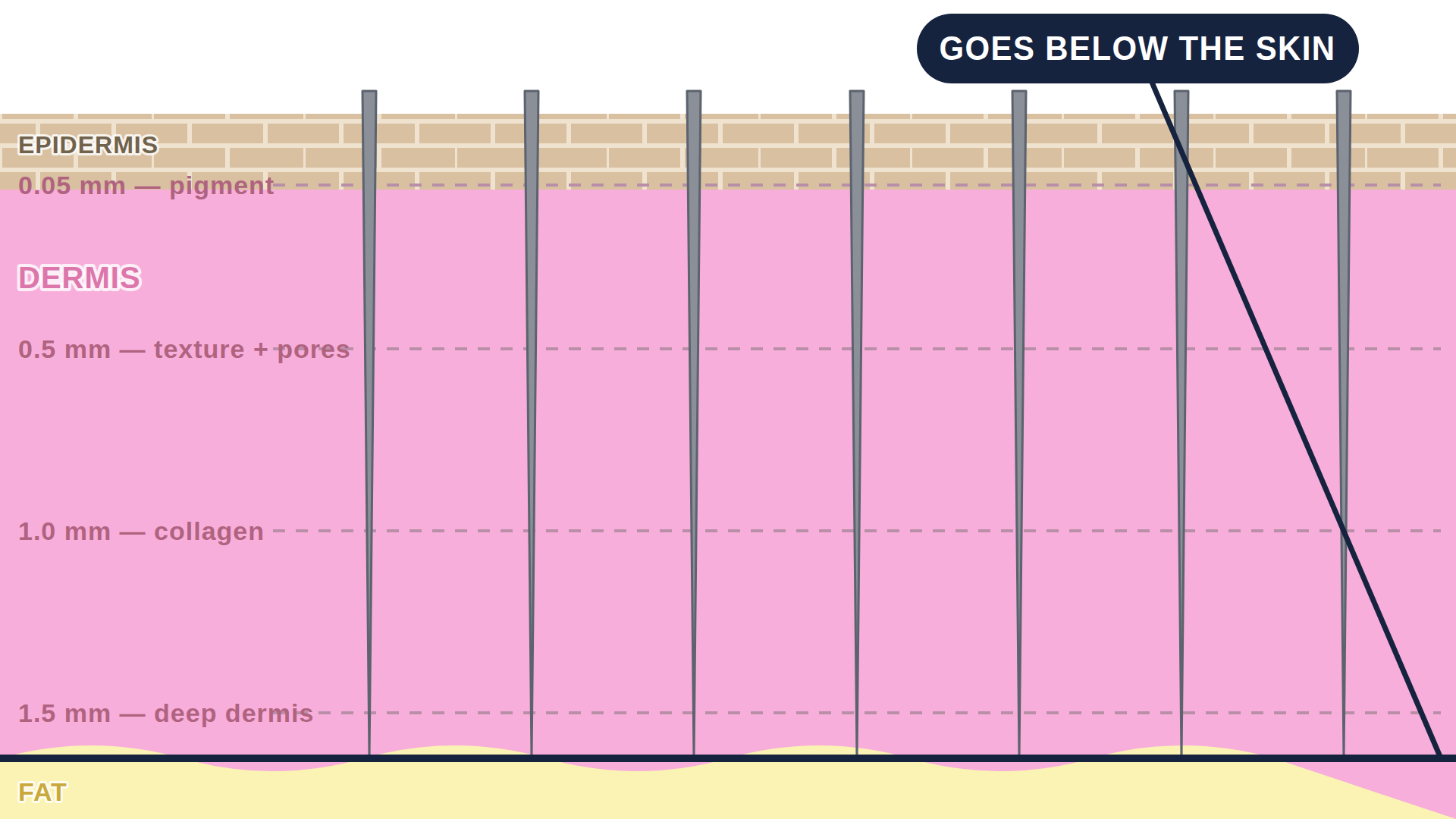
A surgeon takes follicles from the back and sides of your head, where hair is not programmed to fall out, and places them where you are thin. It is a long day under local anaesthetic.
Hair system
A unit is fitted to your scalp
A thin lace or skin base with real hair tied into it. It is cut and blended to your head and held on with tape or adhesive.
Hair Transplant
About a year
The moved hairs fall out two to four weeks after surgery. The follicles stay put. New growth starts around month three or four, and the real result is there at about twelve months.
Hair system
The same day
You walk out with it on.
Hair Transplant
Less than you used to have
Your donor area is finite. Surgeons usually aim for around half your original density, which reads as full from conversation distance. A large bald area cannot be filled back to teenage thickness by anyone.
Hair system
As much as you ask for
Density is a choice, not a limit. That is also the trap. Too much hair for your age is the main reason a system gets noticed.
Hair Transplant
Yes, for the hair that was moved
The hair around it can keep thinning, so the picture changes over the years. Many people need a second procedure later, or medication to hold what they have.
Hair system
No, and that is the point
Stop wearing it and you are exactly where you started. Nothing has been used up.
Hair Transplant
Low once you have healed
Wash it, swim, wear a helmet, get it cut.
Hair system
Constant
The unit comes off for cleaning every week or two. Most people see a stylist every few weeks for reattachment, and buy a new unit two to four times a year.
Hair Transplant
A few days to two weeks
Swelling, scabs and redness. The donor area heals to tiny dot scars, or a fine line with the strip method. Both are covered by short hair, though dots can show on a shaved head.
Hair system
None
Hair Transplant
You cannot undo it
Donor hair spent at 25 is not available at 45. A hairline designed too low or too straight ages badly and is hard to correct.
Hair system
It is never finished
Adhesive can irritate the scalp. Sweat, swimming, wind and close contact stay on your mind. The bills do not stop.
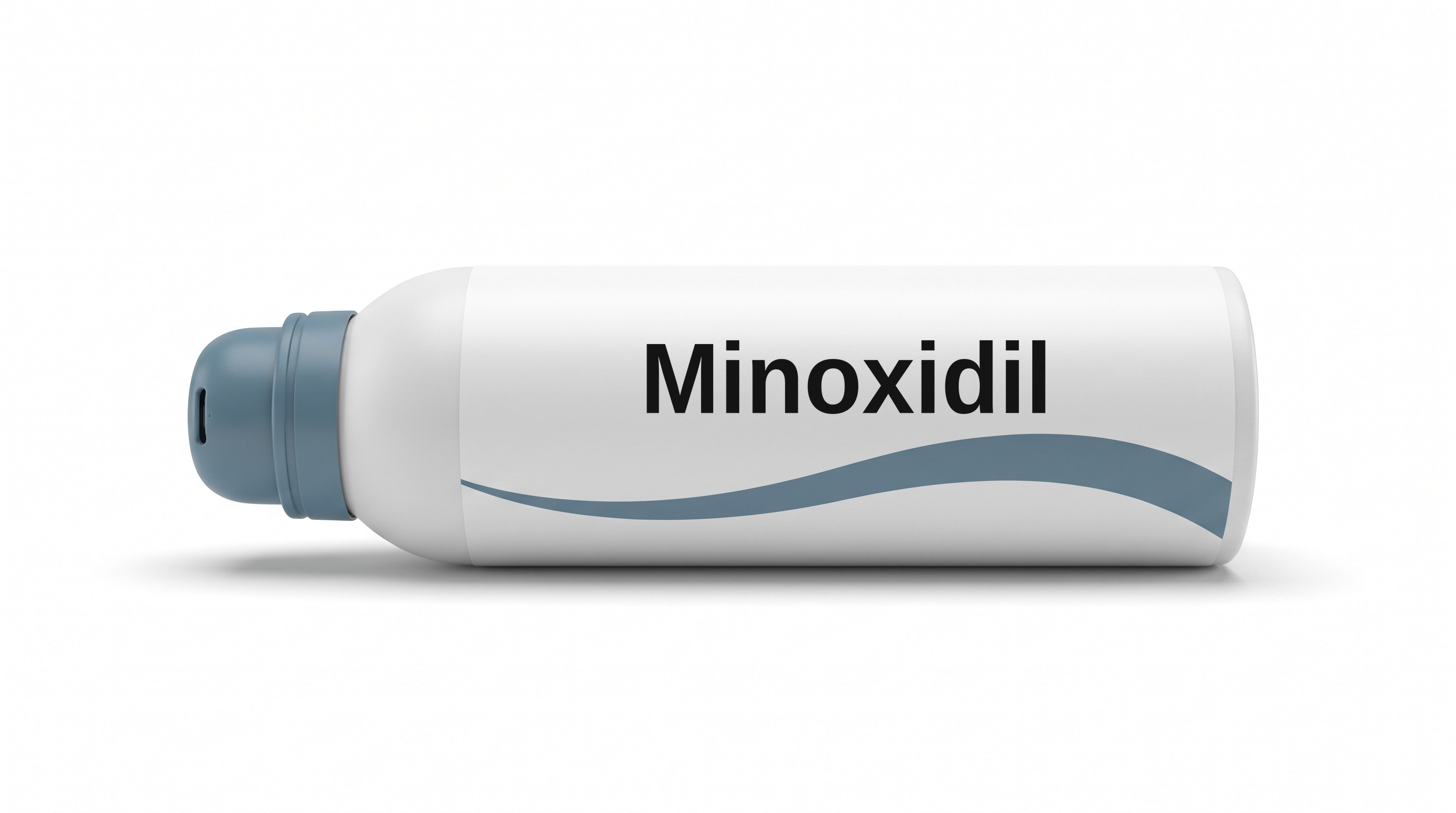
Strong evidence. Cheap and over the counter, works on thinning hair rather than bare scalp, and is commonly continued for life after surgery.
Hair Transplant
One large payment
Usually priced per graft, paid once, with medication as a smaller ongoing cost.
Hair system
Cheaper to start, ongoing forever
The unit, the fitting, the replacements and the salon visits. Ask for the yearly figure, not the sticker price.
Hair Transplant
There isn't one
Nothing you buy online moves a follicle. The at-home part of transplant care is minoxidil or finasteride, which protect the hair you still have rather than adding any.
Hair system
Mail-order units
You can buy a stock unit online and fit it yourself for far less than salon prices. It is the same object. What you are missing is the cut, the blend and the hairline, which is most of what makes one look real.
Hair Transplant
Hair system
There is no home version of the surgery itself. Minoxidil is the treatment that protects and thickens the hair around a transplant, which is the part that decides how the result ages. It cannot create hair on a bare scalp.

The only treatment that puts hair back where the follicle has already closed. Follicles are moved from the permanent band at the back of the head to the front and crown, and they keep growing there because they never carried the sensitivity in the first place. It works best once the pattern has settled, and nearly everyone is advised to stay on medical treatment afterwards, because a transplant does nothing for the untreated hair around the grafts.

Follicles are moved from the back of the scalp, which is not affected by the pattern, into the thin areas on top. It is the only option that puts hair where follicles have gone dormant. It suits women who still have good density at the back and a clearly defined thin area, and it does not stop the underlying process, so medical treatment carries on afterward.

This is the wrong operation for alopecia areata, and it is worth knowing why before anyone offers it. The follicles here are alive and switched off rather than gone, so there is nothing to replace, and moved hairs land in skin where the same immune attack is still running and can be lost too. Transplants are for scarring hair loss and for pattern hair loss, where the follicle really has been destroyed.
Common questions