Psoriasis
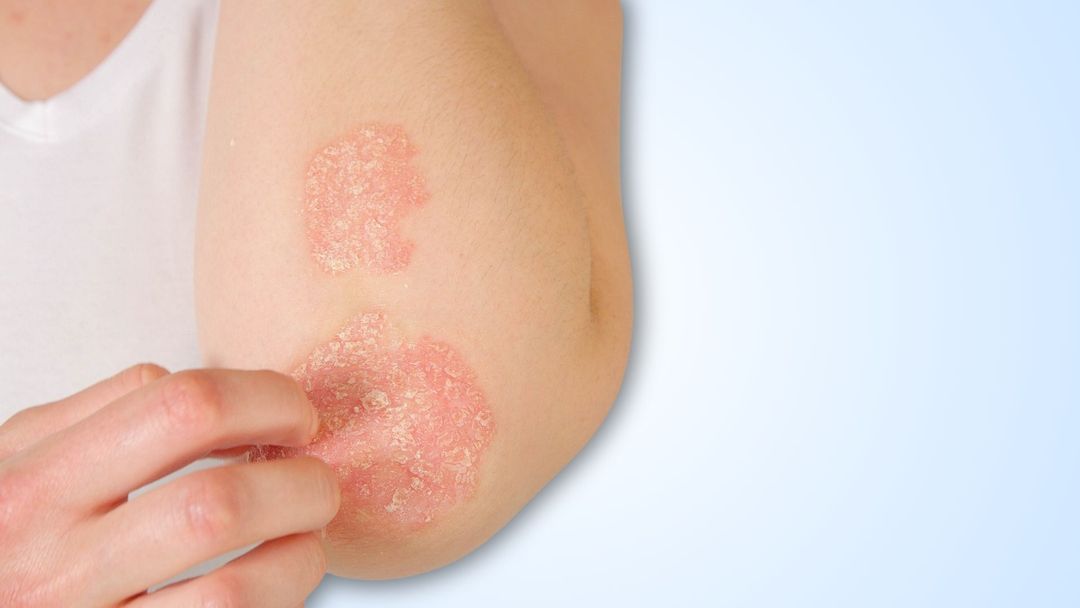
Psoriasis is a long-term immune condition. It builds thick scaly patches over weeks and returns to the same places for years. Poison ivy is an allergic reaction to a plant oil. It appears one to three days after contact, blisters, itches fiercely, and is gone inside three weeks.
| The difference | Psoriasis | Poison Ivy |
|---|---|---|
| What it is | Skin cells made too fast | An allergy to a plant oil |
| What it looks like | Thick patches with silvery scale | Streaks, bumps and blisters |
An allergy to a plant oil An oil called urushiol, from poison ivy, oak and sumac, gets onto the skin. The immune system reacts to it a day or two later.
Side by side
Psoriasis
Skin cells made too fast
The immune system speeds up skin cell production. Cells pile up before old ones shed, and the patch thickens. It runs in families.
Poison Ivy
An allergy to a plant oil
An oil called urushiol, from poison ivy, oak and sumac, gets onto the skin. The immune system reacts to it a day or two later.

In healthy skin, a cell made at the base of the epidermis takes about a month to reach the surface. By the time it arrives it is flat and dead, and it sheds one cell at a time, so nothing piles up. The immune system stays quiet unless there is something to fight.

Immune cells in the skin switch on when there is nothing to fight and release signals such as TNF, interleukin-17 and interleukin-23. These are the messages that tell the skin it is under attack, and they are what biologic injections are built to block.

Inflammation brings increased blood flow to the area.

Told to behave as though the skin is injured, cells at the base of the epidermis divide far faster than normal. A journey to the surface that should take about a month is finished in a few days, so the cells arrive immature and still stuck together.

The immature cells pile up instead of shedding invisibly, which builds the raised plaque and the silvery scale. Blood vessels underneath multiply and widen, which is why picking the scale off leaves pinpoint bleeding, and why plaques crack over joints.
Psoriasis
Slowly, over weeks
A patch starts small and thickens. It does not arrive overnight.
Poison Ivy
One to three days after contact
The very first time you react it can take a week or more. After that it is much faster.

On light skin plaques are the textbook salmon-pink to red, with silvery-white scale on top and a sharp border. The trap here is a faint plaque on naturally ruddy skin, where the pink blends in and only the scale gives it away. Scale on the scalp or the elbows often gets called dry skin or dandruff for a long time before anyone calls it psoriasis.

On medium skin the same plaques read dusky pink to pink-brown, and the silvery scale stands out more than the color underneath does. The sharp border and the thickness are still easy to feel. This is where judging severity by redness alone starts to go wrong, because a plaque that looks quiet can still be thick, scaly and widespread.

On brown skin plaques are frequently violet or gray-brown instead of pink, and the scale looks silvery-gray against them. Because severity scores were built around how red skin looks, psoriasis here is routinely rated milder than it is and treated less firmly. Thickness, the amount of scale, how much of the body is covered and how much it affects daily life are the more reliable measures, and it is fair to ask whether severity was judged on redness alone.

On deep skin a plaque can be dark brown and close to the color of the skin around it, so the scale and the raised edge are what mark it out. Diagnosis is often delayed, and by then more of the body is involved, with the scalp usually the most extensive. After clearing, flat dark marks are common in the same outlines and can take six to twelve months to even out. That is normal healing, not treatment failing, and daily sunscreen helps them fade faster.
Psoriasis
Thick patches with silvery scale
Raised plaques with dry flakes on top and a sharp border. On brown and black skin they often look purple, grey or dark brown.
Poison Ivy
Streaks, bumps and blisters
Fluid-filled blisters and angry bumps, often in lines where the plant brushed past. Later the blisters weep and crust over.
Psoriasis
Even on both sides of the body
Both elbows, both knees, both shins. Psoriasis tends to be symmetrical and to return to the same spots.
Poison Ivy
Streaks and odd smears
Lines and blotches that follow how you touched the plant. Nothing about the pattern is symmetrical.
Psoriasis
Itches, but you can ignore it
Mild to moderate. Plaques can crack and sting over joints.
Poison Ivy
Itches intensely
Often bad enough to wake you. It is one of the itchiest rashes there is.
Psoriasis
Elbows, knees, scalp, lower back
Also the belly button, buttock crease and nails. The same places, year after year.
Poison Ivy
Wherever the plant touched you
Ankles, forearms, hands and face are common. It reaches anywhere the oil was carried, including on clothes, tools and a dog's coat.
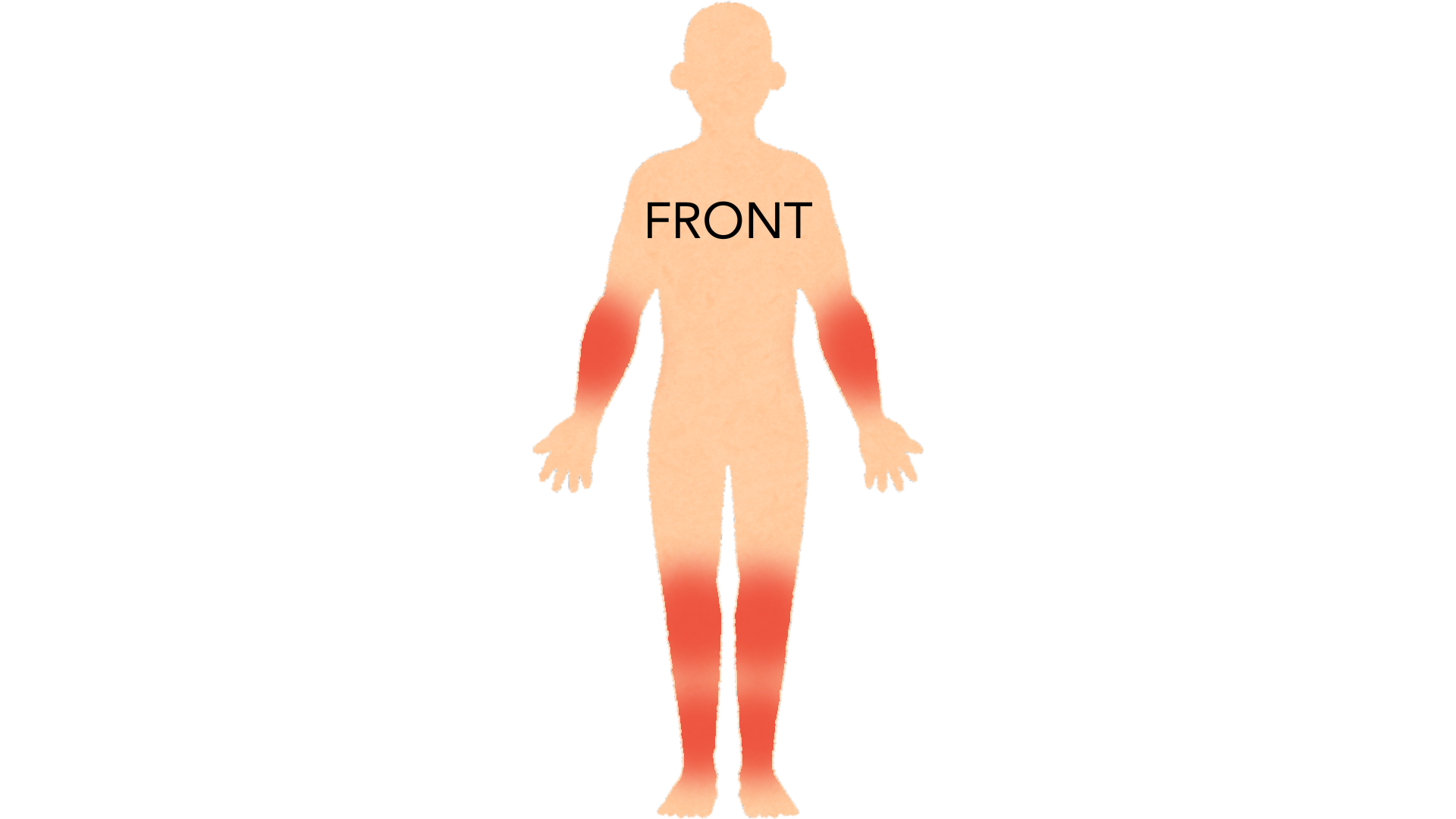
The classic sites, and the way it sits is part of the diagnosis: on the outside of the joint, not in the crease. Eczema does the opposite. It is usually symmetrical, so if one elbow is involved the other normally is too.
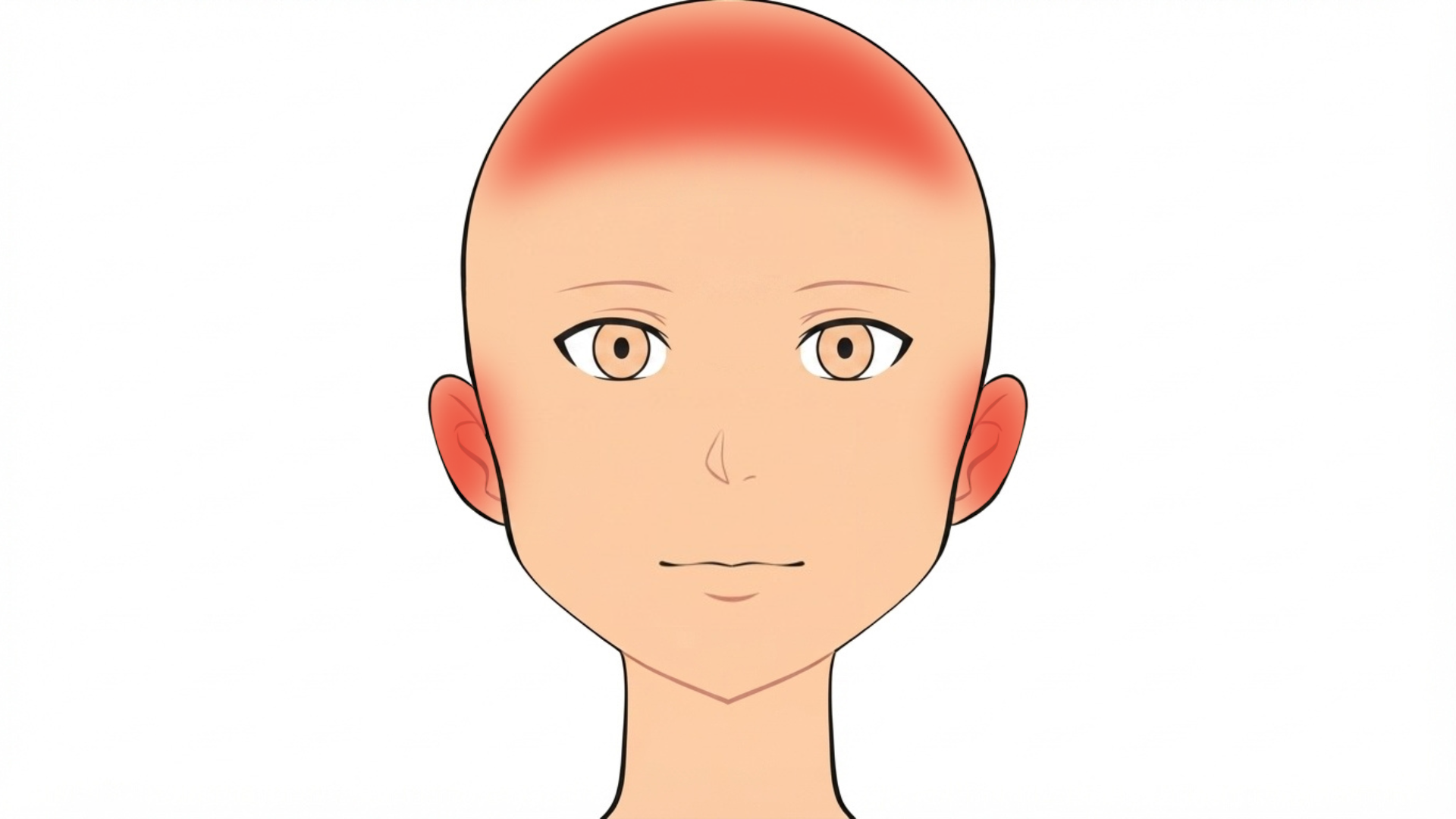
The scalp is involved in about half of people, and the plaques often run past the hairline onto the forehead and behind the ears — which is one of the things that separates it from dandruff, and the reason a hairline edge is worth looking at.
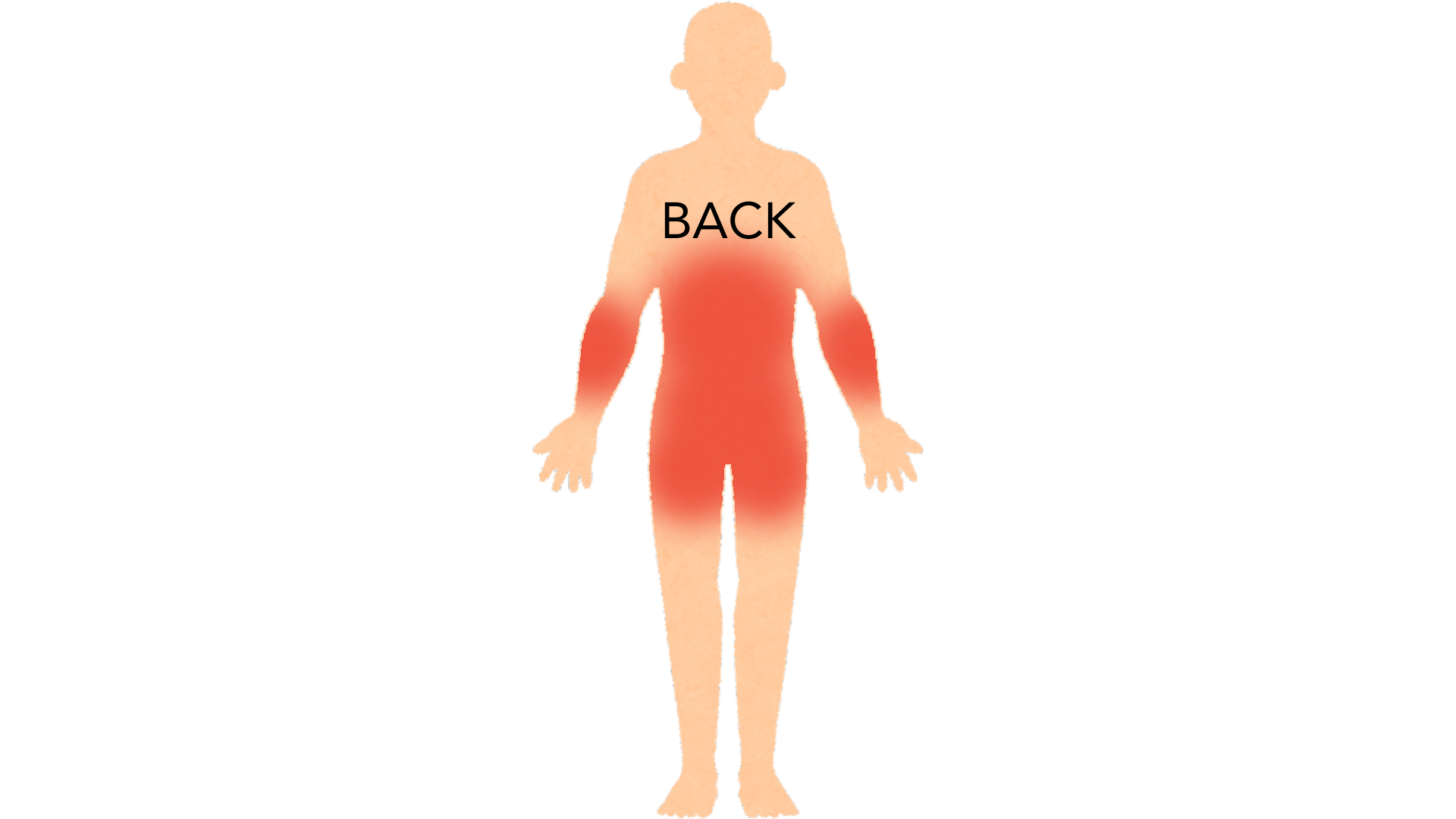
The lower back and the crease between the buttocks are common and easily missed. So are the folds, the palms, the soles, the face and the genitals — those sites matter more than their size suggests, because they affect daily life out of proportion to the area involved. Nails are affected in a large share of cases.
Psoriasis
Years, in flares
A single plaque can last months. The condition itself comes and goes for life.
Poison Ivy
Two to three weeks
It clears on its own once the oil is off the skin and the reaction runs its course.
Psoriasis
Prescription creams and light therapy
Steroid and vitamin D creams settle a plaque. Widespread psoriasis has light therapy, tablets and injections.
Poison Ivy
Wash it off, then calm the itch
Soap and water within a couple of hours removes some of the oil. After that: cool compresses, calamine, an antihistamine at bedtime, and a steroid cream. A widespread rash usually needs steroid tablets.

Lifts and dissolves the scale on top of a plaque. That matters because no medicated cream can reach the skin through a thick crust, so this is often the step that makes everything else work. It does nothing to the immune signal underneath, and on large areas it should not be used long term.
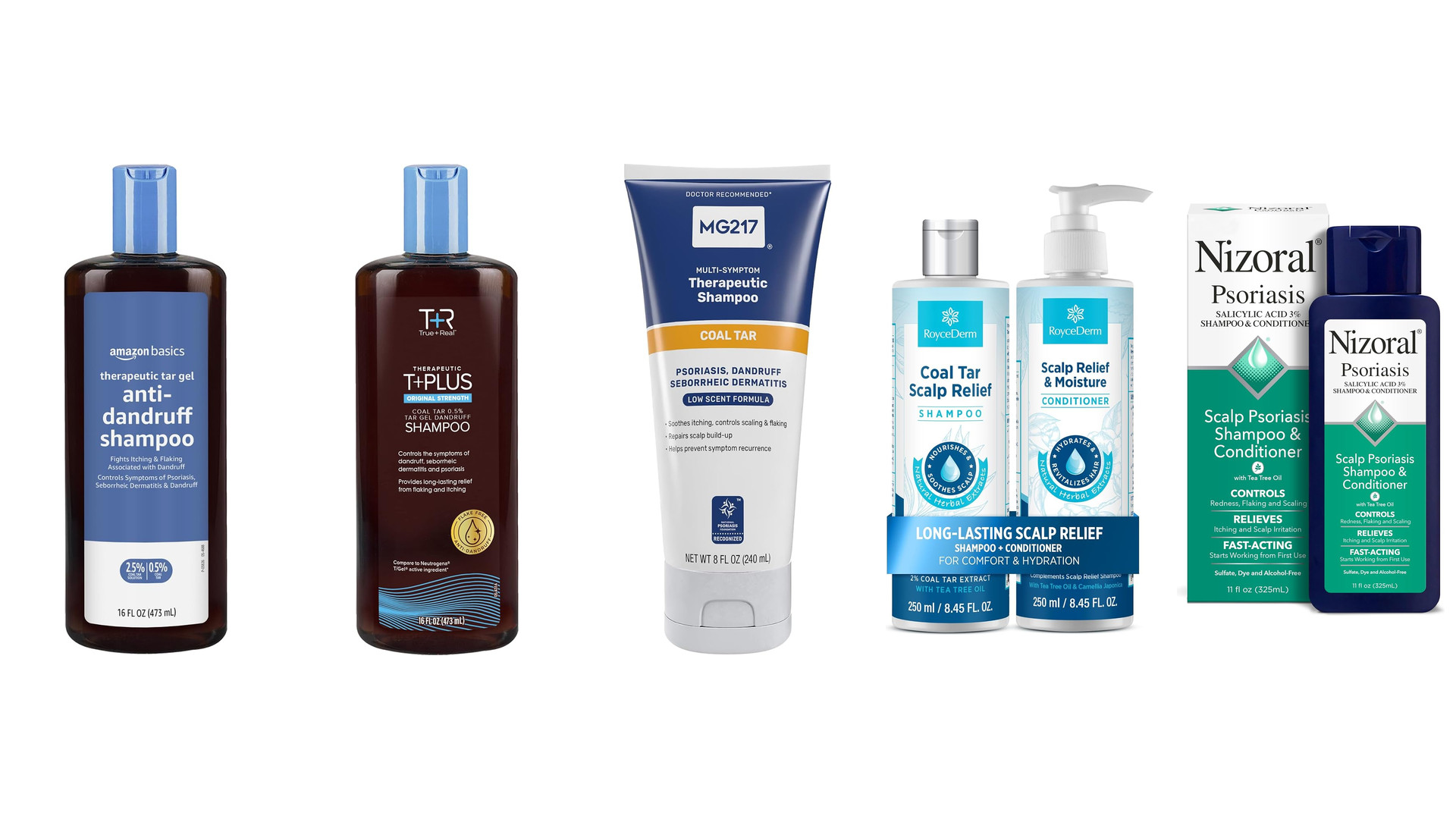
An old treatment that genuinely still works, slowing the overactive turnover of skin cells. It is most useful as a scalp shampoo left on for several minutes, and on stubborn plaques on the body. The reasons people give it up are the smell and the staining of clothes and bedding rather than the results.
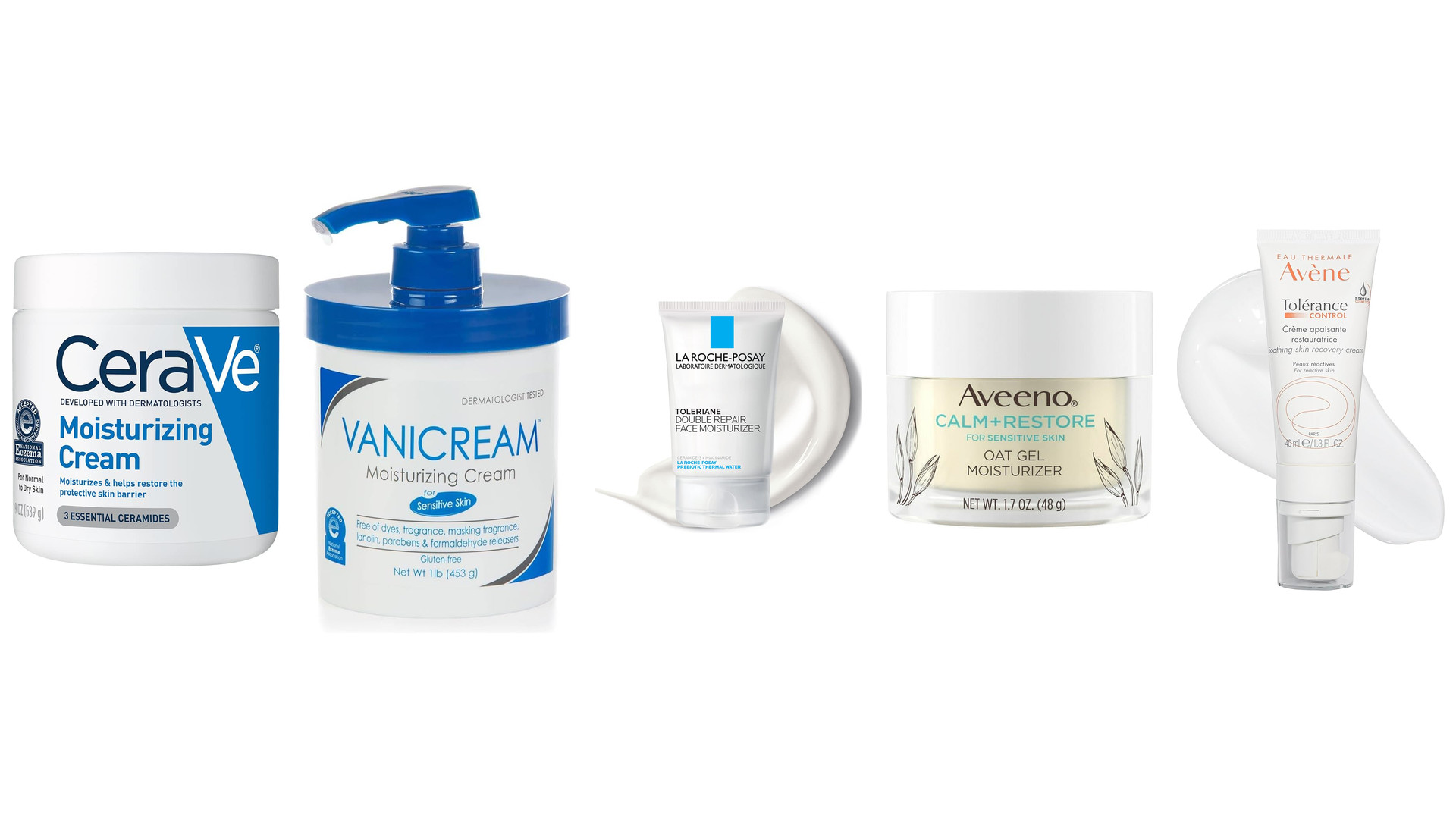
Plain petroleum jelly or a thick unscented ointment, used daily, reduces cracking, itching and scale and helps prescription creams absorb. Apply it after a bath while the skin is still damp. It will not clear a plaque on its own — this is the base everything else is built on, not the treatment.
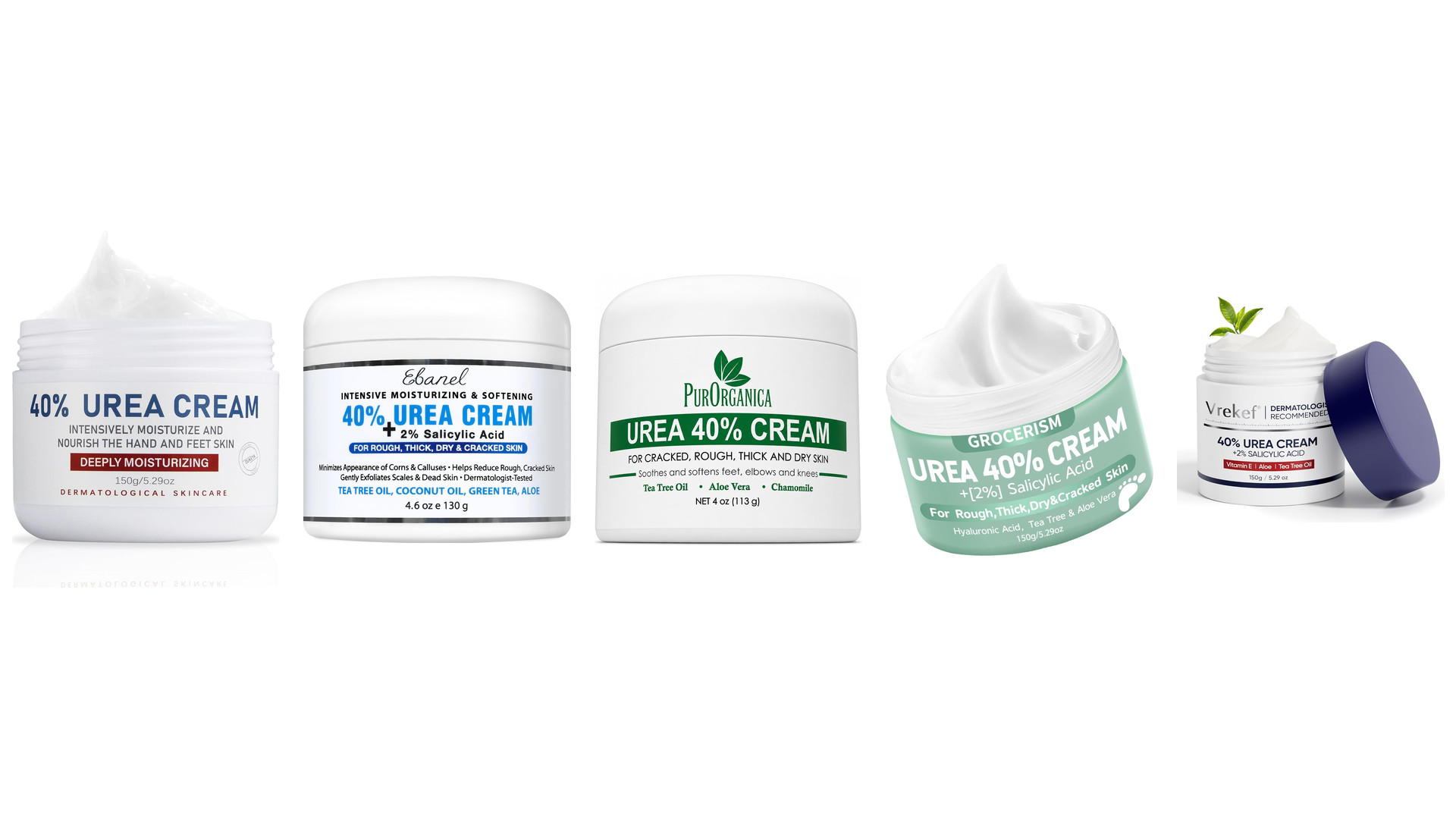
Softens hard, thickened skin and helps shift scale, which makes it useful on the palms, soles and the thickest plaques. Higher strengths work better here than the low ones sold for dry skin. It can sting on cracked skin, so it goes on intact plaques rather than open fissures.
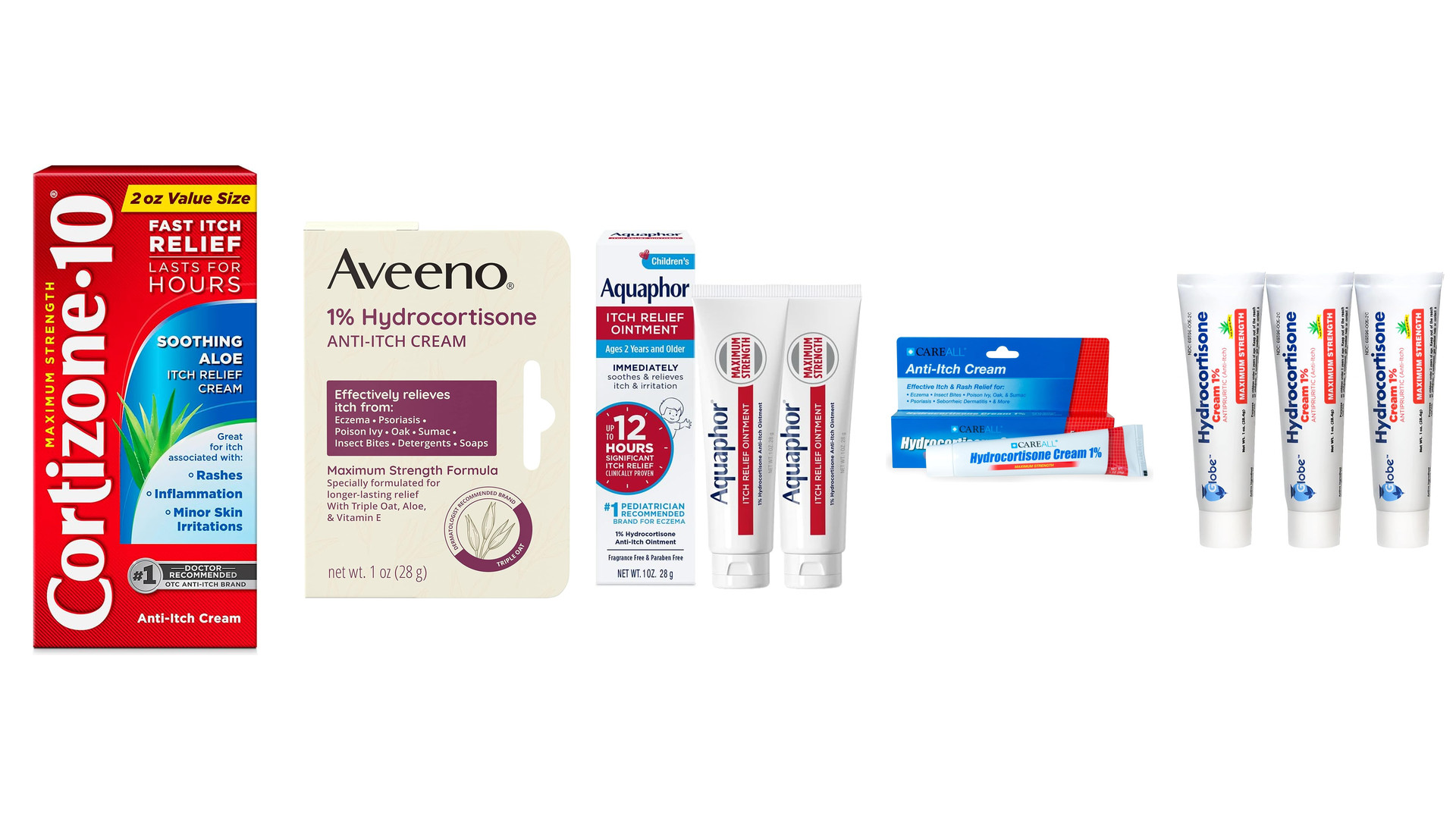
The mildest steroid you can buy, and it is honestly too weak for a thick plaque on an elbow or knee. Where it does help is thin skin — the face, the eyelids and the body folds — used for short stretches. If nothing has changed after two weeks, the answer is a stronger prescription rather than more of this.

Narrowband UVB, given two or three times a week in a clinic, is one of the most effective options for psoriasis that covers too much skin for creams. It suppresses nothing in the rest of the body, which is why it suits pregnancy and people who cannot take systemic medicines. The commitment is the difficulty: it means repeated trips over two to three months.
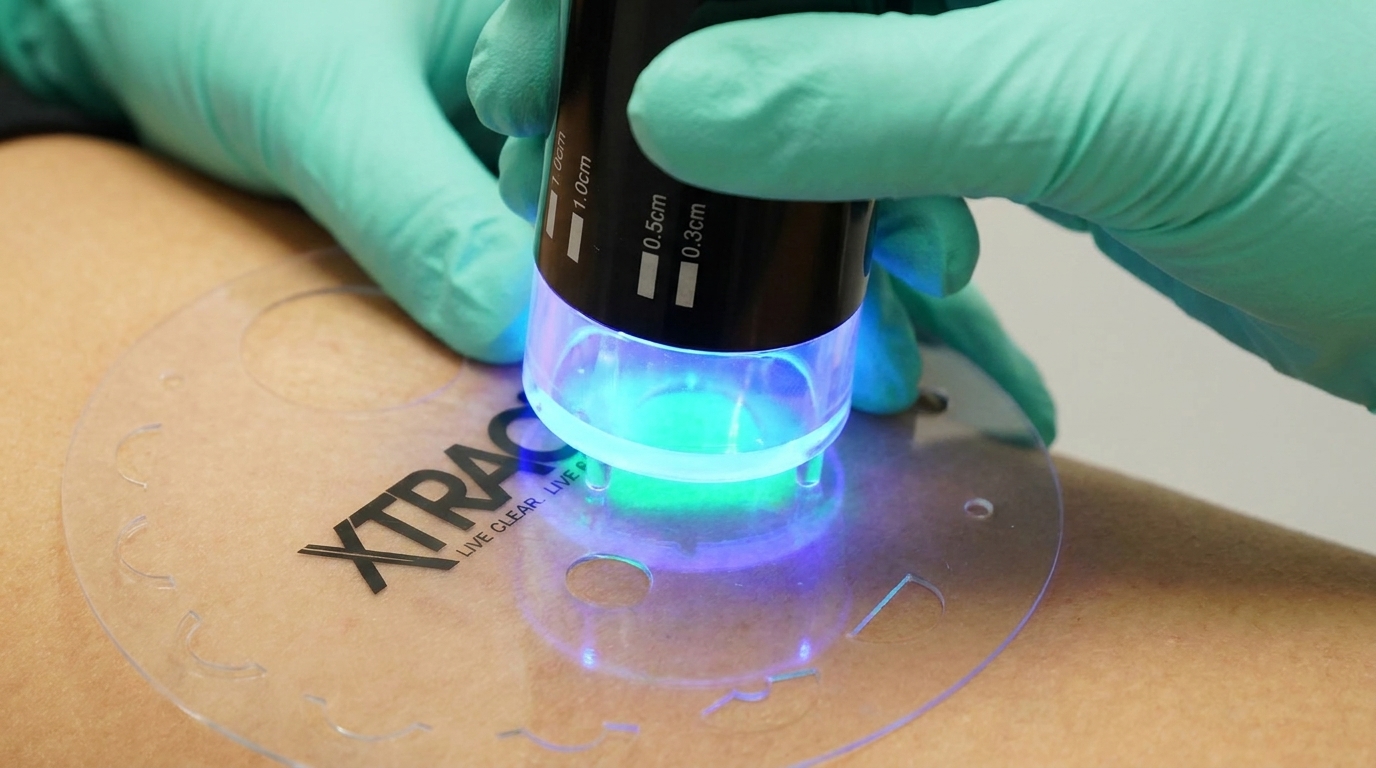
Delivers the same kind of UVB light, but aimed only at the plaques, so a higher dose can be used and normal skin is spared. It suits a handful of stubborn patches, or psoriasis on the scalp, elbows and knees, rather than widespread disease. It usually takes several short sessions.
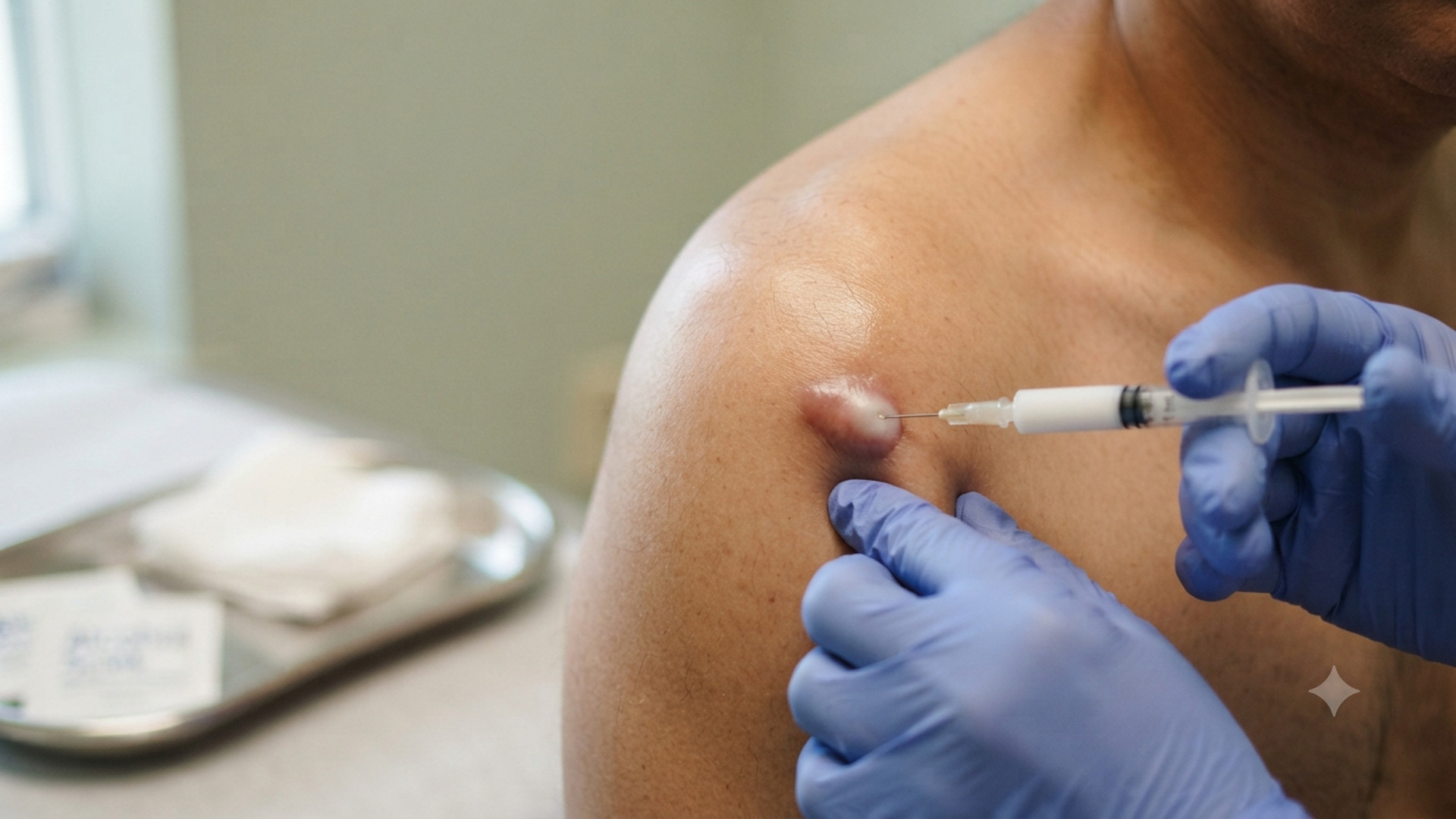
A small amount of steroid injected directly into one thick plaque that has refused to shift, or into the nail fold for nail psoriasis. It works where cream cannot get through. It is used sparingly, because repeated injections can leave a dent or a pale mark in the skin, and it is not a treatment for anything widespread.
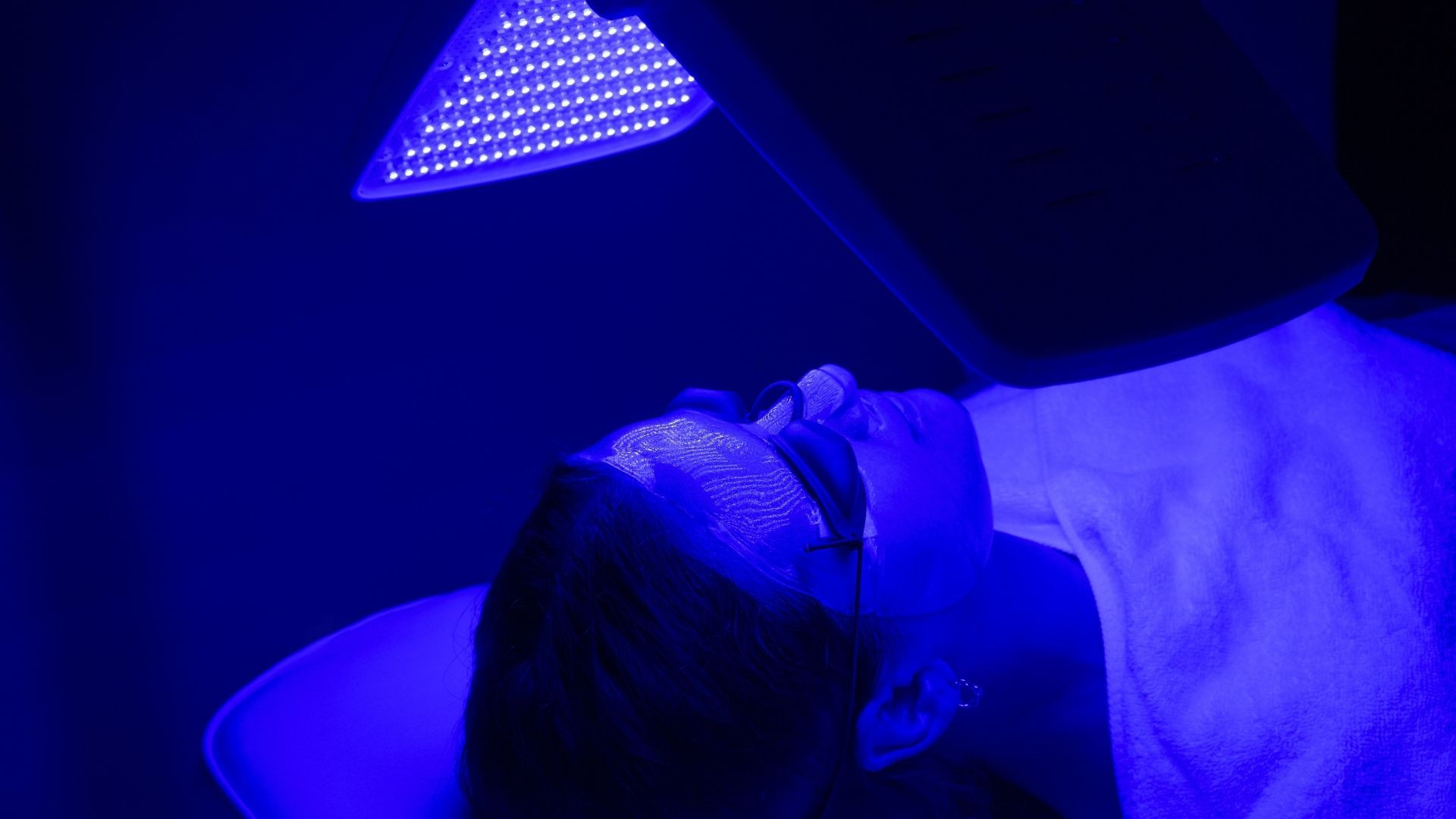
Home red and blue LED devices are not the same thing as narrowband UVB, and there is little evidence they clear plaques. Tanning beds are not a substitute either, and they carry a skin cancer risk. If light treatment is the right direction, the version worth having is the medical one, prescribed and dosed.
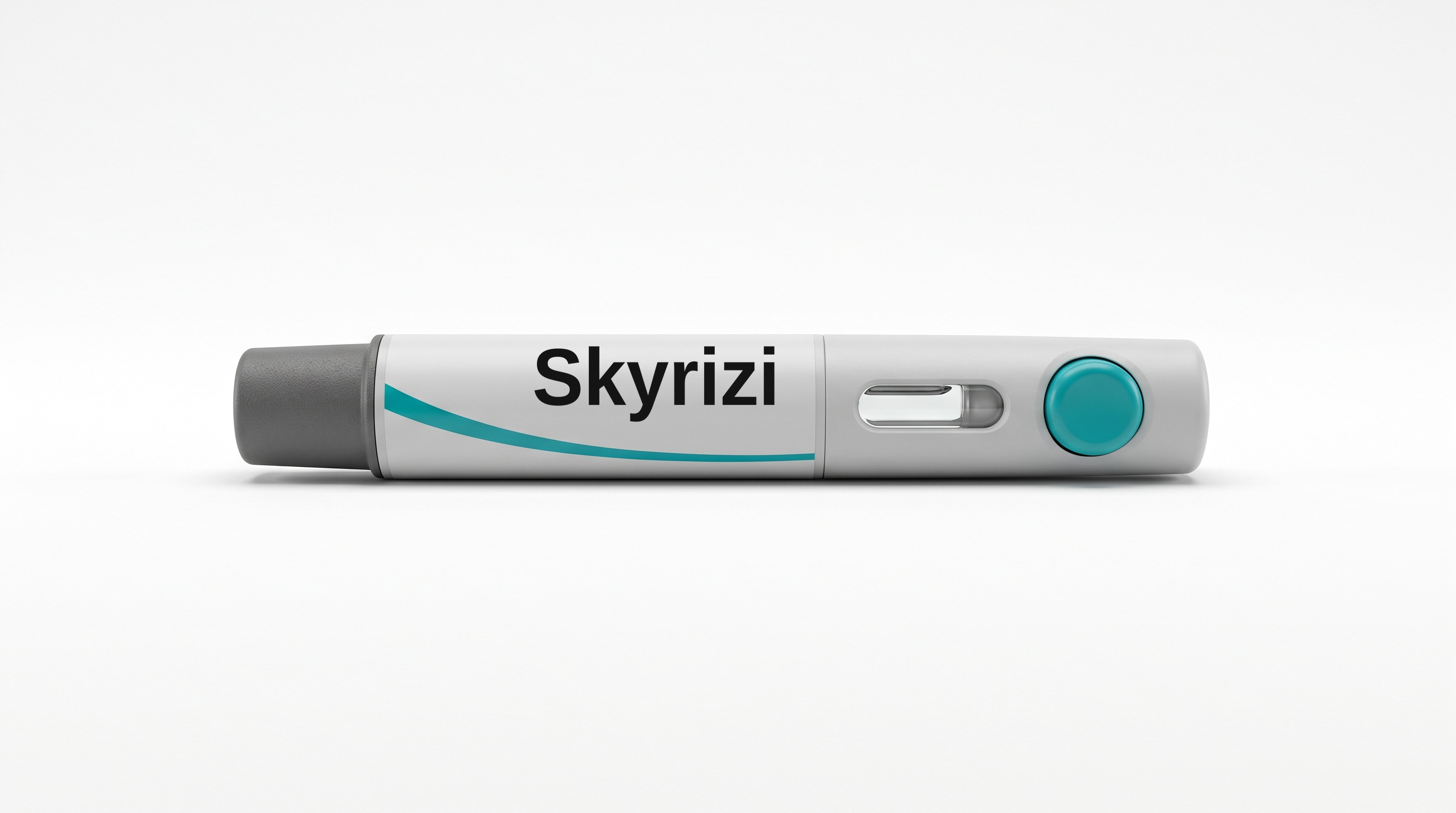
A biologic that blocks interleukin-23, given as four injections a year once the starting doses are done. It is where most people begin now: it clears skin as completely as anything available, it holds that clearance over years, and the dosing is the easiest of the group to live with. Tuberculosis and hepatitis screening happens before starting, and there is a real but modest increase in some infections.

Blocks interleukin-17A and interleukin-17F, two signals instead of one. In head-to-head trials it leaves more people with completely clear skin, and gets there faster, than any other biologic it has been tested against. The trade-off is oral thrush, which is common enough that it is discussed before starting, and like the other interleukin-17 drugs it is avoided in inflammatory bowel disease.

Blocks interleukin-17A, and it clears skin fast — often within weeks rather than months. Ixekizumab (Taltz) works the same way, and the choice between the two is mostly practical. Either is a common pick when the scalp, palms, soles or nails are badly affected, and both treat psoriatic arthritis, but they are avoided in inflammatory bowel disease, which they can worsen.
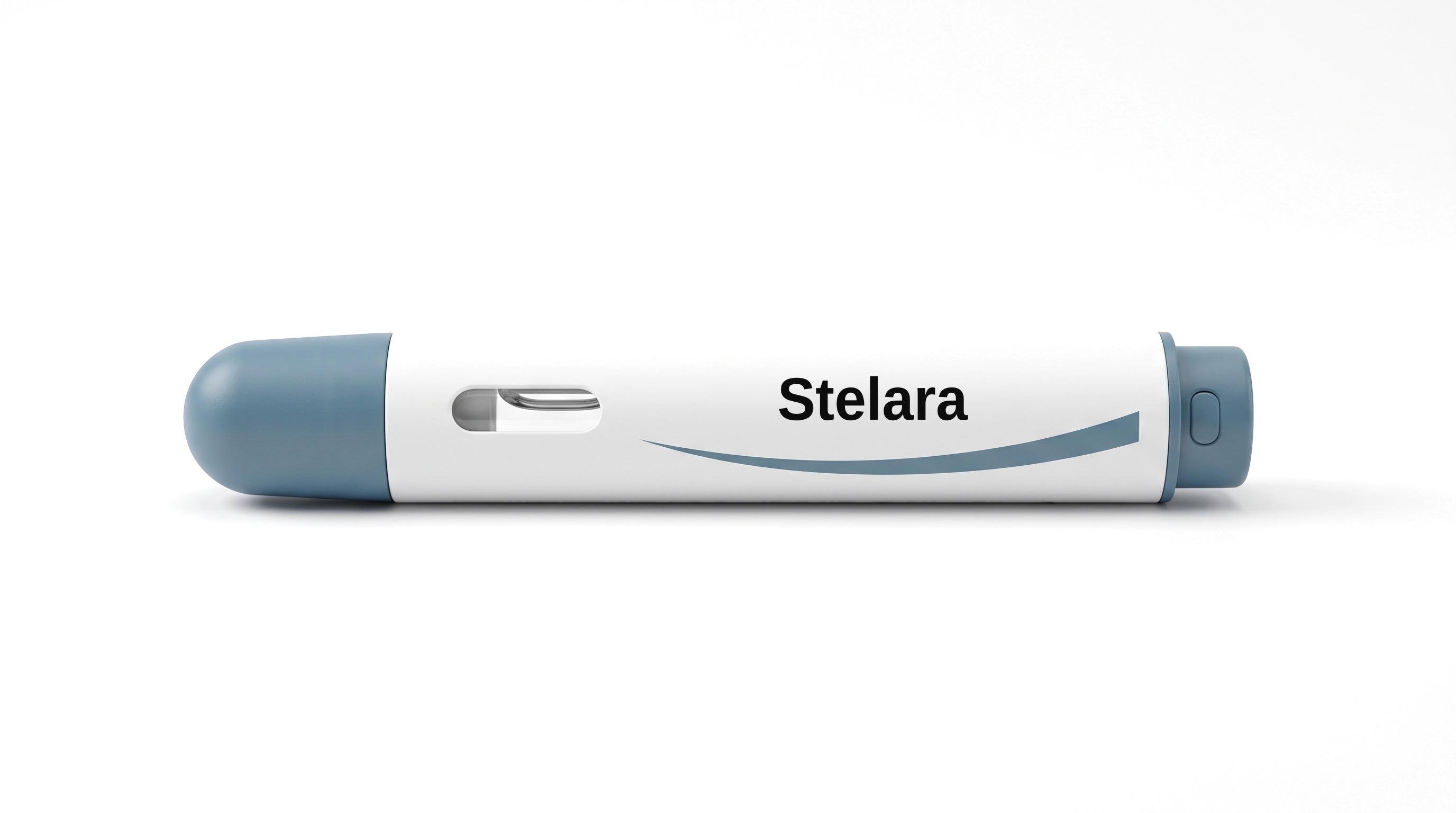
An older biologic that blocks interleukin-12 and interleukin-23, given four times a year. It does not clear skin as completely as the newer options, which is why it is seldom first choice now, but it has the longest safety record of the group and biosimilar versions have made it one of the cheapest ways to be on a biologic at all.

The oldest of the group, blocking TNF, injected every two weeks. Newer options clear skin more completely, so it is rarely the first choice for skin alone, but it has decades of safety data behind it, it treats psoriatic arthritis well, and biosimilar versions have made it cheap. Screening for tuberculosis and hepatitis is done before starting.

A once-daily tablet that blocks one specific step in the psoriasis signal. It clears skin better than the older oral options and needs no routine blood monitoring, which is why it is increasingly chosen when creams are not enough. It is not a biologic injection, and it does not treat joint disease as well as they do.
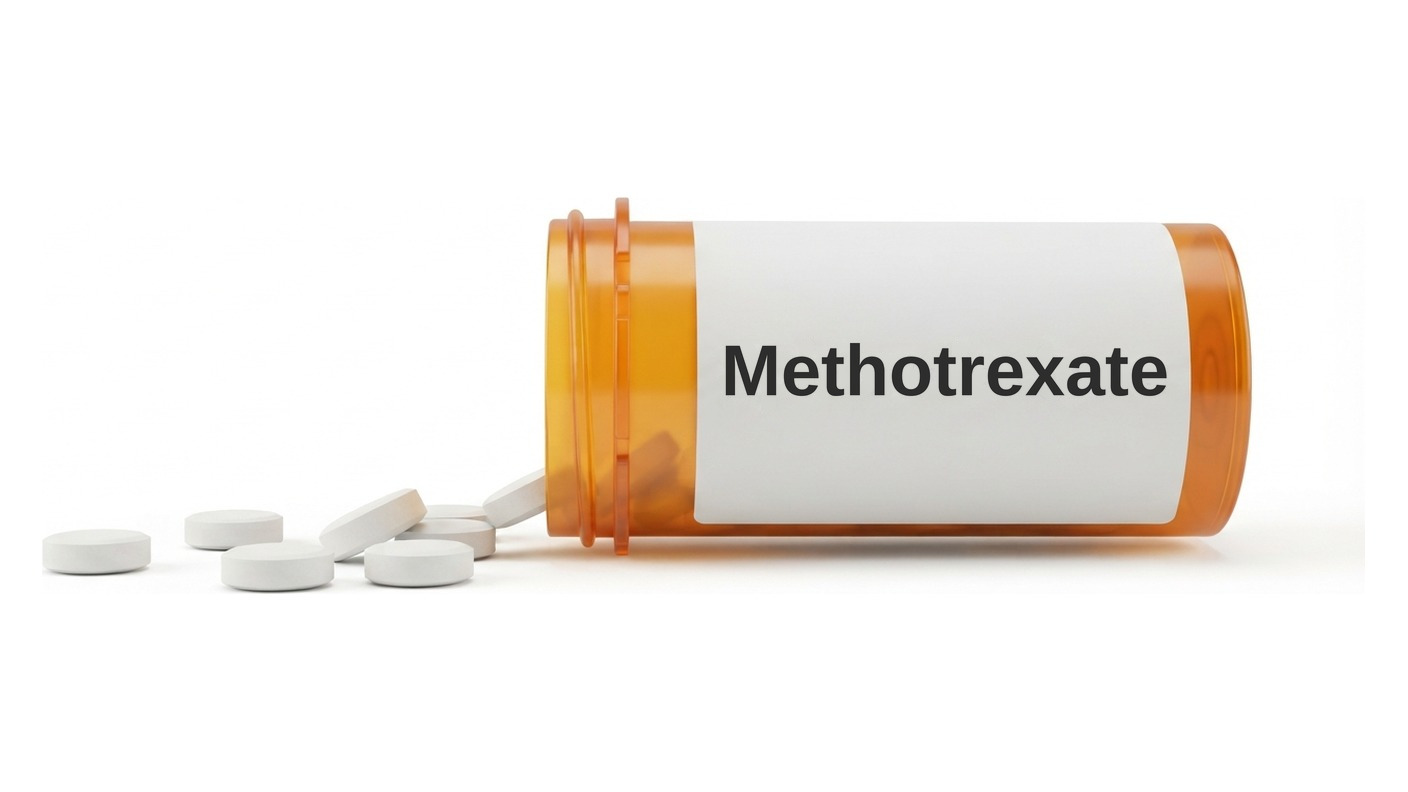
A long-established once-weekly tablet that damps down the immune overactivity, and it treats psoriatic arthritis at the same time, which is often why it is chosen. It needs regular blood tests for the liver and blood count, and folic acid alongside it. Alcohol is limited, and it is not used in pregnancy — ask your doctor.

The fastest-acting option, which makes it the rescue treatment for a severe flare or erythrodermic psoriasis. It works within weeks. It is deliberately short-term, usually under a year, because it raises blood pressure and can damage the kidneys, and both are checked throughout.
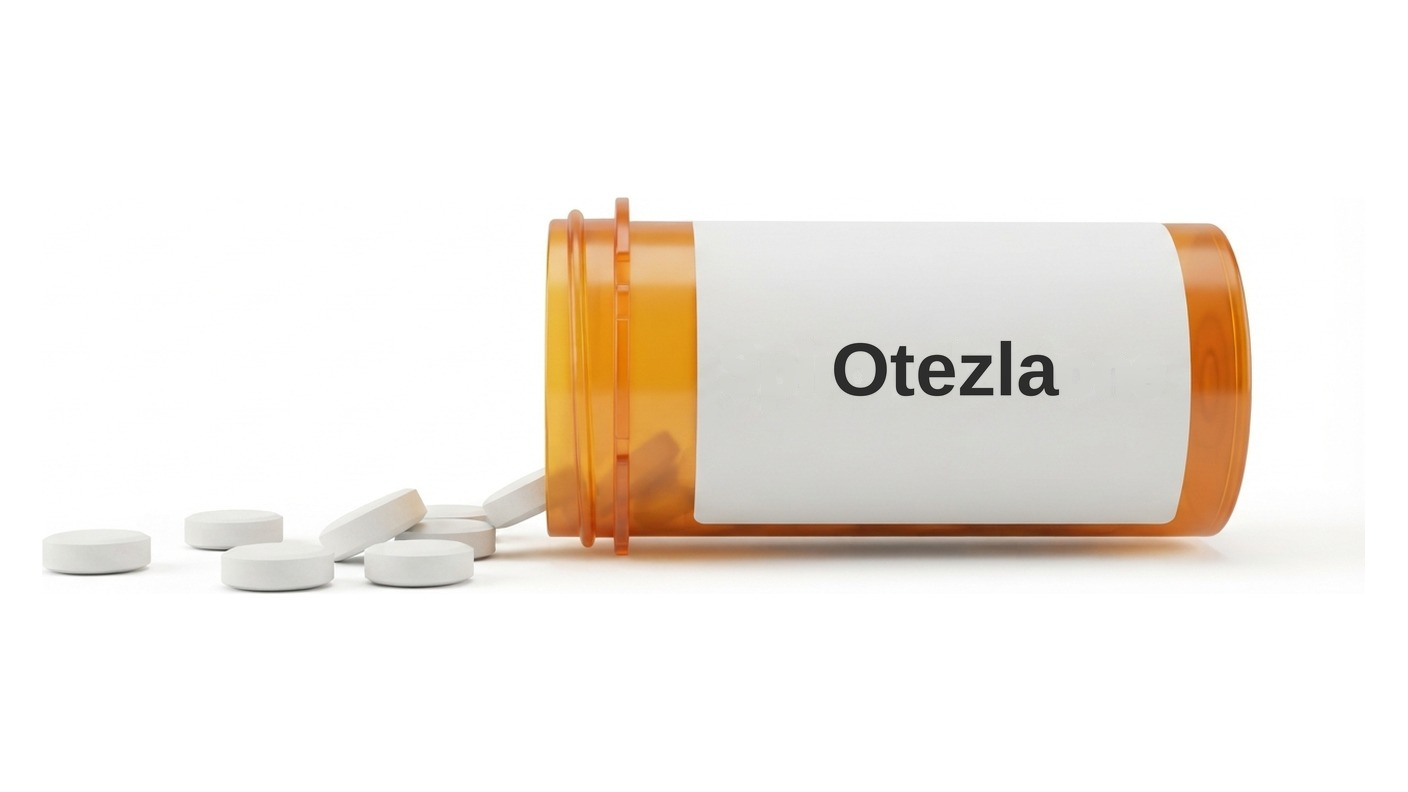
A twice-daily tablet that clears skin less completely than the newer options but needs no blood monitoring at all, which suits people who cannot or will not have regular tests. It is often used for scalp, palm and sole psoriasis. Nausea, loose stools and headache are common in the first few weeks and usually settle.
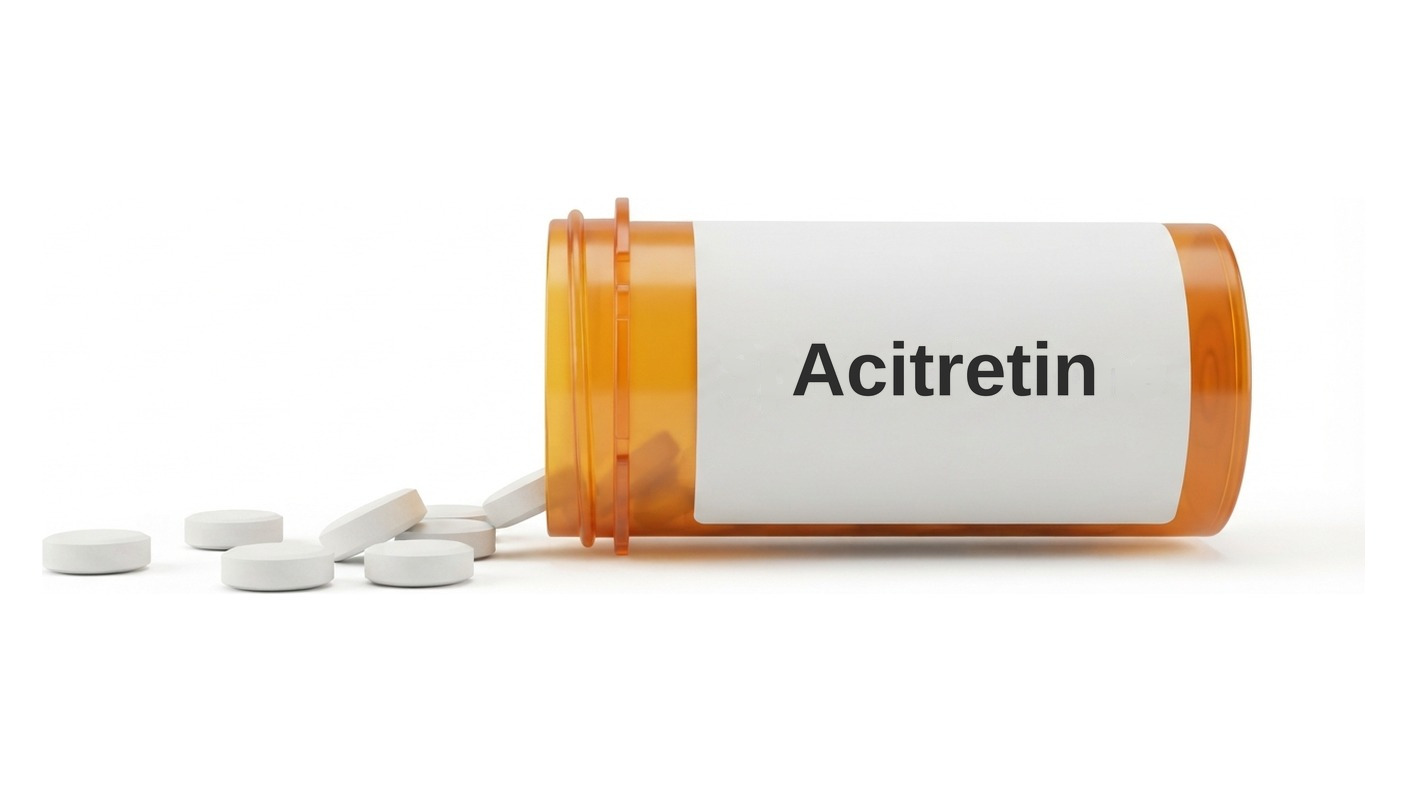
An oral retinoid, most useful for pustular psoriasis on the palms and soles and often combined with light treatment. It does not suppress the immune system, which suits people who cannot take something that does. It causes dry lips and eyes and raised cholesterol, and it must not be used by anyone who could become pregnant for three years afterward.
Steroid tablets clear psoriasis quickly and then it comes back worse, sometimes as the pustular form, when they are stopped. For that reason they are not used to treat psoriasis. They are on this list because they are still occasionally prescribed for a flare, and because you should never stop a course on your own — ask the doctor who prescribed it.
The standard first prescription for plaques: a vitamin D analog that slows the fast cell turnover, combined with a steroid that settles the inflammation. The two together work better than either alone and allow less steroid overall. It comes as an ointment, a foam or a scalp solution, and it is usually used once a day.
A very strong steroid for thick, stubborn plaques on the elbows, knees, palms, soles and scalp, where milder ones simply do not get through. It is used in short bursts of two to four weeks, not continuously. It should never go on the face, the eyelids or the body folds, where it thins the skin quickly.
A once-daily steroid-free cream that calms the immune signal in the plaque. Its appeal in psoriasis is that it can be used on the face and folds and for long stretches without the skin thinning, and improvement often lasts a while after stopping. It can cause folliculitis and itching where it is applied.
Another steroid-free once-daily cream, and one of the few licensed for the body folds, where inverse psoriasis is smooth, sore and difficult to treat safely. It is not greasy, which suits scalp and visible areas. Cost and insurance cover are the usual obstacles rather than how well it works.

A mid-strength steroid for plaques on the trunk, arms and legs — the everyday workhorse between hydrocortisone and clobetasol. It is often alternated with a vitamin D cream so that the steroid is not used every day. Plaques usually return within weeks of stopping, which is why maintenance is planned rather than improvised.

A retinoid gel that thins the plaque and reduces scale, and its benefit tends to hold longer after stopping than a steroid's does. It is irritating on its own, so it is usually paired with a steroid or used every other night. It is not used if you are pregnant or planning to be — ask your doctor.
A steroid-free ointment used on the face, eyelids, genitals and body folds, where psoriasis is thin and smooth and steroids cannot be used for long. It does not thin the skin. It stings or feels warm for the first week or so, which settles, and it works less well on thick plaques elsewhere.
A mild prescription steroid for psoriasis on the face and in the folds when hydrocortisone is not enough. It is used for short courses and then stepped down to a steroid-free option for maintenance. On elbows, knees and scalp it is too weak to do much.
Psoriasis
Yes, in the same places
Psoriasis is long-term. Treatment controls it rather than curing it.
Poison Ivy
Only if you touch it again
Nothing lingers in the skin. But unwashed clothing, boots, garden tools and pet fur hold the oil for a long time and can start it over.
Psoriasis
If patches spread, or joints ache
Morning stiffness in the fingers alongside scaly patches is worth naming at the appointment. Painful or widespread plaques need prescription treatment.
Poison Ivy
If it is widespread or on the face
Rashes over a large area, or on the face and genitals, are usually treated with steroid tablets rather than cream. Yellow crust and spreading soreness mean infection on top.
Poison Ivy
The fluid inside poison ivy blisters is not contagious. It cannot start a new rash on you, and it cannot give the rash to anyone else. This is one of the most widely believed things about poison ivy and it is not true.
Psoriasis
Scratching psoriasis can create a new plaque. Injuring the skin, even by picking at scale, can grow psoriasis in exactly that spot. It is why a picked patch tends to get bigger rather than smaller.
Poison Ivy
Scratching poison ivy delays healing and invites infection. It does not spread the rash. Cool showers, calamine and an antihistamine at bedtime do far more than willpower.
Psoriasis
A sudden shower of small scaly spots across the trunk is often guttate psoriasis. It usually follows a throat infection by a week or two. The spots are drop-sized and scaly rather than blistered, they cover the chest, back and limbs, and they often settle over a few months.
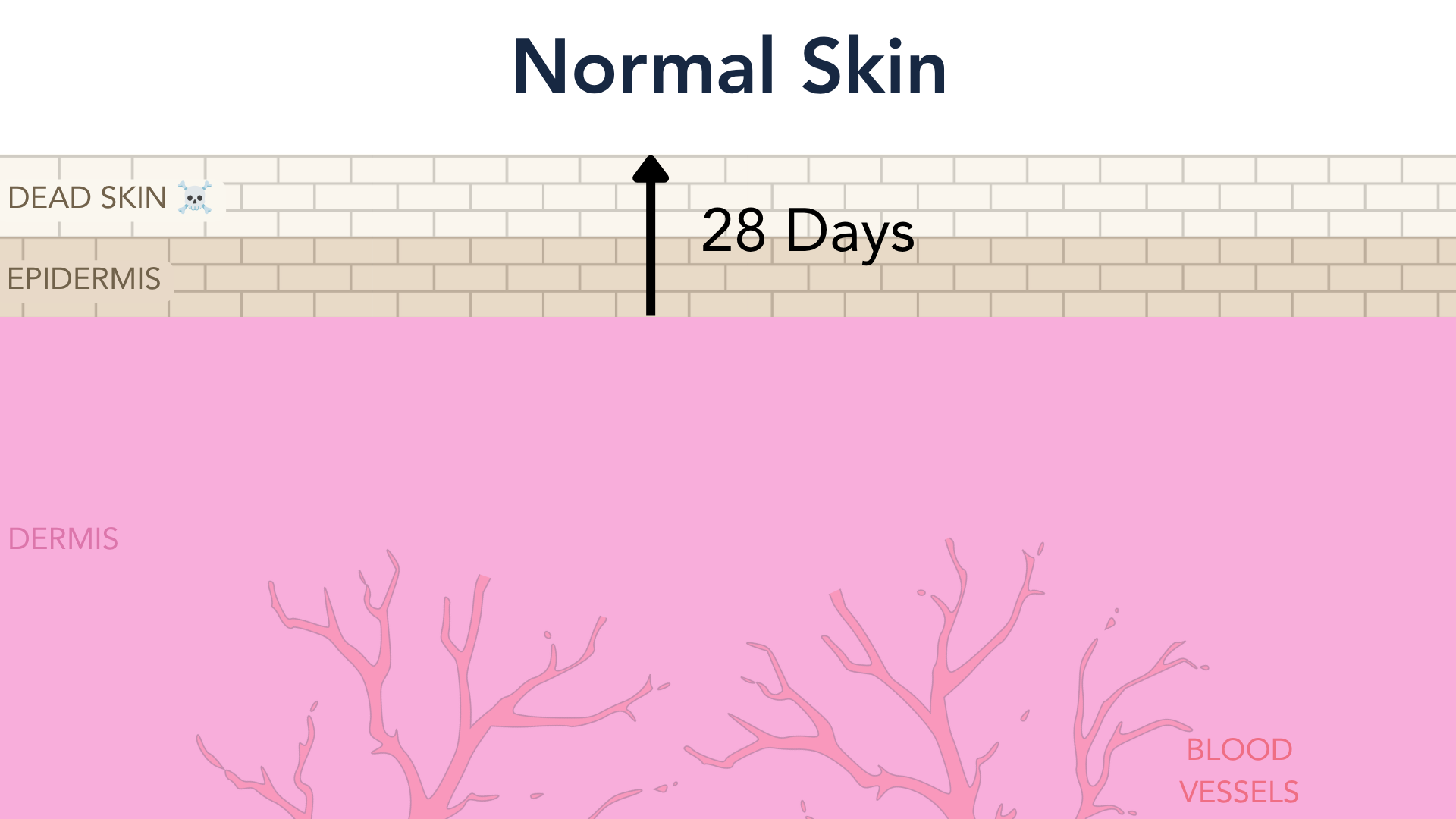
In healthy skin, a cell made at the base of the epidermis takes about a month to reach the surface. By the time it arrives it is flat and dead, and it sheds one cell at a time, so nothing piles up. The immune system stays quiet unless there is something to fight.

Immune cells in the skin switch on when there is nothing to fight and release signals such as TNF, interleukin-17 and interleukin-23. These are the messages that tell the skin it is under attack, and they are what biologic injections are built to block.
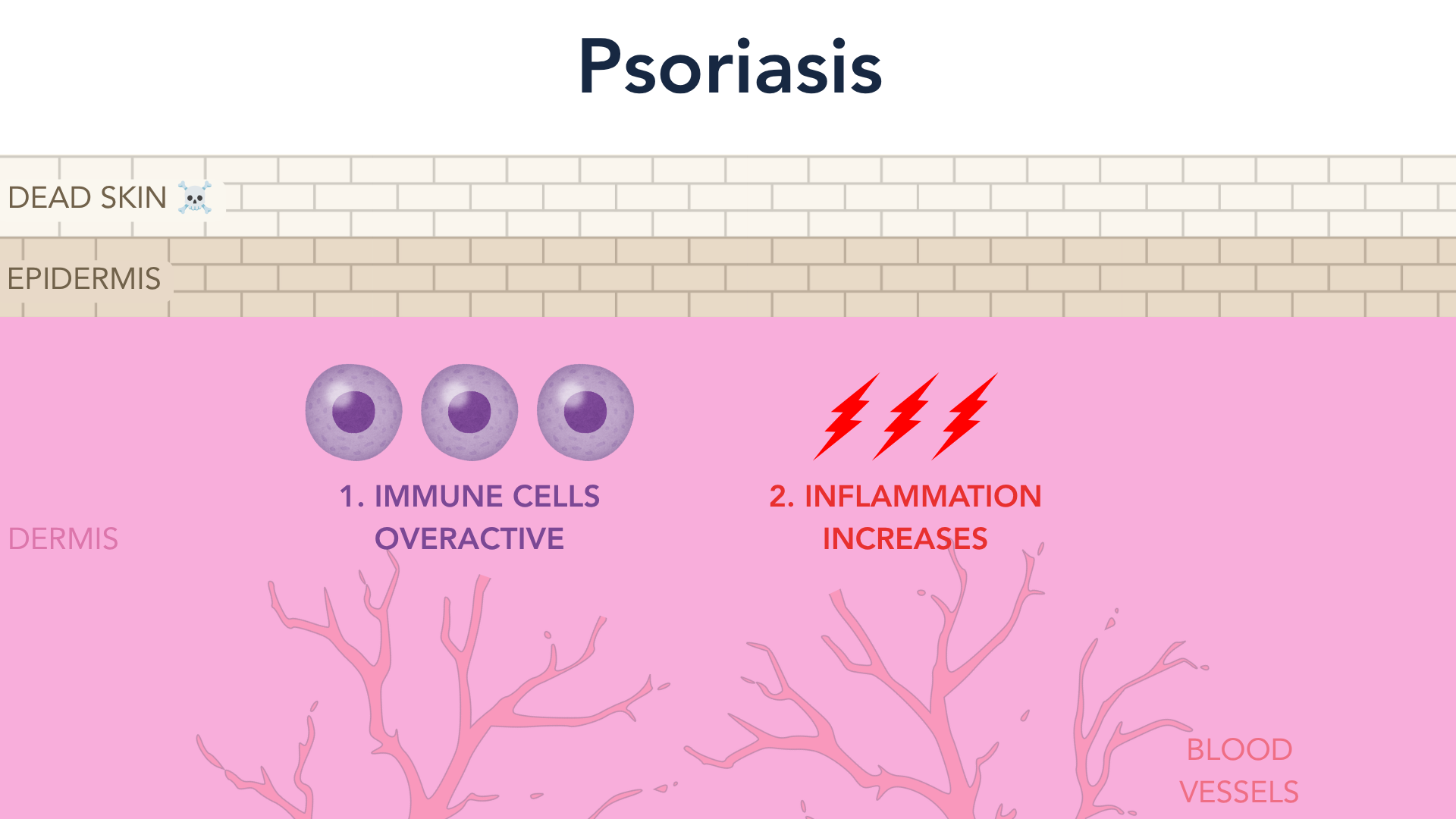
Inflammation brings increased blood flow to the area.

Told to behave as though the skin is injured, cells at the base of the epidermis divide far faster than normal. A journey to the surface that should take about a month is finished in a few days, so the cells arrive immature and still stuck together.
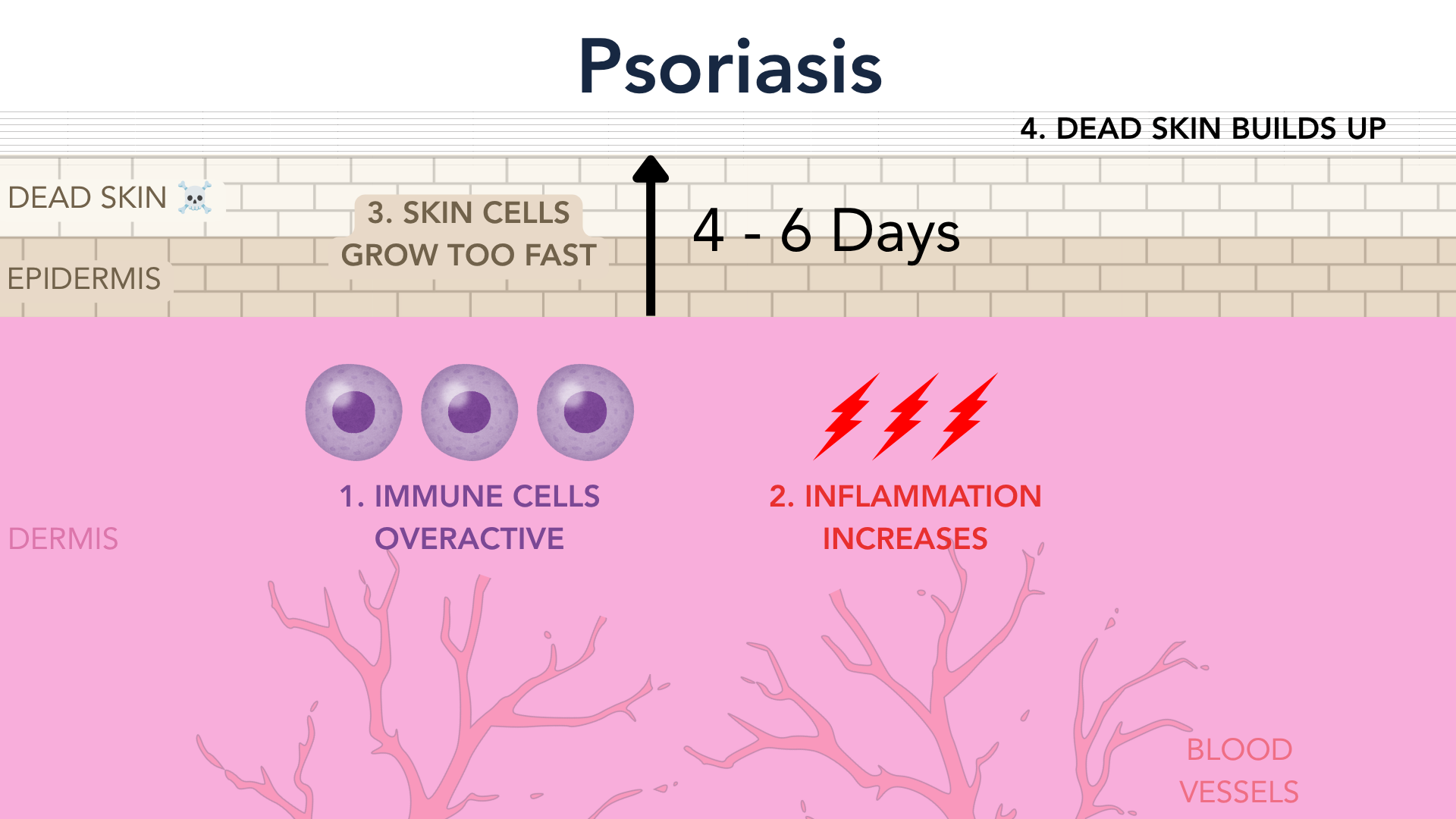
The immature cells pile up instead of shedding invisibly, which builds the raised plaque and the silvery scale. Blood vessels underneath multiply and widen, which is why picking the scale off leaves pinpoint bleeding, and why plaques crack over joints.

Both are itchy, scaly and long-running, and both turn up on the arms and legs. Eczema has soft, blurred edges, often weeps or crusts, and prefers the inside of the elbows and behind the knees. Psoriasis has sharp borders and thicker silvery scale, and sits on the outside of the same joints. Eczema almost always itches; only about half of psoriasis does.
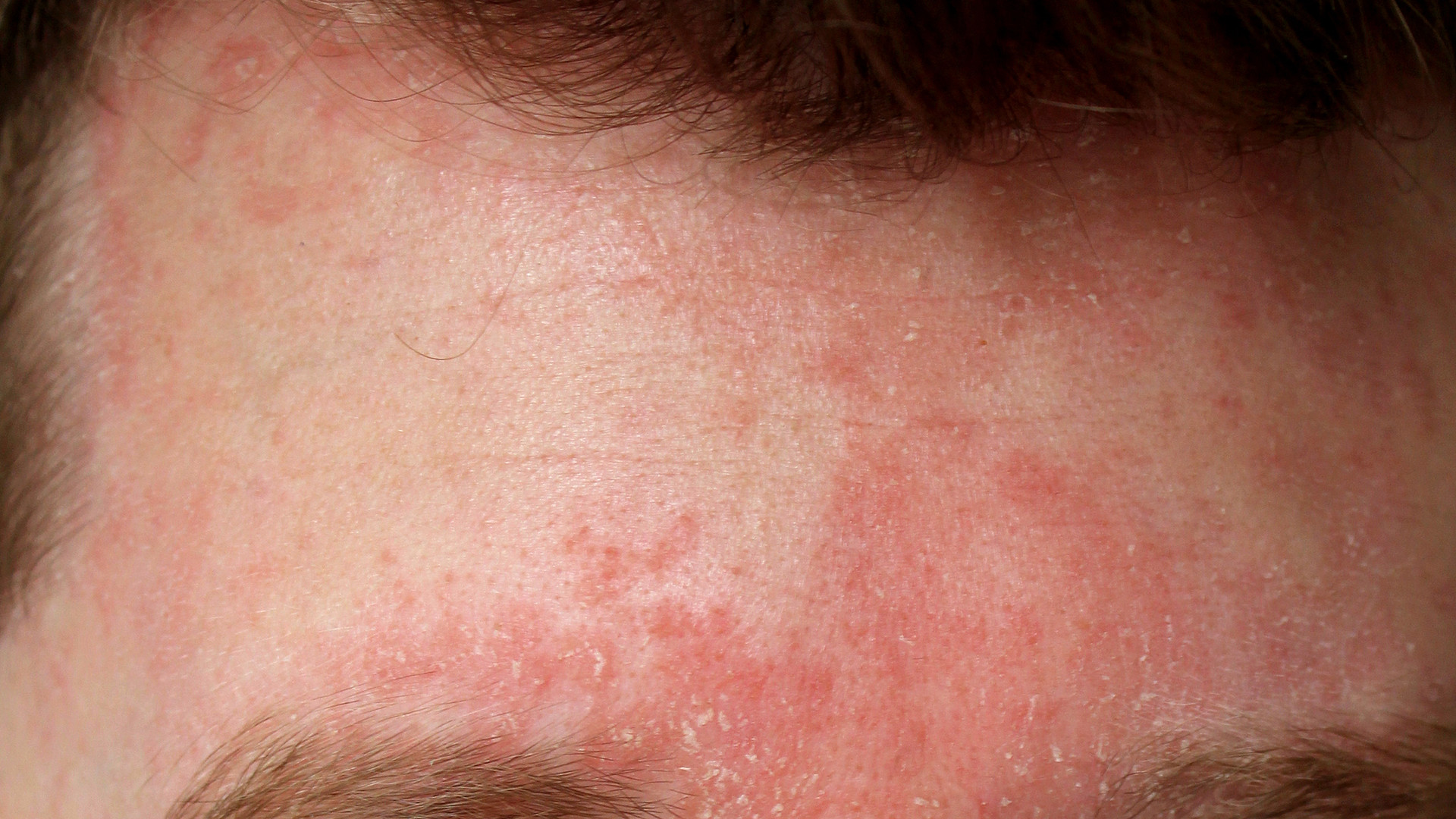
On the scalp the two are hardest to separate, and some people have both. Seborrheic dermatitis is greasy yellow scale with a soft edge, and it favors the sides of the nose, the eyebrows and the middle of the chest. Scalp psoriasis is thicker, drier, silvery-white, sharply bordered, and it crosses past the hairline onto the forehead and behind the ears.
Common questions
Timing and blisters. Poison ivy shows up one to three days after contact, blisters, itches fiercely and clears in two to three weeks. Psoriasis builds over weeks, makes thick scaly patches with a sharp edge, and returns to the same places for years.
It can. Injuring or badly inflaming the skin can bring up a psoriasis plaque in that exact spot in someone who already has psoriasis. It does not cause psoriasis in someone who does not.
No. The fluid in the blisters cannot start a rash on you or anyone else. The plant oil can, and it stays active on clothes, tools and pet fur for a long time.
Thin skin reacts sooner than thick skin, and areas that picked up less oil take longer to show. The whole reaction was set when you touched the plant, even though it appears over several days.
Usually two to three weeks. A widespread rash, or one on the face, is often treated with steroid tablets, which shortens it.
Patches can clear for months or years, then return. Psoriasis is a long-term condition, so treatment aims to control it rather than cure it.